
Adding audio to your CCTV system transforms it from a passive recording tool into an active investigative asset. Yet many Essex and London business owners hesitate, uncertain whether the compliance burden outweighs the security gains. Audio captures verbal threats, confirms incidents, and provides context that video alone cannot deliver. However, integrating audio means navigating UK data protection law, conducting impact assessments, and respecting privacy boundaries. This guide clarifies the technology behind CCTV audio, explains regulatory requirements under GDPR and the Data Protection Act 2018, evaluates real-world benefits against privacy risks, and offers practical steps to implement audio lawfully and effectively.
Key Takeaways
| Point | Details |
|---|---|
| Audio adds investigative value | Audio can reveal threats and provide context that video alone may miss. |
| Analogue versus IP systems | There are analogue HD protocols such as CVI, TVI and AHD and IP systems with ONVIF, each offering different audio integration options. |
| DPIA and signage required | A data protection impact assessment must be completed and clear signage informing visitors about audio recording must be displayed. |
| Minimise collection and respect zones | Audio should be minimised and privacy zones within workplaces respected to reduce intrusion. |
Understanding CCTV audio technology
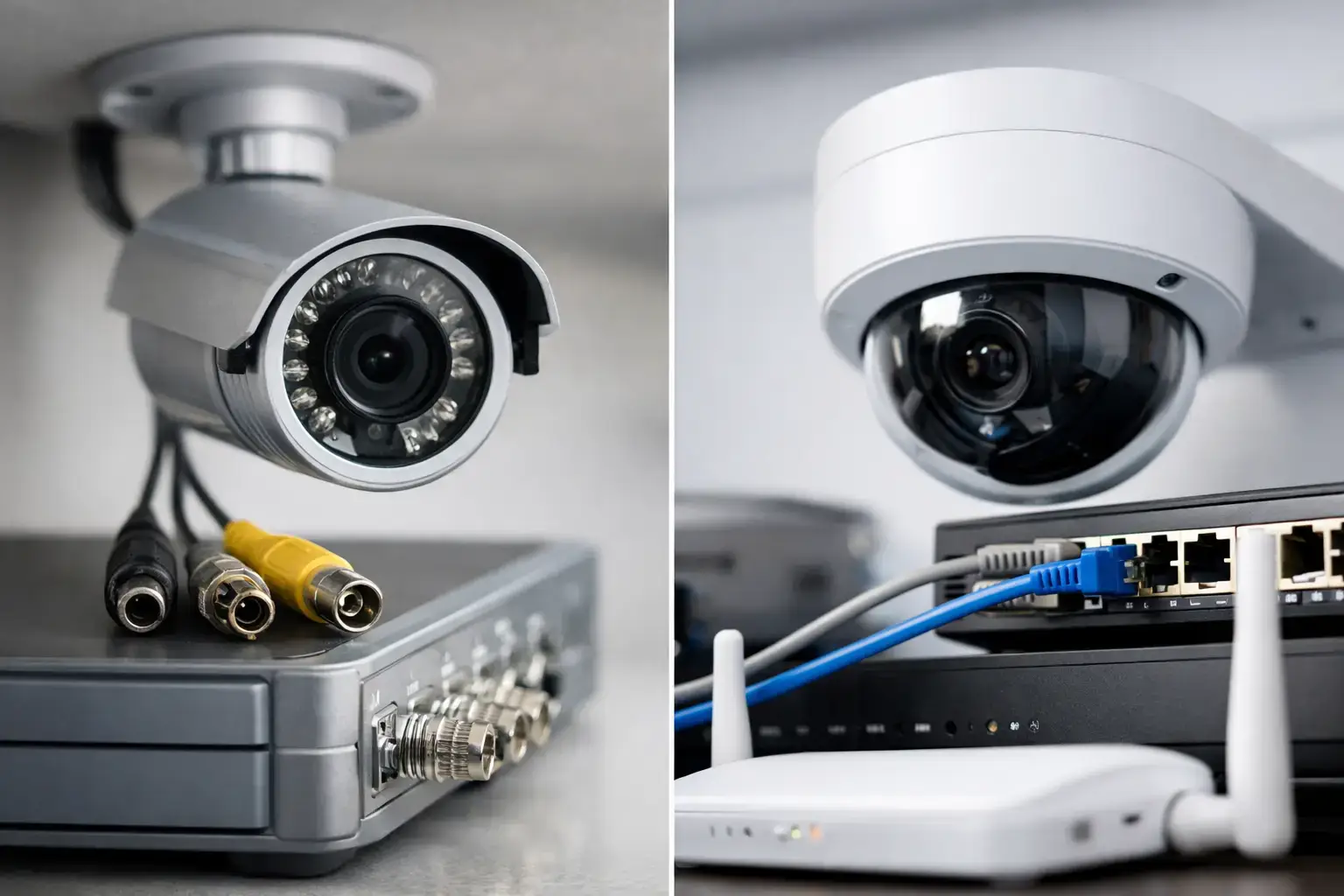
CCTV audio integration uses analogue HD protocols (CVI, TVI, AHD, CVBS) requiring compatible DVRs for audio transmission over coaxial, or IP/ONVIF systems with built-in mics/speakers for two-way audio, enhanced by AI sound analytics and intercoms. Analogue systems transmit audio alongside video through a single coaxial cable, but only if your DVR supports the specific HD protocol your cameras use. Mismatched protocols mean no audio, even when hardware appears compatible.
IP cameras simplify integration by embedding microphones and speakers directly into the camera housing. These devices connect to your network and support ONVIF profiles, ensuring interoperability across manufacturers. Two-way audio lets security staff communicate with visitors or intruders in real time, turning passive surveillance into active deterrence. Analytic CCTV surveillance systems add another layer by using AI to detect specific sounds such as glass breaking, shouting, or gunshots, triggering instant alerts.

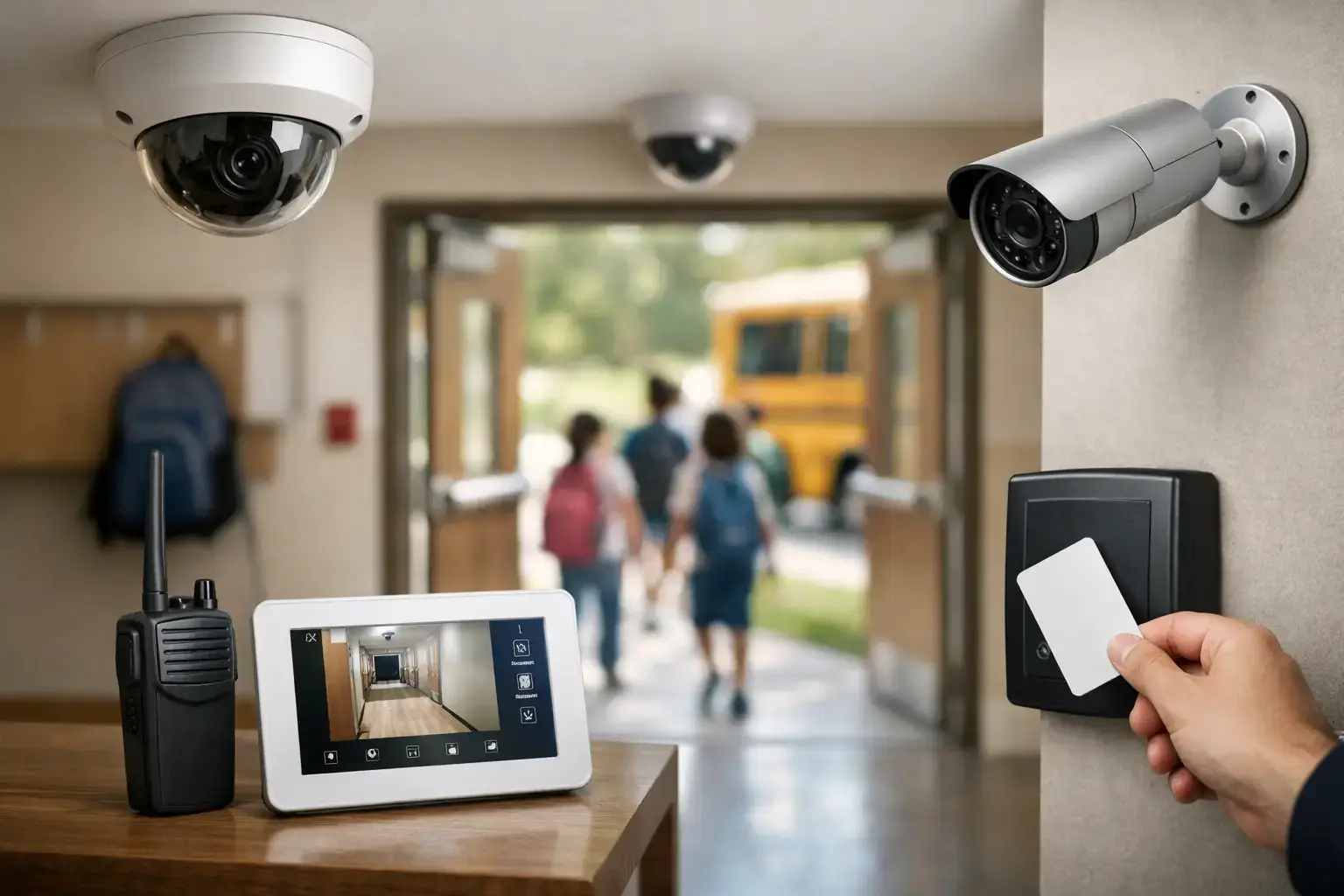
Intercom features integrate seamlessly with modern IP CCTV, allowing you to verify identities before granting access. This proves especially useful at entry points where visual confirmation alone may not suffice. AI analytics in CCTV can classify audio events, filtering out ambient noise whilst flagging genuine threats. Sound analytics work best in controlled environments where background noise remains predictable.
Pro tip: Test audio quality in situ before finalising installation. Ambient noise, wind, and acoustic reflections can render recordings unintelligible, wasting both investment and compliance effort.
Choosing between analogue and IP depends on your existing infrastructure, budget, and scalability needs. Analogue suits smaller sites with legacy systems, whilst IP offers future-proofing and richer feature sets for growing businesses.
UK regulations and compliance for CCTV audio
Audio recording is personal data under GDPR and DPA 2018 requiring justification, DPIA, signage, and minimal retention; legal if necessary and proportionate but privacy-intrusive. You must establish a lawful basis, typically legitimate interests, and demonstrate that security benefits outweigh privacy intrusion. The Information Commissioner’s Office (ICO) enforces strict standards, and non-compliance can result in fines reaching £17.5 million or 4% of global turnover.
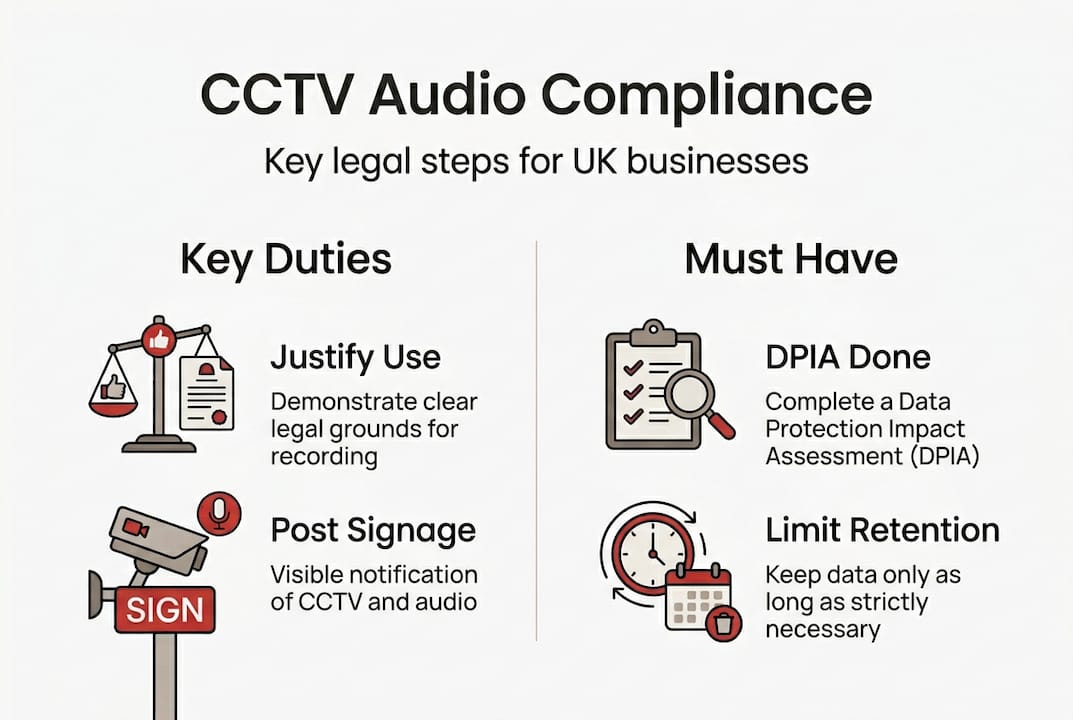
Before installing audio, conduct a Data Protection Impact Assessment to identify risks and mitigation measures. Document why audio is necessary, which areas require coverage, and how you will limit data collection. Audio is more intrusive than video and requires employee notice and avoiding private areas in workplaces. Conversations reveal sensitive information that images cannot capture, raising the compliance bar significantly.
Clear signage informing visitors and staff about audio recording is mandatory. Signs must specify that audio is being captured, not just video. Position them at entry points and within monitored zones so everyone has fair warning. Retention periods should be minimal, typically seven to thirty days unless an incident requires longer storage. Secure audio files with encryption and access controls, restricting playback to authorised personnel only.
- Avoid capturing private areas such as toilets, changing rooms, or break rooms
- Inform employees in writing if audio is recorded in workplace areas
- Register your CCTV system with local authorities such as Essex Police
- Review and update your DPIA annually or when systems change
Following these steps keeps you compliant with CCTV regulations Essex guide and privacy and CCTV compliance UK standards. Documenting every decision and policy update creates an audit trail that demonstrates accountability. CCTV data protection UK businesses guidance emphasises transparency and proportionality as core principles.
Evaluating the benefits and risks of CCTV audio
Empirical CCTV data shows an 8.5% property crime drop in monitored hotspots; audio adds investigative context but lacks specific benchmarks. Video-only systems deter opportunistic theft and vandalism, but audio captures verbal exchanges that clarify intent, confirm threats, and corroborate witness statements. When reviewing footage after an incident, audio can reveal whether an intruder was merely trespassing or planning a burglary.
No peer-reviewed studies isolate audio’s impact on crime reduction, making it difficult to quantify its standalone value. However, investigators report that audio accelerates case resolution by providing evidence that video alone cannot supply. Shouted warnings, breaking glass, or alarm sounds timestamp events and help reconstruct timelines. This proves especially valuable in disputes where liability hinges on who said or did what first.
| Benefit | Risk |
|---|---|
| Captures verbal threats and warnings | Increases privacy intrusion |
| Clarifies incident context | Raises compliance burden |
| Corroborates witness statements | Requires DPIA and signage |
| Accelerates investigations | Potential ICO enforcement |
| Enhances threat assessment | Employee concerns |
Businesses must weigh these trade-offs carefully. Audio can improve security outcomes, but only if you implement it lawfully and manage the data responsibly. The compliance burden includes staff training, policy documentation, and ongoing monitoring to ensure audio is not misused. Employees may feel uncomfortable knowing their conversations are recorded, affecting morale and trust.
Pro tip: Limit audio to high-risk zones such as cash handling areas, entry points, or stockrooms where incidents are most likely. Blanket audio coverage across all premises rarely justifies the privacy cost.
Balancing advantage against risk requires honest assessment of your security needs. If your premises face frequent verbal disputes, threats, or incidents where audio evidence would prove decisive, integration may be worthwhile. Otherwise, video-only CCTV combined with robust CCTV installation guide practices may suffice.
Best practices for implementing CCTV audio in Essex and London businesses
For Essex/London business owners, integrate audio only if justified (e.g., high-risk areas), prioritise IP for scalability; conduct DPIA; use signage and register with Essex Police. Start by identifying specific security threats that audio would address, such as verbal altercations, threatening behaviour, or incidents requiring precise timeline reconstruction. Avoid installing audio simply because the technology exists.
IP systems with ONVIF profiles offer future-proofing and interoperability, allowing you to mix cameras from different manufacturers without compatibility headaches. Built-in microphones and speakers simplify installation, reducing cabling complexity and labour costs. Two-way audio supports active deterrence, letting security staff issue warnings or verify identities remotely. AI sound analytics can filter ambient noise and flag specific events, reducing false alarms and focusing attention on genuine threats.
- Conduct a comprehensive DPIA documenting security needs, privacy risks, and mitigation measures
- Install clear signage at entry points and within monitored zones specifying audio recording
- Limit audio capture to necessary areas, avoiding private or sensitive spaces
- Implement minimal retention periods, typically seven to thirty days
- Secure audio files with encryption and restrict access to authorised personnel
- Register your CCTV system with Essex Police or relevant local authorities
- Train staff on lawful use, data handling, and privacy obligations
| Implementation step | Recommended approach |
|---|---|
| System type | IP with ONVIF profiles |
| Audio zones | High-risk areas only |
| Retention | 7-30 days |
| Access control | Role-based permissions |
| Signage | Entry points and monitored zones |
Coordinate audio with existing security infrastructure such as door entry systems Essex to create a unified access control and surveillance solution. Intercom features integrated with CCTV let you verify visitors before granting entry, combining visual and audio confirmation. This layered approach enhances security whilst maintaining proportionality.
Pro tip: Schedule annual reviews of your DPIA and audio policies to ensure they remain aligned with evolving threats, technology, and regulatory guidance. Document every review and update to demonstrate ongoing accountability.
Professional installation ensures cameras are positioned correctly, microphones capture clear audio, and systems integrate seamlessly with your network. CCTV installation services Essex London providers can advise on compliance, system design, and ongoing maintenance. CCTV regulations Essex guide resources help you stay current with local requirements and best practices.
Enhance your business security with expert CCTV installation
Integrating audio into your CCTV system delivers genuine security benefits when implemented lawfully and strategically. Yet navigating compliance, selecting the right technology, and ensuring optimal performance require specialist expertise. We provide tailored CCTV installation services Essex London designed to meet your unique security needs whilst respecting privacy obligations. Our team guides you through DPIA preparation, system design, and regulatory adherence, ensuring your investment delivers maximum value without compliance risk.

Whether you need IP cameras with AI analytics, analogue upgrades, or integrated door entry solutions, we offer flexible options including CCTV leasing to suit your budget. Our CCTV installation guide resources help you understand best practices, and our installers ensure every component works seamlessly together. Contact us today to discuss how audio-enabled CCTV can protect your Essex or London business compliantly and effectively.
Frequently asked questions
Is it legal to record audio with CCTV cameras in the UK?
Yes, if justified, proportionate, and compliant with GDPR and DPA 2018. You must conduct a DPIA, install clear signage, and establish a lawful basis such as legitimate interests. Non-compliance risks ICO fines and enforcement actions. Privacy and CCTV compliance UK guidance emphasises transparency and minimal data collection.
What technical options exist for integrating audio into CCTV systems?
Analogue CCTV uses HD protocols (CVI, TVI, AHD) requiring compatible DVRs to transmit audio over coaxial cables. IP CCTV offers built-in microphones with two-way audio, ONVIF interoperability, and AI analytics for sound event detection. Analogue CCTV installation suits legacy systems, whilst IP provides scalability. Analytic CCTV surveillance enhances threat detection.
How can my business ensure compliance when adding audio to CCTV?
Conduct a DPIA before installation, documenting security needs and privacy risks. Provide clear signage informing visitors and staff about audio recording. Limit audio capture to necessary areas, avoiding private spaces. Implement minimal retention periods and secure storage. CCTV data protection UK businesses resources offer detailed compliance checklists.
What are the main benefits of adding audio to CCTV systems?
Audio captures verbal threats, confirms incident timelines, and corroborates witness statements. It provides investigative context that video alone cannot deliver, accelerating case resolution. Two-way audio enables active deterrence, allowing security staff to issue warnings remotely. AI sound analytics detect specific events such as glass breaking or shouting, triggering instant alerts.
Where should businesses avoid installing CCTV audio?
Avoid private areas such as toilets, changing rooms, break rooms, or any space where individuals have a reasonable expectation of privacy. Recording in these zones violates GDPR principles and risks ICO enforcement. Focus audio on high-risk zones such as entry points, cash handling areas, or stockrooms where security threats are most likely.