
Fewer than half of british commercial properties fully comply with current CCTV privacy regulations, putting operational security and legal peace of mind at risk. For managers and decision-makers across Essex, London, and the Southeast, balancing surveillance with strict data protection rules is critical. This article offers practical guidance for deploying CCTV systems that meet legal requirements while protecting privacy and strengthening day-to-day operations.
Key Takeaways
| Point | Details |
|---|---|
| Understanding Legal Frameworks | Businesses must comply with UK data protection laws when implementing CCTV, focusing on proportionality and transparency. |
| Conducting Privacy Impact Assessments | Prior to installing surveillance systems, conduct thorough assessments to identify legal and ethical implications. |
| Signage and Data Management | Clear signage regarding CCTV usage must be displayed, alongside strict data retention and access protocols. |
| Training and Accountability | Ongoing staff training and robust accountability measures are essential to ensure compliance and protect privacy rights. |
Privacy and CCTV: Definition and Scope
The landscape of security surveillance in the United Kingdom requires businesses to understand precise definitions and legal boundaries surrounding CCTV systems. Surveillance camera systems encompass more than traditional cameras, including advanced technologies like automatic number plate recognition and image recording mechanisms designed for monitoring public and private spaces.
Legal frameworks in the UK mandate strict compliance for businesses deploying surveillance technologies. These systems must operate within well-defined parameters established by data protection regulations, ensuring that privacy rights are consistently balanced against legitimate security requirements. The Protection of Freedoms Act 2012 provides comprehensive guidance, specifying that CCTV installations must serve clear, proportionate purposes with transparent operational protocols.
Key considerations for businesses implementing CCTV include:
- Demonstrating legitimate purpose for surveillance
- Minimising intrusion into individual privacy
- Ensuring data is collected and stored securely
- Providing clear signage indicating camera presence
- Restricting camera placement to protect individual dignity
Pro tip: Always conduct a comprehensive privacy impact assessment before installing any surveillance system to understand potential legal and ethical implications.
Types of CCTV Systems and Features
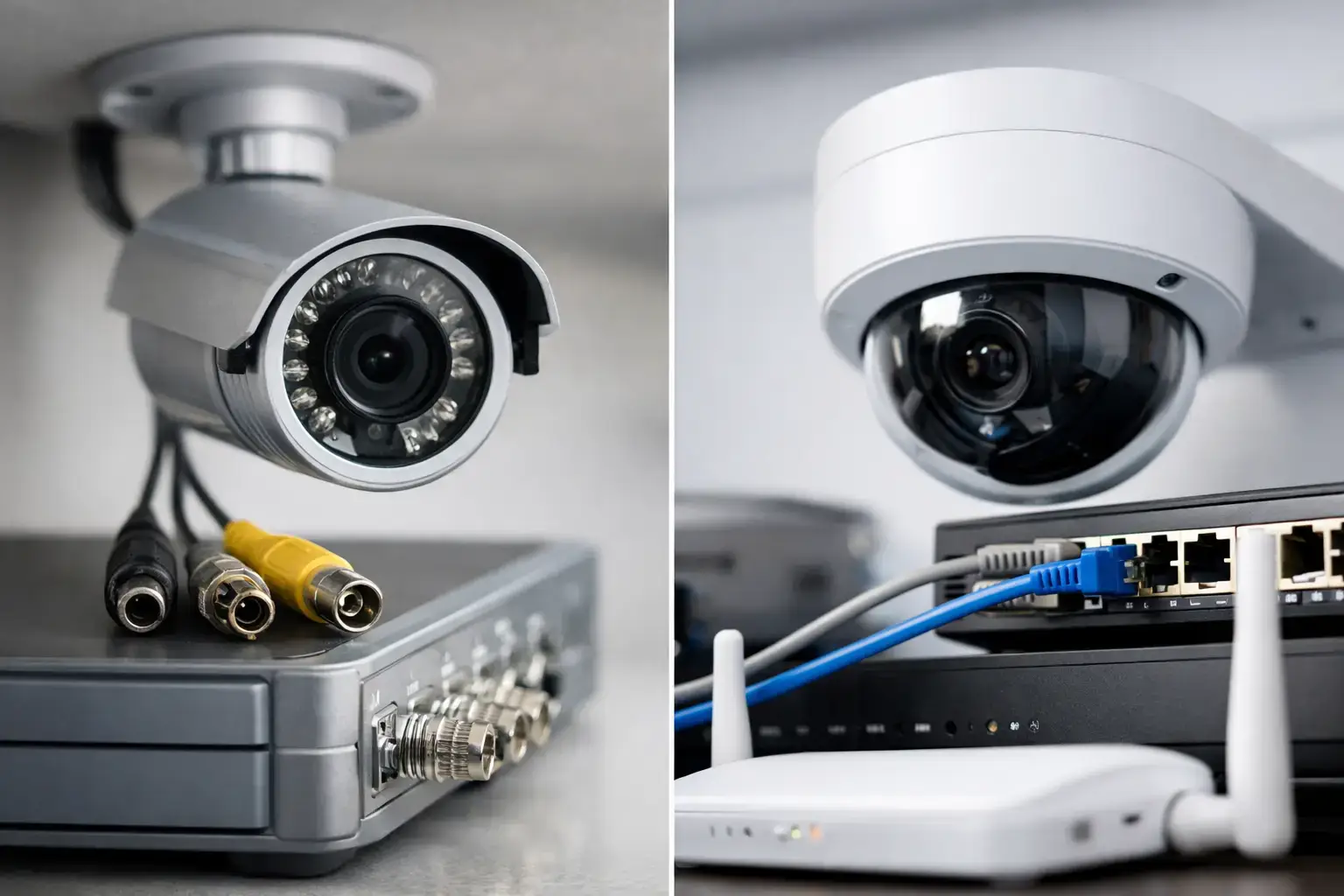
The United Kingdom’s security landscape encompasses a diverse range of CCTV technologies designed to meet various business and institutional surveillance requirements. Modern surveillance systems include sophisticated camera types such as fixed cameras, dome cameras, pan-tilt-zoom (PTZ) units, automatic number plate recognition (ANPR) systems, and emerging technologies like facial recognition.
These systems offer distinct features tailored to specific security contexts. Institutional surveillance protocols demonstrate how different camera configurations can support security objectives while maintaining strict data protection standards. Key technological capabilities include continuous recording, secure digital storage, remote monitoring, high-resolution image capture, and controlled access mechanisms.
Businesses must carefully consider their specific surveillance requirements when selecting CCTV technologies. Different system types offer unique advantages:
The following table highlights the main advantages and limitations of key CCTV system types used by UK businesses:
| CCTV Type | Main Advantage | Limitation |
|---|---|---|
| Fixed camera | Constant focus on single area | No movement or adjustment |
| Dome camera | Wide coverage with discreet design | Limited zoom capabilities |
| PTZ camera | Remote direction and zoom control | Higher cost and complexity |
| ANPR system | Automated number plate recognition | Useful only for vehicles |
| Body-worn camera | Captures mobile security interactions | Limited field of vision |
- Fixed cameras: Ideal for monitoring specific, static areas
- Dome cameras: Provide discreet surveillance with wide coverage angles
- PTZ cameras: Offer flexible monitoring with remote directional control
- ANPR systems: Specialised for vehicle tracking and security checkpoints
- Body-worn cameras: Suitable for mobile security personnel
Pro tip: Conduct a comprehensive security assessment to determine which CCTV system features align most closely with your specific organisational security needs and privacy compliance requirements.
UK Laws Governing Commercial CCTV Use
Commercial organisations in the United Kingdom must navigate a complex legal landscape when implementing CCTV surveillance systems. UK data protection regulations fundamentally require businesses to establish a lawful basis for video surveillance, ensuring that any monitoring activities are proportionate, transparent, and respectful of individual privacy rights.

The legal framework governing commercial CCTV use primarily stems from two critical pieces of legislation: the UK General Data Protection Regulation (GDPR) and the Data Protection Act 2018. Surveillance camera guidelines established under the Protection of Freedoms Act 2012 provide comprehensive statutory guidance, emphasising key principles of necessity, proportionality, and accountability for all organisations implementing surveillance technologies.
Businesses must adhere to several critical legal requirements when deploying CCTV systems:
- Demonstrate a clear and legitimate purpose for surveillance
- Minimise data collection to what is strictly necessary
- Implement robust security measures to protect recorded footage
- Provide transparent privacy notices to individuals
- Restrict camera placement to avoid unwarranted intrusion
- Ensure secure and time-limited storage of recorded images
- Allow individuals to exercise their rights regarding collected data
Pro tip: Consult with a data protection specialist to conduct a thorough privacy impact assessment before implementing any CCTV system, ensuring full legal compliance and minimising potential regulatory risks.
Signage, Data Retention and Access Rights
Businesses implementing CCTV surveillance must carefully navigate complex legal requirements surrounding signage, data management, and individual privacy rights. CCTV compliance guidelines mandate clear and visible signage that informs the public about active surveillance, ensuring transparency and legal accountability in monitoring activities.
Institutional surveillance policies emphasise the critical importance of establishing robust protocols for data retention and access. Data controllers must define precise retention periods that align with data minimisation principles, balancing operational security requirements with individual privacy protections. This involves implementing systematic approaches to data management that respect legal frameworks while maintaining effective security infrastructure.
Key compliance requirements for CCTV signage and data management include:
- Placing clear, visible signs indicating CCTV surveillance
- Specifying camera locations and monitoring purposes
- Defining precise data retention periods
- Implementing secure data storage mechanisms
- Creating accessible procedures for data subject access requests
- Ensuring individuals can request their recorded images
- Restricting unnecessary data preservation
Pro tip: Develop a comprehensive CCTV policy document that outlines explicit procedures for signage placement, data retention, and individual access rights to demonstrate proactive legal compliance.
Business Responsibilities and Common Pitfalls
Businesses implementing CCTV surveillance must understand their comprehensive legal and ethical obligations to maintain compliance and protect individual privacy rights. Data protection guidelines mandate rigorous accountability, requiring organisations to conduct thorough data protection impact assessments, maintain robust security protocols, and provide comprehensive staff training on surveillance management.
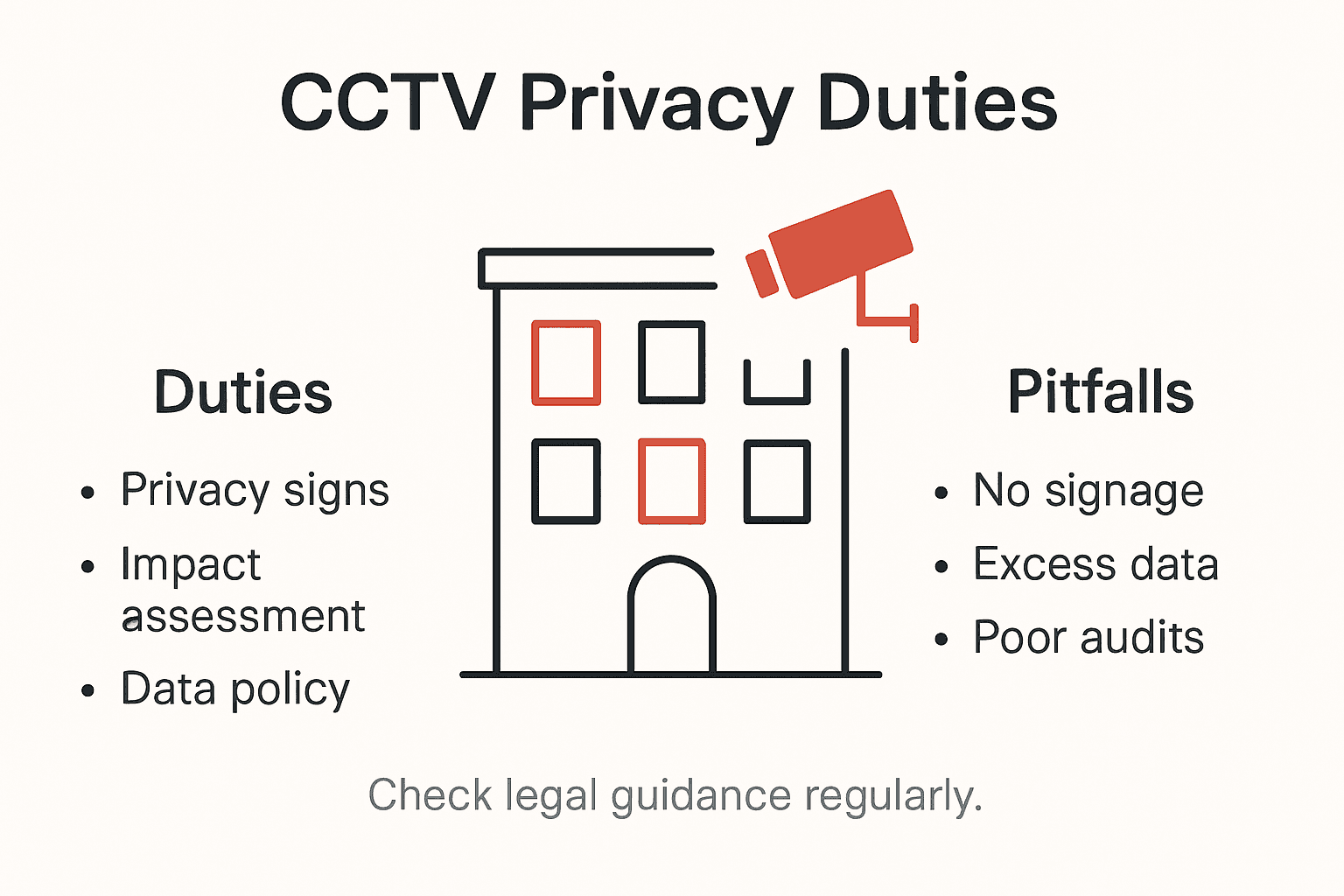
Surveillance system regulations emphasise the critical importance of responsible system deployment, highlighting potential legal and reputational risks associated with improper implementation. Businesses must consistently justify their surveillance activities, ensuring transparency, proportionality, and alignment with both data protection and human rights legislation.
Common compliance pitfalls that businesses must actively avoid include:
Below is a summary of common CCTV compliance pitfalls and practical strategies for mitigation:
| Compliance Pitfall | Risk Involved | Preventative Measure |
|---|---|---|
| Unregistered with ICO | Legal sanctions or fines | Register system before use |
| Poor warning signage | Legal challenges, complaints | Use highly visible signs |
| Excessive data retention | Breach of data laws | Set clear retention policy |
| Inadequate staff training | Data mishandling | Regular staff instruction |
| Ignored data requests | Regulatory actions | Create a simple request process |
- Failing to register with the Information Commissioner’s Office (ICO)
- Implementing inadequate or non-existent warning signage
- Retaining recorded footage beyond necessary periods
- Neglecting staff training on data protection protocols
- Ignoring or complicating subject access requests
- Conducting unnecessary or overly intrusive surveillance
- Lacking clear documentation of surveillance purposes
Pro tip: Develop a comprehensive internal audit process that regularly reviews CCTV practices, ensuring ongoing compliance and proactively identifying potential regulatory vulnerabilities.
Ensure Full CCTV Privacy Compliance with Expert Security Solutions
Navigating the complex legal landscape of CCTV privacy and compliance can be daunting for UK businesses. With critical requirements such as transparent surveillance purposes, clear signage, data minimisation, and secure footage storage, the risk of costly regulatory penalties or reputational damage is real. Protect your organisation by choosing trusted professionals who understand these challenges and provide tailored solutions that respect privacy while enhancing security.

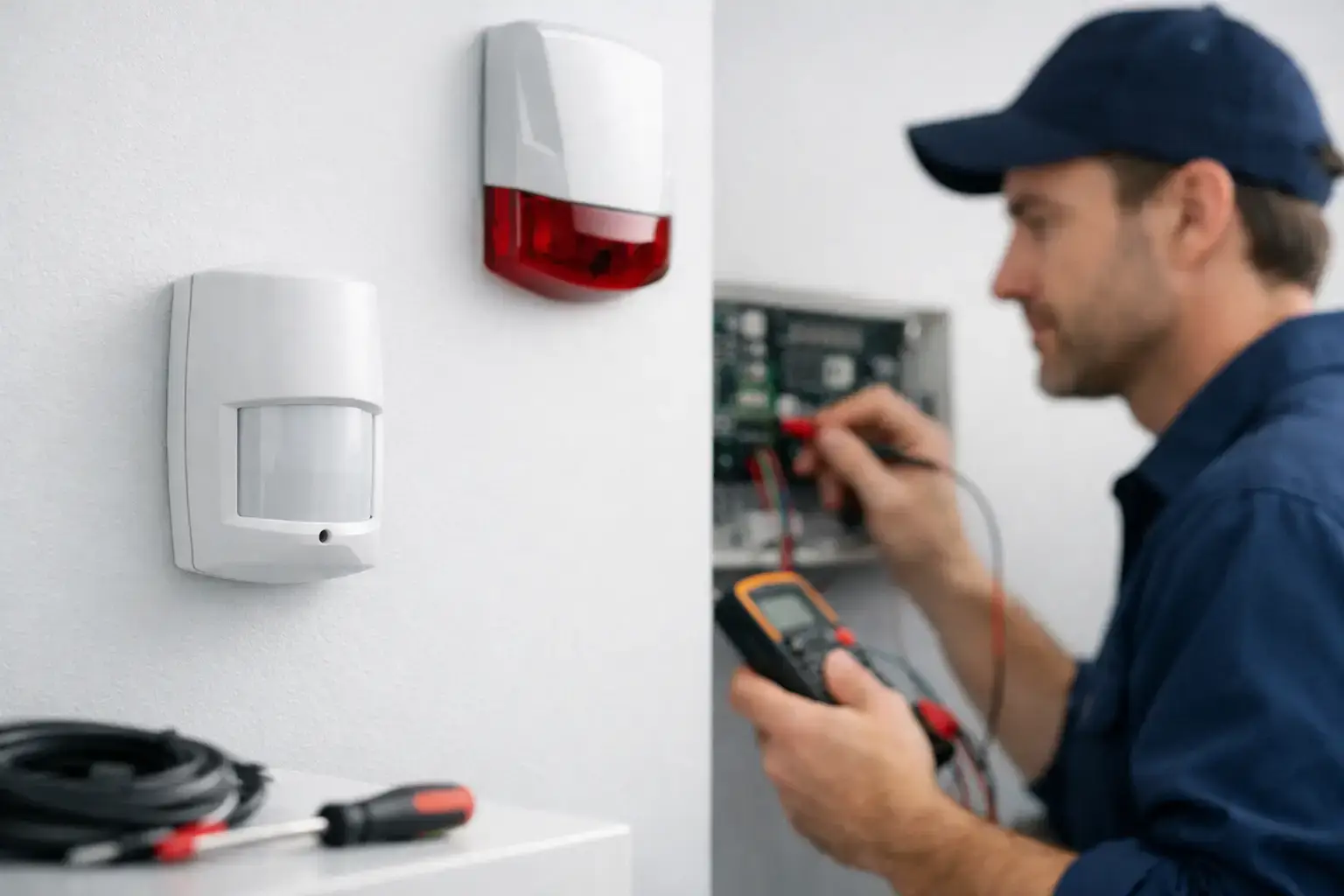
At 247CCTV, we specialise in installing CCTV, burglar alarms, and access control systems specifically designed for businesses committed to full compliance with UK data protection laws. Our expert team will guide you through every step—from selecting the right CCTV technologies to ensuring signage visibility and managing data retention correctly. Don’t leave compliance to chance—take control today by working with a partner who prioritises your peace of mind. Discover more about our approach and professional installation services at 247CCTV.
Accelerate your journey to legal and ethical surveillance. Contact us now to schedule your comprehensive security assessment and establish a CCTV system that safeguards your premises and respects privacy.
Frequently Asked Questions
What are the key legal requirements for businesses using CCTV?
Businesses must establish a lawful basis for video surveillance, demonstrating a clear and legitimate purpose, minimising data collection, implementing robust security measures, providing privacy notices, and ensuring that camera placement respects individual privacy rights.
How can businesses ensure compliance with data protection laws when using CCTV?
To ensure compliance, businesses should conduct thorough data protection impact assessments, maintain detailed records of surveillance activities, train staff on privacy protocols, and establish clear procedures for data retention and subject access requests.
What types of CCTV systems are available, and how do they differ?
CCTV systems include fixed cameras, dome cameras, PTZ (pan-tilt-zoom) cameras, ANPR (automatic number plate recognition) systems, and body-worn cameras. Each type has unique features; for instance, fixed cameras focus on a static area, while PTZ cameras allow remote directional control.
What should be included on signage for CCTV systems?
CCTV signage should clearly indicate that surveillance is taking place, specify the purpose of monitoring, and outline the locations of cameras. This ensures transparency and legal compliance regarding individual awareness of surveillance activities.