A camera above the front door is easy. A complete business surveillance system that captures the right footage, supports investigations and stands up to daily use is another matter entirely. This commercial CCTV installation guide is aimed at business owners, facilities managers and site teams who need a system that works in the real world, not just on a specification sheet.
For most commercial sites, the biggest mistake is treating CCTV as a box-ticking exercise. Cameras get placed where cabling is convenient rather than where risk is highest. Storage is underestimated. Lighting conditions are ignored. Months later, an incident happens and the footage is grainy, blocked by glare or missing the crucial angle. Good installation starts long before the first camera is fixed in place.
What a commercial CCTV installation guide should cover
A proper commercial CCTV installation guide is not just about choosing cameras. It should help you decide what the system needs to achieve, how it will be used day to day and whether it meets insurer, operational and compliance requirements.
That starts with the site itself. A retail unit has different priorities from a warehouse, school, office or construction project. In a shop, you may need clear face capture at entrances, tills and high-value stock areas. In a logistics yard, the focus may be vehicle movements, loading bays, perimeter lines and out-of-hours activity. In healthcare or education, safeguarding and controlled access often matter as much as loss prevention.
The point is simple: coverage should follow risk, not guesswork. A professional survey usually pays for itself because it reduces blind spots, avoids unnecessary equipment and creates a clearer brief for installation.
Start with the purpose of the system
Before selecting equipment, decide what success looks like. Some sites need overt deterrence. Others need evidential image quality. Some need remote management across multiple premises. Others need analytics, number plate recognition or integration with access control and alarms.
There is often a trade-off here. Wide-angle cameras can cover more space with fewer devices, but they may not provide the close detail needed for identification at distance. Higher resolution improves image detail, but it increases storage demands and network load. Cloud-managed features can be useful, yet some clients prefer local recording for control, privacy or cost reasons. The right answer depends on the building, the risk profile and how footage will actually be used.
A good installer will ask practical questions. Where have previous incidents happened? Which entry points are vulnerable? Do you need to monitor staff-only zones, public areas, cash handling points or isolated external spaces? Who will review footage, and how quickly must it be retrieved? Those answers shape the system far more effectively than choosing a camera range first.
Survey, design and compliance
Commercial CCTV should be designed around the site, not adapted on the day. A proper survey looks at building layout, lighting, cable routes, mounting heights, recording location, power availability and data network constraints. It also considers privacy zones, signage and the responsibilities that come with recording staff, visitors and members of the public.
Compliance matters because many commercial buyers need more than a functioning system. They need an installation that satisfies insurers, supports internal policies and reflects recognised standards. That is particularly relevant for larger sites, regulated sectors and organisations where security systems may later be reviewed after an incident or claim.
This is one reason many businesses favour specialist installers with SSAIB-regulated processes and insurer-recognised systems. It is not only about approval on paper. It is about knowing the design has been considered properly, installed professionally and documented in a way that supports long-term reliability.
Choosing the right cameras and positions
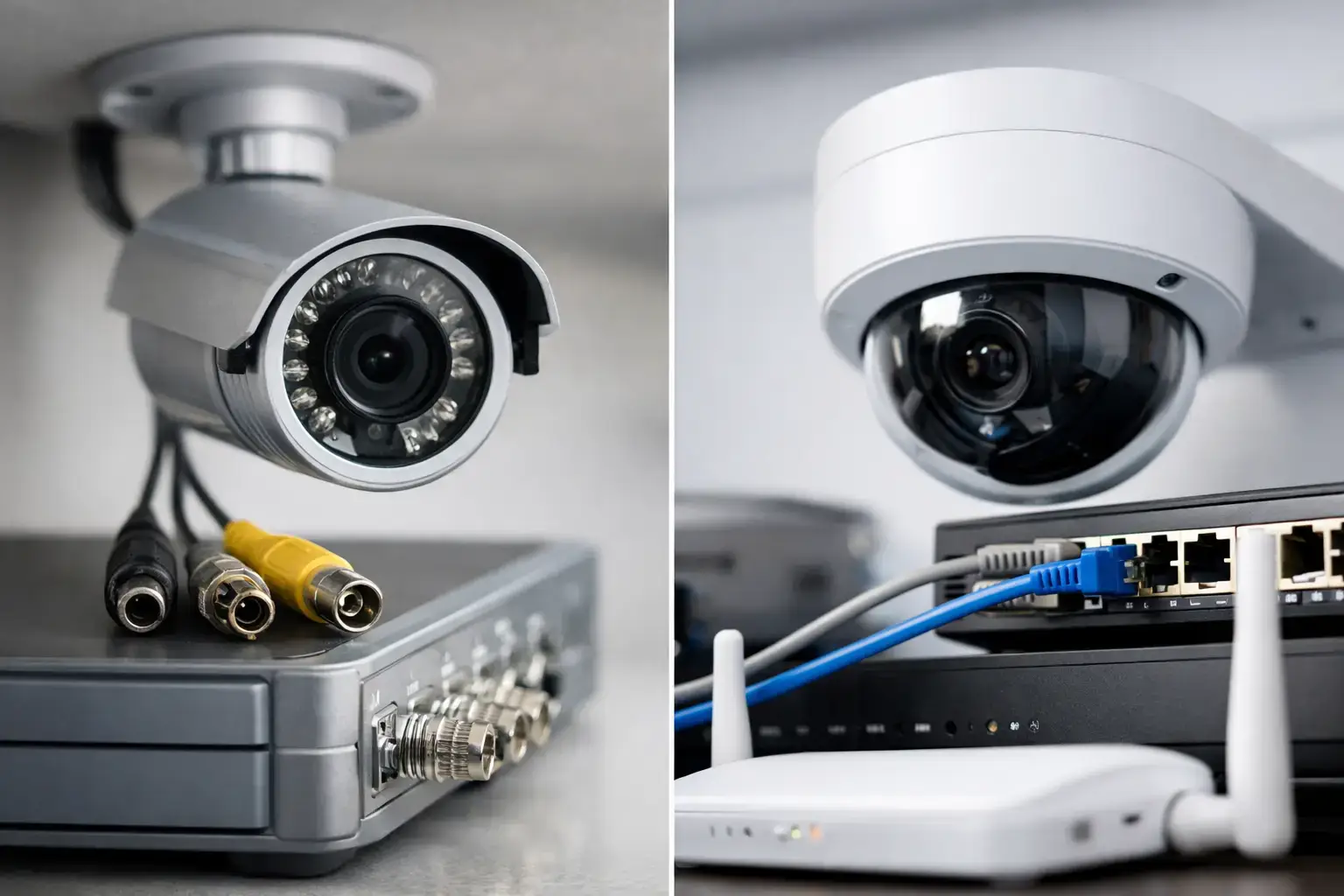
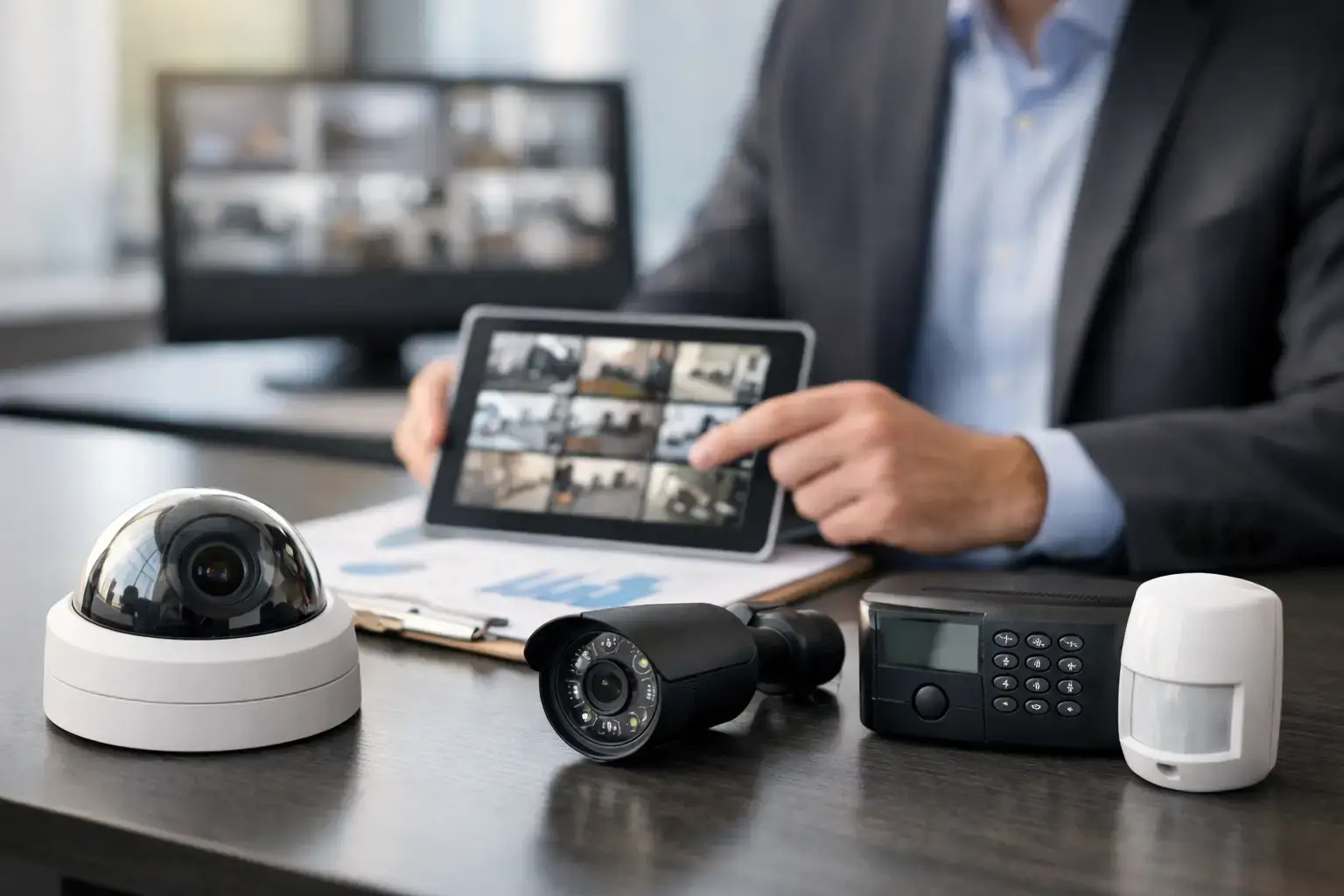
Not every camera should do the same job. Entrances often need direct, clear facial capture. Car parks and yards usually need wider situational coverage with good low-light performance. Internal areas may require discreet dome cameras, while exposed external positions may suit turret or bullet styles with weather protection and infrared support.
Placement is where many systems succeed or fail. Cameras mounted too high can miss identifying details. Cameras aimed into strong backlight may produce poor results during bright mornings or evenings. External cameras need to account for seasonal changes as well. Trees grow, signs get moved, delivery vehicles obstruct sight lines and floodlights can create glare.
It is also worth thinking beyond the obvious. One camera on the main entrance is rarely enough if side doors, rear service areas and fire exits offer easier access. Likewise, a single overview of a stockroom is not the same as having useful footage of who entered, what was removed and when. Layered coverage is often more effective than relying on one camera per area.
Recording, storage and remote access
The recording side of the system deserves as much attention as the cameras themselves. Resolution, frame rate, compression settings and retention period all affect how much storage you need. Businesses are often surprised by how quickly high-definition footage can consume space, particularly across larger multi-camera systems.
Short retention periods can create problems if incidents are discovered late. On the other hand, overspecifying storage without a clear reason can increase cost unnecessarily. The sensible approach is to match retention to operational need, internal policy and any sector-specific expectations.
Remote viewing is now expected by many businesses, especially where owners or managers oversee several premises. Used properly, it adds convenience and speeds up response. But access should be secure, controlled and limited to authorised users. The more people who can log in, the more important it becomes to manage permissions properly and maintain the system over time.
Networking, power and system resilience
Modern commercial CCTV is often IP-based, which brings flexibility and image quality benefits, but it also means the wider network matters. Poor switching capacity, weak wireless links or unmanaged bandwidth can affect performance. On a live business site, CCTV should not be treated as an afterthought on the same network without planning.
Power over Ethernet can simplify installation, though larger estates or outdoor areas may still need careful power design. Resilience also matters. If a recorder fails, what is the recovery plan? If network connectivity drops, does local recording continue? If your site operates around the clock, downtime is not a minor inconvenience.
For this reason, commercial clients usually benefit from systems built with maintenance in mind. Accessible recording locations, labelled infrastructure, sensible cable management and clear documentation make faults easier to resolve and future changes easier to manage.
Why installation quality matters as much as equipment
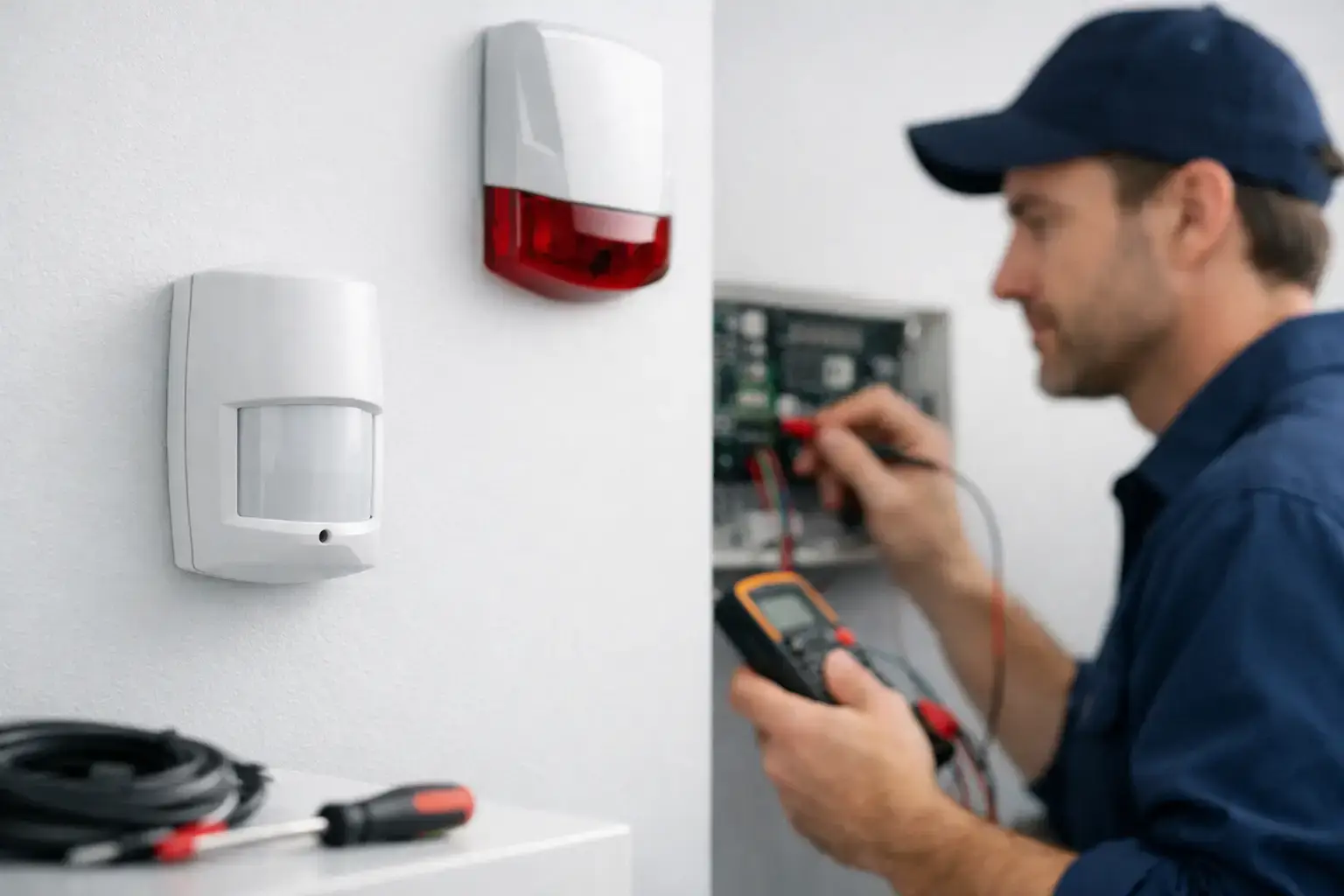
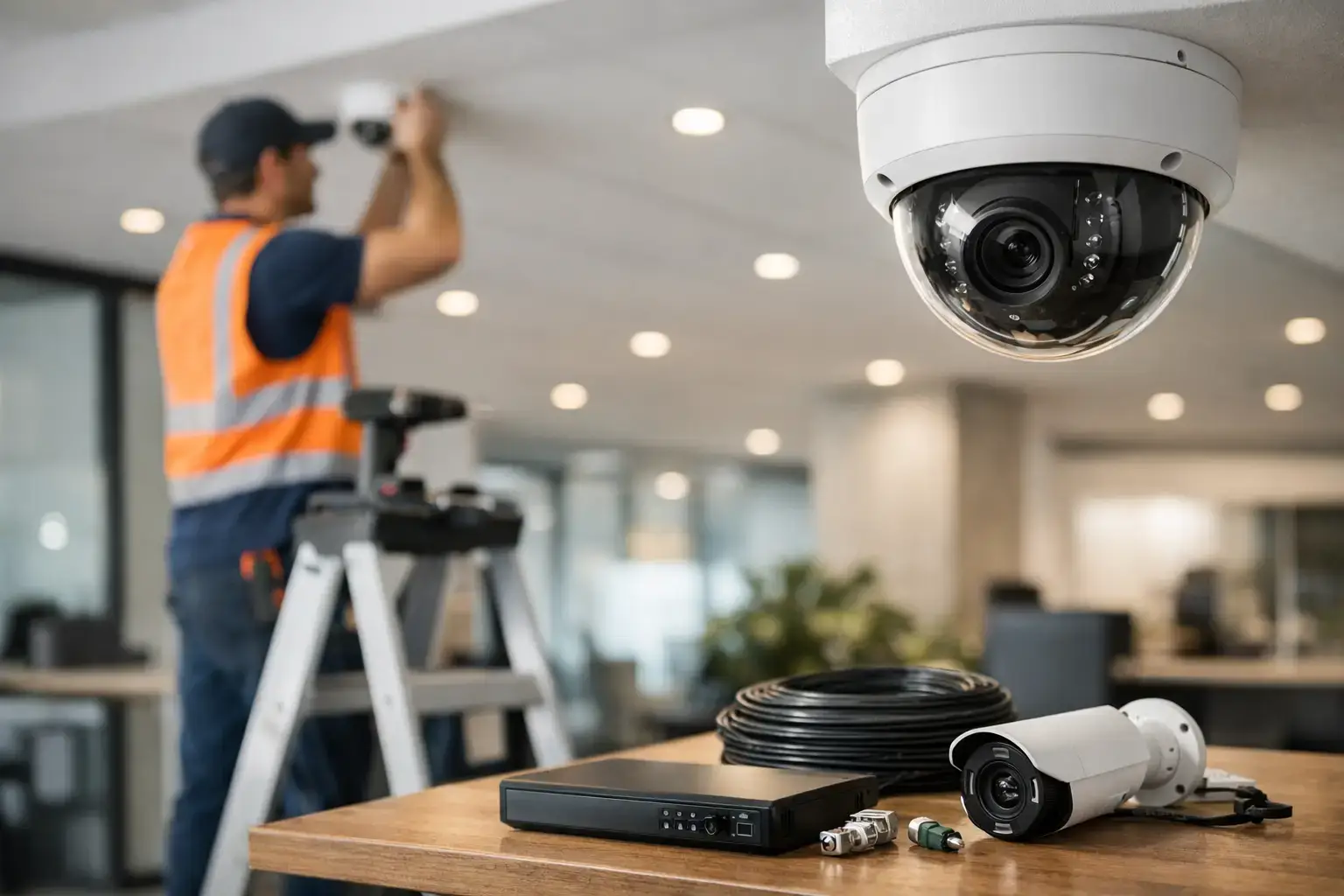
A high-quality camera badly installed will still produce poor results. Professional installation is about more than fixing devices to walls. It includes correct field of view adjustment, secure mounting, protected cabling, clean terminations, recorder configuration, user setup, image testing by day and night, and handover that leaves the client confident using the system.
This is especially important on busy sites where security has to work alongside operations. Retailers cannot have installation disrupting trading for days. Schools and healthcare settings need safeguarding and access protocols respected. Industrial and construction sites have safety and environmental factors that change what is practical. An experienced installer plans around those realities.
That experience also helps avoid false economy. Cheaper systems can look attractive at quote stage, but if they fail early, miss key footage or require repeated callouts, the savings disappear quickly. Businesses generally get better value from a system that is properly designed, fit for purpose and supported after installation.
Maintenance, support and future expansion
Commercial security is not static. Sites expand, layouts change, operating hours shift and risk patterns evolve. A system installed today should allow room for sensible growth tomorrow. That might mean spare recorder capacity, scalable licensing, additional network headroom or camera positions planned for future phases.
Maintenance should be part of the conversation from the start. Lenses get dirty, firmware needs attention, hard drives age and settings can drift after network changes or power issues. Regular servicing helps keep image quality consistent and reduces the chance of discovering a fault only when footage is needed urgently.
This is where a full-service provider makes a difference. 247 CCTV, for example, works with commercial clients who need survey, design, installation and ongoing support handled as one service rather than split across multiple contractors. For many businesses, that continuity is as valuable as the equipment itself.
Commercial CCTV installation guide: getting the brief right
If you are planning a new system or replacing an ageing one, the best starting point is a clear brief. That means identifying your key risks, defining the areas that matter most, deciding who needs access and being realistic about image quality, retention and budget. Once those points are clear, the technical decisions become much easier.
The strongest CCTV systems are rarely the ones with the longest equipment list. They are the ones designed around how a site actually operates, installed to a professional standard and supported properly afterwards. If your cameras are expected to protect staff, deter crime and provide reliable evidence, they need to be treated as part of your wider security strategy, not just another line on the facilities budget.
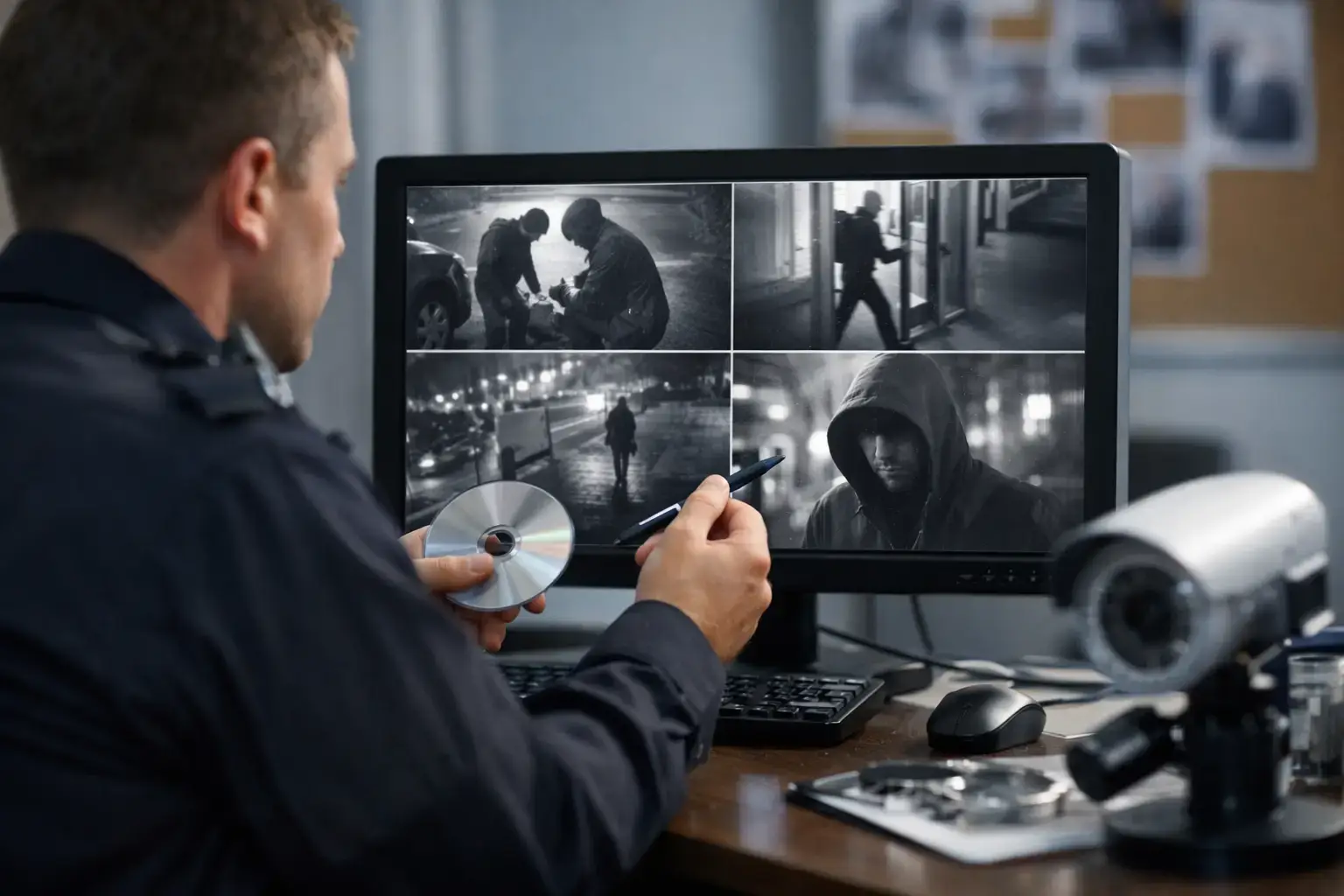
A well-planned system does more than record incidents. It gives you confidence that when something happens, you will see what matters clearly and act on it without delay.