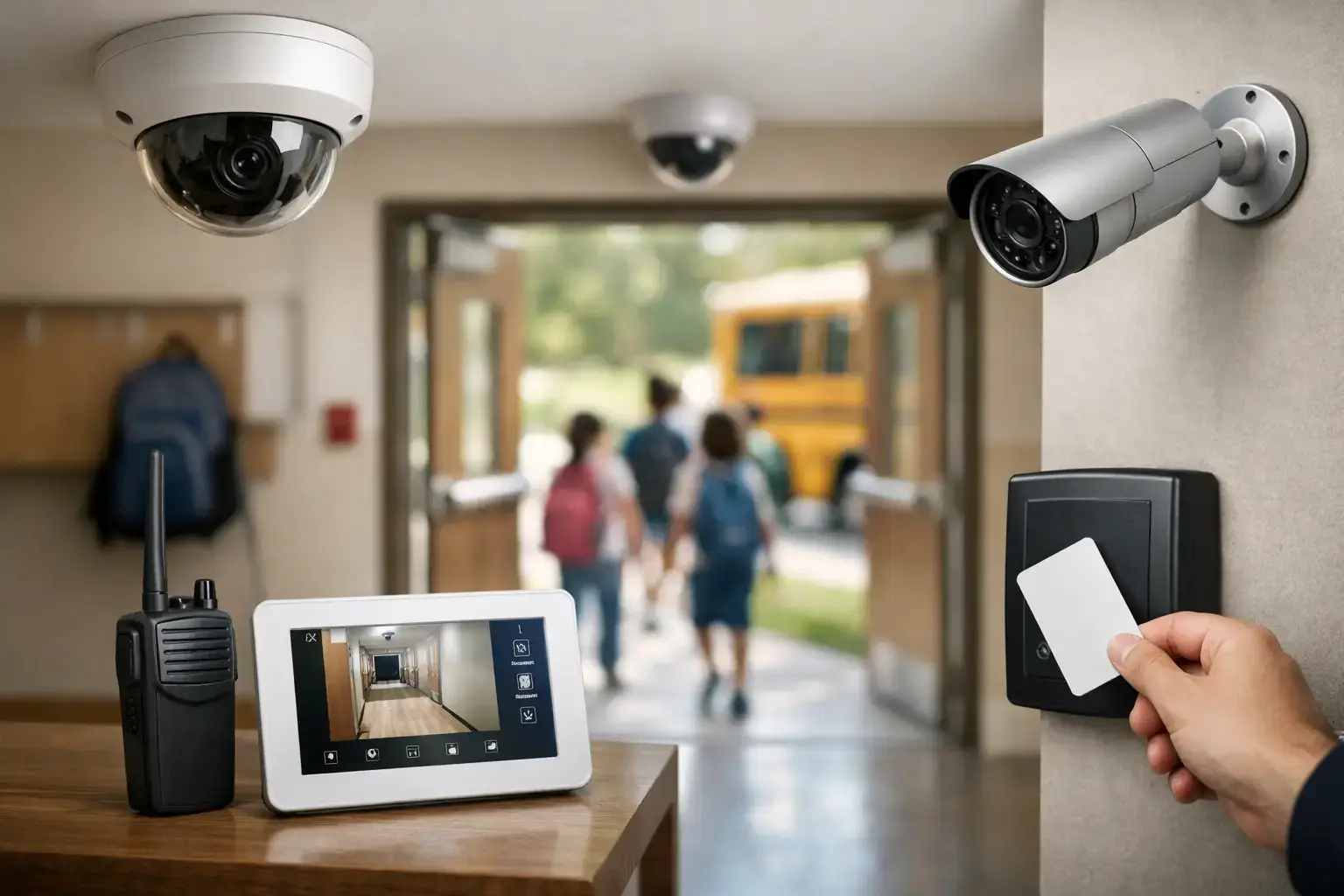
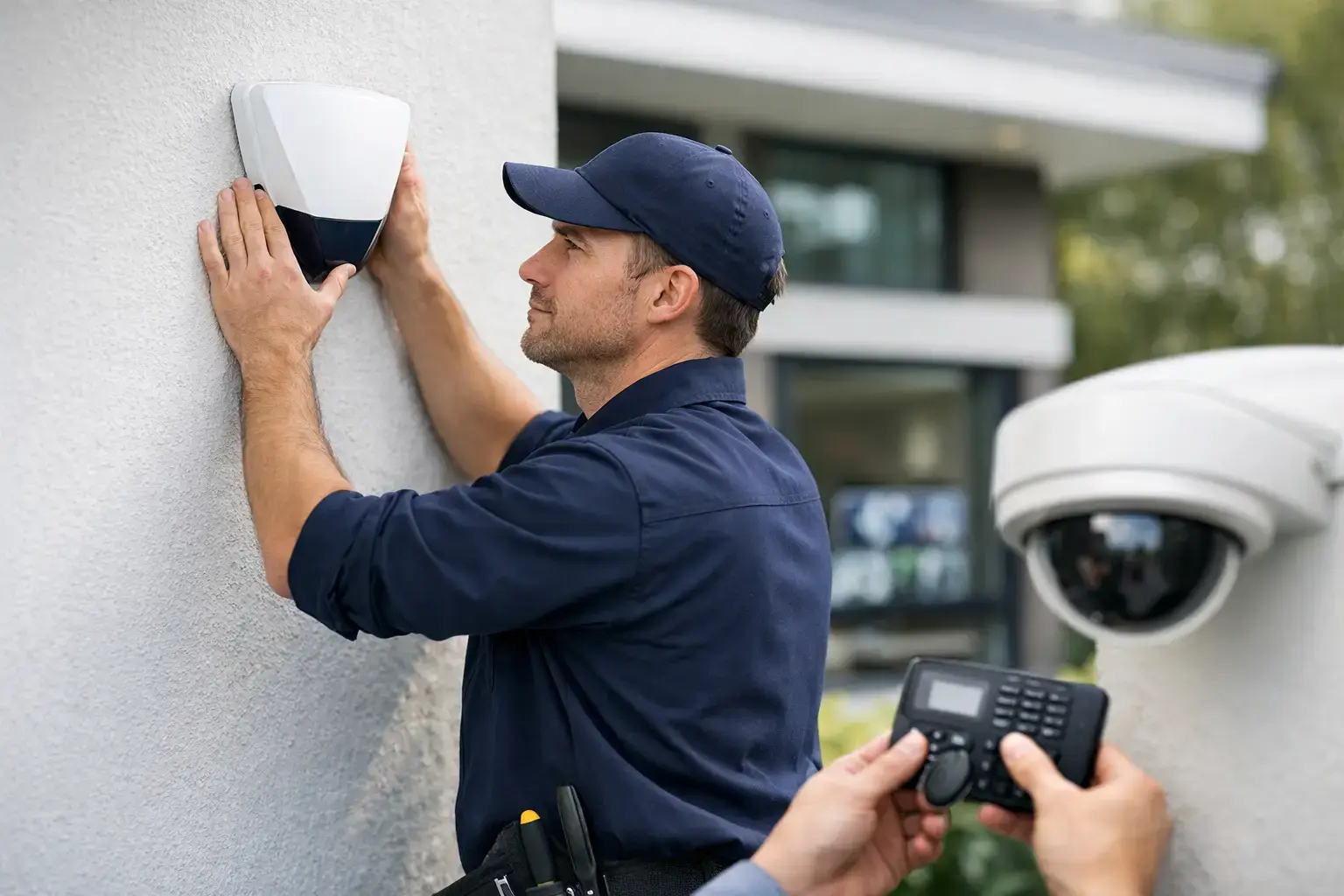
A cheap camera fitted badly can leave a larger blind spot than having no camera at all. The same goes for alarms, access control and fire systems. Choosing an SSAIB approved security installer is not just about ticking a box for compliance – it is about making sure the system protecting your property is designed properly, fitted correctly and supported for the long term.
For homeowners, landlords and commercial buyers, the difference matters. A professionally specified system can reduce false alarms, improve image quality, support insurer requirements and give you a clear route for maintenance and future upgrades. That is very different from buying equipment online and hoping it all works together.
What an SSAIB approved security installer actually means
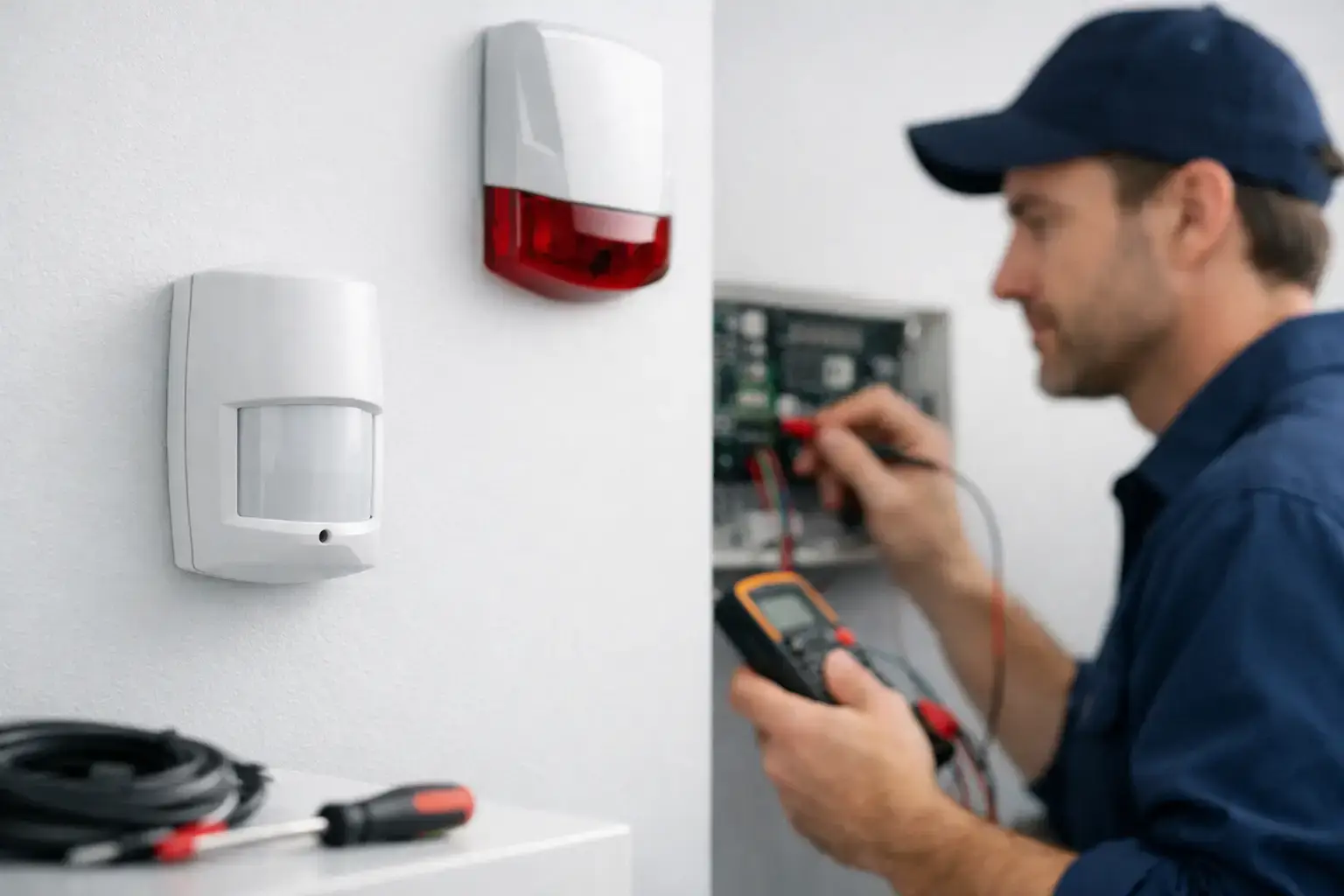
SSAIB approval shows that an installer has been independently assessed against recognised standards for security system design, installation, commissioning and maintenance. It is a sign that the company is working to defined procedures rather than fitting systems on an ad hoc basis.
For the customer, that matters because security is not simply a product purchase. CCTV coverage, detector placement, access permissions, alarm signalling and system configuration all affect whether the installation performs properly in day-to-day use and during an incident. Approval gives buyers confidence that these details are being handled by a competent provider.
It also helps when insurers or commercial stakeholders expect systems to be installed by a recognised company. In many cases, especially for monitored intruder alarms and higher-risk premises, using an approved installer can support acceptance by insurers and other decision-makers. It does not mean every insurer will treat every installation the same way, but it puts you in a much stronger position than relying on a non-approved contractor.
Why SSAIB approval matters for real security outcomes
The value of an SSAIB approved security installer becomes clearer once you look beyond the badge. What most clients want is simple: fewer problems, better protection and confidence that the system will still be doing its job years from now.
A proper survey is the first part of that. A professional installer should assess the site, identify risk points and match the system to the building and its use. A retail unit has different needs from a school. A detached home has different vulnerabilities from a block-managed flat. A construction site requires a different approach again, especially where power, temporary structures and changing site layouts are involved.
Then there is design quality. Camera positions must capture useful footage rather than vague shapes. Intruder alarm devices need to suit the environment so they do not trigger repeatedly for the wrong reasons. Access control has to balance convenience with restriction, which is especially important in multi-user buildings such as offices, healthcare settings and managed residential blocks.
Maintenance is another area buyers often underestimate. A well-installed system still needs checks, updates and occasional adjustment. Environmental changes, wear and tear, networking issues and user changes can all affect performance over time. An approved installer is typically structured to support the system after handover, not disappear once the invoice is paid.
How to assess an SSAIB approved security installer
Not all approved companies offer the same depth of service, so it is worth asking practical questions before appointing anyone. Approval is a strong starting point, but the quality of the job still depends on experience, design capability and how the installer supports clients after completion.
Look first at whether the company handles the full process from survey and design through to installation, commissioning and maintenance. That joined-up approach is often the best fit for clients who want one accountable provider rather than several subcontractors. It usually leads to better results because the people specifying the system understand how it will be installed and maintained.
You should also ask about sector experience. Security challenges vary widely between homes, shops, warehouses, schools, offices and industrial premises. An installer that regularly works in your type of environment is more likely to understand the practical issues, from out-of-hours access to lighting conditions, staff movement, stock risk and compliance expectations.
It is sensible to ask how future-proof the system will be as well. A good installer should be able to explain whether your CCTV can be expanded, whether your access control can support more doors later, and whether your alarm signalling can be adapted if your risk profile changes. Security systems should fit current needs, but they should not box you into an expensive replacement too soon.
SSAIB approved security installer for homes
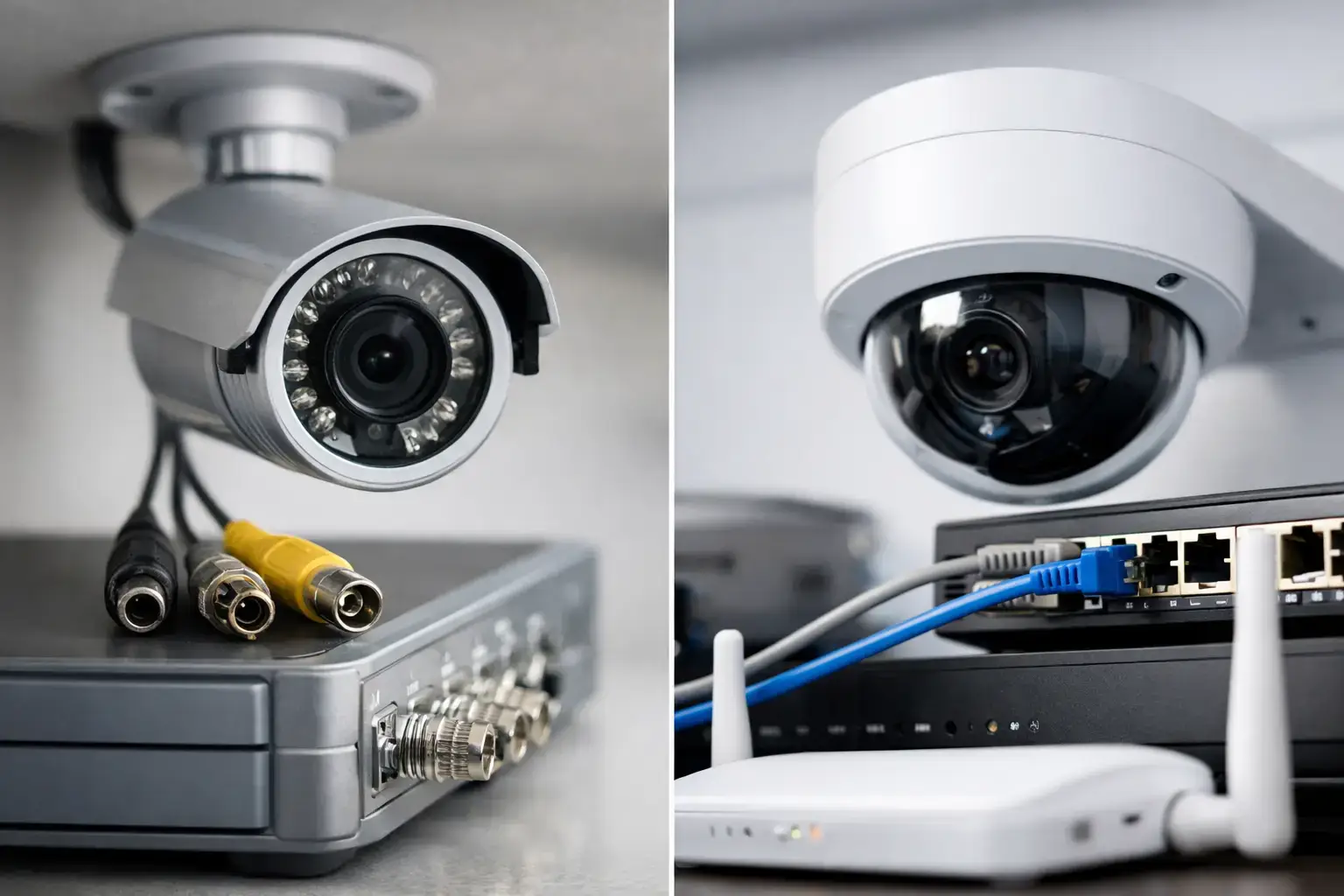
Residential buyers often start with a straightforward aim: deter intruders and feel safer at home. In practice, the best domestic systems do more than that. Professionally installed CCTV can give you clear recorded footage, useful mobile access and reliable perimeter coverage. A properly configured intruder alarm can protect entry points while reducing nuisance activations that quickly become frustrating.
The benefit of using an SSAIB approved security installer for a home is not that the system becomes complicated. It is that the installer keeps it effective and simple to use. There is little value in a high-spec system if the app is confusing, the cameras miss key areas, or family members do not know how to set and unset the alarm correctly.
For homeowners, another practical factor is insurer recognition. If your insurer has requirements around alarm installation or monitoring, using an approved company can help avoid unnecessary issues. It is always worth checking the exact wording of your policy, because requirements differ, but professional certification is rarely a disadvantage.
SSAIB approved security installer for commercial premises
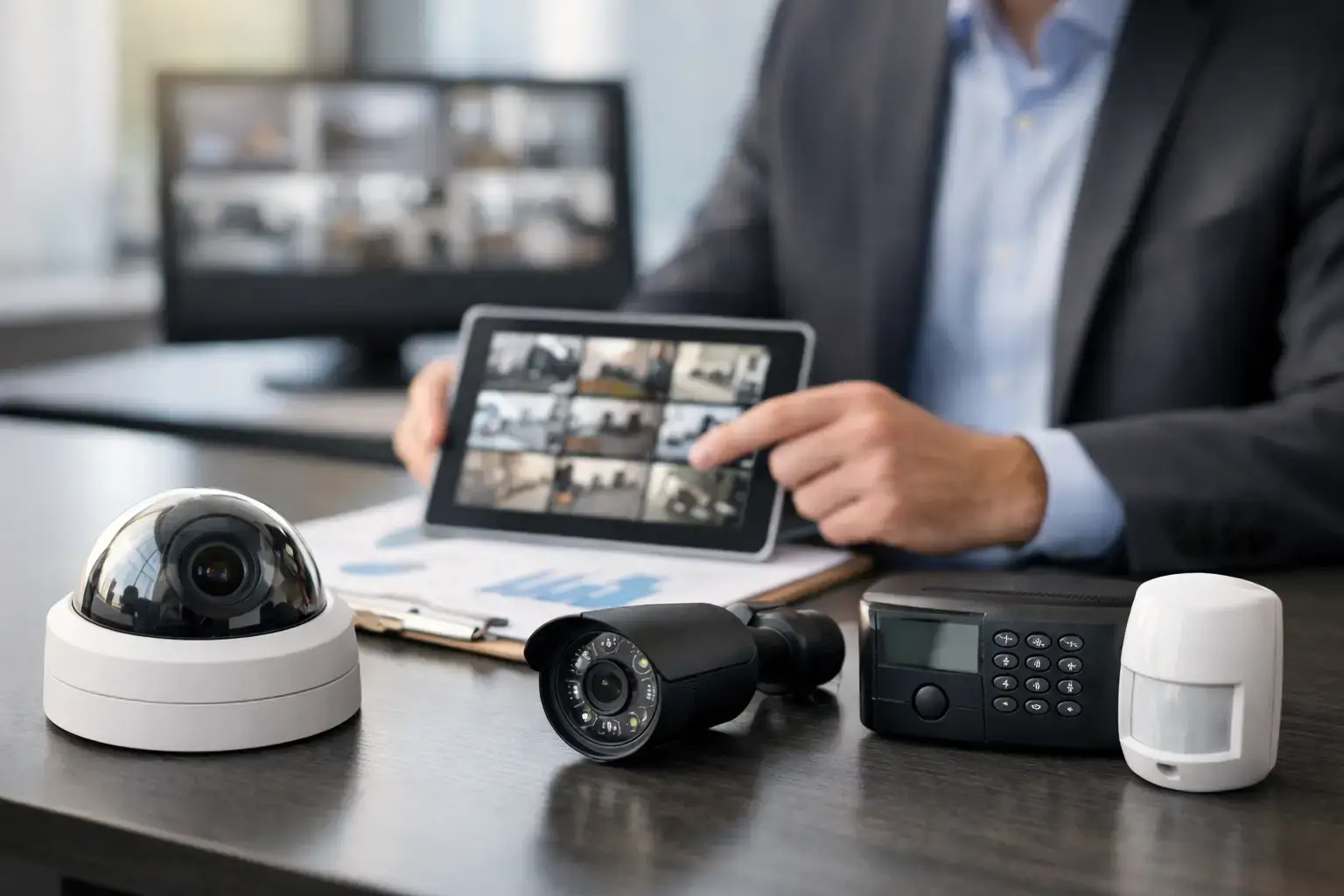
Commercial clients usually have more moving parts to consider. You may need CCTV, intruder detection, access control and fire alarm interfaces working alongside daily operations without causing disruption. You may also need audit trails, managed user permissions, remote monitoring or integration across more than one site.
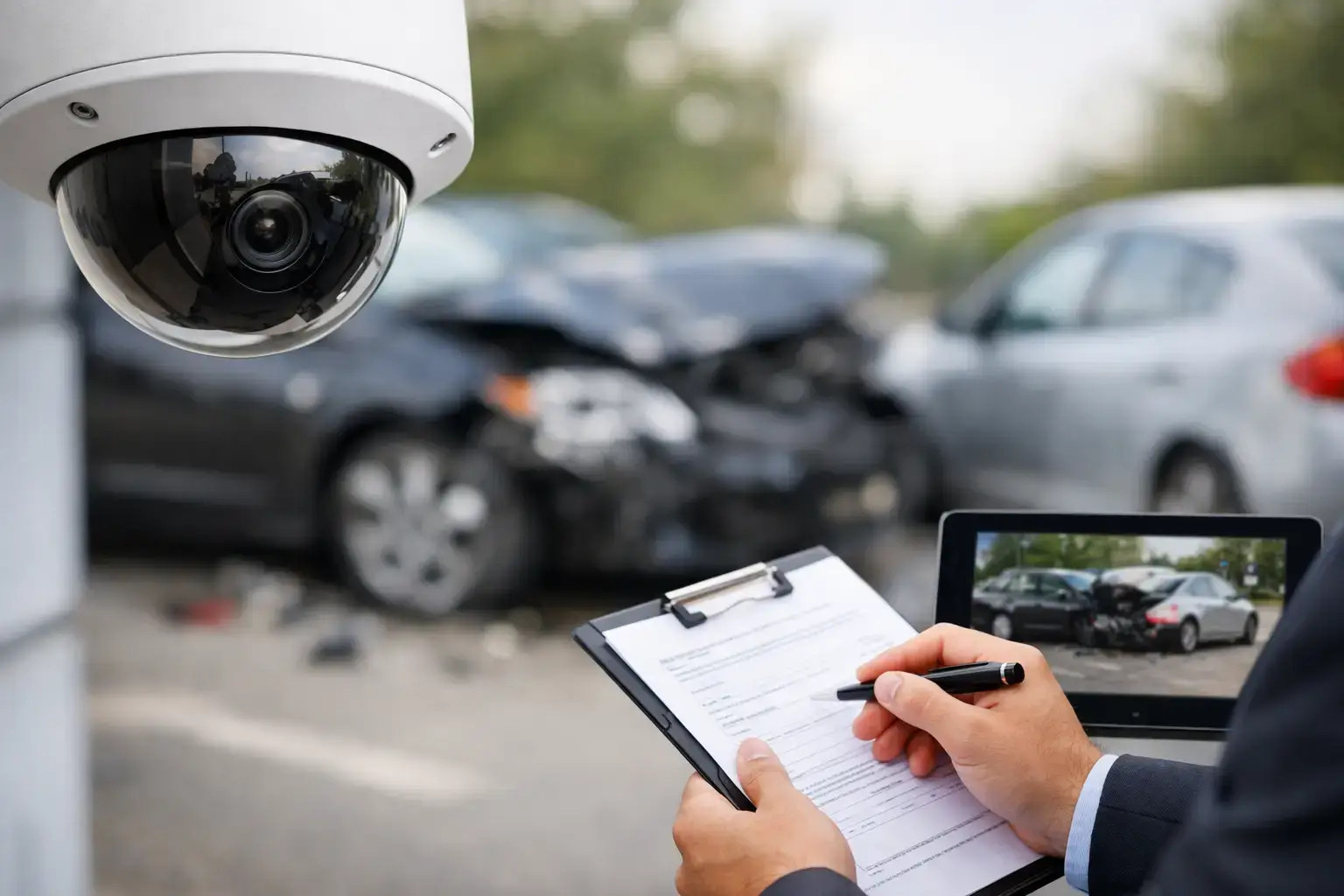
This is where experience and process matter as much as technical kit. A credible installer should be able to advise on risk reduction, staff safety, entry management and evidential image capture, while keeping the system practical for the people using it every day. There is no point in creating security procedures that staff constantly bypass because they are too awkward.
For many businesses, reliability is the real test. A warehouse cannot afford gates and access readers that fail repeatedly. A hospitality venue needs camera coverage that works in changing light. A school needs controlled access that supports safeguarding without slowing the day down. A healthcare environment may require careful consideration of privacy, movement and operational continuity. The right installer understands those pressures and designs accordingly.
The trade-off between price and long-term value
Security buyers are right to compare quotes. Budget matters. But there is a difference between competitive pricing and false economy.
A low initial price may reflect weaker design, limited support, poor-quality equipment or an installation that does not meet the standard expected by insurers or stakeholders. That can lead to extra cost later through remedial work, unreliable operation or full replacement much sooner than planned.
A well-specified system from an SSAIB approved security installer may not always be the cheapest option on paper, but it is often the stronger investment. Better camera placement, correct device selection, cleaner installation and dependable maintenance can save money and disruption over the life of the system. For business owners and facilities teams, that lifecycle view usually matters more than shaving a small amount off the upfront figure.
What a good installer should explain clearly
If an installer cannot explain the system in plain English, that is usually a warning sign. You should expect clear advice on what is being recommended, why it suits your property, where the limitations are and what support is included.
There should also be honesty about where a system has constraints. CCTV can deter and provide evidence, but it is not a substitute for physical security and sensible site management. An intruder alarm can alert and discourage, but it still depends on correct use. Access control can restrict entry, but credentials and permissions need proper administration. Good advice is rarely about selling the most equipment. It is about reducing risk in a way that fits the property and the people using it.
That practical approach is one reason many clients prefer a specialist provider with broad capability across CCTV, alarms, access control, fire alarms and related maintenance. A joined-up installer can design systems that complement each other instead of creating isolated pieces of security technology.
A company such as 247 CCTV is often chosen for exactly that reason – not just to fit equipment, but to provide a dependable service from survey through to aftercare, with systems designed around real operational needs.
When you are comparing providers, focus on more than the badge alone. Approval matters, but so do design quality, communication, maintenance support and relevant experience. Security works best when it is properly planned, professionally installed and easy to rely on when it counts. If an installer can offer that with clarity and confidence, you are much closer to making the right decision.