A camera that records an incident after it happens is useful. A camera watched in real time can help stop it developing in the first place. That is the key difference when asking what is monitored CCTV and whether it is the right choice for your property.
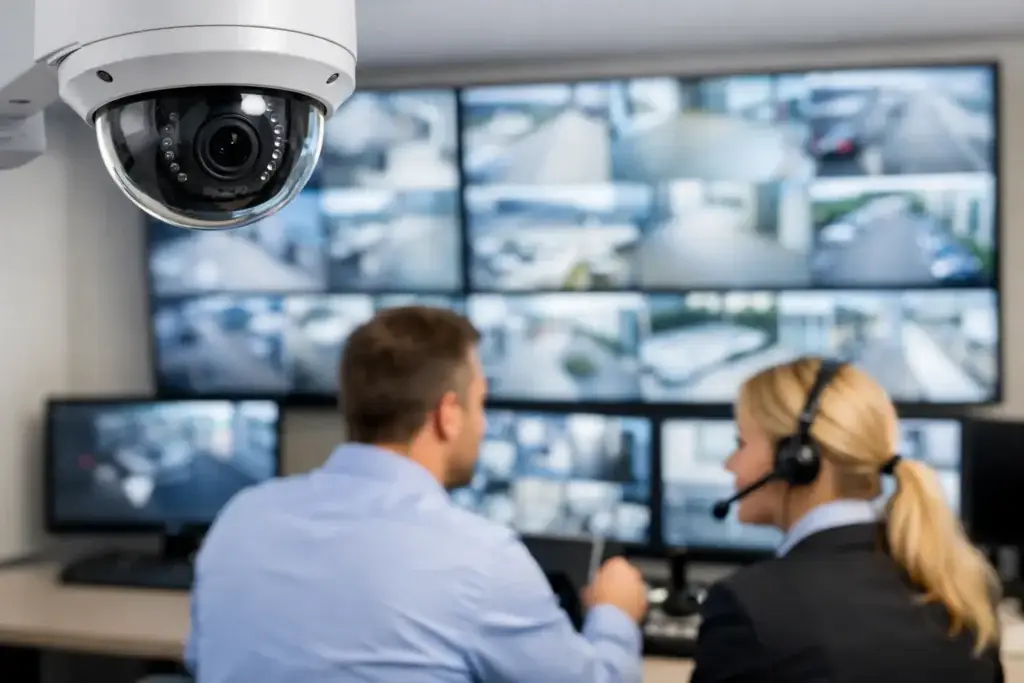
Monitored CCTV is a surveillance system where live camera feeds are observed by trained operators, either continuously or at agreed times, so suspicious activity can be identified and acted on straight away. Instead of relying only on recorded footage for evidence, monitored systems add a human response element. For many businesses, landlords and homeowners, that shift from passive recording to active oversight is what makes the system far more effective.
What is monitored CCTV?
In simple terms, monitored CCTV combines cameras, recording equipment, network connectivity and a monitoring process. When the system detects activity, or when cameras are viewed routinely by an operator, the site can be assessed in real time. If something appears wrong, the response may include issuing an audio warning, contacting keyholders, alerting security staff or escalating to the police where appropriate and compliant.
That is different from a standard standalone CCTV setup, where cameras record footage to be checked later. Traditional systems still have value, especially for evidential purposes, but they do not provide an immediate intervention unless someone happens to be watching the app or monitor at the right moment.
This is why monitored CCTV is widely used on commercial premises, construction sites, industrial yards, logistics centres, schools, healthcare settings and higher-risk residential properties. In these environments, speed matters. A quick response can reduce theft, criminal damage, trespass and operational disruption.
How monitored CCTV works in practice
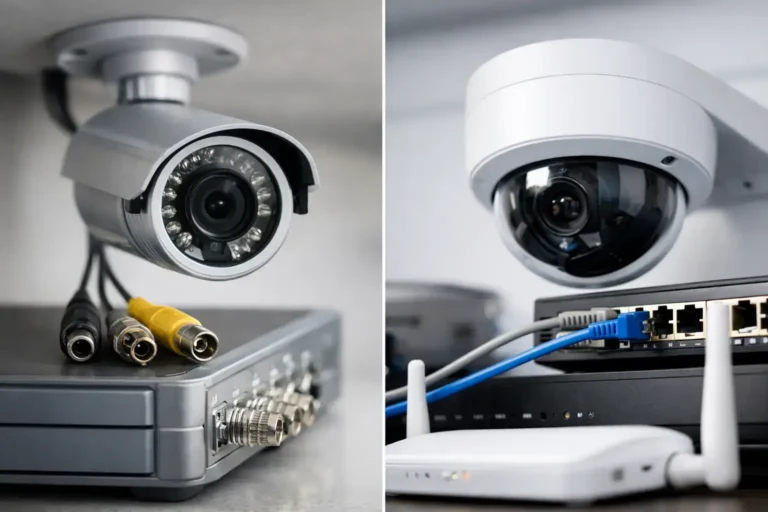
A professionally designed monitored CCTV system usually starts with the cameras themselves. These may be fixed, varifocal, PTZ or analytic-enabled cameras, positioned to cover entrances, perimeters, car parks, stock areas, compounds or internal risk points. The footage is transmitted through the network to recording equipment and, where monitoring is part of the design, to a monitoring station or managed service.
Some systems are watched 24 hours a day. Others are event-led. In an event-led setup, motion detection, tripwires, line-crossing analytics or alarm integration trigger an alert. An operator then checks the live images to confirm whether the activity is genuine or harmless. This filtering matters because it helps reduce false alarms caused by wildlife, weather, moving foliage or routine site activity.
Once a threat is verified, the response depends on the agreed monitoring plan. On a construction site, an operator may issue a live audio challenge to an intruder and contact the site contact or police. At a commercial premises, the response may involve notifying a control room, security guard or facilities manager. In a residential setting, it may mean an alert to the homeowner and a rapid review of the live feed.
The best systems are not just cameras connected to an app. They are designed around risk, viewing angles, lighting conditions, bandwidth, storage, response procedures and compliance requirements.
What is monitored CCTV used for?
The answer depends on the site and the level of risk. For some businesses, it is mainly about deterring break-ins and recording incidents clearly enough for investigation. For others, it is about maintaining an active watch over vulnerable areas where losses can escalate quickly.
Retailers often use monitored CCTV to watch entrances, tills, stockrooms and delivery points. Warehouses and industrial units use it to protect yards, loading bays and perimeter fencing, especially outside trading hours. Schools, healthcare environments and public-facing buildings may use monitored surveillance to support safeguarding and site control. Construction firms rely on it because sites are temporary, exposed and frequently targeted for tools, plant and fuel theft.
For homeowners, monitored CCTV can be appropriate where there is a higher perceived risk, such as large properties, rural locations, repeated nuisance activity or periods when the home is empty. It can also suit landlords responsible for communal areas or access routes in multi-occupancy buildings.
The main benefit of monitored CCTV
The strongest advantage is response time. If a suspicious person enters a restricted area at 2am, a monitored system can flag it and prompt action while the incident is still underway. That can be far more valuable than discovering the footage the next morning.
There is also a deterrent effect. Criminals are less likely to remain on site if they know they have been detected and challenged. In some settings, a live warning over an audio system is enough to make an intruder leave immediately.
Another benefit is operational reassurance. Site managers, business owners and property holders cannot watch cameras constantly. Monitoring adds a level of oversight that helps close that gap, particularly outside business hours, during holidays or when staff are stretched.
That said, it is not a one-size-fits-all answer. The value of monitoring depends on the threat level, the quality of the system design and the clarity of the response plan.
Monitored CCTV versus standard CCTV
If you are comparing options, the real question is not whether one is good and the other is bad. It is whether live monitoring is justified for your risk profile.
Standard CCTV is often sufficient for lower-risk sites where the main objective is deterrence and evidence gathering. It is usually more affordable and still plays an important role in investigations, insurance claims and incident review.
Monitored CCTV is better suited where an immediate response could prevent greater loss or disruption. If your site stores valuable stock, has vulnerable boundaries, suffers repeated trespass, or sits empty overnight, active monitoring may offer a far better return than recording alone.
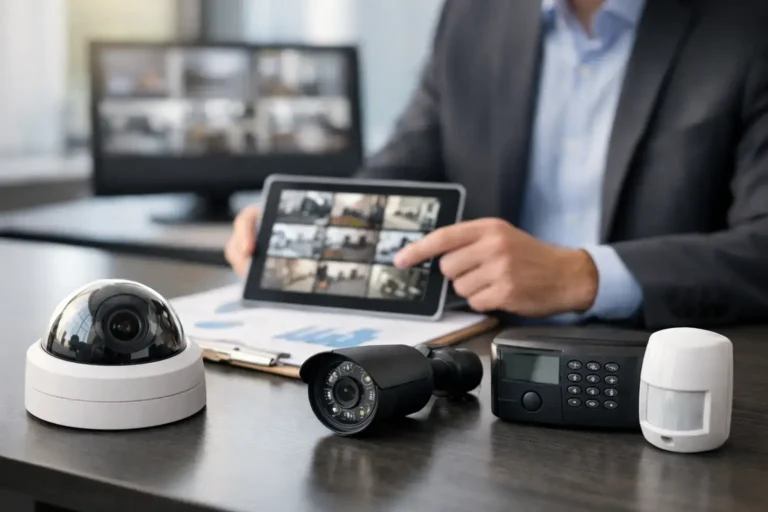
For many premises, the best answer is a layered system. CCTV monitoring can sit alongside intruder alarms, access control, perimeter protection and remote access for nominated users. This joined-up approach tends to be more reliable than relying on one security measure in isolation.
What makes a monitored CCTV system effective?
Camera quality matters, but it is only one part of the picture. Coverage has to be planned properly so important routes and assets are visible without blind spots. Lighting must support image quality at night. Analytics need careful configuration so the system reacts to genuine threats rather than constant background noise.
The monitoring process also has to be clear. Who receives alerts? Who verifies incidents? What happens out of hours? Is there audio challenge capability? How are police response expectations managed? These are practical questions, and they should be addressed before installation rather than after a problem occurs.
Professional installation is important here. Poorly positioned cameras, weak network setup or badly configured detection zones can undermine the whole purpose of monitoring. This is one reason many businesses favour SSAIB-approved, insurer-recognised systems installed by experienced specialists rather than consumer-grade equipment pieced together without a proper survey.
Is monitored CCTV worth it?
For high-risk or high-value sites, often yes. A monitored system can reduce losses, improve incident handling and provide a stronger sense of control. It is especially worthwhile where the cost of one serious incident would outweigh the cost of the monitoring service.
For lower-risk homes or small premises, it depends. If the goal is basic deterrence and the owner is comfortable checking alerts themselves, a standard professionally installed CCTV system may be enough. If the property is remote, repeatedly targeted or left unattended for long periods, monitoring becomes much more attractive.
Budget should be considered realistically. Monitored CCTV involves ongoing service costs as well as installation. But the cheaper option is not always the most economical over time. A system that fails to prevent repeat theft, false alarms or downtime can become expensive very quickly.
Choosing the right monitored CCTV setup
The right setup starts with a proper site survey. A good survey looks at the type of premises, the crime risks, access points, lighting, occupancy patterns and any insurer requirements. From there, the system can be designed to suit the property instead of forcing the property to fit the equipment.
Some sites need full 24/7 monitoring. Others only need monitoring during unoccupied hours or around specific high-risk zones. Some require audio challenge, analytics and alarm integration. Others need a simpler arrangement with remote verification and keyholder escalation.
This is where an experienced security partner adds value. The aim should not be to fit more cameras than necessary. It should be to create a dependable, compliant system that works day to day and performs properly when something goes wrong. That is the standard businesses and homeowners across Essex, London and the South East increasingly expect from providers such as 247 CCTV.
If you are weighing up monitored CCTV, the best next step is not to ask which camera is most expensive or which app looks best. It is to ask how quickly you need to know about a problem, and what should happen once you do.