A camera above the front door might look reassuring, but one badly positioned lens can leave the driveway, side gate or porch completely uncovered. That is why a proper home security camera setup should begin with risk, not with the box the camera came in. The right system is designed around how your property is used, where access is gained, and what evidence you would need if something actually happened.
For homeowners, landlords and anyone responsible for a residential building, the difference between a basic camera install and a well-planned system usually comes down to coverage, image quality and reliability. A camera that records a blurred face, misses movement at night or drops offline when your broadband struggles is not doing the job you paid for.
What a home security camera setup should achieve
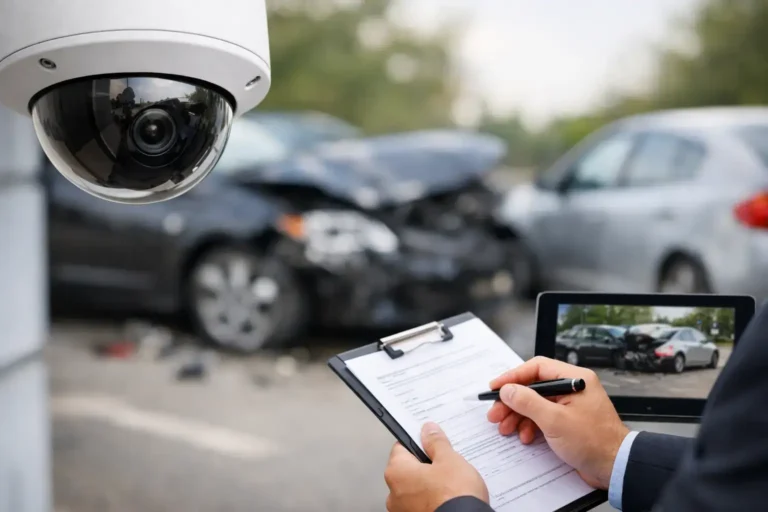
At its best, a home CCTV system does three things. First, it acts as a visible deterrent. Second, it helps you check what is happening in real time, whether you are upstairs, at work or away from home. Third, it provides usable footage if there is a break-in, trespass, vehicle crime or antisocial behaviour.
That last point matters more than many people realise. Clear footage depends on more than resolution. The angle of view, the amount of light available, the distance from subject to camera and the quality of recording all affect whether an image is useful. A wide-angle camera may cover a larger area, but faces and number plates can appear smaller than expected. A tighter field of view can improve identification, but may miss activity at the edges.
A good setup balances deterrence with evidence. It does not simply aim cameras in the general direction of the property and hope for the best.
Start with the vulnerable points
Most homes do not need cameras everywhere. They need them in the right places. Front doors, rear doors, side access routes, driveways, garages and ground-floor approaches are usually the priority because that is where people enter, test access or move around before an incident.
A detached house with several approach routes will need a different layout from a terraced property with only front and rear access. A flat may benefit more from a focused entry-point camera and door entry integration than a multi-camera perimeter design. Corner plots, shared access drives and homes backing onto footpaths often need extra thought because people can approach from more than one direction.
This is where professional surveying adds value. It identifies blind spots, likely approach lines and environmental issues that are easy to miss when planning your own system. Since 2002, 247 CCTV has seen how often poor camera placement creates false confidence rather than real protection.
Front door coverage is rarely enough
The front entrance is usually the first place homeowners think about, and it is sensible to cover it well. But many incidents happen out of view of a single front camera. Side gates, rear gardens and access paths are common weak spots because they are less visible from the street and offer more privacy to an intruder.
If you only cover the front of the property, you may know someone arrived, but not where they went, what they did or how they left. A stronger setup creates a sequence of coverage so movement can be tracked between key areas.
Camera position matters as much as camera quality
One of the most common mistakes in a home security camera setup is mounting cameras too high. People assume height prevents tampering, and it can help, but excessive height often produces poor facial detail. You may get a clear view of the top of someone’s head and very little else.
Install height should be chosen according to the job of that camera. If the aim is overview coverage, higher placement can work well. If the aim is identification at an entrance, the angle needs to be lower and more deliberate. The same principle applies to driveway coverage. A camera intended to capture vehicle movement may need a different position from one intended to identify a driver approaching the house.
Lighting also changes performance. Strong backlighting from the sun, porch lights shining directly into the lens, or deep shadows under soffits can all reduce image quality. Night performance deserves special attention because many incidents occur in low light. Infrared cameras can be effective, but they still need sensible positioning and a clean line of sight. Reflective surfaces, nearby windows and overexposed walls can interfere with night images.
Wired, wireless and storage choices
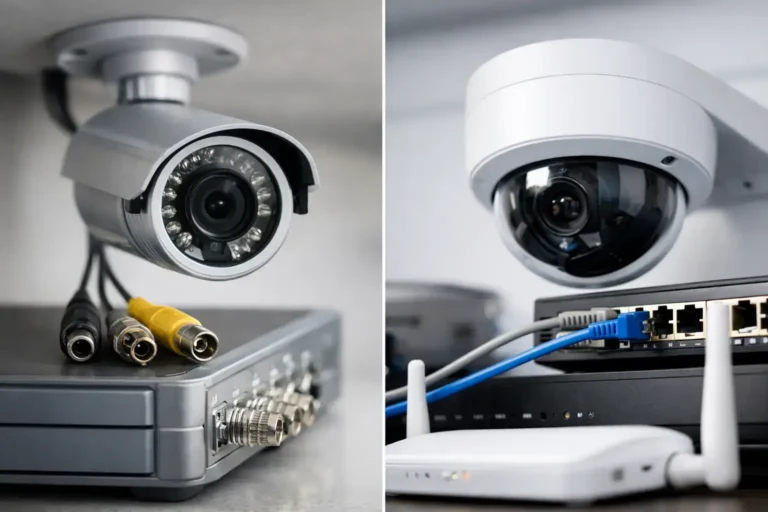
Homeowners often ask whether wireless cameras are enough. The honest answer is that it depends on the property and what level of reliability you expect. Wireless systems can suit some homes, particularly where cabling routes are difficult or where a smaller setup is needed quickly. But they are still dependent on signal strength, power management and network stability.
For long-term dependability, hard-wired IP systems are usually the stronger option. They offer more stable connectivity, support higher recording demands and are better suited to integrated security setups. They also reduce the risk of gaps caused by battery failure, weak Wi-Fi or devices dropping off the network.
Storage matters just as much as the cameras themselves. Cloud recording may sound convenient, but it relies on internet bandwidth and ongoing subscription costs. Local recording through a network video recorder often gives more control and consistency, particularly if multiple cameras are recording continuously or at high resolution. In many homes, a hybrid approach works well, with dependable on-site recording and remote viewing through a secure app.
Think beyond the app
Remote viewing is useful, but it should not be the only thing guiding your decision. Many off-the-shelf systems sell convenience first and performance second. The app may look polished, but if footage is compressed, retention is short or playback is awkward when you actually need evidence, the convenience fades quickly.
A professionally specified system should be easy to use, but the design should start with operational performance, not marketing features.
Privacy, legal considerations and neighbour impact
Domestic CCTV is generally permitted, but that does not mean every installation is beyond question. If cameras capture areas beyond your boundary, such as a public footpath, shared accessway or a neighbour’s property, data protection considerations may apply. Signage, camera angle and recording purpose should be thought through properly.
This is another reason not to treat camera placement casually. A camera can be technically functional and still create avoidable complaints if it intrudes unnecessarily on nearby properties. The solution is not to avoid external CCTV, but to design it carefully and proportionately.
For landlords and multi-occupancy settings, this becomes even more important. Shared entrances, bin stores, car parks and communal corridors often need a more considered approach to both coverage and compliance.
Why professional setup usually costs less in the long run
A cheap system can become expensive once blind spots, false alerts and unreliable recording start causing problems. Many homeowners only discover the weaknesses after an attempted break-in, package theft or neighbour dispute, when the footage turns out to be unclear or incomplete.
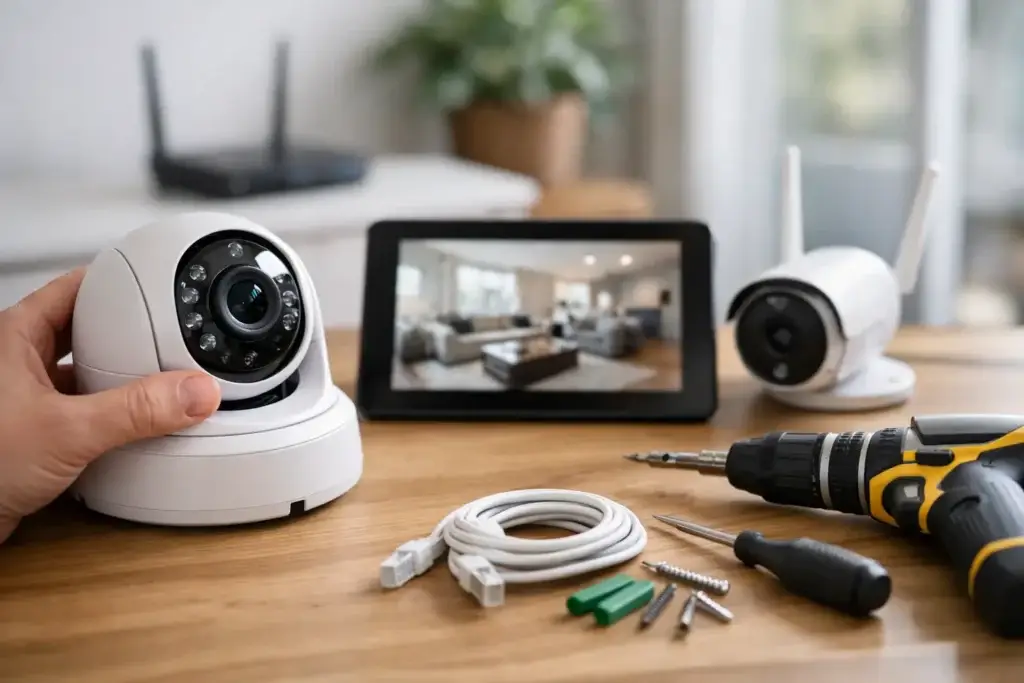
Professional installation reduces that risk because it looks at the full picture. That includes power supply, cable routes, recorder location, cyber security, retention periods, mobile access, future expansion and maintenance. It also means the system can be configured to suit the property rather than forced into a one-size-fits-all layout.
There is also the matter of insurer expectations and workmanship standards. Professionally installed, insurer-recognised systems give property owners more confidence that the equipment has been designed and fitted correctly. For clients who want long-term reliability, not just a quick purchase, that reassurance matters.
When a camera system should link with other security
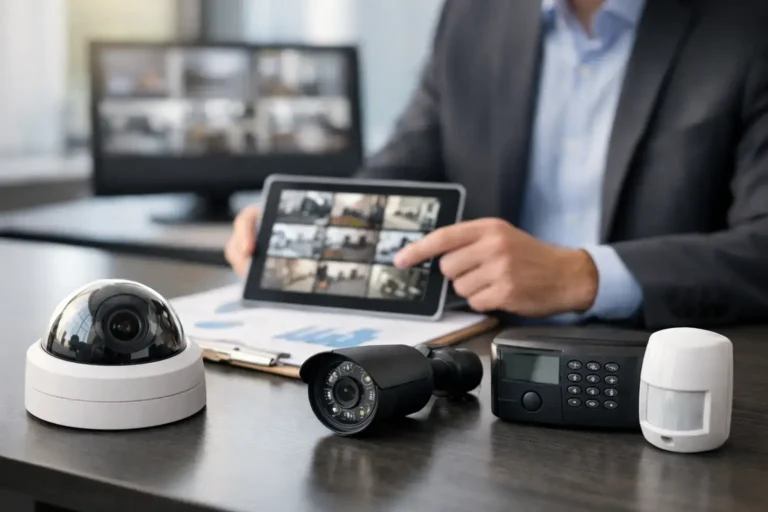
For some homes, CCTV on its own is enough. For others, it works best as part of a wider setup. A camera system linked with an intruder alarm, external lighting or door entry can strengthen both deterrence and response. If movement is detected at the rear of a property, for example, recording, notification and lighting can all work together rather than operating as separate pieces of kit.
This joined-up approach is especially useful for larger homes, high-value properties, gated developments and homes that are empty for long periods. It is also worth considering for landlords responsible for entrances, parking areas and shared spaces where incidents may involve more than simple trespass.
Choosing the right home security camera setup
The right home security camera setup is not necessarily the one with the most cameras. It is the one that covers your real risks, records usable footage in the conditions your property actually faces, and keeps working when you need it most. Sometimes that means a compact two- or three-camera design. Sometimes it means broader external coverage, analytics or integration with alarms.
If you are comparing options, ask practical questions. What areas are genuinely vulnerable? Do you need overview footage, identification footage, or both? How long should recordings be kept? Will the system still perform well in winter darkness, summer glare and poor weather? Those answers usually lead to a far better result than choosing on price alone.
A camera system should leave you feeling more certain, not wondering what it missed. When the setup is planned properly from the outset, you get more than video on a screen – you get a security system that behaves like part of the property, quietly doing its job every day.