A lost key can turn into a security problem faster than most people expect. One member of staff leaves, a contractor does not return a fob, or a tenant has copied a key without permission, and suddenly you no longer know who can enter your building. That is where access control becomes far more than a convenience. It gives you a clear, manageable way to decide who goes where, when they can enter, and how those movements are recorded.
For businesses and property owners across Essex, London and the South East, that level of control matters for more than day-to-day practicality. It supports staff safety, protects stock and equipment, reduces the risk of unauthorised entry, and helps create a more accountable working environment. For homeowners and landlords, it can remove the uncertainty that comes with shared keys, unmanaged visitors and poorly secured entrances.
What access control actually does
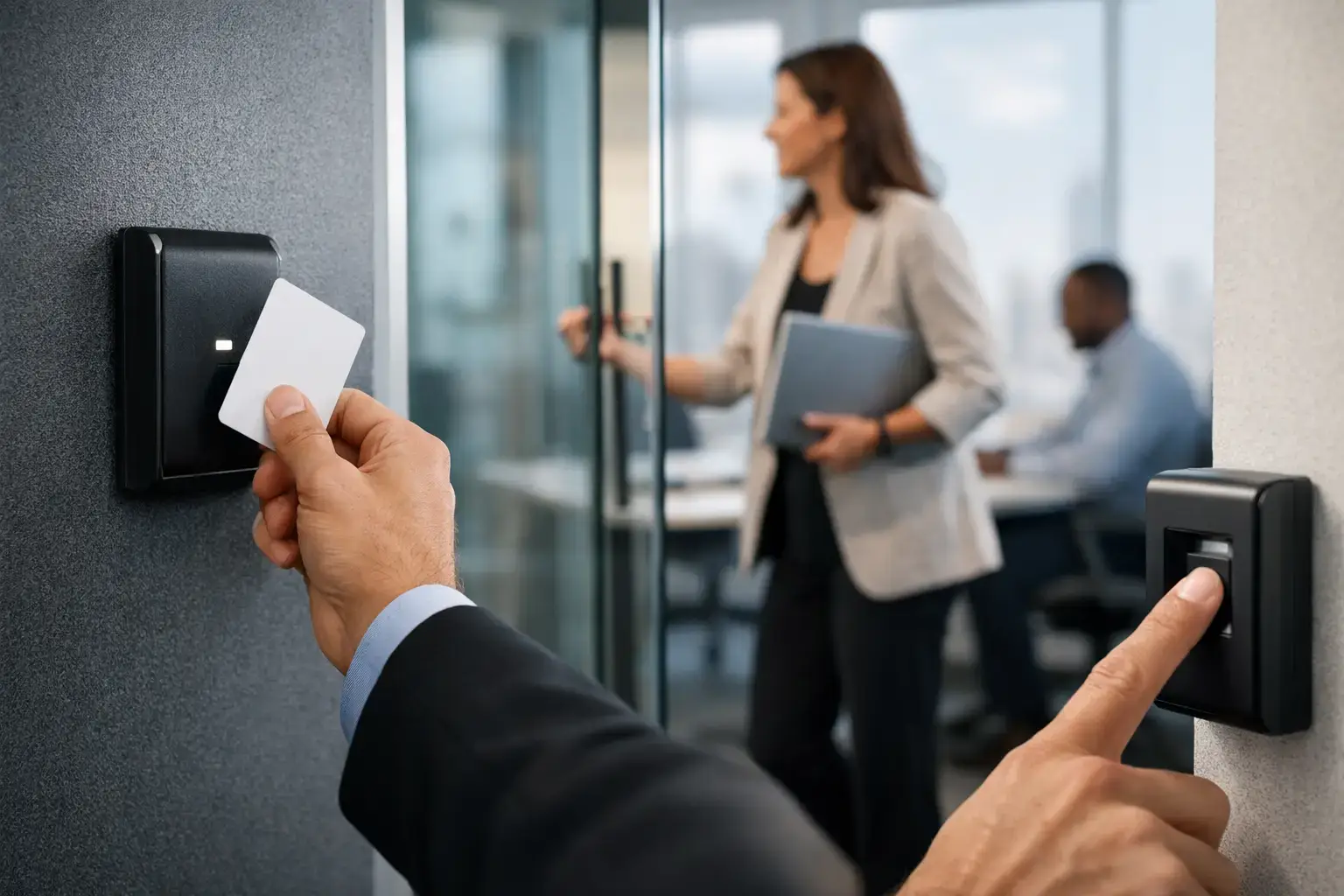
At its simplest, access control replaces or strengthens traditional lock-and-key arrangements with an electronic system that manages entry. Instead of relying solely on physical keys, users may enter with a fob, card, keypad code, smartphone credential or biometric reader, depending on the site and the level of security required.
That sounds straightforward, but the real benefit is in the control behind the door. Permissions can be assigned to specific people, specific doors and specific times. A warehouse operative may need access to a loading bay from 6am to 2pm. A cleaner may only need evening access to certain areas. A school office may need staff-only restrictions during pupil hours. A residential block may need secure visitor entry without leaving the front door permanently vulnerable.
Because the system logs activity, there is also a record of who presented a credential and when. That can be useful for investigations, internal audits, health and safety reviews, and simple day-to-day management.
Why access control matters more than locks alone
Mechanical locks still have their place, but they create problems when access needs to change quickly. If a key goes missing, the secure response is often to replace locks and issue new keys. That costs money and takes time. In the meantime, the risk remains.
With electronic access control, lost credentials can usually be cancelled without replacing the hardware on the door. New users can be added, old users removed, and access levels adjusted with far less disruption. On a busy commercial site, that flexibility is often one of the biggest reasons to move away from key-only security.
There is also the issue of visibility. A standard lock tells you very little. If something goes missing from a stockroom or a restricted office, there may be no reliable record of who entered. Access control does not solve every security issue on its own, but it adds accountability that physical keys cannot provide.
Choosing the right system for the building
Not every site needs the same type of setup. A single office entrance has very different requirements from a school, healthcare facility, construction site or multi-tenant residential block. The best systems are designed around how the property is used, not simply around the door hardware itself.
For a small business, access control may start with one main entrance and a staff-only rear door. For a larger premises, it may extend to internal areas such as server rooms, stockrooms, plant rooms and management offices. In hospitality, the focus may be on balancing secure staff routes with a smooth customer experience. In industrial environments, it may involve controlling movement between operational zones, vehicle gates and out-of-hours access points.
Homes and smaller residential sites can benefit too. A gate, communal entrance or side access route may need better control than a conventional lock offers, especially where multiple occupants or service visits are involved.
Common access control options
Most systems fall into a few familiar categories, although they are often combined. Card and fob systems remain popular because they are simple to use and quick to manage. Keypad entry can work well where budget matters or where temporary code-based access is useful, though codes need careful management to remain secure.
App-based and cloud-managed systems are increasingly common, especially for businesses that want remote administration across more than one site. They can be very effective, but only if they are set up properly and matched to the client’s operational needs. Convenience should not come at the expense of reliability.
Biometric systems, such as fingerprint or facial recognition, can suit high-security areas, but they are not always the right answer. They may involve added privacy considerations, user acceptance issues and more detailed compliance requirements. In many cases, a well-designed fob or card system with the right door hardware and audit trail is the more practical choice.
The door matters as much as the software
One of the most common mistakes in access control planning is focusing only on readers and credentials while overlooking the physical door set. The effectiveness of the system depends on the whole opening – the lock, frame, closers, release mechanism, fire rating, power supply and emergency egress arrangements all matter.
A well-configured reader on a poorly secured door will not deliver reliable protection. Equally, a heavily secured door that makes everyday use awkward can lead to misuse, wedged doors and frustrated staff. Good system design balances security, safety and practicality.
This is especially important on sites with fire alarm integration, disabled access requirements or automatic door operators. Entry control should work with the rest of the building, not against it.
Integration makes a stronger security system
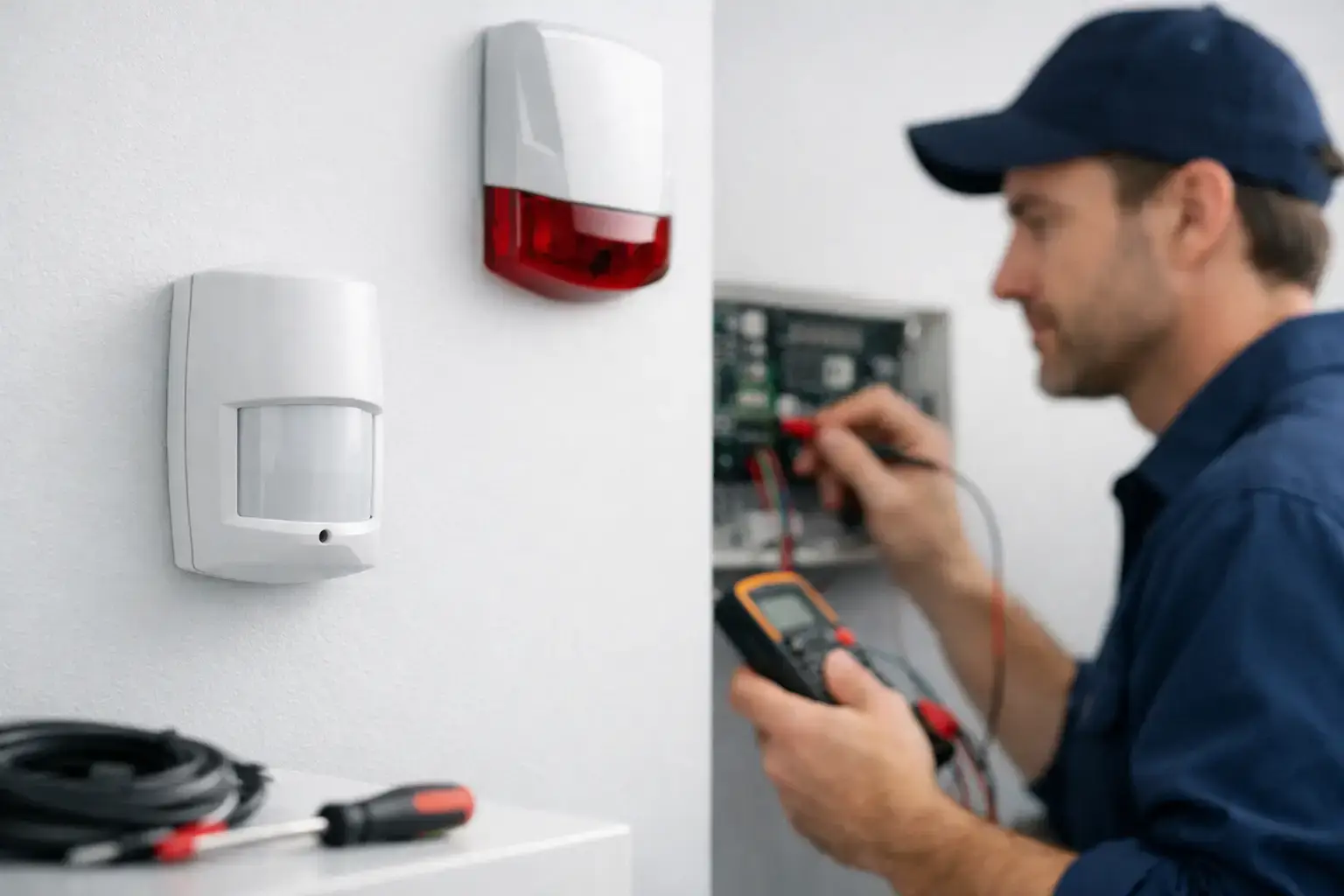
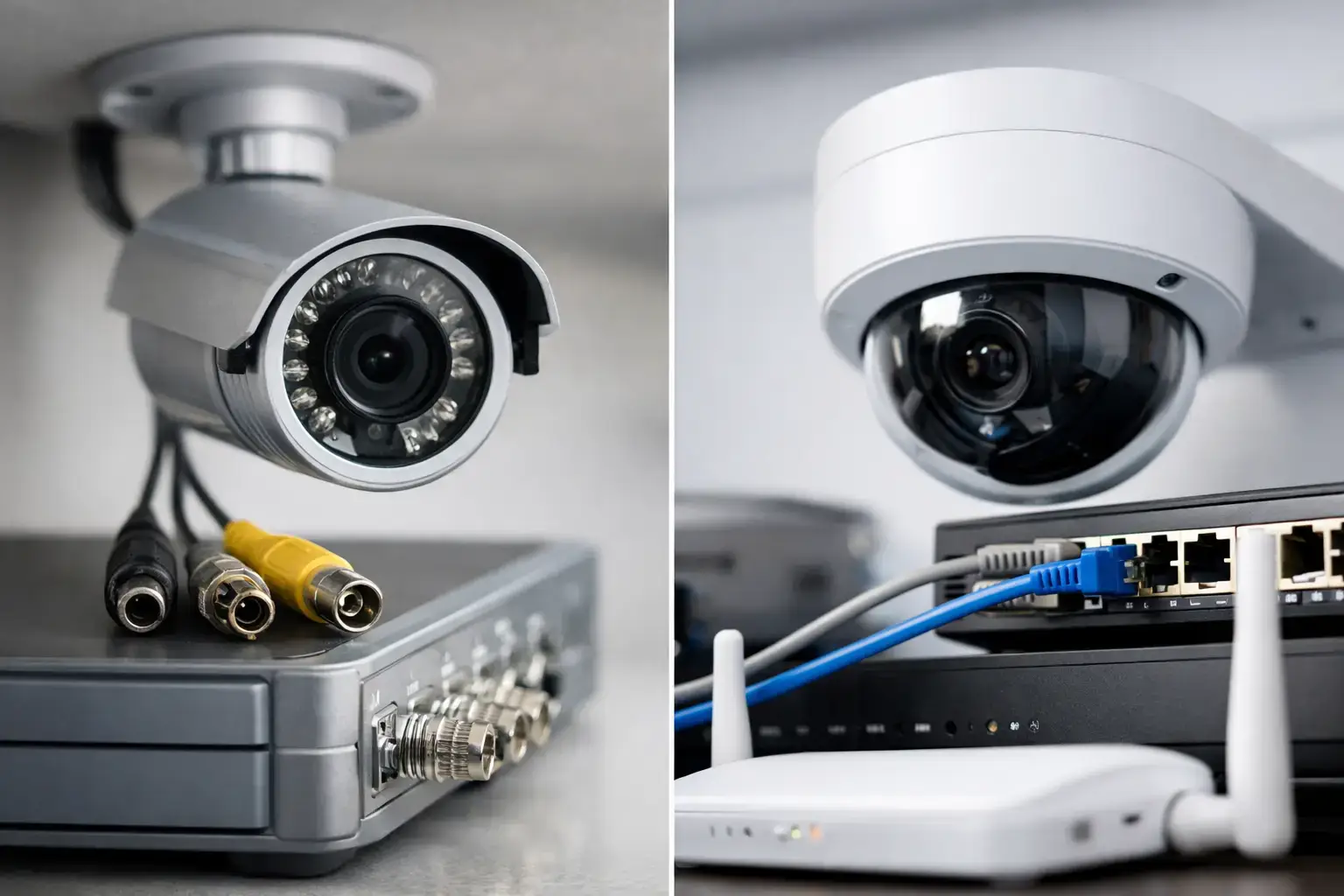
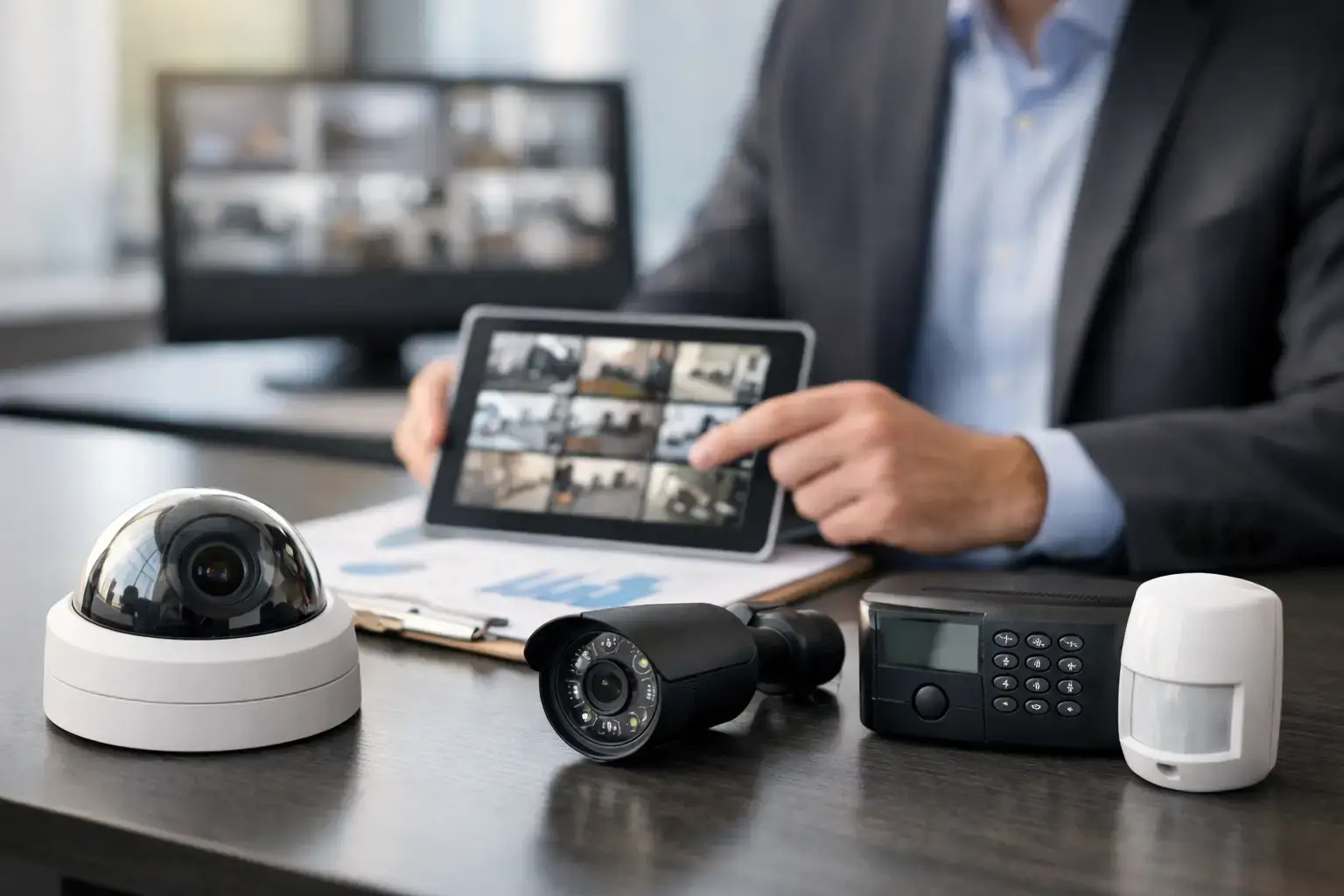
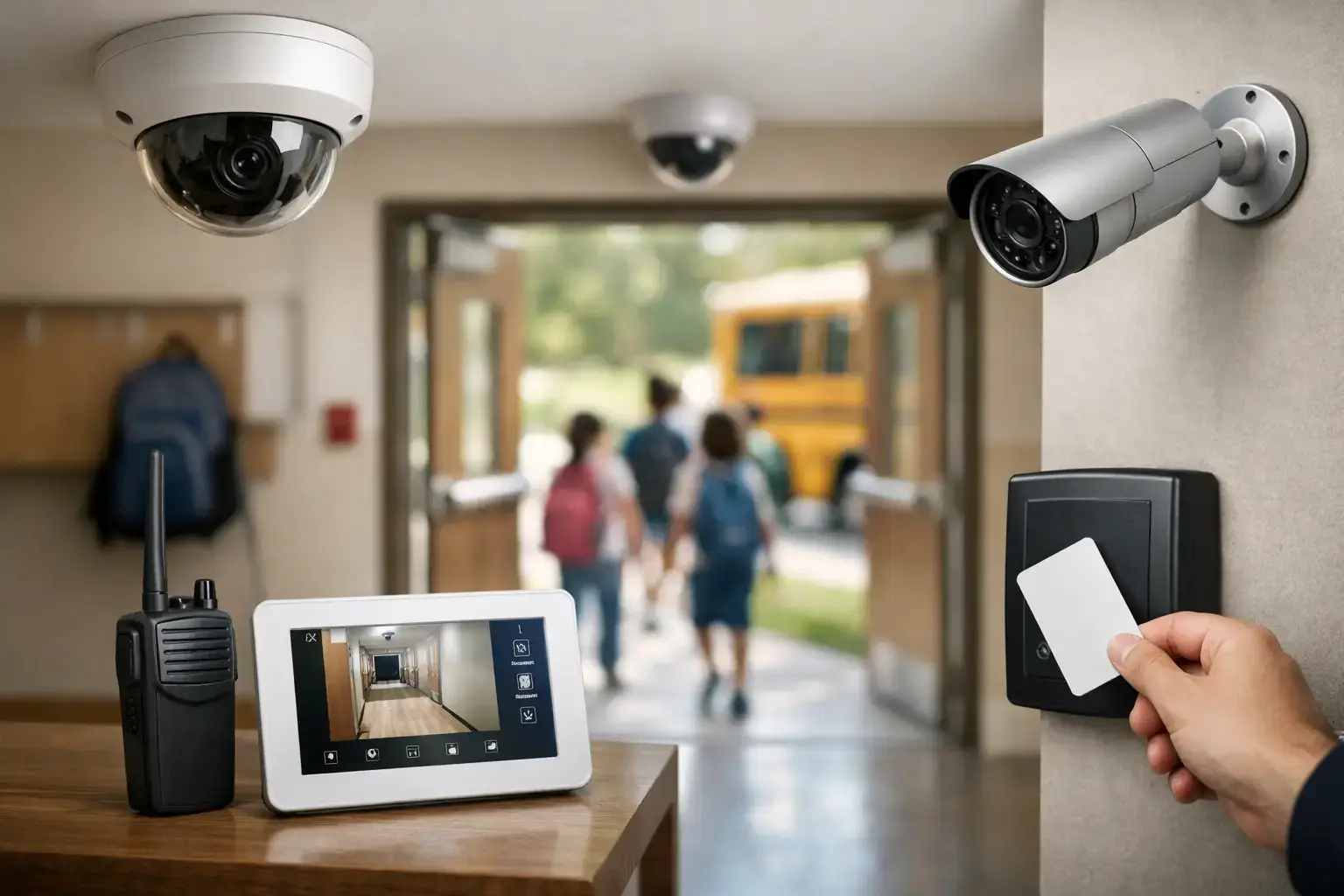
Access control is most effective when it is considered as part of a wider security strategy. On many commercial sites, it works best alongside CCTV, intruder alarms, intercoms and monitored response arrangements.
If an incident occurs at a side entrance, access logs can be checked against CCTV footage. If a door is forced, the alarm system can trigger alerts. If a visitor needs remote admission, a door entry system can provide controlled access without compromising the rest of the building. These joined-up systems are often more valuable than any standalone product.
That does not mean every property needs a highly complex installation. It means the design should reflect real risk. A school, for example, may prioritise safeguarding and controlled visitor routes. A retailer may focus on stock loss and staff-only areas. A homeowner may want secure front-gate access paired with video verification. The right answer depends on the site.
Compliance, insurance and long-term reliability
For many businesses, access control is not just about stopping intruders. It can also support duty of care, site procedures and insurer expectations. That is one reason professional design and installation matter. A system should not only function on day one. It should remain dependable under daily use, adapt as staffing changes, and be maintained properly over time.
This is where experience counts. The layout of the site, the door construction, the expected traffic levels and the need for future expansion all influence what should be installed. An under-specified system can quickly become a nuisance. An over-engineered one may cost more than necessary without improving outcomes.
Working with an established specialist such as 247 CCTV often gives clients a clearer route through those decisions, especially where multiple disciplines need to be coordinated across CCTV, alarms, entry systems and ongoing maintenance.
What to consider before you invest
Before specifying access control, it helps to ask a few practical questions. Who needs access, and to which areas? Do different users require different permissions? Are there times when doors should unlock automatically or remain secured? Will deliveries, contractors or visitors need managed entry? Does the site need a simple standalone solution or a system that can expand later?
It is also worth considering what happens when things go wrong. If power fails, what should each door do? If a credential is lost, who updates the system? If staff change regularly, how quickly can permissions be revised? These are not minor details. They are what separate a useful system from one that causes operational headaches.
Cost is naturally part of the discussion, but cheapest rarely means best value in security. Hardware quality, installation standards, user training and maintenance arrangements all affect long-term performance. A lower upfront price can lead to more faults, more admin and earlier replacement.
Access control should make life easier, not harder
The best access control systems are often the ones people barely think about once they are in place. Staff move through the building without delay. Managers can update permissions without chasing keys. Visitors are handled properly. Sensitive areas stay protected. And when there is a question about who entered where, there is a record to check.
That kind of reliability does not happen by accident. It comes from choosing equipment that suits the site, installing it properly, and making sure the system supports the way the building actually operates. Whether the priority is protecting a commercial premises, managing a residential entrance or bringing several security measures together under one plan, the value of access control is in the confidence it gives you every day.
If you are reviewing security for your property, start with the practical risks and the way people use the building. The right system should feel like a sensible part of running the site well, because that is exactly what it is.