A retailer usually notices the problem too late. Stock counts do not match. Refund patterns look odd. A high-value shelf has been repeatedly targeted. By that point, the real question is not whether security matters, but which of the best retail loss prevention systems will actually reduce theft without making day-to-day trading harder.
For most shops, there is no single product that solves loss prevention on its own. The strongest results come from a properly designed combination of CCTV, analytics, intruder alarms, access control, tagging systems and clear operational procedures. What works for a convenience store in Essex will not be identical to what works for a fashion retailer in central London, and that is exactly why system design matters.
What the best retail loss prevention systems really include
Retail loss comes from more than shoplifting. Internal theft, refund fraud, delivery discrepancies, stockroom access, after-hours break-ins and opportunistic damage all affect margin. A good system needs to address the whole risk picture, not just the customer-facing shop floor.
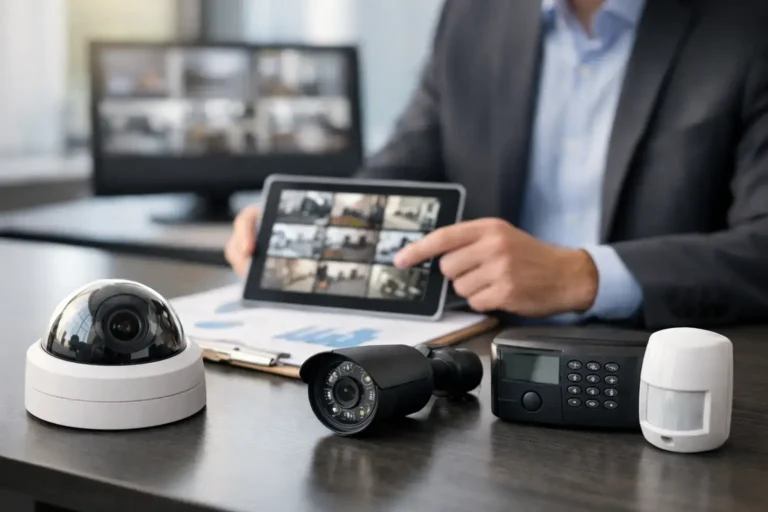
That is why the best retail loss prevention systems are usually layered. Overt CCTV acts as a deterrent. High-definition recording provides usable evidence. Analytics help teams spot loitering, unusual movement or crowding around target areas. Intruder alarms protect the site when closed. Access control limits who can enter storerooms, cash offices and rear delivery points. In some settings, electronic article surveillance helps with high-volume theft of tagged goods.
If one layer fails, another still supports the overall security plan. That is the difference between buying devices and investing in a working loss prevention system.
CCTV remains the backbone of retail loss prevention
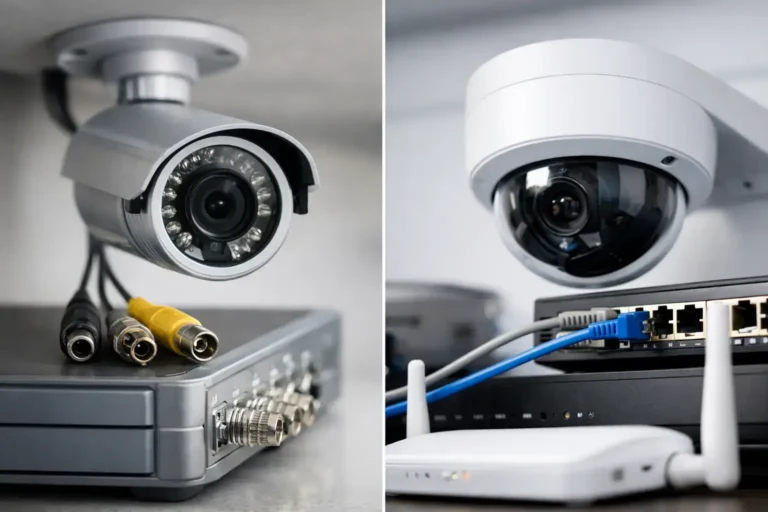
For most retailers, professionally installed CCTV is the foundation. It deters casual theft, supports investigations and gives management better visibility across tills, entrances, aisles, stockrooms and loading areas. The key word here is professionally. Poor camera placement, weak image quality and badly configured recording settings often leave retailers with footage that looks reassuring until they actually need to identify a person or event.
A retail CCTV system should be designed around the shop layout and the known risks. Entrances need clear facial capture. Till areas need enough detail to review transactions and disputes. High-value displays need coverage from useful angles rather than broad overview shots alone. Stockrooms and service corridors matter just as much as public areas because a significant proportion of retail loss can happen away from customers.
Remote access is also valuable, particularly for multi-site operators and managers responsible for several premises. Being able to review incidents quickly, check opening and closing procedures, or verify alarm activations can save time and improve response.
Where analytics add real value
Analytics are often treated as an optional extra, but in retail they can be highly effective when used properly. People counting, line crossing detection, object removal alerts and dwell-time monitoring can all support loss prevention. In a busy store, they also help identify patterns that human operators may miss.
That said, analytics are not magic. They depend on correct camera positioning, lighting conditions and realistic configuration. In a cluttered environment with frequent staff movement, poorly set analytics can generate nuisance alerts. The best approach is to use analytics where they solve a clear problem, such as repeated targeting of an alcohol aisle, unauthorised movement through a rear exit, or suspicious congregation near self-service checkouts.
When configured well, analytics can strengthen both live monitoring and post-incident investigation. They are especially useful in larger stores, retail parks and chain environments where one team may need to review events across several locations.
EAS tagging still has a place, but not everywhere
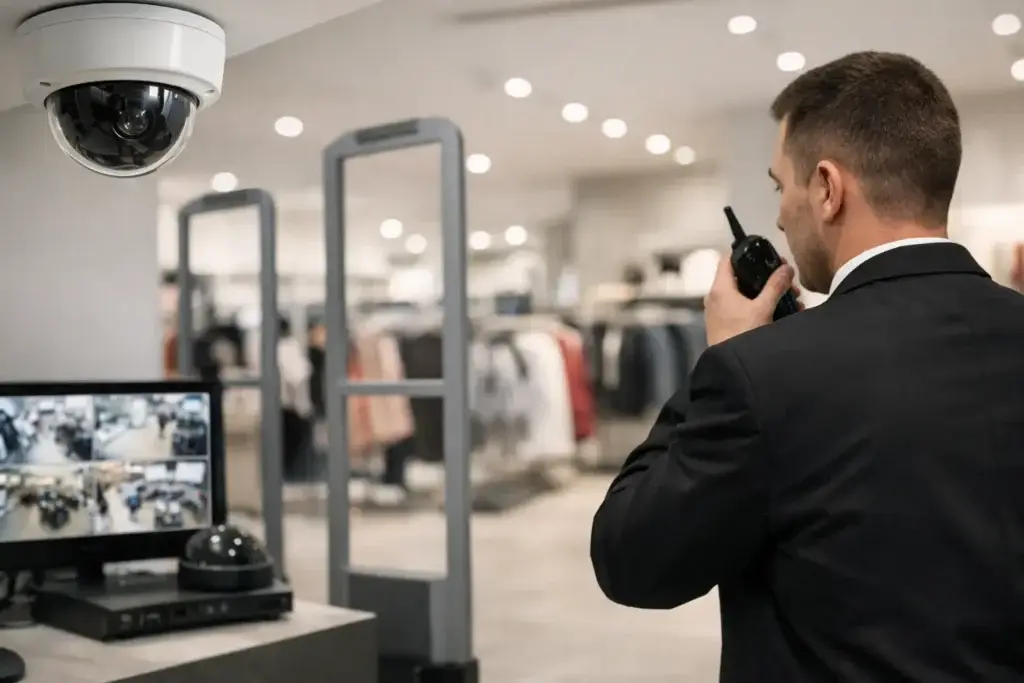
Electronic article surveillance, including pedestal systems at exits and product tags or labels, remains common in fashion, pharmacy, supermarkets and stores selling small, high-value goods. It can be highly visible and often works well as a deterrent. If a product range is frequently targeted and easy to conceal, tagging can make commercial sense.
However, EAS is not always the best first investment. It does not tell you everything about how a theft occurred, and it can create operational friction if tagging and de-tagging are not handled properly. It also tends to be less effective where theft involves multiple methods, including internal access or till manipulation.
In practice, EAS works best as part of a wider strategy. Pairing it with good CCTV coverage at exits, tills and target product zones gives retailers a much stronger position than relying on alarms at the door alone.
Access control is often overlooked in retail
Many retailers focus heavily on the shop floor and overlook what happens behind the scenes. Yet stock loss often involves storerooms, cash handling areas, rear entrances and staff-only doors. This is where access control becomes one of the best retail loss prevention systems available, particularly for medium and large sites.
Controlled access using fobs, cards or managed credentials reduces the number of keys in circulation and creates an audit trail of who entered sensitive areas and when. That is valuable not only for preventing unauthorised access, but also for investigating incidents without guesswork.
For retailers with out-of-hours deliveries, high staff turnover or multiple contractors on site, access control helps maintain order and accountability. It also integrates well with alarms and CCTV, creating a clearer picture of what happened before, during and after an incident.
Intruder alarms protect the gaps when the store is closed
Retail theft does not stop when shutters come down. Break-ins through rear service doors, roof access, poorly secured plant areas and vulnerable glazing remain a serious risk. A properly specified intruder alarm is essential for after-hours protection and should be designed around the building, stock profile and operating pattern.
This is another area where grade and approval matter. Insurer-recognised, professionally installed systems provide a higher level of confidence than consumer-grade alarms. They can also be integrated with monitoring support and police response where appropriate.
For retailers with multiple security priorities, alarm integration is particularly useful. If an alarm activation is linked with CCTV verification and controlled access records, the response becomes faster and better informed.
Choosing the best retail loss prevention systems for your store
There is no universal shopping list because retail environments vary so widely. A small independent convenience shop may need strong entrance coverage, till cameras, a reliable intruder alarm and protection for alcohol and tobacco storage. A fashion retailer may benefit from CCTV plus EAS, fitting room oversight in line with privacy requirements, and better control of stockroom access. A supermarket or large-format store may need analytics, delivery bay surveillance, access control for multiple staff zones and centralised oversight across several departments.
Budget matters, but so does the cost of getting it wrong. Cheap equipment that misses key evidential detail, produces false alarms or fails early is rarely good value. Retailers are better served by a system designed around their actual risks, installed to a proper standard and supported over time.
It is also worth thinking beyond immediate theft. The same systems can help with health and safety incidents, customer disputes, lone worker protection, contractor management and compliance requirements. That broader value often justifies a more considered investment.
Installation quality matters as much as the hardware
Even the best equipment can underperform if it is installed badly. Camera height, lens choice, lighting, recording retention, network capacity, detector placement and user training all affect results. Retail security should not be treated as a box-dropping exercise.
A proper survey will identify blind spots, vulnerable stock categories, pinch points, poor entry routes and operational habits that increase risk. It should also take account of how staff actually work. There is little point fitting a system that slows transactions, frustrates opening procedures or creates constant avoidable alerts.
This is where working with an experienced security specialist makes a real difference. For retailers in Essex, London and the South East, a provider such as 247 CCTV can design integrated systems that reflect site layout, insurer expectations and the practical realities of retail operations.
Best results come from integration, not isolation
If there is one common feature across the best retail loss prevention systems, it is integration. CCTV on its own helps, but CCTV linked with alarms, access control and monitored response is stronger. EAS can deter theft, but EAS backed by evidential video and sensible staff procedures is more effective. Analytics can flag unusual behaviour, but only when they are part of a wider plan.
The strongest retail security setups are built to reduce opportunity, increase accountability and give management usable evidence when something does happen. They are not there simply to tick a compliance box or reassure staff visually.
Retail loss prevention works best when the system matches the shop, the stock and the operating pattern. A well-designed solution should feel dependable rather than intrusive, and it should help your business trade with more confidence. If you are reviewing your current setup, start with the risks you can measure, then build a system that deals with the ones you cannot afford to ignore.