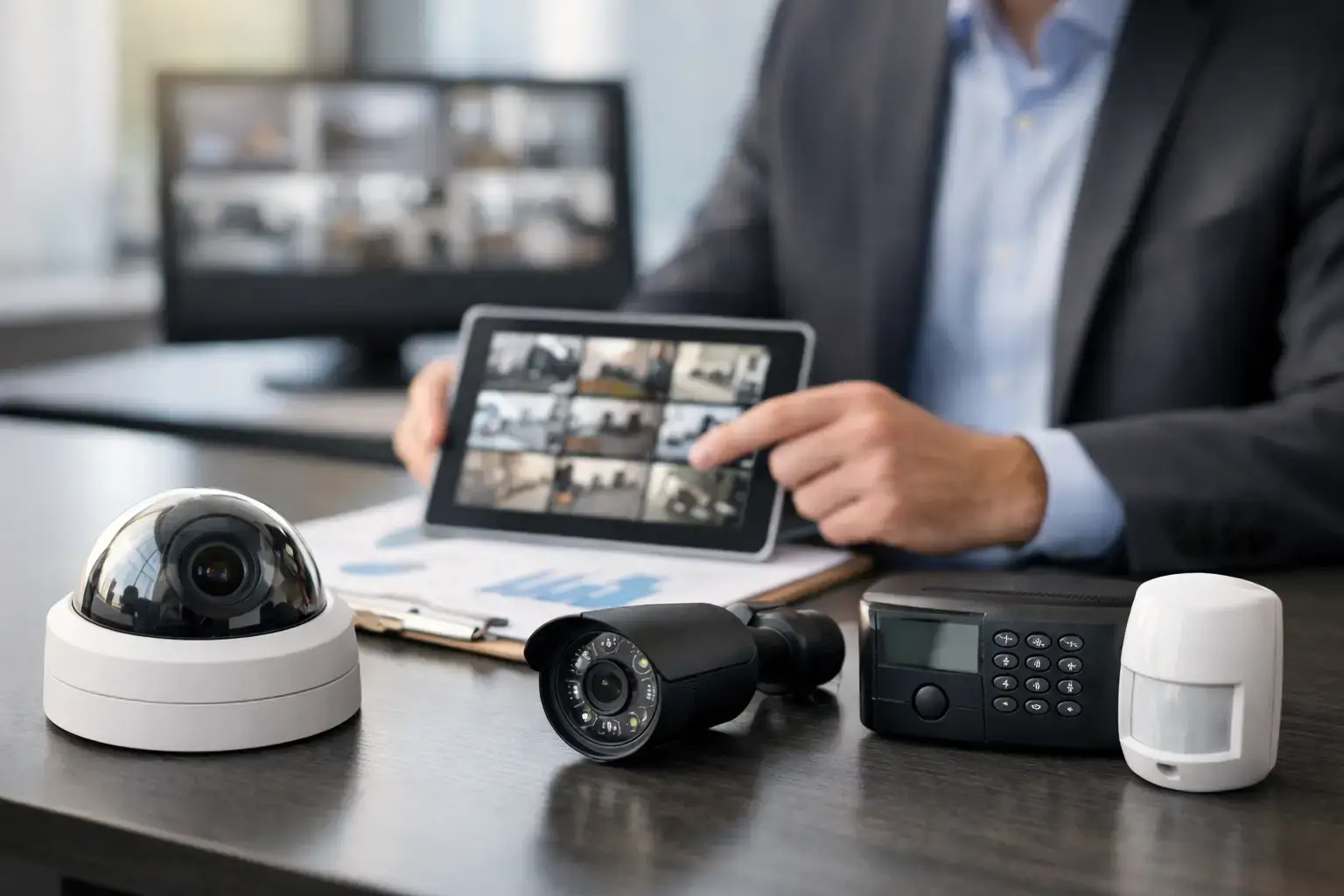
A break-in rarely starts with a dramatic smash-and-grab. More often, it begins with a side door that never latches properly, a blind spot by the loading bay, or a keypad code that was never changed after a member of staff left. That is why business security systems need to be designed around the way a building actually works, not simply installed as a box-ticking exercise.
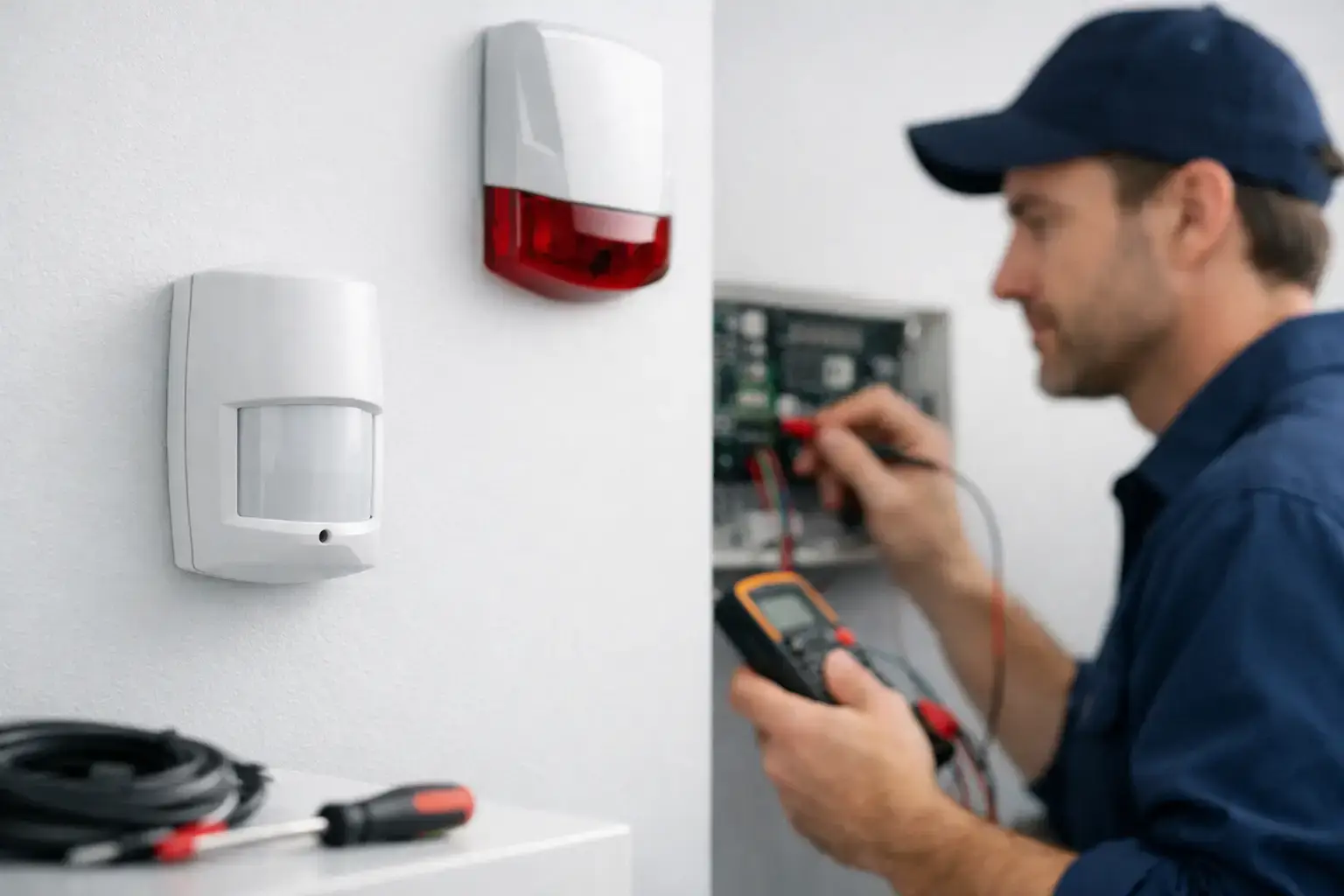
For most businesses, security is not one product. It is a combination of CCTV, intruder alarms, access control, fire protection, remote monitoring and ongoing maintenance, all working together to reduce risk without getting in the way of daily operations. A shop, warehouse, school and medical practice may all need protection, but the right specification will look different in each case.
What business security systems should actually do
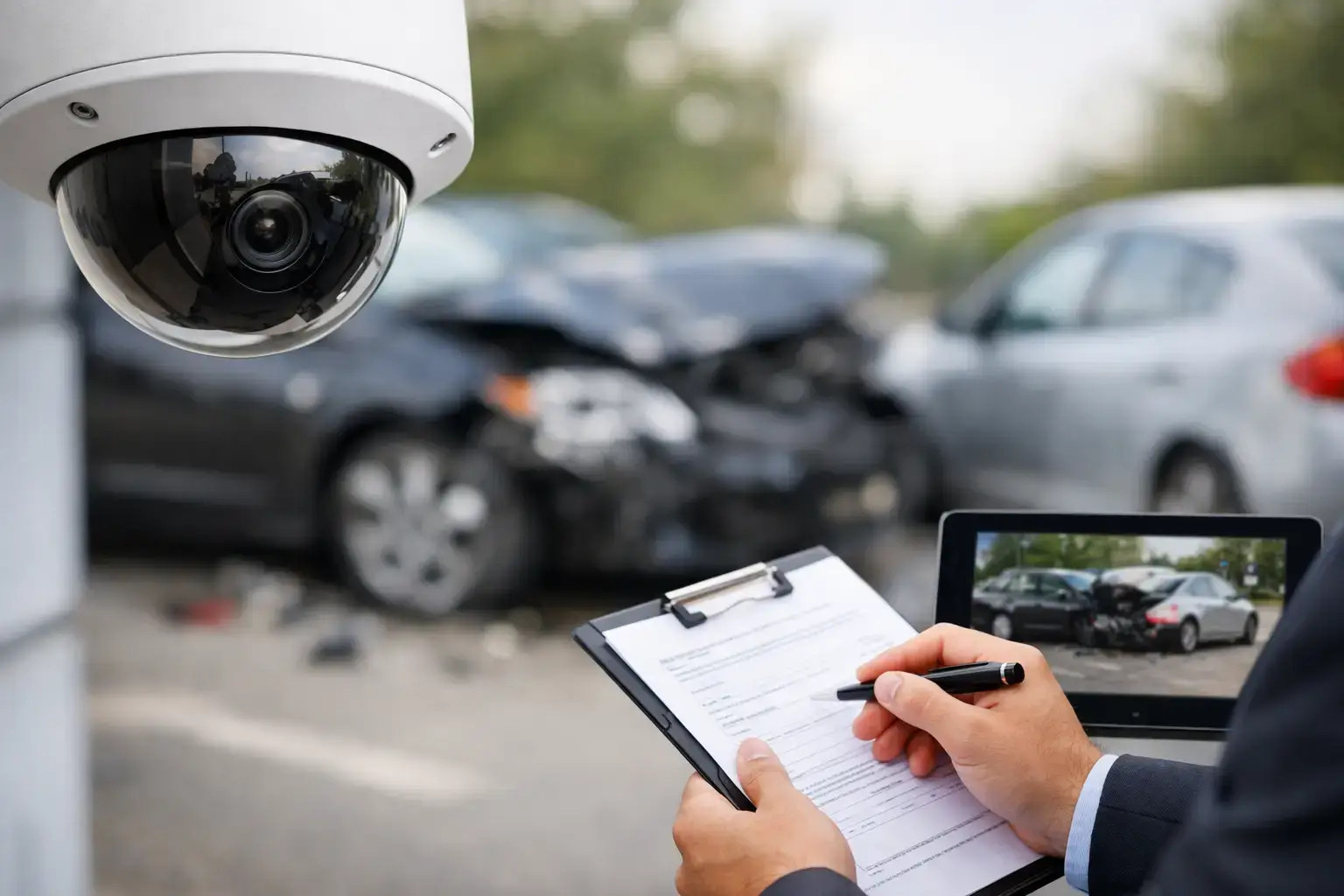
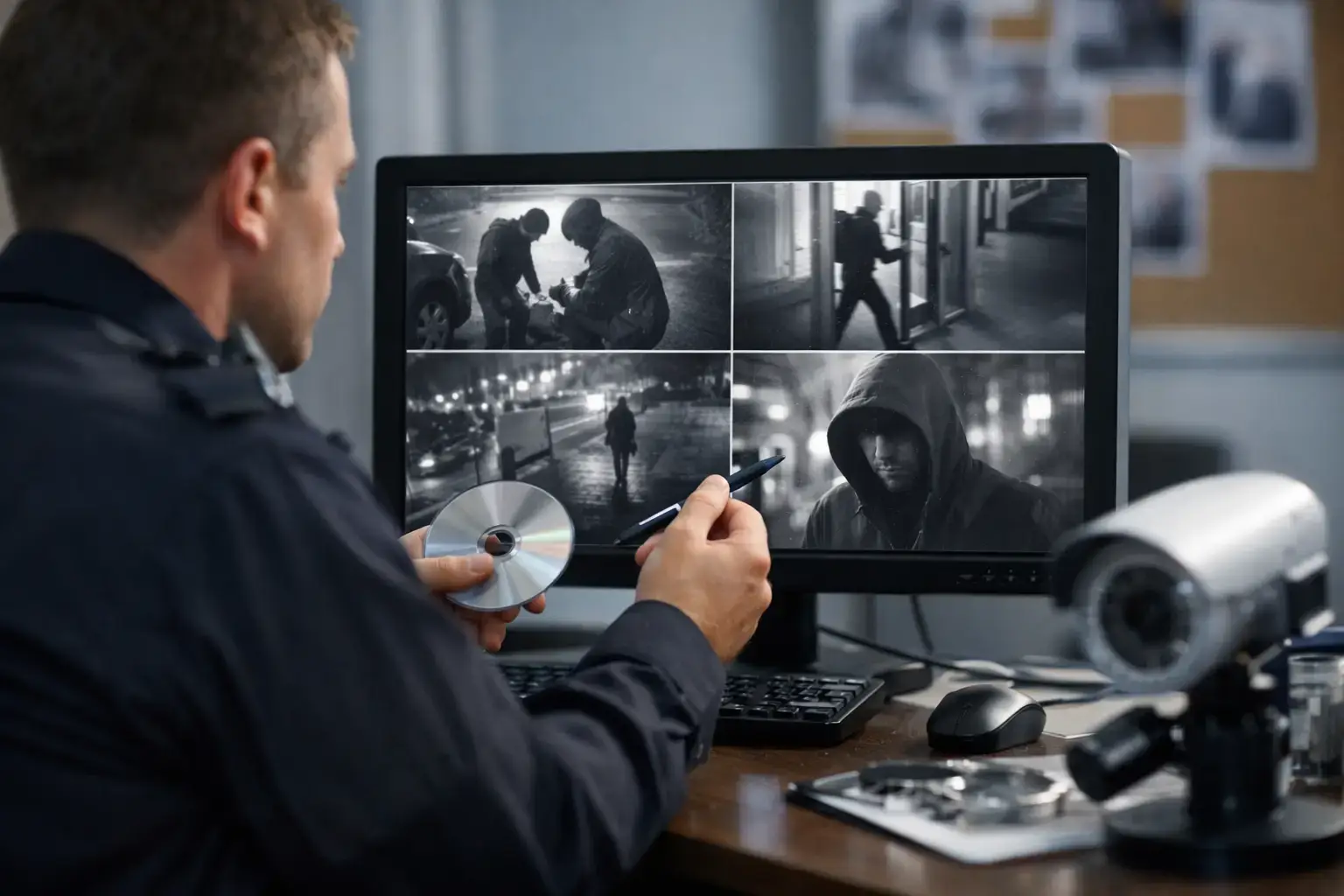
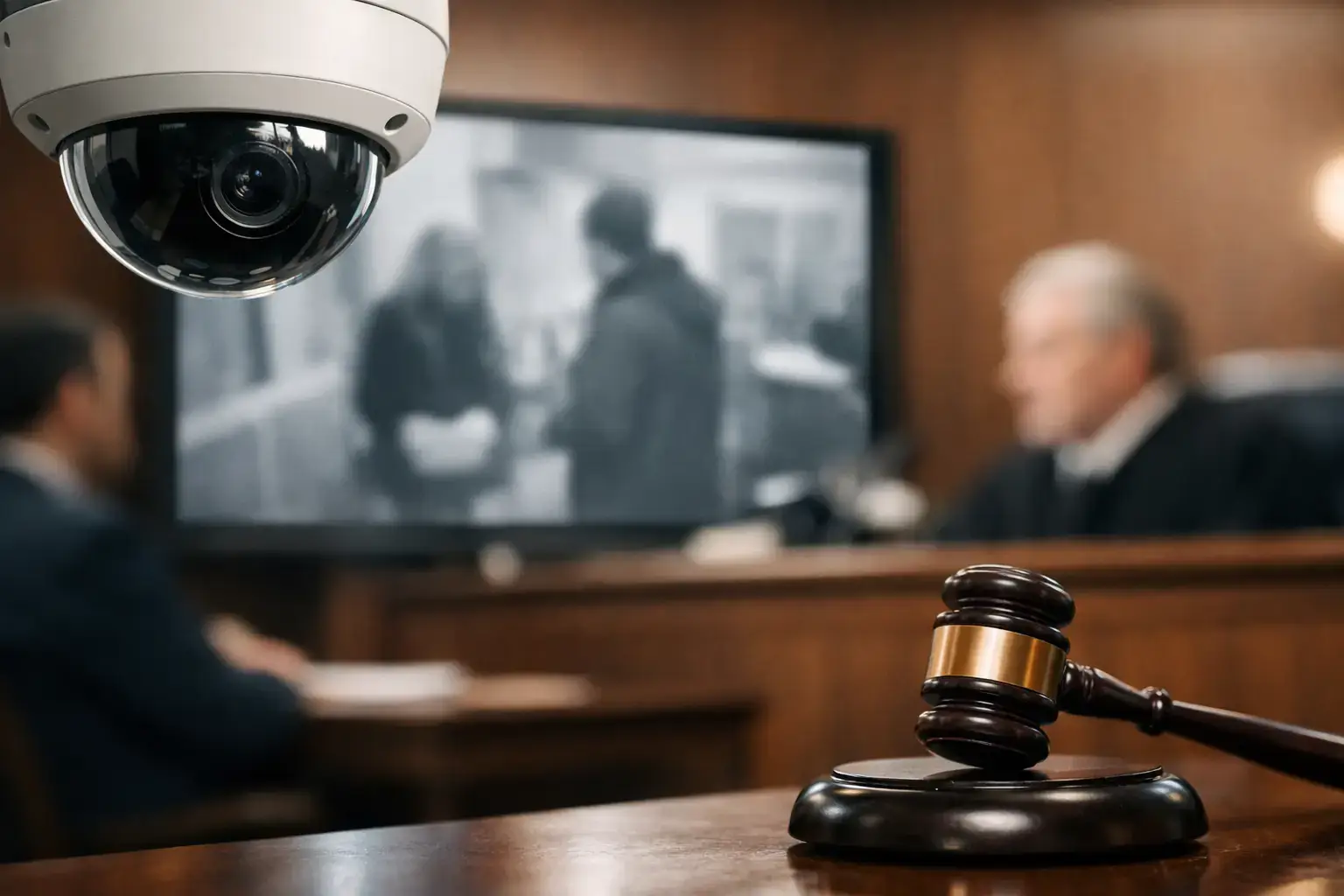
A well-designed system should do three things. First, it should deter unwanted activity by making the site visibly harder to target. Secondly, it should detect issues quickly, whether that is an attempted break-in, unauthorised access or suspicious behaviour around key areas. Thirdly, it should provide usable evidence and clear reporting, so managers, police and insurers are not left relying on guesswork.
That sounds straightforward, but the difference between a dependable system and a disappointing one usually comes down to design quality. Camera placement, lighting conditions, entry points, network reliability, staff movement and out-of-hours access all affect performance. A camera with poor positioning is not much use after an incident, and an alarm that creates regular false activations soon gets ignored.
This is why professionally specified systems matter. Businesses often come to regret buying equipment first and asking questions later. The better approach is to start with the site, the risks and the operational requirements, then build the system around those realities.
The main parts of business security systems
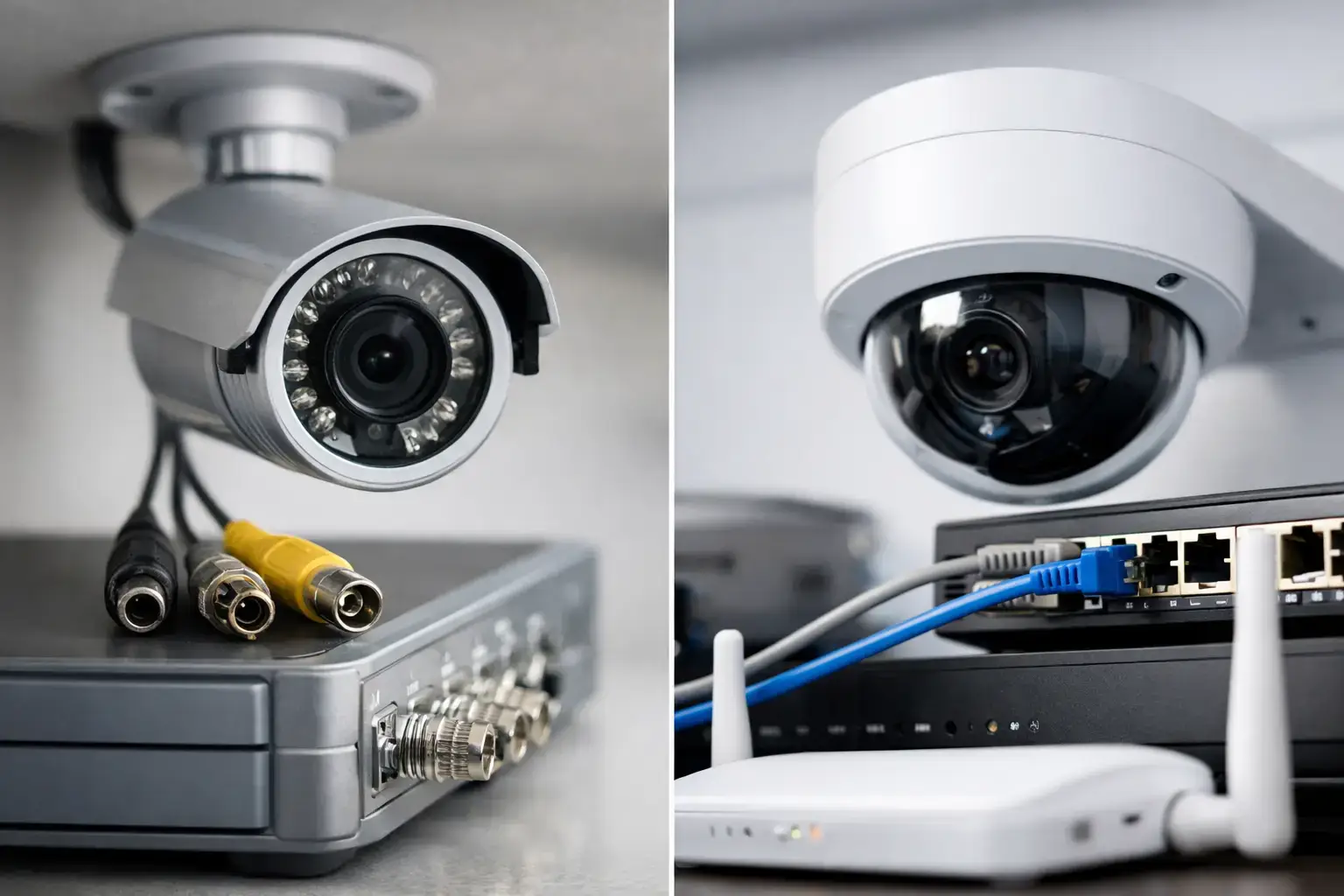
CCTV is often the starting point because it gives visible deterrence and a reliable record of activity. Modern IP CCTV can cover entrances, perimeter lines, stock rooms, car parks, receptions, corridors and external yards with far better image quality than older analogue systems. Analytic CCTV adds another layer by helping to identify events such as line crossing, loitering or movement in restricted areas. That can be particularly useful on commercial premises with large footprints or low staffing levels overnight.
Intruder alarms remain essential where forced entry, unauthorised occupancy or after-hours access are concerns. The right alarm system does more than make noise. It can be linked to keyholders, an alarm receiving centre and other devices on site, helping ensure a faster and more controlled response. For insurer-approved installations, system grading, device selection and maintenance standards all matter.
Access control gives businesses greater control over who can enter, where they can go and when access is allowed. For offices, schools, healthcare environments and shared buildings, this is often one of the most practical investments. Rather than relying on physical keys that can be copied or lost, businesses can assign permissions by person, time and area. If a member of staff leaves, credentials can be removed immediately.
Fire alarms, door entry and automatic door systems can also form part of the wider security picture. Fire protection is a legal and life-safety requirement rather than a security add-on, but integrated planning often makes sense. Door entry systems help verify visitors before access is granted, while automated entry points need to be safe, compliant and reliable under regular use.
Why one size does not fit every site
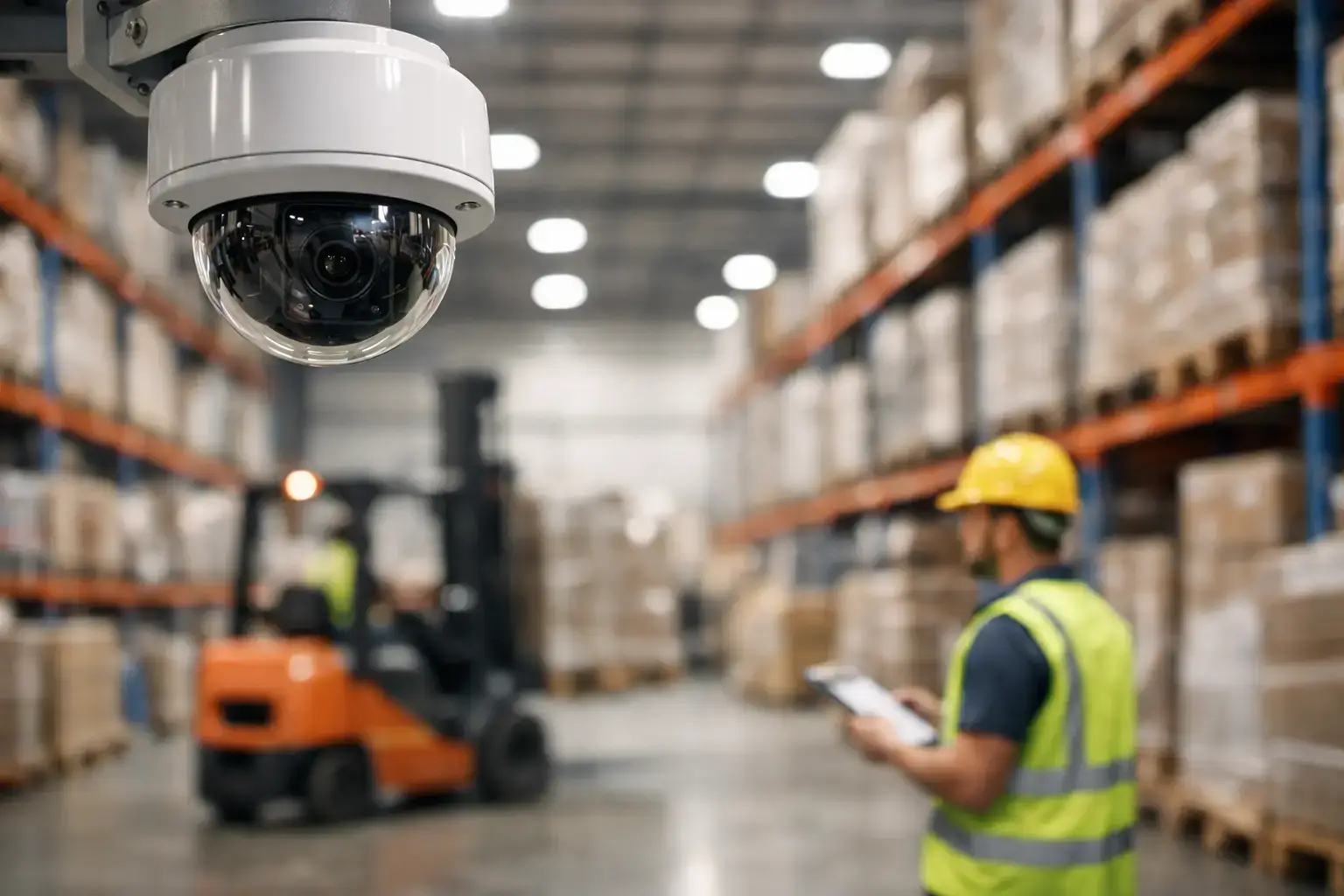
A high-street retailer has different priorities from a logistics depot. Retailers often need strong front-of-house coverage, till monitoring, stock protection and clear evidence capture. Warehouses and industrial sites may focus more on perimeter security, access for vehicles, yard surveillance and remote detection outside trading hours.
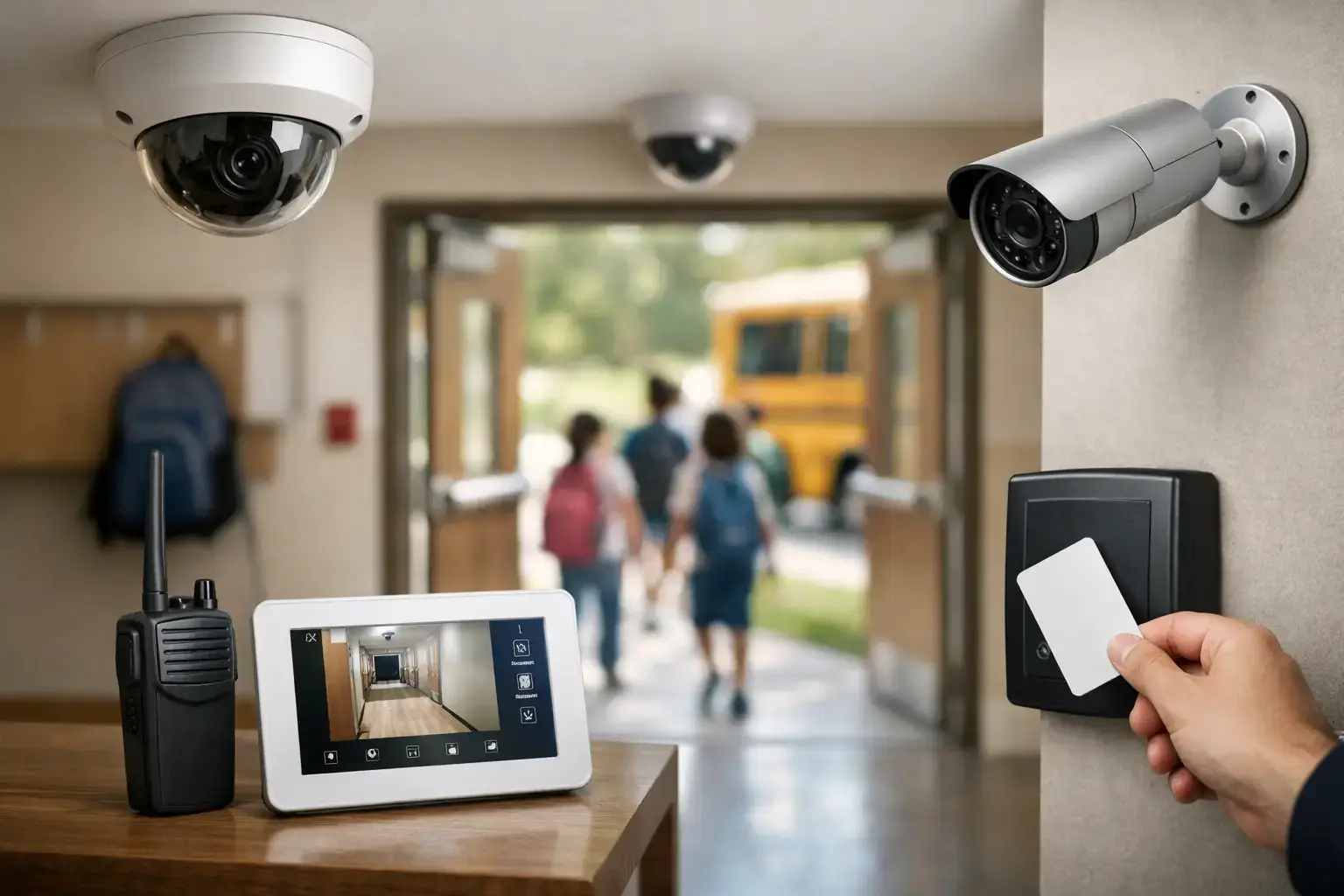
In schools and colleges, safeguarding is central. Systems need to protect pupils, staff and visitors while respecting privacy and managing busy periods of movement. In healthcare, security has to be effective without creating unnecessary friction for patients or staff. Hotels, pubs and restaurants may need a balance of public area coverage, staff protection and access management across multiple entrances.
Construction sites present their own challenge because the environment changes constantly. Temporary buildings, shifting boundaries, equipment theft and limited on-site occupation can all affect the design. In these settings, remote monitoring, detector-activated CCTV and flexible system layouts are often more valuable than a static setup designed for a permanent building.
Compliance, insurers and long-term confidence
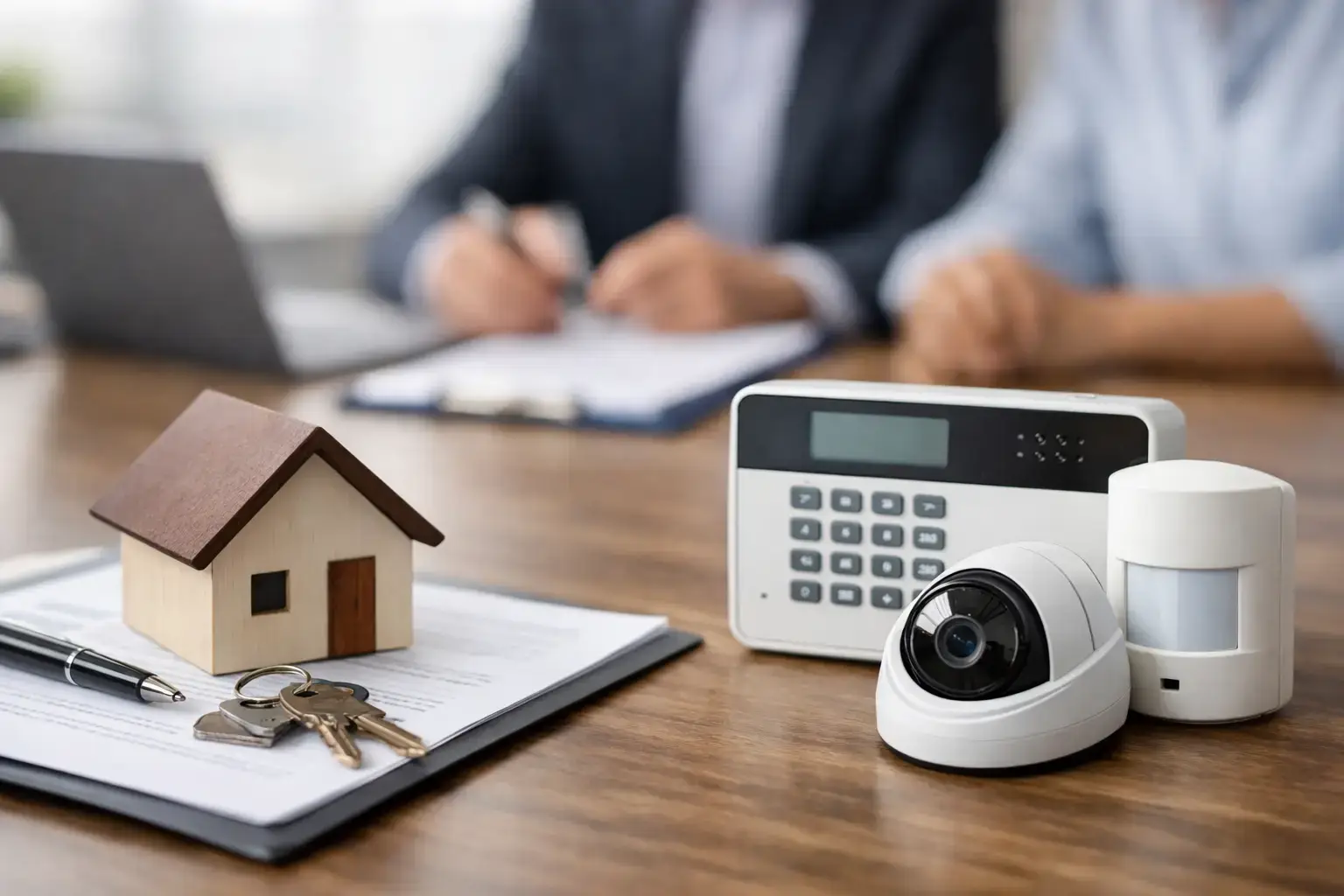
Security buying decisions are often driven by one event: a break-in, a failed insurance claim, repeated stock loss or pressure from head office to tighten controls. But compliance should not be treated as an afterthought. If your insurer expects a certain alarm grade or approved installation standard, that needs to be factored in from the beginning.
This is where accredited, insurer-recognised systems offer real value. A professionally installed system that meets relevant standards can support claims, satisfy policy conditions and reduce the risk of problems later. It also gives facilities managers and business owners greater confidence that the system is not only fitted, but properly designed and maintained.
Ongoing maintenance is just as important as installation. Batteries fail, detectors drift, camera lenses get obscured, recorders fill up and site usage changes over time. A neglected system can create a false sense of security, which is often worse than no system at all. Planned servicing helps keep performance consistent and faults identified before they become critical.
How to choose business security systems wisely
The best place to start is with a proper site survey. This should look at entry points, vulnerable areas, valuable assets, staff routines, public access, lighting, existing infrastructure and any known incident history. A good survey should also ask practical questions. Who opens and closes the site? Are there lone workers? Which areas need evidence-grade images, and which simply need deterrence? Do you need remote viewing, monitored response or audit trails for access events?
Budget matters, but cheapest is rarely best value. Poorly specified systems tend to create extra costs through false alarms, weak coverage, replacement works and limited lifespan. By contrast, a well-designed solution can be phased if necessary, protecting the most vulnerable areas first while leaving room for future expansion.
It is also worth considering whether you want separate contractors for different disciplines or one specialist who can manage CCTV, alarms, access control and maintenance together. For many sites, a single provider creates better coordination, clearer accountability and a more consistent standard of service. That is especially useful where systems need to interact or where there are multiple buildings to manage.
Common mistakes businesses make
One common mistake is assuming more cameras automatically means better security. Coverage matters, but image quality, angle, lighting and recording settings matter just as much. Ten badly placed cameras may deliver less value than four well-positioned ones.
Another mistake is focusing only on external threats. Internal theft, unauthorised access by former staff, tailgating at controlled doors and poor visitor management are all genuine business risks. Security should reflect daily behaviour on site, not only the fear of a night-time break-in.
There is also a tendency to delay maintenance until something fails. That approach may save money in the short term, but it often leads to preventable faults at the worst possible moment. If footage is needed after an incident, there is no second chance to capture it.
A security system should support the way you work
Good security should make a site safer and easier to manage, not more awkward to run. Staff should know how to use it, managers should be able to retrieve footage or reports without hassle, and access arrangements should fit actual working hours. The right system quietly supports operations while still standing up when tested.
That is why experienced design and installation matter. Since 2002, 247 CCTV has worked with businesses across Essex, London and the South East that need more than off-the-shelf equipment. They need systems that reflect the site, satisfy insurers where required and continue performing long after installation day.
If you are reviewing security at your premises, the sensible question is not whether you need more technology. It is whether your current setup genuinely matches the risks, responsibilities and day-to-day demands of the building you are protecting.