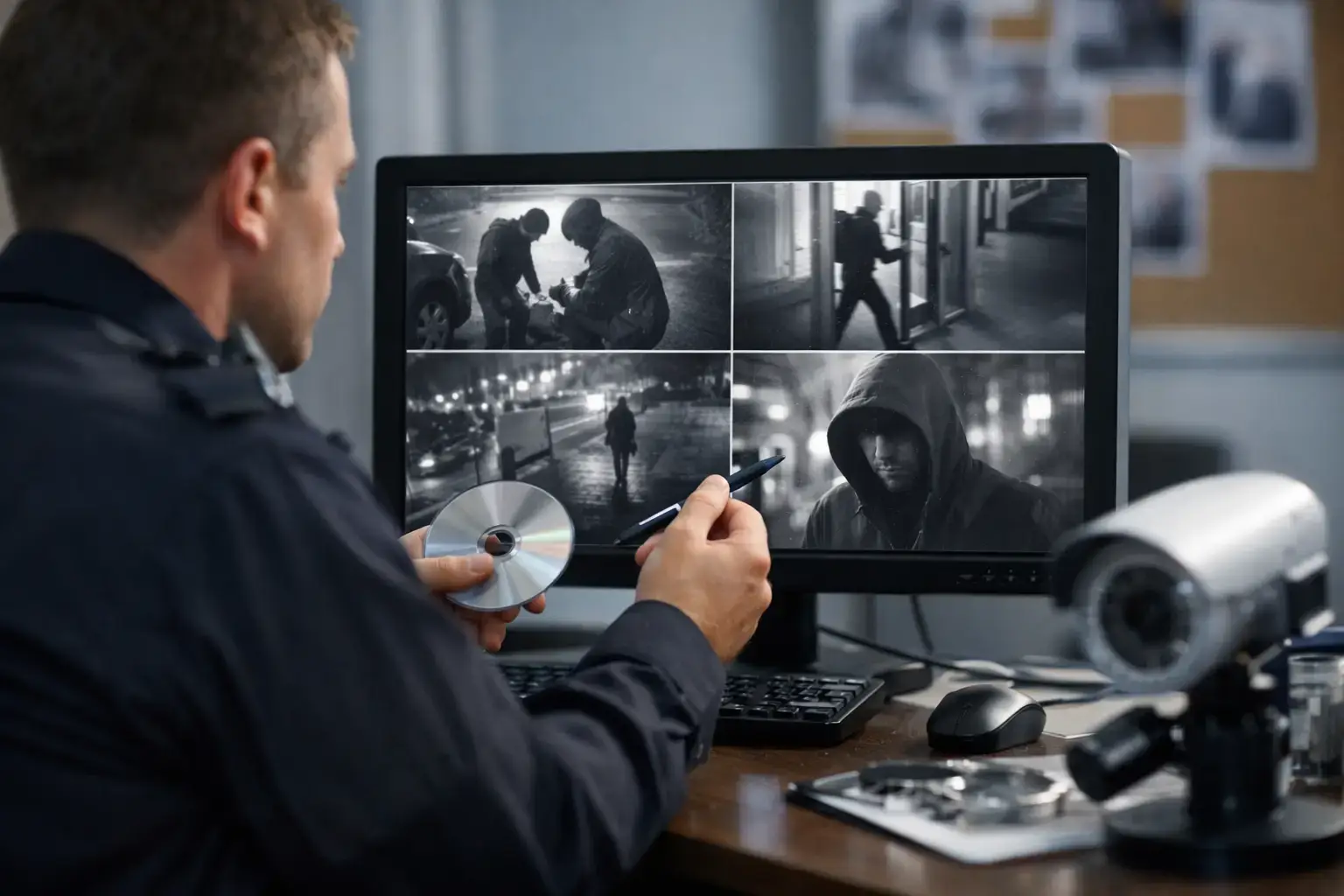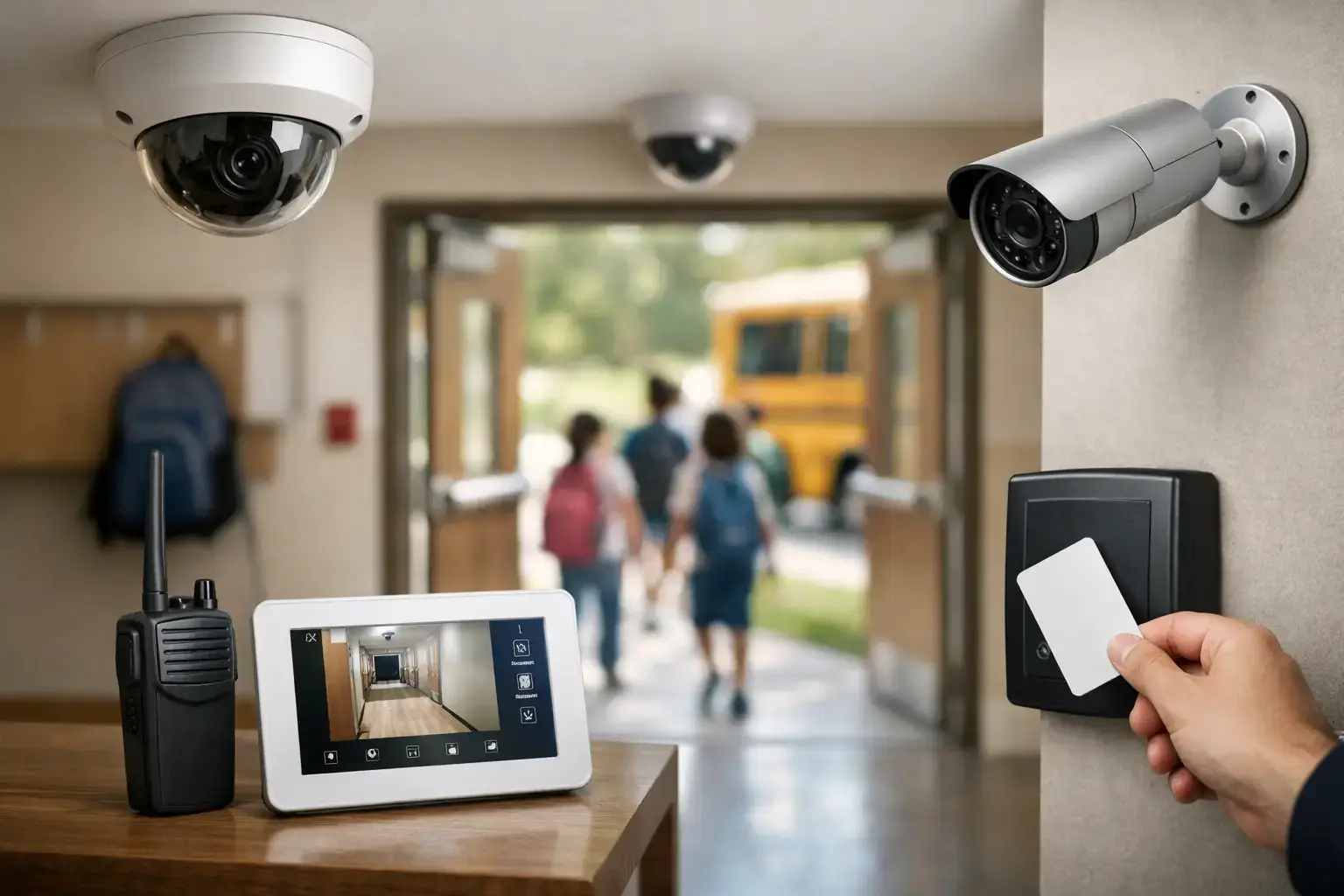
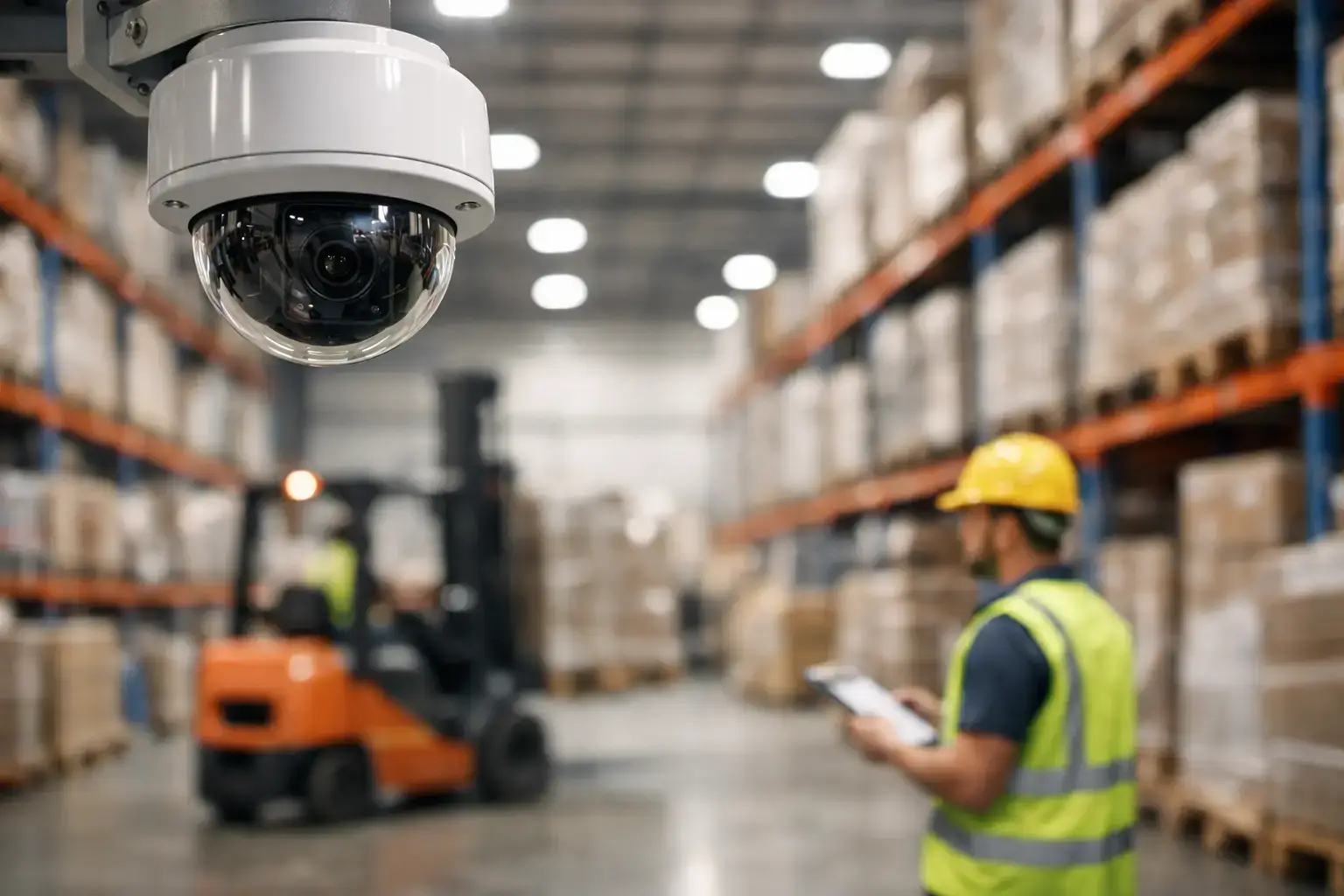
A warehouse rarely has just one security problem. It has multiple doors, blind spots between racking, vehicle movements, staff access points, goods-in and goods-out pressure, and stock that can disappear without obvious signs of forced entry. That is why CCTV for warehouses – what businesses need to consider – goes well beyond choosing a few cameras and fitting them to the nearest wall.
For most operators, the real question is not whether CCTV is needed. It is whether the system will genuinely reduce risk, support investigations, satisfy insurers and keep performing day after day in a demanding environment. A warehouse CCTV system has to be designed around the site, the workflow and the level of exposure, not copied from a small office or retail unit.
CCTV for warehouses – what businesses need to consider first
The first consideration is the purpose of the system. Some sites mainly need deterrence at the perimeter and entrance gates. Others need detailed evidence inside the building, particularly around loading bays, picking areas, high-value stock locations and despatch points. In many warehouses, both are necessary.
That distinction matters because a camera that is good enough to show movement in a yard may not be good enough to identify a face, read a number plate or confirm exactly how an incident unfolded. If the brief is vague, the result is often disappointing footage that appears acceptable until it is actually needed.
A proper survey should establish where incidents are most likely to happen, when risk is highest and what evidence standard the business requires. For example, a distribution hub with frequent vehicle access may prioritise ANPR coverage at entry points, while a storage facility holding valuable goods may need stronger internal coverage with high-resolution imaging and longer retention periods.
Coverage should follow warehouse operations, not just the building layout
Warehouses are operational spaces. Security design has to reflect how people, pallets and vehicles move through them.
Entrances and exits are obvious priorities, but they are only the starting point. Goods-in areas, loading bays, shutter doors, dispatch desks, plant zones and pedestrian routes all deserve attention. So do less obvious areas such as side elevations, external compounds and any gap between buildings where someone could approach out of view.
Inside the warehouse, racking configuration can create serious blind spots. If cameras are only mounted for broad overview images, activity between aisles may be missed completely. In some cases, a mix of wide-angle overview cameras and more targeted views is the right balance. In others, especially where shrinkage or internal theft is a concern, aisle-level coverage becomes much more important.
Ceiling height also affects design. A camera mounted too high may provide a large field of view but poor usable detail. Mount it too low and it may be vulnerable to accidental damage, obstruction or tampering. Warehouses often need careful positioning and the right lens selection rather than a one-size-fits-all camera plan.
Image quality, lighting and identification standards
Many warehouse sites operate around the clock, and even daytime environments can have difficult lighting conditions. Roller shutters opening to bright daylight, dim storage aisles, yard floodlighting and vehicle headlights can all affect image quality.
This is where specification matters. Low-light performance, infrared capability, wide dynamic range and correct positioning can make the difference between footage that is usable and footage that is not. A business may assume it is covered because cameras are recording, but poor lighting can leave critical moments unclear.
The key is to decide what each camera needs to achieve. Detection, observation, recognition and identification are not the same thing. If a camera is meant to confirm who entered a restricted zone or who handled a particular consignment, then image quality needs to support that purpose under real operating conditions, not ideal ones.
External security and vehicle activity need special attention
Warehouse risk does not stop at the external wall. In many cases, the yard is where the biggest exposures sit.
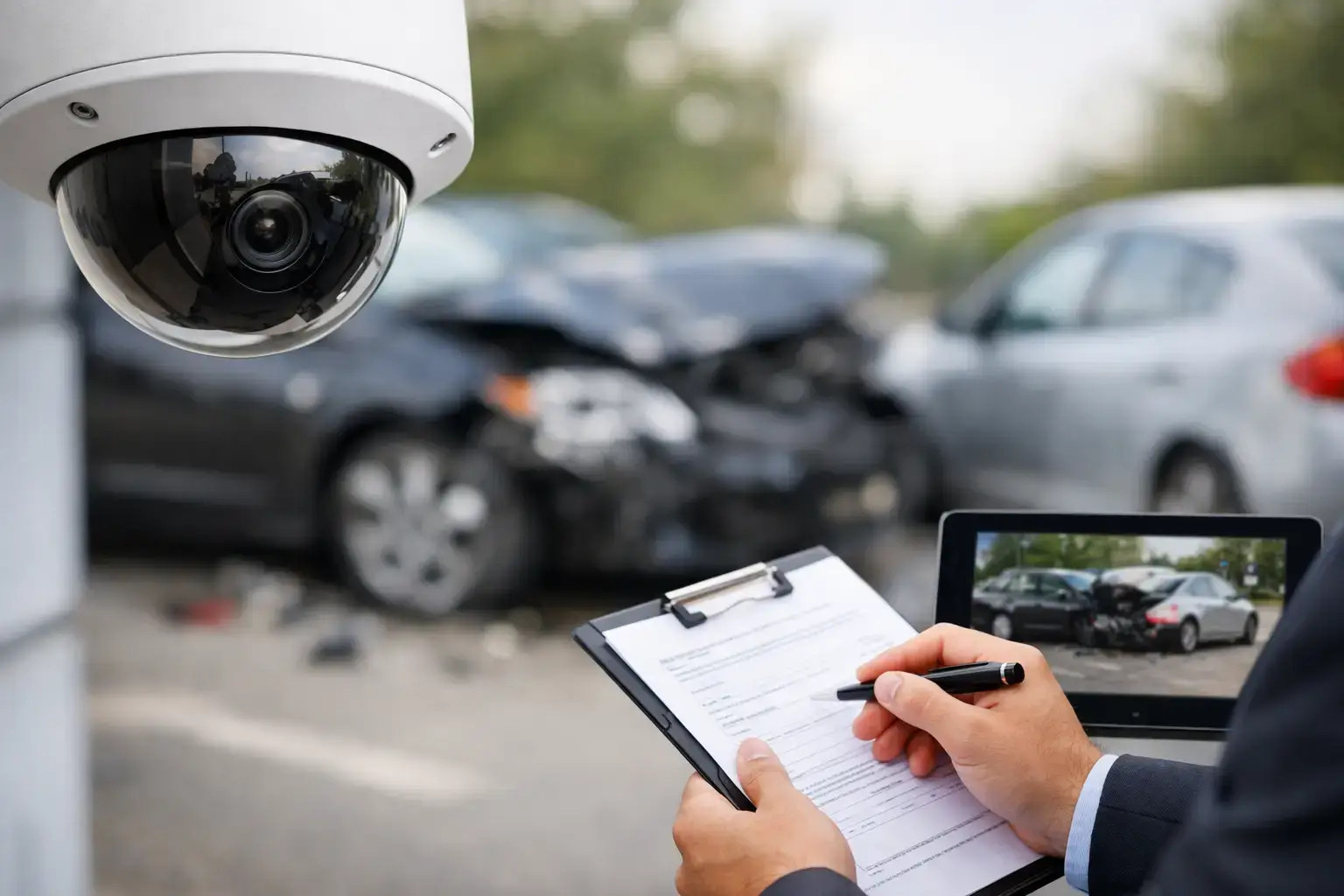
Vehicle gates, parking areas, loading lanes and perimeter lines all need reliable surveillance. Number plate capture may be appropriate for some sites, particularly where there is regular lorry traffic, timed deliveries or a need to review vehicle movements after an incident. If there is no clear record of when vehicles entered, where they stopped and what happened at loading points, investigations become much harder.
External cameras also have to cope with weather, dirt and changing light. A camera that performs well in a clean internal corridor may struggle on a windy, exposed yard. This is one reason professional-grade equipment and proper maintenance are so important for warehouse environments.
Analytics can improve response, but only if they are set up properly
Modern IP CCTV can do much more than record footage. Analytics can help detect line crossing, loitering, intrusion after hours, unusual movement in restricted zones and activity around perimeter boundaries.
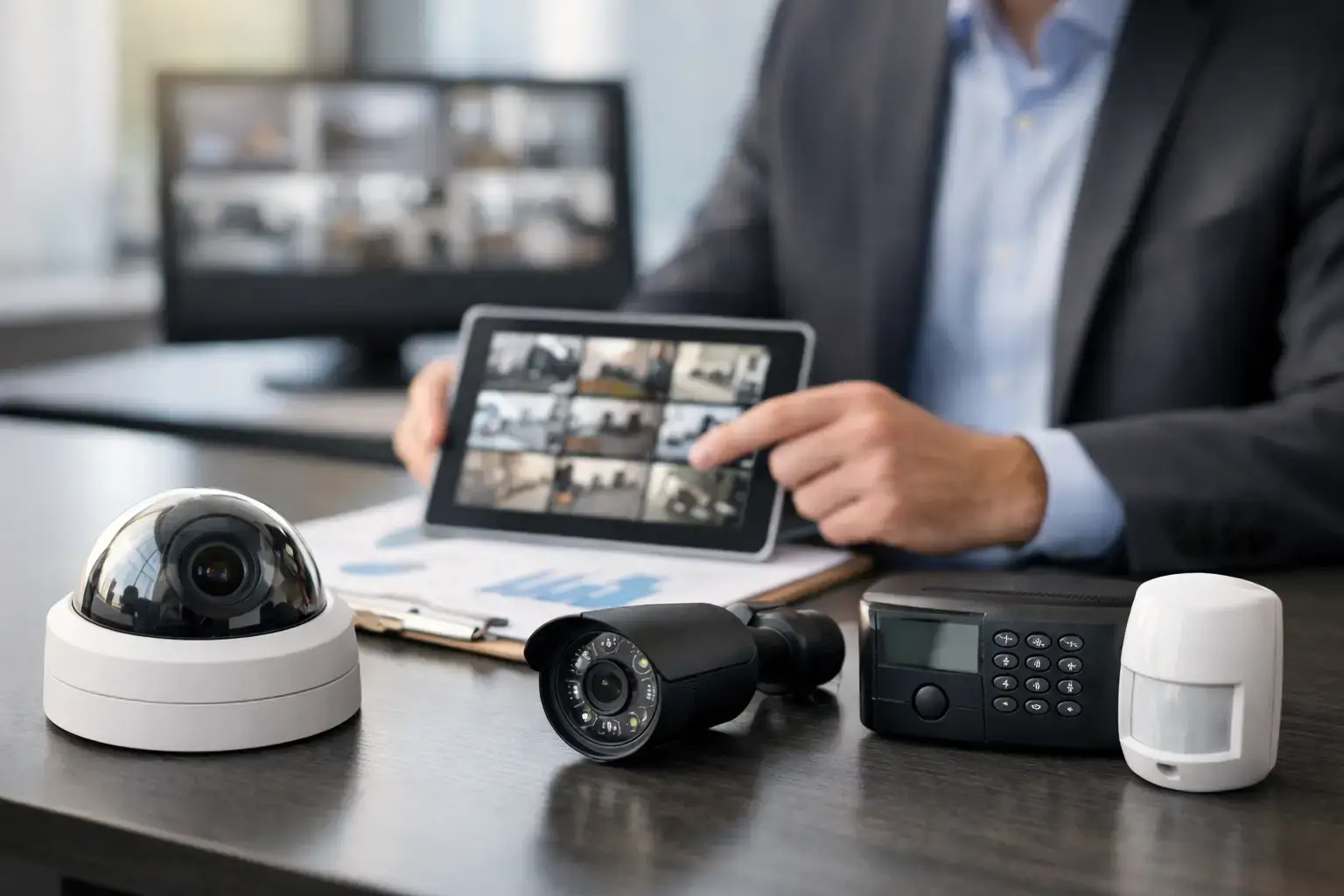
Used well, these tools improve response times and reduce the need to review hours of footage. They can be particularly valuable on larger sites where security staff cannot monitor every area continuously.
However, analytics are not magic. Warehouses have moving shadows, forklifts, shifting stock levels and changing traffic patterns. If analytics are badly configured, false alerts can become a daily frustration. The better approach is to tailor them to the site, test them in live conditions and adjust them as operations evolve.
Storage, retention and remote access should be planned early
One common mistake is leaving recording capacity until the end of the project. Warehouses often need longer retention than smaller premises because incidents may not be spotted immediately. A discrepancy in stock may only be identified days or weeks later, by which time overwritten footage is no use to anyone.
Required retention will depend on risk profile, insurer expectations, internal procedures and any sector-specific obligations. Higher-resolution recording and multiple cameras increase storage demand quickly, so the recording solution needs to match the operational requirement from the outset.
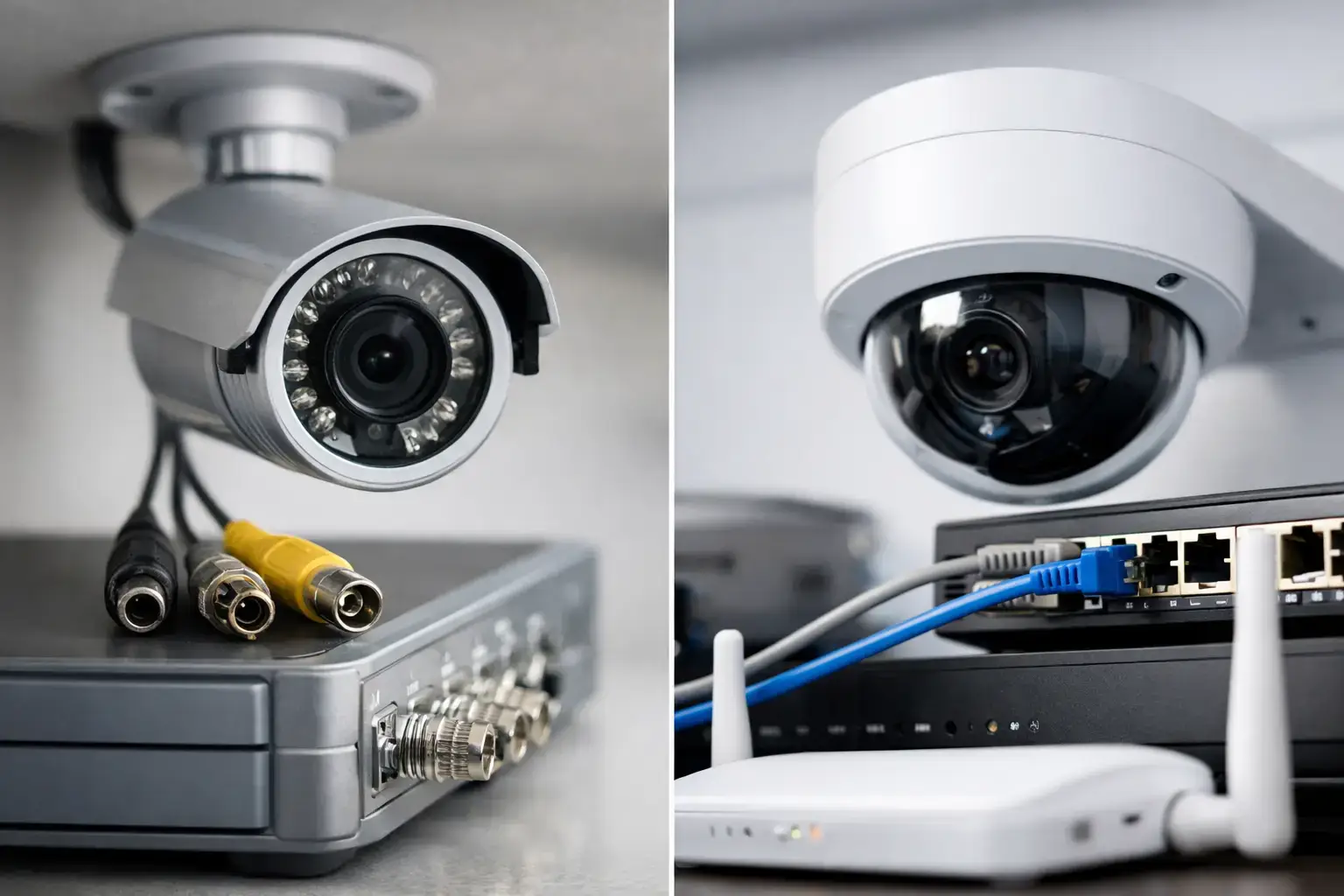
Remote viewing is also useful, especially for facilities managers, owners and out-of-hours keyholders. But convenience should not come at the expense of security. Access permissions, device controls and cyber protection all need to be considered, particularly for network-connected systems.
Compliance, insurer expectations and data responsibilities
For businesses, CCTV is not just a technical purchase. It also carries compliance and governance responsibilities.
If cameras capture staff, visitors, contractors or members of the public, the business needs to consider data protection obligations, signage, access to recorded material and retention policies. Warehouses with shared yards, tenant units or public-facing reception points may have more to think about than a fully private site.
Insurer expectations can also influence design. Some businesses need systems that support insurer approval or fit within wider site protection measures such as intruder alarms, access control and monitored response arrangements. That is another reason professionally specified systems tend to outperform off-the-shelf setups in commercial settings.
Integration often matters more than buyers expect
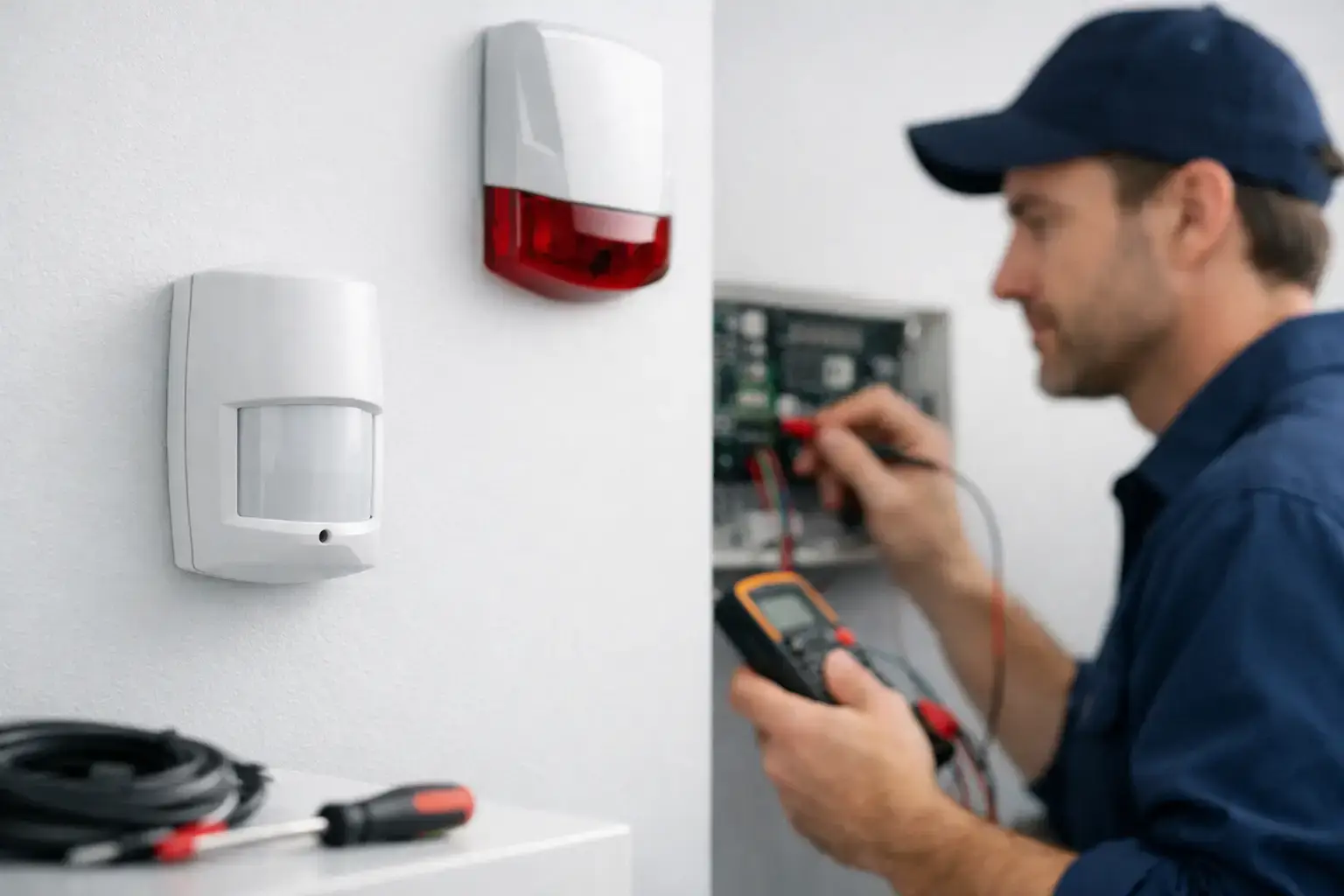
A warehouse CCTV system is stronger when it works with other site security measures. Access control can help verify who entered a restricted area and when. Intruder alarms can trigger attention to specific zones after hours. Intercoms and gate control can support safer visitor and vehicle management.
For some sites, integration is the difference between passive recording and active site protection. If a camera captures someone at a gate but there is no linked record of access events or no alert process out of hours, the value is limited. Warehouses are busy environments, and security systems need to support real decisions in real time.
Maintenance is not optional in a warehouse setting
Dust, vibration, temperature fluctuation and general wear can all affect performance. Lenses get dirty. External housings take punishment. Camera views can shift slightly over time. Firmware and recording equipment also need ongoing attention.
That is why maintenance should be part of the buying decision, not an afterthought. A system that was well designed on day one can become less effective if it is not checked, cleaned and tested. For warehouse operators, dependable long-term operation usually matters more than the cheapest installation cost.
An experienced specialist will also think beyond the handover date. As stock layouts change, racking is reconfigured or site traffic increases, camera placement and coverage may need reviewing. Security design should keep pace with operational change.
Choosing the right installer for warehouse CCTV
Not every CCTV installer is set up for commercial warehouse work. Businesses should look for proven experience, recognised accreditation, clear survey work and a willingness to explain why certain coverage, analytics or recording standards are being recommended.
The best advice is usually practical rather than sales-led. It should reflect your site, your risk level and your insurer or compliance needs. A credible installer will discuss trade-offs openly. For example, wider coverage may mean less detail in some areas, while higher specification cameras may be essential only at key points rather than everywhere.
For warehouse operators across Essex, London and the South East, that level of planning is what turns CCTV from a box-ticking exercise into a dependable part of site protection. 247 CCTV works with businesses that need systems designed properly, installed professionally and supported for the long term.
If you are reviewing warehouse security, the right starting point is not a camera catalogue. It is a proper look at how your site works, where your exposure sits and what evidence you would actually need on the day something goes wrong.