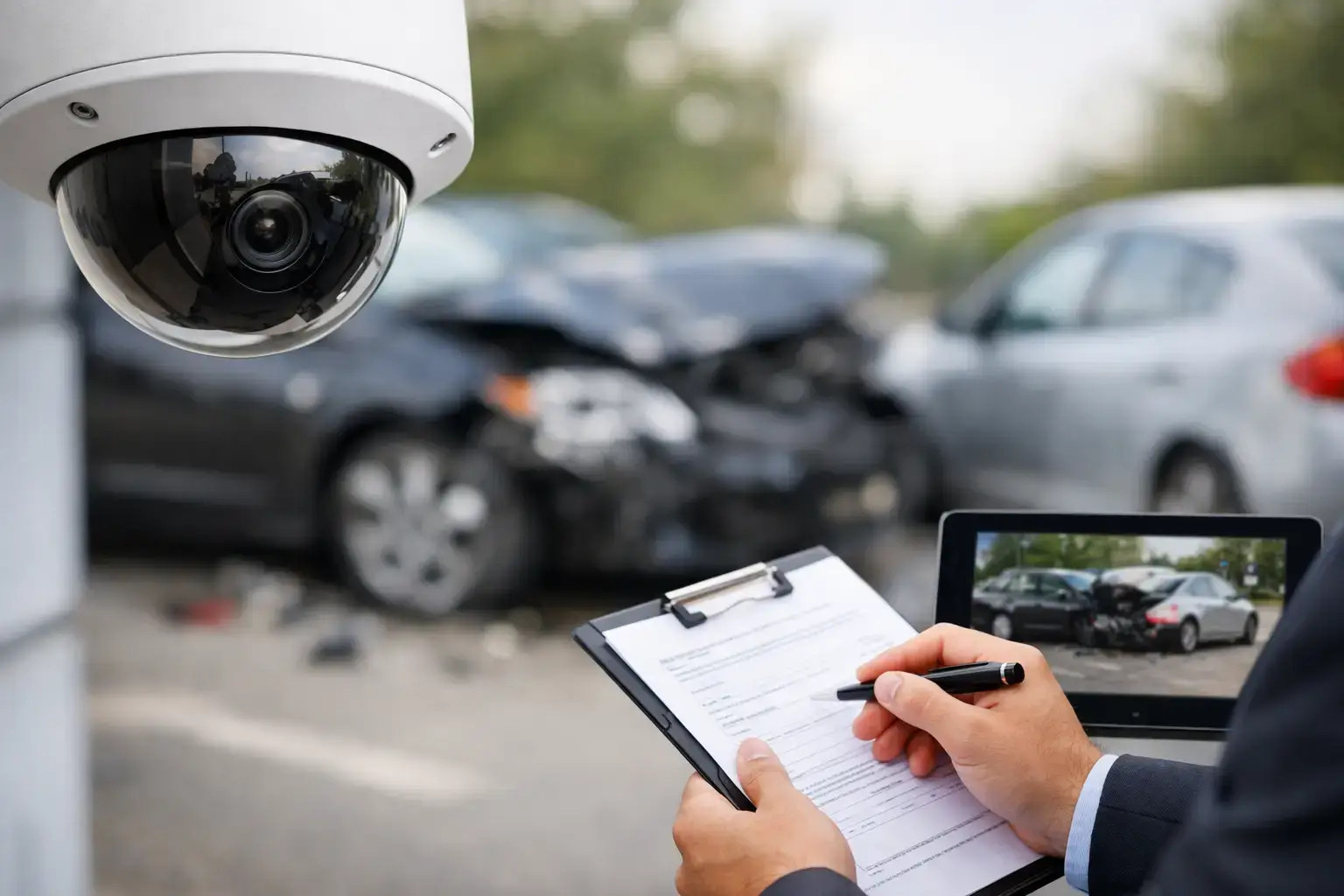
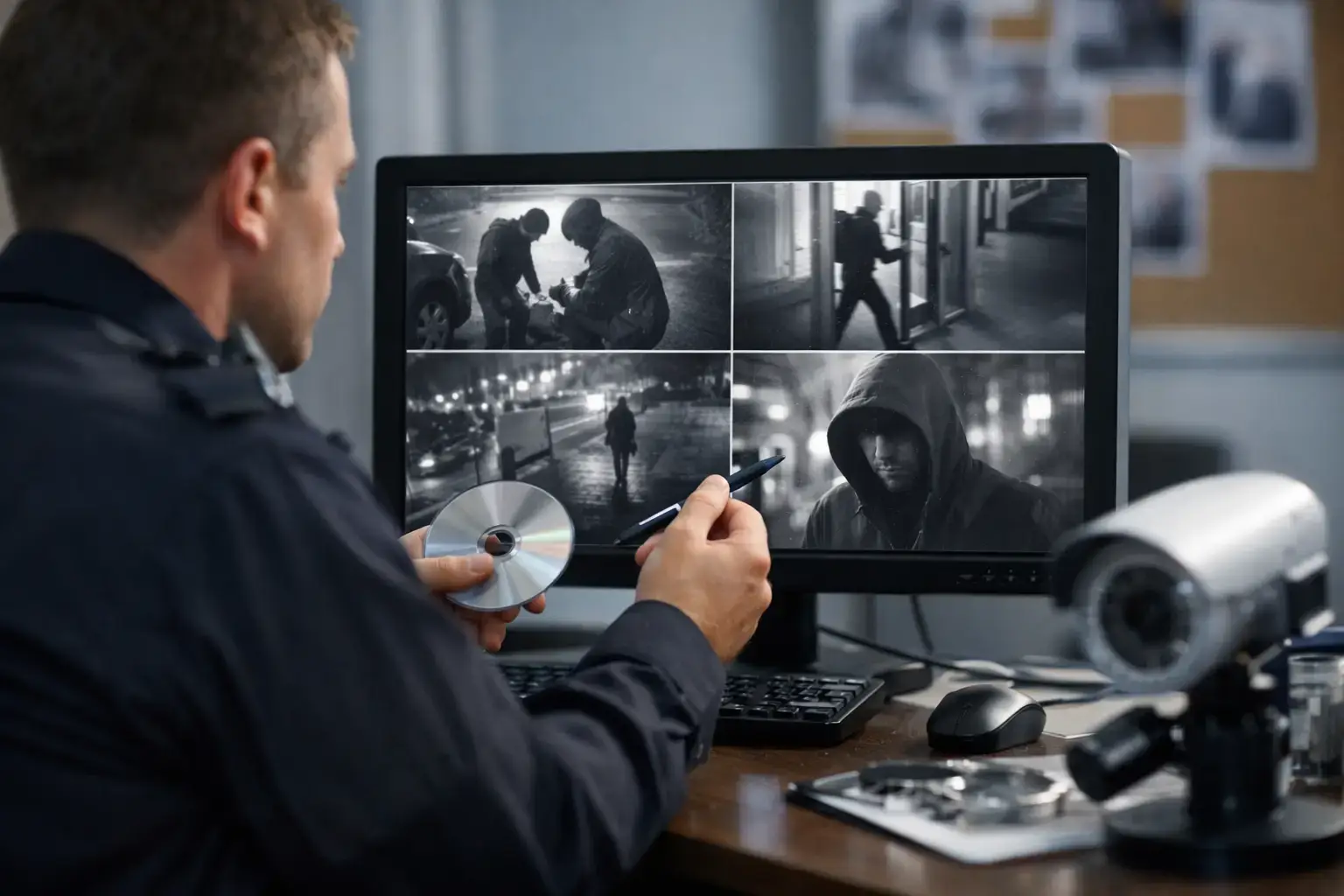
A business owner often says the same thing after an incident: “We’ve got it on camera.” That can be helpful, but only if the footage shows what police can actually use. In practice, what police actually need from CCTV footage is not simply proof that something happened. They need clear, relevant, time-accurate footage that helps identify people, vehicles, movements and the sequence of events.
That distinction matters. A system can be expensive, professionally fitted and recording around the clock, yet still fall short when an officer asks for a usable clip. For homeowners, landlords, facilities teams and site managers, the question is less about whether CCTV is installed and more about whether it will stand up to scrutiny after an incident.
What police actually need from CCTV footage after an incident
Police investigations are built on detail. Footage is most useful when it shows who was involved, what took place, when it happened and how the individuals entered, moved through or left a location. If any of those points are unclear, the evidential value drops quickly.
Image quality is the first issue. A wide overview of a car park or forecourt may show that a theft took place, but if faces are too distant or registration plates are blown out by headlights, identification becomes difficult. Officers do not just need moving pictures. They need footage that can support recognition, comparison and timeline building.
Timing is equally important. If the timestamp is wrong by ten minutes, or worse, by an hour after a clock change, it can create real problems. Police may be trying to match CCTV from several nearby sites, compare movement with witness accounts or tie an event to ANPR, access control or alarm activations. A poor timestamp can cast doubt on otherwise useful footage.
Continuity matters too. A short clip of the main event is rarely enough on its own. Police often need several minutes before and after the incident to understand approach routes, accomplices, vehicles waiting nearby, items carried in or out, and whether an offender was known to the premises beforehand.
Why some CCTV footage is less useful than owners expect
Many systems are set up to watch an area, not to identify a person within it. That sounds like a small difference, but it is one of the main reasons footage disappoints after a crime.
A camera mounted high on a building may provide excellent general coverage, yet capture only the tops of heads at the entrance. A single wide-angle lens may cover a whole shop floor, but stretch detail so far that facial features are too soft to use. Compression settings can also reduce clarity, especially if the recorder is configured to save storage space rather than preserve fine detail.
Lighting is another common weakness. Strong backlighting at a doorway can turn a person into a silhouette. Infrared can help at night, but it has limits if the camera position is poor or if the subject is too far from the lens. Number plates can be particularly difficult when speed, glare and low light combine.
Then there is retention. Some owners assume footage will still be there weeks later, only to find it has already been overwritten. In a busy commercial environment with multiple cameras and high recording settings, retention can shrink faster than expected.
The footage details that make the biggest difference
When police request CCTV, the most useful material usually combines technical clarity with practical context. It helps if the exported footage includes the correct date and time, camera identification and enough lead-in and follow-on time to show the full sequence.
Good footage often captures people at entry and exit points, where they are more likely to look towards a camera. It may also show distinguishing features such as clothing, gait, tattoos, bags, tools carried, or the direction of travel. For vehicle-related incidents, a clear view of the registration mark, vehicle type, colour and any damage or signage can be more valuable than a distant overall shot.
Audio is not normally the main evidential feature in most CCTV systems, and many installations do not record it. What matters more is reliable video, stable timestamps and a recording exported in a format police can access without difficulty.
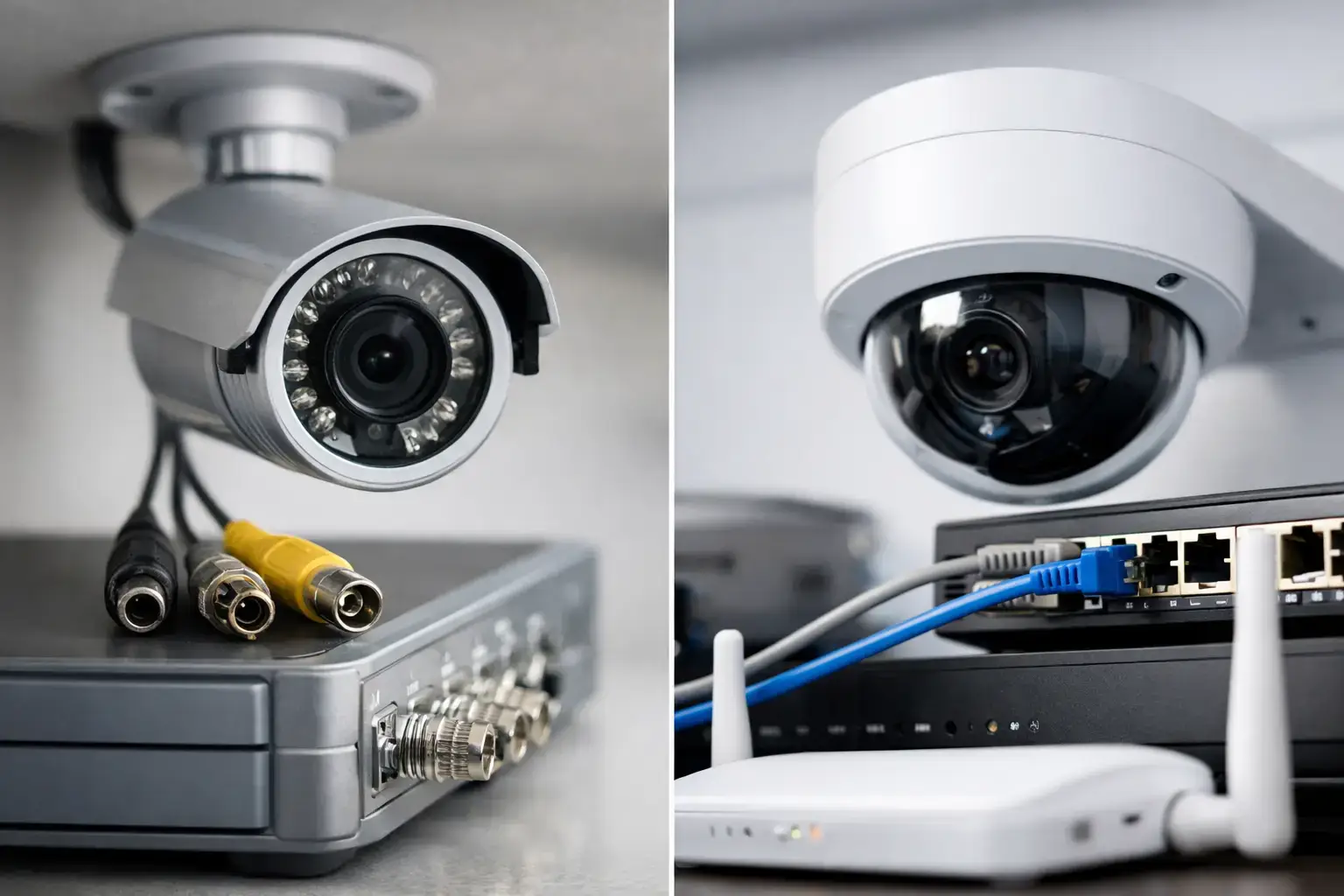
That export point is often overlooked. If footage can only be viewed through obscure proprietary software, or if the clip is copied badly onto a phone recording of a monitor, quality and credibility suffer. Original exported files are far better than filmed playback.
What police actually need from CCTV footage in practical terms
From a practical point of view, police usually need the original export from the recording system, not an edited social media clip or grainy mobile phone video of the screen. They may also ask for multiple camera angles covering the incident, approach and departure.
The most helpful handover usually includes:
- the exact time and date range requested
- footage from relevant cameras before, during and after the event
- the original file format and, where required, the player software from the recorder manufacturer
- confirmation that the system time is correct
- a brief note explaining which cameras cover which areas
If an incident involves staff, contractors, deliveries or shared access points, supporting information may also help. For example, knowing which door was used, what vehicle was expected onsite, or when an intruder alarm activated can help police interpret the footage properly.
Camera placement matters more than camera count
It is easy to assume more cameras automatically mean better evidence. In reality, placement and purpose matter more than numbers.
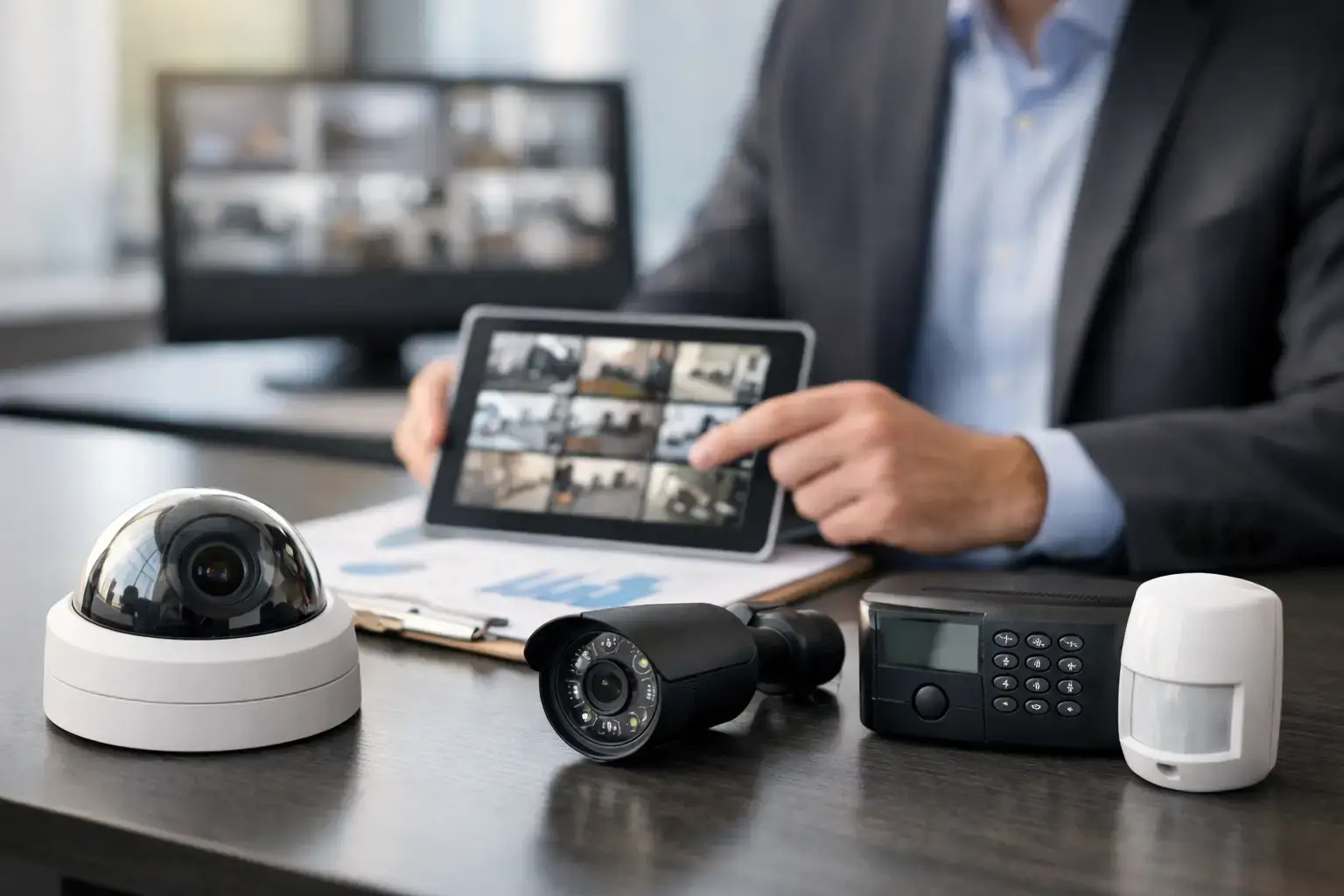
A properly designed system should not only monitor space but capture key points where usable identification is most likely. That means entrances, exits, gates, till areas, loading bays, reception desks, communal doors, driveways and vehicle choke points. In some settings, such as warehouses, schools, healthcare premises or construction sites, the right position can also support incident reconstruction by showing how someone moved through a site.
There is a balance to strike. Wide coverage cameras are useful for context, but they should usually be supported by cameras set for identification at critical locations. If every camera is trying to do every job, the system may end up doing none of them particularly well.
This is where professional design matters. An insurer-approved, properly configured system is far more likely to produce footage that serves a real operational purpose rather than just creating the impression of security.
Storage, maintenance and system checks
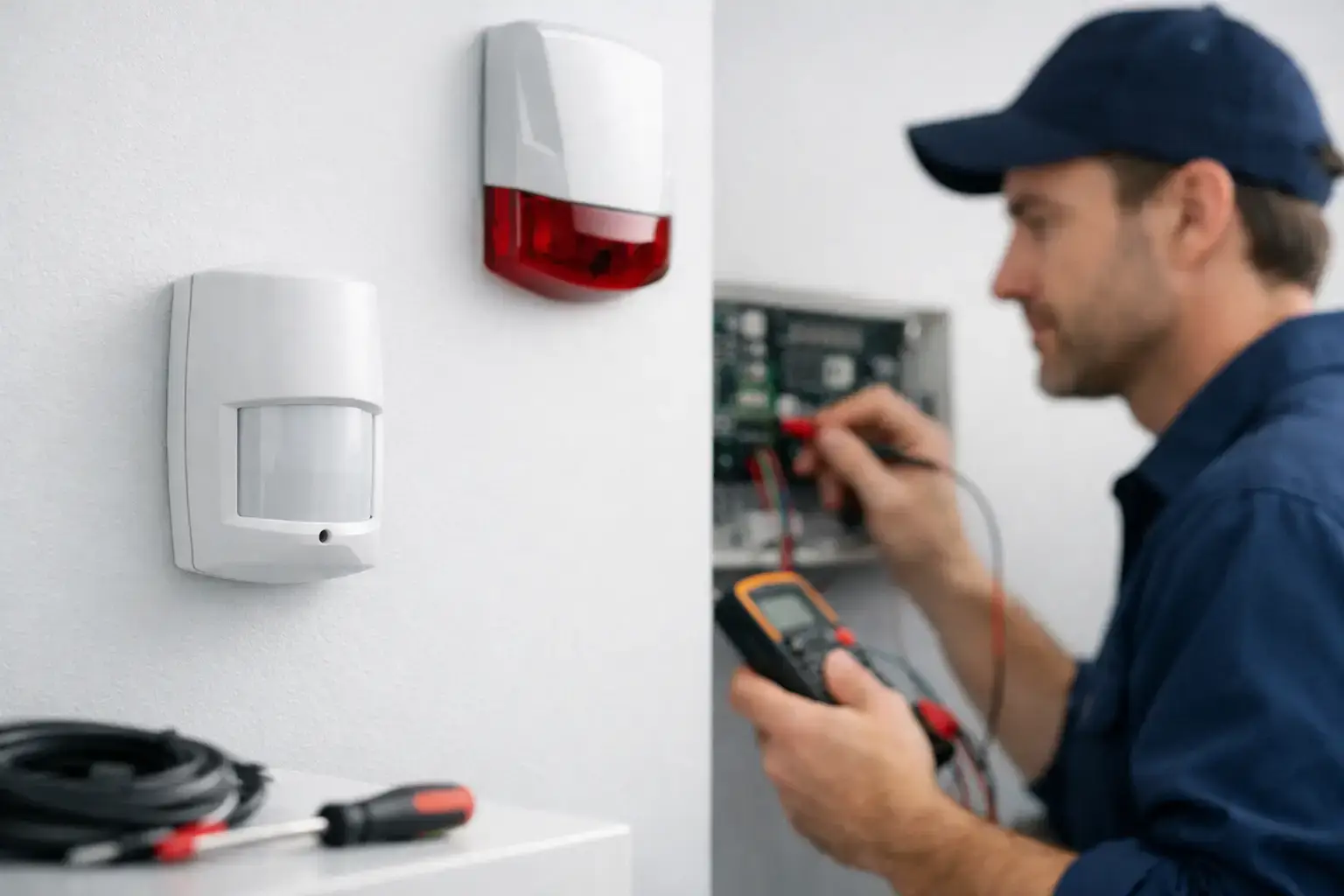
Even the best camera layout can be let down by poor maintenance. Dirty lenses, failed hard drives, incorrect time settings and network issues are all common causes of missing or unusable footage.
Routine checks make a difference. Businesses should know how long footage is retained, whether all channels are recording properly and whether images remain clear at night as well as during the day. Homeowners should be just as cautious, especially if they rely on app notifications and assume that means the system is recording and storing correctly.
Firmware, recorder health and export procedures should also be reviewed from time to time. If no one onsite knows how to retrieve footage quickly, valuable time can be lost after an incident. For commercial sites, it is sensible to ensure at least two responsible people understand the export process.
How to improve evidential value before anything happens
The best time to think about police requirements is before footage is ever needed. Once an incident has happened, you are limited by the cameras, settings and storage already in place.
Start by asking what risks are most likely at the property. A retail unit may need strong coverage of entrances, tills and external approach routes. A logistics yard may need clear vehicle identification at gates and loading areas. A homeowner may prioritise the front drive, side access and the front door rather than broad garden views with little facial detail.
Then look at whether the system is configured for those risks. Are key cameras positioned at the right height? Are night images usable? Is the recorder keeping footage long enough? Can clips be exported quickly in original quality? These are practical questions, and they are far more valuable than simply asking how many megapixels a camera has.
For higher-risk sites, analytics, alerts and integrated security measures can add another layer of value, but they do not replace the basics. A clear image at the right point, with the right timestamp and enough retention, still matters most.
A well-designed CCTV system should help deter crime, support day-to-day security management and, when required, provide footage that stands up to proper investigation. That is the standard worth aiming for. If your cameras only show that “something happened”, it may be time to look more closely at whether the system is truly fit for purpose.