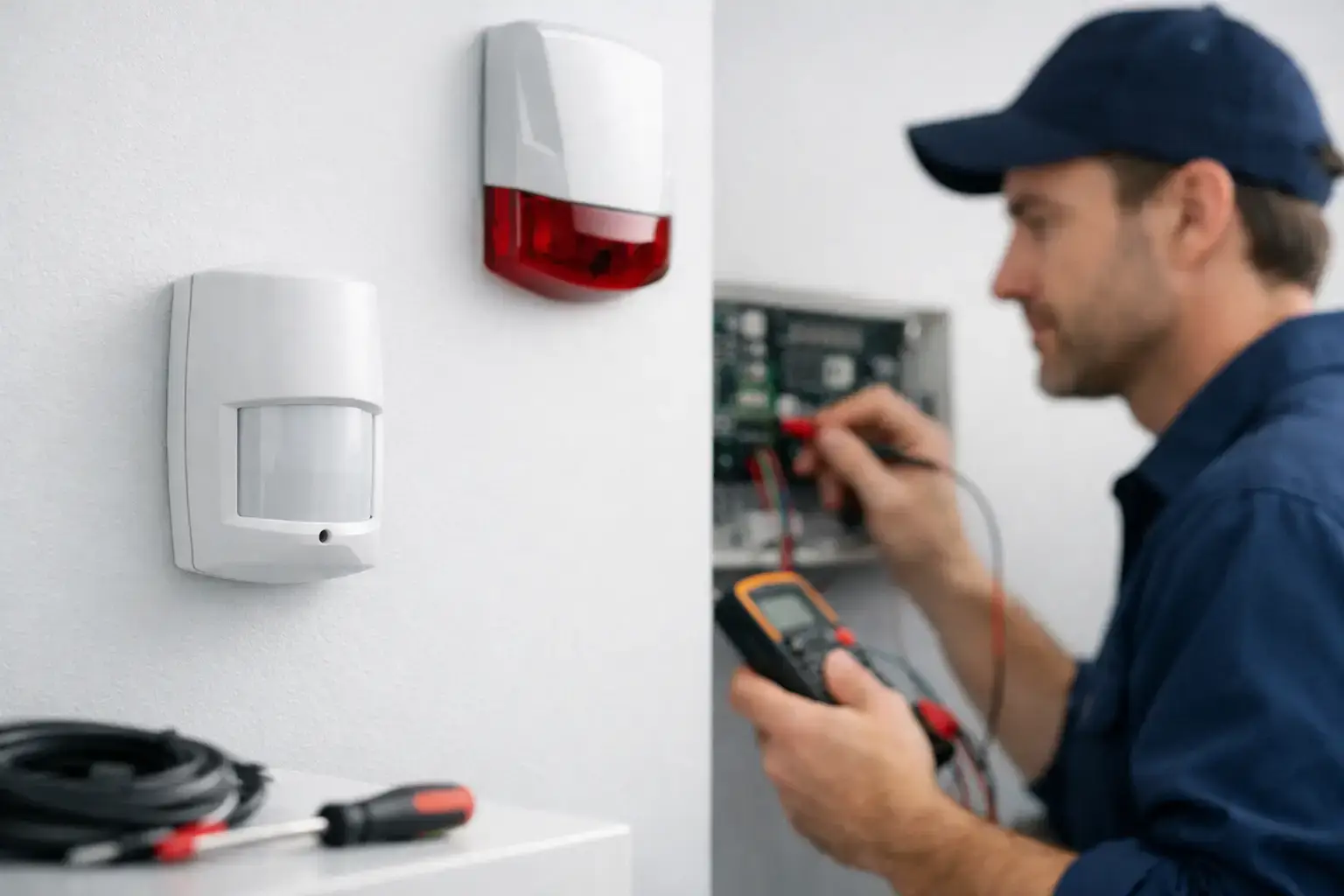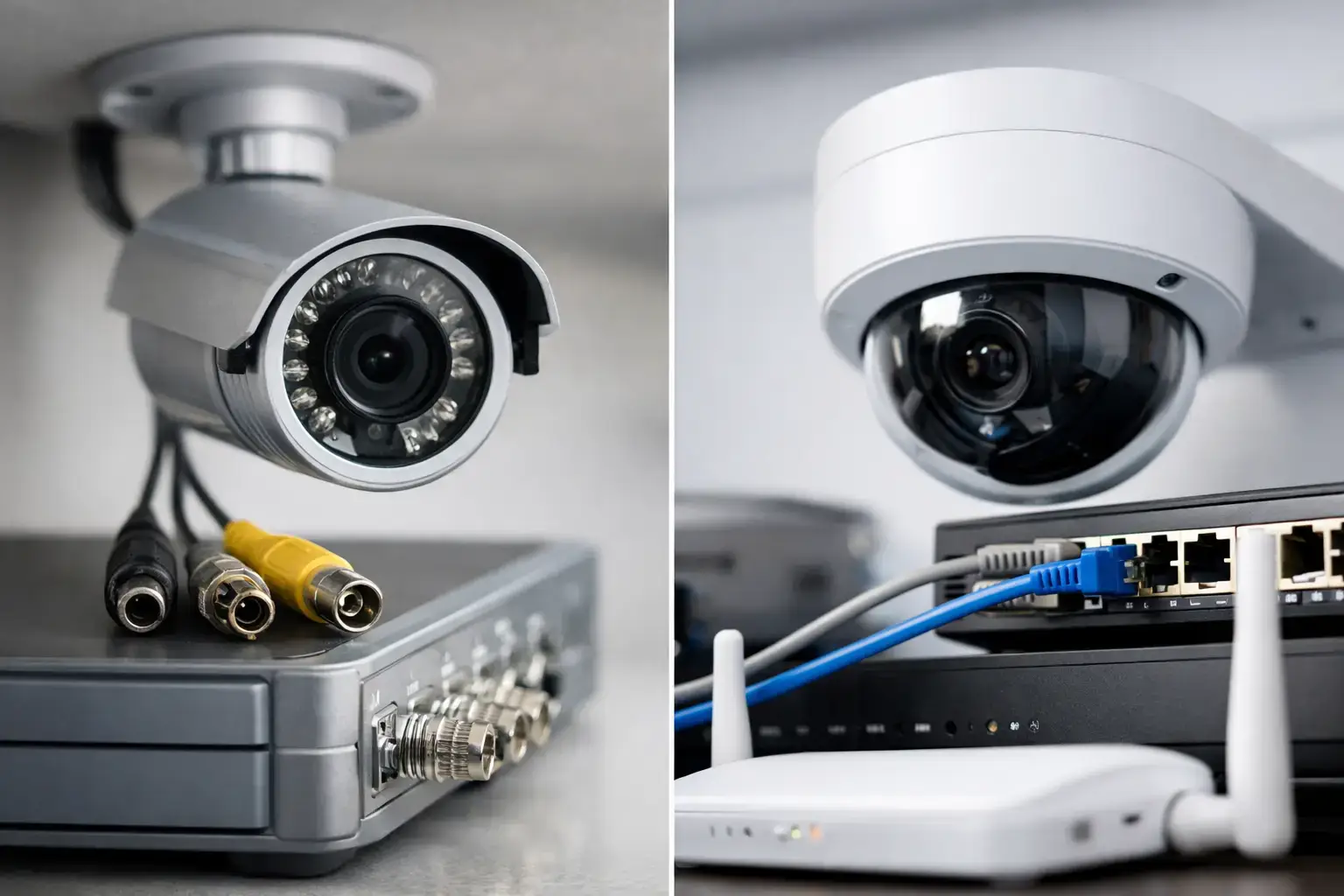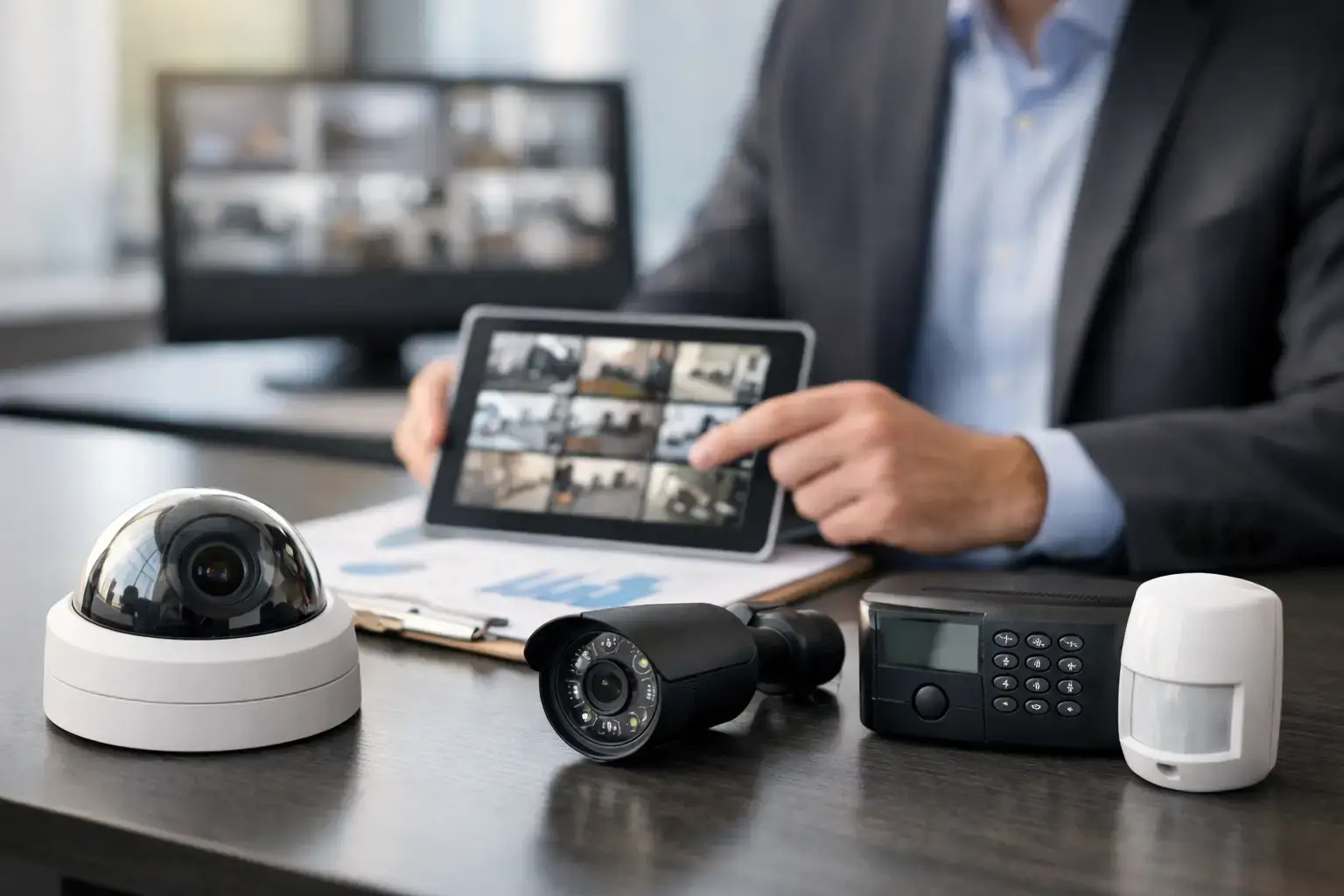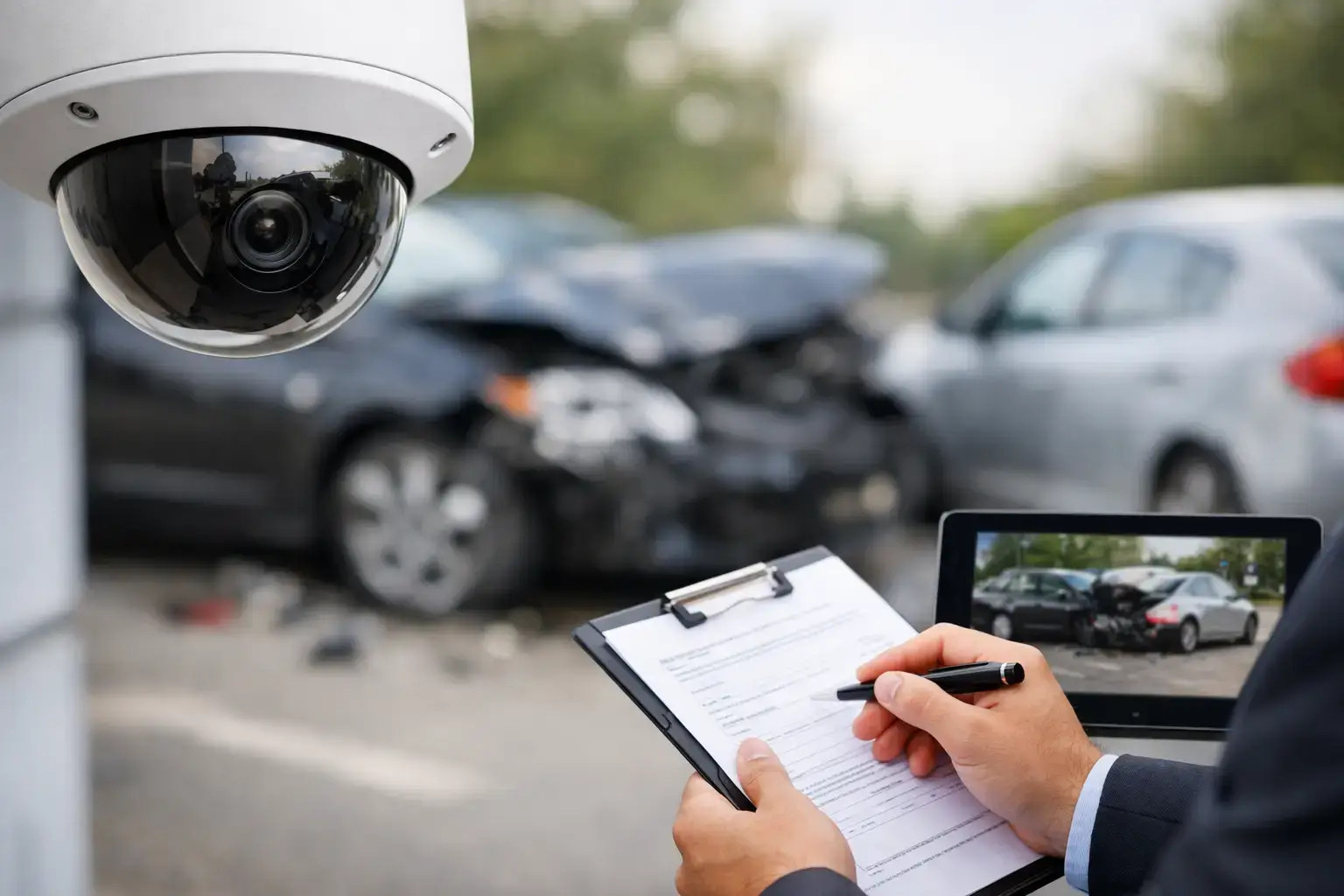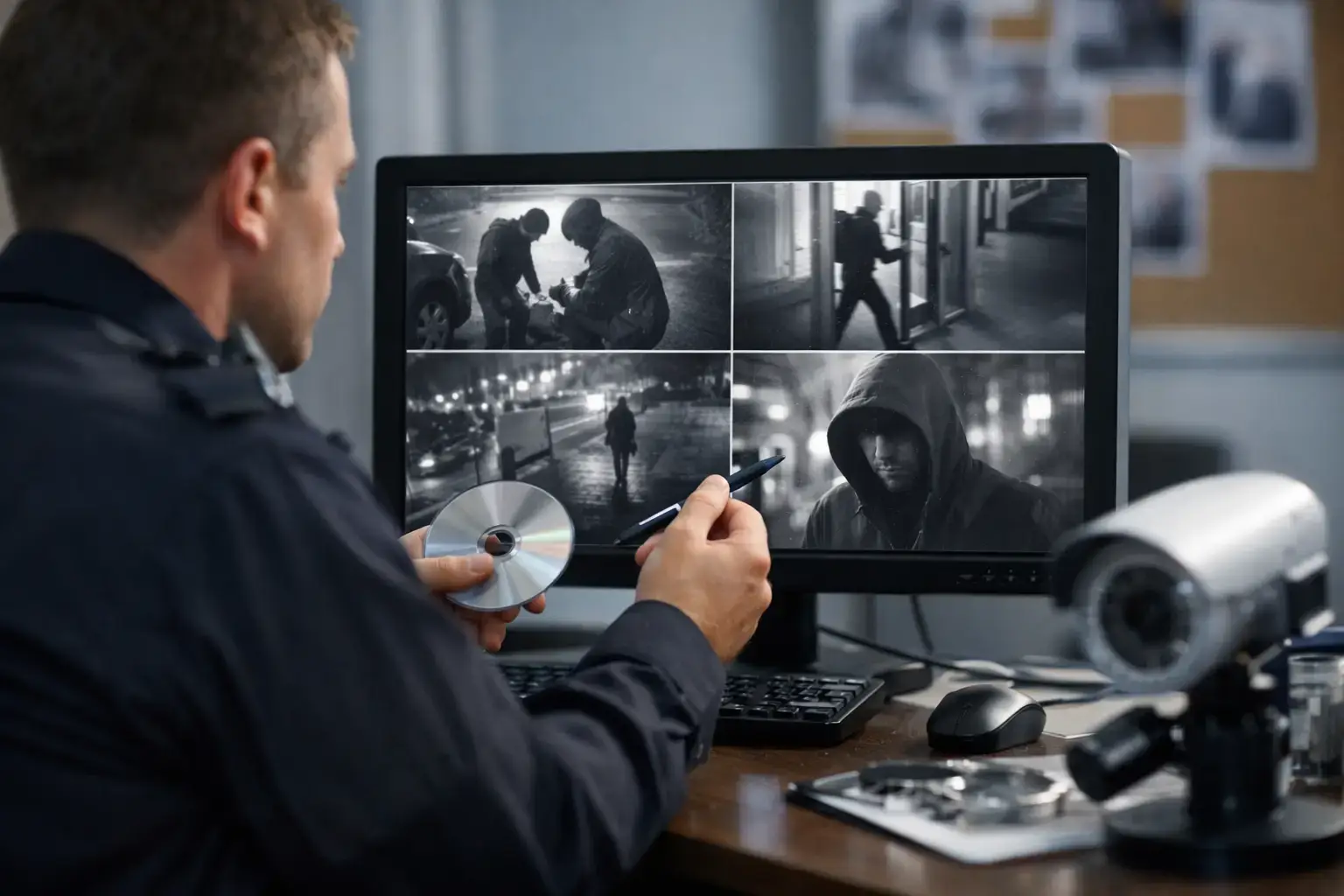
A camera can capture the moment perfectly and still fail when it matters most. That is usually the shock behind the question, what makes CCTV footage useless in court? For property owners, facilities managers and business operators, the problem is rarely that no footage exists. It is that the footage cannot be relied on, explained properly or linked clearly enough to the event being disputed.
Courtrooms do not treat CCTV as magic proof. They treat it as evidence, and evidence has to be clear, relevant, lawfully obtained and handled properly. If any part of that chain breaks down, footage that seemed decisive on screen can become far less useful under scrutiny.
What makes CCTV footage useless in court most often?
In practice, footage usually becomes weak evidence for one of three reasons. The image itself is poor, the recording process is unreliable, or the way the footage was stored and presented creates doubt. Sometimes all three apply at once.
That distinction matters. A camera system can be good enough for general monitoring but not strong enough for evidential use. Many sites only discover the gap after a theft, assault, fraudulent claim or access dispute, when everyone expects the recordings to answer every question.
Poor image quality creates immediate doubt
If the footage does not clearly show the person, vehicle or incident, its value drops quickly. Grainy night footage, heavy compression, glare from external lighting, blocked views and wide-angle images that make faces too small are common problems. A court may still allow the footage to be considered, but weak visual detail makes identification much harder to stand behind.
This is especially relevant where the issue is not whether something happened, but who did it. A vague silhouette near a till, gate or rear service yard is very different from a clear head-and-shoulders image captured at the right height, with suitable lighting and the correct lens.
Even modern systems can underperform if they were badly specified. A camera covering too large an area may be fine for seeing movement but useless for recognising a face. The same applies to number plates washed out by headlights or motion blur caused by low frame rates.
Placement matters as much as resolution
People often focus on camera megapixels and forget positioning. A badly placed high-resolution camera can still miss the detail needed in court. If the camera points into direct sunlight, sits too high, covers a doorway from the wrong angle or records through reflective glass, the footage may not support the claim being made.
Professional design matters here. Cameras intended for evidential purposes should be positioned around actual risks, such as entrances, payment points, loading bays, corridors, car parks and restricted access routes, rather than simply placed where installation is easiest.
Time and date errors can undermine the whole record
One of the simplest faults can be one of the most damaging. If the timestamp is wrong, even by a modest amount, it can create confusion about sequence, attendance, access times and alibis. A defence representative will naturally ask whether the system can be trusted if the timing is off.
This does not always make the footage worthless, but it does weaken confidence. If several cameras show slightly different times, or the recorder has drifted because it was never synchronised properly, reconstructing events becomes far harder. On commercial sites with access control, alarm logs or till records, timing mismatches can seriously reduce evidential strength.
Gaps in recording raise questions you may not be able to answer
Missing footage is another major issue. That might happen because storage filled up, motion detection was set poorly, a camera dropped offline, the network failed, or an operator exported only part of the incident. A short gap before or after the event can be enough to remove the context that gives the clip meaning.
Courts do not just look at the key moment. They often need to understand what led up to it and what followed. Did someone force entry, or were they let in? Did a person strike first, or react to a threat? Did a vehicle stop briefly, or wait in a suspicious manner? Without continuity, the clip may tell only half the story.
Overwriting is a common and avoidable problem
Many systems record over older footage automatically. That is normal, but it becomes a problem when nobody preserves the relevant file in time. Businesses sometimes assume the footage will still be there days or weeks later, only to find it has been overwritten.
Retention periods should reflect the risks on site. A busy retail premises, construction project or multi-occupancy building may need a different storage approach from a small domestic system.
Weak handling can make genuine footage hard to trust
Another answer to what makes CCTV footage useless in court is poor evidence handling. Even if the incident is clearly recorded, the chain of custody matters. The court may want to know who accessed the footage, who exported it, whether it was edited, how it was stored and whether the original remains available.
If there is no audit trail, doubt creeps in quickly. A clip sent around on messaging apps, saved repeatedly in different formats or trimmed without explanation becomes harder to defend. The issue is not just tampering. It is whether anyone can prove the footage shown in court is a faithful copy of the original recording.
This is why professional systems and disciplined procedures matter. Export logs, secure access permissions, user records and retained originals all help support the integrity of the evidence.
Illegal or non-compliant use can create separate problems
Footage can also become problematic if the system itself was used unlawfully or carelessly. That may involve cameras capturing areas they should not, such as neighbouring private spaces without justification, or recordings being kept and shared in ways that breach data protection expectations.
In the UK, CCTV use does not automatically become invalid because of a compliance issue, but legal and procedural failings can still affect how evidence is viewed and challenged. A court will look at relevance and fairness, and any argument that the recording was obtained or handled improperly may complicate matters.
For commercial premises in particular, documented policies, signage where appropriate and a clear purpose for surveillance help show that the system has been deployed responsibly rather than casually.
The footage may be real but still not prove enough
This is the point many people miss. CCTV does not need to be fake or corrupted to be ineffective. Sometimes it simply does not prove the exact issue in dispute.
A camera might show someone entering a building, but not show what they did inside. It may capture a person near damaged stock, but not the damage itself. It might show a vehicle leaving a car park, but not who was driving. In those situations, the footage may support other evidence rather than settle the matter on its own.
That is why integrated security records often carry more weight together than separately. Access control logs, intruder alarm events, intercom records and witness accounts can all help turn partial footage into a more complete evidential picture.
Why consumer-grade systems often struggle
Off-the-shelf cameras are not automatically useless, but they are more likely to fall short where evidential reliability matters. Common weaknesses include limited night performance, unstable wireless connections, short retention windows, inconsistent timestamps and poor export options.
For a homeowner checking parcel activity, that may be acceptable. For a landlord dealing with repeated criminal damage, or a business facing theft, abuse claims or unauthorised access, the standard required is often higher. The system has to do more than record movement. It has to produce usable, defensible evidence.
A properly specified installation takes account of image quality, lighting, recording method, storage, remote access security and the practical question of what would need to be seen if an incident reached court.
What to check if you want footage to stand up better
The strongest approach is preventative. Review whether your cameras actually capture identifiable detail at the points that matter most. Check that time settings are accurate and synchronised, retention periods are long enough, and exports can be made without degrading the original record.
It is also worth checking who has access to footage and how that access is logged. On larger premises, there should be a clear process for preserving recordings after an incident, noting who handled them and when. If your site already depends on CCTV for risk management, this should be treated as part of the system design, not an afterthought.
For many sites across Essex, London and the South East, that is where a specialist installer adds real value. The difference is not just better cameras. It is a system designed around evidential use, operational reliability and long-term support.
Footage tends to fail in court long before anyone enters a courtroom – at the design stage, during poor maintenance, or in the first few hours after an incident. If your CCTV is expected to protect people, property and your position in a dispute, it should be built to answer hard questions, not just record pictures.