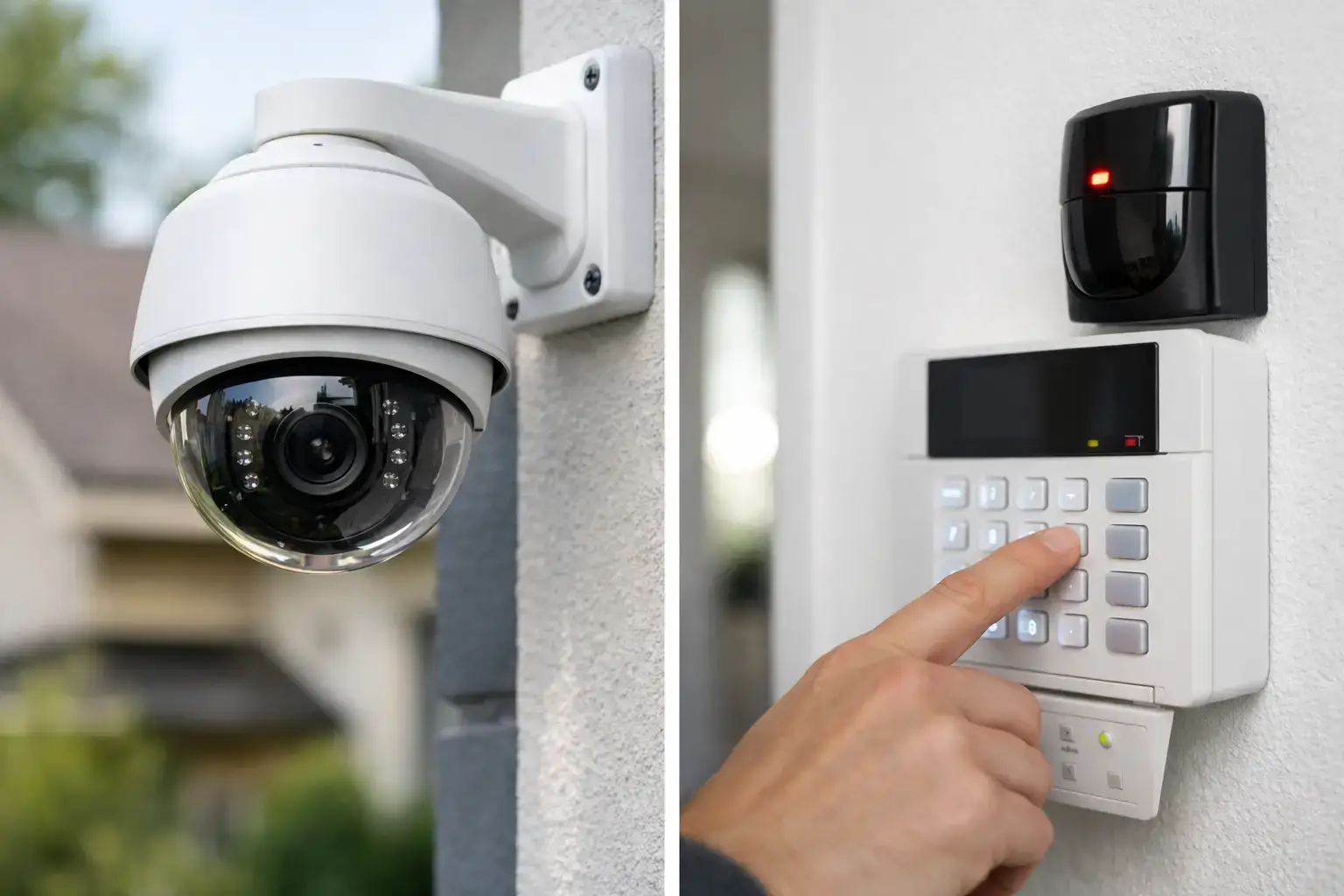
A break-in rarely gives you much warning. For a homeowner, it may mean damage, lost valuables and a shaken sense of safety. For a business, it can also mean stock loss, downtime, insurance complications and pressure on staff. That is why the question of cctv vs intruder alarm matters so much. These systems do different jobs, and choosing the right one depends on what you need to prevent, detect and evidence.
CCTV vs intruder alarm – the core difference
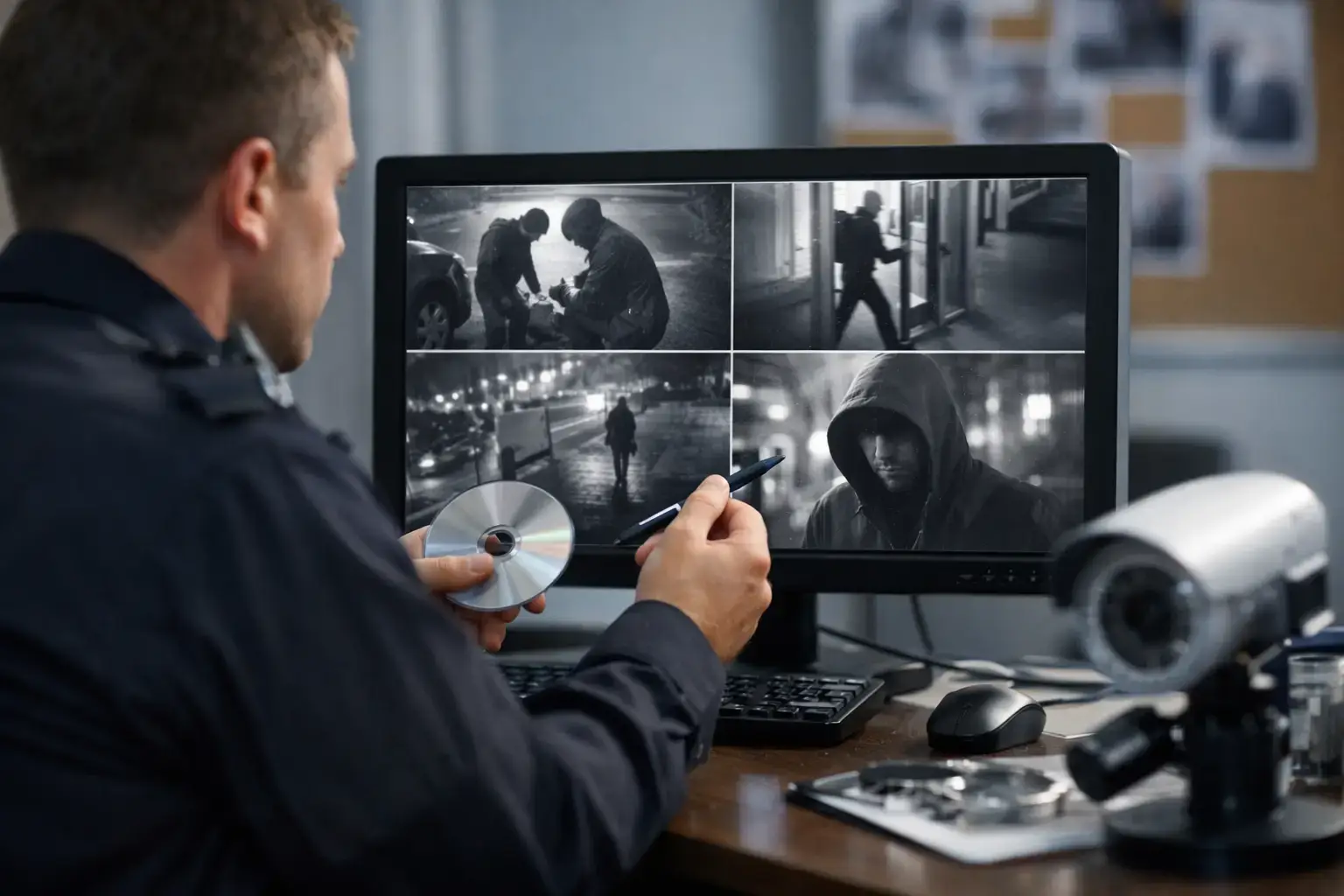
The simplest way to look at it is this: CCTV watches, while an intruder alarm reacts. A CCTV system records activity, provides live views and can help you verify what is happening on site. An intruder alarm detects unauthorised entry or movement and triggers a response, whether that is a local siren, an alert to keyholders or connection to a monitoring service.
Neither system is automatically better in every setting. They solve different security problems. If your main concern is seeing who entered a yard, how goods went missing or whether staff and visitors are following site procedures, CCTV is often the stronger starting point. If your priority is being alerted the moment someone forces a door or enters a restricted area, an intruder alarm is usually the more direct answer.
In practice, many properties need both. The right decision comes from looking at risk, building layout, occupancy patterns and the value of what you are protecting.
What CCTV does well
CCTV is especially effective where visibility matters. It gives you an eye on entrances, exits, car parks, service yards, reception areas, perimeter lines and internal zones where incidents may occur. For businesses, that can mean reducing theft, investigating disputes, monitoring deliveries and improving overall site control. For homeowners, it often means checking who approached the property, viewing activity remotely and keeping a record if an incident takes place.
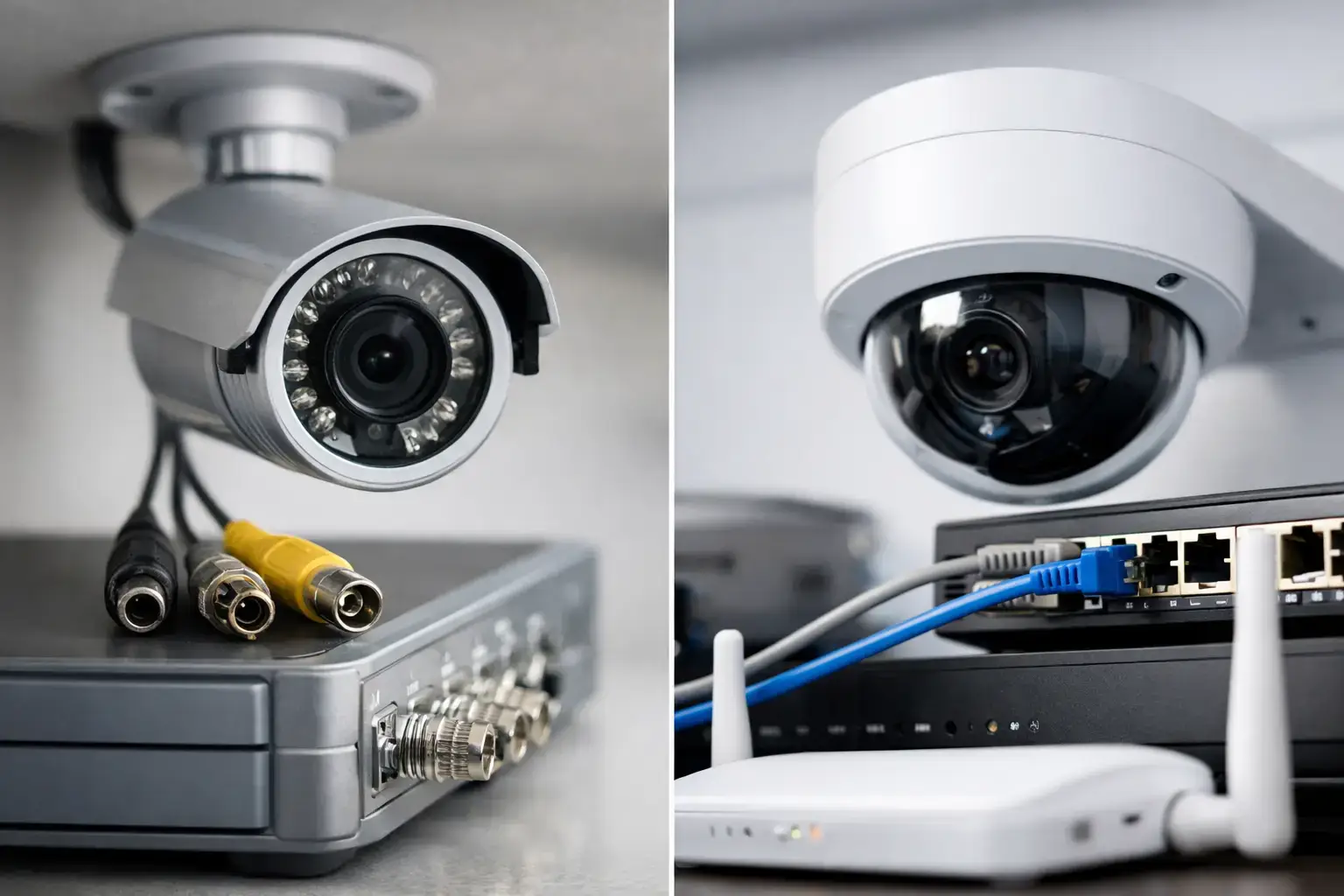
Modern CCTV can do more than record footage. Properly designed IP systems can include remote access, high-definition imaging, infrared coverage for night-time use and analytics such as line crossing or human and vehicle detection. That makes CCTV useful not only after an event, but also during one.
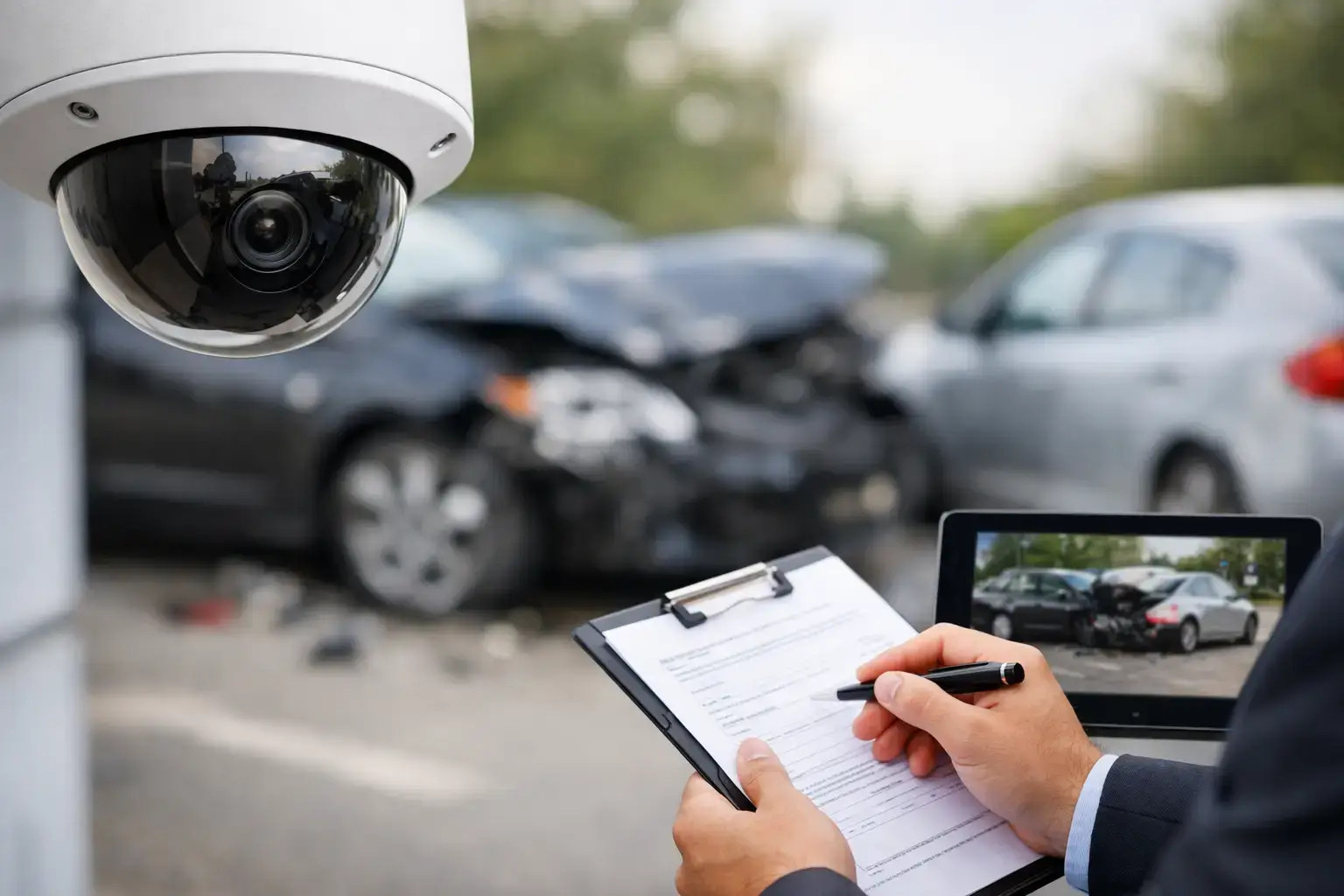
Its strength is evidence and verification. If an alarm activates at 2am, CCTV can help confirm whether there is a real threat, a member of staff arriving early or simply environmental movement. That can save wasted callouts and support a more measured response.
There are limits, though. CCTV does not physically stop an intruder. Its deterrent value is real, especially when cameras are visible and professionally installed, but some offenders will still proceed. Camera placement also matters. Poor angles, weak lighting, inadequate storage or consumer-grade equipment can leave gaps just when footage is needed most.
What an intruder alarm does well
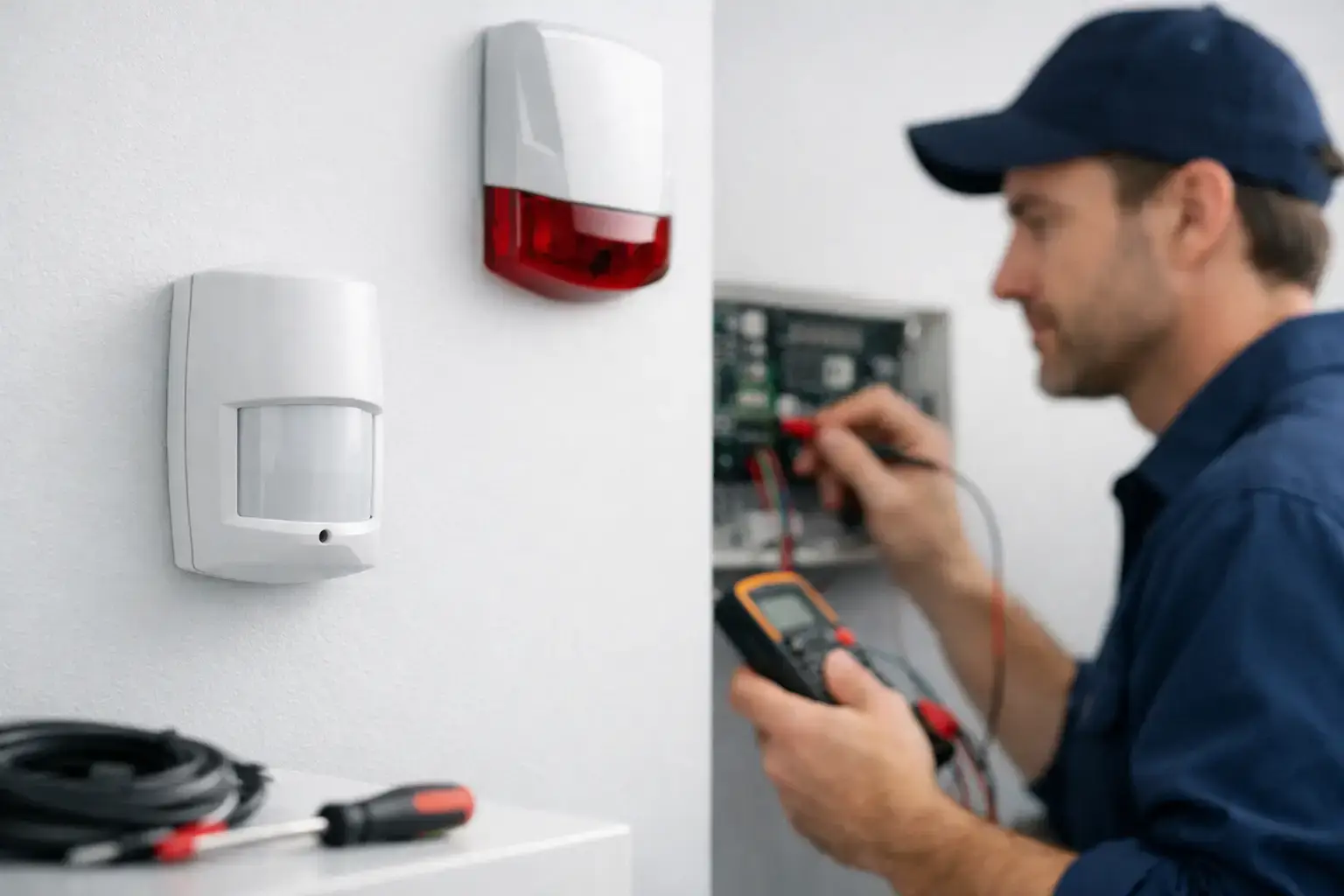
An intruder alarm is built for immediate detection. Door contacts, motion detectors, shock sensors and other devices are designed to identify unauthorised access quickly and trigger an action. That action may be a loud audible warning, a notification to designated users or escalation to an alarm receiving centre.
For many sites, speed is the key advantage. If a shop, office, warehouse or home is unoccupied overnight, an alarm provides the prompt alert that something is wrong. That early warning can reduce the time an intruder has inside the building and may stop an incident from developing further.
Intruder alarms are also highly flexible. Different grades and configurations allow systems to be matched to domestic homes, small commercial premises and higher-risk environments. Professionally installed systems can be set up with separate areas, timed access, app control and integration with other security measures.
The trade-off is that alarms do not show you what happened unless they are linked to another system. They tell you that a door opened, a detector was triggered or a protected area was breached. They do not provide visual evidence on their own. False alarms are another factor. Good design and quality equipment reduce this risk, but poor setup, unsuitable detector positioning and lack of maintenance can lead to unnecessary activations.
CCTV vs intruder alarm for homes
For most homeowners, the decision starts with a simple question: do you want to see what is happening, be told when something is happening, or both?
If you are concerned about parcel theft, nuisance callers, driveway security or checking your property while away, CCTV often feels more useful day to day. You can view footage, receive app notifications and see whether there is a genuine issue before taking action. This is particularly helpful for detached homes, corner plots and properties with side access or outbuildings.
If your biggest concern is a break-in while the property is empty or while your family is asleep, an intruder alarm may be the more essential foundation. A correctly designed alarm system creates immediate disruption and warning, which is exactly what many domestic burglaries rely on avoiding.
For larger homes or higher-value properties, relying on one system alone can leave obvious gaps. CCTV may record an intruder, but without an alarm there may be no immediate alert. An alarm may activate, but without cameras you may have no way to verify the cause quickly.
CCTV vs intruder alarm for businesses
Commercial sites usually have more layered risks. Theft is only one concern. There may also be staff safety, contractor access, stock shrinkage, perimeter breaches, out-of-hours entry and insurance requirements to consider.
In a retail setting, CCTV often carries significant weight because it helps with customer incidents, till areas, stock movement and deterrence across the shop floor. An intruder alarm remains vital for out-of-hours protection, particularly at access points and vulnerable rear areas.
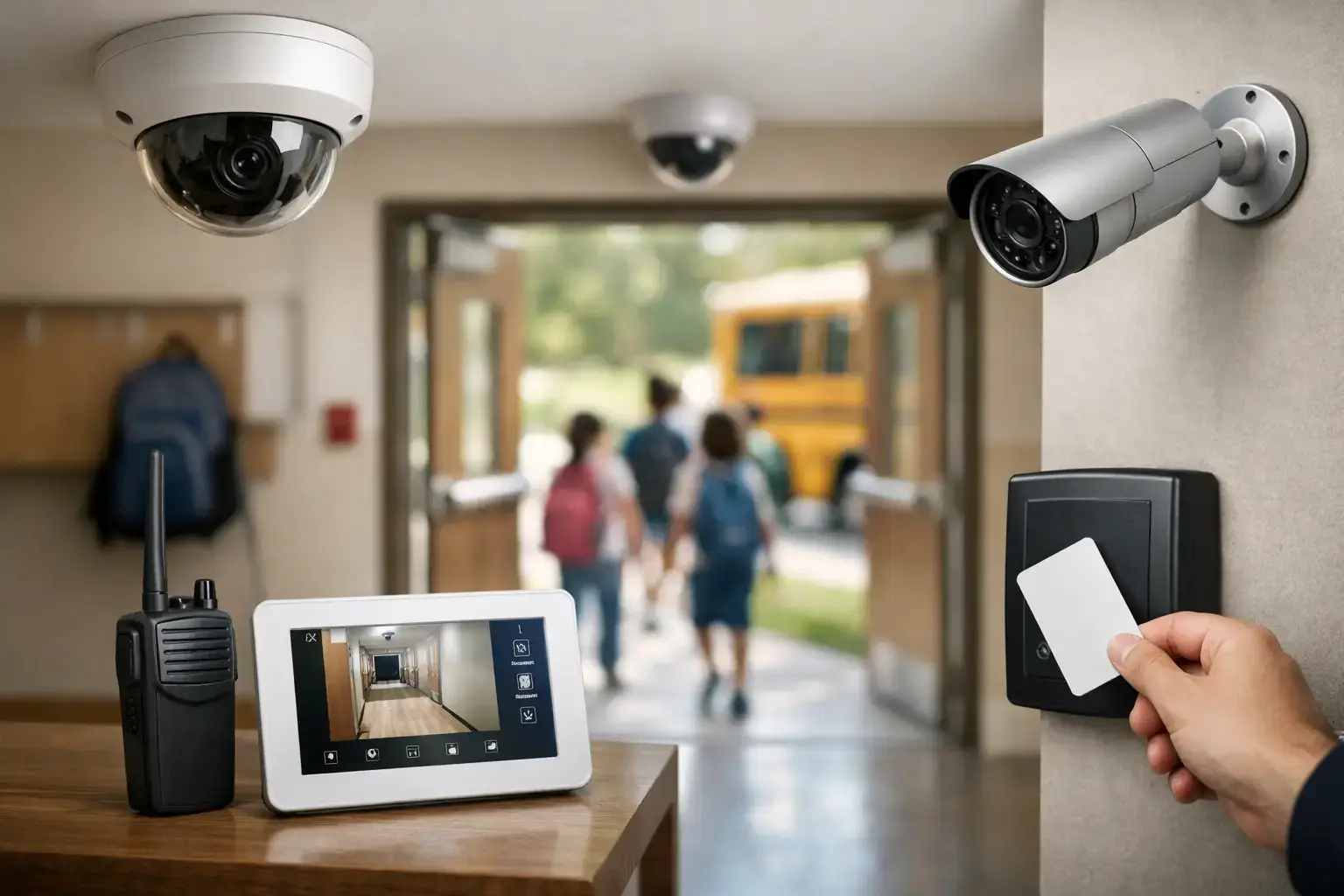
In offices, schools and healthcare settings, alarms help secure the premises when empty, while CCTV supports safeguarding, access oversight and incident review. In warehouses, logistics yards and industrial sites, the picture becomes even clearer. Perimeter coverage, loading zones and external movement are difficult to protect with alarms alone. CCTV gives that wider operational view, while alarms protect building entry points and internal zones.
For construction sites and temporary environments, remote-monitored CCTV with analytics can be especially valuable because the risk often begins before someone gets inside a structure. An intruder alarm still has a role, but it may not cover open compounds, plant areas or evolving site layouts as effectively on its own.
When one system is enough
There are cases where a single system may be reasonable.
A small occupied flat with controlled entry might prioritise a smart intruder alarm if internal detection and immediate alerts are the main concern. A low-risk office that already has strong access control and only needs visual oversight of reception and entrances may start with CCTV. Budget can also influence the order of installation, especially where a phased approach is sensible.
Even then, the decision should be based on a survey rather than guesswork. Security weak points are not always obvious. A rear service entrance, blind side passage or unmanaged delivery area can change the recommendation entirely.
When both make the most sense
For many properties, the strongest answer to cctv vs intruder alarm is not either-or, but both working together.
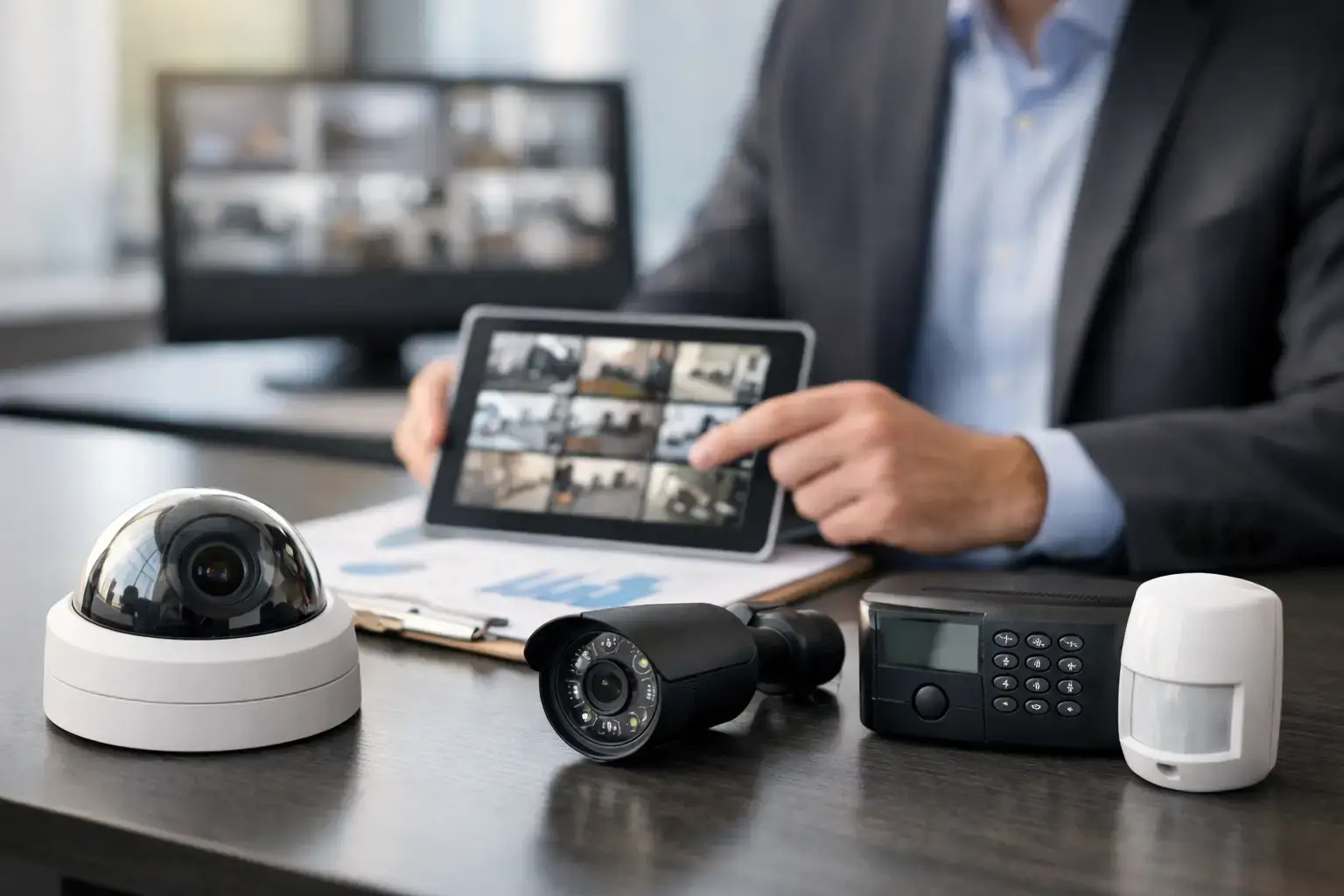
An alarm creates the immediate trigger. CCTV provides verification, evidence and broader visibility. Together, they improve deterrence, response and investigation. They also support better long-term management of risk. If the same zone experiences repeated alarm activations, camera footage may reveal a maintenance issue, environmental trigger or attempted interference.
Integrated systems are particularly valuable for businesses with insurer requirements, multiple users, higher-value assets or regular periods of vacancy. They are equally worthwhile for homeowners who travel frequently, own larger properties or want reassurance without relying on off-the-shelf devices.
This is where professional design matters. The goal is not simply to fit cameras and sensors. It is to position them correctly, match them to the site, reduce false alarms and make sure the system remains dependable over time. SSAIB-approved, insurer-recognised systems are often worth the investment because they are designed with compliance, reliability and response in mind.
How to choose the right system
Start with the actual risk, not the product. Ask what you need the system to achieve. Do you need an immediate warning, a visual record, remote oversight, insurer compliance or a combination of all four? Then look at the site itself. Consider access points, occupancy, lighting, perimeter exposure, high-value areas and whether there are times when the property is completely unattended.
After that, think beyond installation. Maintenance, monitoring, user training and future expansion all affect the value of the system. A cheaper setup that produces false alarms or poor footage is rarely a saving. A properly specified system tends to perform better, last longer and create fewer problems when you actually need it.
For buyers across Essex, London and the South East, that usually means speaking to a specialist rather than selecting a kit based on headline features alone. Companies such as 247 CCTV design systems around the building, the risk and the response required, which is why the result is usually more reliable than a one-size-fits-all approach.
If you are weighing up CCTV and an intruder alarm, the best next step is to stop thinking in terms of gadgets and start thinking in terms of outcomes. The right security system should make your property harder to target, quicker to protect and easier to manage when something does go wrong.