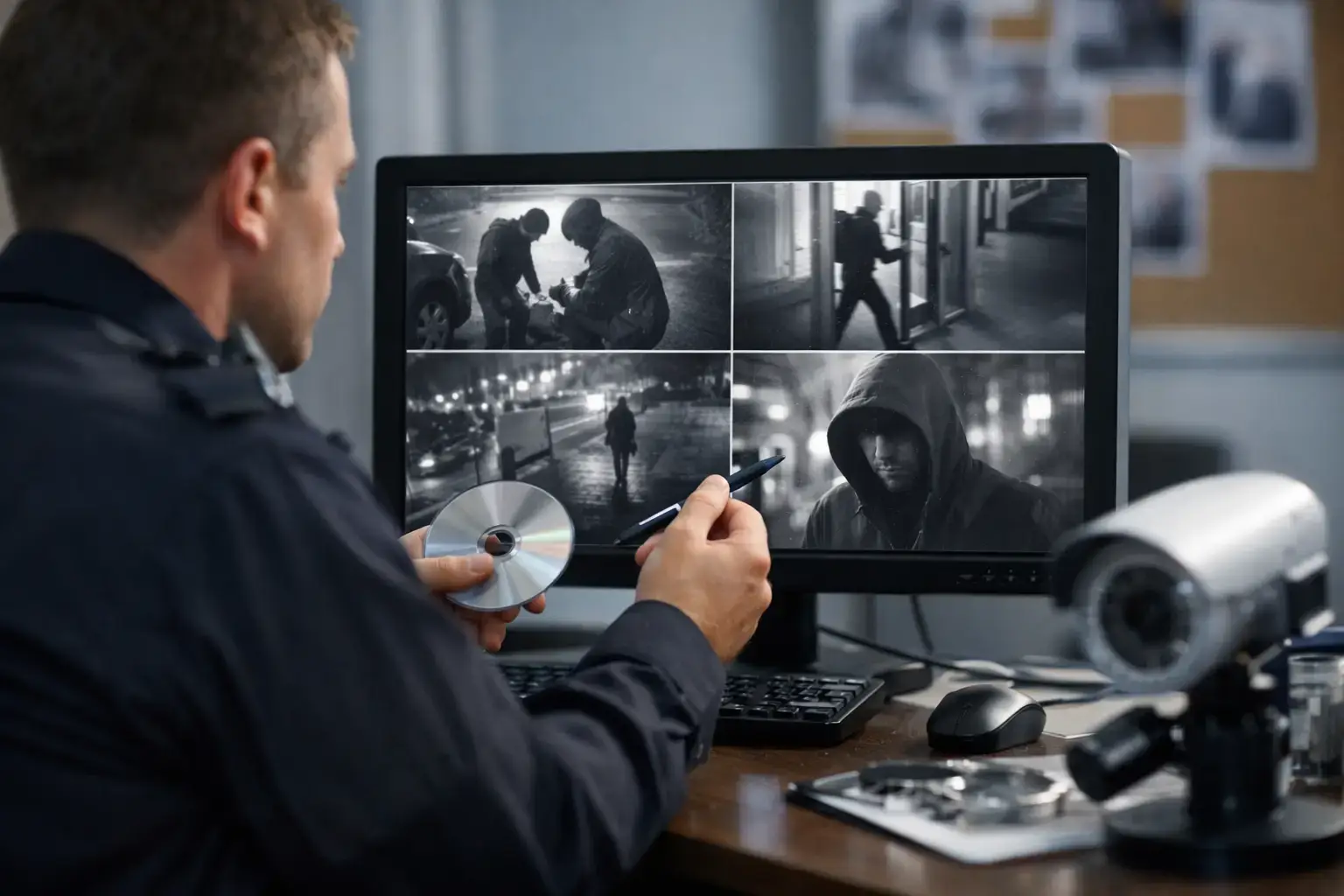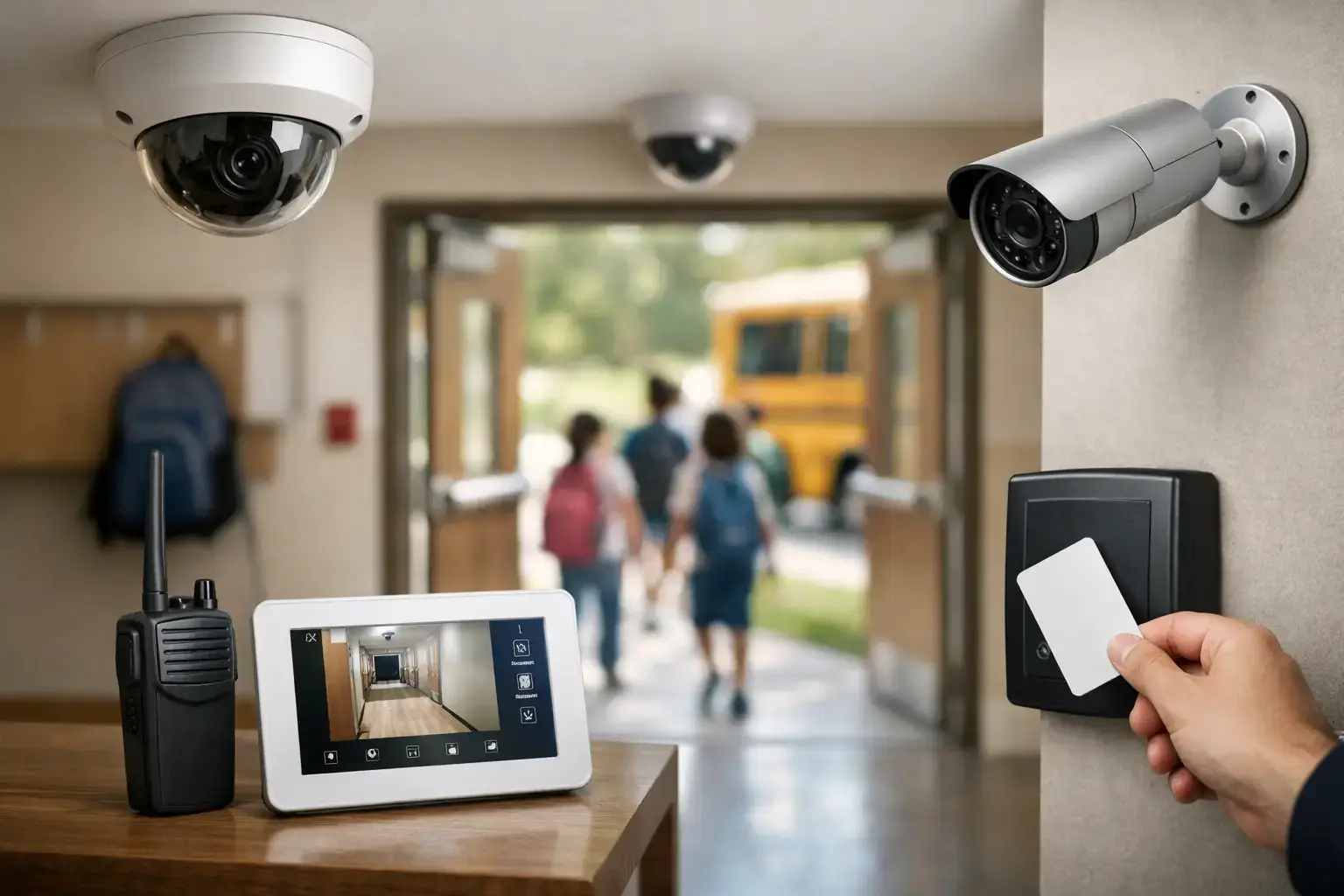
A break-in at 2am, a gate left open on a Sunday, suspicious movement on a construction site after hours – these are the moments when remote video monitoring benefits become very clear. For property owners and managers, the value is not simply having cameras in place. It is knowing that activity can be reviewed, verified and acted on quickly, even when nobody is on site.
For many businesses and homeowners across Essex, London and the South East, that difference matters. A CCTV system that records footage has its place, but recording alone often means you only discover a problem after the damage is done. Remote monitoring changes that by turning surveillance into an active part of your security strategy.
What remote video monitoring actually does
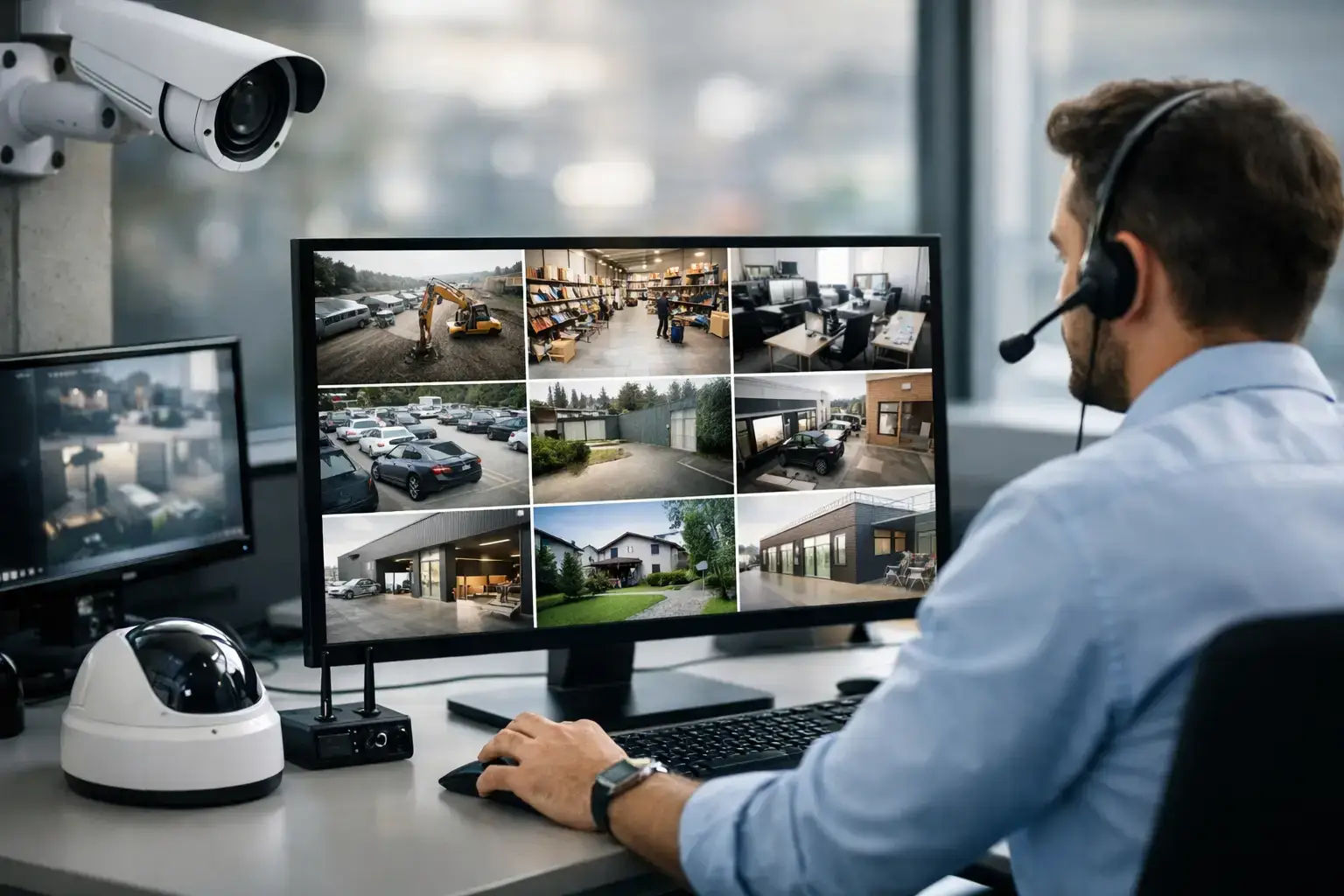
Remote video monitoring connects your CCTV system to off-site access, whether that is through a professional monitoring arrangement, secure mobile viewing, or both. Instead of relying only on footage stored for later review, authorised users can see what is happening in real time and respond when events unfold.
That response may involve checking a motion alert, verifying whether an intruder alarm activation is genuine, speaking through an audio challenge system, or escalating the incident to keyholders or emergency services where appropriate. The practical benefit is straightforward – faster awareness leads to faster decisions.
This is especially useful on sites that are empty for long periods, such as warehouses overnight, schools during holidays, retail premises after closing, or residential properties when owners are away. It also helps on busy sites where staff cannot constantly watch every entrance, yard, stock area or perimeter.
The key remote video monitoring benefits for security
1. Earlier intervention before losses escalate
One of the strongest remote video monitoring benefits is the chance to interrupt an incident while it is still developing. If suspicious activity is identified at the perimeter, around a shutter, or near a vulnerable access point, action can be taken before a theft, break-in or act of vandalism is completed.
That does not mean every event ends with a dramatic intervention. Sometimes the value lies in confirming that a trigger is harmless. At other times, it is the difference between someone testing a door and someone getting inside. Earlier visibility gives you more options, and options are what reduce loss.
2. Better deterrence than recording alone
Visible cameras already deter some offenders, but offenders are often more cautious when they know a site may be actively watched. Monitoring becomes even more effective when combined with well-positioned cameras, signage, analytics and, where suitable, audio warnings.
For criminal opportunists, uncertainty is a problem. If they believe a monitored site can trigger a rapid response, many will move on. This is particularly valuable for high-risk locations such as builders’ merchants, car parks, trade counters, logistics yards, vacant properties and construction compounds.
3. Fewer false alarms and better use of response
Alarm activations cost time. They disrupt keyholders, create unnecessary call-outs and can lead staff to take alerts less seriously over time. Remote monitoring helps by checking what has caused the activation before a response is escalated.
A system might detect wildlife, weather movement, delivery activity or authorised staff arriving out of hours. Being able to verify the cause means fewer wasted journeys and a more proportionate response. For businesses managing multiple sites, this alone can make a monitored system far more practical day to day.
Remote video monitoring benefits beyond crime prevention
4. Better operational oversight
Security is usually the main reason to install monitoring, but many clients find the operational value just as useful. Managers can check whether gates are secured, deliveries have arrived, staff access routes are clear, or critical areas are being used as expected.
This is not about micromanaging people. It is about keeping oversight of spaces that affect safety, continuity and responsibility. In schools, healthcare settings, hospitality venues and industrial premises, that extra visibility can support better site management as well as incident investigation.
5. Safer lone working and out-of-hours activity
If someone is opening a site early, locking up late, or working alone in a reception area, warehouse office or external yard, remote access to CCTV adds an important layer of reassurance. Supervisors or authorised managers can review the environment if there is a concern, and events can be checked quickly if an alarm or distress situation arises.
This matters in commercial settings, but it also has residential uses. Homeowners may want to check on tradespeople, monitor access to a driveway, or confirm what caused a disturbance without stepping outside. Used properly, monitoring supports safer decision-making.
6. Stronger evidence when incidents do happen
No system prevents every incident. When something does occur, the quality of your footage and the speed with which it is identified both matter. Remote monitoring can reduce the risk of crucial footage being overlooked or reviewed too late.
Professionally designed systems also make a major difference here. Camera placement, image quality, lighting conditions and storage settings all affect whether footage is genuinely useful. A poorly positioned consumer camera may show that something happened. A correctly specified system is far more likely to show who was involved, how they entered and what direction they left.
Why remote monitoring suits more than one type of property
Commercial premises
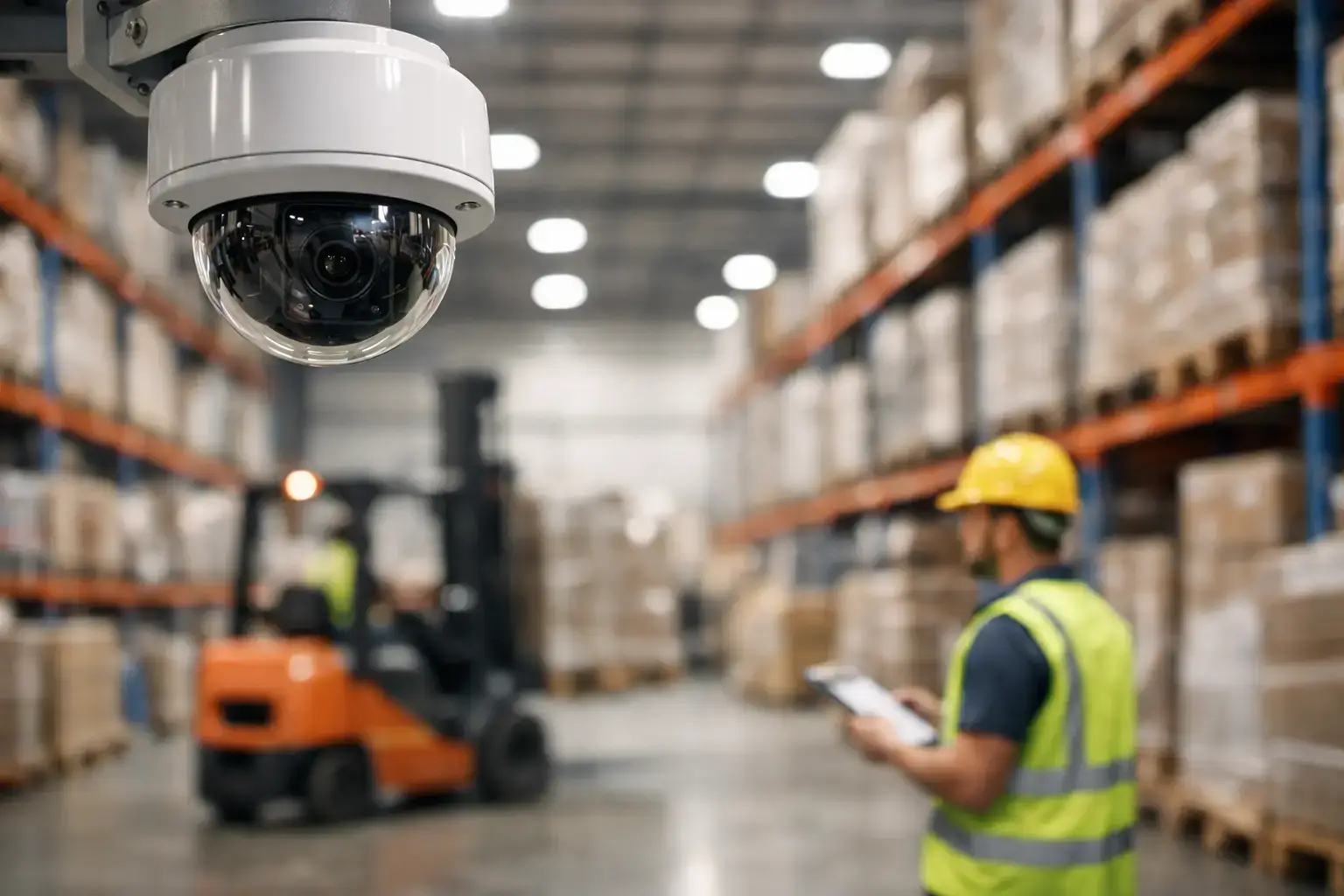
For businesses, remote monitoring is often most valuable where there is stock, cash handling, controlled access or out-of-hours vulnerability. Retail sites can monitor entrances, till areas and rear service routes. Warehouses can watch loading bays and perimeter fencing. Offices can supervise receptions, car parks and restricted areas. Construction sites can cover compounds, plant, temporary cabins and access points where theft risk is high.
The right setup depends on risk profile. A small independent shop has different priorities from a multi-building industrial site. What matters is matching monitoring coverage to the points where loss, disruption or liability is most likely.
Residential properties
For homeowners, the appeal is simple. You can check your property while at work, away for the weekend or on holiday. That includes seeing callers at the door, monitoring side access, watching a driveway or confirming whether unusual movement is anything to worry about.
The trade-off is that residential monitoring still needs to be designed with care. Overcoverage can feel intrusive, while poor positioning can leave blind spots. The best systems protect what matters without making the property awkward to live in.
Remote video monitoring benefits depend on system quality
A common mistake is assuming that any camera with an app delivers the same result as a professionally designed monitoring solution. It does not. Reliable remote viewing depends on stable connectivity, sensible camera selection, secure configuration, suitable recording capacity and correct positioning.
There is also a difference between being able to look at footage on your mobile phone and having a system built around detection, verification and dependable performance. Analytic CCTV can improve the usefulness of alerts, but only when it is configured for the environment. A windy yard, poor lighting or badly aimed detectors can quickly produce nuisance notifications.
This is where experienced design matters. Sites with public access, reflective surfaces, vehicle movement or changing light levels need more than basic kit. They need a system specified to reduce weaknesses rather than create them.
Compliance, privacy and practical limits
Remote monitoring should always be used responsibly. Businesses must consider data protection obligations, staff awareness where applicable and whether coverage is proportionate to the site risk. Residential users should also avoid directing cameras into neighbouring private areas without good reason.
There are practical limits too. Monitoring improves response, but it is not a guarantee that every intruder will be stopped or every loss prevented. Internet outages, poor maintenance or an ageing system can undermine performance. That is why ongoing support, health checks and maintenance should be part of the conversation, not an afterthought.
For insurer-sensitive environments, regulated installation and appropriate system standards can also matter. A monitored setup is most valuable when it forms part of a wider security plan that may include intruder alarms, access control, lighting, gates and physical barriers.
Is remote monitoring worth it?
In most cases, yes – if the property has genuine risk outside occupied hours, valuable assets on site, or a need for faster awareness when incidents happen. The return is not always measured only in stolen goods prevented. It can also be seen in fewer false call-outs, stronger evidence, reduced disruption and greater peace of mind.
For some smaller properties, simple app-based access to a well-installed CCTV system may be enough. For higher-risk premises, a more structured monitored approach is usually the better fit. The right answer depends on the building, the pattern of use and what level of response you actually need.
A dependable security system should do more than capture footage for later. It should help you stay in control when timing matters most. That is why remote monitoring is not just an added feature. For many homes and businesses, it is the part that makes CCTV genuinely work harder.