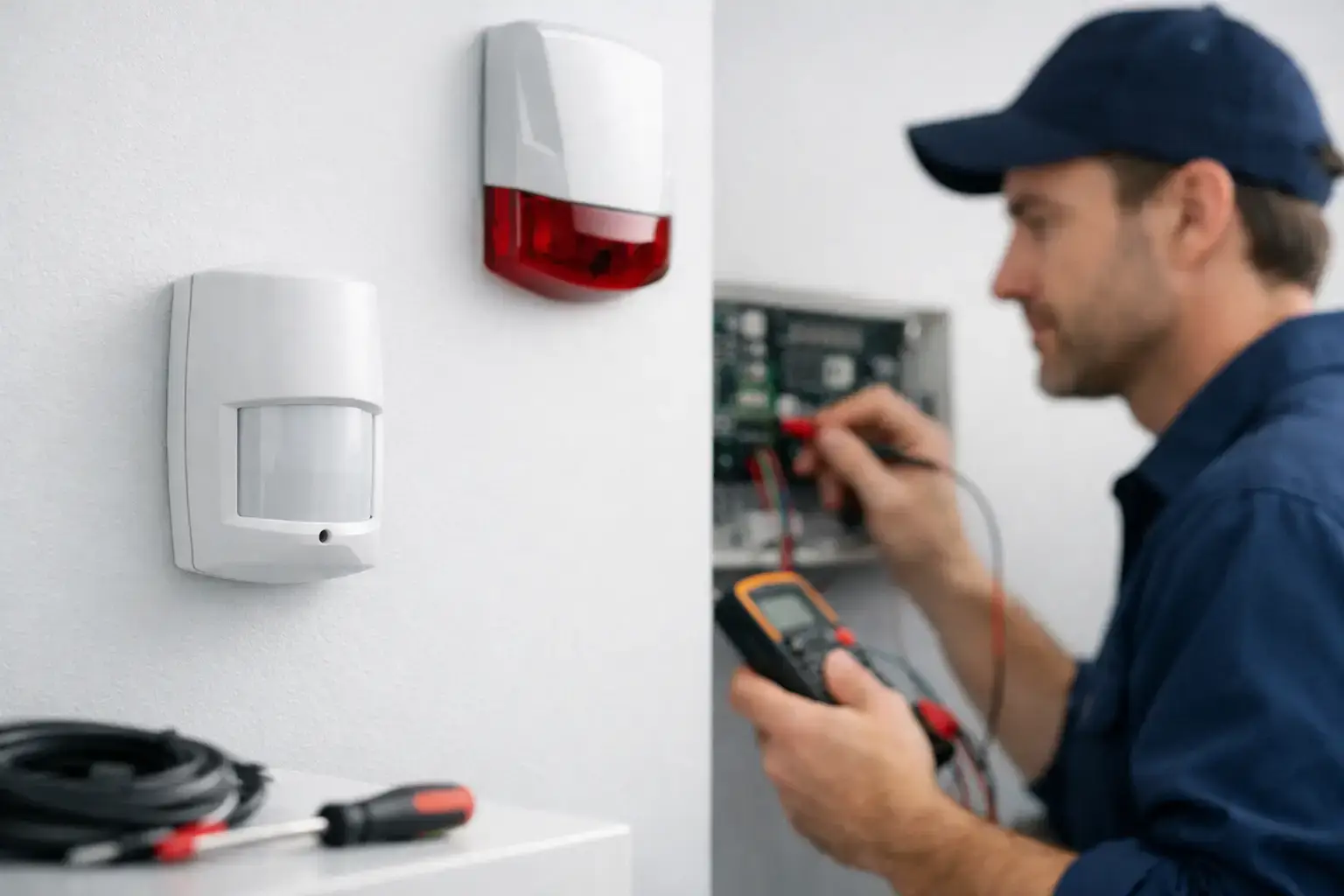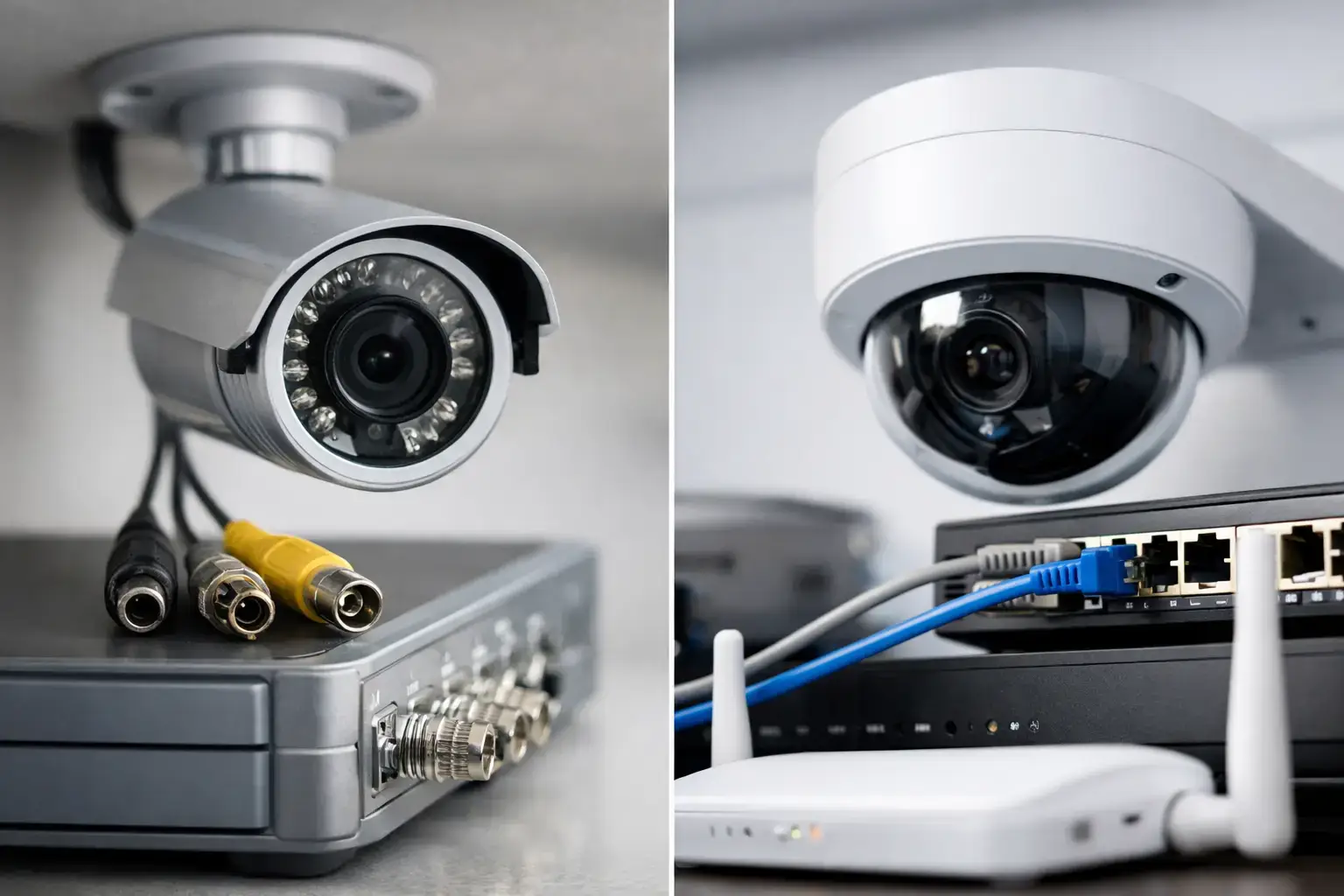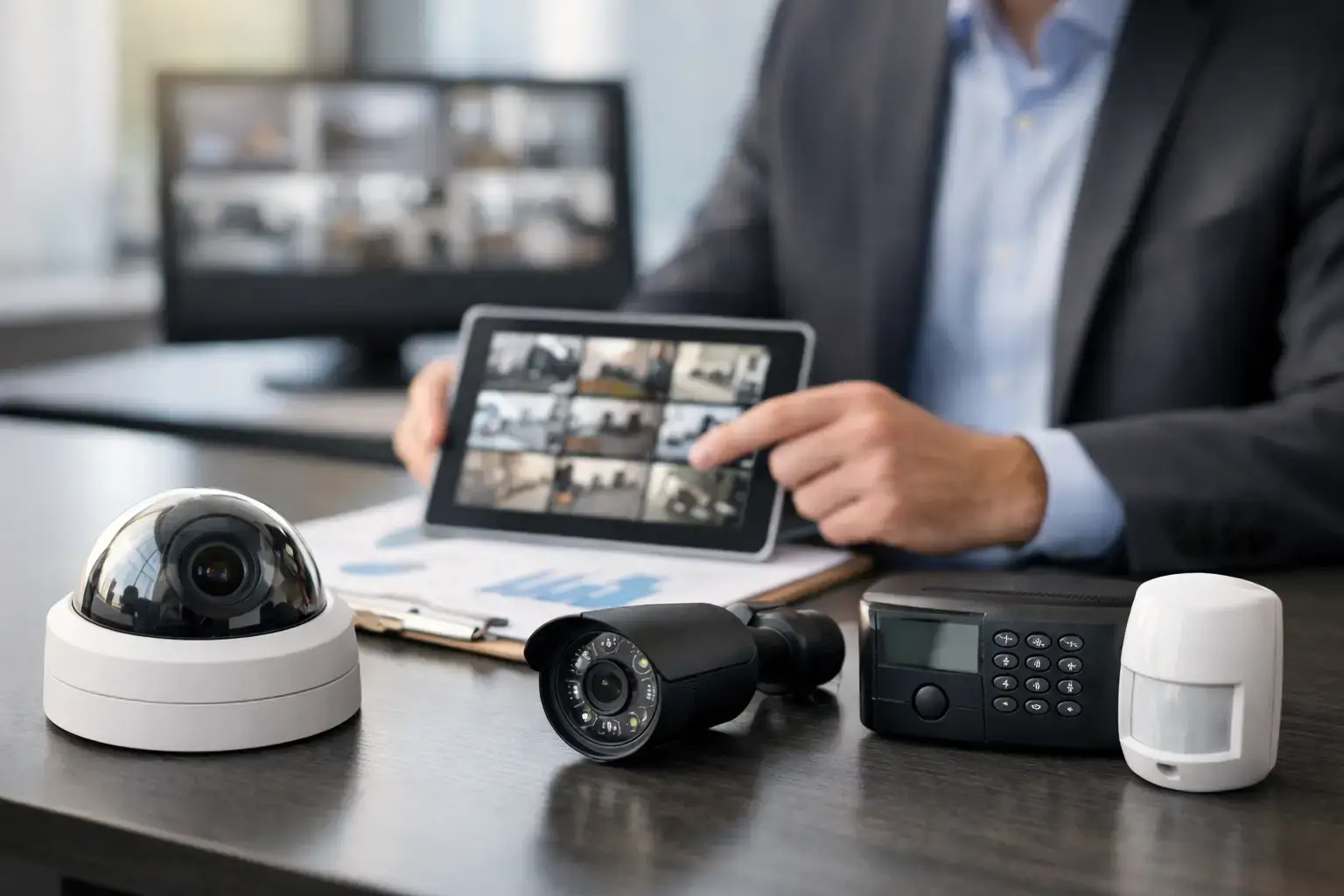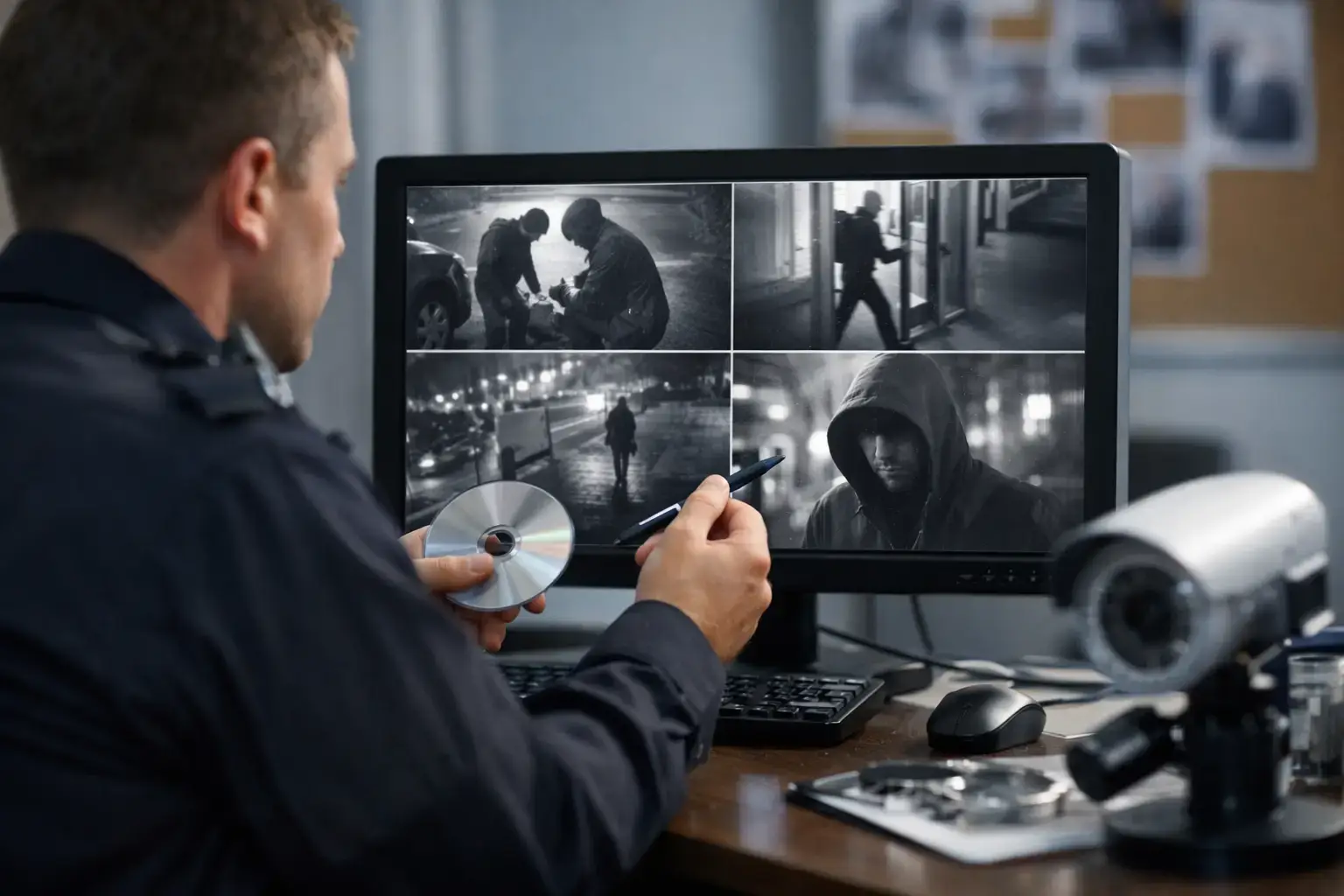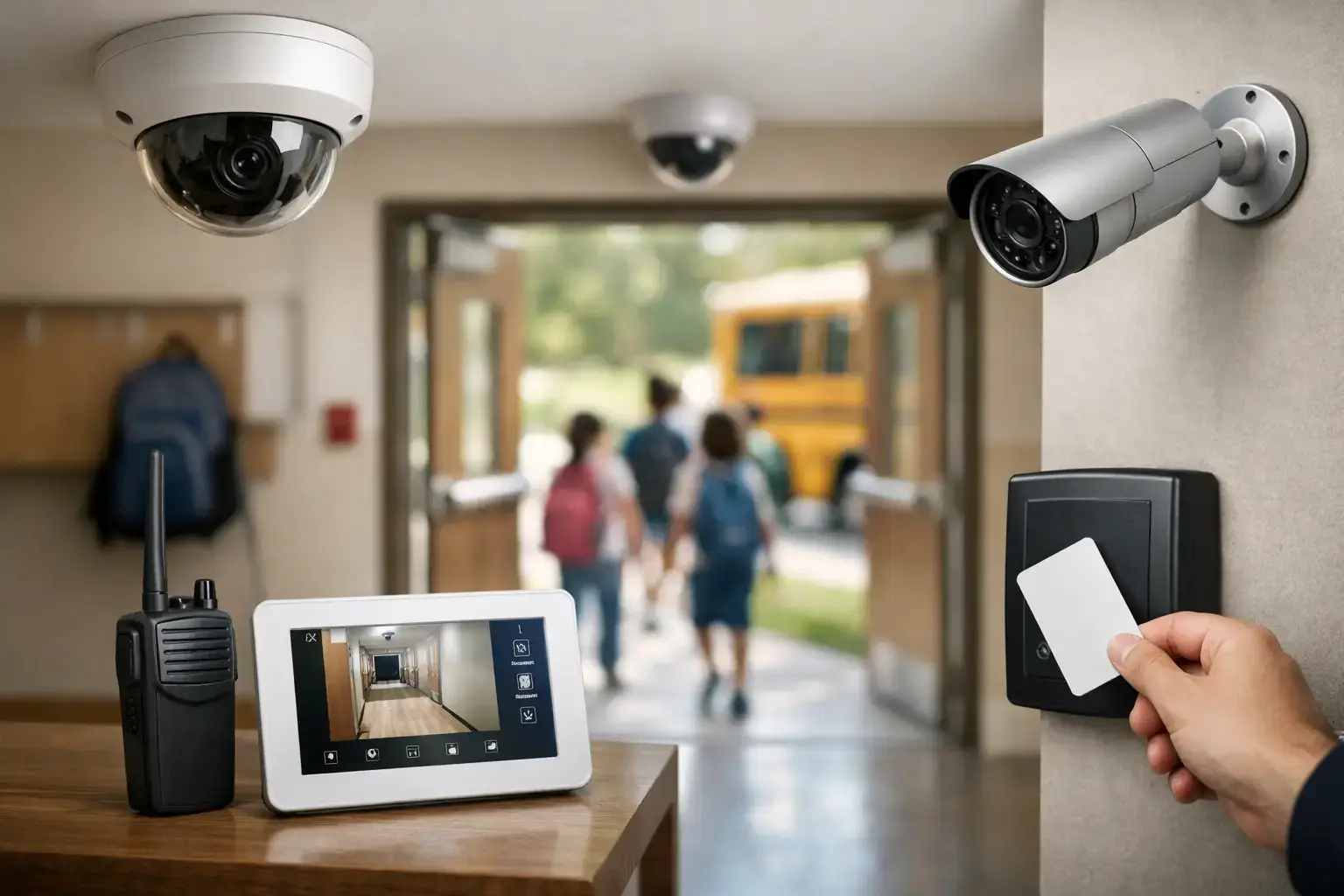
A missed delivery is one thing. A break-in, stock loss incident or site dispute with no usable footage is another. That is why cloud based CCTV systems are getting serious attention from business owners, landlords and homeowners who want more than a recorder tucked away in a cupboard.
For the right property, they offer a practical way to view footage remotely, protect recordings off-site and manage cameras across one or several locations. But they are not automatically the best answer for every building. The value comes from choosing a system that matches the risks on site, the quality of your internet connection and the level of control you need day to day.
What are cloud based CCTV systems?
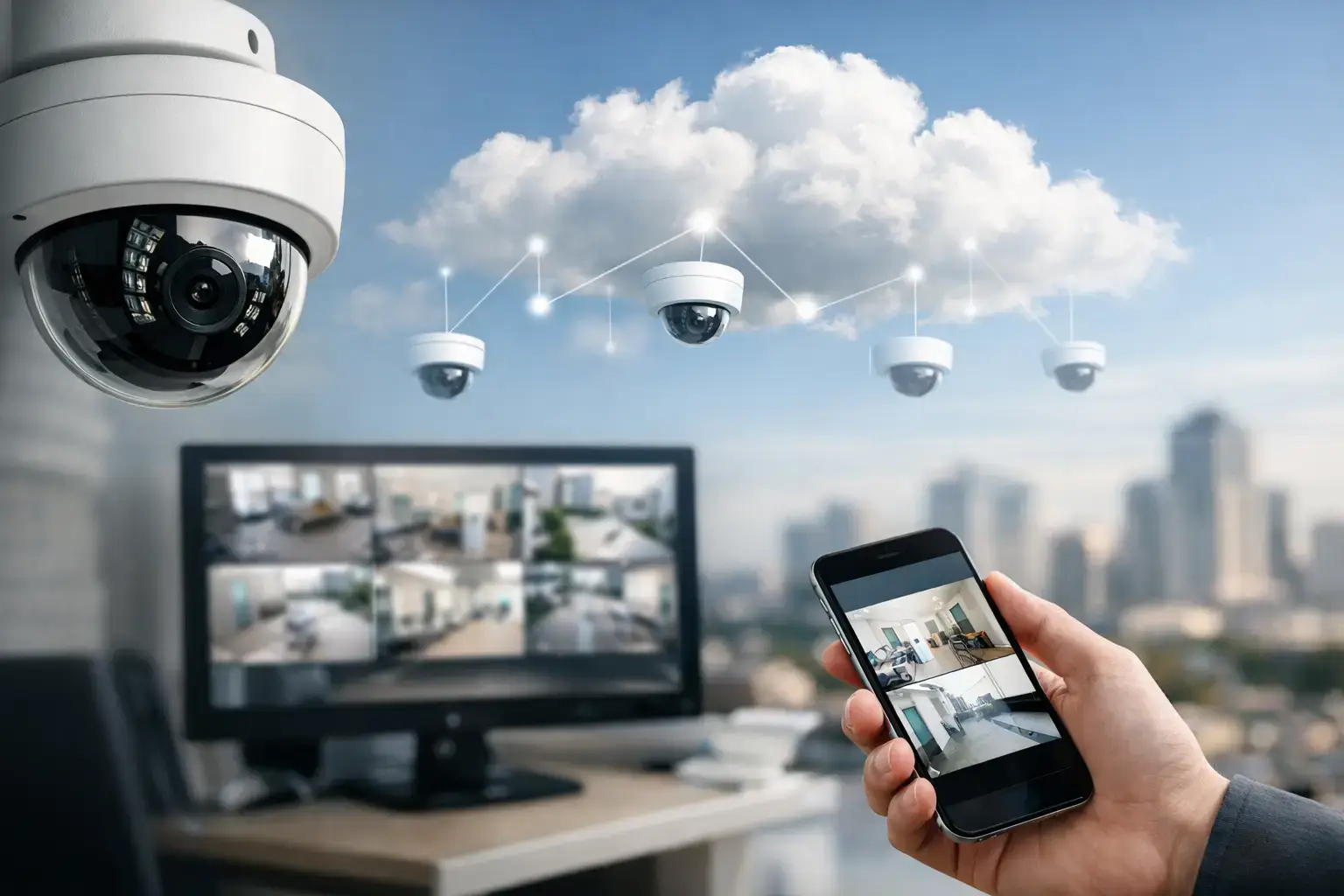
Cloud based CCTV systems use internet-connected cameras or recorders to send footage, events or backups to secure remote servers rather than relying only on local recording hardware. In simple terms, that means you can access video through an app or browser, receive alerts when activity is detected and keep footage available even if equipment on site is damaged or stolen.
That does not always mean every second of video is recorded directly to the cloud. Some systems use continuous cloud recording, while others combine local storage with cloud backup for key events. For many commercial sites, the second option is often the more practical choice because it balances bandwidth, storage costs and evidential needs.
Why businesses and homeowners are moving to the cloud
The main appeal is not fashion or convenience alone. It is resilience. Traditional CCTV that records only to a local DVR or NVR can still perform very well, but it has an obvious weakness. If the recorder is stolen, vandalised or affected by fire, your evidence can disappear with it.
Cloud storage helps reduce that risk. A shop in London, a warehouse in Essex or a homeowner away on holiday can all benefit from knowing footage is still accessible off-site. That matters after an intrusion, but also during less dramatic incidents such as delivery disputes, staff investigations, antisocial behaviour or repeated trespass.
Remote access is another major factor. Facilities managers and business owners often need visibility across more than one property. Being able to check live and recorded footage without travelling to site saves time and improves response. For homeowners, it can mean checking a front drive, side access or rear garden from anywhere with a secure internet connection.
Where cloud based CCTV systems work best
Cloud based CCTV systems are especially useful where there is regular remote management, multiple users or a higher risk of local equipment tampering. Retail premises, offices, schools, healthcare settings, flat blocks, hospitality venues and construction sites can all benefit when monitoring and footage access need to happen quickly.
They also suit properties where owners are rarely on site. A landlord managing several blocks, a contractor overseeing a temporary site or a homeowner who travels frequently may value remote visibility as much as the recording itself.
That said, the layout and use of the building still matter. A detached home with two or three cameras has different demands from an industrial unit with perimeter coverage, loading bays and internal access points. The best design is usually led by risk, not by the latest feature list.
The real advantages in day-to-day use
The most obvious benefit is remote viewing, but that is only part of the picture. A well-specified cloud system can also improve how footage is searched, shared and retained. That becomes important when an incident has to be reviewed quickly or passed to police, insurers or site management.
For commercial users, cloud management can make multi-site administration far easier. User permissions, alerts and health checks can often be handled centrally, which is useful when several branches or buildings need consistent security oversight. Some systems also integrate with analytics, so motion events, line crossing or intrusion detection can be reviewed without manually trawling through hours of video.
There is also a maintenance benefit. Because cloud-connected systems are typically designed around remote access, faults can sometimes be identified earlier. A camera going offline, poor image quality or storage issues may be picked up before they become a serious gap in coverage.
The trade-offs to understand before you buy
This is where a professional survey matters. Cloud sounds simple, but the wrong setup can lead to poor performance, excessive subscription costs or footage that is less useful than expected.
Internet dependence is the first consideration. If your broadband is unreliable, a pure cloud recording model may not be ideal. In those cases, a hybrid setup with local recording and cloud backup is often the stronger option. You still gain off-site resilience, but without putting all recording at the mercy of connection quality.
Ongoing costs are another factor. Many cloud systems involve monthly or annual storage fees. That can be perfectly reasonable when weighed against the security benefits, but it should be discussed upfront. A low upfront equipment cost can look attractive until the long-term storage plan is added.
Video quality and retention also need careful planning. Higher resolution images are useful, particularly where identification is important, but they demand more bandwidth and storage. There is no value in fitting 4K cameras everywhere if the network cannot support them properly or if the footage retention period falls short of operational needs.
Cloud vs local recording – which is better?
Neither is universally better. It depends on the site.
Local recording remains a strong choice where internet connectivity is limited, where very long retention periods are required or where large numbers of high-resolution cameras are used continuously. Properly installed NVR-based systems are reliable, scalable and still widely used across commercial and residential properties.
Cloud recording becomes more attractive where off-site protection, remote access and simplified management are priorities. For some properties, the strongest solution is a combination of both. Local recording provides full-time capture, while the cloud protects key events and gives authorised users secure remote access.
For that reason, the conversation should not start with cloud or non-cloud. It should start with what you need the system to do after an incident and how it will be used every day.
What to look for in cloud based CCTV systems
Image quality matters, but it should not be viewed in isolation. Camera placement, lighting conditions and lens choice affect usable footage just as much as megapixels do. A poorly positioned high-resolution camera can still fail to identify a face or number plate.
You also need secure user access, sensible retention settings and clear system permissions. On a commercial site, not every member of staff should have the same level of access to live feeds or exported footage. Audit trails and controlled user roles are often just as important as the cameras themselves.
Cyber security should be taken seriously. Any internet-connected surveillance system must be configured properly, with secure credentials, appropriate network settings and ongoing support where needed. This is another reason professionally installed systems are a different proposition from basic consumer kits.
For regulated sectors and insurer-sensitive environments, compliance and installation standards matter as well. An SSAIB-approved installer can design a system that not only works in practice but also aligns with wider security expectations, insurer requirements and the realities of the site.
Why professional design still matters
The biggest mistake buyers make is assuming cloud technology removes the need for proper system design. It does not. In fact, because cloud systems involve network performance, storage planning, remote access permissions and often integration with alarms or access control, the design stage becomes even more important.
A good installer will assess blind spots, entry routes, evidential requirements, lighting conditions and the practicalities of cable routes and network infrastructure. They should also explain where cloud storage adds value and where it may not. That honest approach usually leads to a more dependable system and fewer surprises later.
For a business with several premises, or a homeowner who wants a system that simply works year after year, that level of planning is worth far more than a quick price based on camera numbers alone. Companies such as 247 CCTV build around that principle – survey first, specify correctly, install professionally and support the system over time.
If you are considering cloud based CCTV systems, the right question is not whether the cloud is better. It is whether the system will give you reliable evidence, practical control and the confidence that your security will still be there when you need it most.