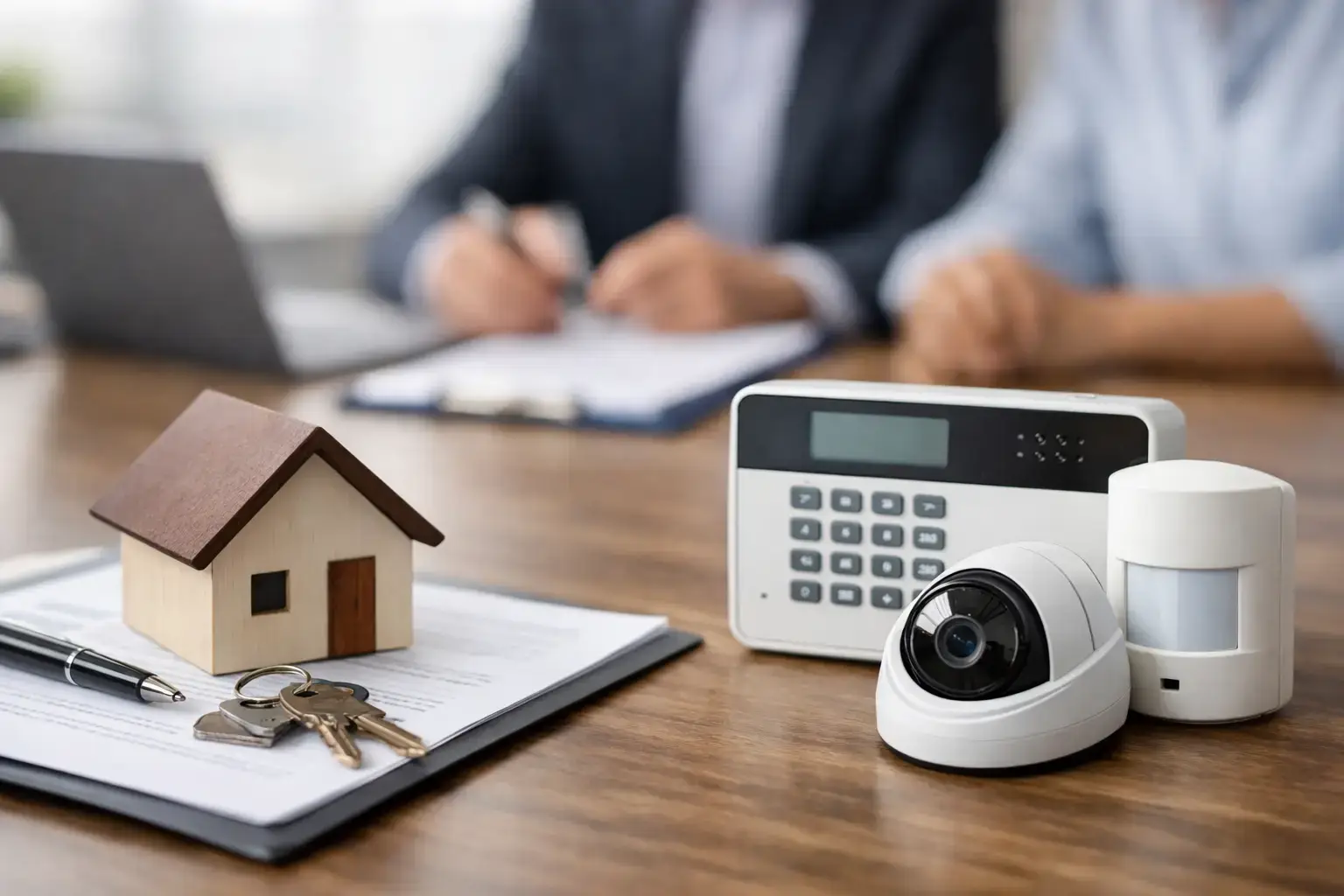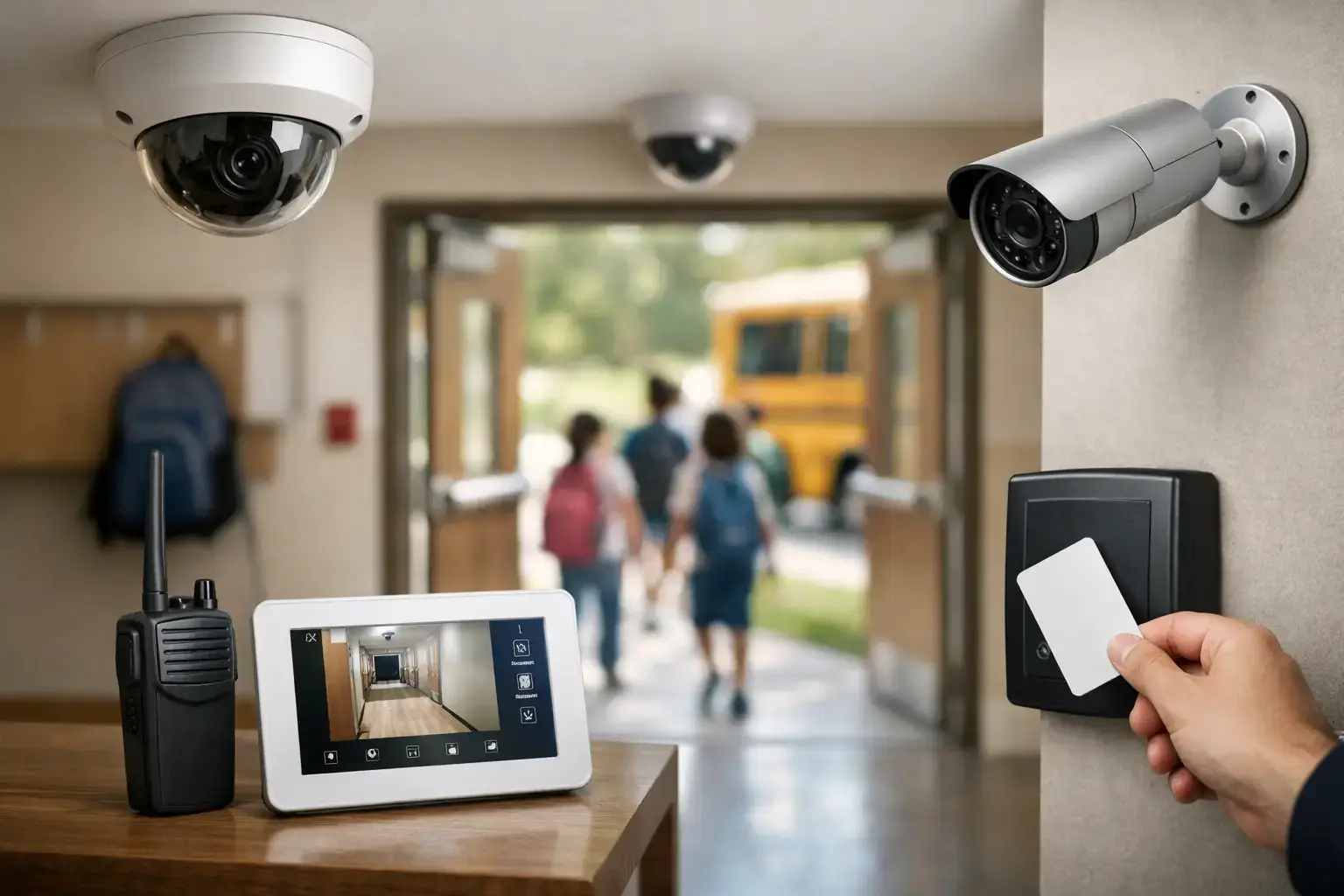

If you have ever handed a contractor a set of keys, a site plan and a deadline, you already know the real issue is not just getting the job done. It is making sure the work is safe, compliant, well coordinated and still dependable six months later. That is why working with contractors needs a more structured approach than simply comparing quotes.
For property owners, facilities managers, landlords and site teams, poor contractor management creates more than inconvenience. It can lead to gaps in security coverage, delays to occupation, insurer concerns, avoidable call-outs and systems that never quite perform as promised. In security installations especially, the standard of planning behind the job matters just as much as the equipment on the wall.
Why working with contractors goes wrong
Most contractor issues begin long before installation day. The brief is too vague, responsibilities are assumed rather than agreed, or one trade is appointed without proper coordination with others. On a live commercial site, that can affect cabling routes, access permissions, fire stopping, network availability and health and safety controls. In a home setting, it often shows up as untidy finishes, poor device positioning or systems that are awkward to use in practice.
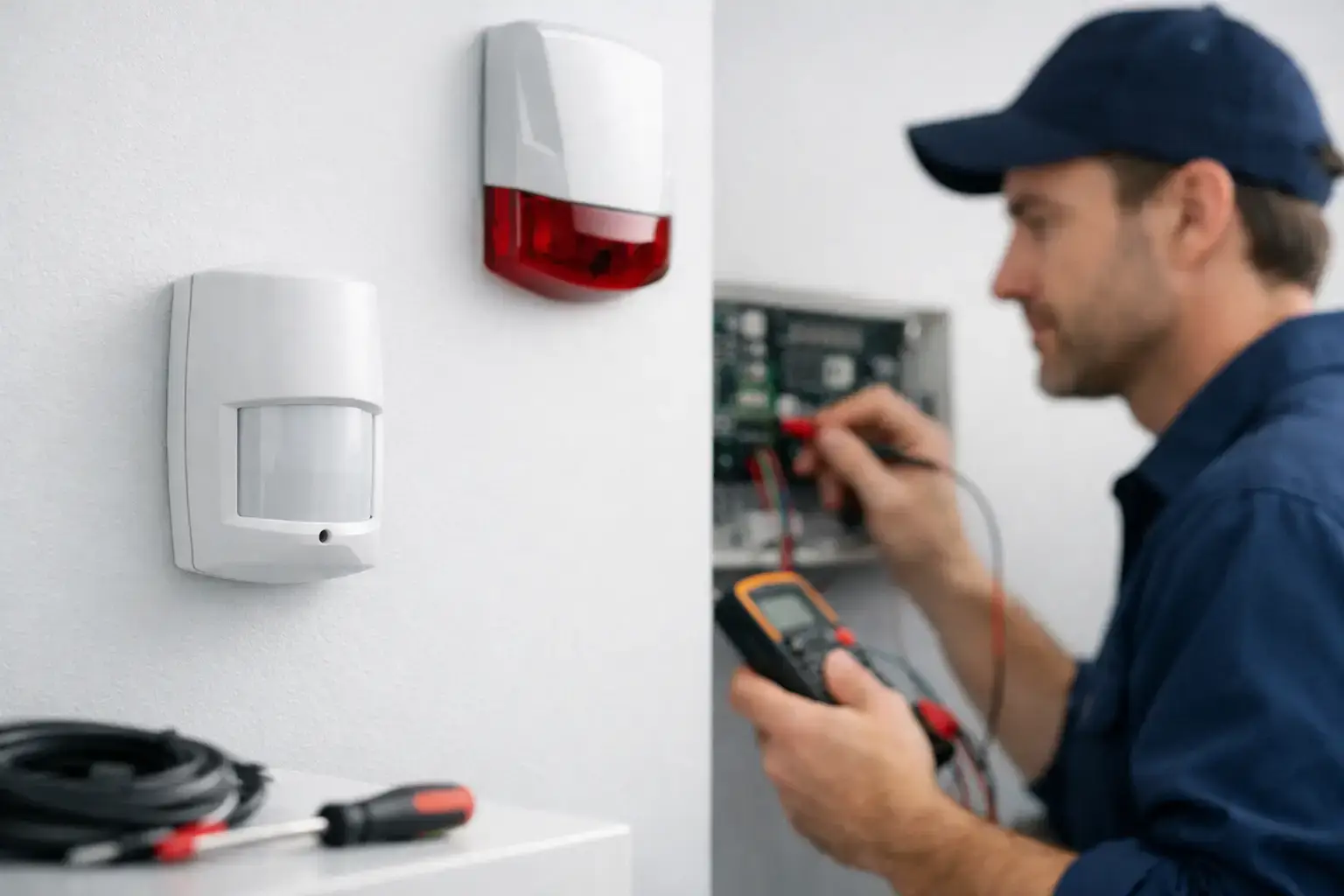
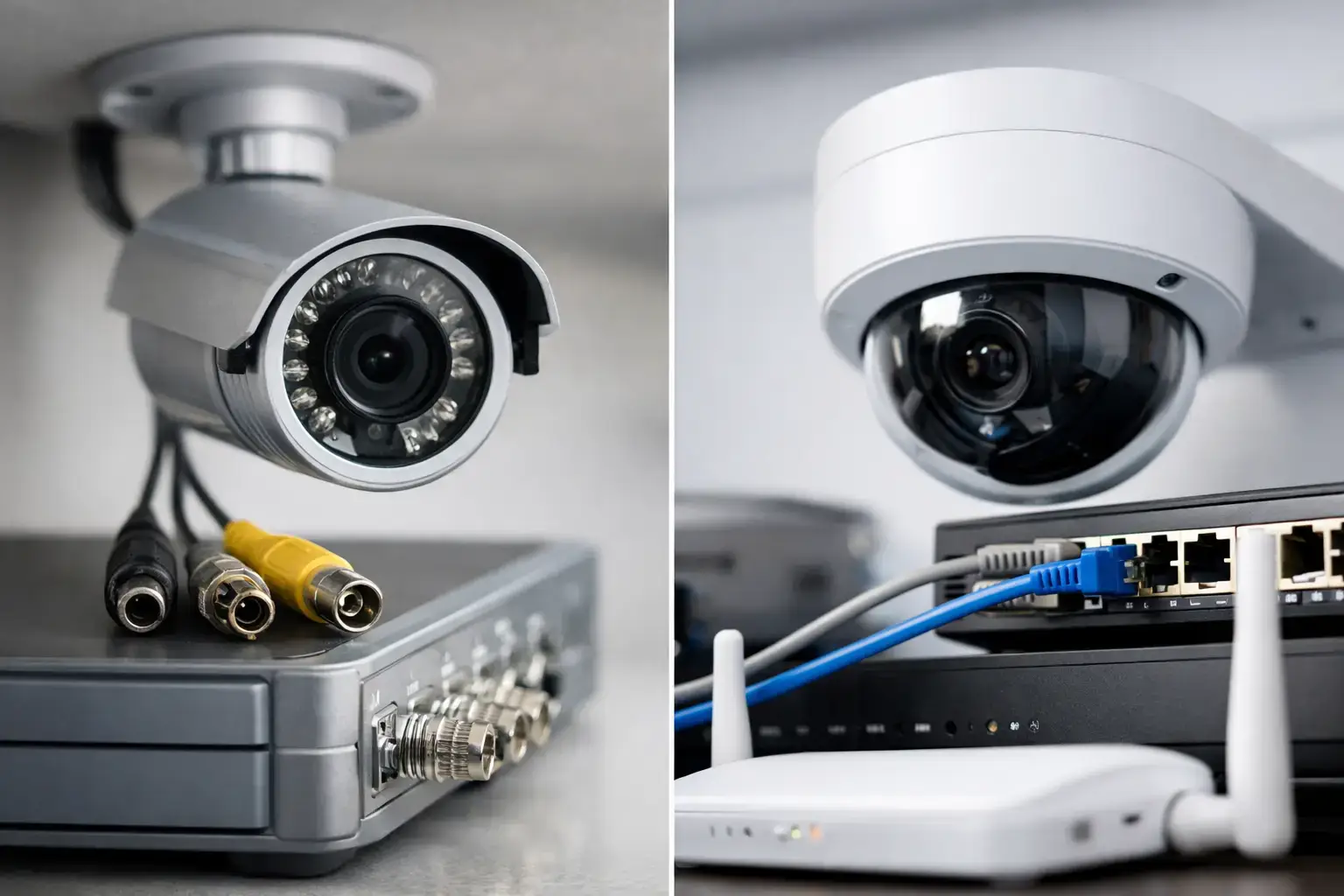
Security projects add another layer. CCTV, intruder alarms, access control, fire alarms and door entry systems rarely operate in isolation. They depend on power, connectivity, building layout, user behaviour and, in many cases, insurer expectations. If a contractor treats the job as a basic fit-out rather than a designed solution, the result may look acceptable at handover but fail when it is needed most.
There is also a difference between a contractor who can install equipment and one who takes responsibility for system performance. That distinction matters. A lower quote can become expensive if the design is weak, the specification is wrong or maintenance support is an afterthought.
What good contractor relationships look like
Working with contractors successfully is usually less about chasing the cheapest price and more about reducing uncertainty. A dependable contractor should be clear about scope, realistic about timescales and confident enough to challenge poor assumptions early.
That starts with a proper survey. Without one, recommendations are based on guesswork. A site survey should identify risk areas, operational requirements, likely cable routes, power availability, lighting conditions, user access levels and any compliance issues that may affect the design. For a business premises, it should also consider opening hours, staff movement, delivery points and how the system will be monitored or managed day to day.
A strong contractor will also speak plainly. If a camera position will give poor coverage, if an alarm configuration is likely to create false activations, or if an access control plan will slow staff movement, that should be addressed before work begins. Good advice is not always the answer a client expects, but it is often what protects the budget and the site over time.
Choosing a contractor for security work
Not all building contractors are suitable for specialist security projects, and not all security installers offer the same level of assurance. For critical systems, experience, accreditation and support structure matter.
That is particularly true where insurer approval is relevant. If your premises, tenancy terms or policy conditions require recognised standards, the installation should be carried out by a properly regulated provider. SSAIB approval, for example, gives clients confidence that design, installation and maintenance processes are being assessed against recognised industry requirements.
Experience in your type of property matters too. A contractor who understands retail loss prevention may not approach a school, warehouse or residential block in the same way. The risks are different, the daily pressures are different and the system design should reflect that. A hospital, for instance, needs a different balance between security, privacy and access flow than a builders’ merchant or a family home.
It is also worth looking at service range. If one contractor can handle CCTV, alarms, access control and maintenance support together, coordination tends to improve. There are fewer handover gaps, less confusion over faults and a clearer chain of responsibility if something needs adjusting after installation.
The questions worth asking before you appoint anyone
A quote alone tells you very little. Before appointing a contractor, ask how the system has been designed, not just what equipment is included. Ask who is responsible for commissioning, user training and ongoing servicing. Ask what happens if the project programme changes, or if another trade affects the installation area.
For commercial clients, it is sensible to ask about RAMS, working on live sites, out-of-hours works and data handling where recorded footage is involved. For homeowners and landlords, the practical questions are often simpler but no less important. Will the system be easy to use? Will alerts be configured sensibly? Will external devices be installed neatly and positioned to deter intrusion without creating nuisance issues?
You should also ask how support works after handover. A system is only as good as the support behind it. If a fault develops, or if your site layout changes, you need to know whether help is available promptly and whether the contractor understands the original design.
Managing the job once work starts
Even a well-chosen contractor needs clear communication. Problems often appear when instructions are passed informally on site, or when decision-makers are not aligned. One person wants additional coverage, another wants costs reduced, and nobody records the change properly. That is how projects drift.
The best approach is to agree the scope in writing, confirm any assumptions and identify one point of contact on both sides. This matters on domestic projects as much as commercial ones. A simple decision such as moving a monitor, changing a detector location or adding a door release can affect labour, materials and programme.
Timing should also be treated realistically. Security is often left until late in the build or refurbishment schedule, then expected to go in immediately before handover. Sometimes that is possible, but often it creates avoidable pressure. First-fix work may need to happen earlier. Network readiness may affect commissioning. Access control hardware may depend on door sets being complete. If the sequence is wrong, even a good contractor is being asked to work around problems created elsewhere.
Trade-offs clients should understand
There is rarely one perfect answer in security design. That is why experienced contractors talk through options rather than pushing a one-size-fits-all package.
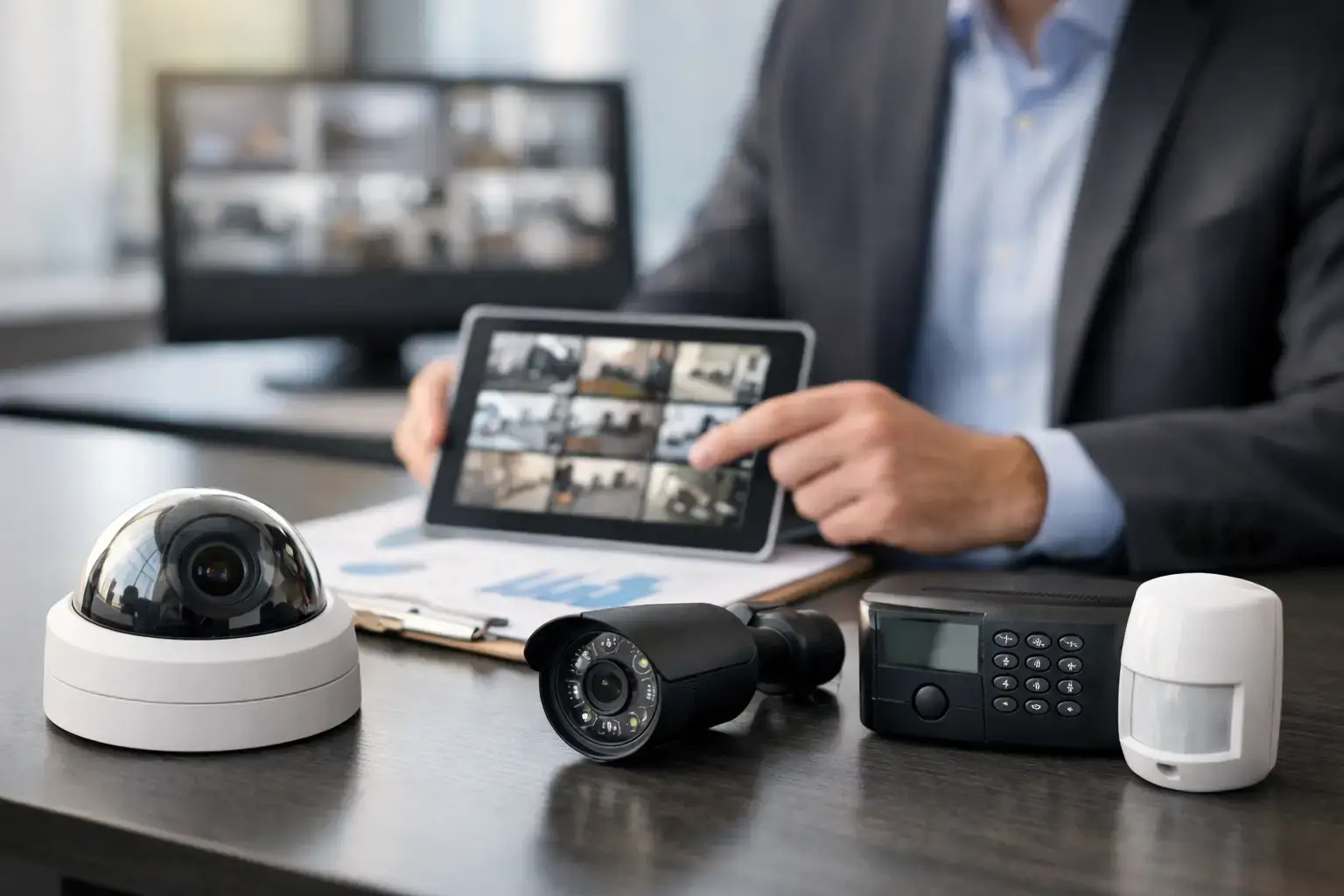
A higher camera count might improve coverage but increase storage requirements and review time. A more sensitive alarm setup may strengthen detection but also raise the risk of false alarms if the site is busy or environmentally challenging. Cloud-managed features can improve visibility and convenience, but some clients prefer local control for operational or policy reasons.
Budget is part of this as well. There is nothing wrong with setting a firm budget, but it helps to distinguish between cost savings that are sensible and cuts that weaken the system. Reducing unnecessary extras is one thing. Under-specifying coverage, omitting maintenance or choosing products that are difficult to support is another.
A credible contractor will explain those trade-offs clearly. In many cases, phased installation is a better answer than forcing the whole project into an unrealistic budget or programme.
Why long-term support matters as much as installation
Many clients focus heavily on installation day and not enough on year two. That is understandable, but security systems are not static. Buildings change, staff change, tenants change and risk profiles shift. A camera that was well positioned at handover may become obstructed after a layout change. An access permissions structure that worked for ten users may become messy at fifty.
This is where a long-term contractor relationship proves its value. Ongoing maintenance, responsive fault support and sensible system adjustments keep the installation effective. That is particularly important for businesses that rely on recorded evidence, controlled entry points or monitored alarm performance.
For organisations across Essex, London and the South East, that support often needs to be practical rather than theoretical. If there is a problem, clients want a contractor who can attend, diagnose properly and resolve the issue without unnecessary delay. That is one reason many clients choose specialist firms such as 247 CCTV rather than trying to patch together multiple providers.
A better way of working with contractors
The safest projects are usually the ones where expectations are clear from the start. The contractor understands the site, the client understands the options and both sides treat the installation as an operational system rather than a box-ticking exercise.
Whether you are securing a family home, fitting out a new retail unit, upgrading a school entrance or protecting a live construction site, the principle is the same. Choose contractors who survey properly, specify carefully, install to recognised standards and remain accountable after handover.
That approach does more than avoid problems. It gives you a system that fits the building, supports the people using it and stands up when reliability matters most.