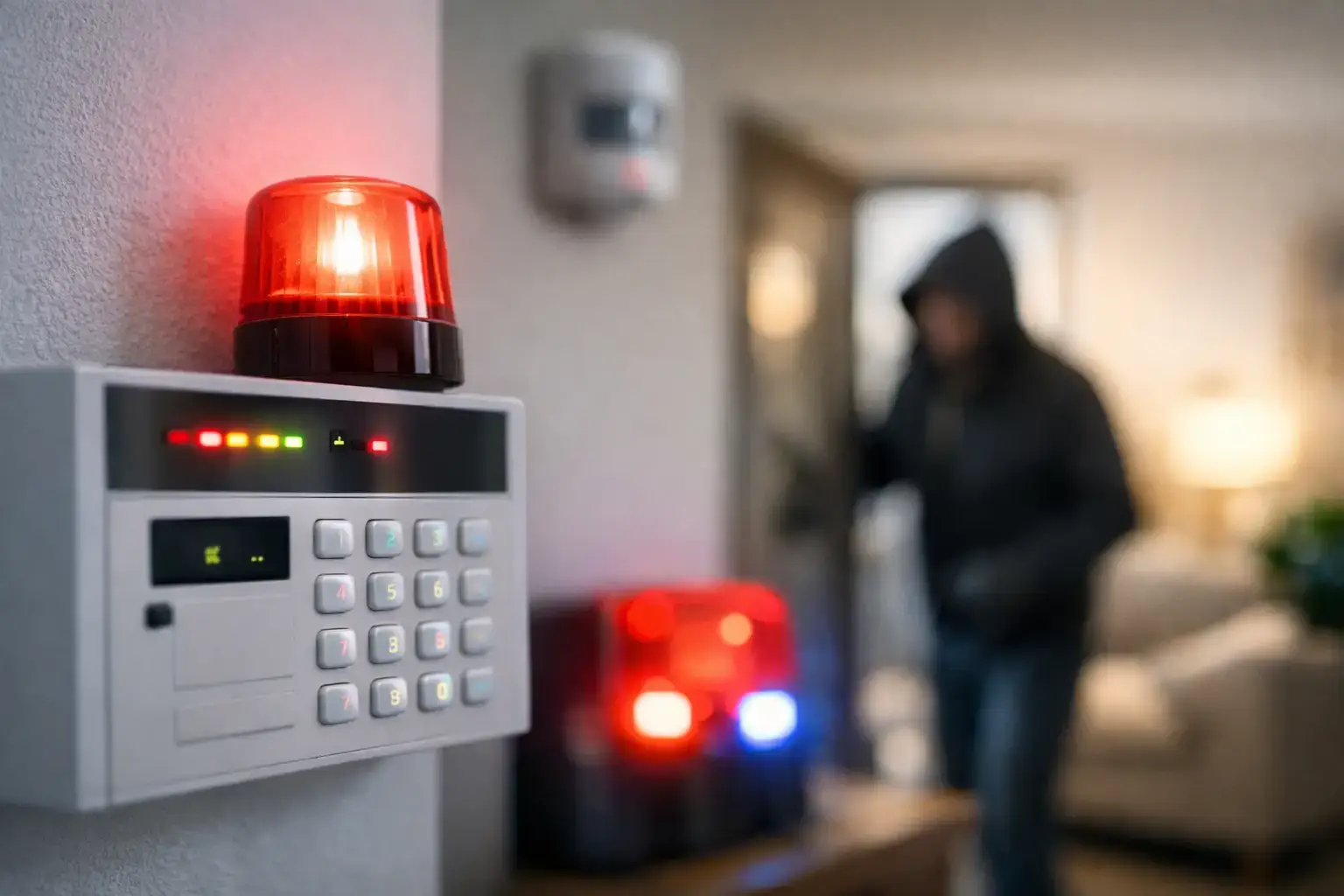
A 3am siren that turns out to be nothing is more than an annoyance. For a homeowner, it disrupts sleep and confidence in the system. For a business, it can mean wasted call-outs, frustrated staff, unhappy neighbours and, in some cases, less urgency when a real activation happens. That is why do alarms false trigger is such a common question, and usually the answer is not one single fault but a mix of equipment, environment and setup.
A professionally installed alarm should be dependable, but no system is completely immune to nuisance activations if detectors are poorly positioned, settings are wrong, maintenance is missed or the building itself changes over time. The good news is that false alarms are usually preventable once the underlying cause is properly identified.
Why do alarms false trigger in the first place?
Most false triggers happen when the system detects something unusual but harmless and interprets it as a threat. That could be movement, a change in temperature, vibration, power instability, a communication fault or even user error. Modern alarm systems are much better at filtering out background activity than older units, but they still rely on correct design and calibration.
In domestic properties, the cause is often linked to movement sensors in hallways, lounges and conservatories. In commercial settings, there may be more variables: cleaners working late, stock movement, roller shutters vibrating, changing temperatures in warehouses, or staff entering through routes that have not been disarmed correctly. What matters is that the detector is reacting to its environment exactly as it was designed to do, even if that environment no longer suits the detector.
This is why alarm design matters just as much as the hardware. A detector that works perfectly in a small office may be the wrong choice for a workshop, shop floor or draughty entrance lobby.
The most common causes of false alarm triggers
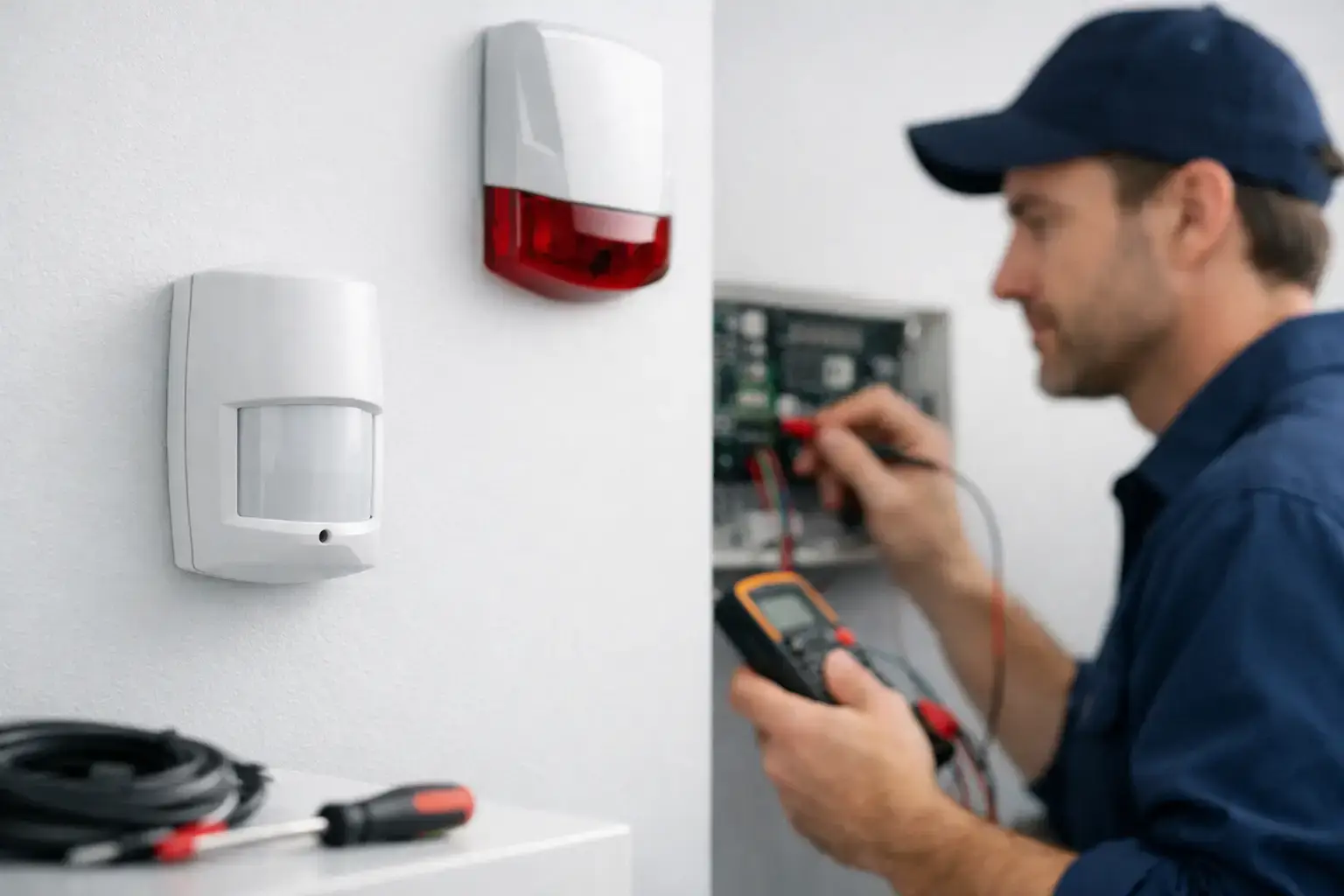
Sensor placement is one of the biggest factors. Passive infrared detectors can be affected by direct sunlight, strong draughts, heaters, boilers and large panes of glass that create rapid temperature shifts. If a detector is positioned to face a window, radiator or door that opens frequently, the risk of nuisance activation increases.
Movement from pets is another familiar cause in homes, especially where the system was not designed with pet-tolerant detectors or where a pet has access to furniture and higher surfaces. A cat moving across the back of a sofa can present very differently to a detector than a cat walking on the floor.
In business premises, environmental movement often gets overlooked. Hanging signs, loose cable trunking, balloons, display materials, plastic sheeting and even insects inside a detector can all cause issues. In warehouses and industrial units, large changes in air movement when shutters open or heating systems start up can also contribute.
Power problems are another frequent culprit. A failing standby battery, unstable mains supply or loose wiring connection can make an alarm panel register tamper or fault conditions that lead to an activation. This is particularly common in older systems that have not been serviced regularly.
Then there is user operation. Incorrect setting procedures, opening the wrong entry route, mistyped codes, staff changes without proper training, or someone forgetting that part of the building is still armed can all look like a system problem when the real issue is day-to-day use.
Why do alarms false trigger more in certain buildings?
Some buildings are simply more challenging than others. A modern, insulated office with stable temperatures is a very different environment from a period property, a construction site cabin or a busy retail unit with automatic doors constantly opening.
Older buildings can have uneven heating, draughts, loose frames and electrical quirks that affect performance. Extensions and refurbishments can also change how detectors behave. A sensor that was fine before a room was altered may become unreliable once furniture is moved, partition walls are added or new glazing changes the heat profile of the space.
Commercial premises add further complexity because they often have multiple users and changing routines. Deliveries arrive early, contractors stay late, and one department may arm an area without realising another still needs access. In these cases, reducing false alarms is not just about devices. It is about how the whole site is managed.
The role of maintenance and servicing
Alarm systems are not fit-and-forget. Regular servicing is essential if you want reliable detection and fewer false activations. Batteries degrade, sensors gather dust, connections loosen and settings can drift from what the site actually needs.
A proper maintenance visit does more than test whether the bell sounds. It checks detector operation, panel health, backup power, signalling paths, tamper circuits and environmental suitability. It also gives an engineer the chance to spot patterns. If the same zone has triggered repeatedly, there is usually a reason, and replacing a detector without addressing the cause may only mask the issue.
For monitored systems, false alarms can become particularly costly. Repeated unnecessary activations can lead to keyholder disruption and create avoidable pressure on response procedures. For insurer-recognised systems, keeping servicing up to date is also part of protecting compliance and long-term reliability.
How professional system design reduces false alarms
The best way to reduce nuisance activations is to address them before installation even begins. A proper survey considers how the building is used, where people move, what environmental conditions exist and which detector technologies are appropriate for each area.
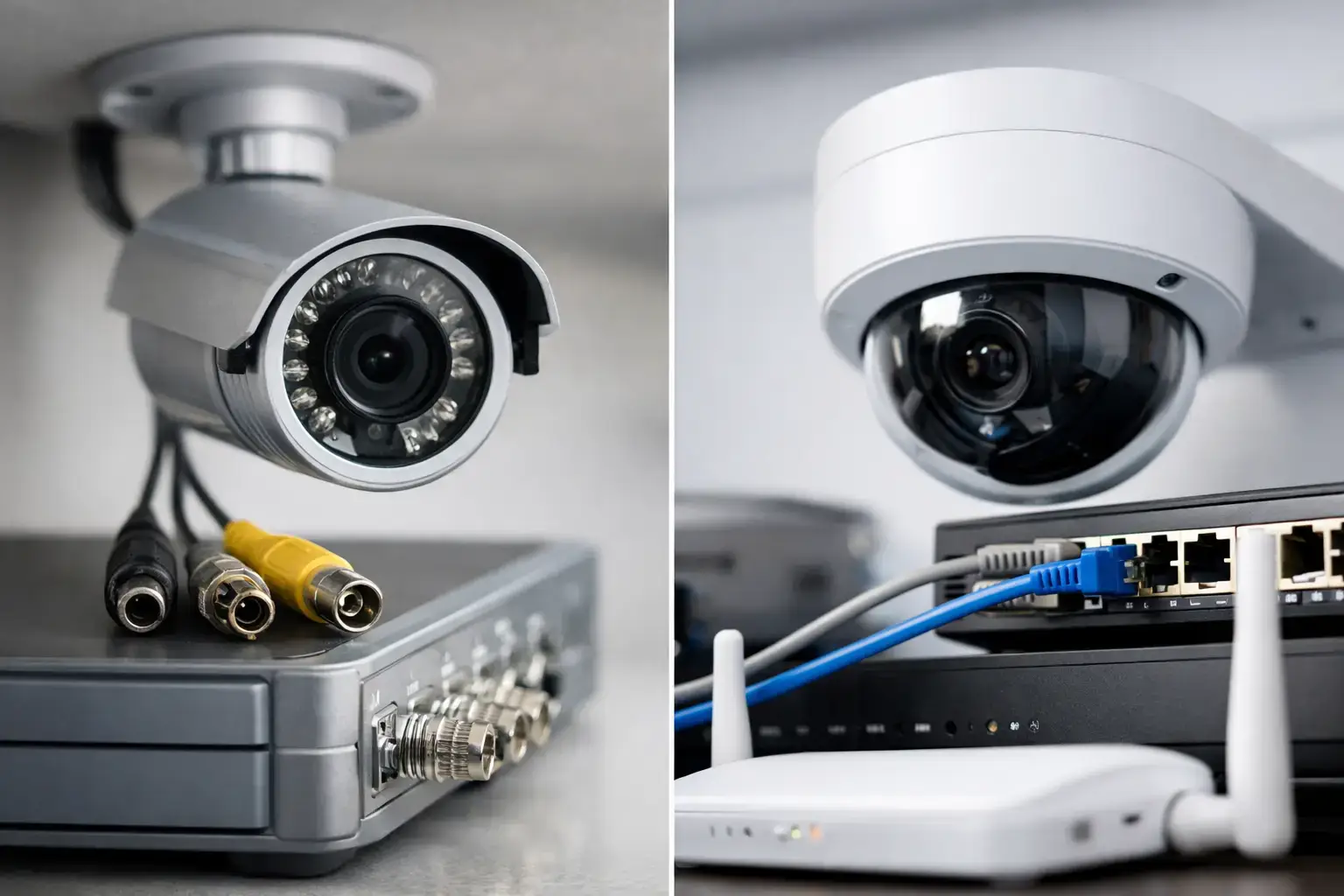
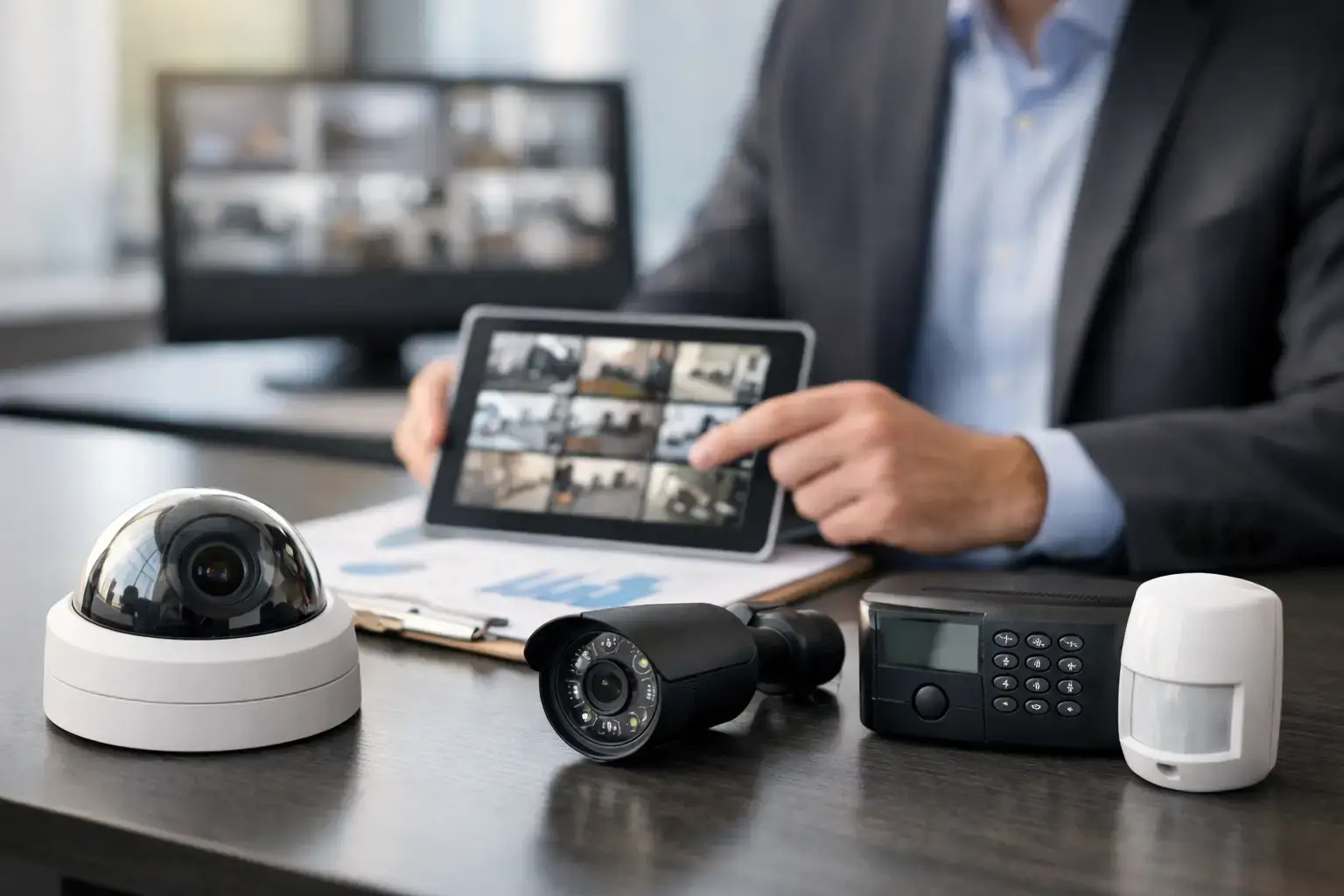
That might mean using dual-technology detectors in more difficult environments, adjusting sensitivity levels carefully, separating zones to reflect actual site operation, or integrating alarms with other security measures such as CCTV and access control. In a commercial setting, this can make a major difference. If an activation happens, video verification or a clearer event trail helps determine whether the system responded to a real risk or a harmless event.
Professional configuration matters too. Entry and exit times need to match the way people actually use the building. Part-set modes should reflect realistic occupancy. User permissions should be controlled properly. There is no benefit in fitting advanced equipment if the day-to-day setup creates confusion and repeat activations.
This is one of the main differences between a professionally designed security system and a basic off-the-shelf setup. The equipment itself may be capable, but unless it is matched to the property and commissioned correctly, false alarms are more likely.
When a false trigger points to a real fault
Not every nuisance activation is harmless. Sometimes a false trigger is the first sign that a component is failing. A detector that activates intermittently, a keypad that behaves unpredictably, or a panel showing recurring tamper faults may indicate ageing hardware, damaged cabling or power supply issues.
If the system has started false triggering more often than usual, that should not be ignored. A pattern matters. One random activation may be environmental. Several activations in the same zone over a short period usually justify investigation.
It is also worth paying attention after any building works. New partitioning, air conditioning, electrical changes or redecoration can all affect detector performance. Even something as simple as moving a tall plant or a stack of stock beneath a sensor can alter its field of view.
What you can do before calling an engineer
There are a few sensible checks you can make without interfering with the system. Note which zone triggered and when it happened. Look for obvious environmental changes such as heaters, open windows, swaying items or recent layout changes. Check whether the system showed a fault warning before or after the activation.
For businesses, confirm who was on site, whether cleaners or contractors had access, and whether normal locking and setting procedures were followed. For homeowners, consider whether pets had access to armed areas or whether internal doors were left open when they are usually shut.
What you should not do is start moving detectors, changing engineering settings or ignoring repeat activations. That tends to create bigger problems and can affect compliance, monitoring performance and insurer acceptance.
When expert attention is the right move
If false alarms are recurring, the right response is a proper inspection rather than guesswork. An experienced security engineer will look beyond the symptom and assess the wider system design, detector choice, site conditions and maintenance history.
For larger properties and commercial sites, this matters even more. A single nuisance trigger may point to a local issue, but repeated false alarms across multiple areas can indicate that the system no longer matches the way the building is used. That is where a trusted specialist such as 247 CCTV can add value – not just by replacing parts, but by reviewing whether the alarm remains fit for purpose.
A reliable alarm should do two things at once: detect genuine threats and stay quiet when there is no threat. If your system is not achieving both, it needs attention. The sooner you investigate the reason, the sooner you get back the one thing any alarm is meant to provide: confidence when the building is shut and peace of mind when it is not.