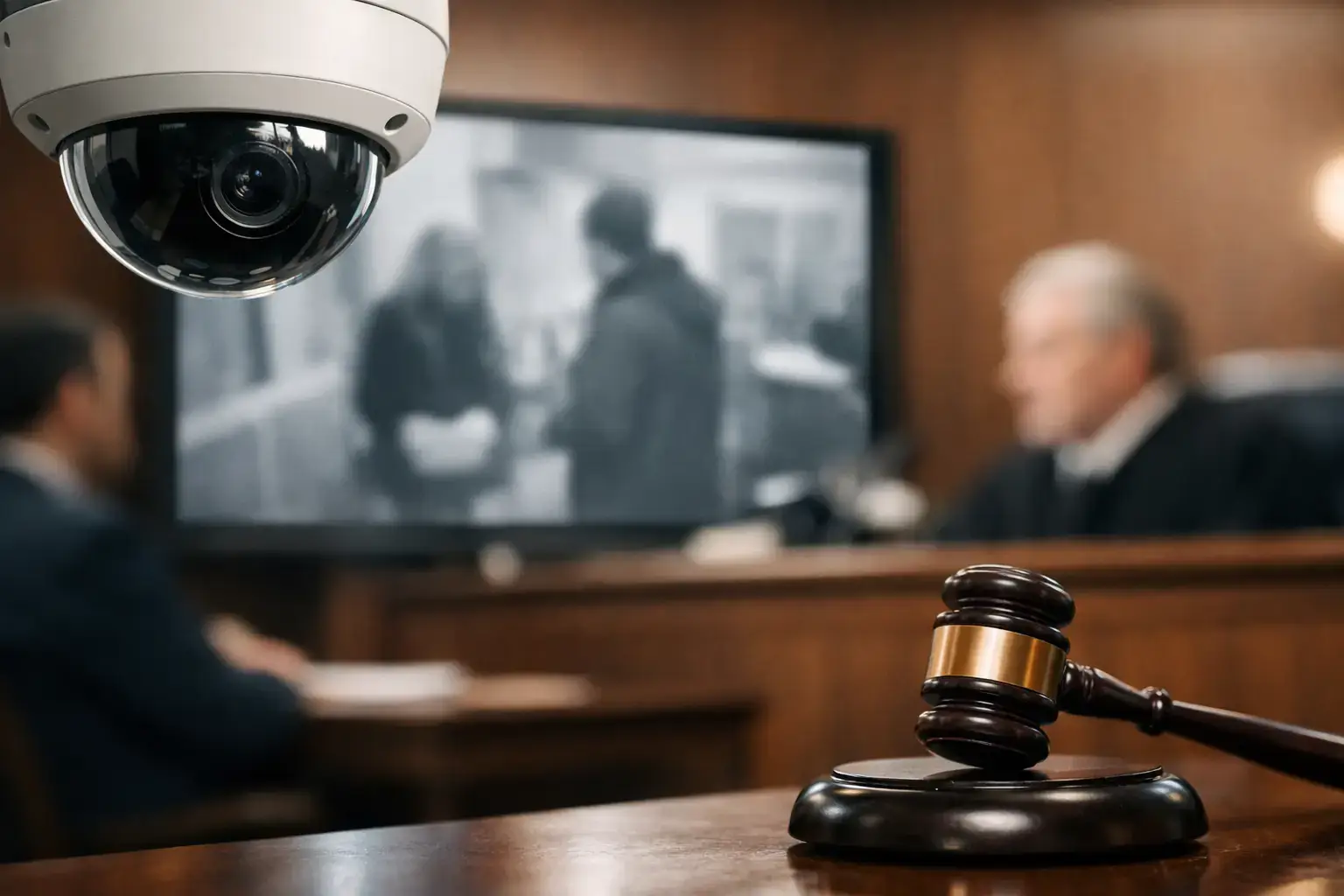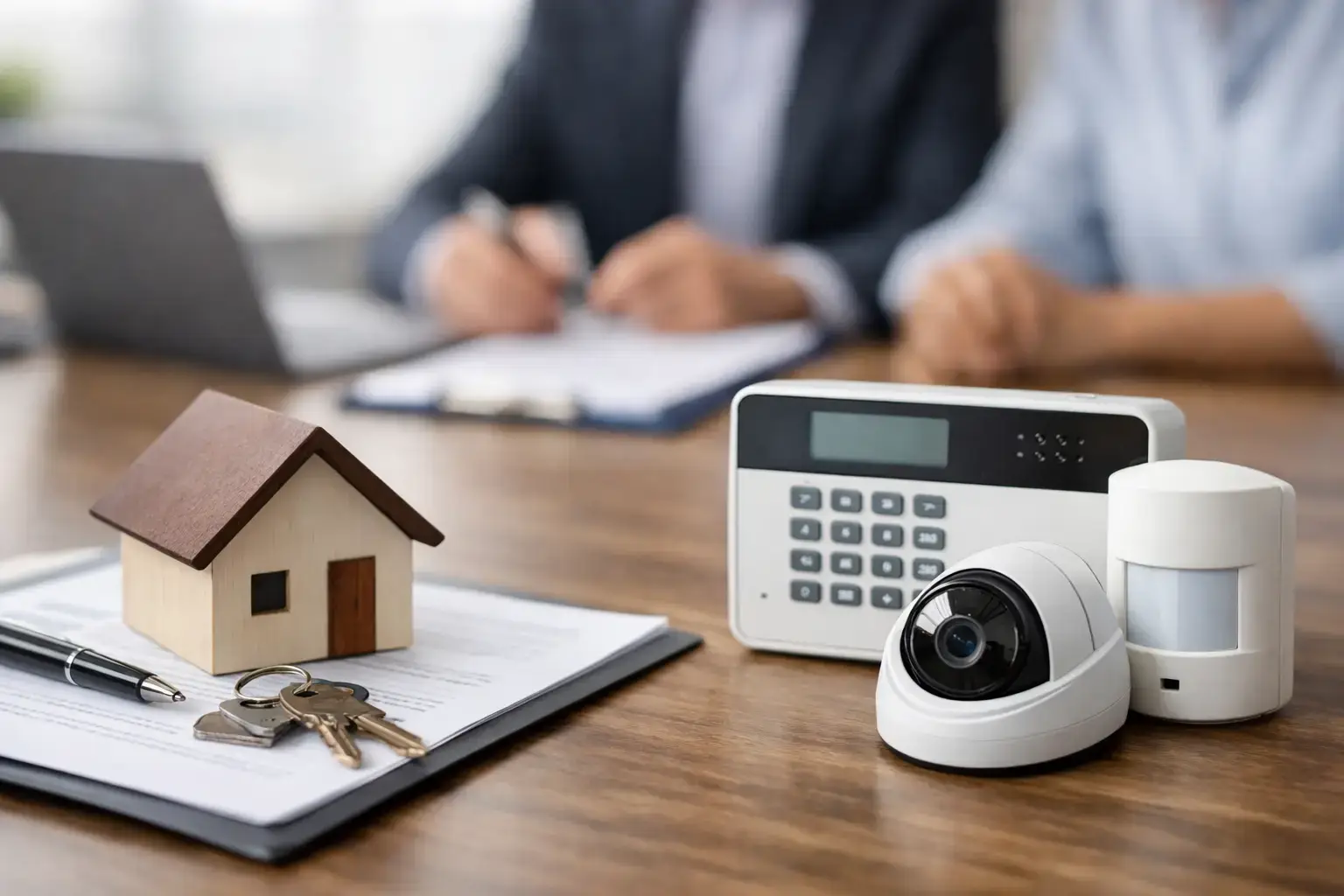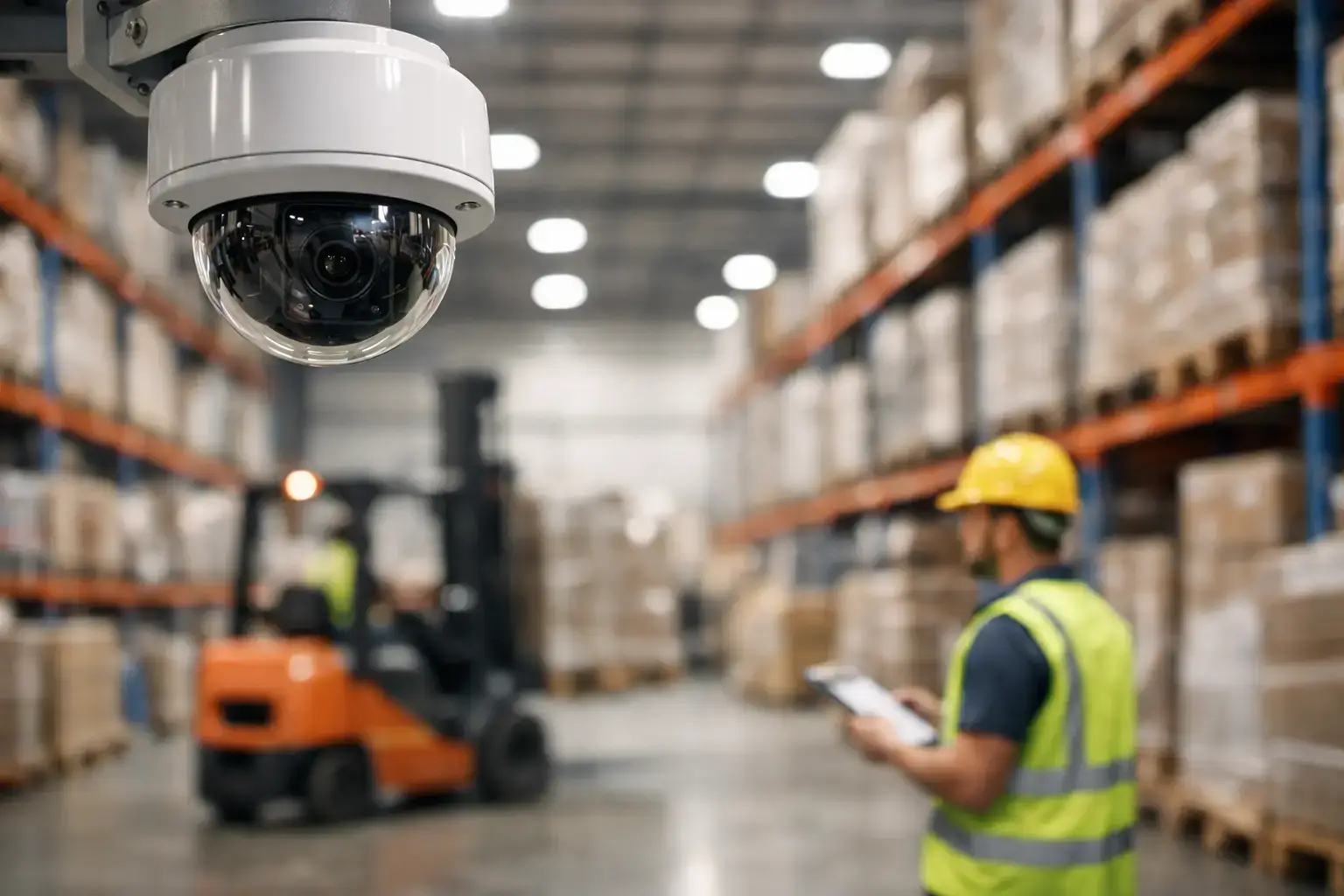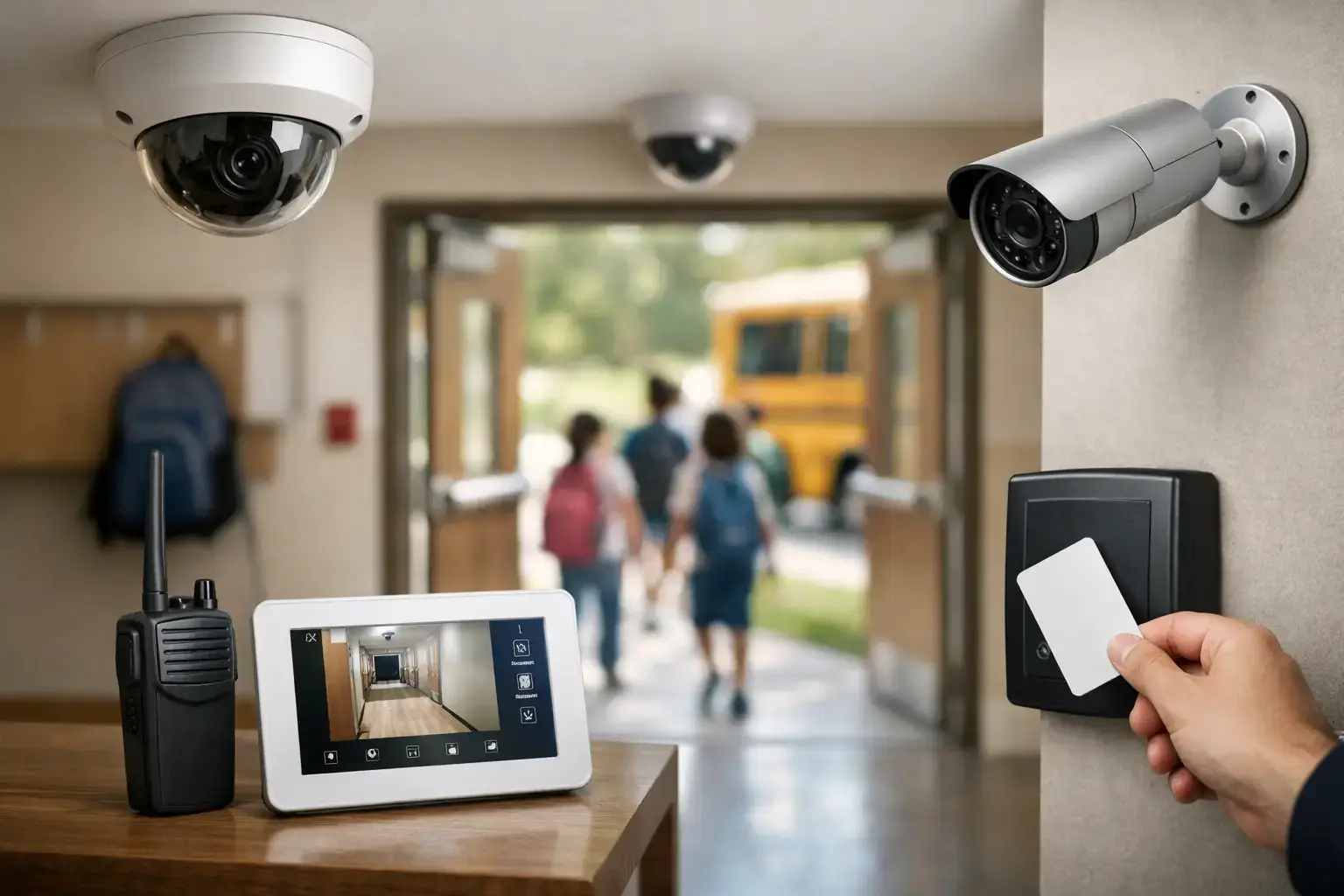
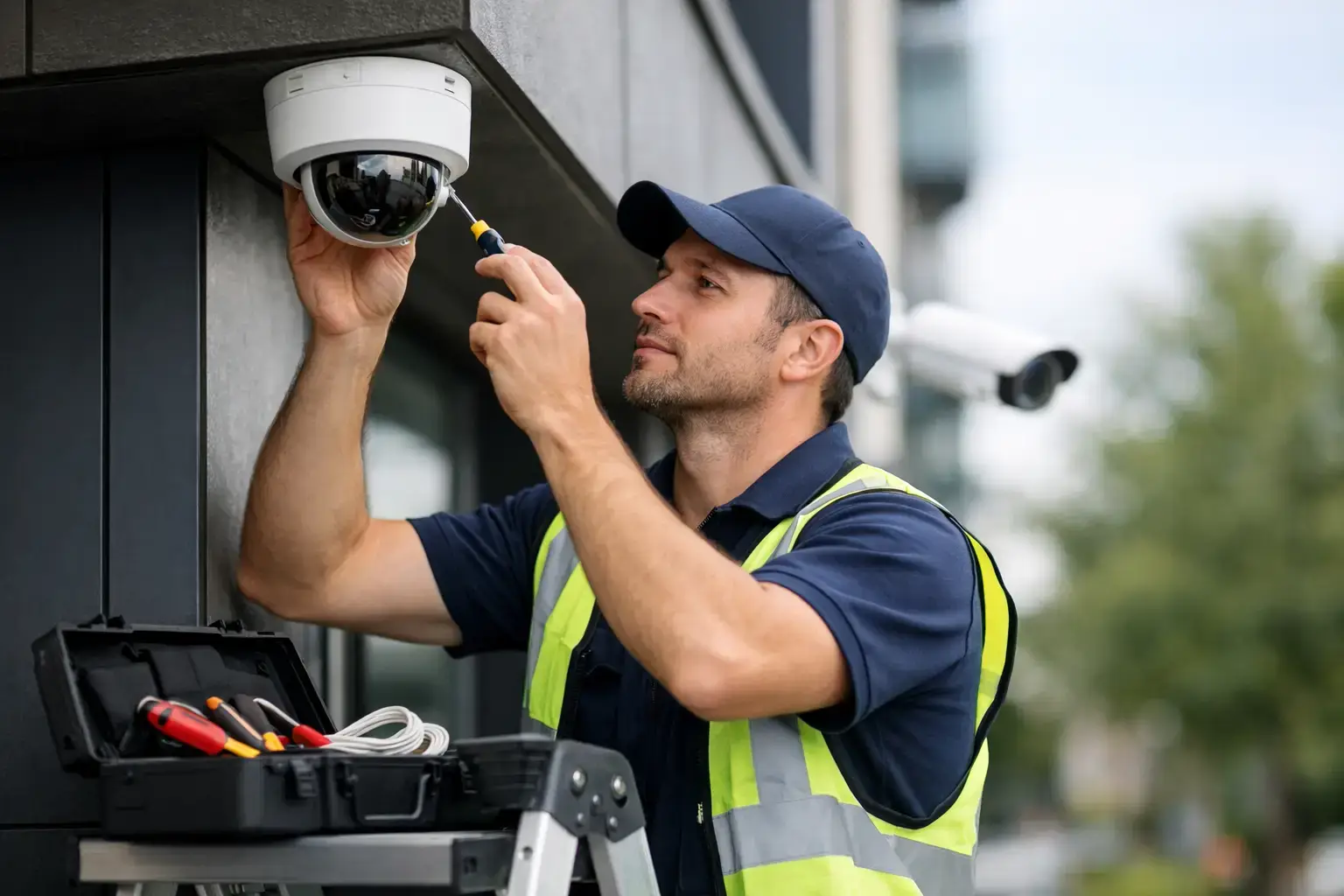
A CCTV system rarely fails at a convenient time. It tends to happen after an incident, during a power issue, or when you urgently need footage that should have been recording but was not. That is why many property owners and facilities teams start searching for a cctv maintenance service near me only after a fault appears. The better approach is to treat maintenance as part of the system itself, not as an optional extra.
Whether you manage a retail unit, a school, a warehouse, a construction site or your own home, the value of CCTV depends on reliability. Cameras, recorders, power supplies, hard drives, network equipment and remote viewing apps all need to work together. If one part slips, the whole system becomes less useful. Regular maintenance keeps that risk under control.
What a CCTV maintenance service near me should actually cover
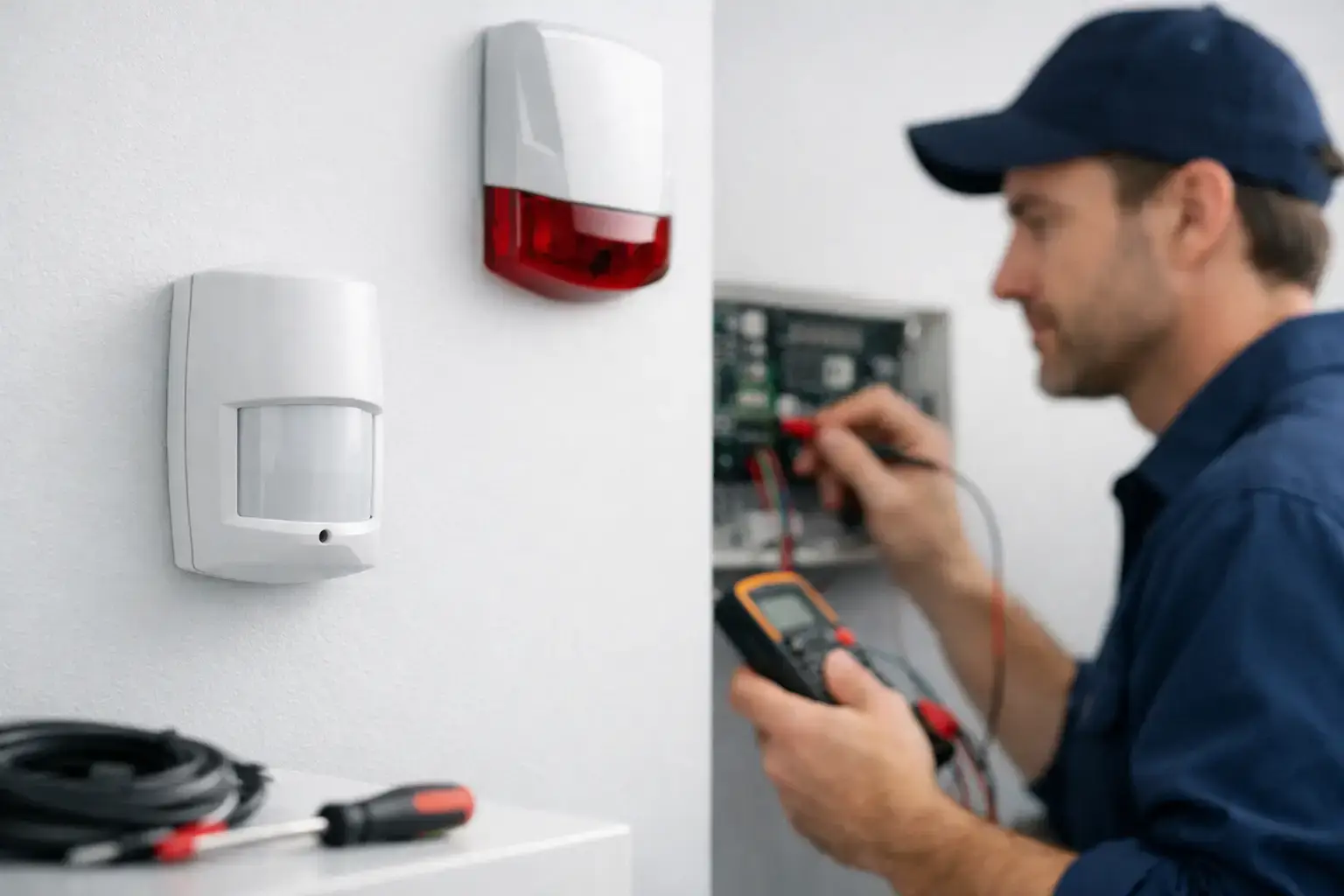
A proper maintenance service is more than someone wiping a lens and confirming that the monitor is on. It should check image quality, recording performance, storage capacity, camera positioning, cabling, network stability and playback functionality. If your system includes analytics, remote access or integration with alarms and access control, those parts should be tested too.
For commercial sites, maintenance should also consider compliance, audit trails and whether the system still matches the operational risk. A camera that was correctly positioned three years ago may now be blocked by shelving, signage or a new partition wall. On a residential system, the issue may be simpler but still serious – night vision may be weak, a driveway camera may be missing key angles, or motion alerts may have become unreliable.
The strongest providers do not just look for faults. They look for gradual decline. CCTV systems often deteriorate quietly. Images become less sharp, timestamps drift, recording retention shortens, and remote access becomes patchy. None of these problems may seem urgent on their own, but together they reduce evidential value.
Why local support matters
When people search for a local CCTV maintenance company, speed is only part of the reason. Local support also means practical knowledge of the properties, environments and risks common to the area. A site in Central London has different pressures from an industrial unit in Essex or a residential development in the South East.
A nearby specialist can usually attend more quickly for urgent faults, but just as importantly, they can build an ongoing understanding of the site. That matters when you want continuity. If the provider already knows your camera layout, recorder setup, access requirements and past issues, diagnosis becomes faster and more accurate.
There is also the question of accountability. A local, established maintenance provider has more to lose from poor service and more reason to build long-term trust. For customers who rely on CCTV for insurer expectations, staff safety, stock protection or home security, that reassurance matters.
Planned maintenance versus reactive call-outs
A reactive call-out has its place. If a camera fails, footage stops recording or remote viewing drops out, you need a quick response. But relying only on break-fix support can become expensive and disruptive.
Planned maintenance is usually the better long-term decision. It gives your system routine inspections, testing and early intervention before faults become failures. This is especially important on higher-risk sites such as schools, care environments, retail premises, transport locations, logistics yards and multi-entrance commercial buildings.
That said, the right maintenance schedule depends on the site. A small domestic setup may need a lighter-touch arrangement than a large IP CCTV network across several buildings. An outdoor system exposed to weather, dust or vibration may need more frequent attention than one in a controlled indoor environment. Good advice should reflect that, rather than pushing the same package to every customer.
Signs your CCTV system needs attention
Some faults are obvious. A blank screen, failed recorder or offline camera usually gets noticed quickly. Others are easier to miss.
If footage looks grainy, overexposed, too dark or inconsistent between day and night, maintenance is overdue. The same applies if cameras are dirty, obstructed or slightly out of position. On networked systems, delays in live view, failed app access or intermittent camera dropouts often point to a wider issue with connectivity, power or recording health.
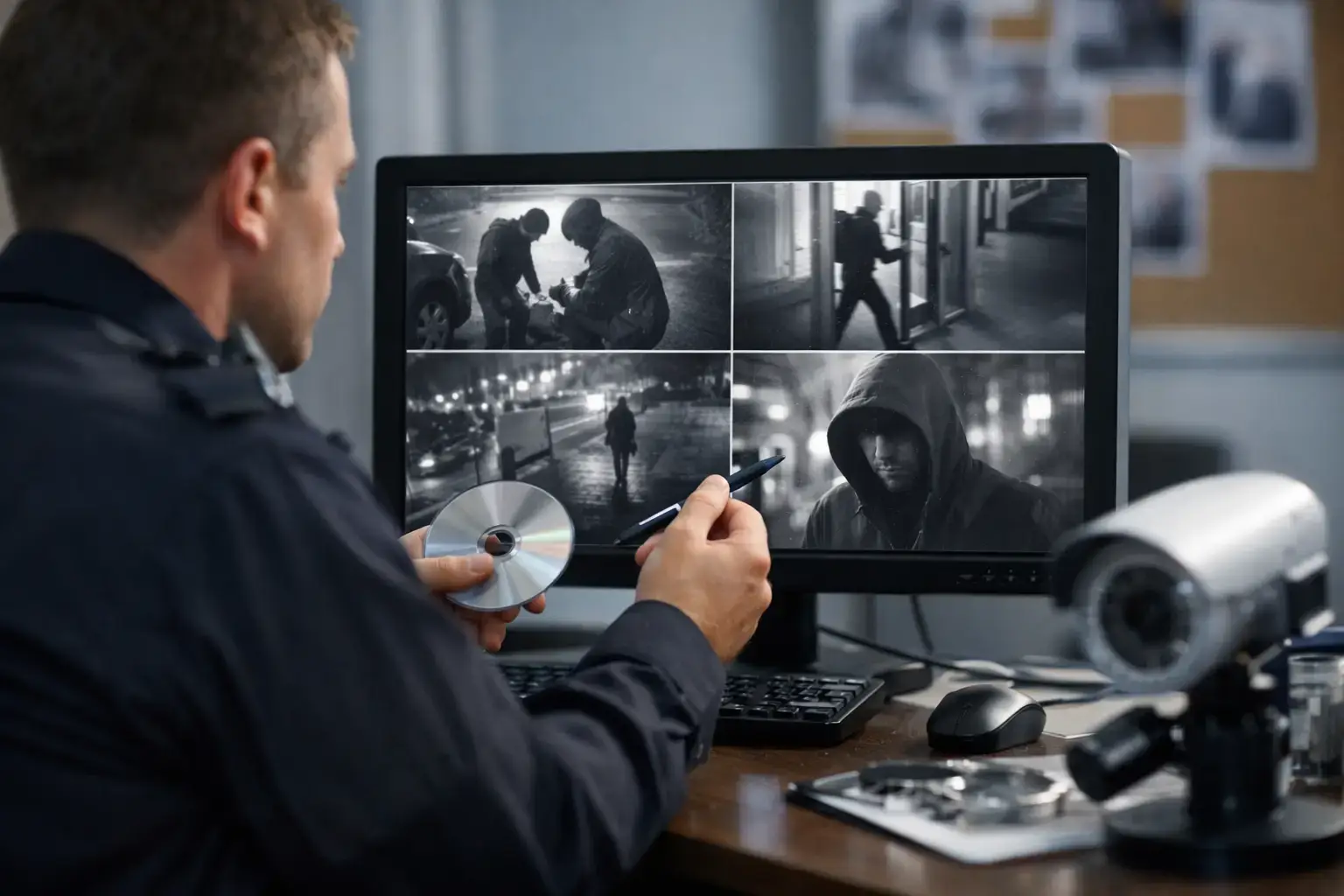
Another common problem is storage. Many customers assume footage is being retained for a certain number of days, only to find that retention is far shorter because of settings changes, increased camera count or degraded hard drives. If your system is meant to support investigations, disputes, health and safety reviews or insurance claims, retention periods need to be checked properly.
False confidence is one of the biggest risks in security. A system that appears to be running but is not capturing usable evidence can leave a property exposed.
Choosing the right provider
Not every company offering CCTV maintenance works to the same standard. Some focus on low-cost attendance with minimal testing. Others offer proper system care, technical support and advice that improves performance over time.
When comparing providers, experience matters. So does accreditation. If your property, insurer or operating environment requires recognised standards, look for a company with relevant approvals and a track record in professional security systems rather than consumer-grade installations only. This is especially important for commercial buyers who need dependable service records, competent engineers and support that aligns with risk management.
It also helps to ask whether the provider maintains only the equipment they installed, or whether they can take over existing systems. Many customers inherit CCTV as part of a property purchase, lease, fit-out or contractor change. In those cases, the best maintenance partner is one that can assess the existing setup honestly, identify whether it is worth retaining, and recommend sensible upgrades only where needed.
A good provider should also be clear about response times, what is included in routine visits, whether remote diagnostics are available, and how repairs are handled if parts fail. Vague promises are not enough when security is involved.
Maintenance for homes and maintenance for businesses are not quite the same
The principle is the same – keep the system dependable – but priorities differ.
For homeowners, maintenance is often about making sure cameras capture clear images around entrances, driveways, gardens and side access routes. Remote viewing needs to work reliably, alerts need to be useful rather than constant, and the recorder needs to store footage properly. Ease of use matters because the system should support daily peace of mind, not become another technical chore.
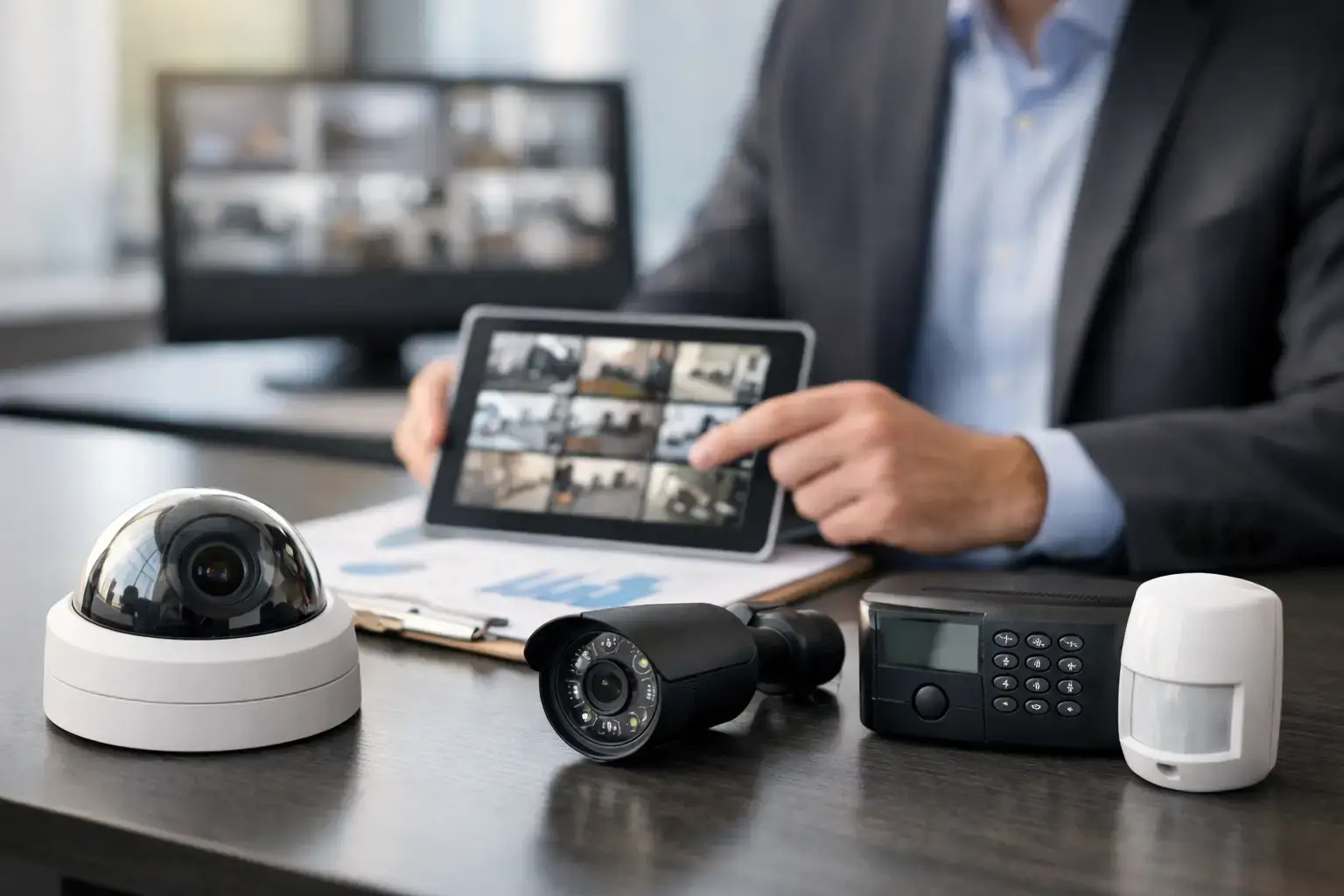
For businesses, the conversation is wider. Camera coverage may need to support incident investigation, lone worker safety, perimeter protection, stock control, visitor management and compliance. Access permissions, image export, recorder resilience and network performance all become more important. If multiple systems are linked – CCTV, intruder alarms, access control or door entry – maintenance should reflect those interdependencies.
That is where a specialist security partner adds value. A company that understands integrated systems can spot operational issues that a basic maintenance visit may miss.
When repair is enough, and when replacement makes more sense
Not every fault means the system should be replaced. Sometimes a failing power supply, damaged camera, worn hard drive or outdated settings can be corrected without major expense. If the infrastructure is sound, repair and reconfiguration can extend the life of the system significantly.
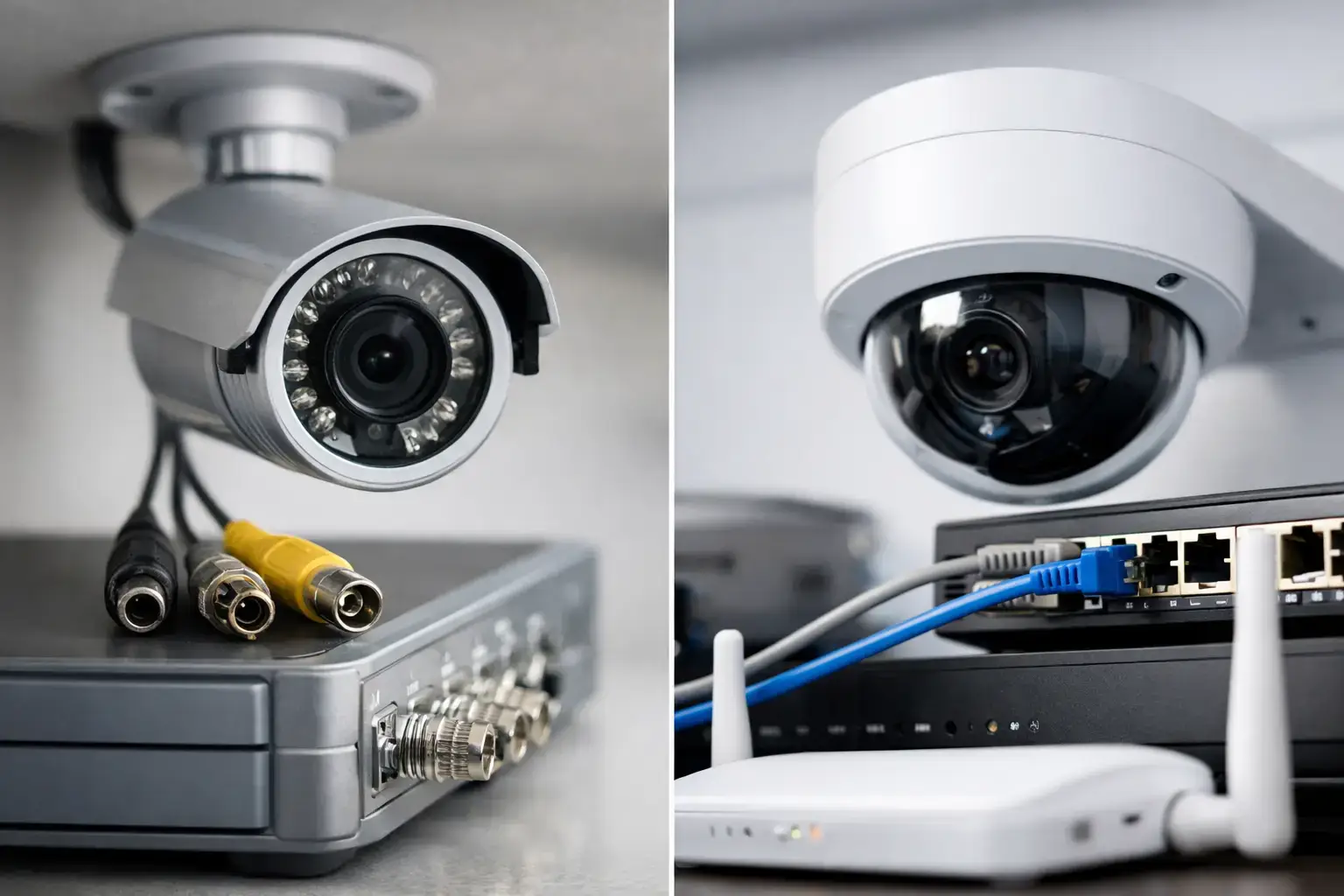
There are times, however, when replacement is the more sensible option. Older analogue setups, unsupported recorders, poor-resolution cameras or fragmented additions from different installers can become difficult to maintain properly. If the system no longer produces clear evidential images, cannot support secure remote access, or repeatedly fails, patching it may cost more over time than upgrading it.
The right provider will not push replacement by default. They should explain the trade-off clearly – what can be repaired, what risks remain, and whether investment in newer equipment would improve reliability, coverage and long-term value.
What dependable maintenance looks like in practice
Dependable maintenance is regular, documented and responsive. It is not just about turning up. It is about testing every critical function, recording findings, addressing faults properly and helping the customer understand the condition of the system.
For many sites across Essex, London and the South East, this means working with a specialist that can support CCTV as part of a broader security strategy. 247 CCTV takes that approach, with maintenance shaped around the real use of the system rather than a generic checklist. That matters because security equipment should be judged by performance under pressure, not by how tidy it looks on installation day.
If you are searching for a CCTV maintenance service nearby, the key question is not simply who can attend. It is who can keep the system reliable, compliant where required, and fit for purpose month after month. When your cameras are there to protect people, property and evidence, that difference is worth getting right.
The best time to check whether your CCTV can be trusted is before you need to prove that it worked.