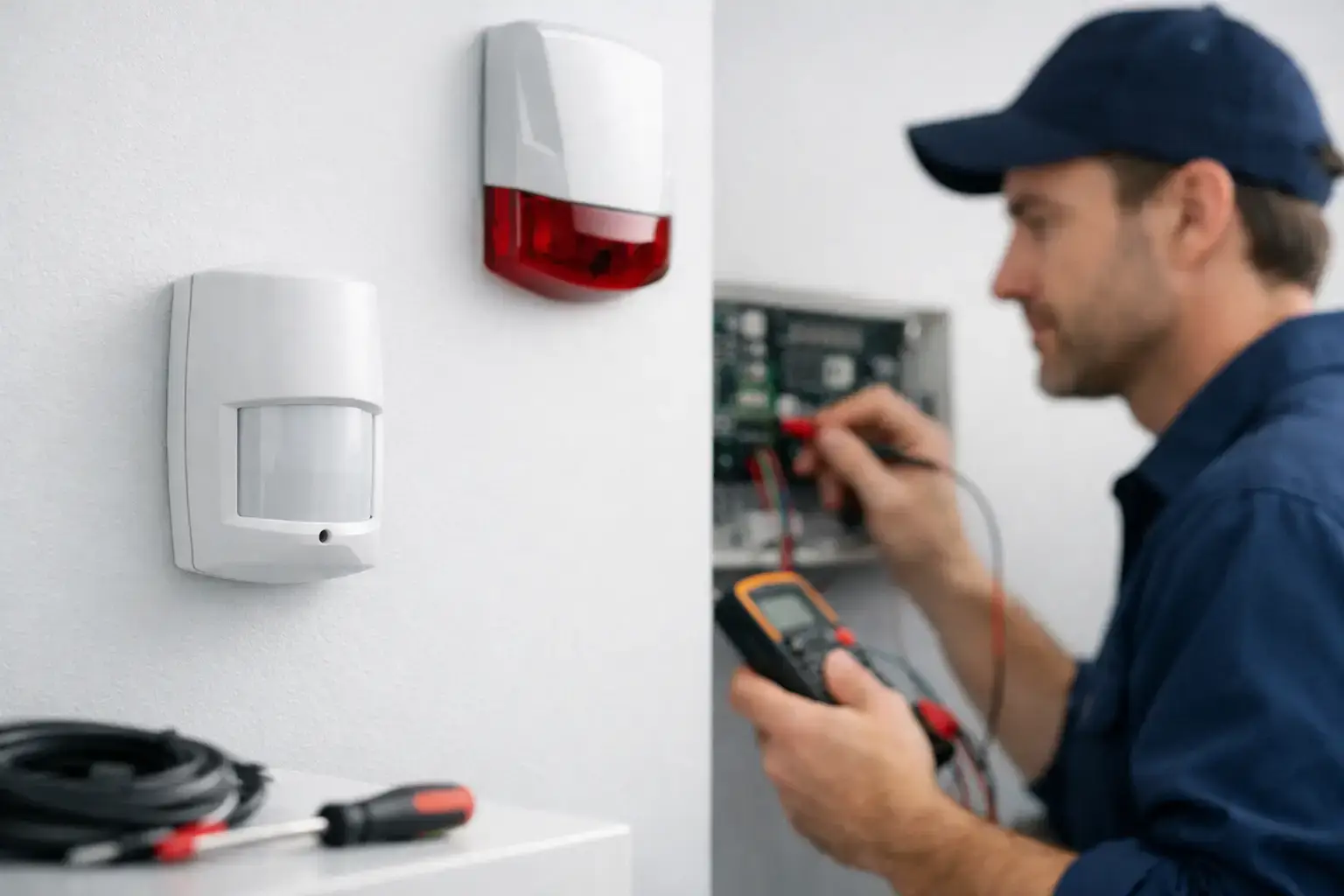

If you are comparing access control platforms for an office, school, block of flats or multi-door commercial site, a proper paxton net2 review needs to go beyond brochure claims. The real question is not whether Net2 is well known – it is – but whether it gives you the right balance of control, reliability and day-to-day usability for your building.
Paxton has been a familiar name in UK access control for years, and Net2 remains one of the systems most often shortlisted by facilities managers, landlords and business owners who want a professional solution without moving straight into a highly complex enterprise platform. That popularity is not accidental. Net2 is generally straightforward to manage, scalable for many small to mid-sized sites, and backed by a strong installer network. Even so, it is not the perfect fit for every property.
Paxton Net2 review: what the system is designed to do
Net2 is a networked access control system designed to manage who can enter specific doors, at specific times, using tokens such as proximity fobs, cards, PIN codes and, in some configurations, additional credentials. It is commonly used on offices, schools, warehouses, healthcare premises and residential developments where there is a need to replace or tighten up key-based access.
At its core, the system gives administrators central control over doors and users. Instead of issuing physical keys that can be copied or lost without trace, you can add and revoke credentials through software, set timed permissions, review events and apply site-wide access rules. For many organisations, that immediately improves both security and accountability.
What makes Net2 attractive is that it sits in a practical middle ground. It is more capable than a basic standalone door controller, but usually less burdensome than larger corporate systems that demand more extensive IT support, specialist administration and ongoing platform management.
Where Net2 performs well
For most UK businesses, the first appeal is ease of management. The software is generally clear enough for a competent office manager or facilities lead to handle common tasks after handover and training. Adding staff, assigning access levels and disabling lost fobs are all relatively simple. That matters because a system only helps if your team can actually use it without calling an engineer every week.
Its flexibility is another strength. Net2 can be used on a single main entrance, but it also scales across multiple internal doors, staff-only areas, plant rooms and shared tenant spaces. If your site needs reception access during the day, restricted stockroom entry and limited out-of-hours permissions for keyholders, Net2 handles that well.
The audit trail is also useful. For many businesses, knowing who presented a credential at a door and when is more valuable than they first expect. It can support internal investigations, help with safeguarding in schools and care settings, and provide a clearer picture of building use. That does not replace CCTV, but it works well alongside it.
Another positive is the breadth of integration options available around the system. Depending on specification, Net2 can work with door entry, intruder alarm interaction and selected building management functions. That can reduce friction for sites that want one coherent security setup rather than separate, isolated systems.
The practical benefits on real sites
On a busy site, the biggest advantage is often operational, not technical. Staff changes become easier to manage. Contractors can be granted temporary access without handing over permanent keys. If a fob goes missing, it can be cancelled quickly instead of forcing a cylinder change or creating lingering uncertainty.
For landlords and managing agents, this matters even more in shared buildings. Communal entrances, service cupboards, bin stores and staff-only areas are easier to control when permissions can be updated centrally. The same applies to schools and healthcare environments, where certain zones need tighter control at specific times of day.
Net2 is also useful where compliance and insurer expectations are part of the discussion. While access control alone will not satisfy every security requirement, a professionally specified and installed system supports better site discipline, stronger perimeter management and clearer evidence of who had authorised access.
Limitations worth knowing before you buy
A balanced paxton net2 review has to mention the trade-offs. Net2 is strong, but it is not automatically the right answer for every building or every budget.
The first issue is that system performance depends heavily on design and installation quality. Poor lock choice, unsuitable door hardware, weak cabling routes or badly planned permissions can make even a good platform feel unreliable. In other words, Net2 is not a magic fix. It needs to be matched properly to the door set, user volumes and site risks.
There is also the question of scale. For many small to medium commercial properties, Net2 is an excellent fit. For very large estates, highly regulated facilities or sites needing extensive bespoke integrations, advanced visitor workflows or complex enterprise reporting, another platform may be more suitable. It depends on how far you need the system to go.
Older properties can introduce complications too. Heritage doors, difficult cable paths, mixed tenancy arrangements and existing third-party hardware may limit what can be achieved without additional works. That is not unique to Paxton, but it affects project cost and timescale.
Finally, while the software is user-friendly by professional standards, it still benefits from structured setup. Access groups, schedules and permissions need to be thought through properly. If too many people have too much access, the system becomes convenient but not especially secure.
Paxton Net2 review: software and user experience
The software is one of Net2’s better points. For typical administration, it is usually intuitive enough for everyday use. Most users can learn the essentials quickly, especially when the installer has configured sensible access levels from the start.
The interface is not trying to impress with flashy presentation. That is often a good thing. In security, clarity matters more than style. You want to find the user record, issue the credential, check the event and move on.
Reporting is adequate for most standard needs. You can review door events, confirm whether a user has been granted access and identify patterns of entry. For many SMEs, schools and managed premises, that level of visibility is enough. Larger organisations with more demanding audit or compliance requirements may want deeper reporting, but for mainstream commercial use it is generally fit for purpose.
Is Paxton Net2 good value?
In most cases, yes – provided you measure value properly. The headline hardware cost is only part of the picture. The real value comes from reduced key management problems, better control over staff movement, easier onboarding and leaver processes, and the ability to expand the system over time.
A cheaper standalone system may look attractive at first, particularly for one or two doors. But once you need central management, event history, time-based permissions and room to grow, that initial saving can disappear. On the other hand, if you are controlling one simple rear entrance with a handful of users, a full Net2 setup may be more than you need.
That is why site assessment matters. The right question is not whether Net2 is affordable in abstract terms. It is whether it is proportionate for your risk level, number of doors, user turnover and management needs.
Who should choose Net2 and who should not
Net2 is a strong option for offices, schools, warehouses, managed residential blocks, healthcare settings and mixed-use commercial properties that want dependable, centrally managed access control without stepping into an overly complicated enterprise system. It is especially effective where multiple doors, changing staff access and a need for clear audit trails are part of everyday operations.
It is less compelling for very small sites with minimal access requirements, or for highly complex estates where deep custom integration and advanced enterprise features are essential from day one. In those cases, another solution may be more suitable, even if the initial setup is more involved.
For buyers in Essex, London and the South East, the bigger decision is often less about brand and more about specification. A well-installed access control system should reflect how your building is actually used, how your staff move through it, and what level of control you need now and in the future. That is where experienced security design makes the difference.
Final view
Net2 remains one of the more dependable and sensible access control choices for a wide range of UK properties. It is proven, practical and usually easy to live with once installed correctly. Its strongest point is not that it does everything, but that it does the essentials well for many real buildings.
If you are weighing up whether it is right for your site, focus on the doors, users, risks and future expansion you actually need rather than the feature list alone. The best access control system is the one that your team can manage confidently, your insurer can take seriously, and your building can rely on every day.