A claim can turn on one awkward question: was the security system properly installed and maintained? That is a big part of why insurance companies prefer professionally installed systems. From a homeowner protecting a detached house to a facilities manager responsible for multiple sites, insurers want to see that security measures are dependable, correctly specified and able to perform when an incident actually happens.
A cheap camera kit or self-fitted alarm may look acceptable on day one. The issue usually appears later – after a break-in, a false alarm, a blind spot in coverage or a failure to capture usable footage. Insurance providers assess risk, not packaging claims. They are interested in whether a system has been designed for the property, fitted to recognised standards and supported by records that show it is working as intended.
Why insurance companies prefer professionally installed systems
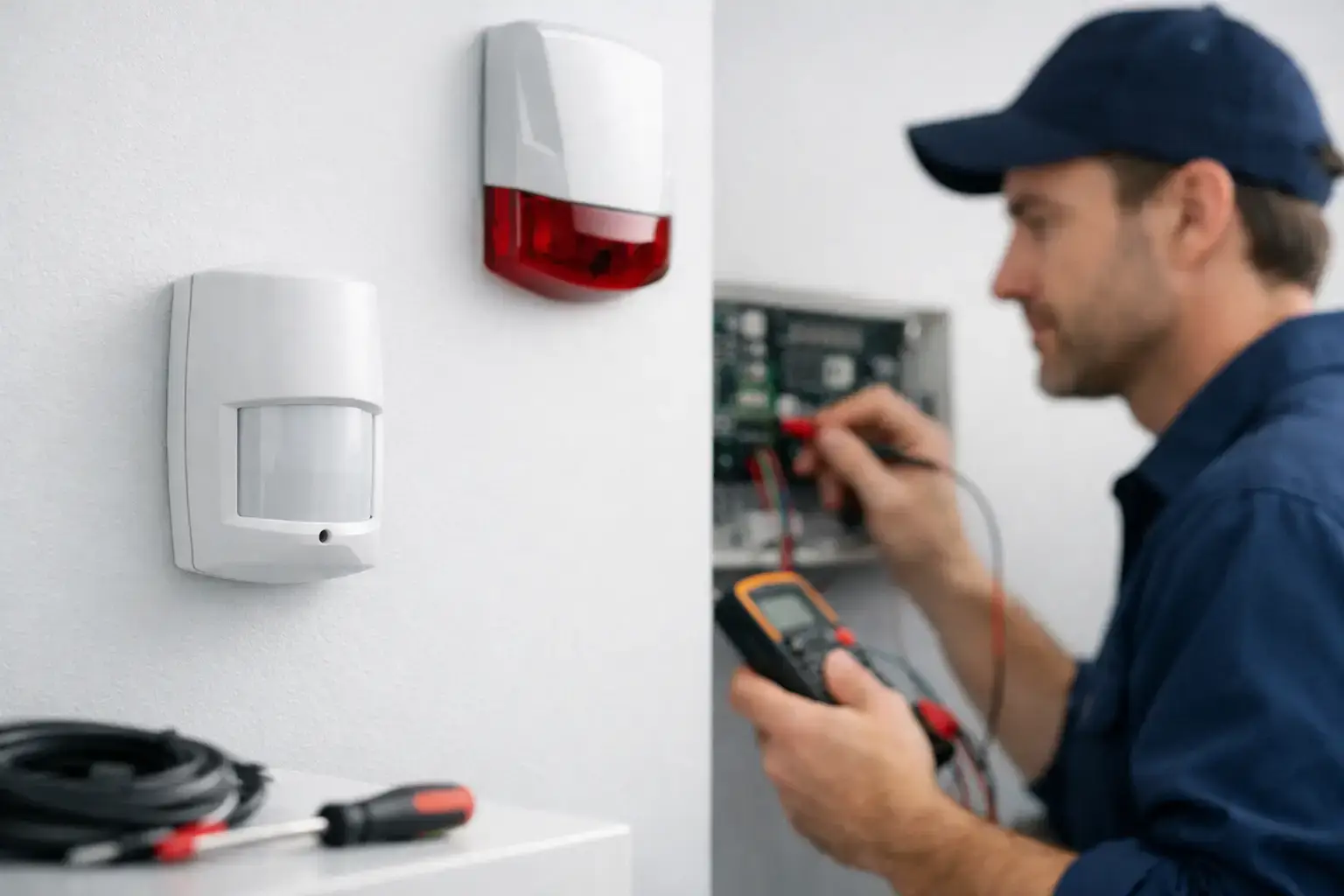
Insurers prefer professionally installed systems because professional installation reduces uncertainty. A professionally designed CCTV, intruder alarm or access control system is more likely to meet insurer expectations on coverage, reliability, tamper resistance and ongoing maintenance. It also creates a clearer audit trail.
That matters because insurers are not just looking at whether security exists. They are looking at whether it is appropriate for the risk. A corner shop, school, warehouse, construction site and family home all face different threats. The right response is rarely an off-the-shelf package fitted without survey or planning.
Professional installers assess entry points, vulnerable perimeters, lighting conditions, asset locations, occupancy patterns and the practical route an intruder might take. They also consider how the system will be used day to day. If a system is too awkward, too sensitive or poorly placed, people stop using it properly. That increases risk, and insurers know it.
Standards, approvals and insurer confidence
One of the strongest reasons insurers favour professional installation is compliance. In the UK, many commercial policies and some higher-risk residential policies refer to recognised standards, approved equipment and accredited installers. That is especially relevant for intruder alarms and monitored systems.
When a system is installed by a competent, regulated provider, the insurer has greater confidence that the specification has not been guessed. They know the equipment is more likely to be suitable for the premises, correctly commissioned and supported by proper documentation. In many cases, that can make the difference between a system being accepted by an insurer or treated as a nice extra with limited value.
Accreditation also matters. A security company working to recognised industry requirements gives both the customer and insurer an additional layer of assurance. It shows the installation is not simply about fitting devices to walls. It is about following process, proving competence and delivering systems that stand up to scrutiny.
Reliability is what insurers are really buying into
The value of any security system is tested in poor conditions, not ideal ones. Night-time lighting, weather exposure, network interruptions, power issues and user error all affect performance. Professional installers plan for that.
With CCTV, that may mean choosing the right camera positions to avoid glare, shadows and blocked views. It may mean ensuring image quality is suitable for identification rather than just general observation. For alarms, it means selecting the correct sensors for the environment so they detect genuine threats without constant false activations. For access control, it means making sure doors, release mechanisms and logs work consistently under normal and emergency use.
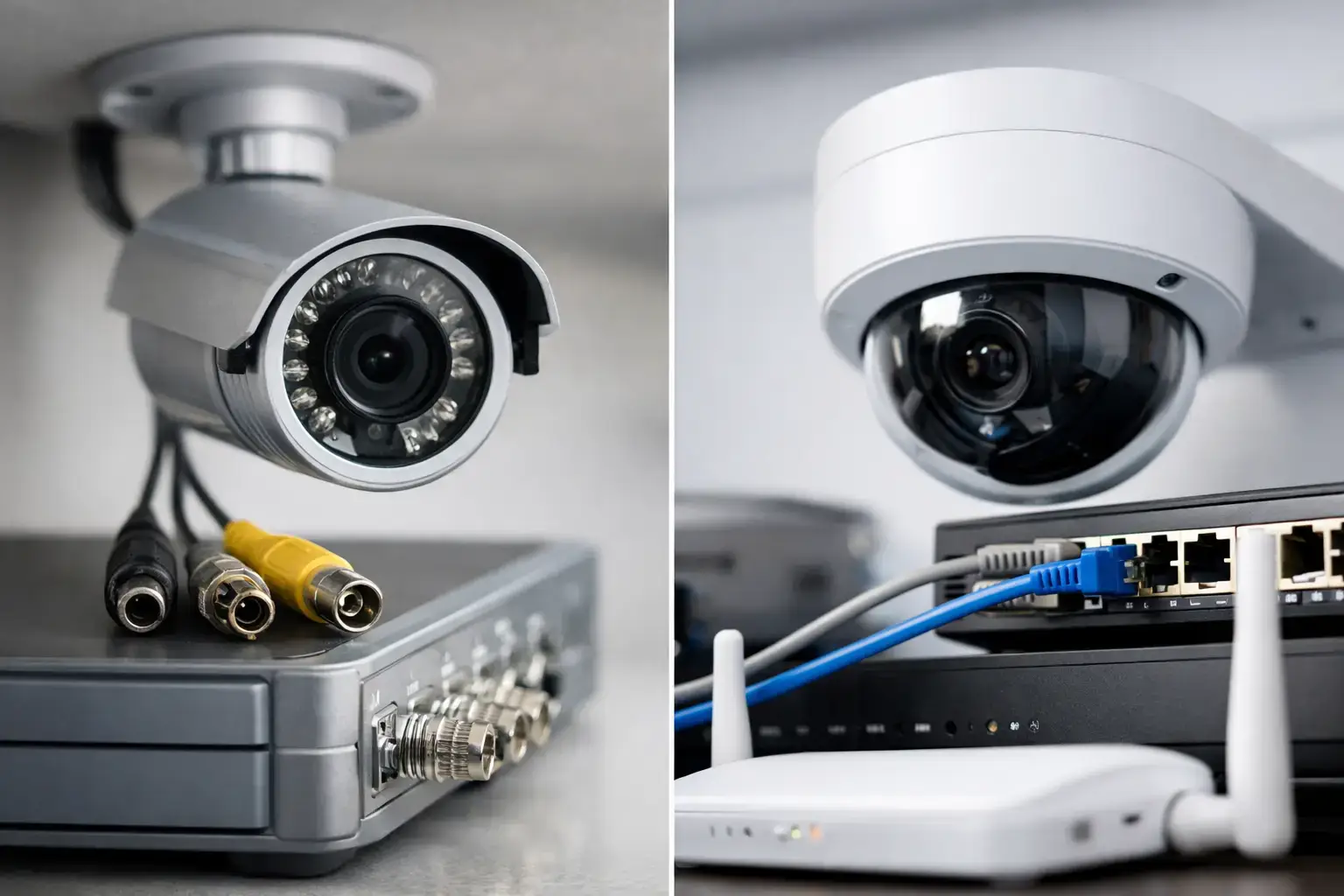
Insurers prefer systems that are less likely to fail at the moment of need. A professionally installed system is more likely to have proper power supply protection, secure cabling, sensible device placement and correct setup. Those details are not glamorous, but they are often the reason a system either succeeds or fails during an incident.
False alarms cost time and weaken trust
False alarms are more than a nuisance. They waste staff time, frustrate keyholders, interrupt operations and can reduce confidence in the system itself. In some monitored environments, repeated false activations can even affect response arrangements.
This is another reason why insurance companies prefer professionally installed systems. Good installation is not just about detection. It is about accurate detection. A system that triggers every time a draught moves a sign, a spider crosses a lens or a staff member forgets a complicated setting is not reducing risk. It is creating noise.
Professional installers account for building layout, environmental factors and how the premises are used. They configure devices properly, test them in real conditions and explain operation clearly. That tends to reduce user mistakes and nuisance activations, which is good for the customer and reassuring for the insurer.
Claims are easier when evidence is usable
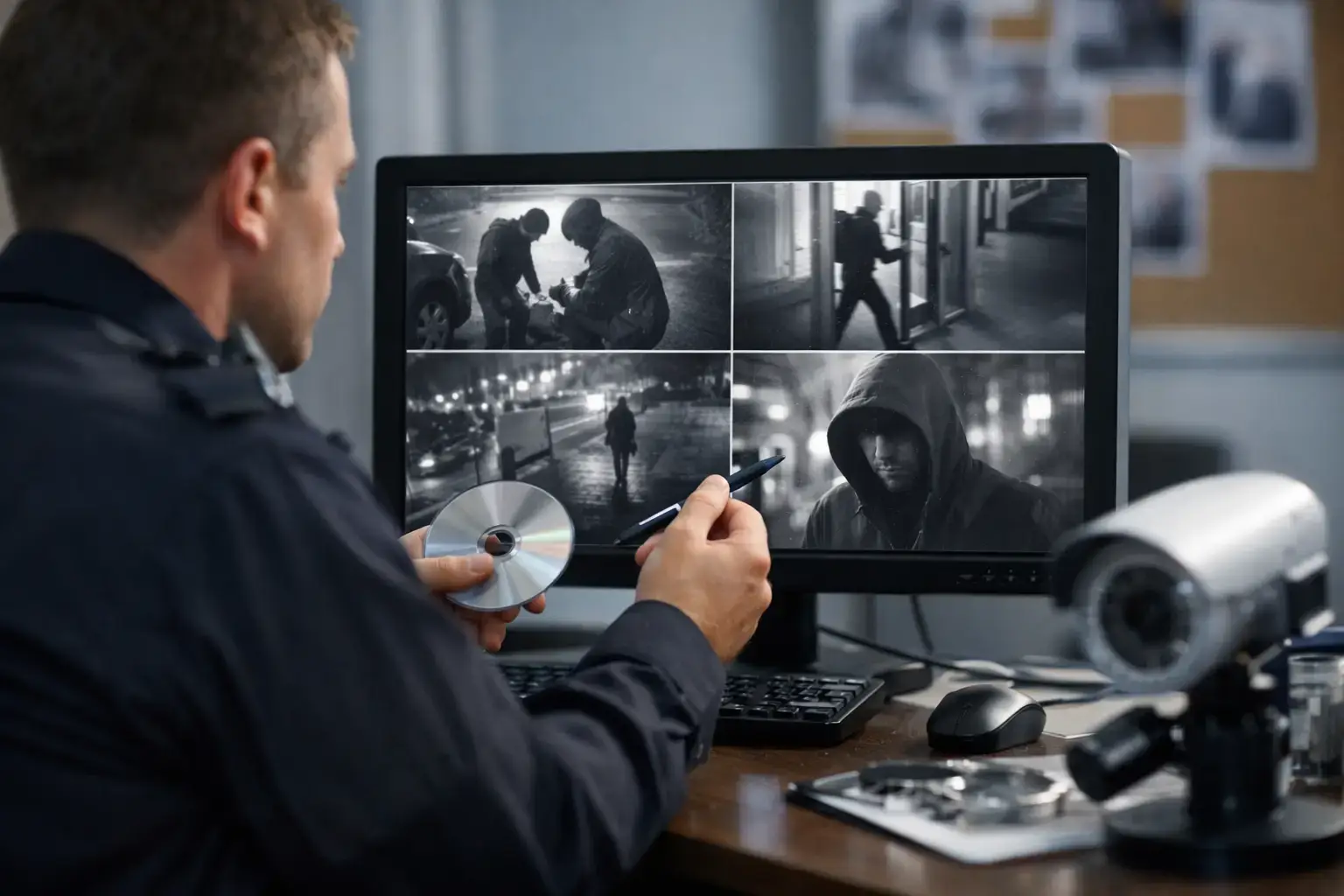
After an incident, insurers need evidence. If CCTV footage is grainy, badly angled, incorrectly timed or missing altogether, its value drops quickly. The same applies if an alarm log is incomplete, zones are labelled poorly or nobody can confirm whether the system was set correctly.
Professionally installed systems are more likely to produce evidence that can support a claim. Cameras are positioned with purpose. Recording settings are configured appropriately. Time and date settings are accurate. Storage capacity is matched to operational needs. Access logs and alarm events are recorded in ways that can be reviewed and understood.
That does not guarantee a claim outcome, of course. Insurance decisions depend on policy wording, circumstances and many other factors. But clear, reliable records help establish what happened, when it happened and whether the security measures in place were active and functional.
Maintenance plays a bigger role than many buyers realise
A professionally installed system should not be seen as a one-off purchase. Insurers understand that security equipment is only effective if it remains in working order. Batteries degrade, detectors drift, lenses get dirty, software needs updates and site use changes over time.
That is why maintenance matters so much. A system that was perfectly suitable three years ago may no longer reflect the building’s current layout, occupancy or threat profile. A warehouse may have changed stock type. A school may have added a new entrance. A homeowner may have converted a garage or installed a side gate that changes access routes.
Professional maintenance helps keep security aligned with the actual risk. It also creates service records that show the system has not been ignored. From an insurer’s point of view, that is far more persuasive than a box of equipment with no service history.
The trade-off with DIY and low-cost systems
There is a place for self-installed security products. For lower-risk domestic settings, they can be a useful deterrent and may suit a limited budget. They often provide convenience, app control and basic visibility. For some buyers, that is enough.
But there is a clear trade-off. Consumer-grade systems are not always designed around insurer requirements, complex site conditions or long-term integration with monitored response and access management. Coverage may be incomplete. Device placement may be compromised by ease of fitting rather than effectiveness. Connectivity can be inconsistent, and support is often generic rather than site-specific.
For businesses, landlords with larger properties, higher-value homes and sites with compliance obligations, those compromises can become expensive. What looks cheaper upfront can be weaker when measured against insurance expectations, downtime, maintenance gaps and evidential quality.
Why this matters for commercial properties and higher-risk homes
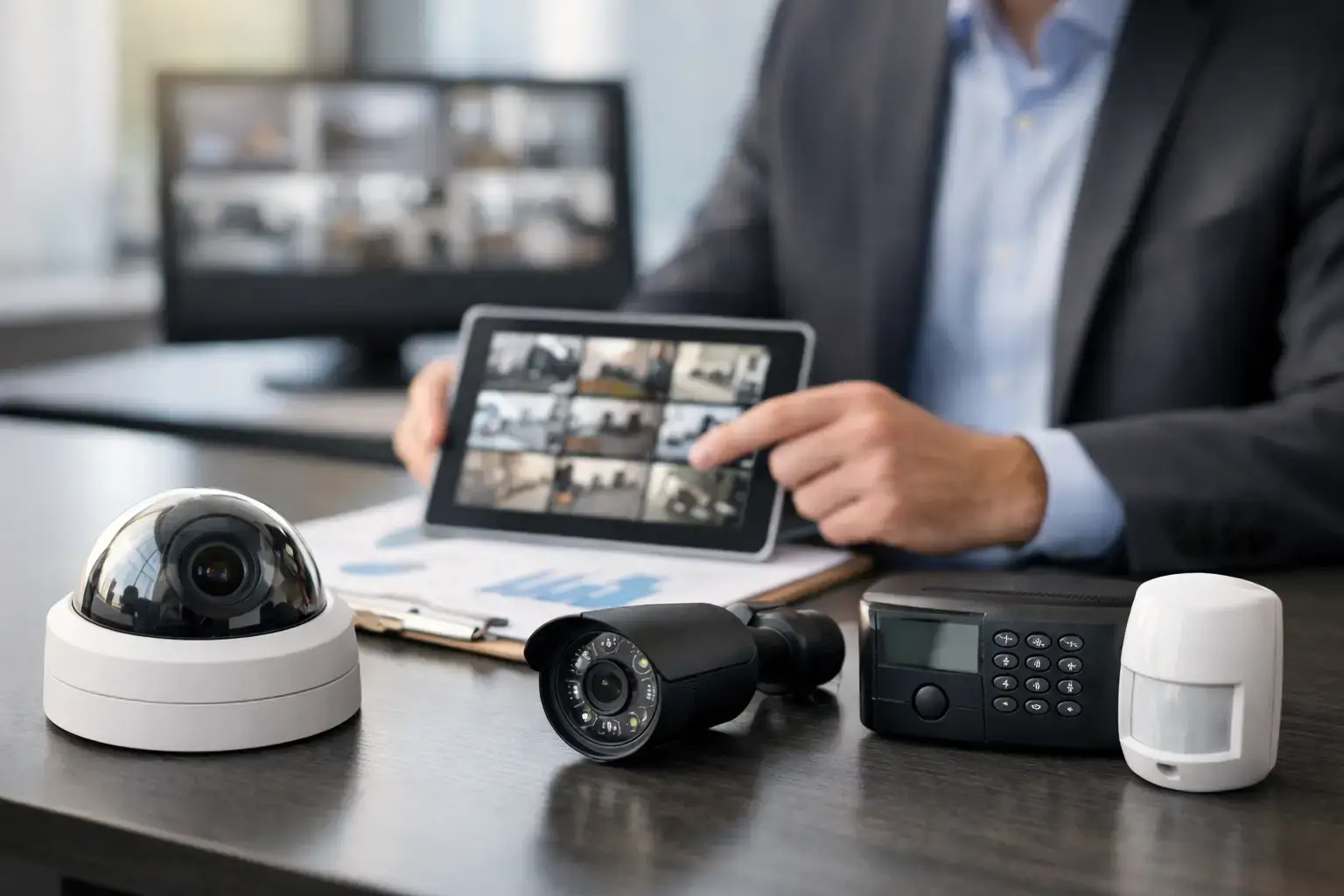
Commercial buyers usually feel the impact first because insurers look closely at theft exposure, stock value, lone working, access points and out-of-hours vulnerability. A professionally installed system can support wider risk management by linking CCTV, alarms and controlled entry into one planned approach.
Higher-risk homes face similar issues, especially where there are outbuildings, gated access, detached offices, remote locations or high-value contents. In those cases, insurers may take a greater interest in how the system was specified and whether it is supported by a recognised installer.
The point is not that every property needs the same level of protection. It is that the security should match the risk, and the installation should be good enough to satisfy both practical needs and insurer expectations.
Choosing a system with insurer acceptance in mind
If insurance approval matters, the best time to think about it is before installation, not after an incident. Start with a proper survey. Make sure the system is designed for the premises rather than copied from another site. Ask whether the proposed setup meets relevant standards, whether monitoring is appropriate and what maintenance support is included.
It is also sensible to check your policy wording and speak with your insurer or broker where needed. Some policies are specific about alarm grades, signalling methods or installer accreditation. Others are less prescriptive but still favour recognised professional installation when assessing risk.
For customers across Essex, London and the South East, working with an experienced specialist such as 247 CCTV gives you a clearer route to a system that is designed properly, installed correctly and supported for the long term. That tends to matter just as much to insurers as it does to the people using the system every day.
The real advantage of professional installation is not the badge on the box. It is the confidence that when your security is tested, it is far more likely to do the job you bought it for.