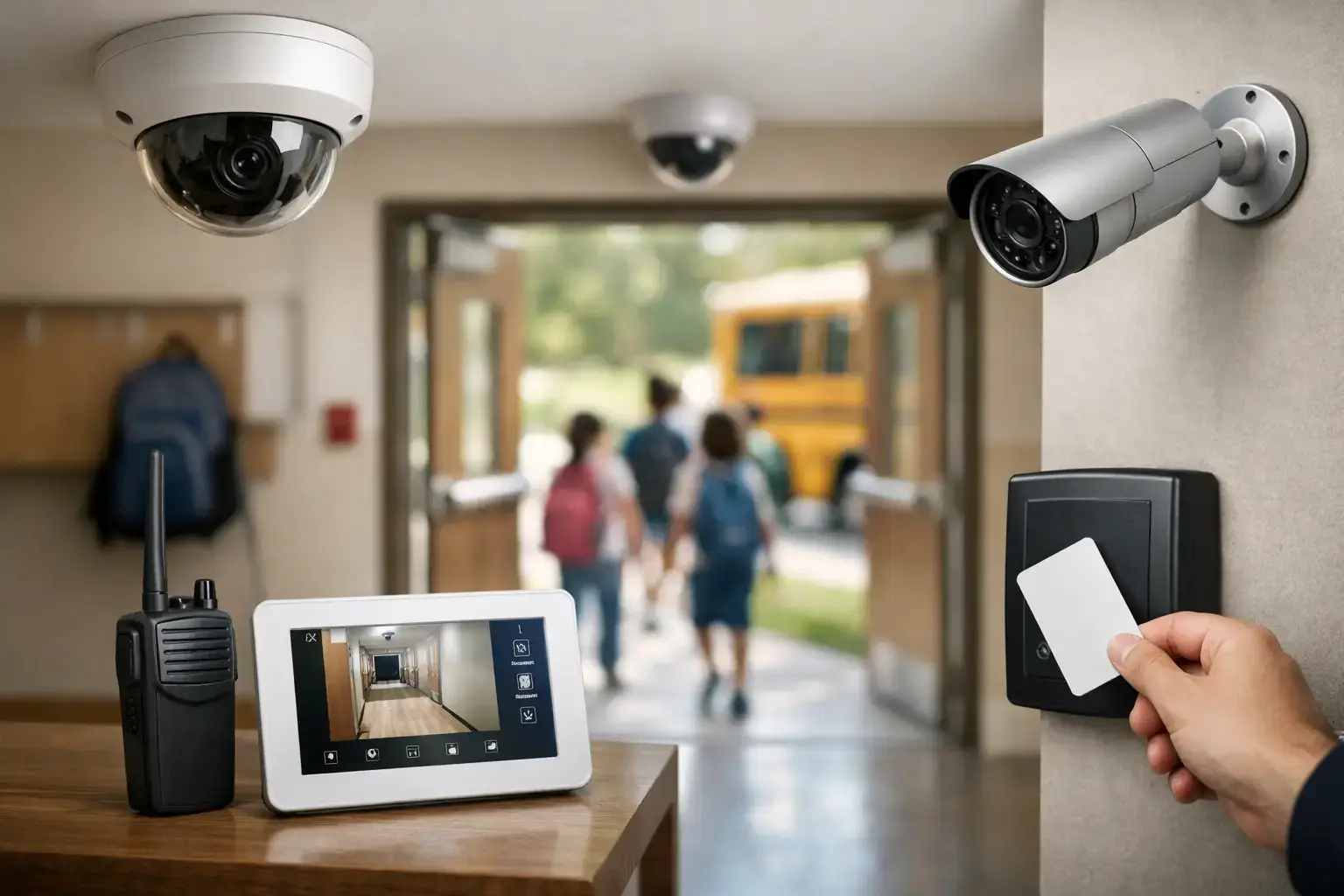
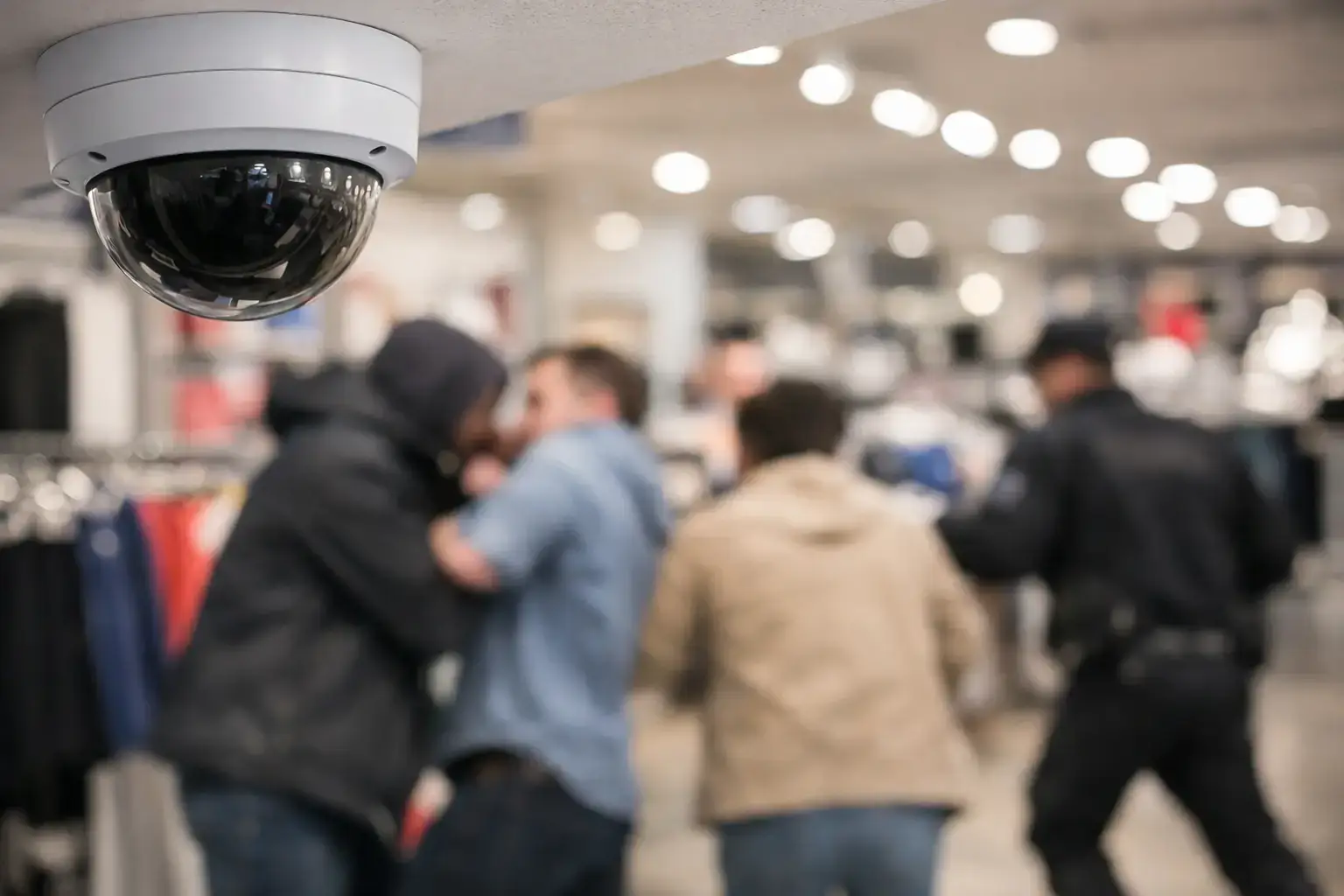
A shoplifting incident lasts less than a minute. An assault at a till point can unfold in seconds. A fraudulent refund may only be spotted after the customer has left. That is exactly why retail CCTV systems fail during incidents so often – not because cameras were absent, but because the system was never designed around what actually happens on a retail floor.
Retailers often assume that once cameras are fitted, they are covered. In practice, the difference between a useful security system and a disappointing one usually comes down to design, positioning, recording quality, maintenance and response procedures. When an incident takes place, weaknesses that seemed minor during installation suddenly become costly.
Why retail CCTV systems fail during incidents in real shops
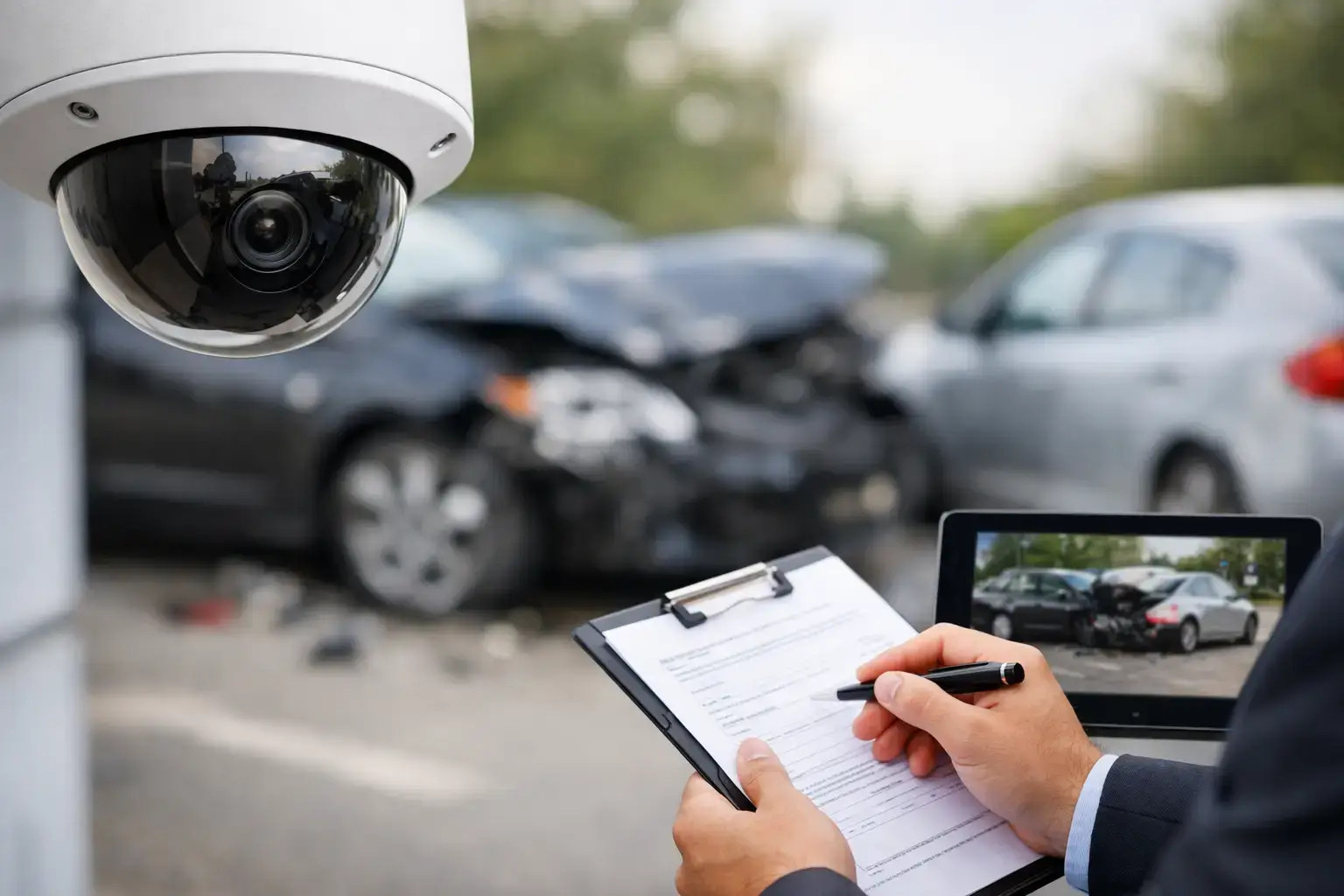
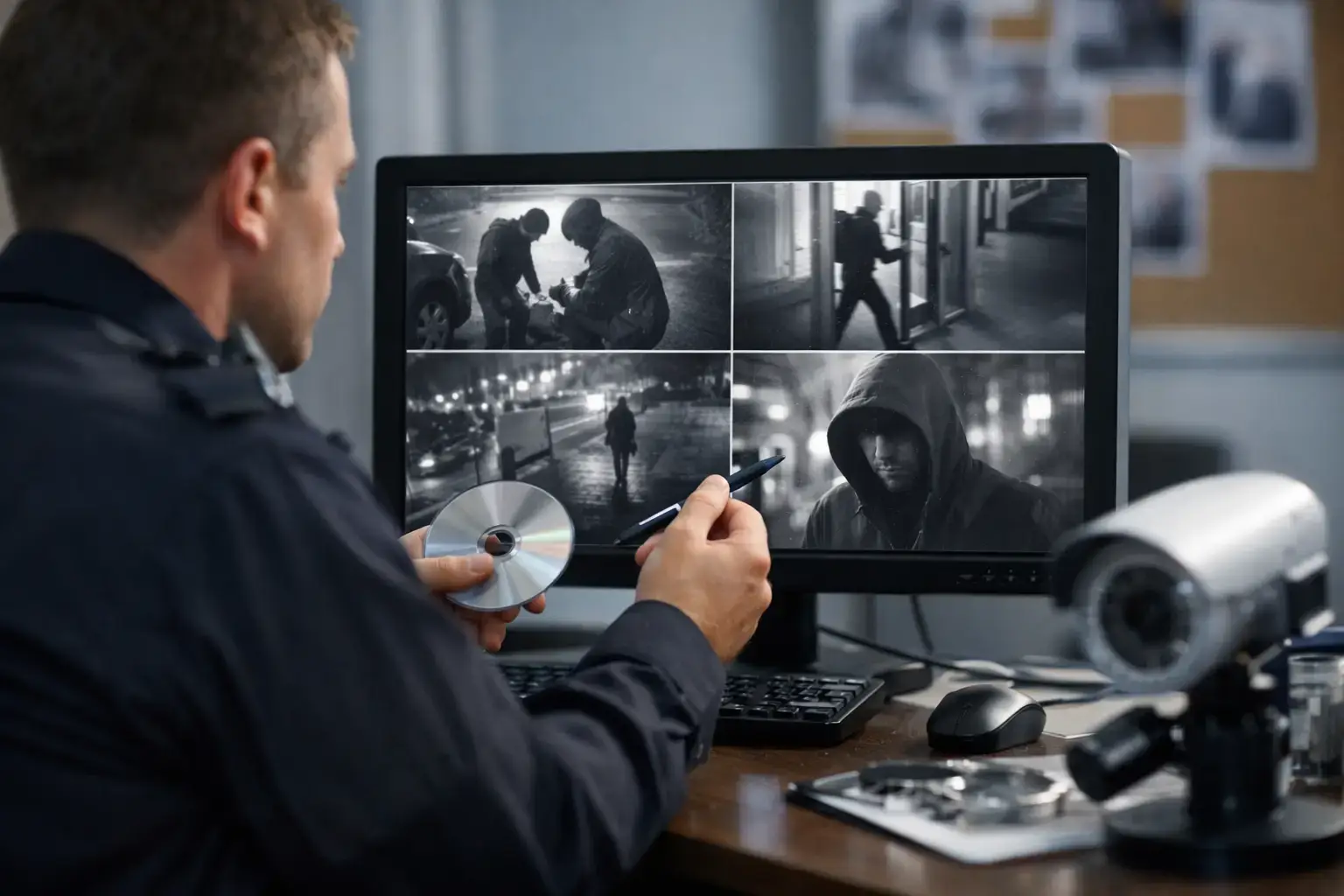
Most failures are not dramatic technical collapses. They are quieter problems that only become obvious when footage is needed for an investigation, an insurance claim or police evidence. The camera may have captured the area, but not the face. The recorder may have stored video, but at too low a frame rate. The system may have been live, but nobody noticed the event until long after the person had left.
That is an important distinction. A retail CCTV system does not fail only when it goes offline. It also fails when it cannot deliver identifiable, usable evidence at the point it matters most.
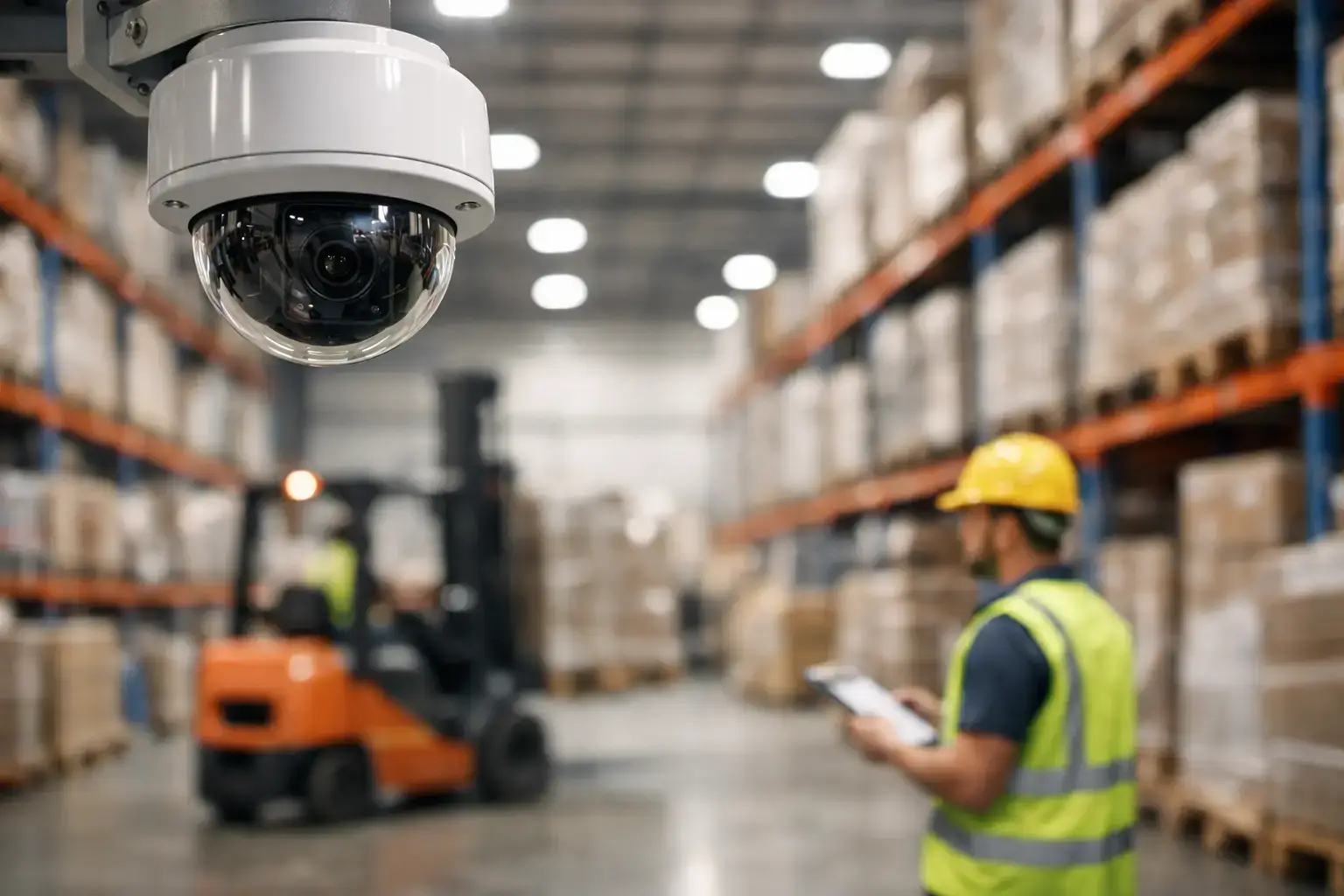
In retail settings, incidents tend to happen around predictable pressure points – entrances, exits, self-checkouts, till areas, stockrooms, cigarette gantries, high-value displays and loading bays. If coverage is general rather than deliberate, blind spots appear in exactly the places where retailers need detail.
Poor camera placement is still one of the biggest causes
One of the most common issues is camera positioning. A camera mounted too high may give a wide overview of the shop but make facial identification difficult. A camera aimed towards a bright entrance may struggle with backlighting, leaving visitors as silhouettes. A unit placed to cover an aisle may miss hand movements at shelf level where theft actually occurs.
Retail environments are full of visual obstacles. Promotional displays change. Seasonal stock blocks sight lines. Queue barriers move. Staff may even reposition fixtures without realising they are affecting coverage. A camera layout that looked sensible on a drawing can underperform badly on a busy trading day.
This is where professional surveying matters. Good retail coverage is not only about how many cameras are installed. It is about matching each camera to a purpose – overview, facial recognition, cash handling, stock control or perimeter observation.
Wide coverage is not the same as useful coverage
Retail buyers are sometimes sold on the idea that fewer wide-angle cameras will cover more space. That can reduce installation costs, but it often reduces evidential value as well. Seeing that an incident took place is not the same as being able to identify who was involved, what was taken or how staff responded.
There is always a trade-off between broad scene coverage and detailed capture. A well-designed retail system usually needs both.
Image quality problems usually start before the incident
When footage disappoints, many people blame the camera specification. Resolution does matter, but it is only one part of the picture. Poor lighting, incorrect settings, compression levels and storage limitations can all degrade image quality long before anyone presses play.
A retail premises may look well lit to the human eye and still be difficult for CCTV. Glare from fridges, reflections from shopfront glass and changing daylight at the entrance all affect performance. Night settings can also be poorly configured, especially in convenience stores, petrol forecourts and late-opening premises.
Then there is recording setup. Some systems are configured to save storage by lowering frame rates or increasing compression. That may seem reasonable until a fast-moving incident occurs and key moments are blurred or skipped. If a suspect reaches into a till area, conceals stock or passes an item between people, those missing details matter.
Why retail CCTV systems fail during incidents even when the equipment works
A surprising number of systems are technically operational but still unfit for purpose. That usually happens when installation is treated as the end of the job rather than the start of an ongoing security process.
Retail environments change constantly. Store layouts are revised. Product lines move. High-risk goods are relocated. Staff routines change. A camera that was correctly aligned twelve months ago may now be watching the top of a display unit instead of the customer interaction below it.
Equally, many retailers do not review footage quality until after a problem. By then, it is too late. If timestamps are wrong, lenses are dirty, hard drives are failing or remote access is unreliable, the weakness only becomes visible under pressure.
Maintenance is often neglected until evidence is needed
This is where routine maintenance earns its value. Lenses need cleaning. Recording health needs checking. Firmware may need updating. Time and date settings need to remain accurate. Backup and export functions need testing. None of that is glamorous, but all of it affects whether footage stands up when an incident has to be investigated.
A maintenance plan is especially important in retail because equipment is exposed to dust, temperature variation, vibration near shutters and constant footfall. In some shops, staff may not even realise a camera has shifted or a recorder warning has appeared.
Monitoring and response are often the missing link
Not every retail premises needs live monitoring, but every retail premises does need a response plan. A camera records events. It does not, by itself, manage them.
If staff do not know who checks suspicious behaviour, how footage is retrieved, when police are contacted or how incidents are logged, the system becomes reactive at best. In larger retail estates, this problem is even more pronounced. Sites may have cameras, but no consistent incident workflow.
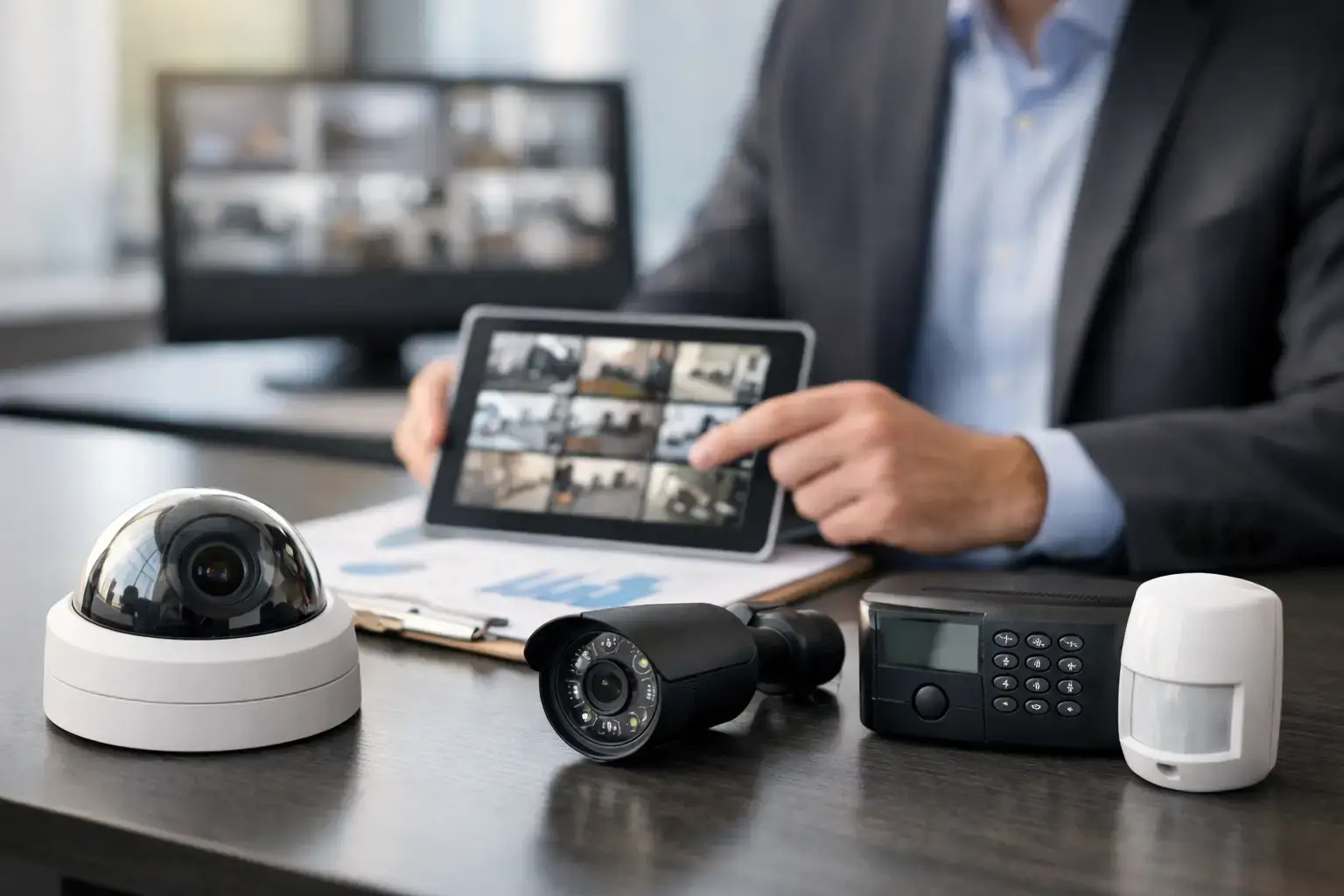
For some retailers, analytics, motion rules or remote monitoring can improve response times. For others, the better answer is a simpler, well-managed system with clear operational procedures. It depends on the site, the risk profile and the available staffing. More technology is not always the answer if nobody is there to use it properly.
Consumer-grade systems often struggle in commercial retail settings
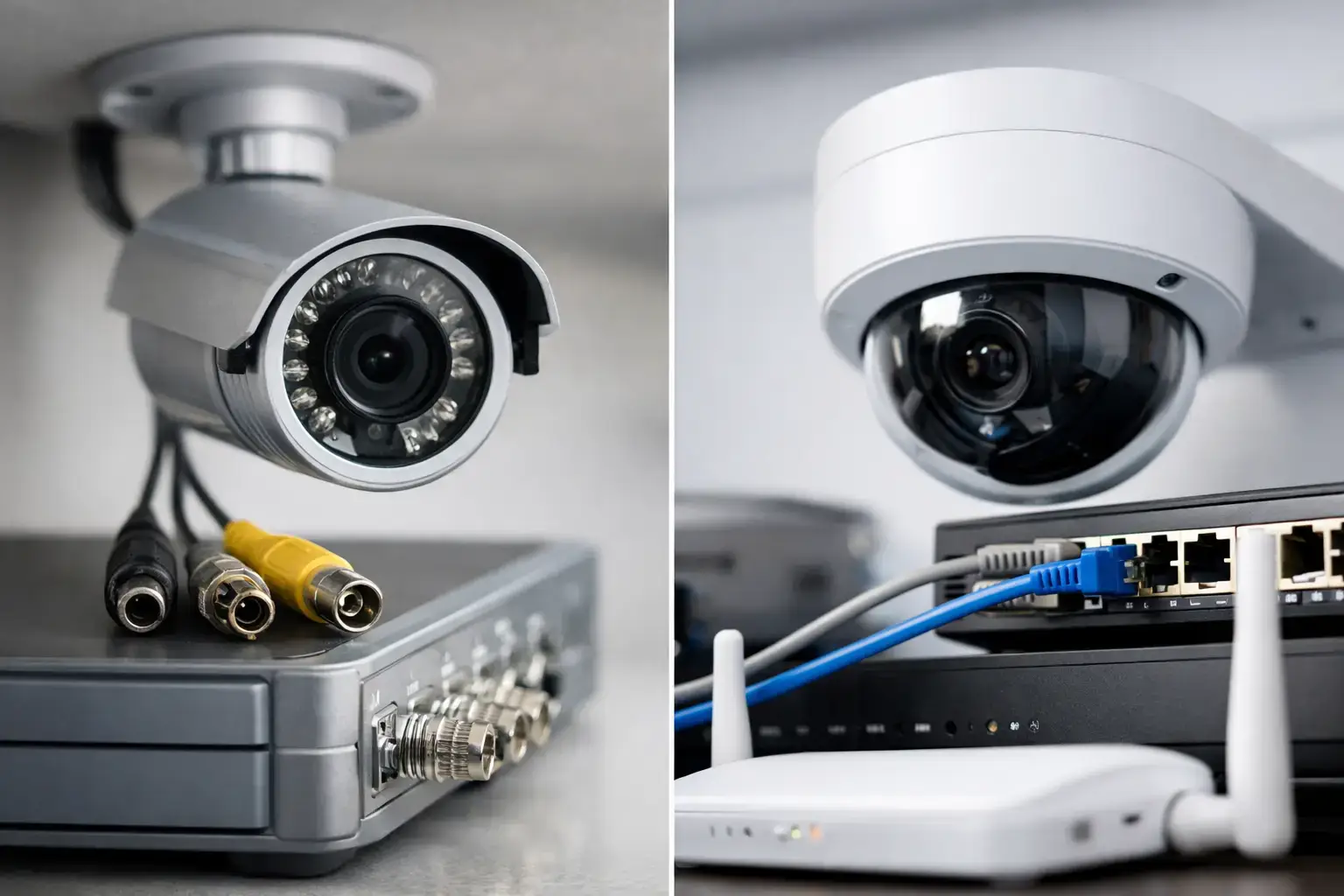
There is a clear difference between a domestic-style kit and a professionally designed retail CCTV system. Off-the-shelf equipment may appear cost-effective, but retail environments place heavier demands on recording reliability, image consistency, data retention and evidential quality.
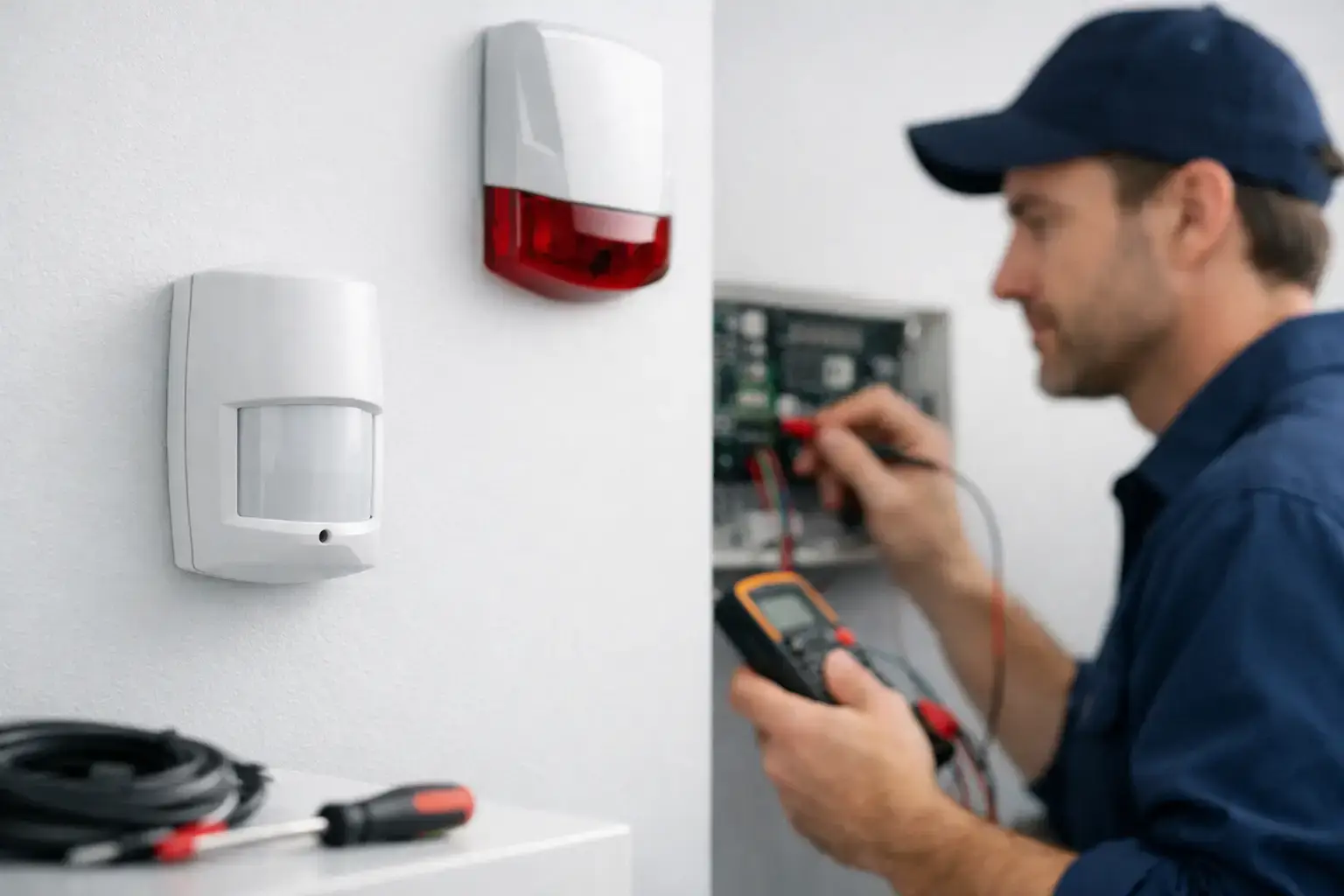
Commercial premises also need to consider insurer expectations, privacy obligations, staff safety and integration with other security measures such as intruder alarms, access control and monitored response. A basic camera package rarely addresses those wider operational needs.
That does not mean every retailer needs the most advanced system on the market. It means the system should match the site. A single independent shop has different requirements from a supermarket, pharmacy or shopping parade convenience store. The common factor is that the system should be built around the real risks of the premises, not around a headline price.
The best retail CCTV systems are designed around incidents, not hardware
The right starting point is not camera count. It is incident type. Are you trying to reduce shoplifting, protect staff at tills, monitor age-restricted sales points, secure rear delivery access or investigate internal stock loss? Each of those needs a different design approach.
When security is planned properly, the cameras, recorder settings, lighting considerations, retention period and access permissions all support a defined purpose. That is far more effective than installing cameras first and working out their limitations later.
A specialist installer will also consider how the CCTV system fits with the wider security picture. In retail, that might include alarm confirmation, panic alert coverage, monitored out-of-hours protection or access control on stockrooms and staff-only areas. Joined-up systems tend to perform better because they support both prevention and evidence.
For retailers across Essex, London and the South East, this is usually where experience makes the difference. A properly surveyed, professionally maintained and insurer-recognised system is far more likely to deliver when there is pressure on it.
If your current footage leaves you guessing rather than giving answers, the issue is rarely just the camera. It is usually the design decisions behind it – and those can be corrected before the next incident tests them again.