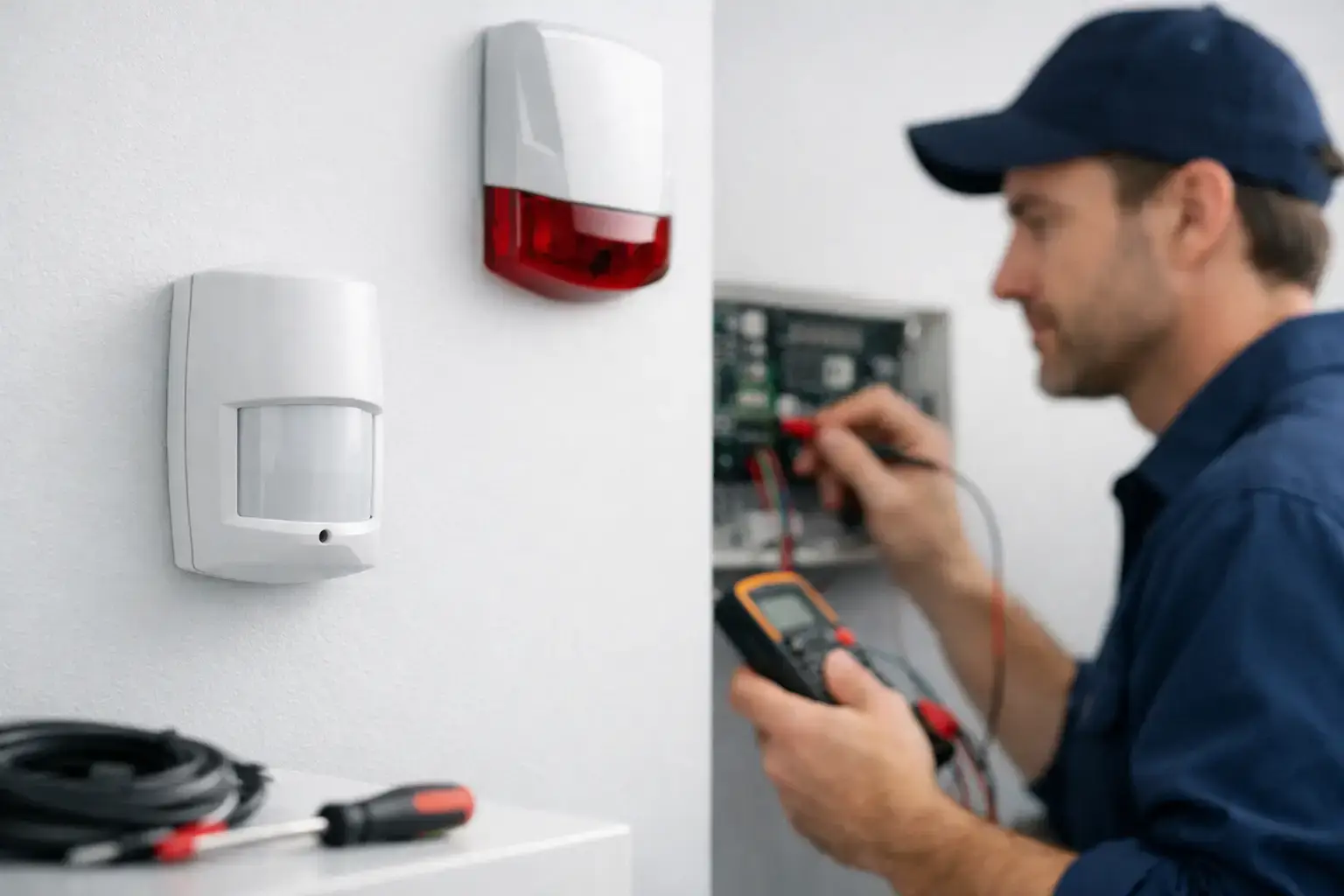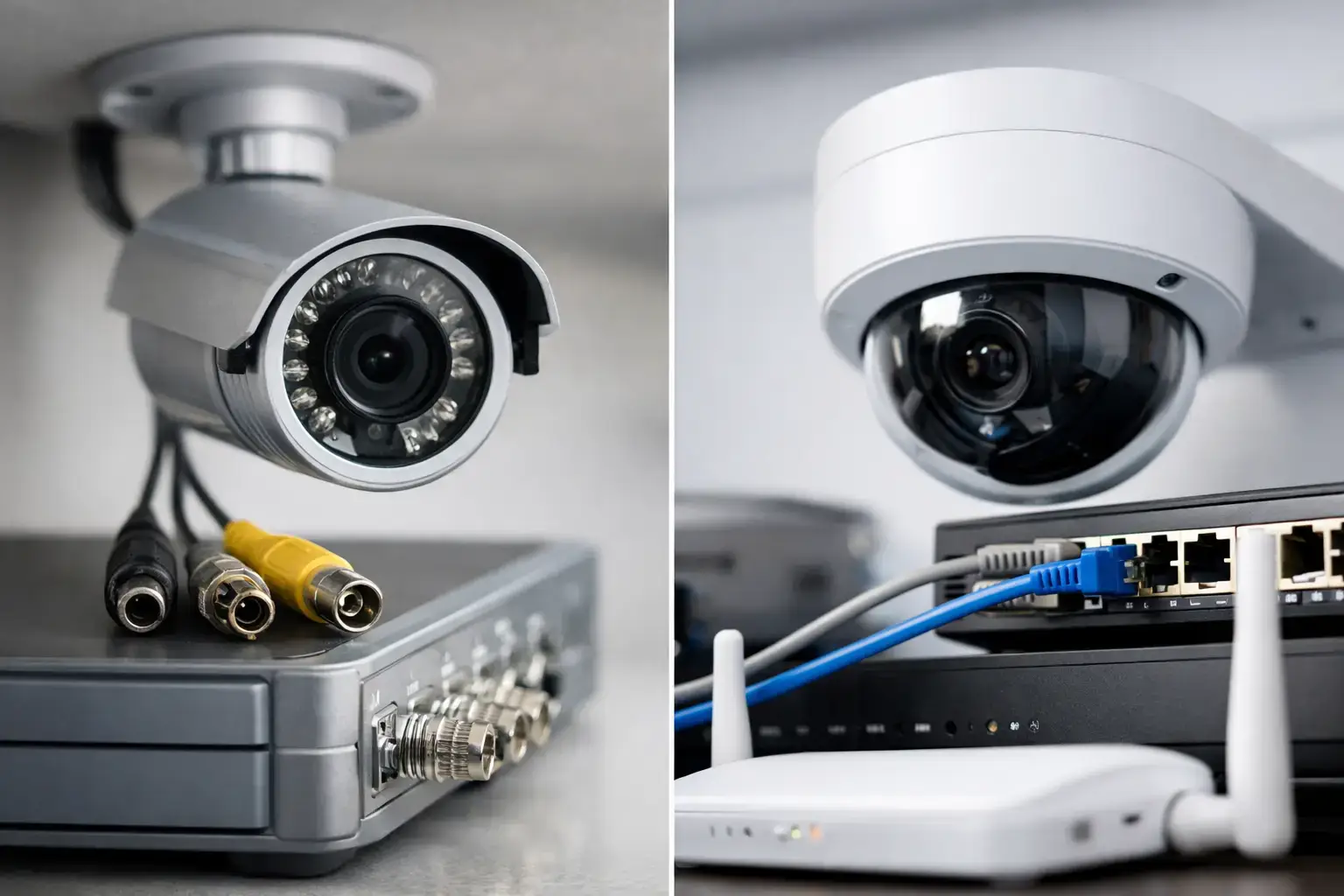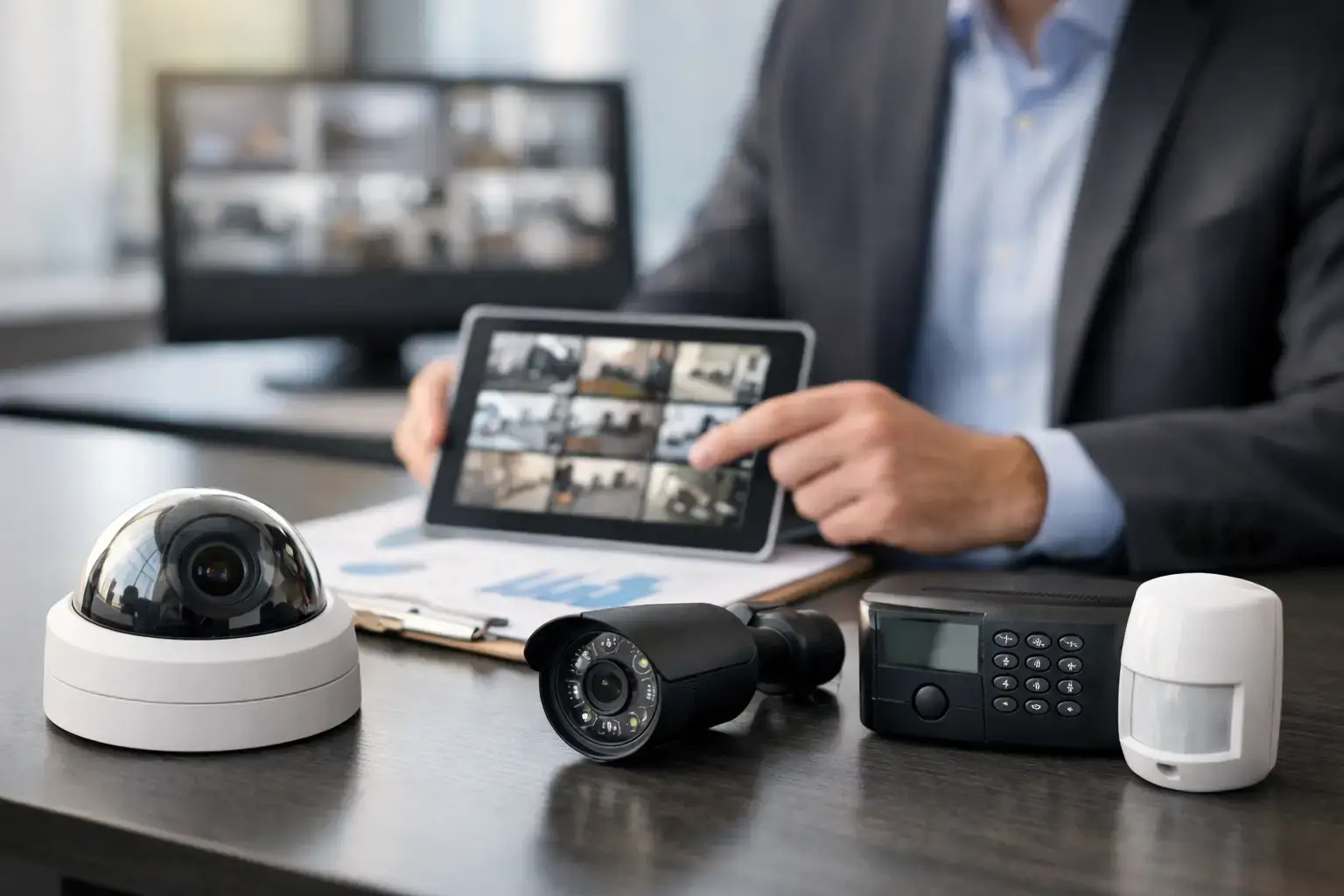
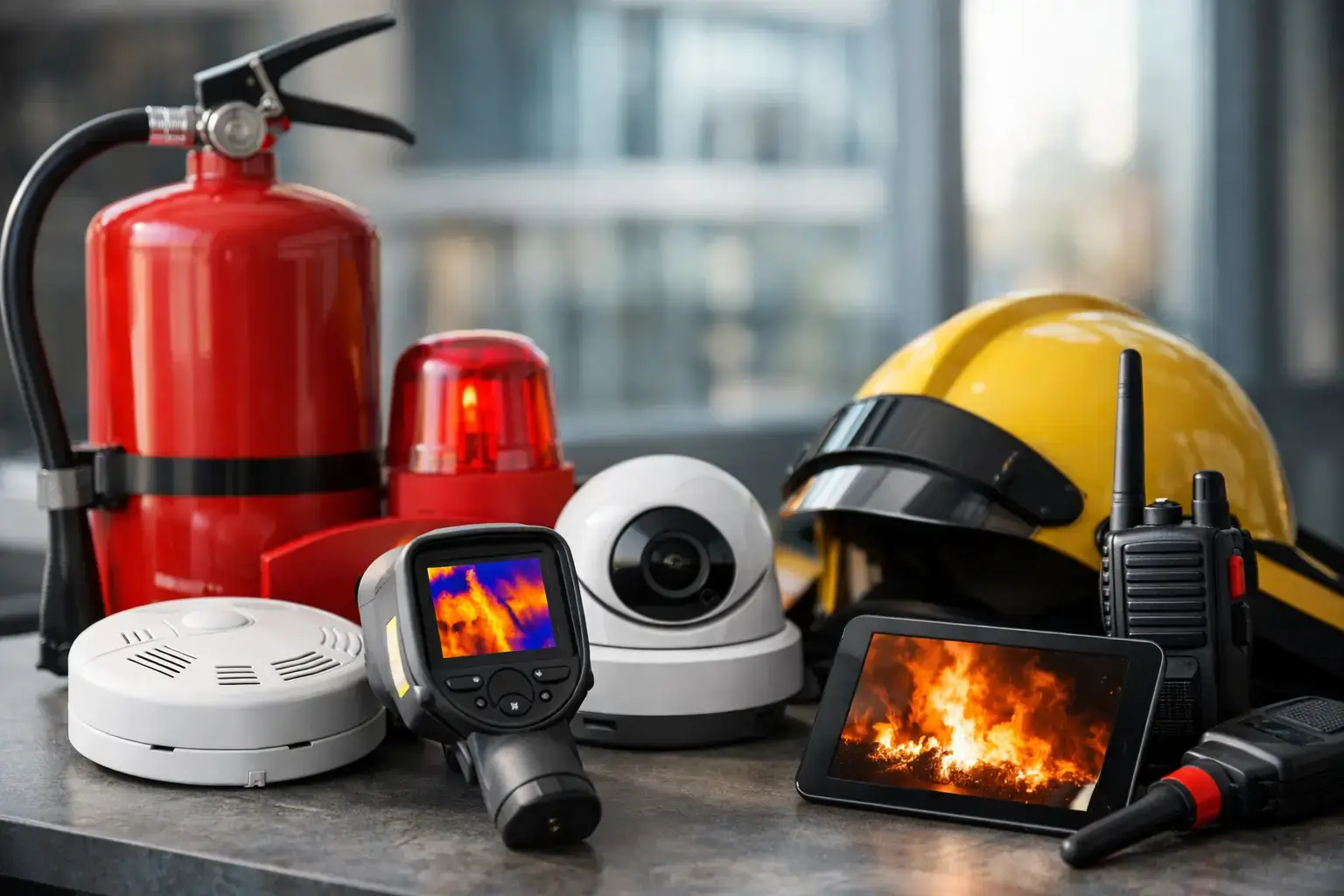
A fire alarm that simply makes noise is no longer enough for many buildings. Across commercial sites, rental properties and higher-risk residential settings, fire safety technology trends are moving towards earlier detection, faster verification and better coordination with the wider security estate. For owners and facilities teams, that means fewer blind spots, more useful information during an incident and a clearer route to compliance.
The shift is being driven by practical pressures. Buildings are more complex, occupancy patterns change quickly, and false alarms remain expensive and disruptive. At the same time, insurers, responsible persons and property managers want systems that are dependable over the long term, not just acceptable on the day of installation. The most useful developments are not flashy extras. They are improvements that help people respond sooner, maintain systems more effectively and reduce avoidable risk.
Fire safety technology trends are becoming more connected
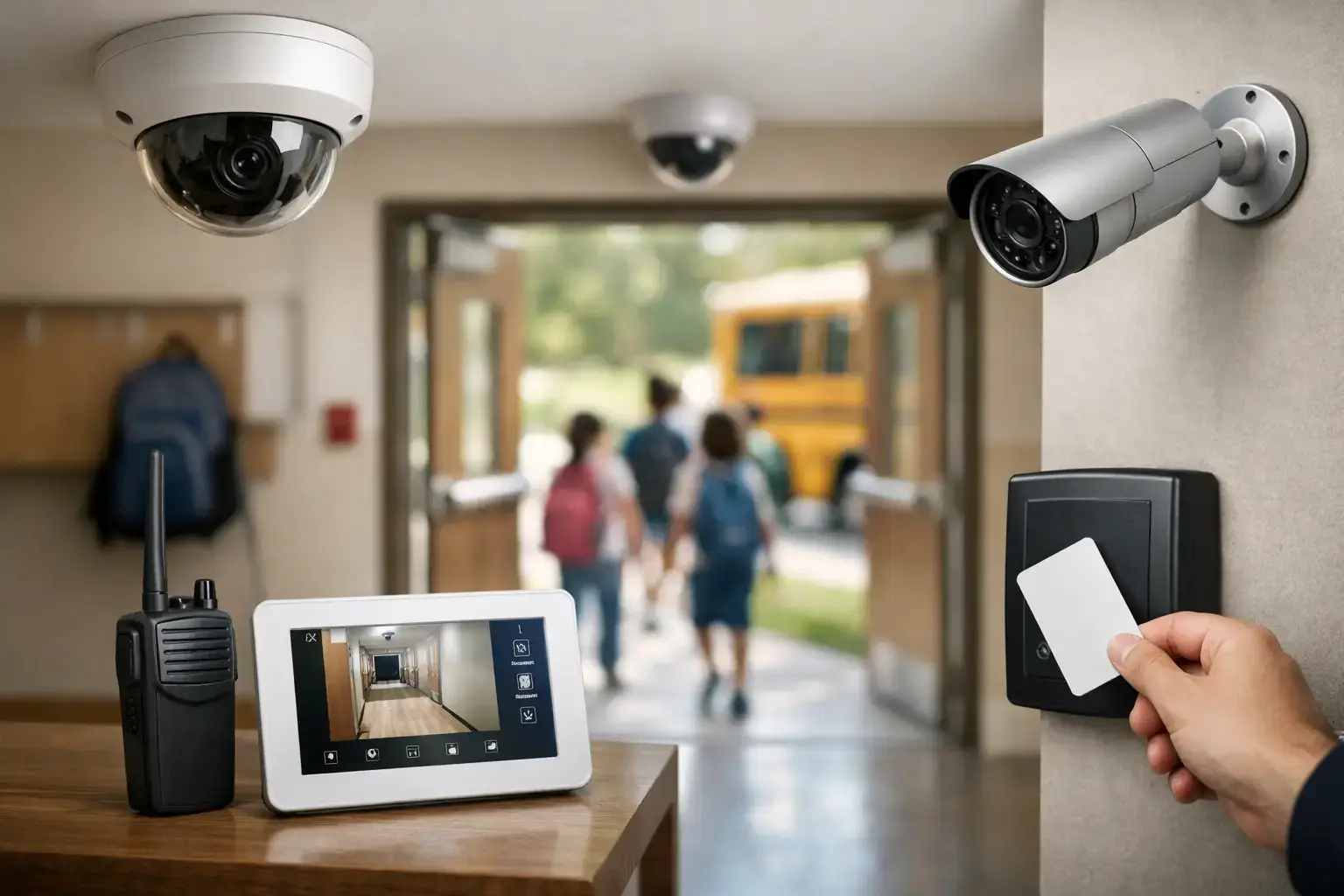
One of the clearest changes is the move away from isolated fire systems towards integrated life-safety and security platforms. In the right setting, a fire alarm can now interact with access control, CCTV, door entry and remote monitoring tools to support a more controlled response.
If an alarm activates on a commercial site, integration can help release designated doors, support safe evacuation routes and provide instant visual verification from nearby cameras. For a facilities manager, that is far more useful than a panel showing a single zone in alarm with no supporting context. In a school, warehouse or office block, those extra layers can reduce confusion when time matters.
That said, integration needs to be designed properly. Not every building benefits from linking every system, and poor configuration can create new points of failure. The value comes from planned interaction between systems, not from connecting devices for the sake of it.
Smarter detection is reducing false alarms
False alarms remain one of the biggest frustrations in fire safety. They interrupt operations, create complacency and can carry direct costs. This is why modern detection technology is moving towards more intelligent sensing rather than relying on a single trigger.
Multi-sensor detectors are becoming more common because they assess several conditions at once, such as heat and smoke characteristics, before raising an alarm. In many environments, that gives a better balance between sensitivity and stability. Kitchens, plant rooms, hospitality settings and busy communal areas often need exactly that sort of measured response.
Advanced algorithms also help panels interpret detector data more accurately. Instead of treating every activation as identical, systems can assess patterns and thresholds more intelligently. The result is not a promise of zero false alarms, because no responsible installer should claim that, but a much better chance of catching genuine risk without unnecessary activations.
Addressable systems are now the expected standard in many premises
For larger homes, HMOs, commercial buildings and multi-area sites, addressable fire alarm systems are increasingly seen as the sensible choice rather than a premium upgrade. They identify the exact device or location triggered, which improves both emergency response and maintenance.
That level of precision matters. If a detector activates in a specific plant room, classroom, corridor or stock area, staff do not need to lose valuable time searching for the source. Engineers can also diagnose faults more efficiently, which helps keep disruption and call-out time under control.
Conventional systems still have their place in smaller, simpler properties where budget and layout make them appropriate. But for many organisations, the additional clarity of an addressable setup justifies the investment over the life of the system.
Remote monitoring and real-time alerts are improving response
Another important shift in fire safety technology trends is the move towards real-time status reporting and off-site awareness. This is particularly relevant for unoccupied premises, multi-site operators and landlords who cannot be physically present at all times.
Modern systems can provide alerts for alarm conditions, faults, disablements and other critical events without waiting for someone to notice a panel locally. That gives responsible persons and maintenance teams a better chance to act quickly, whether the issue is a genuine activation or a developing fault that could compromise protection.
Remote capability does not remove the need for routine testing, servicing and legal compliance. It supports those duties. Used correctly, it can shorten response times and reduce the risk of faults sitting unnoticed for days or weeks.
Wireless and hybrid fire systems are gaining ground
In occupied buildings, heritage properties and sites where cabling is difficult, wireless and hybrid fire alarm technology has become far more practical than it once was. This is especially useful where disruption must be kept to a minimum, such as schools, listed buildings, healthcare settings and high-end residential properties.
A well-specified wireless solution can speed up installation and reduce the need for intrusive works. Hybrid systems, which combine wired and wireless components, can also offer a sensible middle ground for extensions, refurbishments and phased upgrades.
There are trade-offs. Wireless devices rely on battery management and careful maintenance planning, and not every environment is suitable. Signal strength, building construction and long-term servicing all need proper assessment. Still, for the right site, wireless technology can make a compliant and reliable system far easier to deliver.
Better maintenance data is changing how systems are managed
Fire alarm performance depends as much on maintenance as installation. One of the more useful developments in recent years is the improved visibility engineers and building managers now have into system condition, device history and recurring issues.
Modern panels and connected platforms can log faults, contamination warnings, battery issues and detector performance trends in greater detail. That allows for more informed servicing and helps identify weak points before they become failures. In practical terms, it means a site can move away from purely reactive fixes towards more planned maintenance.
For businesses with several premises, this is particularly valuable. Patterns can be spotted across locations, and service decisions can be based on evidence rather than guesswork. It also supports clearer records, which matters when demonstrating that a system has been properly maintained.
Visual verification and analytics are supporting fire response
Video technology is not replacing fire detection, but it is becoming more useful alongside it. When a fire alarm is linked to nearby CCTV, designated staff or monitoring teams can gain immediate visual context. On a large site, that can make the difference between a swift, informed response and a slow one based on limited information.
There is also growing interest in analytics that can identify smoke, flame or unusual behaviour in specific environments. These tools can be valuable in warehouses, external compounds, construction sites and industrial settings where conventional detection alone may not give the earliest warning.
This is an area where caution is needed. Analytics are highly dependent on camera placement, lighting, environmental conditions and system design. They should support, not dilute, a compliant fire strategy. Used properly, though, they can add an extra layer of situational awareness.
Fire safety technology trends now reflect energy and building use changes
Changes in how buildings are powered and occupied are also shaping fire protection. Plant areas containing batteries, solar equipment, EV charging infrastructure and other electrical assets may present different risks from those seen in older properties. At the same time, more flexible working patterns mean some commercial buildings are partially occupied for long periods, which affects how incidents are detected and handled.
This does not mean every site needs specialist equipment across the board. It does mean fire risk assessments and system design need to reflect current building use, not outdated assumptions. A warehouse with lithium-powered equipment, for example, may need a different detection approach from a traditional office floor.
The same principle applies to mixed-use properties and converted residential buildings. Fire safety technology is improving, but it still has to be matched to the actual hazards on site.
Why professional design matters more as systems become more capable
As fire systems become more intelligent, the gap widens between a properly designed installation and a basic equipment fit. The best results come from survey-led design, correct category selection, suitable detector choice, clear cause-and-effect programming and dependable ongoing maintenance.
For buyers comparing options, the question is not simply what technology is available. It is whether that technology is appropriate for the premises, the fire strategy and the people using the building. A small block of flats, a retail unit and a logistics site may all benefit from modern fire alarm features, but they will not need the same configuration.
That is why experience matters. An installer working across fire alarms, CCTV, access control and ongoing support can often see practical opportunities and risks that a product-led supplier may miss. For clients across Essex, London and the South East, that joined-up approach is often where long-term value is found.
Fire safety is becoming more connected, more responsive and more precise, but the real benefit is still simple: giving people earlier warning and clearer information when it counts.