A camera that records everything but flags nothing useful is no longer enough. The most significant AI surveillance trends are not about adding more devices to a site. They are about helping businesses and homeowners across Essex, London and the South East spot genuine risk faster, reduce false alarms, and make better decisions about where to invest in security.
That shift matters because security buyers are under pressure from several directions at once. Retailers need better loss prevention without creating extra workload. Site managers want reliable out-of-hours detection. Homeowners want remote visibility without constant nuisance alerts. Across all of those settings, artificial intelligence is moving CCTV from passive recording towards active, practical support.
The AI surveillance trends changing CCTV use
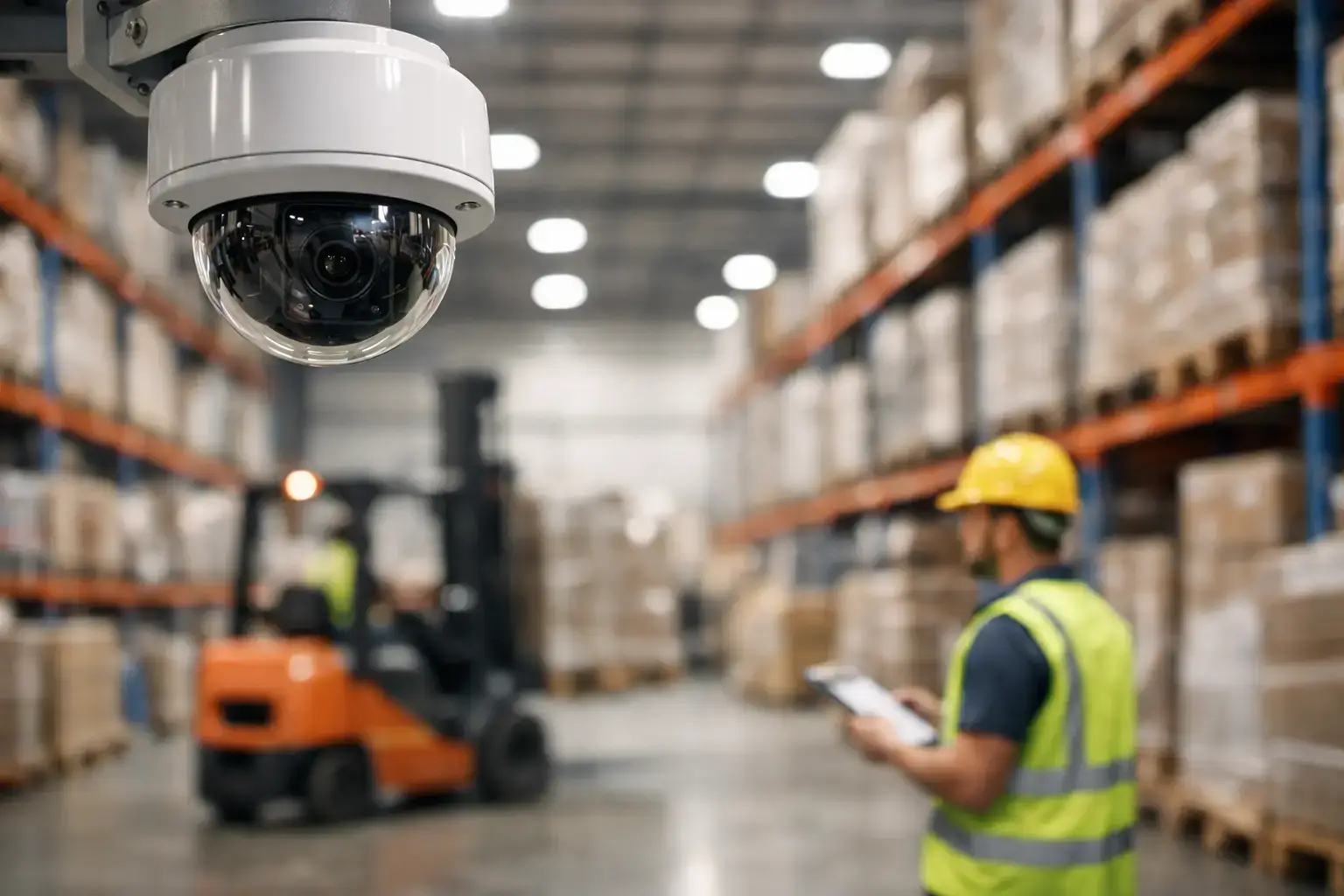
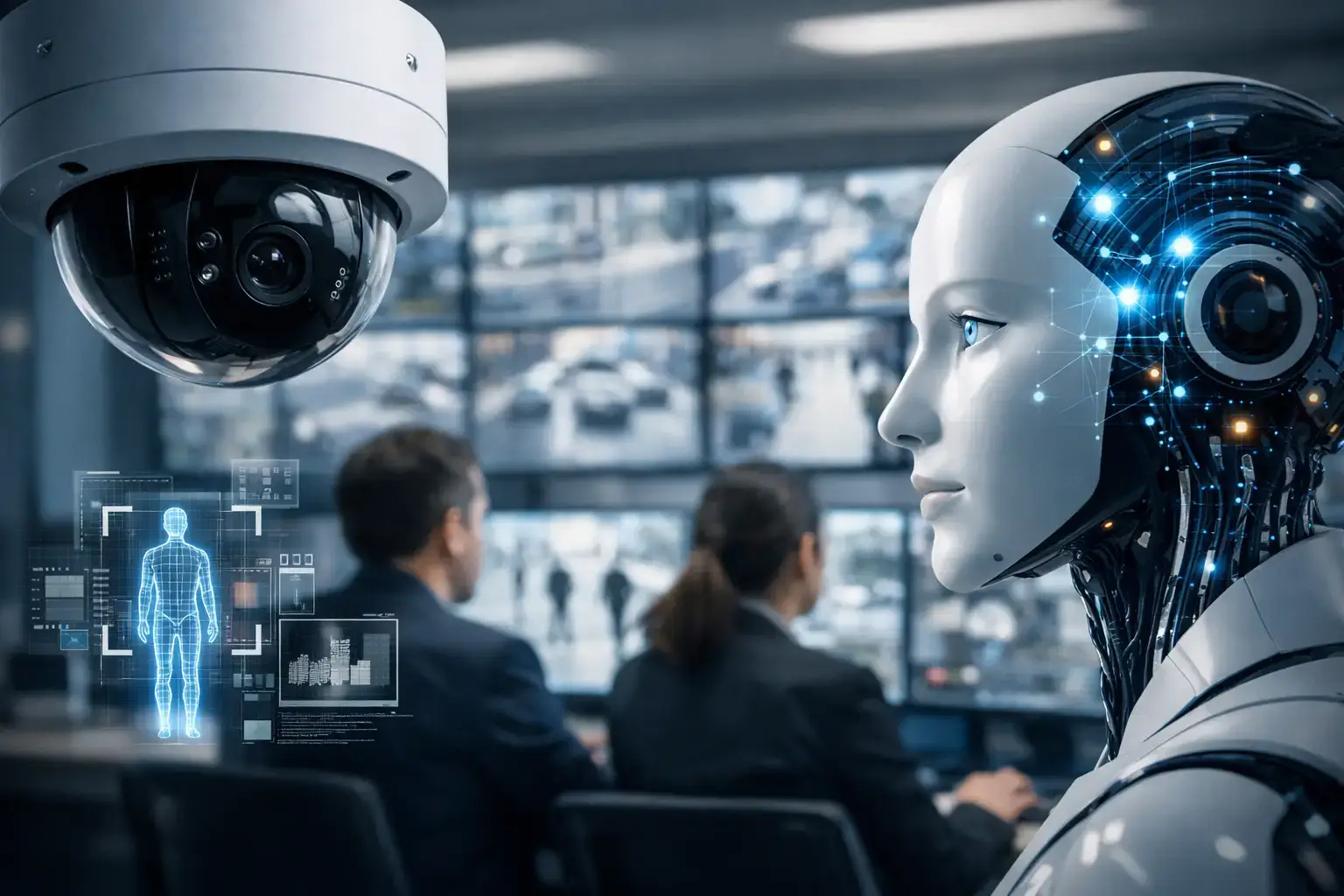
The first major change is that analytics are becoming more selective. Earlier motion detection often reacted to headlights, rain, tree movement or wildlife. Modern AI systems are increasingly trained to distinguish between people, vehicles and irrelevant background movement. In practice, that means a warehouse can receive an alert for a person entering a restricted yard at 2am, rather than a notification every time the wind picks up.
This sounds straightforward, but the value is operational as much as technical. When a system produces fewer false activations, staff are more likely to trust it. A monitoring team can act sooner. An owner checking footage on a mobile phone is less likely to ignore a real event because they have already seen twenty meaningless alerts that week.
The second trend is the rise of behaviour-based detection. Instead of only asking whether something moved, AI can be configured to look for events such as loitering, line crossing, people entering prohibited zones or vehicles stopping where they should not. For commercial sites, that can support perimeter security, after-hours protection and health and safety oversight. For residential properties, it can help identify someone lingering near a driveway, gate or side access before an incident escalates.
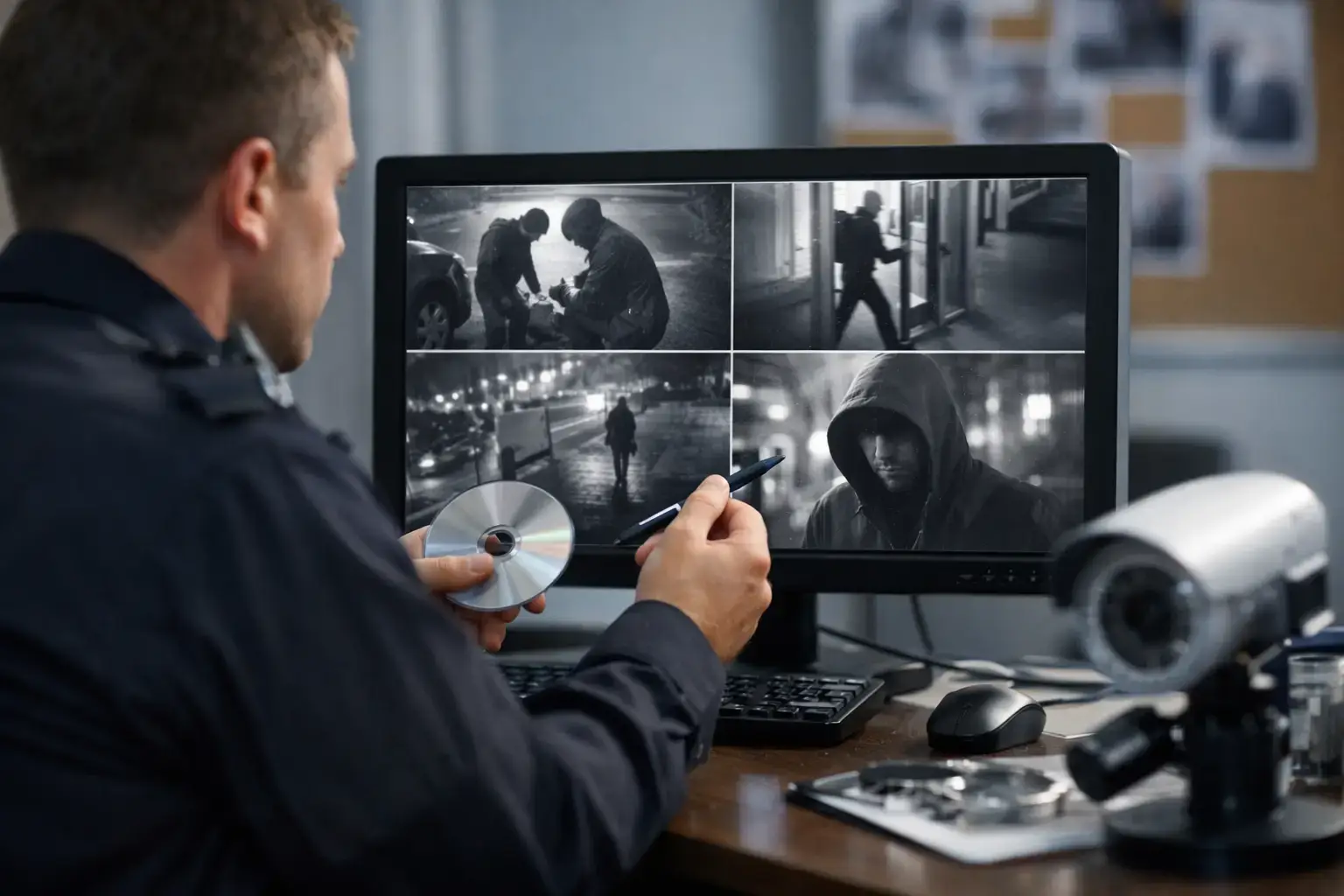
The third trend is better searchability. One of the practical frustrations with CCTV has always been the time needed to review footage. AI-assisted search allows operators to filter recordings by person, vehicle type, colour, direction of travel or time window, depending on the system and camera specification. That can save valuable time after theft, trespass, vandalism or a dispute on site. It also makes CCTV more useful as an investigative tool rather than just a record of what has already gone wrong.
Why better analytics do not remove the need for proper system design
There is a temptation to treat AI as a shortcut. It is not. Even the best analytics will struggle if cameras are badly placed, poorly focused, exposed to excessive glare, or trying to cover too wide an area for the level of detail required.
This is where many buyers make the wrong comparison. They look at a specification sheet and assume that AI features alone will produce better security outcomes. In reality, performance depends on the whole system – camera position, lighting conditions, lens choice, recording quality, network stability, storage design and how alerts are configured for the site.
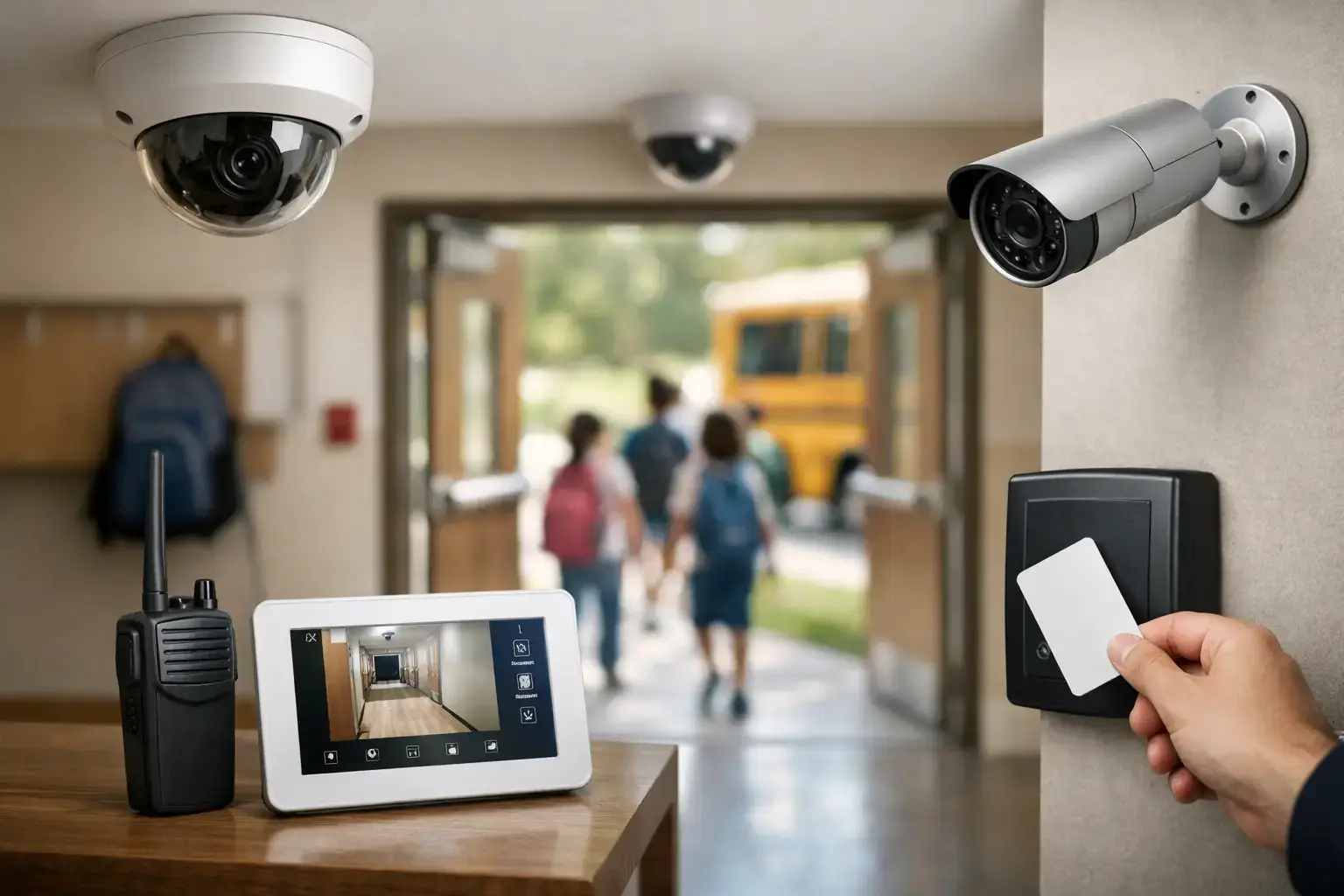
A retail unit, for example, may need people counting at one entrance, facial-level identification at tills, and intrusion detection for the rear service yard. A school may prioritise perimeter awareness and controlled access points. A homeowner may be more concerned with front door visibility, side access and vehicle coverage on the drive. The AI layer must support the site objective, not replace it.
AI surveillance trends and the move away from reactive security
One of the most useful developments is the move from forensic CCTV to preventative CCTV. Traditional systems were often relied on after an incident. The footage might help identify an offender, support an insurance claim or clarify what happened. Those functions still matter, but many buyers now want the system to intervene earlier.
AI makes that more realistic when paired with remote monitoring, audible warnings, lighting triggers or integrated access control. If a monitored system detects a person crossing into a restricted compound overnight, a response can begin while the intruder is still on site. For construction sites, commercial yards, industrial premises and isolated properties, that can make a clear difference to loss prevention.
That said, early intervention only works when the rules are tuned properly. Over-sensitive settings can generate alert fatigue. Under-sensitive settings can miss the event that matters. A professionally surveyed and commissioned system usually performs far better than a generic setup because the detection zones, schedules and thresholds are adapted to the environment.
Privacy, compliance and public confidence
As AI becomes more common, so do questions about privacy and appropriate use. This is one of the most important AI surveillance trends because buyers are no longer only asking what a system can do. They are also asking whether it should do it, and how it can be used responsibly.
For businesses, that means thinking carefully about data protection, retention periods, signage, user access and the justification for specific analytics. Not every site needs facial recognition, and in many environments it may be disproportionate or unsuitable. More commonly, the real value lies in object classification, perimeter rules and smart search functions that improve security without creating unnecessary privacy concerns.
For homeowners, the same principle applies on a smaller scale. Domestic CCTV should be positioned and configured sensibly, especially where public areas or neighbouring property might be captured. A professional installer can help reduce those risks while still delivering effective coverage.
Confidence in surveillance systems depends on balance. Buyers want strong protection, but they also want reassurance that the system is compliant, insurer-recognised where relevant, and appropriate for the setting.
Integration is becoming more valuable than standalone hardware
Another clear trend is integration. Cameras are increasingly expected to work alongside intruder alarms, door entry, access control and remote monitoring rather than operate as isolated equipment.
This matters because security incidents do not happen in neat categories. A person may tailgate through a controlled door, enter a restricted area, and trigger a camera rule before attempting theft. When systems are integrated, the response can be more coordinated. CCTV can verify an alarm event. Access logs can support an investigation. Remote operators can view live footage before escalating a response.
For larger commercial sites, integration also improves control across multiple buildings or access points. For homeowners, it can mean receiving a more useful alert when a camera event and door activity happen at the same time. The best setups are not those with the most features, but those where the features work together clearly and reliably.
Edge AI, cloud management and what buyers should watch
You will hear more about edge AI, where analytics are processed at the camera rather than entirely at the recorder or in the cloud. In many cases, this improves response speed and reduces the amount of unnecessary data being sent across the network. It can also make systems more scalable.
Cloud-based management is also growing, particularly for multi-site businesses that want easier oversight, health checks and remote administration. But cloud is not automatically the right answer for every premises. It depends on bandwidth, cybersecurity requirements, ongoing costs and the level of control the client wants over recorded footage.
This is where experience matters. The right answer for a small office, a school campus, a busy hospitality venue and a private home will not be identical. Some sites benefit from hybrid arrangements that combine local recording with remote access and selected cloud services. Others need a fully on-premise approach for operational or compliance reasons.
What to ask before investing in AI CCTV
If you are reviewing AI-enabled surveillance, the most useful question is not whether the technology is advanced. It is whether it solves a real security problem on your premises.
Ask what events you actually need to detect. Ask how the system will reduce false alarms. Ask how quickly footage can be searched after an incident. Ask whether the cameras are suitable for the lighting and distances involved. Ask how the setup supports insurance expectations, maintenance and long-term reliability.
It is also worth asking what happens after installation. AI features still need ongoing review, firmware updates, health checks and occasional refinement as the site changes. A warehouse layout may be altered. A building extension may create new blind spots. A home renovation may change entry routes. Security systems perform best when they are treated as working infrastructure rather than one-off purchases.
For organisations and households that want dependable protection, the real promise of AI is not novelty. It is clearer detection, faster response and better use of CCTV as part of a professionally designed security strategy. If the system is built around your site, your risks and your day-to-day reality, the technology starts to earn its keep.