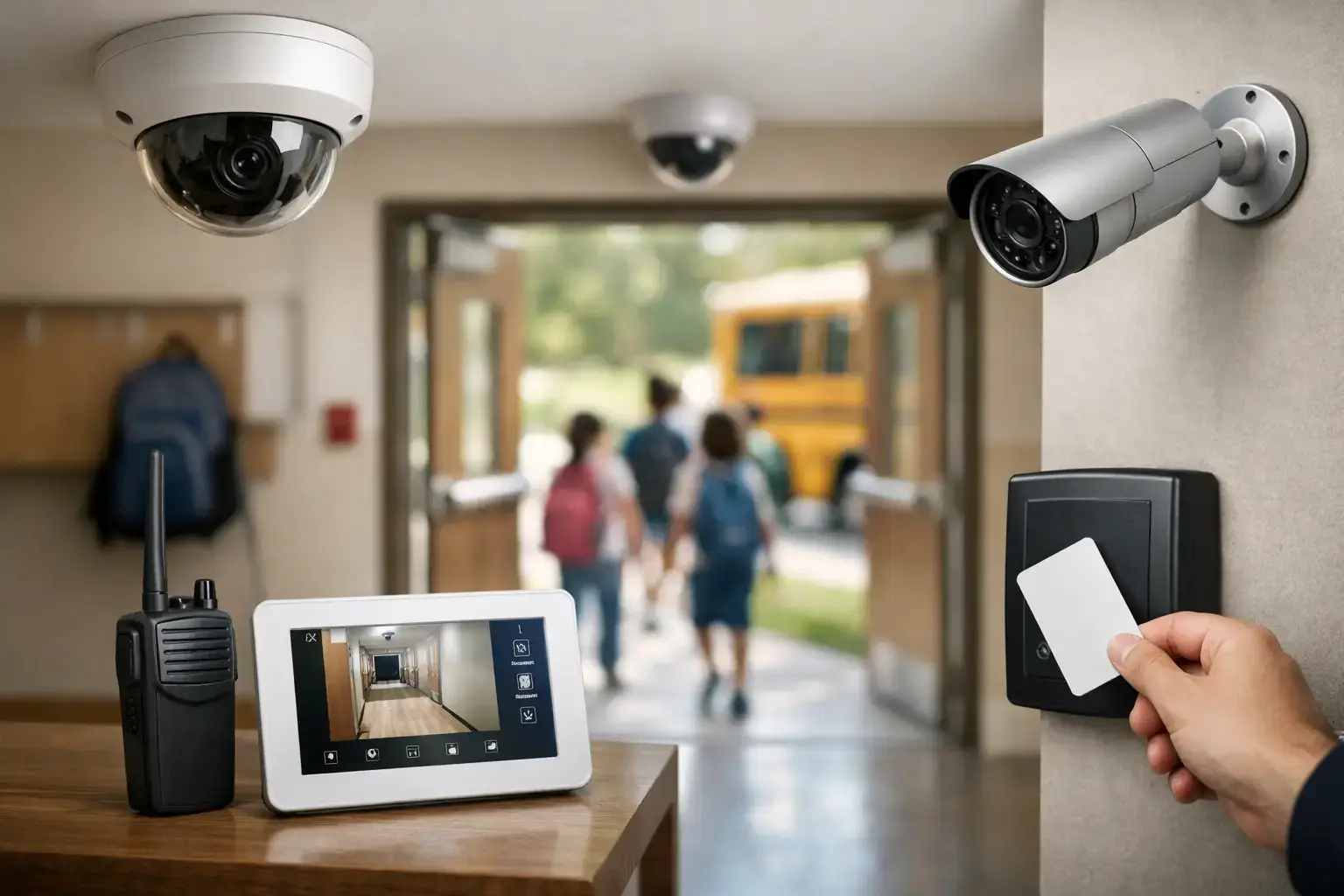
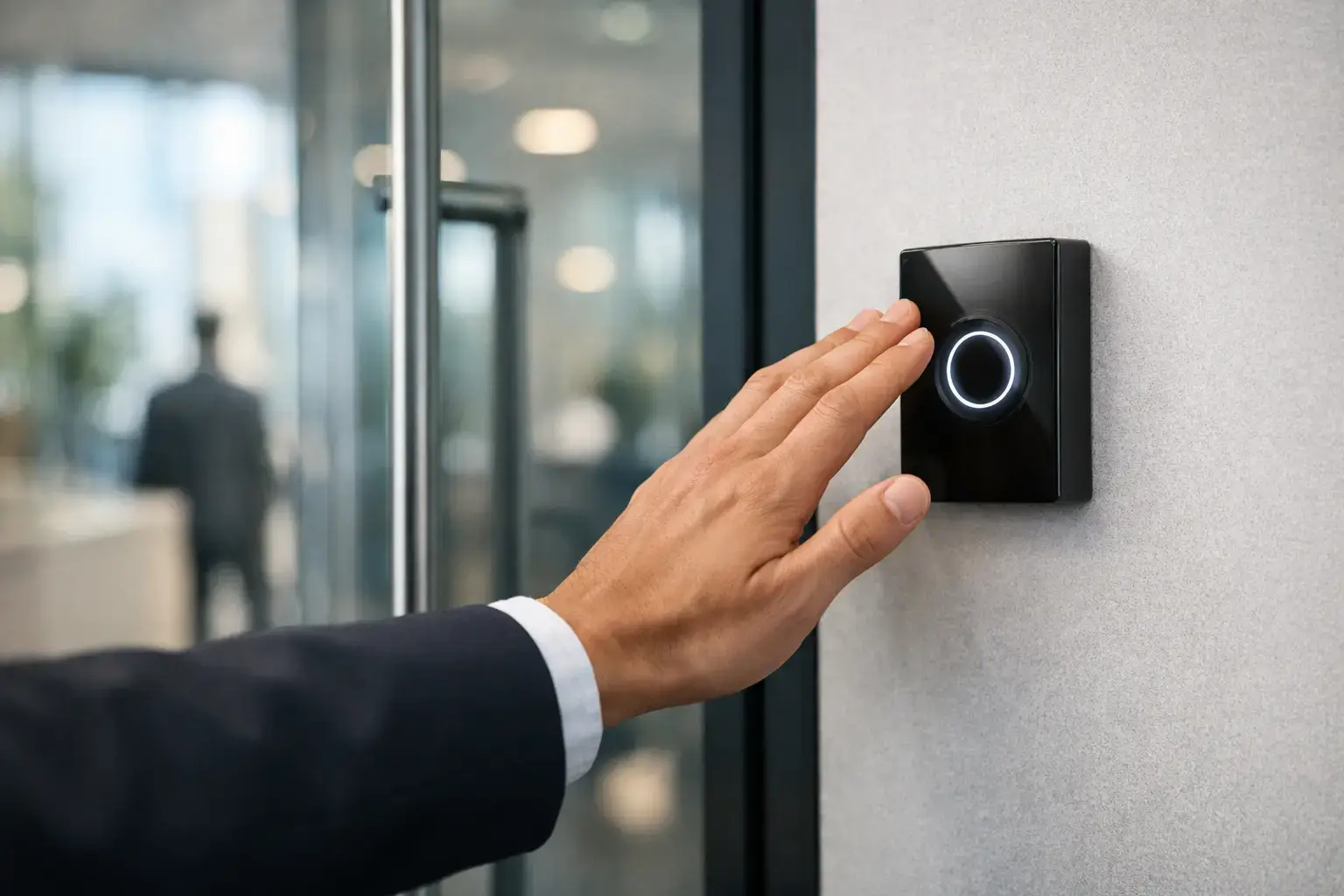
A busy office reception at 8.30am, a school entrance between lessons, a block of flats with parcels arriving all day – these are the moments when access control is tested properly. If people are queueing, propping doors open or passing fobs around, the weakness is not the door itself. It is the way access is being managed. Touchless entry systems are increasingly being chosen because they reduce contact, improve control and make day-to-day entry more efficient without lowering security standards.
For many properties across Essex, London and the South East, the appeal is practical rather than fashionable. A touchless system can help staff move through controlled doors without pressing shared buttons, allow residents to answer entry requests from their mobile phone, and give site managers a clearer record of who entered and when. When specified properly, it also fits into a wider security strategy alongside CCTV, intruder alarms and managed access permissions.
What touchless entry systems actually include
The term covers several technologies, and that matters because not every system works in the same way. Some use proximity credentials such as fobs, cards or key tags that are read without physical contact. Others rely on smartphone credentials through a secure app or Bluetooth connection. There are also motion-activated sensors, wave-to-open exit devices, automatic door openers, number plate recognition for gates, and video door entry systems that let a user grant access remotely.
In practice, most commercial and residential installations combine more than one method. A managed office may use mobile credentials for staff, video entry for visitors and push-to-exit alternatives on internal routes. A residential development might have a main video entrance panel, proximity access for residents and automated gates for vehicles. The best result usually comes from matching the entry method to the building, the traffic flow and the security risk rather than trying to apply one device everywhere.
Why touchless entry systems are being adopted
Hygiene is one reason, but it is not the only one and often not even the main one. Property owners and facilities managers are also looking for stronger control over access rights, fewer lost keys, clearer audit trails and a more professional experience for staff, residents and visitors.
Traditional locks still have their place, but they can create management problems. Keys are copied, passed on or not returned. Mechanical systems also make it harder to change permissions quickly. With touchless entry systems, access rights can often be issued, limited, revoked or timed around shifts, tenancies and contractor visits. That gives decision-makers more control, especially on multi-user sites.
There is also an operational benefit. If entry is smoother, people are less likely to prop doors open, tailgate through restricted areas or find workarounds that weaken security. In schools, healthcare sites, offices and logistics facilities, that can make a significant difference over time.
Where touchless access makes the biggest difference
Commercial premises tend to gain the most where there is regular footfall and changing access needs. Offices, warehouses, schools, surgeries, hotels and retail back-of-house areas often need a system that can cope with staff, visitors, deliveries and contractors without creating delay. In those settings, a touchless approach can support both security and movement through the building.
Residential properties benefit in different ways. For homeowners, video door entry linked to a mobile phone can offer a more convenient and secure way to manage callers and deliveries. For blocks of flats and gated developments, touchless access helps reduce wear on communal entrance equipment and gives managing agents more visibility over how access is granted.
Construction sites and temporary compounds are another strong use case. Access requirements change quickly, contractors come and go, and the risk of uncontrolled entry is high. A professionally specified system with managed credentials and integrated CCTV provides stronger oversight than a simple lock and chain ever could.
The value of integration
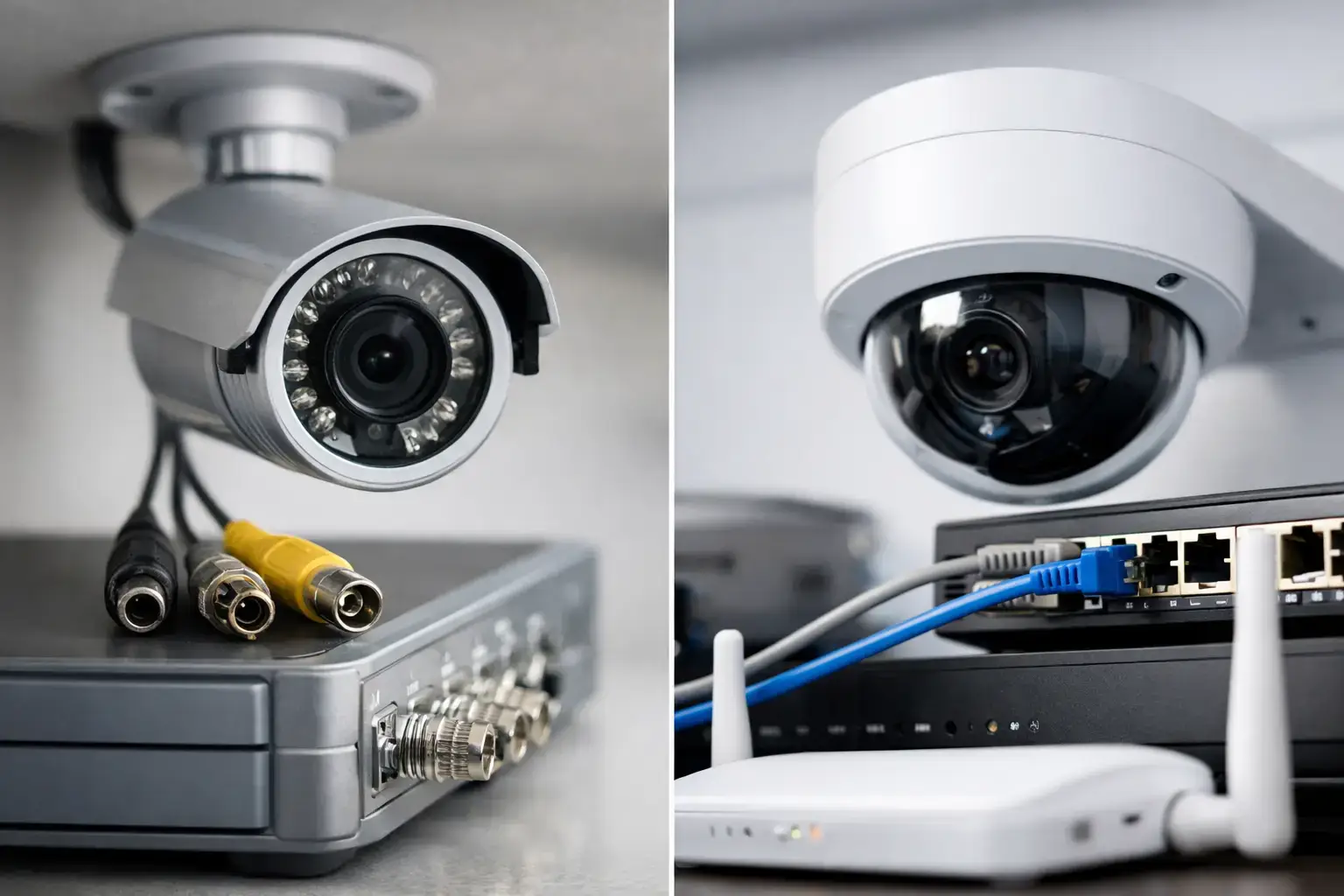
A standalone entry device can do a job, but integrated security usually delivers more dependable results. When access control works alongside CCTV, intercoms, automatic doors and intruder alarms, it becomes easier to investigate incidents, manage users and maintain a clear security picture.
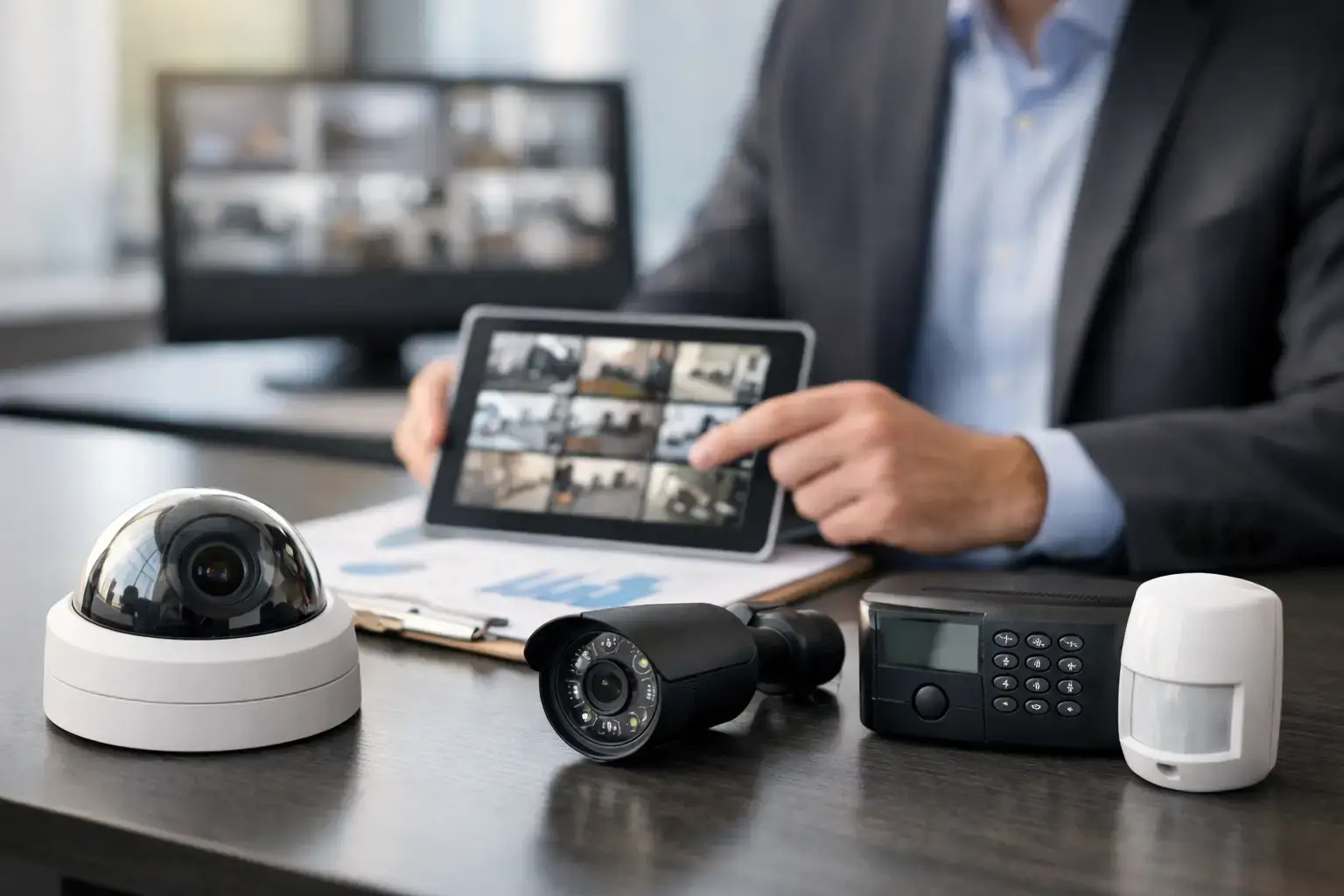
For example, if a staff member enters a restricted area outside normal hours, CCTV footage can be matched with the access event. If a door is forced, the alarm and video record can support a faster response. If an entrance is busy at certain times, settings can be adjusted to improve traffic flow without compromising security. This joined-up approach is often what separates a professionally designed system from a basic off-the-shelf setup.
Choosing the right system for your site
The right specification depends on more than budget. It depends on how the building is used, who needs access, how many doors are involved and whether compliance or insurer expectations apply. A small office with ten users has very different needs from a healthcare facility, a block of flats or an industrial unit with goods-in and staff-only zones.
Reliability should sit near the top of the checklist. Entry points are used constantly, so hardware quality matters. Reader performance, door release mechanisms, network stability and backup arrangements all affect how well the system performs over time. A cheaper setup can become expensive if it causes lockouts, callouts or repeated faults.
It is also worth thinking ahead. Will more users be added? Do you need temporary permissions for cleaners or contractors? Could the site later require gates, additional doors or remote management? A system that can scale sensibly is usually a better investment than one that solves only the immediate problem.
Common trade-offs to consider
There is no single perfect solution, and that is where good advice matters. Smartphone access can be convenient and flexible, but some organisations still prefer cards or fobs for simplicity and separation from personal devices. Facial recognition and other advanced methods may suit high-security environments, but they are not always the most proportionate choice for ordinary commercial premises or residential blocks.
Automatic doors and wave-to-open controls improve accessibility and reduce contact points, but they need proper maintenance and must be selected with safety compliance in mind. Cloud-managed systems can offer useful remote administration, though some clients prefer local control depending on their IT policies and risk profile. The right answer often comes down to balancing convenience, control, compliance and ongoing support.
Installation quality matters as much as the technology
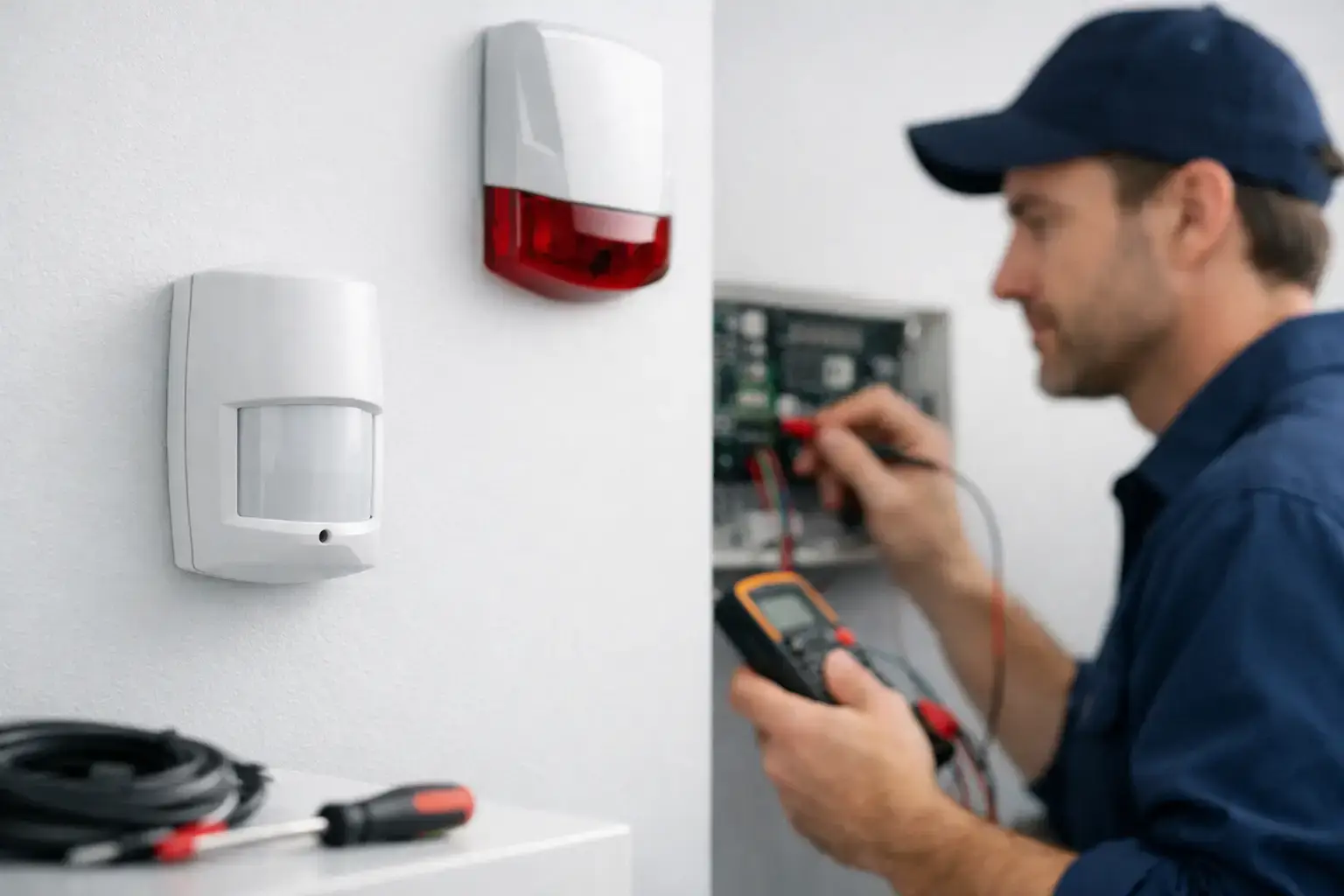
Even strong equipment can underperform if it is poorly installed or badly configured. Door alignment, lock type, cable routes, power supply, network setup and user permissions all affect the final result. That is why a proper site survey matters. It identifies how people move through the property, where bottlenecks occur and which access points need tighter control.
Professional installation also helps avoid common mistakes such as placing readers in awkward positions, using unsuitable release hardware or creating access rules that are too loose for the risks on site. For regulated or insurer-sensitive environments, that attention to detail is especially important.
For many clients, ongoing maintenance is just as valuable as the initial fit-out. Entry systems are used every day, and faults at a main entrance can become disruptive very quickly. Planned servicing, software support and prompt fault response help keep the system dependable and protect the original investment.
A better experience for users without weakening security
One of the strongest arguments for touchless entry systems is that they improve the user experience when they are done properly. Staff can move through doors with less friction. Residents can manage visitors more easily. Facilities teams can adjust access rights without changing locks. Visitors get clearer, more professional entry points.
That convenience should never come at the cost of security, and it does not have to. In fact, many sites become more secure once access is easier to manage and less dependent on physical keys. The difference lies in design, hardware choice and proper setup. A well-planned system feels straightforward for authorised users while remaining controlled, traceable and difficult to bypass.
For organisations and homeowners looking at access control, the real question is not whether touchless technology is modern enough to justify interest. It is whether your current entry method is giving you the level of safety, control and day-to-day practicality the building now requires. If it is not, a professionally specified touchless solution is often the sensible next step – not because it looks advanced, but because it works better where it counts.