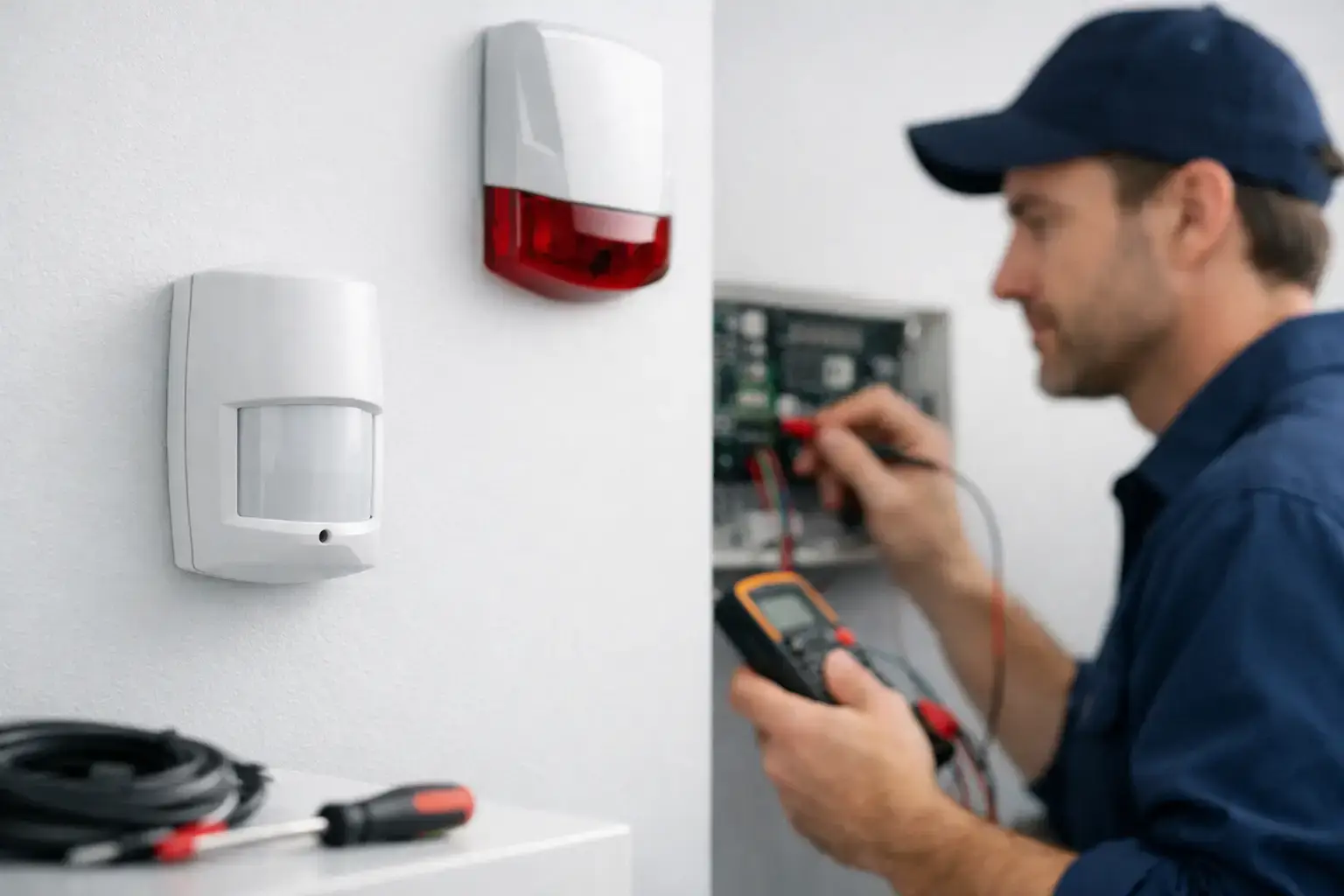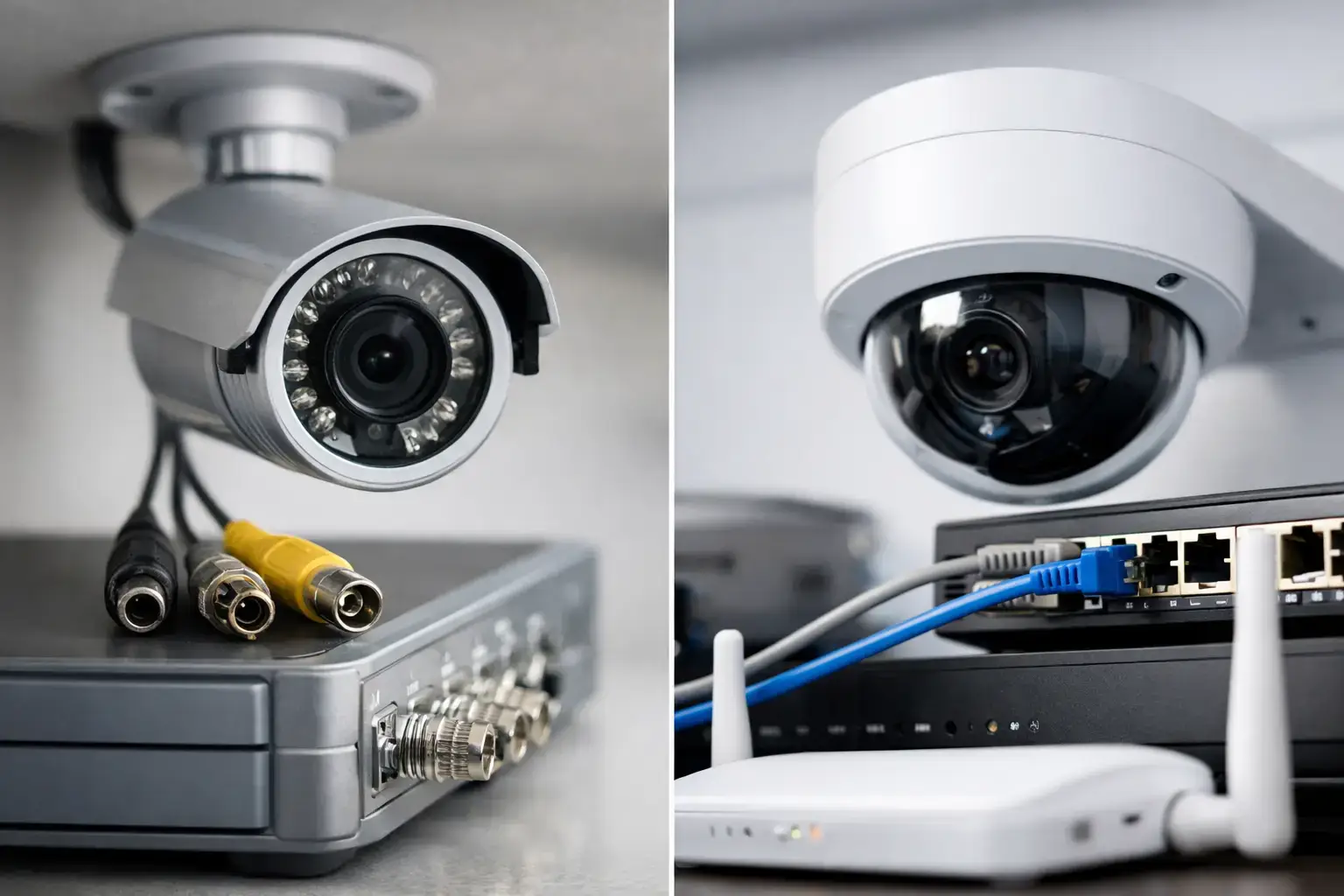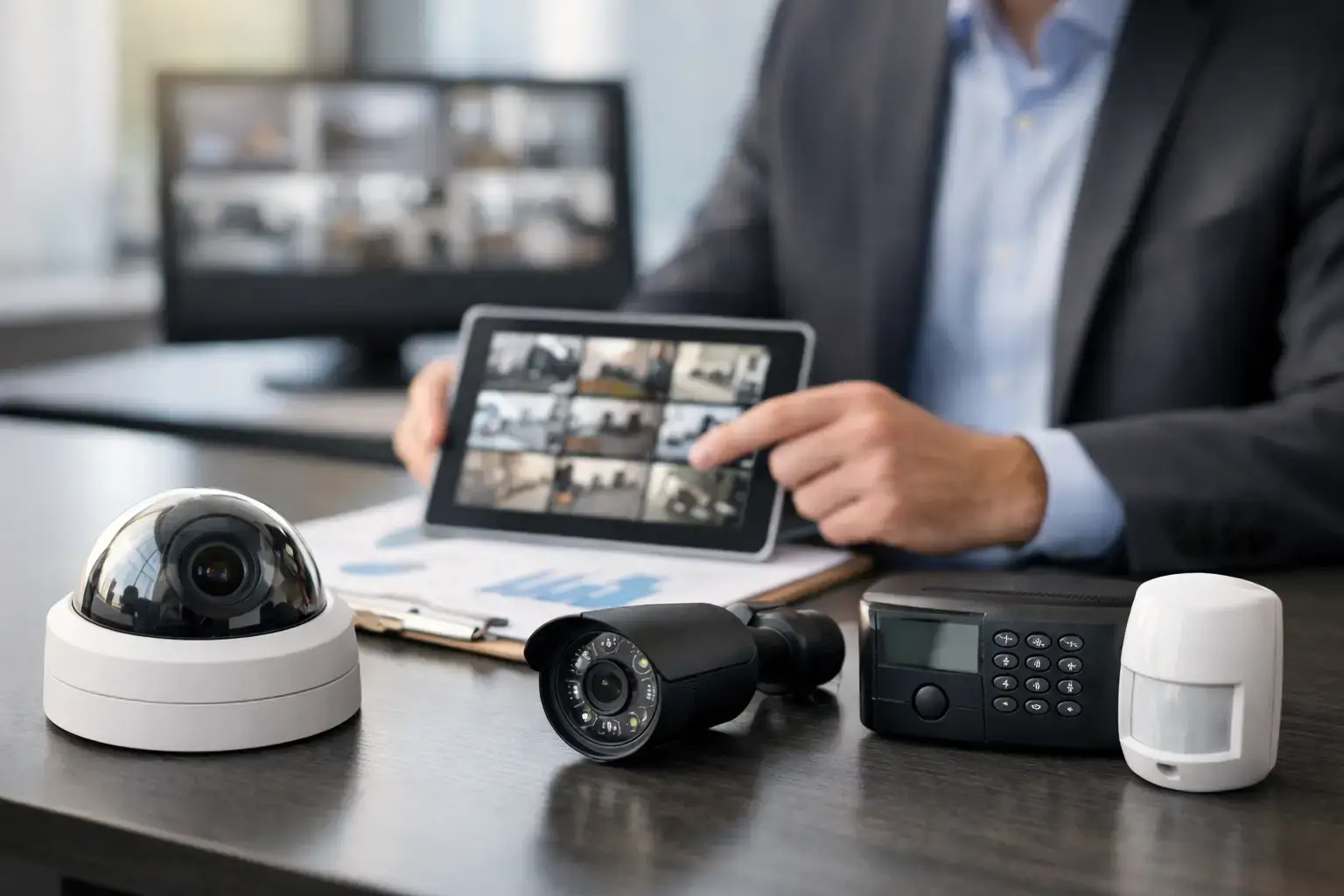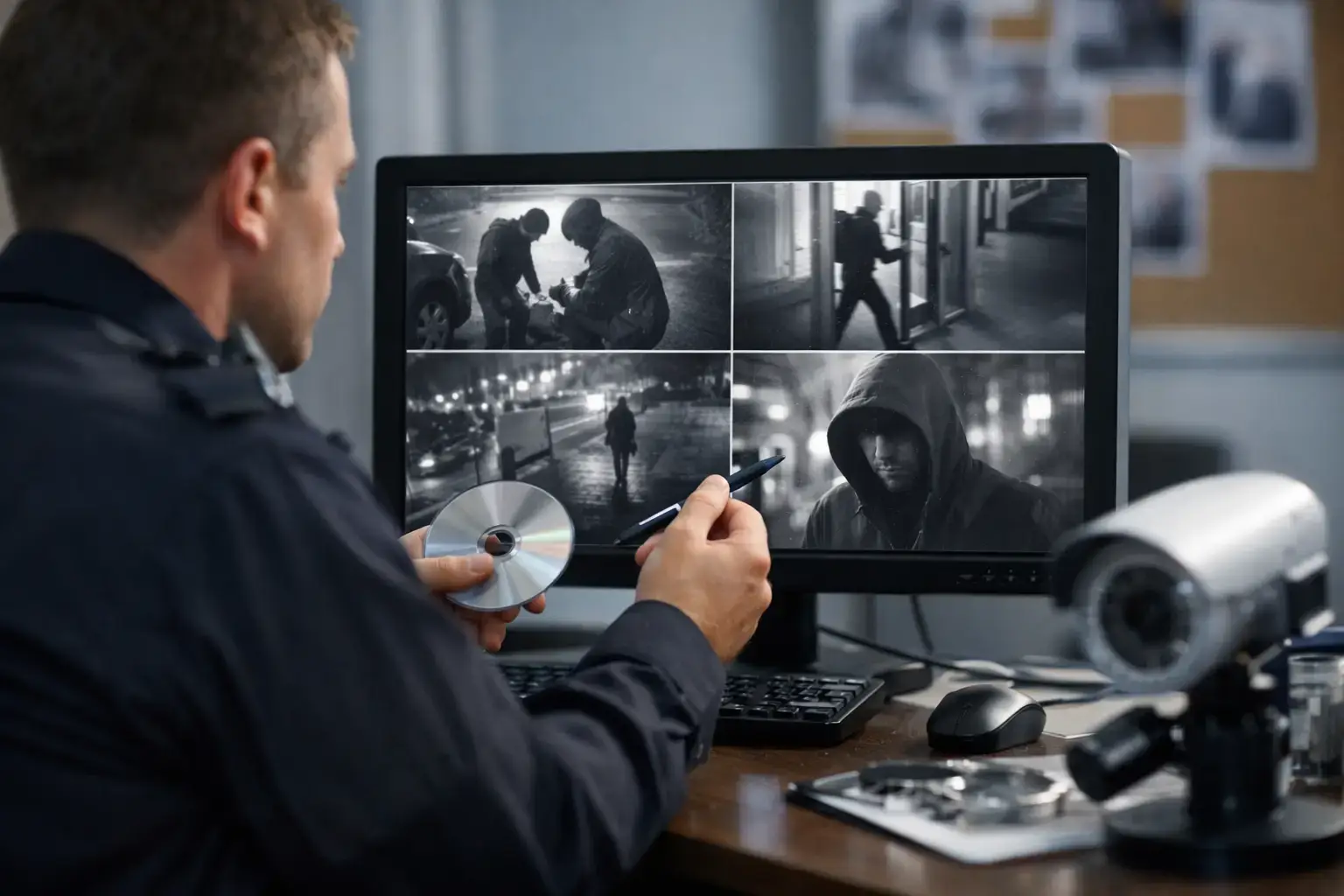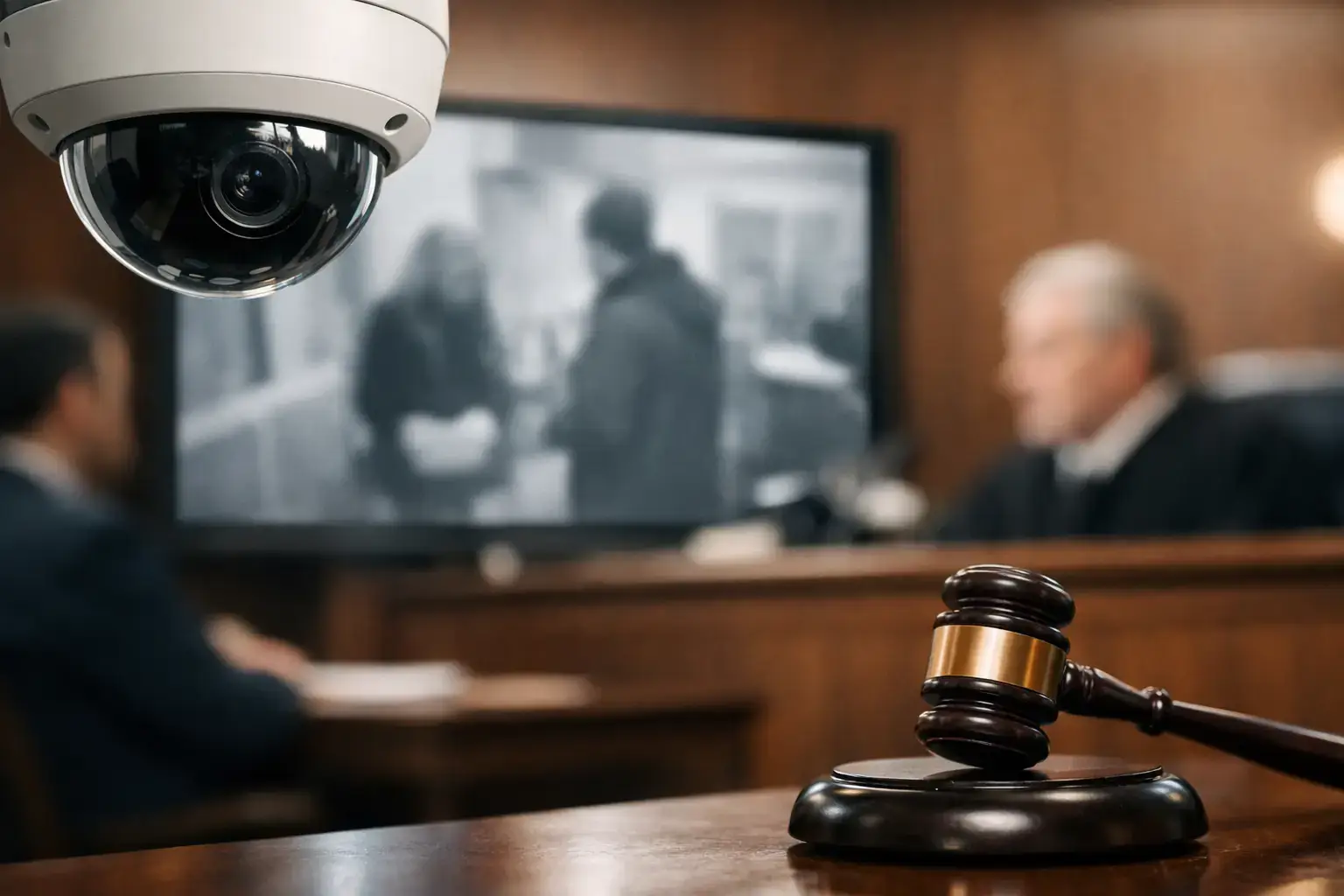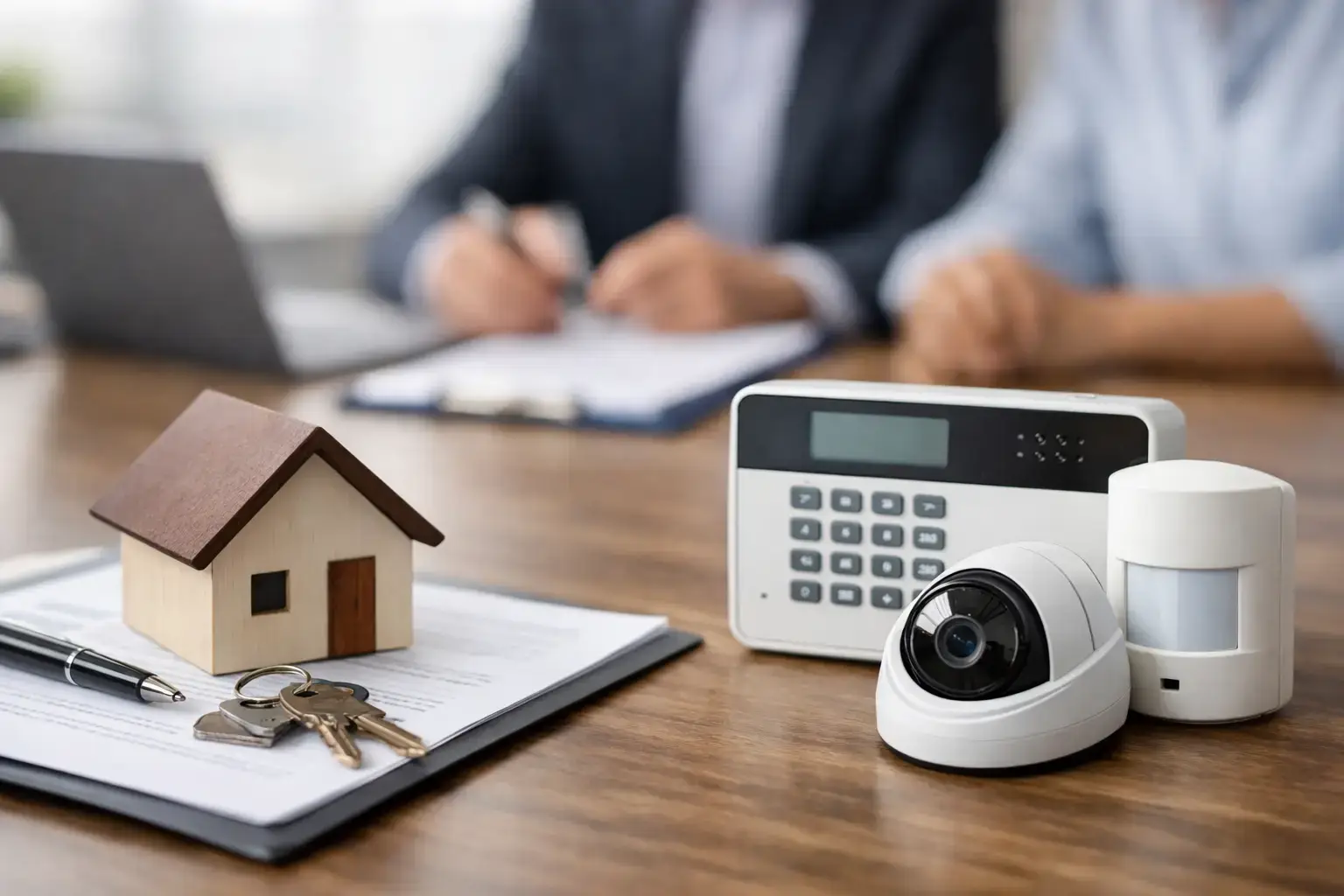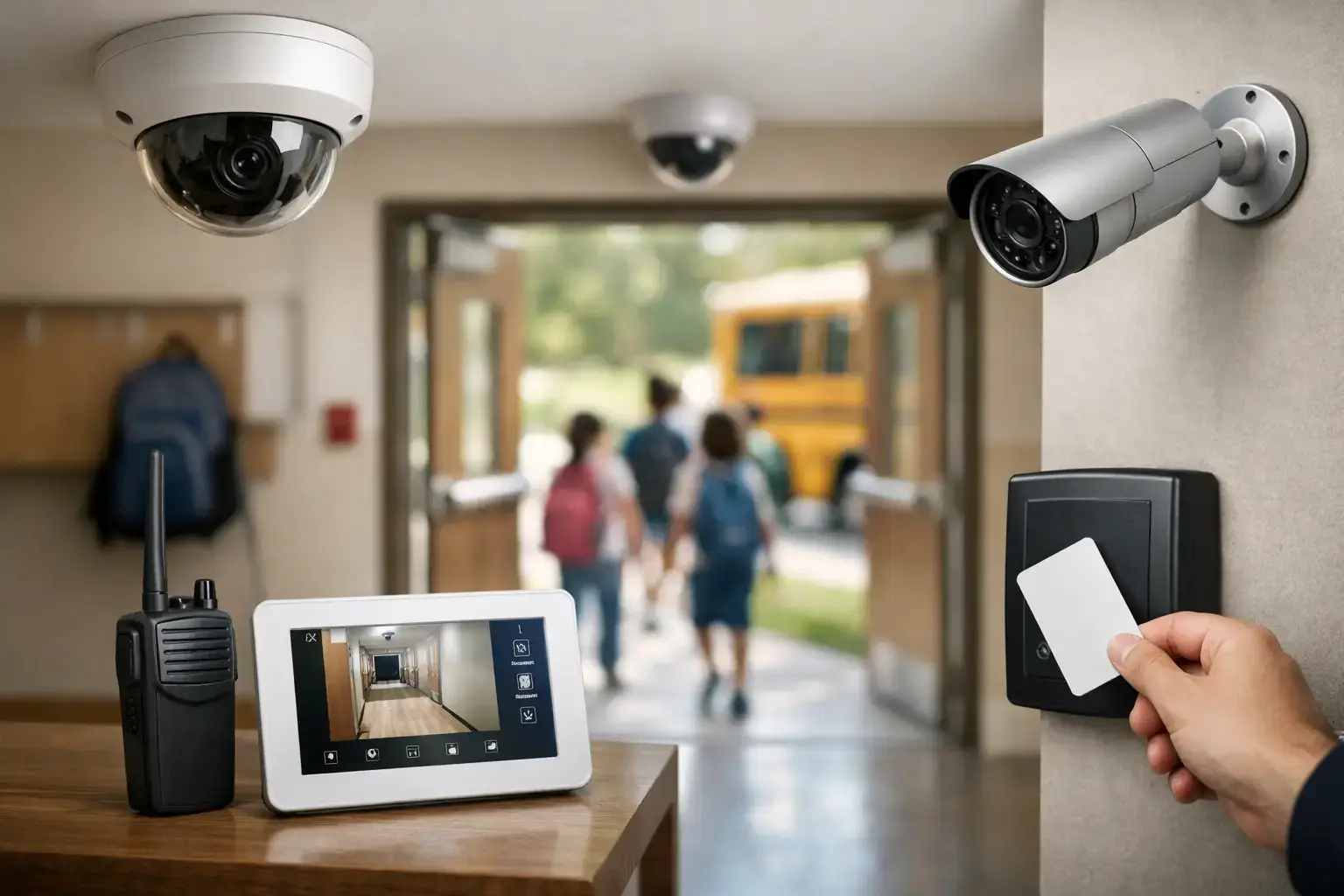
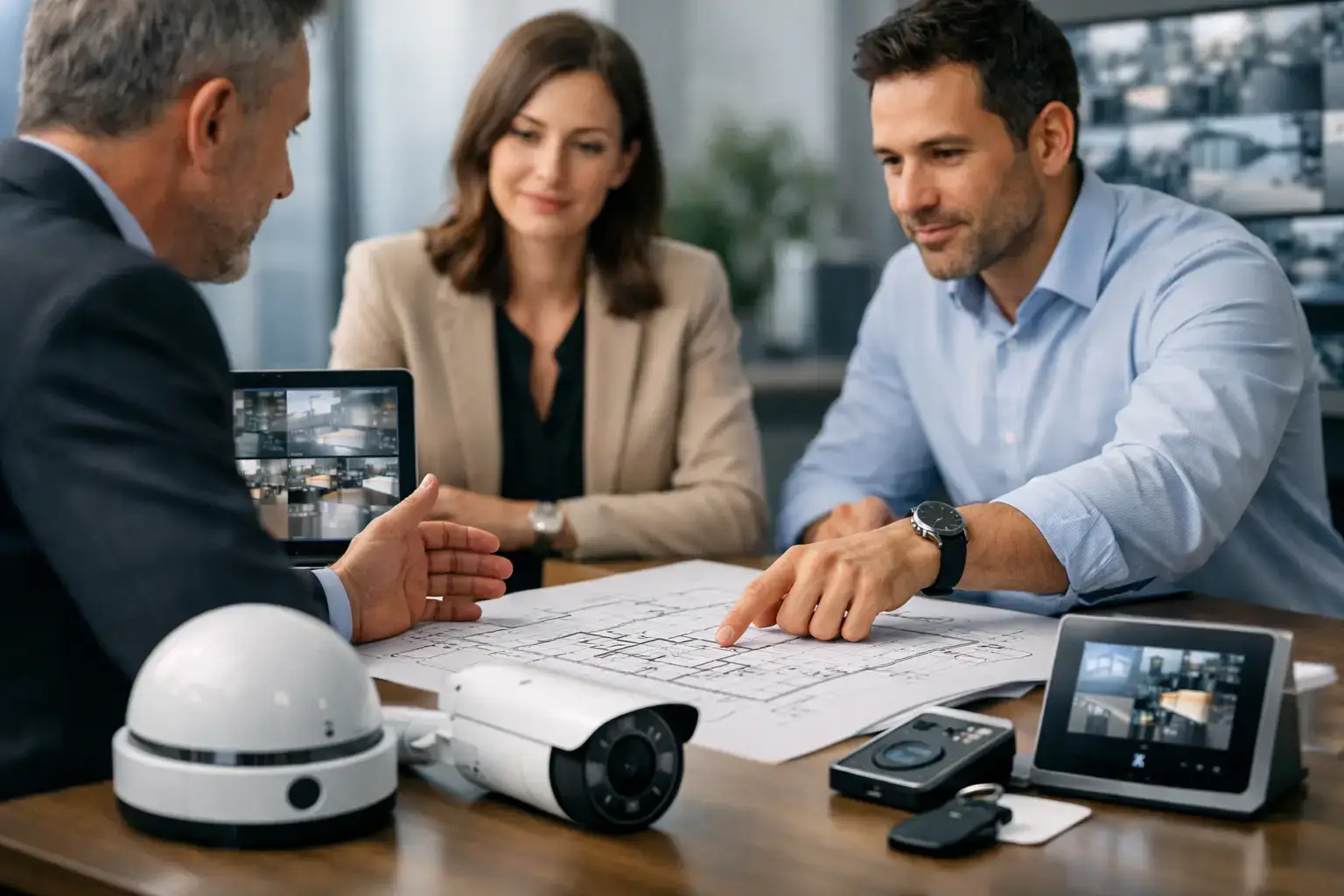
A camera in the wrong place, an alarm specified without thinking about day-to-day use, or an access control system that slows staff down at busy times can leave a property exposed while giving the impression that it is protected. That is where security system design consultancy earns its keep. It is the stage that turns a shopping list of equipment into a system that actually suits the building, the risk profile and the people using it.
For commercial sites and homes alike, good design starts before any cable is run or any device is fixed to a wall. It looks at what you are protecting, what you are trying to prevent, how the premises operate and what standards or insurer requirements need to be met. Without that thinking, even expensive equipment can underperform.
What security system design consultancy really covers
Security system design consultancy is not just a site visit followed by a quote. A proper consultancy process looks at the wider picture. On a business site, that may include public access points, cash handling areas, stock rooms, delivery routes, staff-only zones, perimeter weak spots and out-of-hours risks. In a home, it may focus on vulnerable entry points, blind spots around the property, detached garages, remote viewing needs and how the system will be used when the house is occupied or empty.
The aim is to design a practical mix of CCTV, intruder alarms, access control, fire alarm interfaces, door entry systems or automatic door solutions where needed. In some cases, a standalone system is enough. In others, the real value comes from integration. A school may need access control linked to door release and video verification. A warehouse may need analytic CCTV covering loading bays and yard areas, backed up by monitored intruder detection. A block of flats may need door entry and communal CCTV designed around resident convenience as much as security.
That is why consultancy matters. It prevents a generic approach to a very specific problem.
Why a survey-led approach saves money later
Many buyers assume that consultancy adds cost. In reality, it often removes waste. The most common overspend in security comes from over-specifying the wrong areas and under-protecting the right ones. A poorly planned CCTV layout may require extra cameras later because key facial identification points were missed. An alarm system that does not suit occupancy patterns can generate false alarms and engineer callouts. Access control that ignores building flow can create bottlenecks and user frustration.
A survey-led design helps avoid these problems by deciding what is necessary and what is not. That means considering lens selection, lighting conditions, recorder capacity, detector placement, user permissions, entry routes and maintenance access from the outset. It also means planning for future changes. If a retail unit may expand, or a business expects to add staff or alter internal layouts, the system should be designed with sensible headroom.
The cheapest quote on paper is rarely the cheapest system over five years. If a design reduces failures, nuisance alarms and upgrade work, it usually pays for itself.
Security system design consultancy for different property types
No two sites carry the same risk, even within the same sector. A convenience shop trading late into the evening needs a different design to a corporate office with reception control and fixed opening hours. A construction site needs temporary but durable protection with good remote visibility. A homeowner in a quiet cul-de-sac may need a very different setup from a landlord managing a multi-occupancy property.
Commercial premises
Businesses usually need security systems that balance protection with operations. Staff need to get in and out without delay. Managers need usable footage rather than endless recordings with no clear event markers. Insurance requirements may shape grades, signalling options and maintenance expectations. In healthcare or education settings, safeguarding and controlled movement often sit alongside theft prevention. In hospitality, customer flow and discreet coverage matter just as much as deterrence.
That makes consultancy particularly valuable for commercial clients. The design has to reflect trading hours, staffing patterns, public access, delivery schedules and compliance obligations, not just the floorplan.
Residential properties
Homes benefit from consultancy too, especially where owners want more than a basic bell box and a couple of cameras. A well-designed residential system should deter intruders, provide useful evidence and remain easy to use every day. If the app is confusing or the alarm routines are awkward, people stop using the system properly.
A good consultant will think about driveway coverage, side access, doorbell or gate visibility, pet tolerance where relevant, privacy around neighbouring properties and whether remote alerts are genuinely helpful or likely to become background noise. The right answer is not always more devices. It is the right coverage in the right places.
Compliance, insurer approval and why they matter
For many clients, especially businesses, design is not purely about convenience. It is about meeting recognised standards and satisfying insurer expectations. That applies to alarm grading, signalling methods, installation quality and ongoing maintenance. If a system is meant to support an insurance requirement, it needs to be designed correctly from the start.
This is one of the clearest differences between professional consultancy and off-the-shelf buying. Consumer equipment can look attractive on price, but it may not meet the operational or compliance standard required for the premises. That can become a problem after an incident, when footage is poor, alarm activation is inconsistent or insurer acceptance is unclear.
An experienced consultancy process should make these points clear early on. It should explain what is required, what is recommended and where there is flexibility depending on risk and budget.
The trade-offs that should be discussed openly
Not every property needs the highest specification available. Equally, some sites cannot afford to cut corners. Good security system design consultancy should be honest about trade-offs rather than pushing equipment for its own sake.
Higher camera counts can improve coverage, but only if the recording quality and positioning remain fit for purpose. Analytic CCTV can reduce reliance on constant monitoring, but it needs careful setup to avoid unwanted activations from weather, wildlife or routine site movement. Access control can strengthen site security, but too many restrictions can make everyday operations harder. Monitored alarms can speed response and reassurance, but they bring ongoing costs and should be matched to actual risk.
These are sensible conversations to have before installation. A trustworthy provider will explain where investment makes a real difference and where a simpler solution may be enough.
What to expect from a professional consultancy process
A proper consultancy service should feel structured, not sales-led. It usually begins with a survey and a discussion about the site, current concerns and future plans. That is followed by system recommendations based on actual use rather than assumptions.
The strongest proposals are clear about coverage, equipment types, user operation, compliance and maintenance. They should explain why certain areas need protection, what the system will and will not do, and how it can be expanded later if required. They should also take account of practical installation factors such as cable routes, network requirements, lighting conditions and aesthetic considerations.
Where multiple security disciplines are involved, consultancy becomes even more important. CCTV, intruder alarms, access control and door entry should complement each other rather than operate as separate islands. For many clients across Essex, London and the South East, dealing with one specialist provider who can design, install and maintain the full package is simply more efficient and easier to manage.
Choosing the right security system design consultancy
The right partner should bring more than product knowledge. They should understand site risk, recognised standards, installation realities and long-term support. Ask how they approach surveys, whether their systems are insurer recognised where needed, how they deal with maintenance and what experience they have with properties similar to yours.
It also helps to look for a provider that can explain technical choices in plain English. Most clients do not need a lesson in engineering. They need confidence that the system has been designed properly and will work when it matters. That combination of technical competence and clear advice is where established specialists stand apart. For example, 247 CCTV works across commercial and residential security with an emphasis on professional design, compliant installation and dependable aftercare rather than box-shifting.
The best security decisions are rarely made by choosing equipment first. They are made by understanding risk, usage and standards, then building a system around them. If you want protection that stands up in the real world, start with the design, because that is where a security system proves its value long before an incident ever happens.