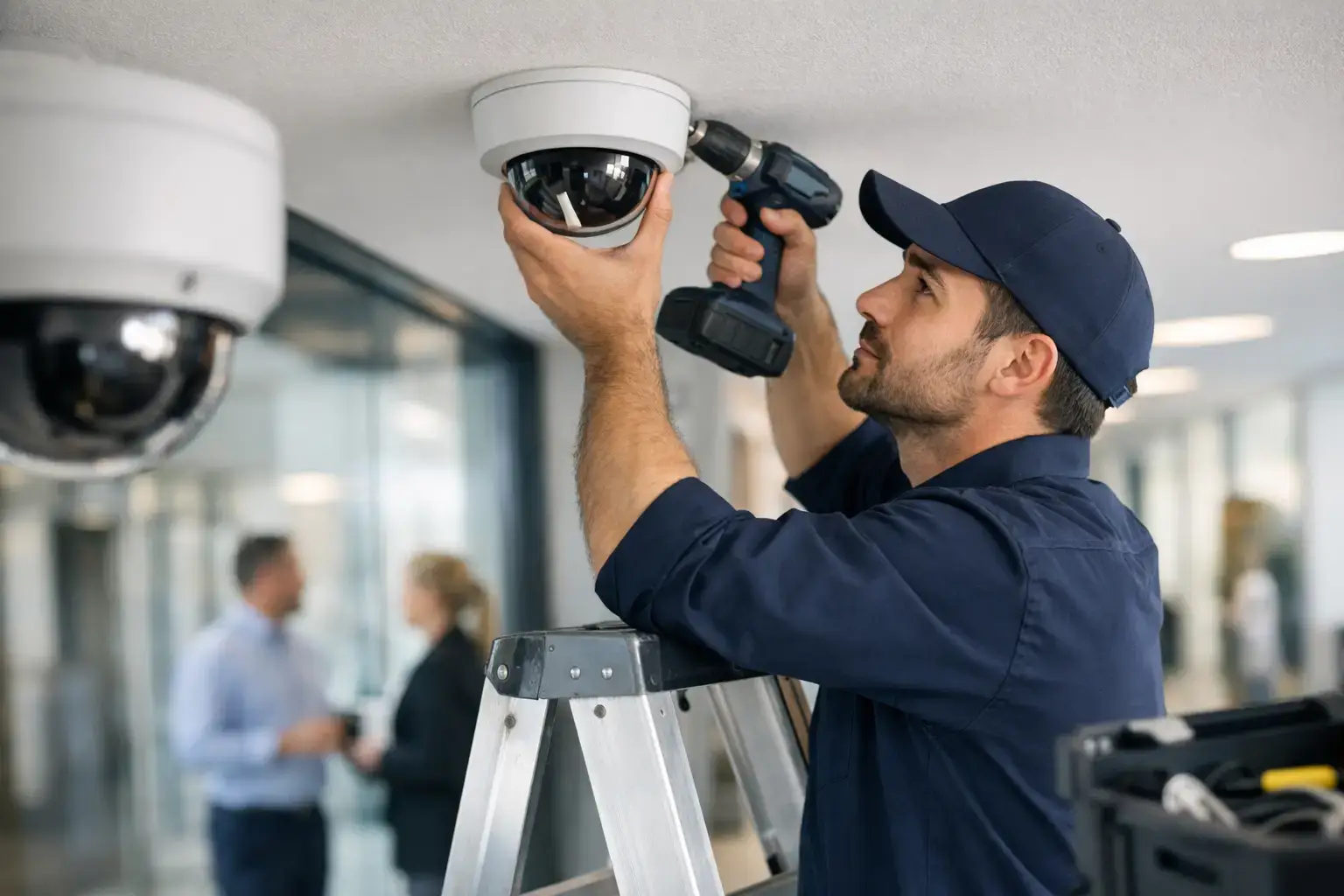
A camera fixed in the wrong place can leave a loading bay unprotected, miss number plates at the gate, or create a blind spot at the till. That is why commercial CCTV system installation is not just about fitting cameras to walls. For businesses, schools, warehouses, surgeries and multi-site premises, the quality of the design matters just as much as the equipment itself.
A well-installed system should deter crime, provide usable evidence, support staff safety and stand up to day-to-day demands. It also needs to suit the building, the risks on site and the way your teams actually work. In many cases, it should also satisfy insurers and align with wider security measures such as access control, intruder alarms and remote monitoring.
What commercial CCTV system installation should achieve
The first question is not how many cameras you need. It is what the system must do. A retail site may need clear facial images at entrances, till coverage and stockroom monitoring. A logistics site may prioritise perimeter protection, yard activity, lorry movement and gate access. In healthcare or education, safeguarding and controlled access can be as important as theft prevention.
This is where professional design makes the difference. A good installer will assess risk areas, identify vulnerable access points, review lighting conditions and understand whether the goal is deterrence, live monitoring, incident investigation or all three. Those priorities affect lens choice, mounting height, storage requirements and whether analytics are worth including.
There is always a balance to strike. More cameras do not automatically mean better coverage. In some buildings, fewer cameras positioned correctly will produce stronger evidence and lower long-term maintenance costs.
The main stages of a commercial CCTV system installation
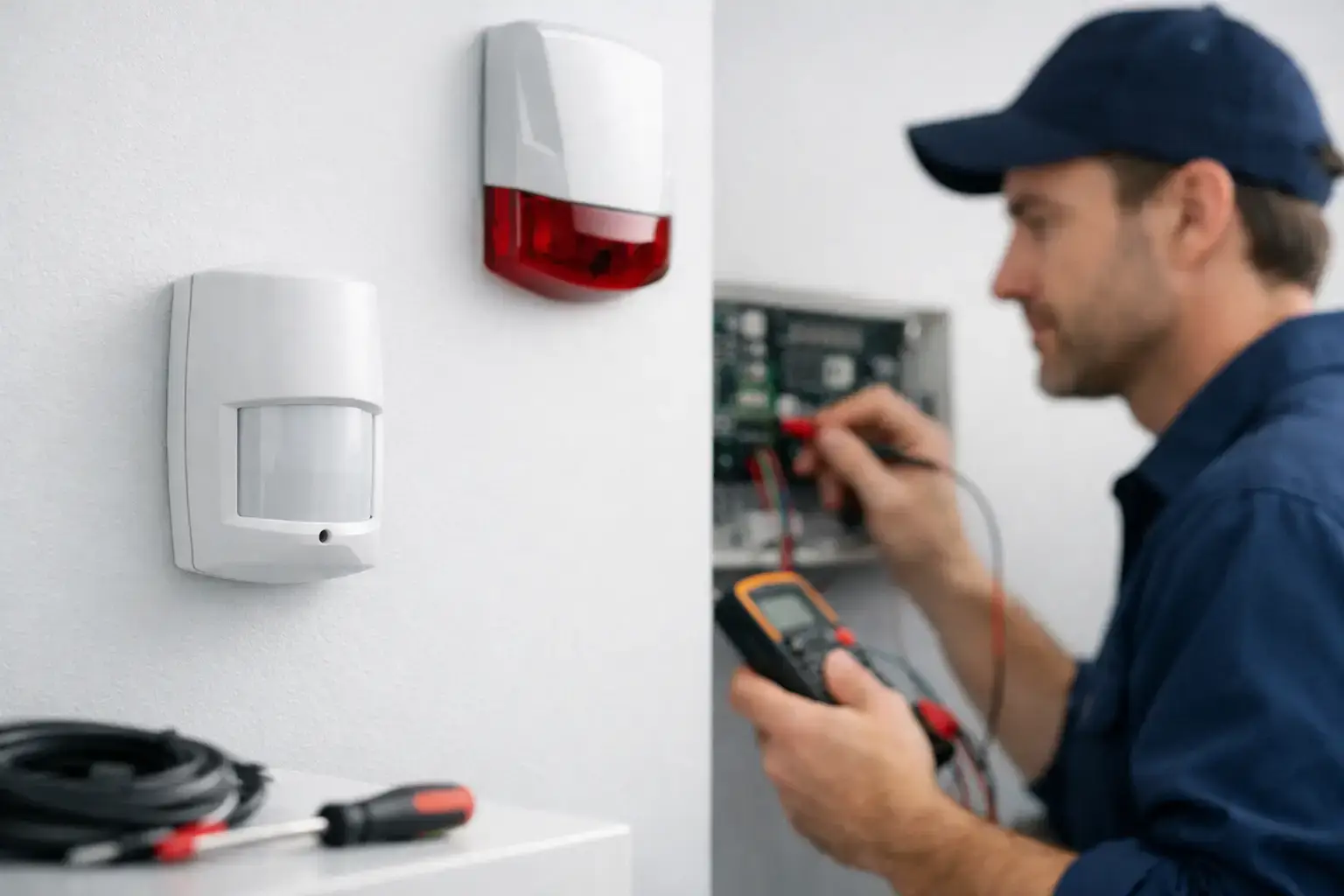
A proper installation begins with a site survey. This is where practical issues are picked up early, including weak lighting, difficult cable routes, reflective surfaces, privacy concerns and network limitations. It is also the point where an experienced installer can spot whether CCTV alone will solve the problem or whether the site would benefit from integrated access control, intruder detection or monitored alarms.
Survey and system design
The survey should lead to a system design based on the site, not a standard package. That includes identifying camera locations, field of view, image quality requirements, recorder capacity and user access levels. For some commercial premises, the design also needs to consider out-of-hours monitoring, audio warnings or analytic functions such as line crossing, intrusion detection or vehicle recognition.
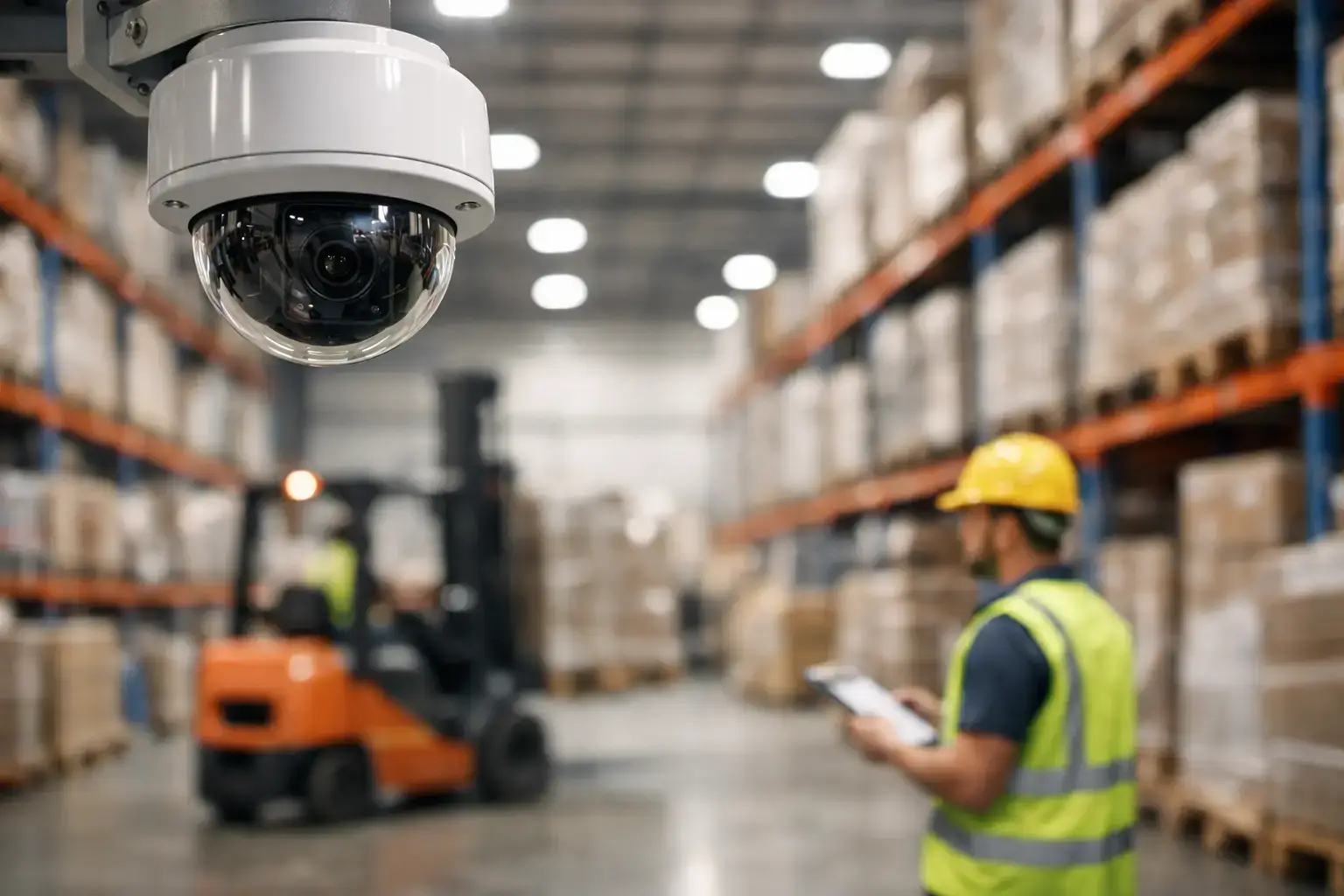
A warehouse, for example, often needs different coverage from an office. Wide-angle overview cameras may help monitor movement through aisles, while tighter views are needed at loading doors, staff entrances and external compounds. The aim is to match each camera to a clear purpose.
Cabling, network and power
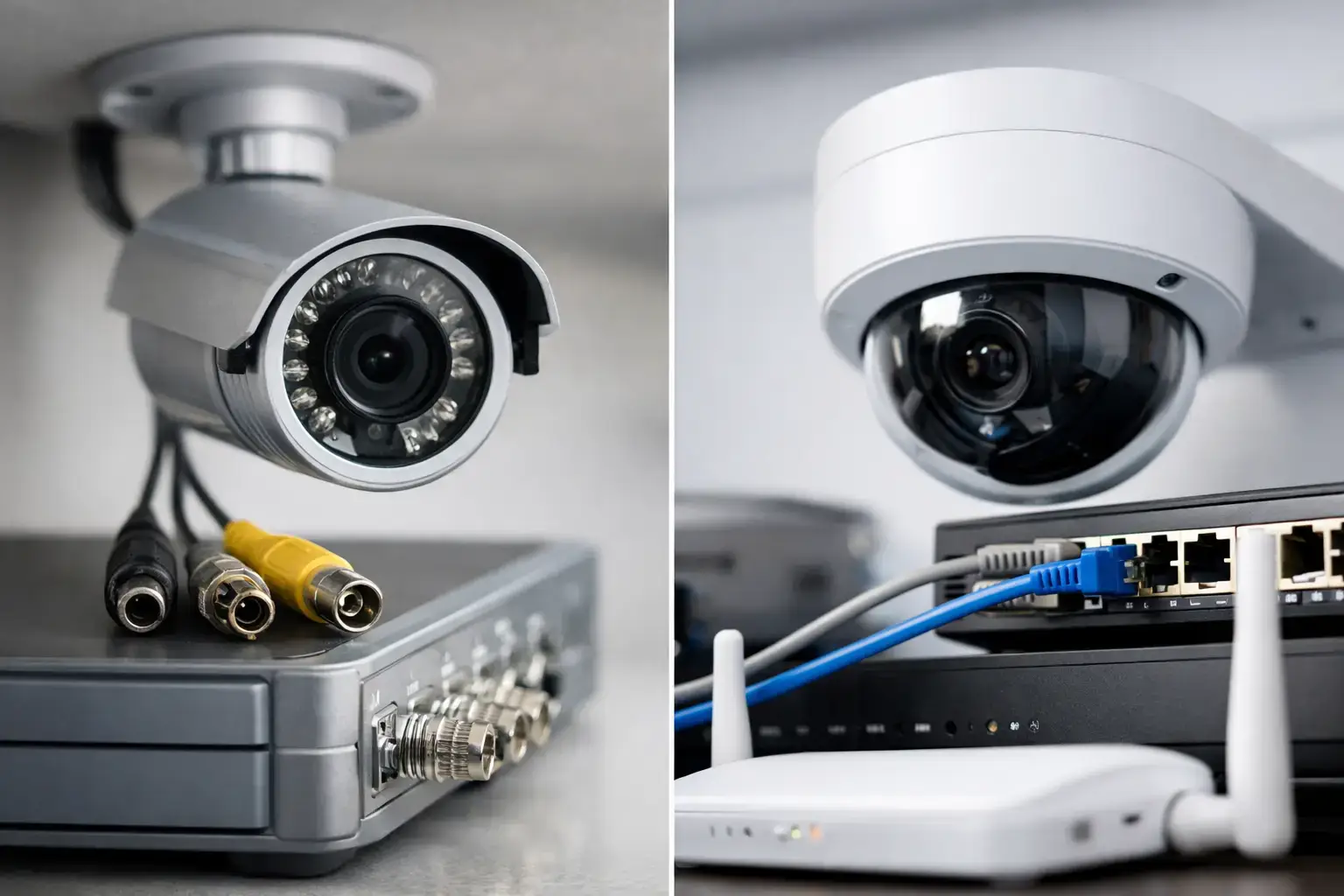
Commercial systems are now commonly IP-based, which means network planning matters. Camera resolution, frame rate and retention time all affect bandwidth and storage. If a site already has a busy IT network, CCTV may need to be segregated properly to avoid performance issues.
Power over Ethernet can simplify installation, but not every building makes cable runs straightforward. Older premises, listed properties, schools and live commercial environments often require careful planning to reduce disruption. Good installation work is as much about tidy routing, reliable terminations and sensible equipment placement as it is about the cameras themselves.
Installation and configuration
Once equipment is fitted, the real work continues with configuration. This includes setting recording schedules, motion events, remote access permissions, image settings and retention periods. Cameras need to be focused for the actual task, not simply powered on and left at factory settings.
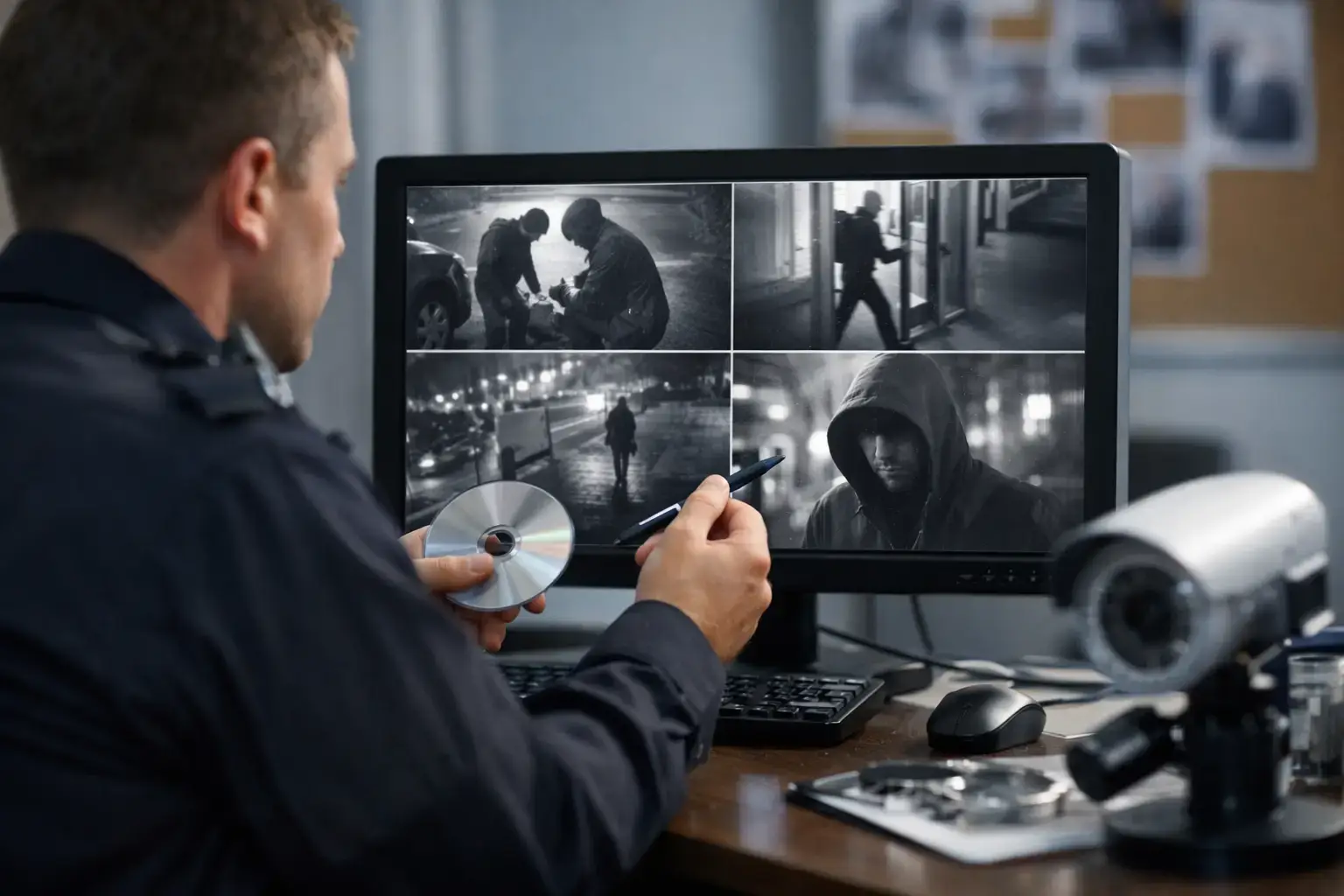
This is one of the most common weak points in poor installations. A camera may technically record, but if the scene is overexposed at night or the subject is too distant in daylight, the footage may be of little value when something happens.
Choosing the right cameras for commercial use
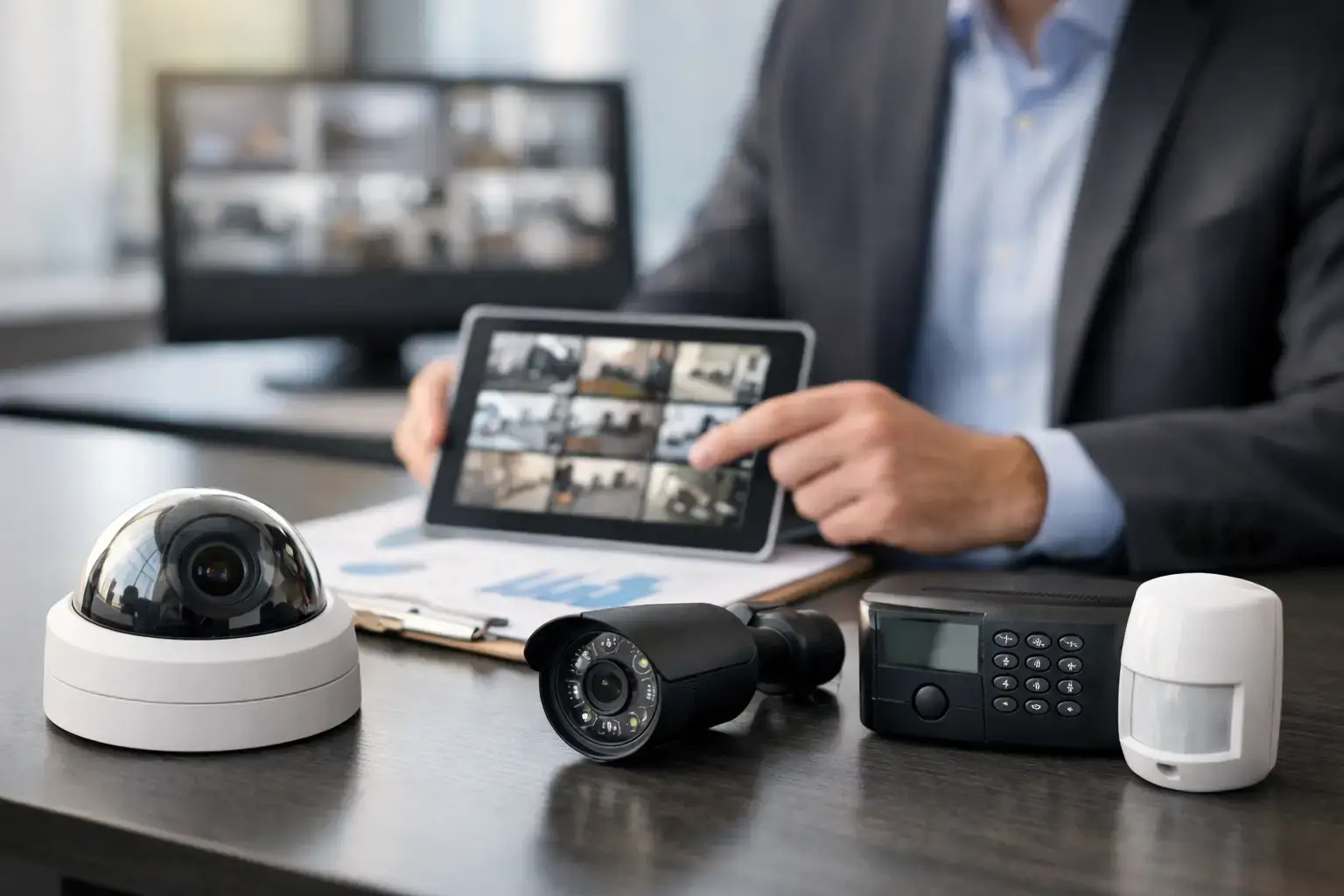
There is no single best camera for every site. Dome cameras can suit internal areas where a compact appearance and broad coverage are useful. Bullet cameras are often chosen for external positions where a visible deterrent is important. Turret cameras can offer strong image quality with less infrared glare in some settings.
Resolution matters, but only to a point. A higher megapixel image is helpful if it supports identification at the required distance, but it also increases storage demand. Lens selection, positioning and lighting are often just as important as headline resolution.
For larger or higher-risk sites, PTZ cameras may be useful in open yards, car parks or perimeter zones, especially where active monitoring is involved. Analytics can also add value, though only if they are configured carefully. On the right site, they can reduce manual review time and improve response. On the wrong site, or with poor setup, they can generate nuisance alerts and frustrate staff.
Compliance, privacy and insurer expectations
Commercial CCTV brings legal and operational responsibilities. If your cameras capture staff, visitors or public areas, the system should be designed and managed with privacy in mind. Positioning, signage, retention periods and access to footage all need consideration.
For many businesses, insurer approval is also a factor. If your policy expects certain standards, using an experienced, SSAIB-regulated installer can help give confidence that the system has been specified and fitted correctly. That matters not only when arranging cover, but also if footage is needed after an incident.
This is another reason why professional installation is worth it. A cheaper system that fails to meet operational or insurer expectations can become expensive very quickly.
Why maintenance matters after installation
A commercial CCTV system installation should never be treated as a one-off job. Cameras get knocked out of alignment, lenses become dirty, hard drives age, firmware needs updating and site layouts change. Without maintenance, even a well-designed system can drift away from what the business actually needs.
Regular servicing helps preserve image quality, recorder health, remote access and event settings. It also gives you a chance to review whether coverage still matches the risk. A premises extension, a change in parking layout or a new public entrance can all affect performance.
For multi-site organisations or higher-risk premises, ongoing support becomes even more valuable. Fast response and technical familiarity save time when faults occur or footage needs to be retrieved.
When CCTV should be part of a wider security plan
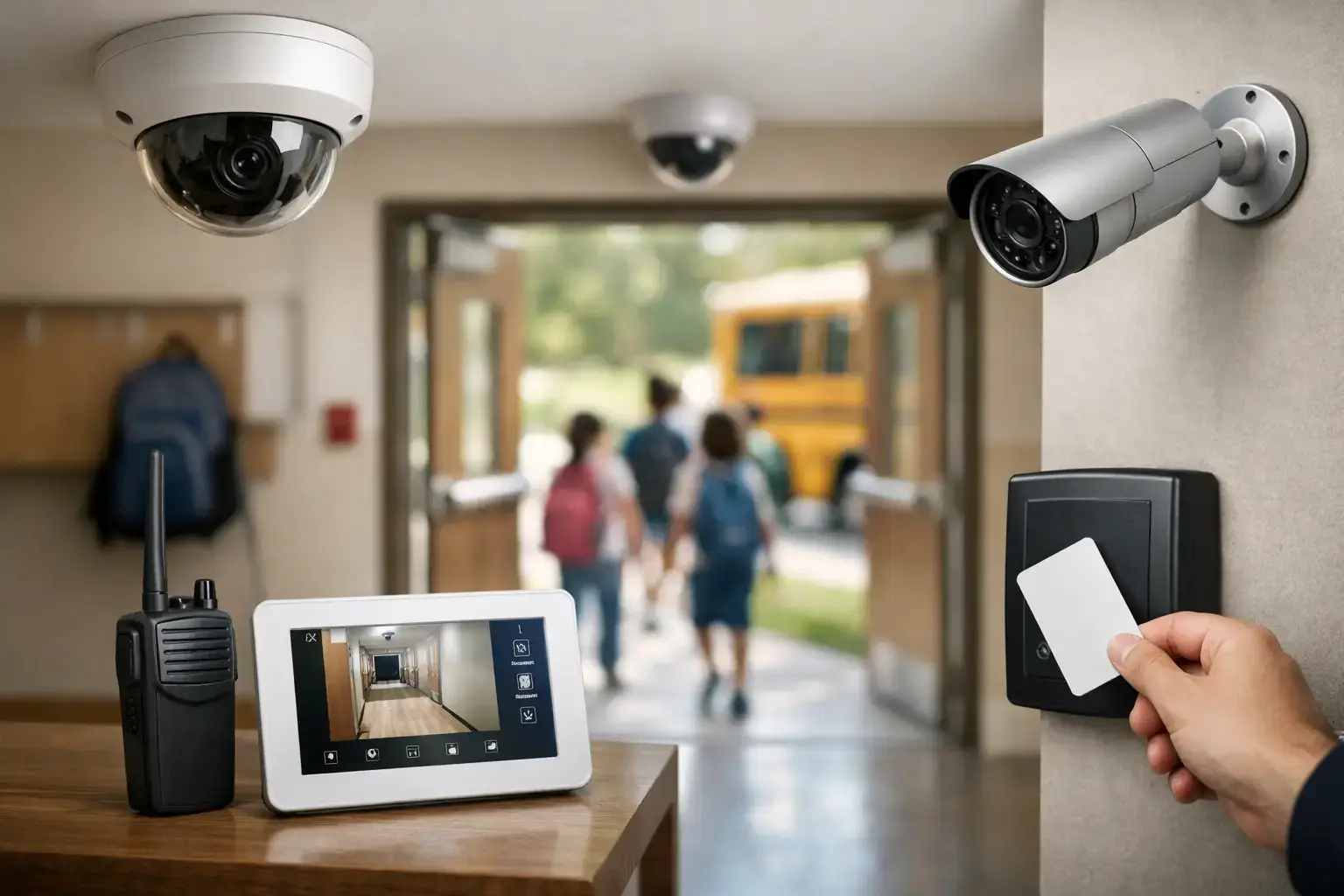
Some sites expect too much from cameras alone. CCTV is excellent for deterrence, visibility and investigation, but it is strongest when combined with other measures. Access control can limit unauthorised entry. Intruder alarms can trigger an immediate response. Door entry systems can improve control in shared or managed buildings.
That joined-up approach is especially useful in sectors such as education, healthcare, construction and logistics, where the risk profile is broader than simple theft. A professionally designed system should support the way the building is managed, not sit in isolation.
This is where a specialist provider can add real value. A business that understands CCTV, alarms, access systems and long-term maintenance can design security around the site as a whole, rather than fitting one product at a time.
How to choose a commercial CCTV installer
Price matters, but it should not be the only test. Commercial clients should look at accreditation, system design capability, experience in similar premises and the level of aftercare provided. An installer should be able to explain why each camera is being specified, what image outcome it is meant to achieve and how the system will be maintained.
It is also worth asking how disruption will be managed during works, whether staff training is included and how remote access will be secured. If the answers are vague, that is usually a warning sign.
For businesses across Essex, London and the South East, working with an established specialist such as 247 CCTV can provide reassurance that the installation has been designed around compliance, reliability and long-term use rather than a short-term equipment sale.
The right system should leave you with fewer doubts, not more. If your installer can show you how the cameras will perform, how footage will be stored, and how support will work after handover, you are far more likely to end up with protection you can rely on when it counts.