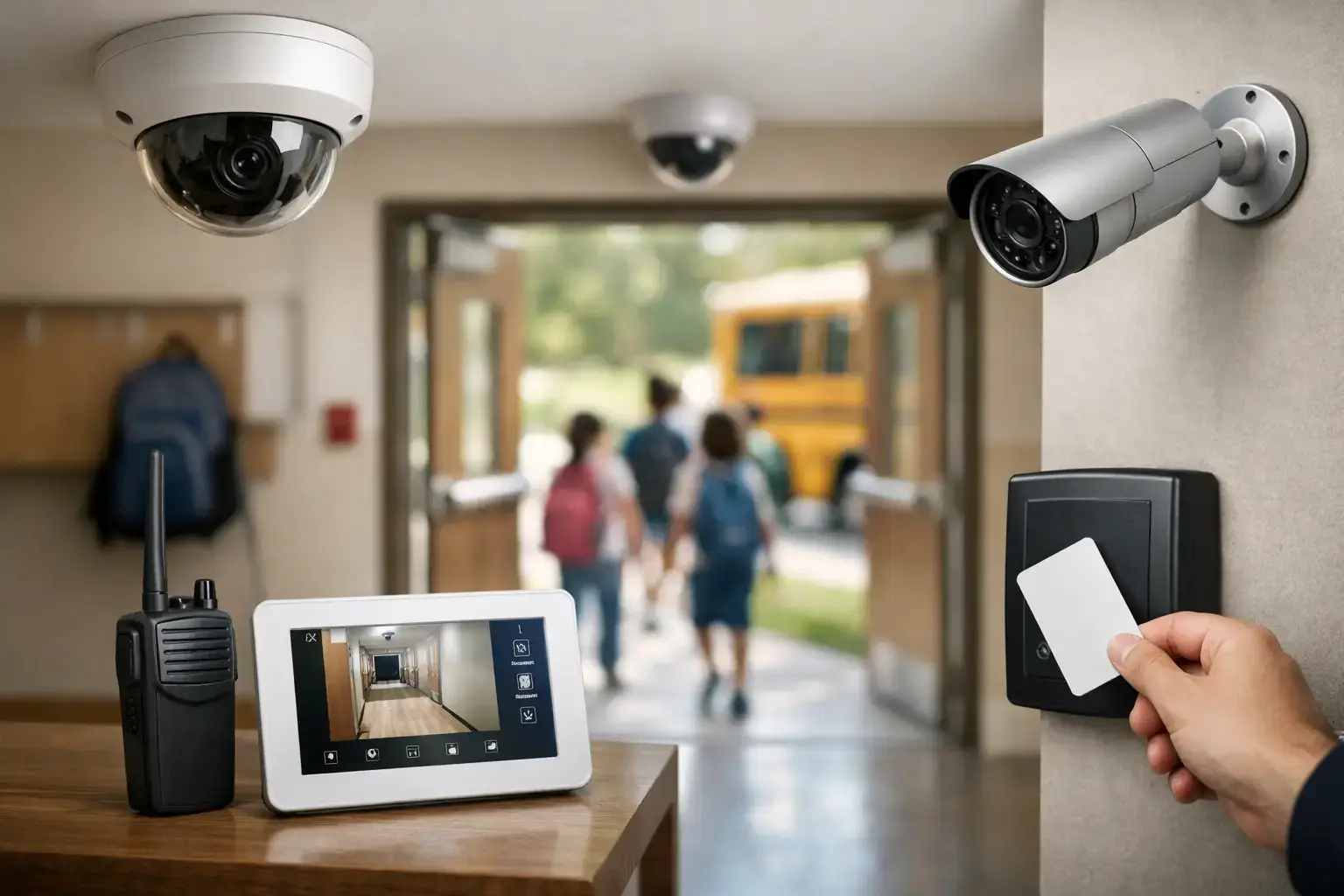

Most british property owners now rely on electronic surveillance to safeguard their environments, with over 95 percent of businesses in the United Kingdom using CCTV systems for added security. This shift highlights a growing need to understand how modern surveillance works and what makes it so effective. By exploring the core technology, security advantages, legal responsibilities, and expert guidance, readers can gain real insight into making confident choices for reliable protection.
Key Takeaways
| Point | Details |
|---|---|
| CCTV Enhances Security | CCTV serves as an essential tool for security enhancement, providing capabilities that can replace or augment human personnel in various environments. |
| Technological Advancements | Modern CCTV systems now offer a range of technologies, including AI analytics, enabling proactive threat detection and robust monitoring solutions. |
| Legal Compliance is Crucial | Operators must adhere to legal frameworks, ensuring data protection and privacy while managing CCTV systems effectively. |
| Best Practices Essential | Effective CCTV implementation requires strategic planning, ongoing staff training, and regular system audits to avoid common pitfalls and enhance operational efficiency. |
Defining CCTV and Its Security Role
Closed-Circuit Television (CCTV) represents a sophisticated electronic surveillance technology designed to monitor and record activities within specific environments. According to College of Policing, CCTV functions as a critical security tool that can enhance or entirely replace traditional human security personnel across diverse settings.
At its core, CCTV systems transmit video signals to designated monitors, creating a controlled surveillance network. As outlined by Wikipedia, these systems have evolved significantly from basic video recording mechanisms to advanced digital networks capable of sophisticated monitoring and threat detection. Modern CCTV installations can cover expansive areas, providing comprehensive visual coverage with high-resolution imaging and real-time tracking capabilities.
The security role of CCTV extends far beyond simple recording. These systems serve multiple critical functions:
- Crime Prevention: Visible cameras act as powerful psychological deterrents
- Evidence Collection: High-quality video recordings can support legal investigations
- Real-time Monitoring: Enables immediate response to potential security breaches
- Access Control: Helps track and manage entry and exit points in secured environments
By integrating advanced technological features, how CCTV works in UK properties demonstrates the transformative potential of electronic surveillance in maintaining safety and security across residential, commercial, and public spaces. Whether protecting small businesses or managing large complex environments, CCTV has become an indispensable component of modern security strategies.
Types of CCTV Systems and Technologies
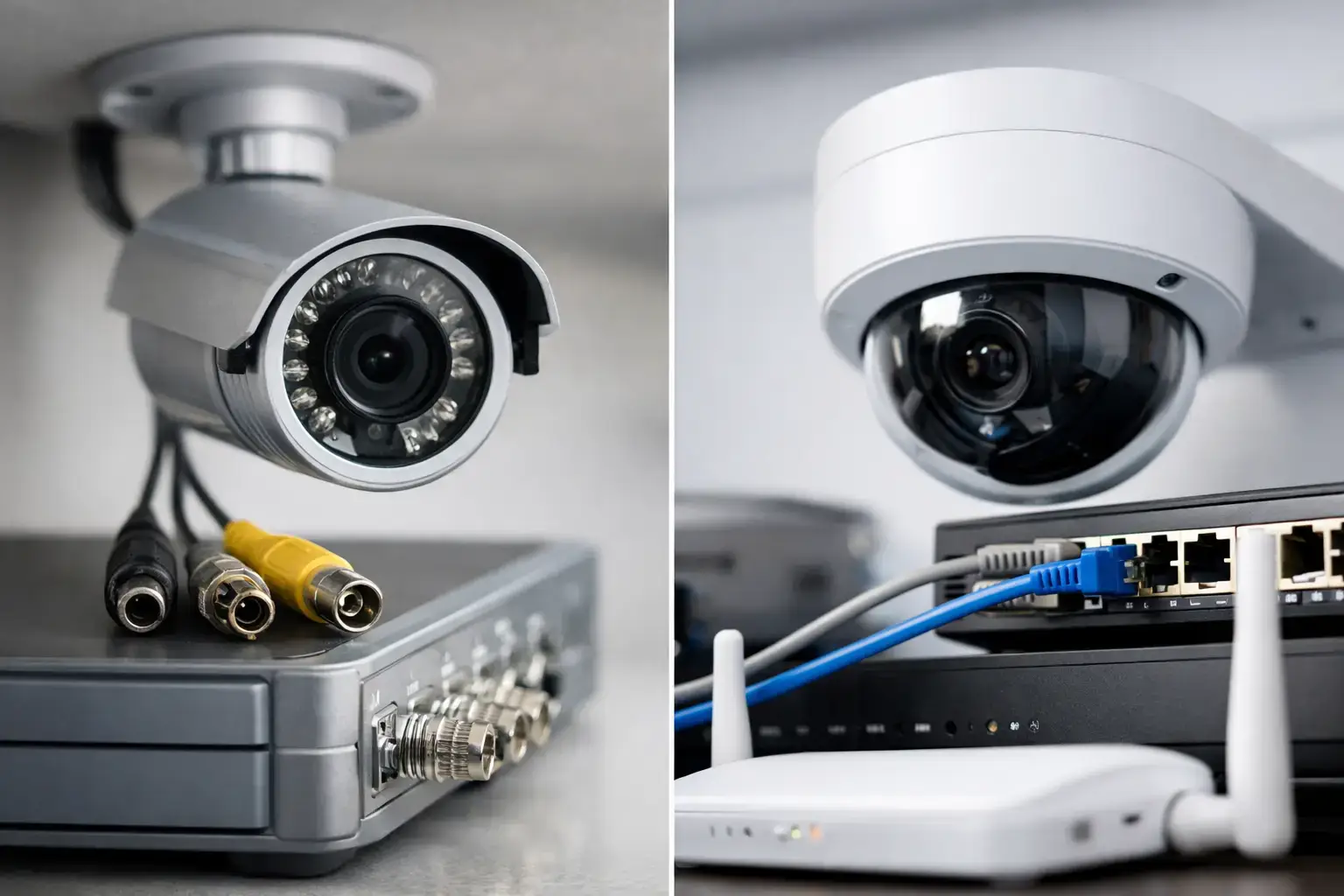
CCTV technologies have dramatically evolved, offering businesses and homeowners an array of sophisticated surveillance solutions tailored to specific security needs. HDcctv represents a significant advancement, providing uncompressed high-definition video transmission over traditional coaxial cables with remarkable low latency and zero configuration requirements.
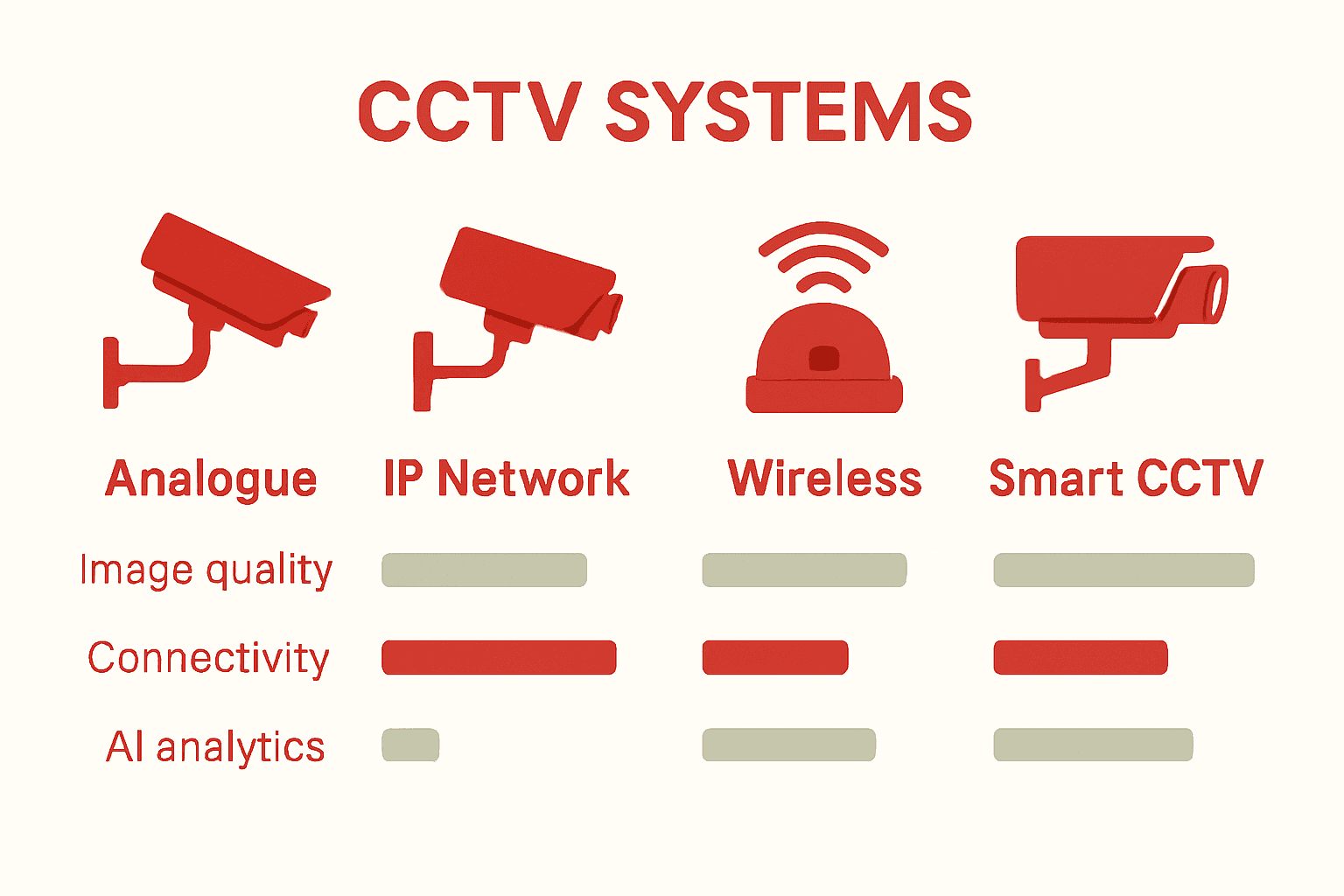
Modern CCTV systems can be categorised into several key technological approaches:
- Analogue Systems: Traditional cameras recording onto physical storage media
- IP Network Cameras: Digital cameras transmitting data over computer networks
- Wireless CCTV: Systems using radio frequencies for signal transmission
- Smart CCTV: Advanced systems with AI-powered analytics and remote monitoring
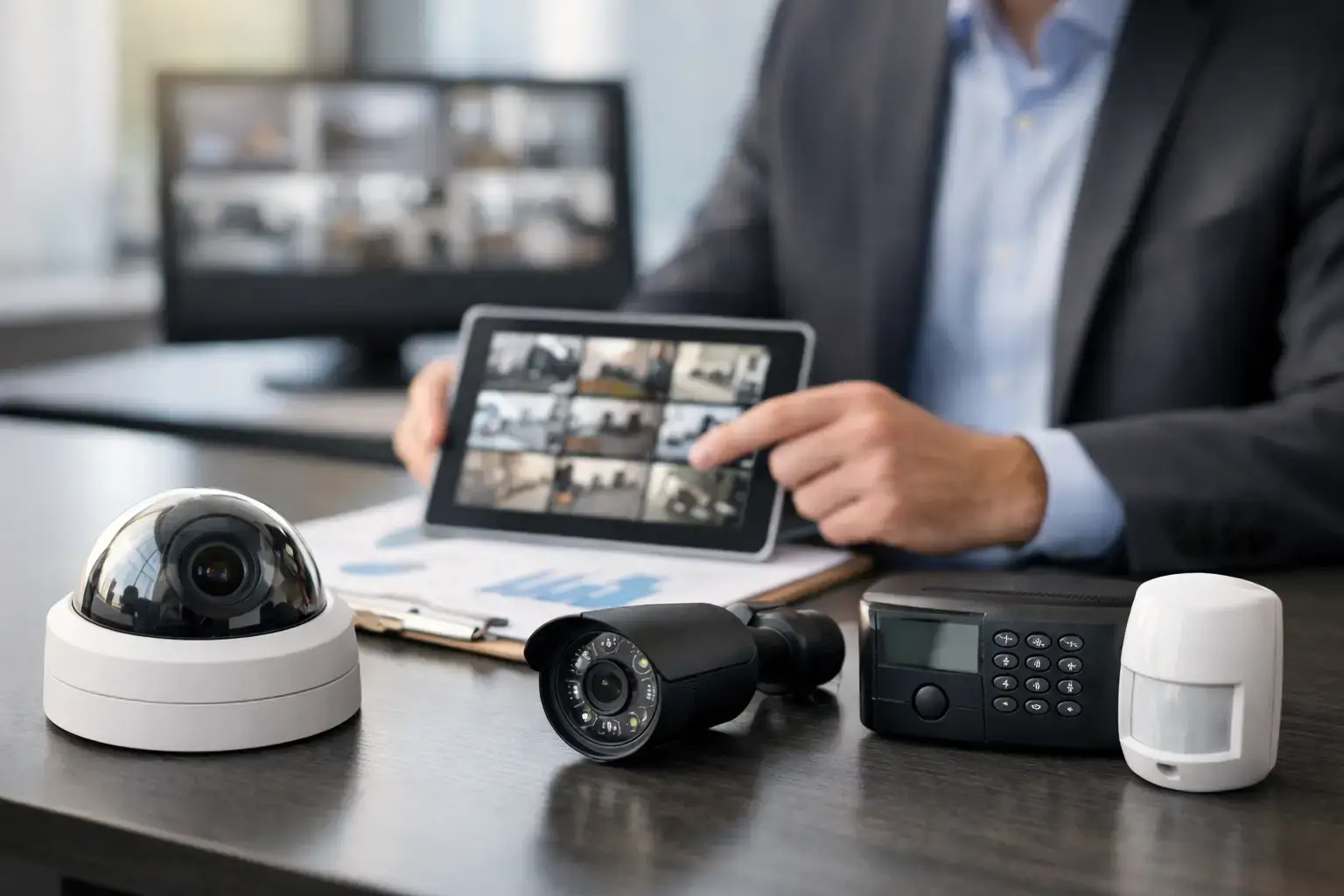
Each technological category offers unique benefits. Analogue systems remain cost-effective for basic surveillance, while IP network cameras provide superior image quality and remote access capabilities. Commercial CCTV systems demonstrate how different technologies can be integrated to create comprehensive security solutions that adapt to specific organisational requirements.
The emergence of smart technologies has transformed CCTV from passive recording to active threat detection. Modern systems now incorporate advanced features like facial recognition, motion tracking, and real-time alerts, enabling proactive security management across residential, commercial, and public spaces. These technological innovations ensure that CCTV is no longer just a recording tool, but an intelligent security ecosystem capable of providing sophisticated protection and insights.
How CCTV Supports Crime Prevention
Crime prevention represents a critical function of modern CCTV systems, with substantial empirical evidence supporting their effectiveness. According to College of Policing, CCTV has demonstrated a remarkable 13% overall reduction in criminal activities, particularly in drug-related and property crimes. This significant statistic underscores the transformative potential of strategic surveillance technologies.
The crime prevention mechanisms of CCTV operate through multiple psychological and practical dimensions:
- Deterrence: Visible cameras discourage potential criminals from initiating illegal activities
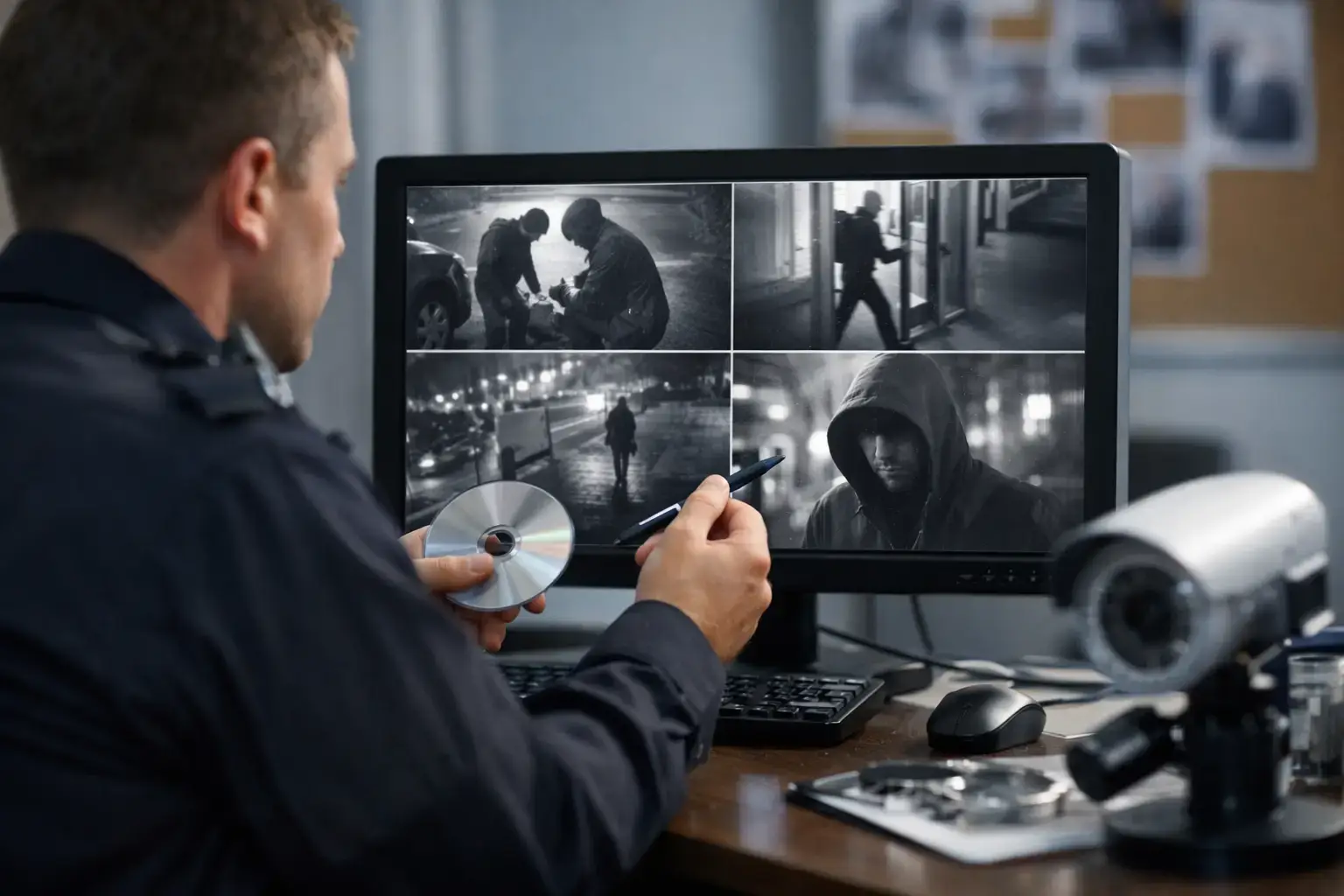
- Identification: High-resolution footage enables precise suspect identification
- Evidence Collection: Recorded material provides crucial legal documentation
- Situational Awareness: Real-time monitoring allows immediate response to suspicious activities
Harnessing AI Analytics in CCTV for Enhanced Theft Prevention highlights how advanced technological integration amplifies crime prevention capabilities. While Wikipedia notes that CCTV effectiveness varies depending on implementation, modern systems increasingly leverage sophisticated analytics to create more proactive security environments.
Beyond traditional surveillance, contemporary CCTV systems function as intelligent crime prevention ecosystems. By combining predictive algorithms, machine learning, and real-time monitoring, these technologies not only record criminal activities but actively work to prevent them. The sophisticated approach transforms CCTV from a passive recording tool into a dynamic, intelligent security solution capable of protecting businesses, public spaces, and residential areas with unprecedented precision and effectiveness.
Legal Responsibilities and UK Compliance
CCTV compliance in the United Kingdom represents a complex legal landscape that balances security needs with individual privacy rights. Wikipedia’s Surveillance Camera Code of Practice highlights the critical government guidelines emphasizing accountability, transparency, and the protection of personal privacy in surveillance technologies.
Key legal responsibilities for CCTV system operators include:
- Data Protection: Strict adherence to the Data Protection Act and UK GDPR
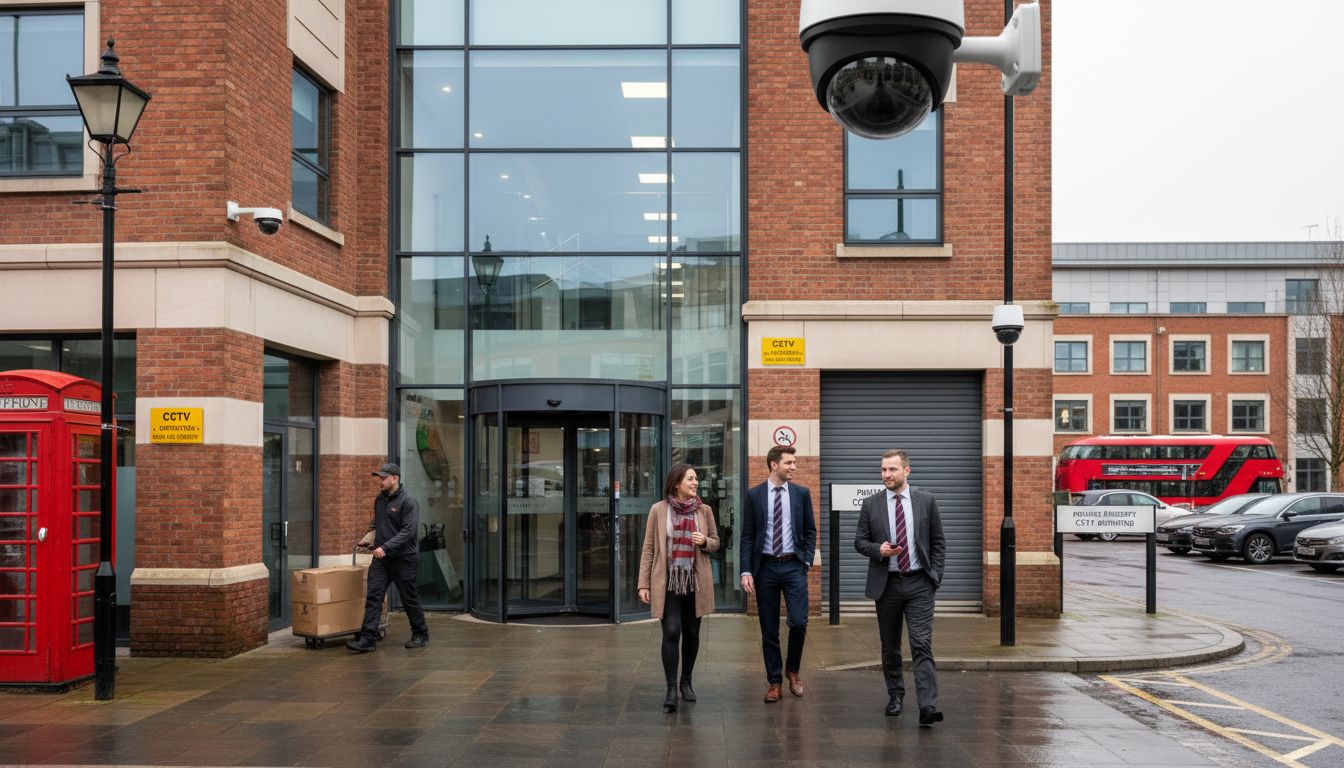
- Consent Management: Ensuring clear signage and notification of surveillance areas
- Data Retention: Implementing controlled storage and deletion protocols
- Purpose Limitation: Using surveillance only for legitimate security purposes
CCTV Regulations in Essex underscores the importance of understanding local and national compliance requirements. Drawing insights from University of Nottingham’s CCTV policy, businesses must implement robust management protocols that protect both organisational interests and individual privacy rights.
Navigating the legal framework requires a comprehensive approach. Organisations must not only install technically proficient CCTV systems but also develop transparent policies that demonstrate ethical data handling. This includes regular audits, staff training on privacy regulations, and maintaining clear documentation of surveillance practices. The goal is creating a security ecosystem that protects assets while respecting fundamental privacy principles, ensuring legal compliance and maintaining public trust.
Common Pitfalls and Best Practice Advice
CCTV implementation requires strategic planning and meticulous attention to detail to avoid common operational mistakes. National Training GB emphasizes the critical importance of comprehensive training and understanding technical nuances in surveillance systems to prevent potential security vulnerabilities.
Common pitfalls organisations frequently encounter include:
- Poor Camera Positioning: Ineffective coverage and blind spots
- Inadequate Storage Management: Insufficient data retention strategies
- Neglected System Maintenance: Failing to update software and hardware
- Insufficient Staff Training: Lack of operational knowledge
- Non-Compliance: Overlooking legal and regulatory requirements
Addressing these challenges requires a proactive, multi-faceted approach. Organisations must invest in ongoing staff education, regular system audits, and robust technical infrastructure. Understanding SSAIB Compliance highlights the importance of adhering to industry standards and maintaining rigorous operational protocols.
Best practices demand continuous improvement and adaptability. This means regularly reviewing system performance, staying updated with technological advancements, and maintaining a holistic view of security that balances technical capabilities with legal and ethical considerations. Successful CCTV implementation is not just about installing cameras, but creating an intelligent, responsive security ecosystem that evolves with emerging threats and organisational needs.
Enhance Your Security with Expert CCTV Solutions
Understanding the crucial role CCTV plays in crime prevention and compliance can be overwhelming. From choosing the right technology to ensuring legal data protection, these challenges require expert guidance. If you want to protect your home or business with a system tailored to your specific security needs while avoiding common pitfalls like poor camera positioning or non-compliance, our team is here to help.

Take control of your safety today with professional CCTV installation from 247cctv. Benefit from advanced systems that offer real-time monitoring, AI-powered analytics, and full regulatory compliance. Don’t wait until a security breach happens. Visit 247cctv now to get a personalised consultation and discover how our CCTV and access control solutions can provide peace of mind for your property.
Frequently Asked Questions
What is the primary function of CCTV in security?
CCTV serves as a crucial surveillance tool that can deter crime, collect evidence, and provide real-time monitoring, enhancing security across various environments.
How does CCTV contribute to crime prevention?
CCTV contributes to crime prevention by acting as a visible deterrent, enabling identification of suspects, and allowing for immediate responses to suspicious activities, ultimately reducing criminal incidents.
What are the different types of CCTV systems available?
The main types of CCTV systems include analogue systems, IP network cameras, wireless CCTV, and smart CCTV, each offering unique advantages tailored to specific security needs.
What legal responsibilities do CCTV operators have?
CCTV operators must adhere to data protection regulations, manage consent appropriately, implement controlled data retention policies, and ensure surveillance is used only for legitimate security purposes.
Recommended
- Complete Guide to the Role of CCTV Monitoring – 247 CCTV Security Ltd
- How CCTV Works: Complete Guide for UK Properties – 247 CCTV Security Ltd
- Essential Guide to CCTV Installation in the UK – 247 CCTV Security Ltd
- 7 Essential CCTV Features List for Secure Properties – 247 CCTV Security Ltd
- 7 Types of Security Roles You Need to Know | Brainiac Media
- The Essential Guide to Choosing the Security Industry|BM