
Over 70 percent of commercial break-ins in British cities go unsolved, making reliable intrusion prevention a top priority. For facilities managers across Essex, weak or outdated alarm systems not only leave properties vulnerable but may also fall short of strict British safety regulations. This article unpacks how modern burglar alarms work, which technologies deliver the most protection for Essex businesses, and what to consider for proper compliance and peace of mind.
Key Takeaways
| Point | Details |
|---|---|
| Burglar alarms provide critical security | They utilise a network of sensors to detect unauthorized entry and can alert monitoring centres for immediate responses. |
| Multiple detection technologies are essential | Systems incorporate various sensors such as PIR, magnetic contacts, and glass break detectors to ensure comprehensive coverage. |
| Professional installation is key | Hiring certified installers ensures compliance with standards and optimal system performance. |
| Regular maintenance is crucial | Ongoing professional calibration and updates are necessary to maintain system effectiveness and prevent false alarms. |
What Burglar Alarms Are and How They Work
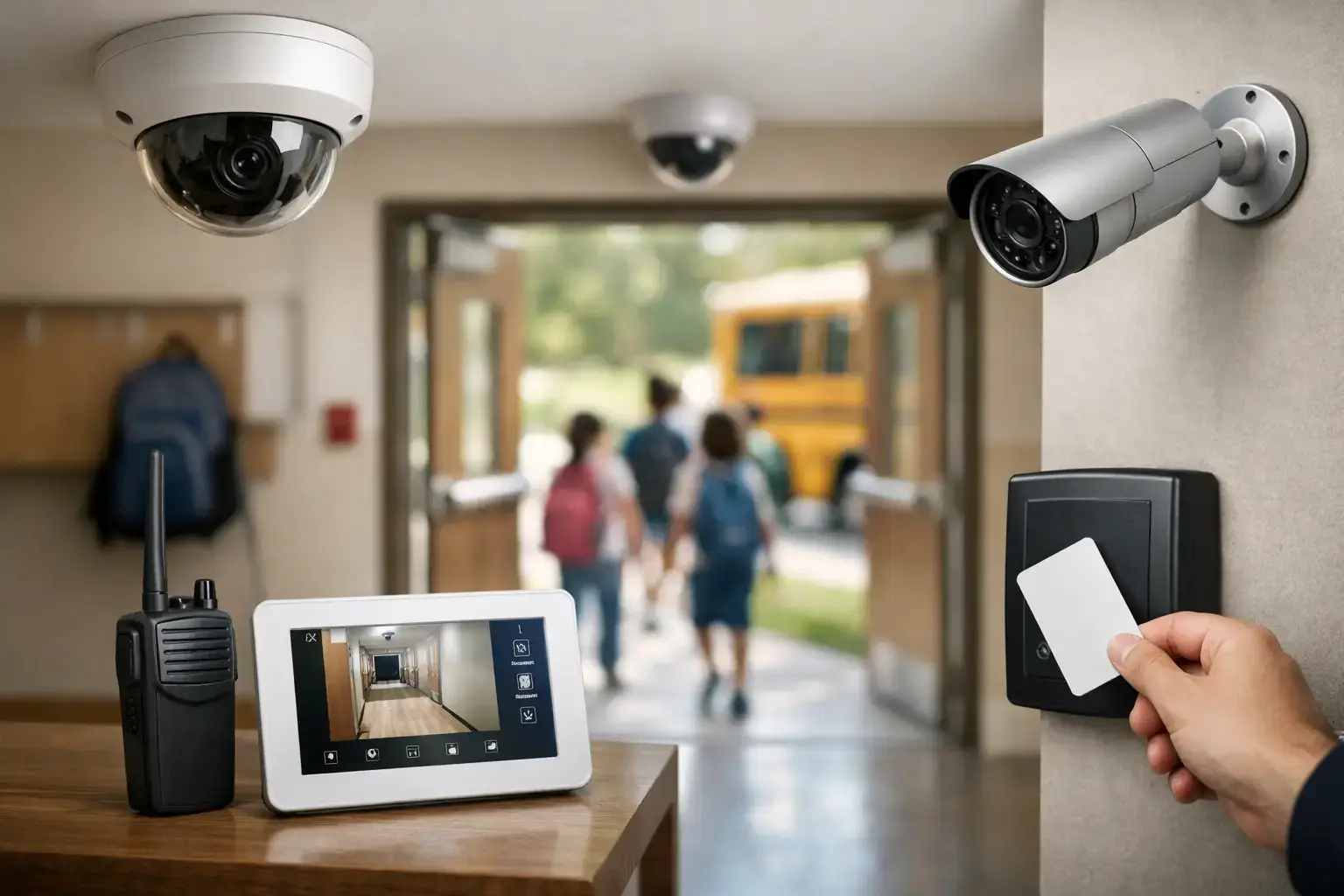
Burglar alarms are sophisticated electronic security systems designed to protect properties by detecting and responding to unauthorized entry. These advanced devices utilise a network of sensors strategically placed around doors, windows, and interior spaces to monitor potential intrusion points. Intruder alarms work as critical security measures that act as both deterrent and detection mechanisms for residential and commercial premises in Essex.
The core functionality of modern burglar alarms involves multiple detection technologies. Typical systems incorporate magnetic door and window sensors, passive infrared motion detectors, and glass break sensors. When an entry point is breached, these sensors immediately trigger an alarm sequence. Depending on the system configuration, this can involve loud audible warnings, strobe lights, or automatic notifications to monitoring centres and designated keyholders. Professional systems like the Hikvision AX Pro, RISCO LightSYS+, and Texecom Premier Elite offer advanced features such as smartphone app integration and real-time alert capabilities.

Essex property owners have multiple alarm system options, ranging from basic bells-only configurations to fully monitored professional setups. Monitored systems provide an additional layer of security by alerting professional monitoring centres who can dispatch emergency services if an intrusion is detected. These systems require installation by approved security professionals and often qualify for insurance discounts, making them a strategic investment for comprehensive property protection.
Here’s a concise comparison of typical burglar alarm system types and their benefits for Essex properties:
| System Type | Main Benefit | Suitable For |
|---|---|---|
| Bells-only | Immediate audible alert | Small homes and flats |
| Monitored | Professional response | Businesses and large homes |
| Smart (App-enabled) | Remote control and alerts | Tech-savvy households |
| Grade 3 & 4 Professional | High-security, insurance discounts | High-risk sites and commercial premises |
Pro tip: Consider consulting a local security specialist who can conduct a comprehensive property risk assessment and recommend a tailored burglar alarm solution specific to your building’s unique architectural layout and security requirements.
Core Types of Intruder Detectors Explained
Intruder alarm systems employ multiple sophisticated detection technologies designed to protect properties from unauthorized entry. These detection mechanisms are classified under British and European Standards (BS EN 50131), which define specific security grades based on risk assessment, ensuring comprehensive and reliable security coverage for both residential and commercial premises in Essex.
The primary types of intruder detectors include passive infrared (PIR) motion sensors, magnetic door and window contacts, glass break detectors, and vibration sensors. PIR motion sensors work by detecting changes in infrared radiation within a defined area, triggering an alarm when unexpected heat signatures are detected. Magnetic contacts monitor entry points by creating an electrical circuit that breaks when doors or windows are opened, while glass break detectors use acoustic or shock sensors to identify the specific sound frequencies associated with breaking glass.
Essex property owners can select from different security grades depending on their specific risk profile. Grade 2 systems are most common for residential properties, offering basic to medium-level protection, whereas Grade 3 and 4 systems provide advanced security typically used in commercial and high-risk environments. Professional alarm manufacturers like Hikvision AX Pro, RISCO LightSYS+, and Texecom Premier Elite offer advanced detector technologies that can be customised to meet specific security requirements, including integrated smartphone monitoring and real-time alert capabilities.
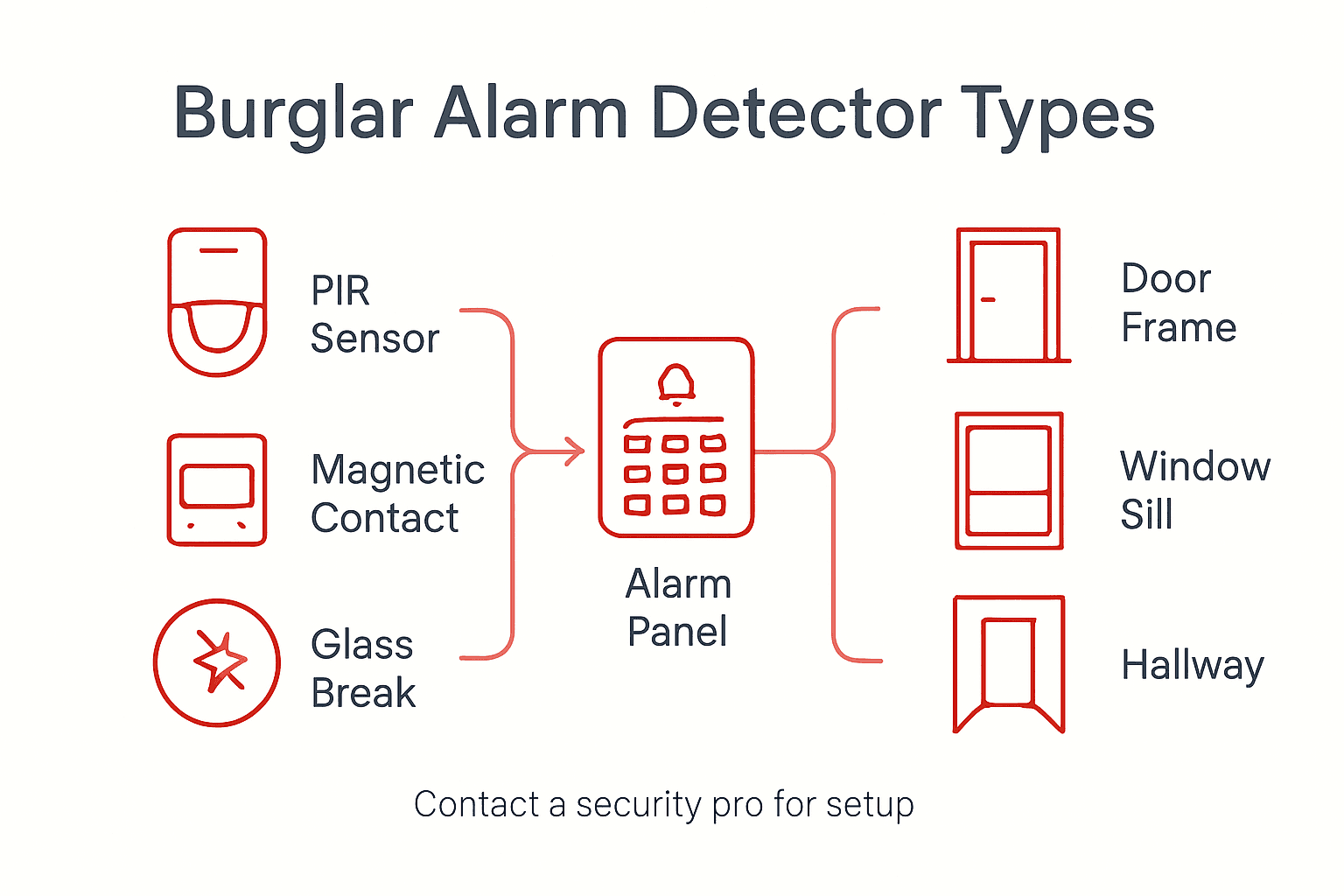
For quick reference, here are the main detector types and how they operate:
| Detector Type | How It Works | Best Installation Location |
|---|---|---|
| PIR Motion Sensor | Detects heat and movement | Hallways, living rooms |
| Magnetic Contact | Monitors entry point access | Doors, windows |
| Glass Break Detector | Senses sound or shock of breaking glass | Large windows, conservatories |
| Vibration Sensor | Responds to physical disturbance | Perimeter walls, window frames |
Pro tip: Consider consulting a security professional to conduct a comprehensive property assessment and recommend the most appropriate detector types based on your specific architectural layout and potential vulnerabilities.
How Sensors Identify and Respond to Threats
Burglar alarm sensors operate through a sophisticated network of detection technologies that continuously monitor property vulnerabilities. The evolving landscape of smart home security has transformed how these intelligent systems identify and respond to potential security threats, creating multi-layered protection mechanisms that go beyond traditional alarm functionalities.
Each sensor type functions through unique detection methodologies. Passive infrared (PIR) sensors detect movement by measuring infrared radiation changes within their monitored zones, identifying unexpected heat signatures that suggest human presence. Magnetic contact sensors create electrical circuits that trigger immediate alerts when entry points are breached, while acoustic glass break detectors analyse sound frequencies to distinguish between accidental impacts and deliberate glass shattering. Advanced systems from manufacturers like Hikvision AX Pro, RISCO LightSYS+, and Texecom Premier Elite incorporate sophisticated algorithms that reduce false alarm risks by cross-referencing multiple sensor inputs.
Modern alarm systems integrate comprehensive threat response protocols that extend beyond simple audible warnings. When an intrusion is detected, these intelligent systems can simultaneously activate multiple response mechanisms such as triggering loud alarm sirens, sending instant smartphone notifications, alerting professional monitoring centres, and providing real-time video verification. This multi-staged approach ensures property owners receive immediate, actionable information during potential security incidents, enabling rapid and informed decision-making.
Pro tip: Conduct regular professional sensor calibration and testing to ensure your alarm system maintains optimal sensitivity and reliability throughout changing environmental conditions.
Legal Standards and Compliance in the UK
Burglar alarm systems in the United Kingdom are governed by a comprehensive framework of legal standards designed to ensure optimal security and reliability. The National Police Chiefs’ Council (NPCC) sets rigorous policy and operational guidelines for police response to security systems across England, Wales, and Northern Ireland, establishing critical benchmarks for alarm installation, maintenance, and monitoring.
Key compliance requirements mandate that security systems must adhere to British Standards (BS EN 50131), which categorise alarm systems into specific grades based on risk assessment. Professional installers like those using Hikvision AX Pro, RISCO LightSYS+, and Texecom Premier Elite systems must be certified by recognised bodies such as the National Security Inspectorate (NSI) or Security Systems and Alarm Inspection Board (SSAIB). These standards ensure that alarm systems meet stringent technical specifications, including sensor reliability, false alarm prevention mechanisms, and robust communication protocols with monitoring centres.
The legal framework also addresses critical operational aspects of security systems. Installation documentation, maintenance records, and evidence of professional calibration are essential for insurance validation and potential police response. Alarm systems must demonstrate consistent performance, with clear protocols for audio challenge systems, verification processes, and rapid communication with emergency services. Essex property owners must ensure their security systems not only meet technical standards but also comply with data protection regulations, maintaining a delicate balance between comprehensive security and individual privacy rights.
Pro tip: Request comprehensive certification documentation from your security installer, ensuring your alarm system meets all current British Standards and legal compliance requirements.
Common Pitfalls in Burglar Alarm Selection
Selecting an appropriate burglar alarm system requires careful consideration and strategic planning. Many buyers fall into common traps when choosing security solutions that can significantly compromise their property’s protection. Understanding these potential pitfalls is crucial for Essex property owners seeking robust security infrastructure.
One primary mistake is inadequate sensor placement and system configuration. Property owners often underestimate the complexity of comprehensive security coverage, neglecting critical areas or installing sensors without considering the specific architectural nuances of their premises. Professional systems from manufacturers like Hikvision AX Pro, RISCO LightSYS+, and Texecom Premier Elite offer sophisticated mapping technologies, but these require expert installation to maximise effectiveness. Poorly positioned motion detectors, insufficient window and door contacts, and overlooking blind spots can render even advanced alarm systems ineffective.
Another significant pitfall involves neglecting ongoing maintenance and system updates. Burglar alarms are not static security solutions but dynamic technologies requiring regular professional calibration, software updates, and comprehensive performance assessments. Failing to maintain systems can lead to increased false alarm rates, reduced sensor sensitivity, and potential insurance complications. Essex property owners must prioritise regular professional inspections, ensuring their alarm systems remain compliant with current British Standards and maintain optimal operational integrity.
Pro tip: Invest in an annual professional security audit to identify potential system vulnerabilities and ensure your burglar alarm remains technologically current and fully functional.
Enhance Your Property’s Security with Expert Burglar Alarm Solutions in Essex
Understanding how burglar alarms identify intruders is essential, but knowing that your system is expertly installed and tailored to your property gives you true peace of mind. Many Essex homeowners and businesses face challenges such as sensor placement, false alarms, and compliance with British Standards, as highlighted in the article. These concerns can leave your property vulnerable without a professional, customised approach that addresses your unique security needs.
Experience the confidence that comes from a high-quality installation by choosing our trusted services at 247 CCTV. Our team specialises in installing advanced burglar alarms, CCTV systems, and access controls designed to work seamlessly together. We ensure your system utilises cutting-edge technologies like PIR motion sensors and glass break detectors with professional calibration and ongoing support.

Don’t leave your security to chance. Visit us now at 247 CCTV to discover how our bespoke burglar alarm installations can prevent intrusions and meet rigorous legal standards. For a thorough property assessment and tailored recommendations, explore our comprehensive security installation services. Protect your home or business today with reliable technology and expert attention that Essex property owners trust.
Frequently Asked Questions
How do burglar alarms detect intruders?
Burglar alarms detect intruders using various sensors such as passive infrared (PIR) motion sensors, magnetic contacts on doors and windows, and glass break detectors. These sensors monitor for unusual activity, triggering an alarm when a breach occurs.
What are the main types of intruder detectors used in burglar alarms?
The main types of intruder detectors include PIR motion sensors, magnetic door and window sensors, glass break detectors, and vibration sensors. Each type offers distinct features for monitoring specific entry points and detecting unauthorized access.
How do monitored burglar alarm systems work?
Monitored burglar alarm systems are connected to professional monitoring centres. When an alarm is triggered, these centres are alerted and can respond by contacting emergency services or designated keyholders, providing an additional layer of security for property owners.
What can I do to reduce false alarms from my burglar alarm system?
To reduce false alarms, ensure proper sensor placement and regular professional calibration of your alarm system. Regular maintenance, software updates, and professional inspections can help maintain optimal sensor sensitivity and performance.