
Care Home Security and Health Policies: Building Trust with Families and Staff
Most care homes focus on security systems for care homes but overlook health and safety in care homes just as much. You want your residents safe not only from intruders but from everyday risks too. This post breaks down how care home security and health policies work together to protect everyone and build trust with families and staff. Keep reading to see what true resident safety looks like. For more information on improving safety practices, visit this guide.
Understanding Care Home Security

Creating a safe environment in care homes involves more than just locking doors. Security systems play a crucial role in safeguarding residents, staff, and property. Let’s explore why these systems matter.
Importance of Security Systems
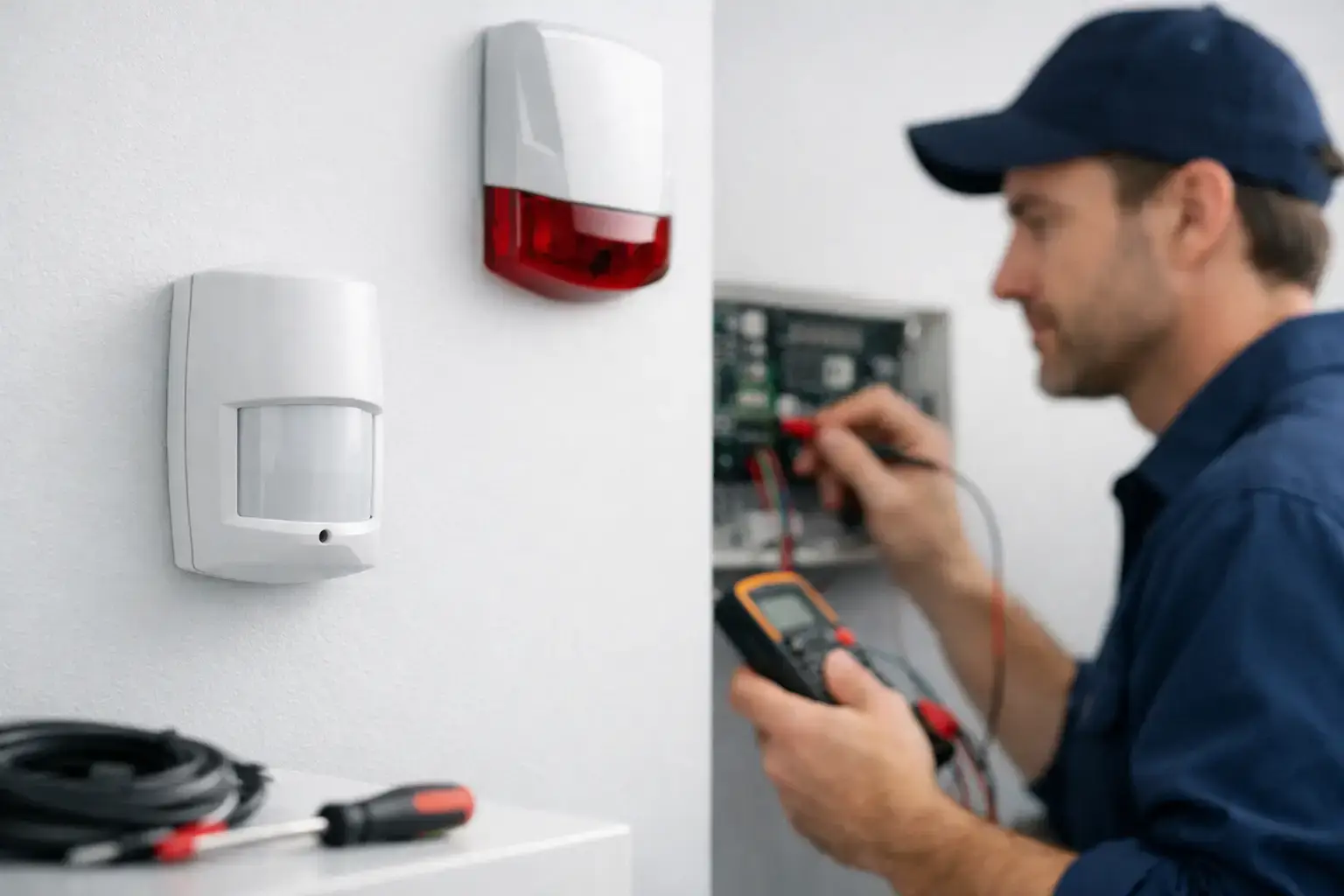
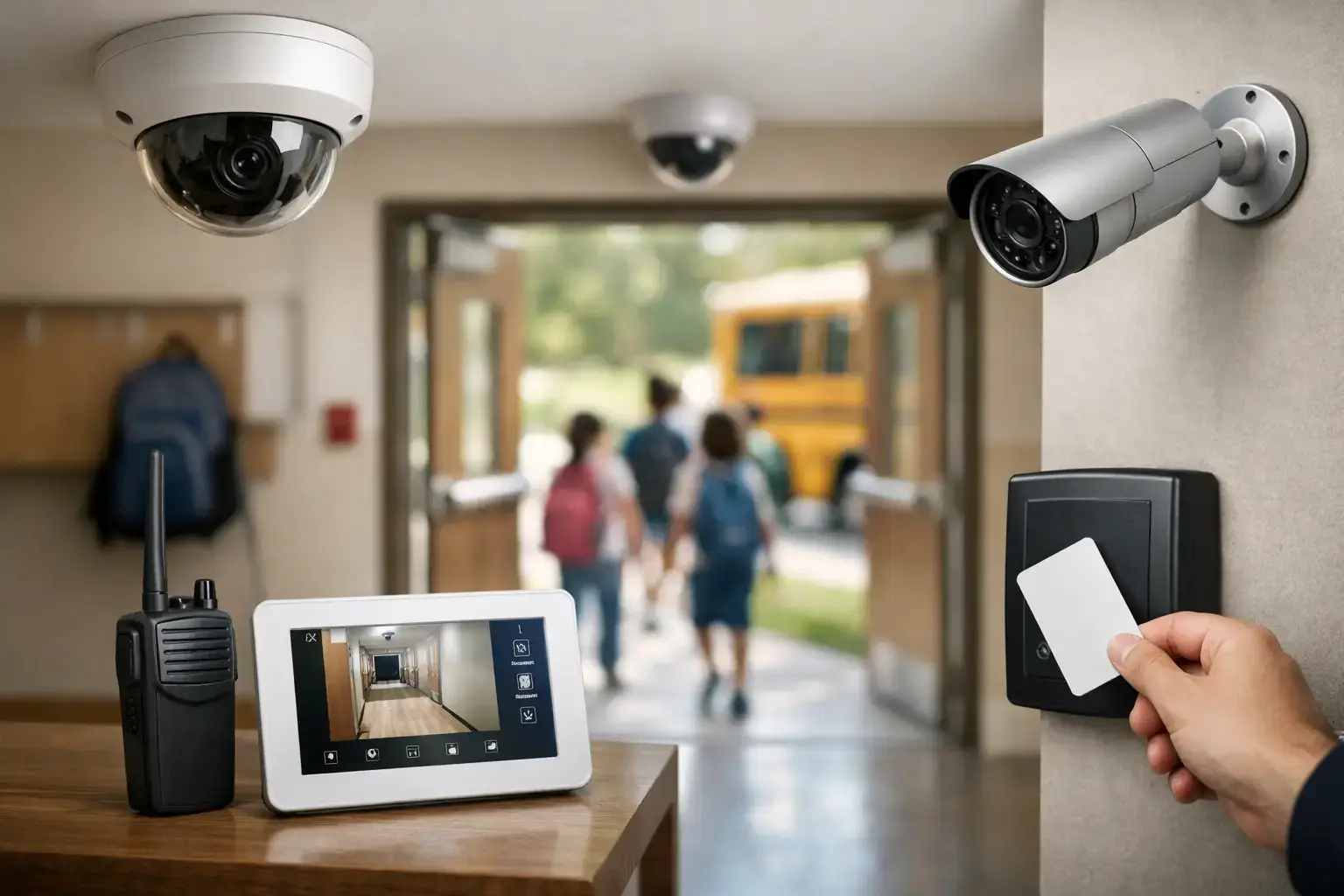
Security systems in care homes act as the first line of defense against unwanted visitors. They help maintain a secure environment by controlling access and monitoring activities. This is not just about protection from external threats but also ensuring that residents do not wander into unsafe areas.
Having a reliable security system fosters peace of mind. Consider the ability to track who enters and exits the building. This control reduces the risk of unauthorized access, helping staff focus on providing care rather than worrying about security breaches. Learn more about best practices for care home safety.
Benefits of CCTV in Care Homes
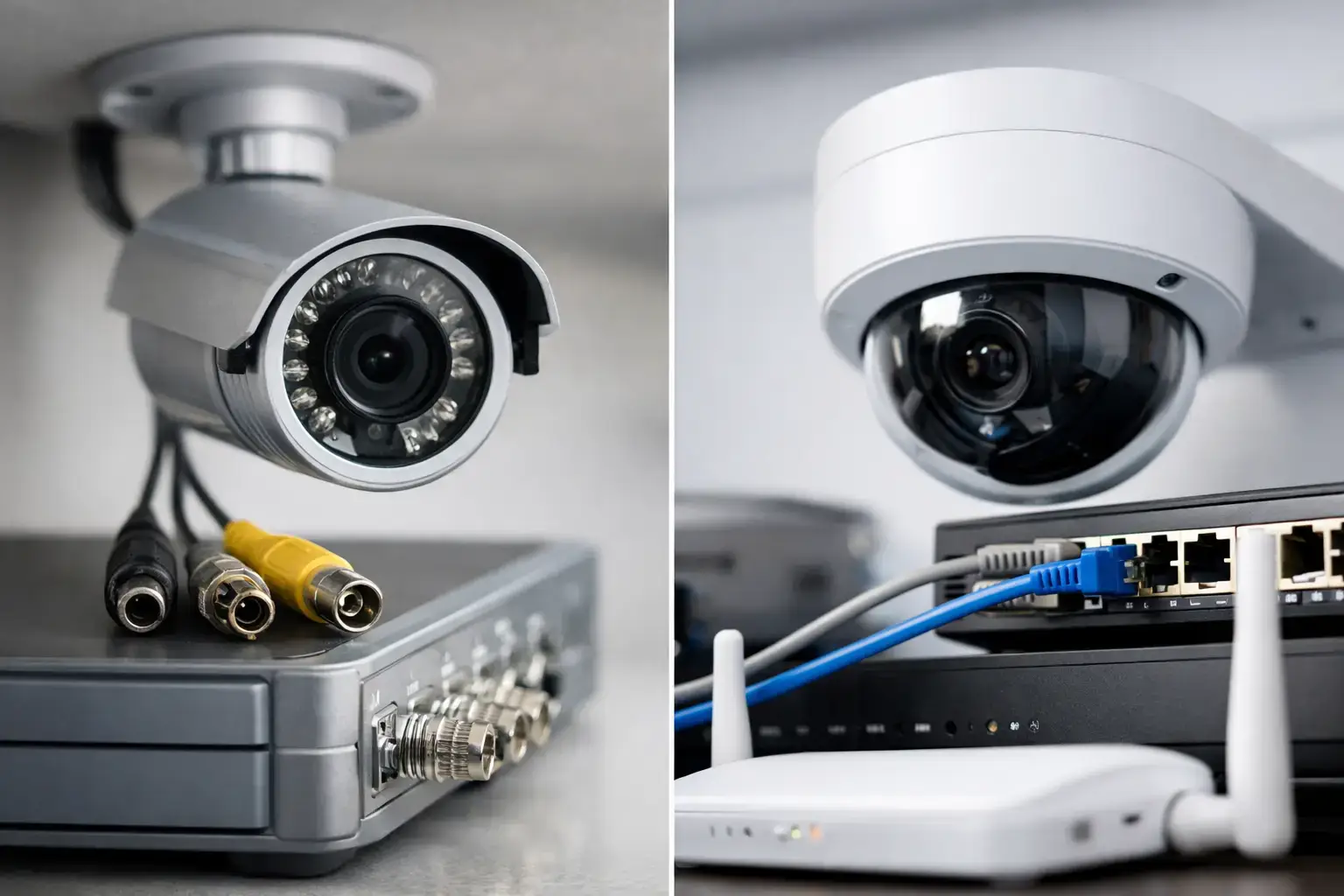
CCTV cameras are more than just watchful eyes; they are essential tools for ensuring safety. These cameras deter potential intruders, providing a visible security presence that discourages criminal activities. But their role doesn’t stop there.
CCTV systems also offer accountability. By recording daily activities, they provide valuable footage that can be reviewed if incidents occur. For example, if a resident falls, reviewing the footage can help determine the cause and prevent future accidents. CCTV acts as both a preventive measure and a tool for improvement.
Health and Safety in Care Homes

After addressing basic security, it’s vital to consider health and safety. These aspects are intertwined, each supporting the other to create a comprehensive safety net.
Essential Health Policies
Health policies are the backbone of care home safety. They ensure that all staff members follow consistent procedures to maintain a healthy environment. Policies cover areas like sanitation, medication management, and emergency procedures.
Effective health policies prevent the spread of infections and illnesses. By adhering to these guidelines, care homes can minimize risks and protect the vulnerable population they serve. Regular training sessions keep staff informed and prepared to handle health-related issues efficiently.
Ensuring Resident Safety
Resident safety is about more than just physical security—it’s also about their well-being. Regular health checks and personalized care plans are crucial. These measures identify potential health issues early, allowing for timely intervention.
Engaging residents in safety discussions empowers them to voice concerns. When residents feel heard, they are more likely to participate in their own safety and care. This partnership between staff and residents strengthens overall safety practices. Explore strategies for nursing home safety and security.
Building Trust with Families

Trust is fundamental in relationships between care homes and families. Transparent practices and involvement in safety plans can bridge any gaps.
Transparent Communication Practices
Keeping families informed is key to building trust. Regular updates about their loved ones’ well-being and safety measures reassure families that their relatives are in good hands. Communication should be clear, timely, and honest.
Families appreciate being part of the care process. Sharing details about security protocols and health policies demonstrates commitment to transparency. This openness builds confidence and reassurance, essential elements for trust.
Involving Families in Safety Plans
Involving families in safety planning not only enhances trust but also brings valuable insights. Families can share specific needs or concerns that might otherwise go unnoticed. Their involvement ensures that safety plans are comprehensive and considerate of individual needs.
Creating a collaborative environment fosters a sense of community. Families and staff working together enhance the effectiveness of safety measures, ultimately benefiting all residents. Discover how to build trust between care providers and families.
Enhancing Staff Confidence
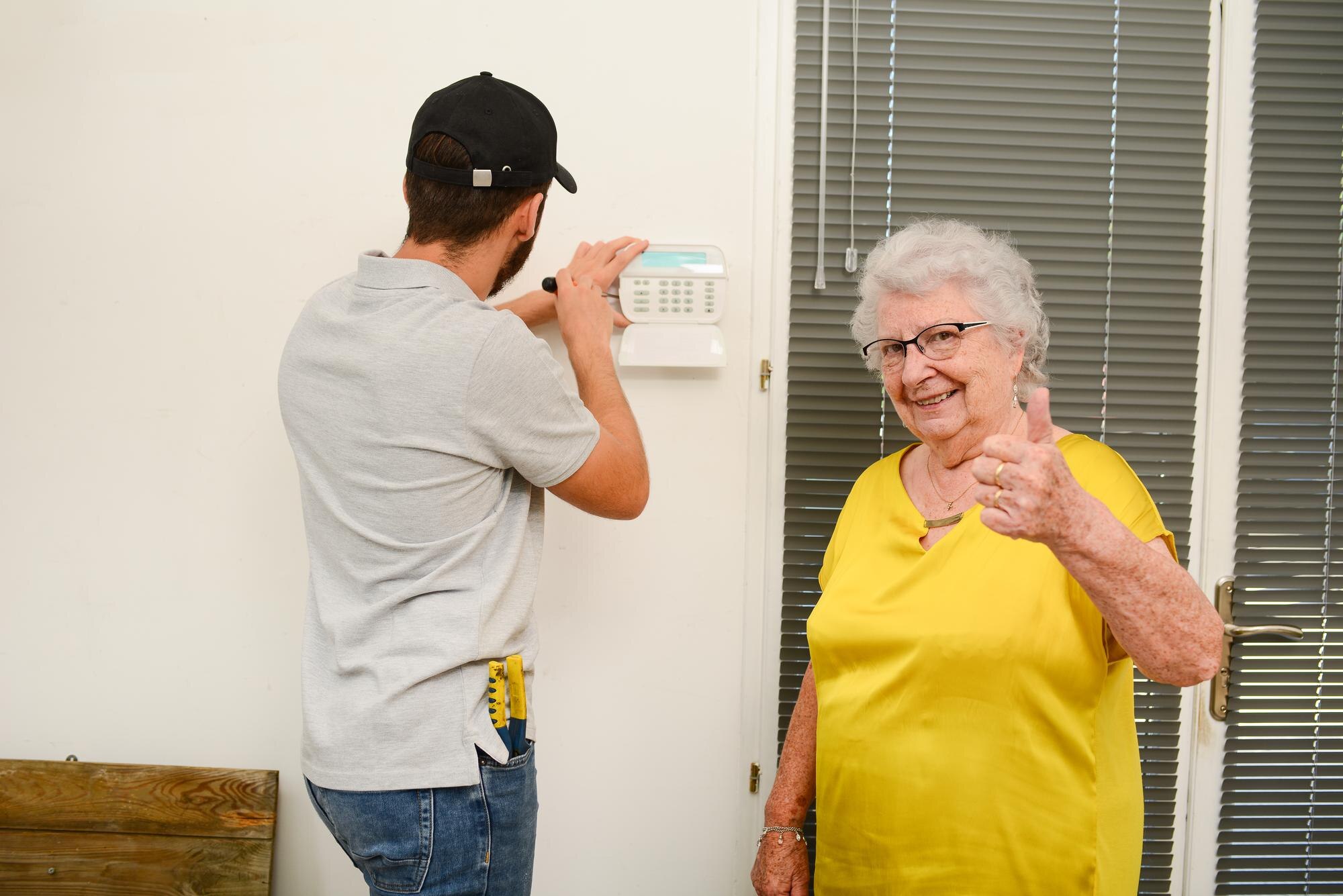
Staff play a critical role in ensuring a safe and healthy environment. Providing them with the right tools and knowledge boosts their confidence and effectiveness.
Training for Emergency Preparedness
Training sessions equip staff with the skills needed to handle emergencies calmly and efficiently. Regular drills ensure that everyone knows their role in different scenarios, reducing panic and confusion.
Prepared staff can act swiftly in emergencies, minimizing risks to residents. This proactive approach not only protects residents but also empowers staff, knowing they can handle unexpected situations.
Promoting a Safety-First Culture
A culture that prioritizes safety encourages staff to be vigilant and proactive. Regular safety meetings and open discussions about potential hazards keep safety at the forefront of daily operations.
When safety becomes a shared responsibility, everyone is more likely to contribute. Staff feel valued and respected, leading to better engagement and a commitment to maintaining a secure environment.
Compliance with Care Home Standards

Adhering to regulatory standards is non-negotiable. Compliance ensures that care homes meet legal obligations and provide a safe haven for residents.
Meeting Regulatory Requirements
Regulations outline the minimum safety standards that care homes must meet. Compliance demonstrates commitment to providing high-quality care. This includes having up-to-date security systems and health policies in place.
Regular training and audits help maintain these standards. Ensuring that all staff are aware of current regulations and best practices is essential for compliance.
Regular Audits and Inspections
Audits and inspections are critical tools for maintaining safety. They identify areas for improvement and ensure that safety measures are effective. Regular checks reinforce the importance of safety and compliance.
Through audits, care homes can make informed decisions about necessary upgrades or changes. This ongoing process of evaluation and improvement keeps safety standards high, protecting both residents and staff. Explore detailed insights into long-term care facility safety.
By understanding and implementing comprehensive security and health policies, care homes can build trust with families, enhance staff confidence, and ensure resident safety. The commitment to maintaining high standards creates a secure and welcoming environment for everyone involved.