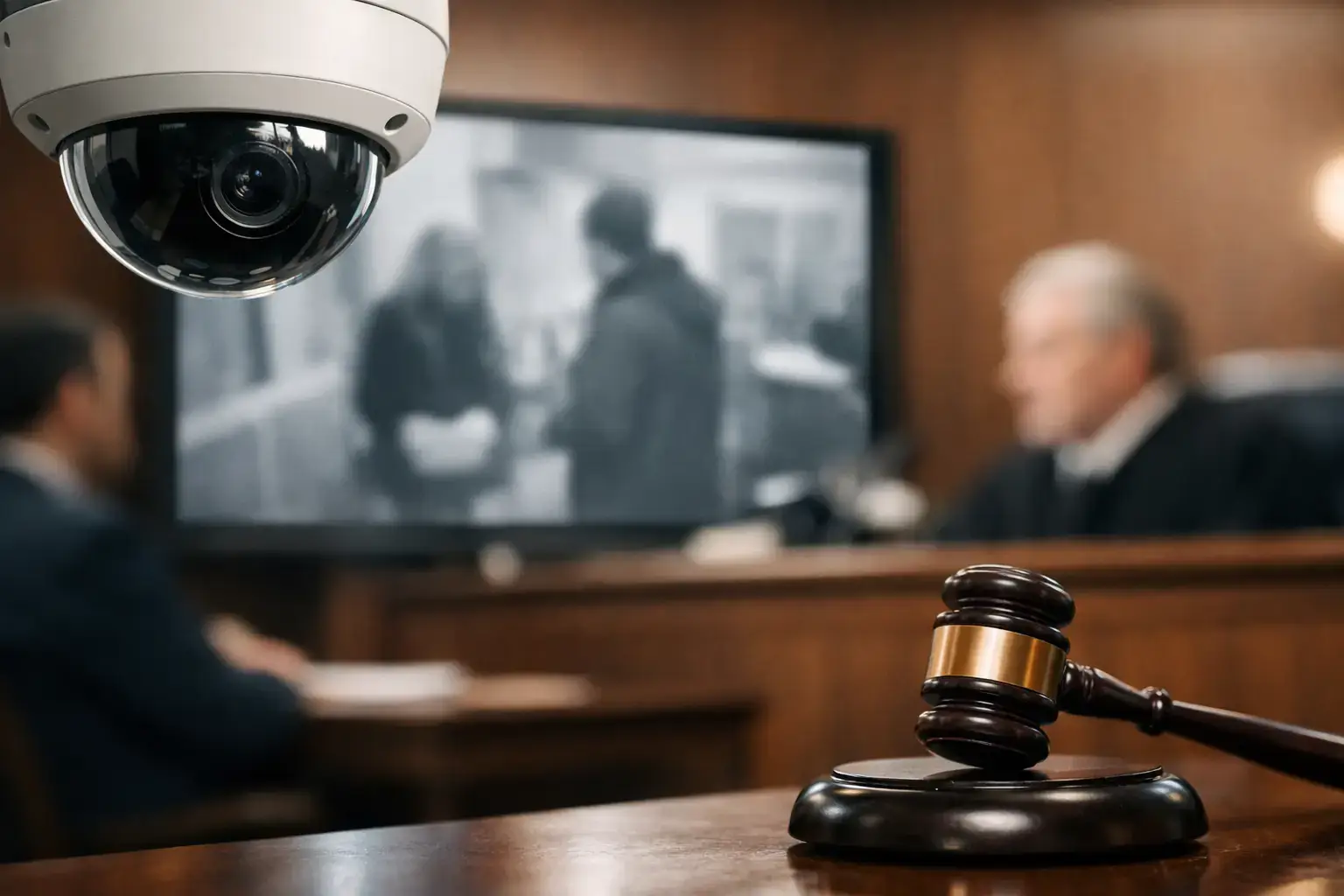
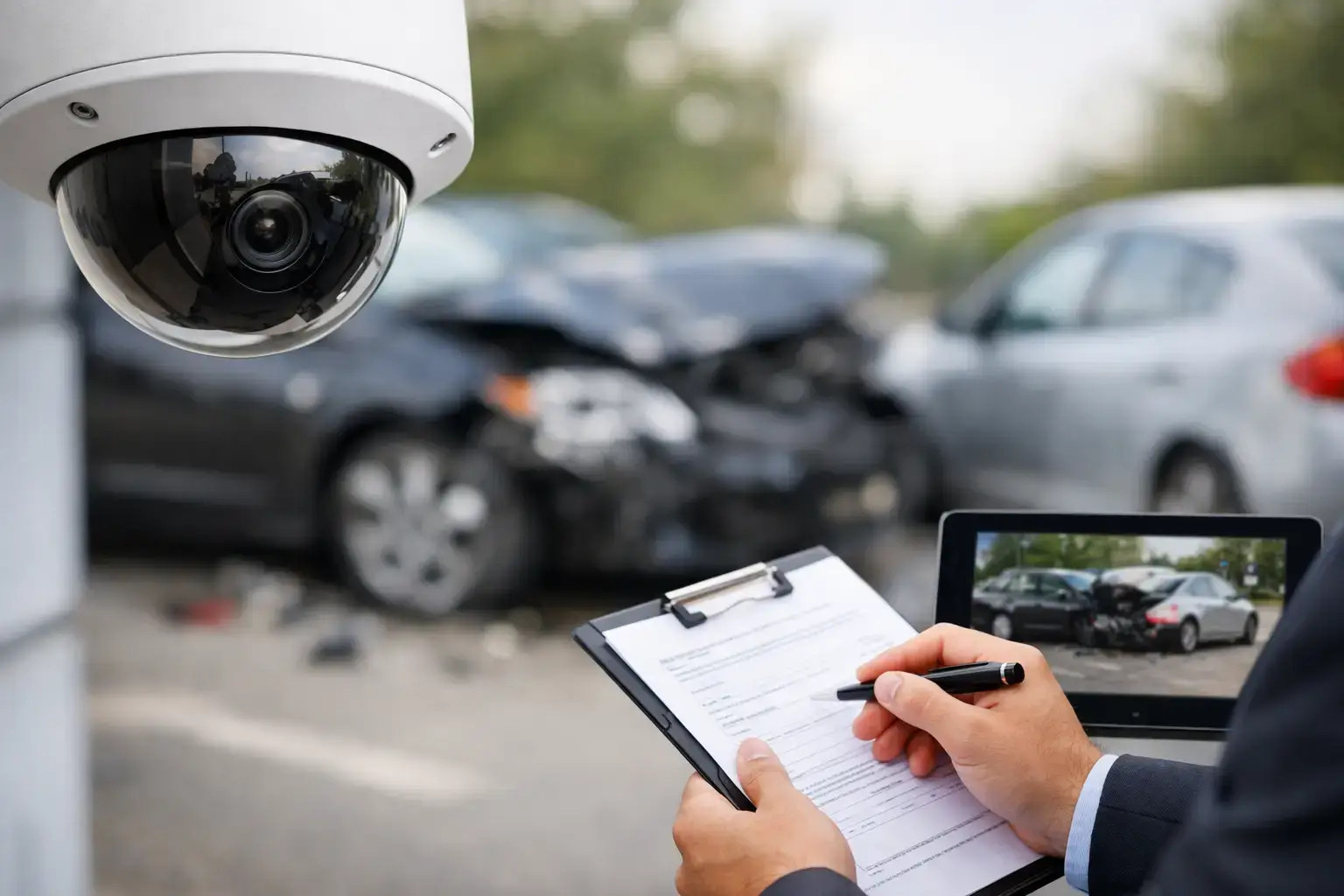
An insurer asks for proof after a break-in, a vehicle impact in a car park, or a disputed slip on your premises. That is the point where CCTV often moves from being a deterrent to being hard evidence. For many property owners and managers, how CCTV helps with insurance claims comes down to one simple advantage – it shows what happened, when it happened, and who was involved.
That sounds straightforward, but the real value lies in the detail. A professionally designed CCTV system can support a claim by capturing timings, identifying sequences of events, showing whether security measures were in place, and reducing the room for disagreement. Whether you run a retail unit, manage a warehouse, oversee a school site, or want better protection for your home, recorded footage can make the claims process clearer and more defensible.
How CCTV helps with insurance claims in practice
Insurance claims are rarely delayed because a policyholder knows something happened. They are delayed because the insurer needs evidence. A written statement helps, photographs help, and incident logs help, but video footage is often the clearest record available.
If stock is stolen from a shop, CCTV can show the point of entry, the route taken through the building, the time the offence occurred, and whether staff followed site procedures. If a customer alleges they were injured on your premises, footage may confirm the condition of the area, the actions of those present, and whether the incident happened as described. If a vehicle is damaged in a residential driveway or commercial car park, recording can show whether it was malicious damage, accidental impact, or a claim with very little basis in fact.
This matters because insurers assess both the event and the context. They want to know whether there is reliable evidence, whether the loss is consistent with the account given, and whether there are signs of negligence or fraud. Good CCTV supports that assessment far better than memory alone.
Faster evidence, fewer disputes
One of the biggest frustrations in insurance claims is delay. The longer a claim runs, the more difficult it becomes to verify details. Witness recollections change, physical evidence is cleared away, and timelines become less certain.
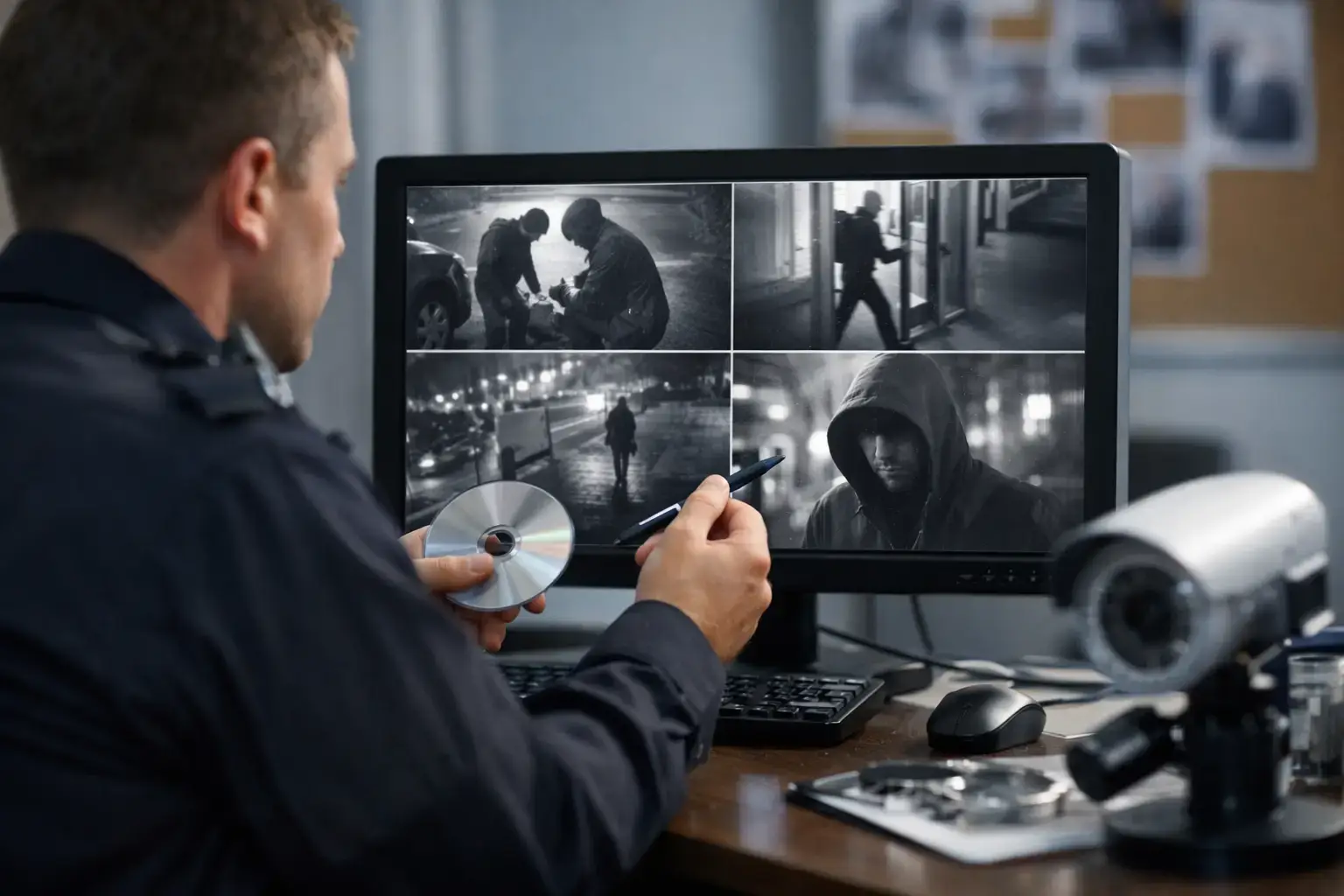
CCTV footage gives a time-stamped record that can be reviewed quickly. In many cases, this helps move a claim forward sooner because the insurer is not relying solely on written descriptions. A facilities manager can provide the relevant clip. A homeowner can show the sequence of events outside the property. A site manager can confirm when access was gained and by whom.
That does not mean every claim is paid simply because footage exists. The footage still needs to be usable, retained correctly, and relevant to the incident. Poor image quality, blind spots, missing recordings, or footage that has already been overwritten can weaken the value considerably. This is why system design, camera placement, recording duration, and maintenance all matter just as much as having cameras installed in the first place.
CCTV can help prove legitimate claims – and challenge false ones
There are two sides to insurance evidence. The first is proving that a genuine loss occurred. The second is protecting you when a claim made against you is exaggerated, mistaken, or fraudulent.
For commercial sites, this is especially important. Retailers, hospitality venues, schools, landlords, and industrial operators can all face public liability disputes where the facts are not immediately clear. A claimant may describe an accident one way, while staff remember it differently. CCTV can establish whether warning signage was present, whether an obstruction existed, how long a spillage was there, or whether the claimant’s behaviour contributed to the incident.
For residential properties, false or unclear claims can arise after boundary disputes, delivery incidents, vehicle damage, or allegations involving contractors and visitors. A properly positioned CCTV system can help remove guesswork.
Insurers take fraudulent claims seriously, and policyholders should too. False claims drive up costs, consume management time, and create unnecessary stress. Video evidence can be one of the strongest ways to challenge an account that does not match the facts.
Why image quality and system design matter
Not all CCTV footage carries the same evidential value. A grainy image from a poorly placed camera may show that an incident happened, but not enough to identify a person, vehicle registration, or specific action. That can limit how useful it is during a claim.
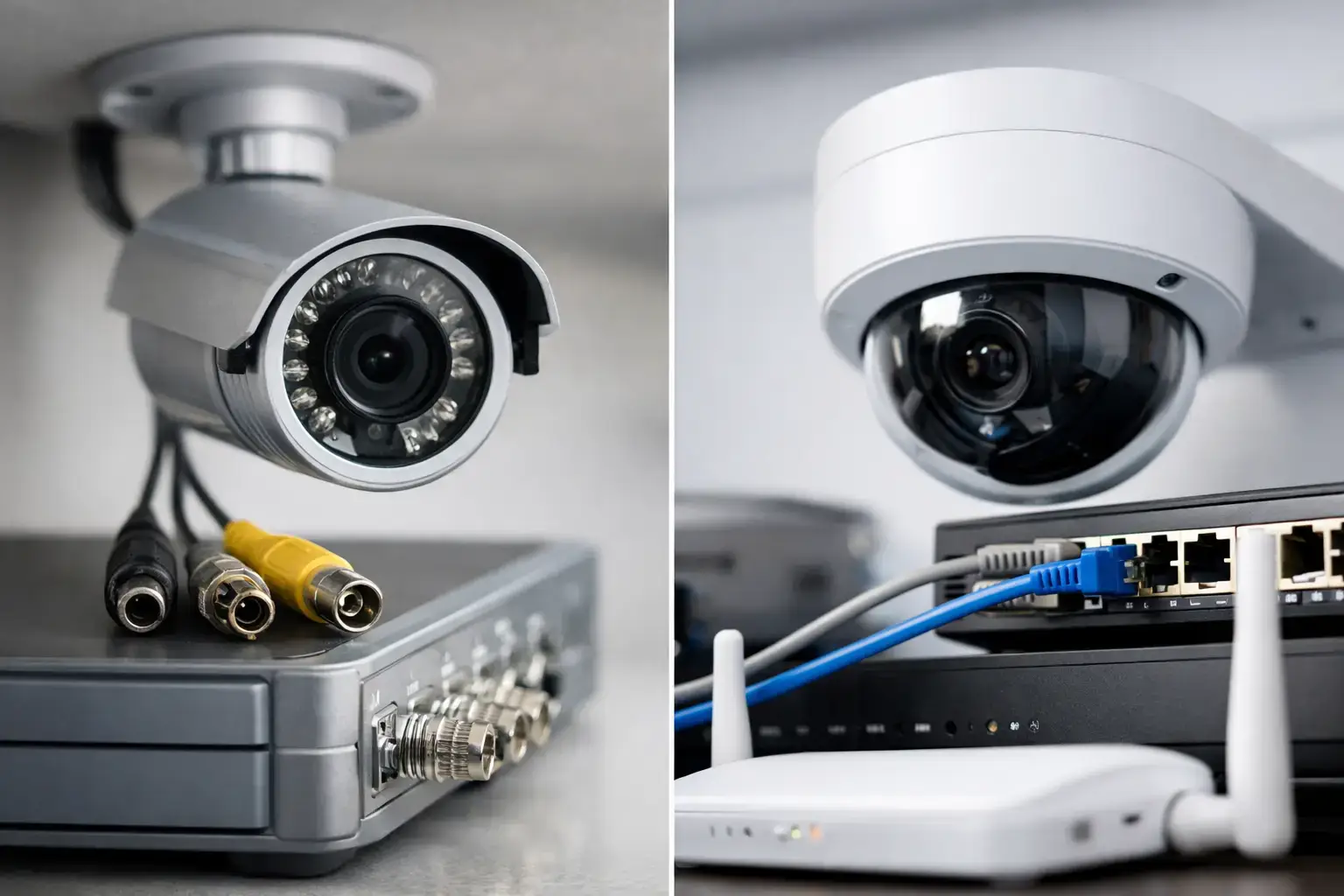
Professionally installed systems are designed around risk points rather than guesswork. Entry and exit routes, cash handling areas, loading bays, reception spaces, communal areas, driveways, and car parks all need different coverage depending on the environment. Lighting conditions, viewing angles, storage requirements, and network reliability also affect whether footage will be useful when needed.
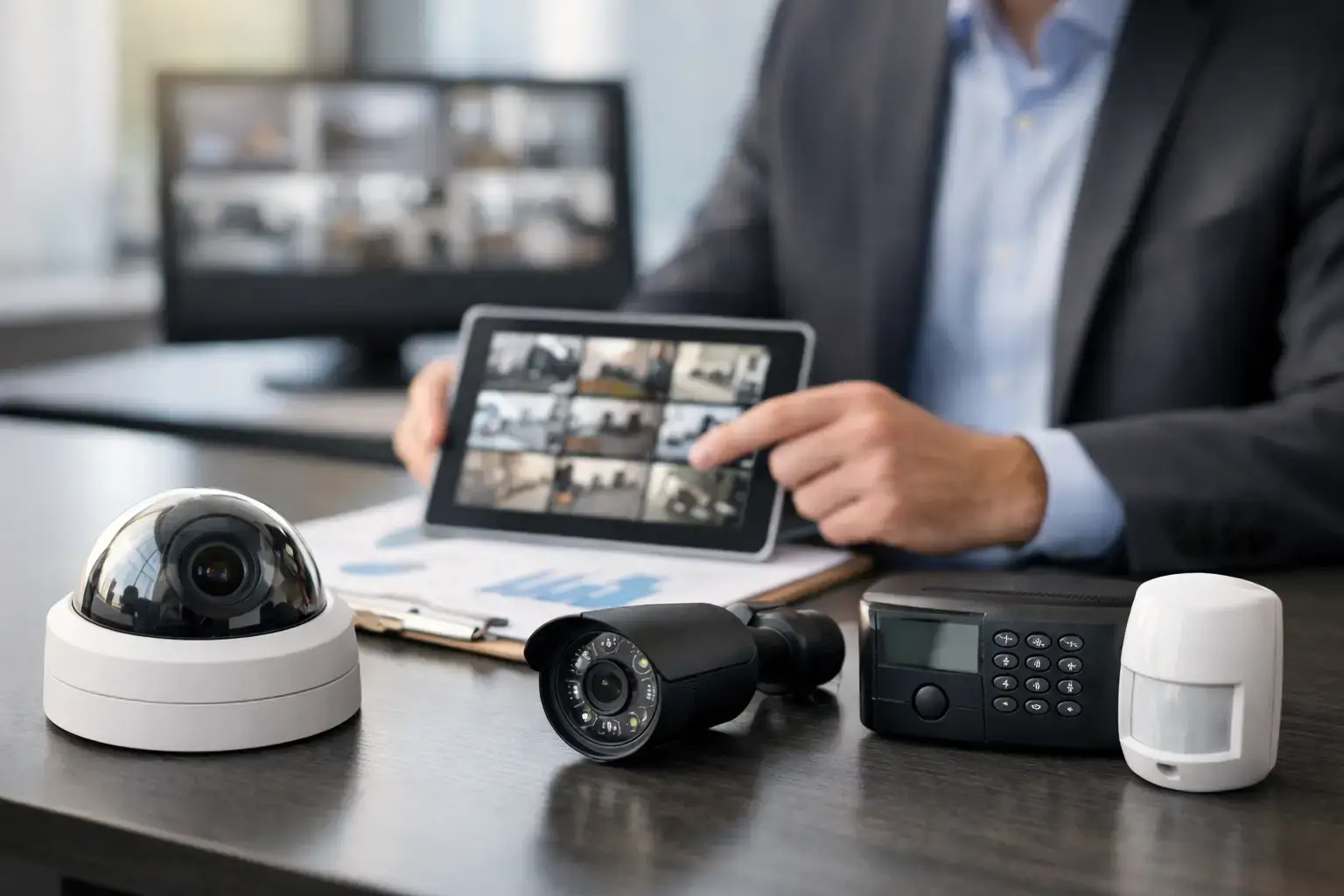
For some sites, analytic CCTV adds another layer of value. Line crossing, intrusion detection, people counting, or event-based alerts can help narrow down relevant footage quickly. On larger commercial premises, this can save significant time when reviewing an incident and preparing evidence for an insurer.
There is also a compliance point here. Businesses should ensure their CCTV use is appropriate, lawful, and supported by clear policies where required. Footage that is badly managed can create avoidable complications. Proper configuration, secure access, and sensible retention periods help keep recordings available and defensible.
Insurer expectations and the value of professional installation
Some insurers look favourably on professionally installed, insurer-recognised security measures, especially where the system forms part of a wider risk management approach. CCTV may not reduce premiums in every case, and no responsible installer should promise that it will. Insurance decisions depend on your sector, claims history, location, occupancy, and broader security profile.
What CCTV can do is strengthen your position. It shows that you have taken practical steps to protect the property and document incidents. For higher-risk premises, this can support conversations with insurers, loss adjusters, and brokers far more effectively than relying on basic domestic-grade equipment.
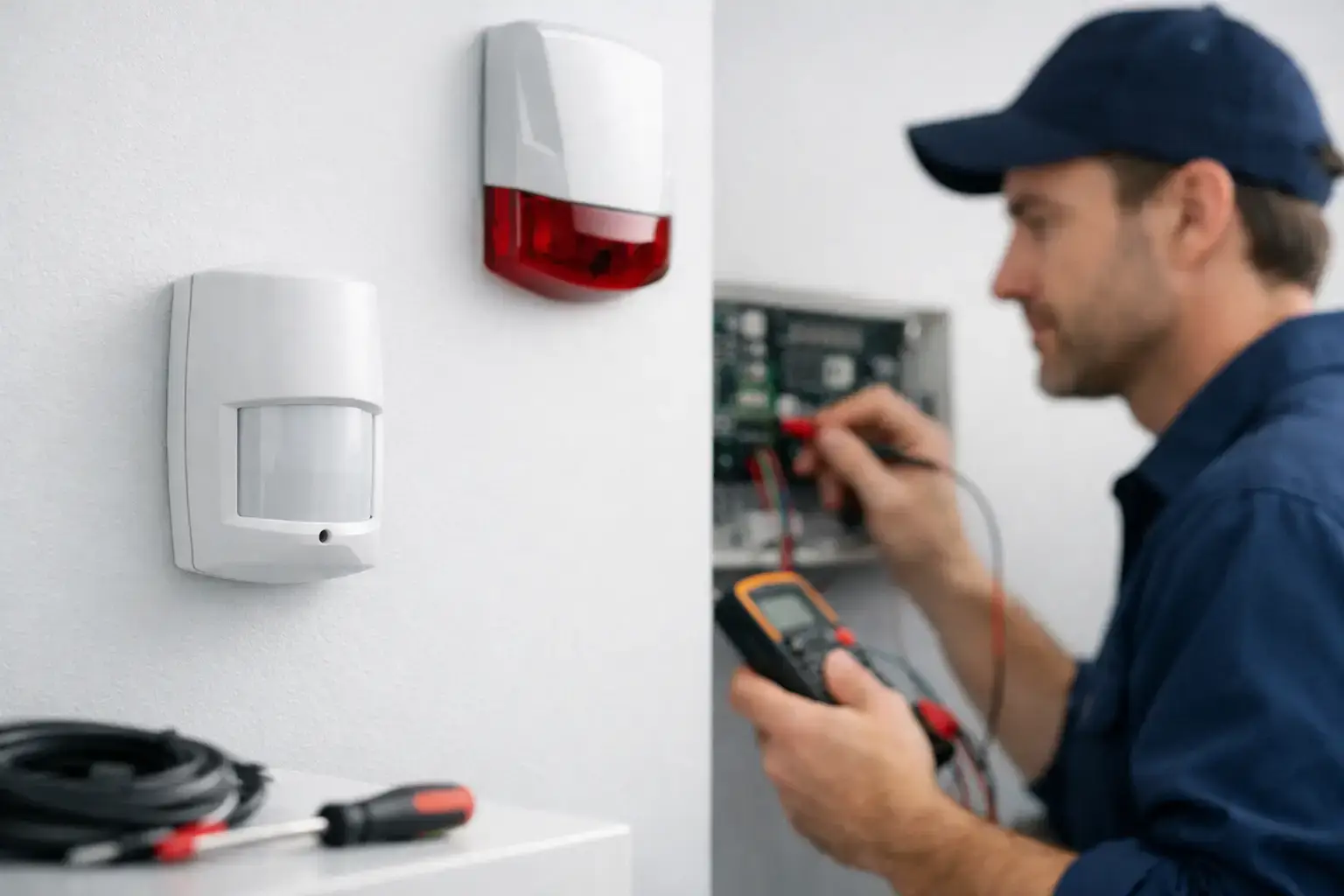
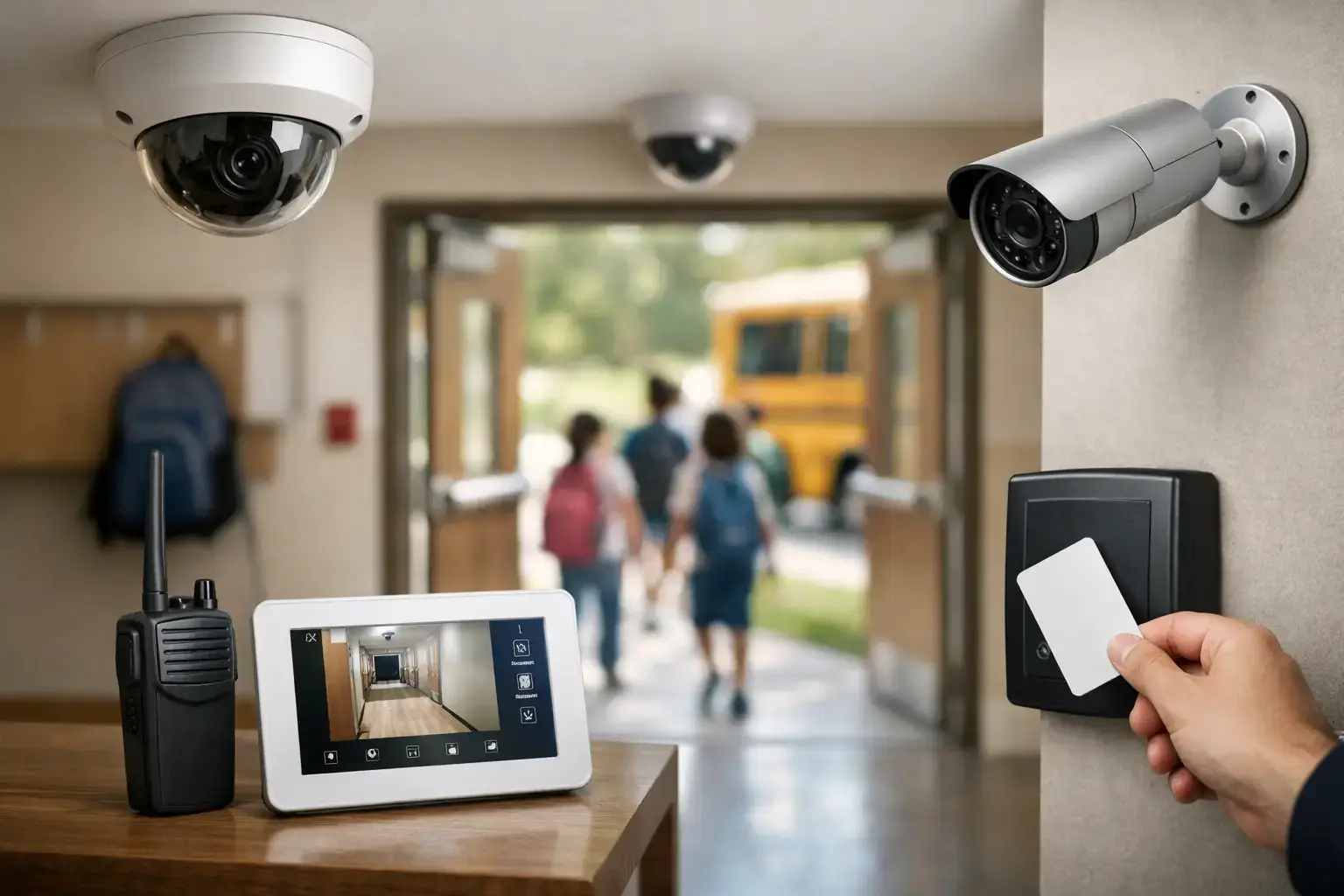
That is where professional specification matters. An SSAIB-approved installer understands the difference between cameras that simply record and systems designed to perform under real operational conditions. Reliable storage, remote access, tamper resistance, integration with intruder alarms or access control, and ongoing maintenance all contribute to a system that is more likely to deliver usable evidence when it counts.
Commercial claims: where CCTV often makes the biggest difference
In commercial settings, claims are rarely limited to obvious theft. CCTV can support evidence across stock loss, vandalism, trespass, employee incidents, property damage, vehicle movements, and third-party liability.
A distribution site might use footage to confirm exactly when a gate was breached. A school may need to review activity in a corridor after a reported incident. A hospitality venue could rely on recorded video to assess an allegation involving a customer fall. Construction sites often need CCTV to document unauthorised access, plant theft, or out-of-hours movement.
In each case, the practical benefit is similar. You are not piecing together a claim from assumptions. You are working from a visible record. For busy businesses, that reduces disruption as well as uncertainty.
Residential claims: reassurance backed by evidence
Homeowners often think of CCTV mainly as a way to deter opportunist crime. That remains a key benefit, but recorded footage can also be extremely useful after the event. If a shed is broken into, a parcel is taken, a car is damaged on the drive, or someone enters the boundary without permission, footage can support both police reporting and insurance documentation.
There is a clear difference, though, between a basic off-the-shelf camera and a professionally planned domestic system. Coverage gaps around side access, rear gardens, garages, and driveways are common. So are problems with poor night recording and limited storage. If the footage is unclear or unavailable by the time you need it, the system has fallen short of its most important job.
For homeowners who want dependable evidence, the focus should be on placement, recording quality, retention, and secure access to clips when an incident occurs.
Getting the most from CCTV when making a claim
If an incident happens, act promptly. Preserve the relevant footage as soon as possible and make sure the clip includes enough time before and after the event to show context. Keep a written record of what happened, when it was discovered, and who has handled the footage. If police are involved, note any crime reference details. If the insurer requests evidence, provide the recording in the format they ask for where possible.
Just as importantly, review whether your current system would genuinely stand up to scrutiny. If key areas are not covered, recordings are too short-lived, or image quality is inconsistent, those weaknesses usually appear at the worst possible moment.
For businesses and homeowners alike, CCTV is not just about watching over a property. It is about being able to evidence events properly when the cost of uncertainty is high. A well-designed system will not prevent every incident, and it will not remove every insurance query, but it can give you a far stronger foundation when you need to prove what happened. When security is specified with claims, compliance, and long-term reliability in mind, it does more than record trouble – it helps you deal with it properly.