A school rarely has one security problem. It has several, all happening at once. Pupils need to move freely without creating blind spots. Staff need quick access to buildings without weakening site control. Visitors must be welcomed, but not waved through. That is why the best security systems for schools are never built around a single device. They are designed as a joined-up solution.
For headteachers, bursars, estates teams and trust leaders, the real question is not which product looks best on paper. It is which combination of systems will protect pupils, staff, visitors and property reliably during the school day, after hours and during holidays. In education settings, that usually means balancing safeguarding, fire safety, site access, vandalism prevention and budget.
What the best security systems for schools include
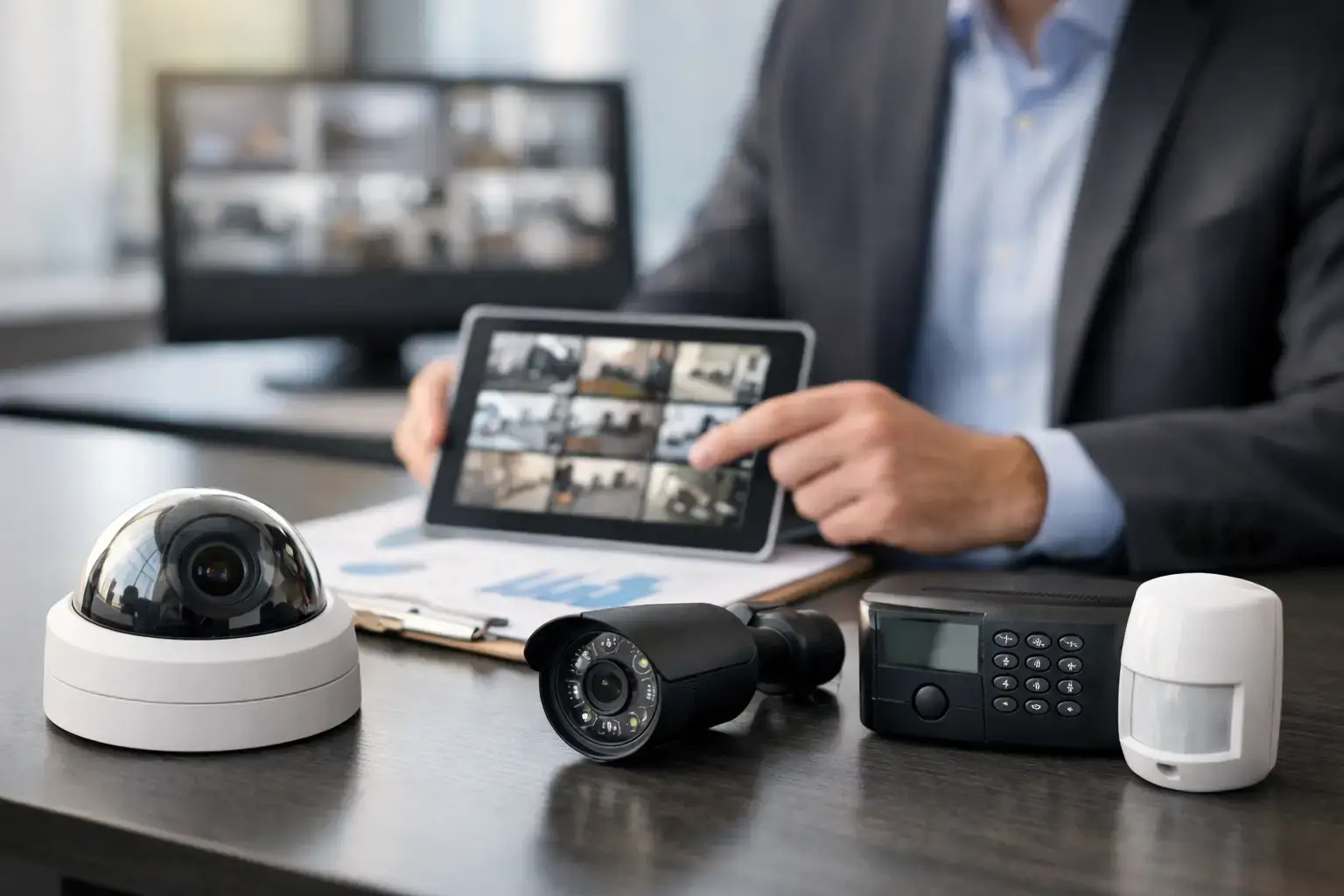
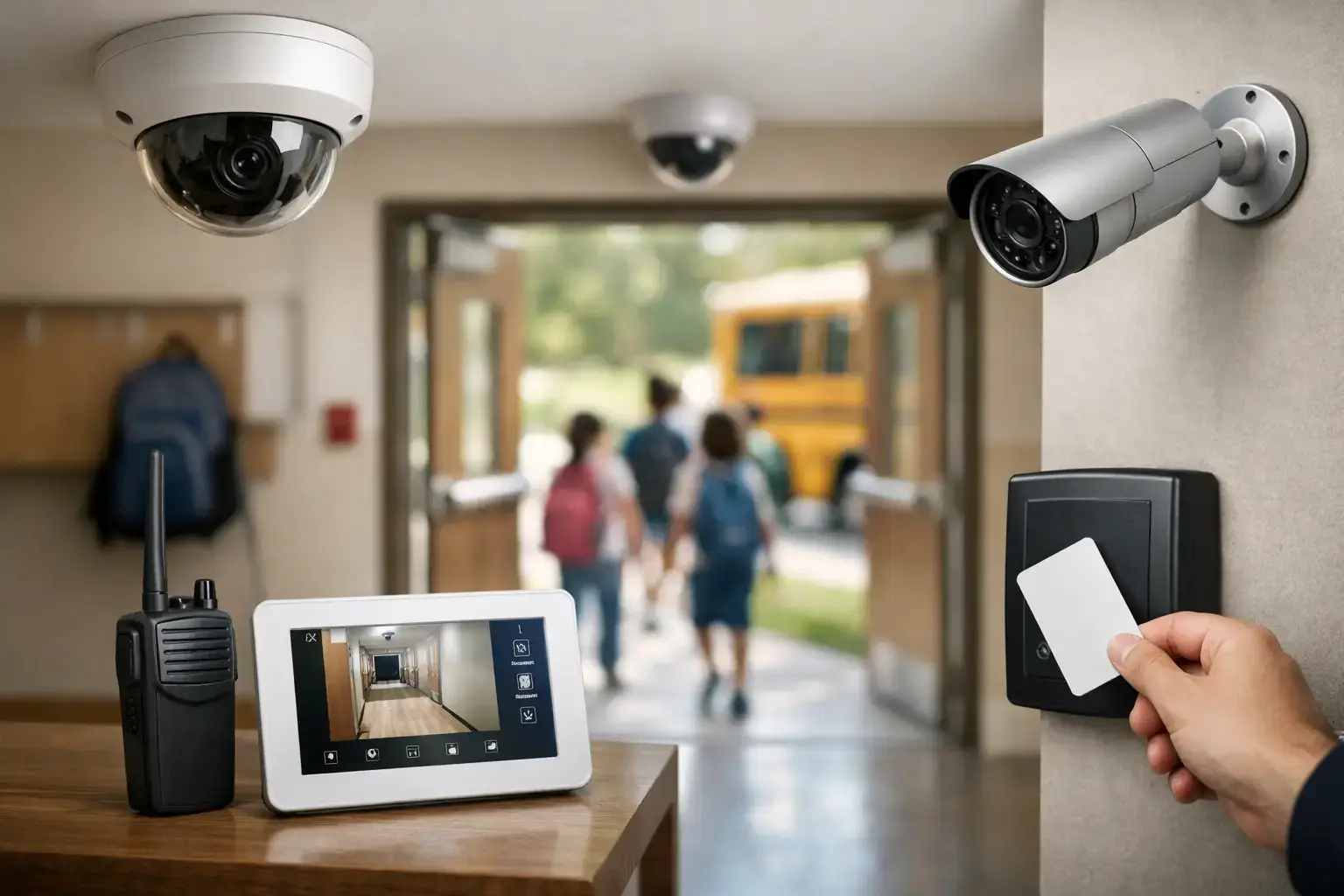
A strong school security setup usually combines CCTV, access control, intruder alarms, fire alarms and door entry. In some cases, automatic door openers and monitored response also play an important role. Each element does a different job, and schools get better results when those systems are planned together rather than added piecemeal over time.
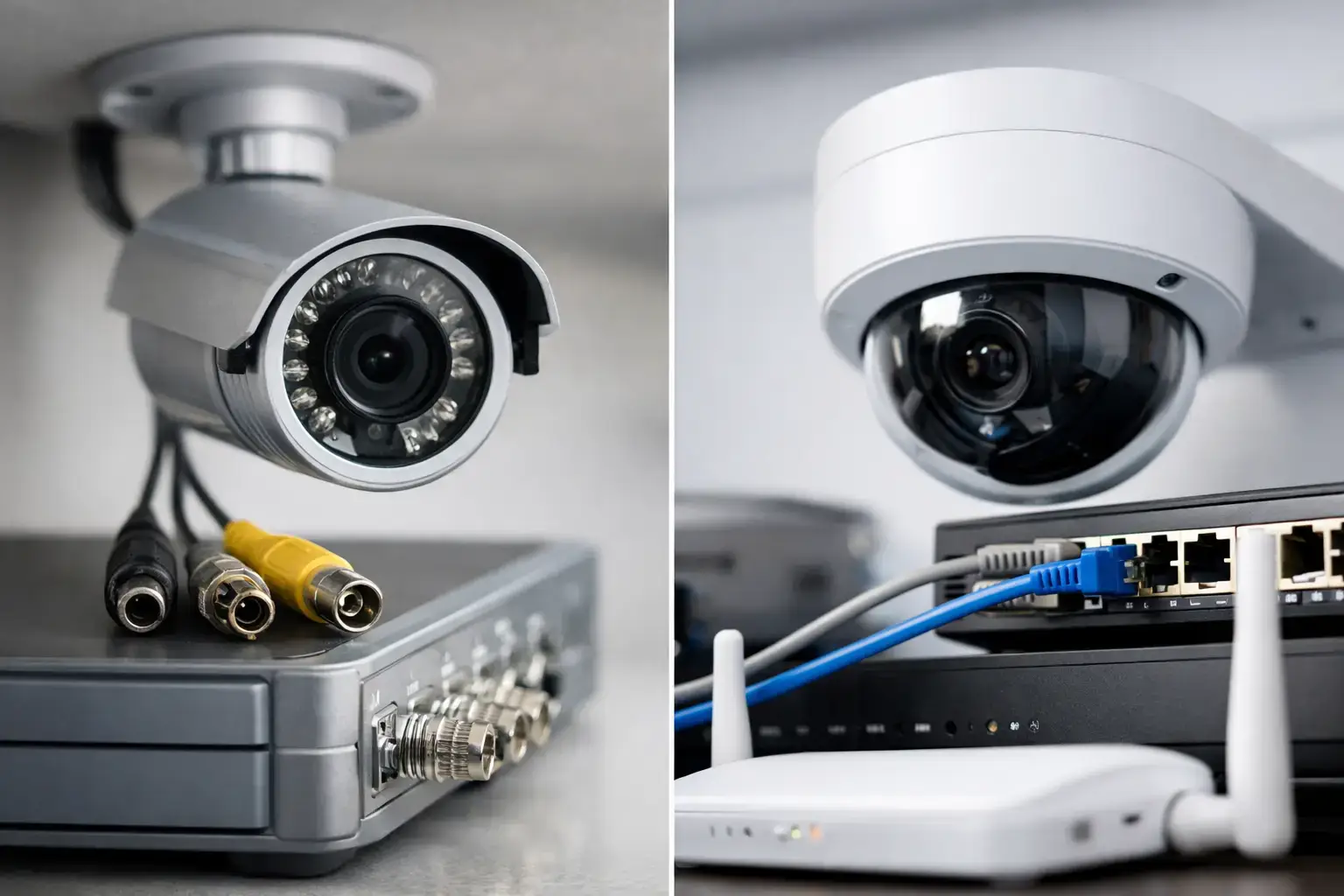
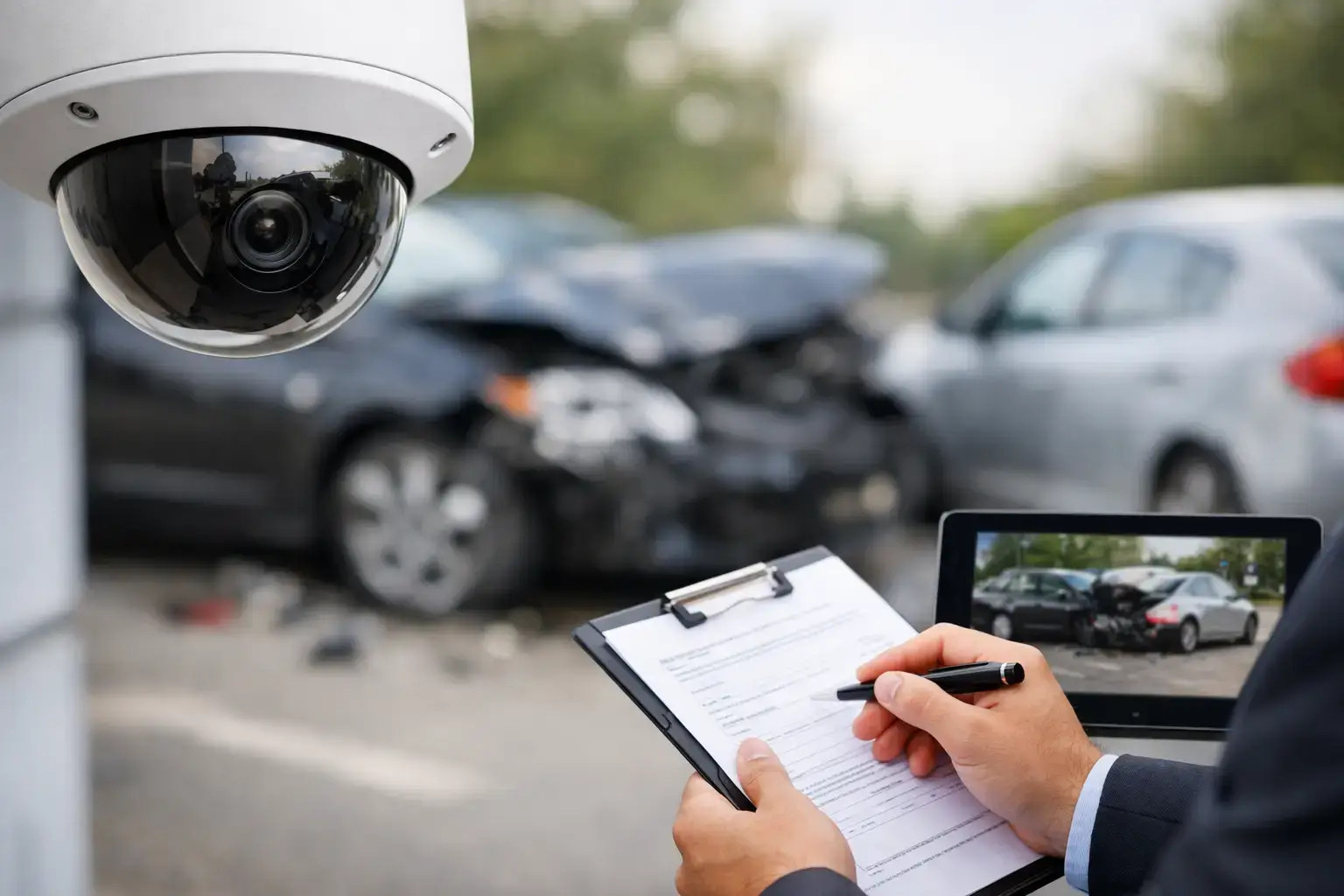
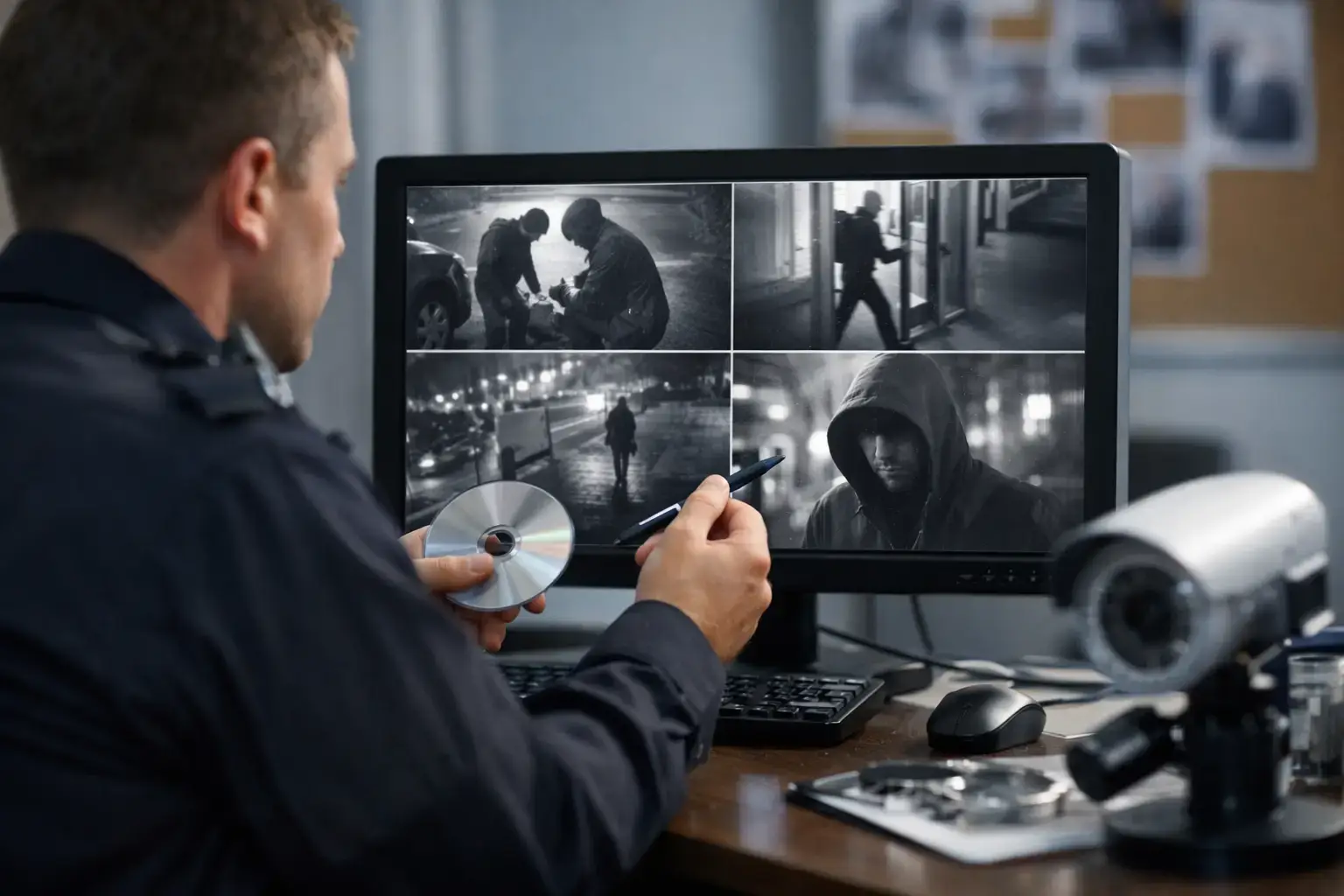
CCTV gives schools visibility across entrances, corridors, receptions, playground perimeters, car parks and vulnerable outbuildings. It can deter trespass and anti-social behaviour, help investigate incidents and provide reassurance to staff dealing with safeguarding concerns. The most effective systems now use IP cameras with clear image quality and, where appropriate, analytics that can flag movement in restricted areas or outside set hours.
Access control manages who can enter specific areas and when. That may involve main entrance control for visitors, fob or card access for staff, restricted access to server rooms and plant areas, or separate permissions for sixth form blocks and sports facilities. In a school, access control is as much about daily organisation as it is about security. It reduces dependency on keys, cuts the risk of lost access credentials and helps create an audit trail.
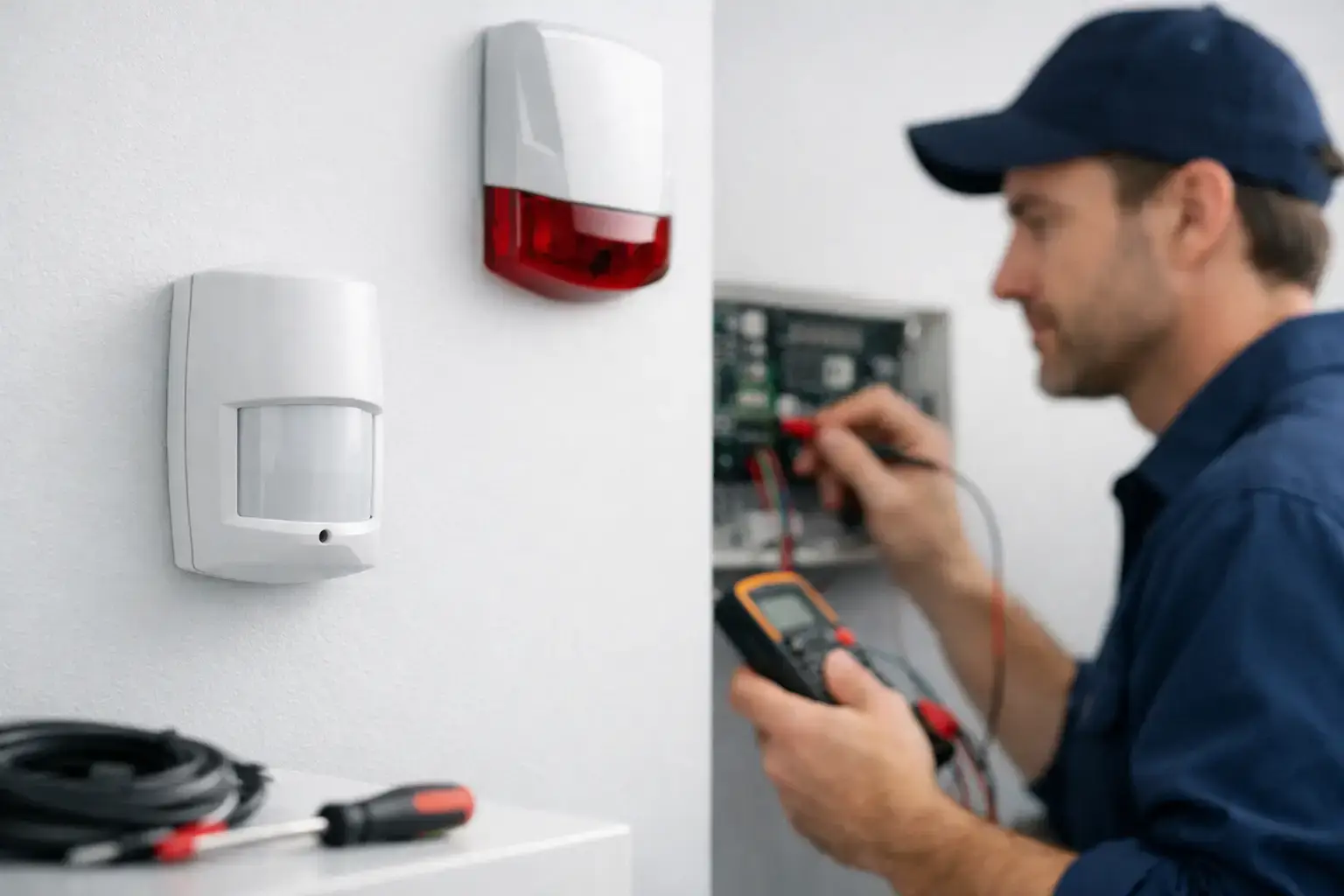
Intruder alarms remain essential, particularly for schools with large footprints, temporary classrooms or detached buildings. Break-ins often happen where sightlines are poor or where older buildings have uneven perimeter protection. A professionally designed alarm system can protect internal spaces, external access points and vulnerable areas such as IT suites, stores and offices.
Fire alarms sit alongside security rather than outside it. For schools, dependable detection and compliant system design are non-negotiable. Fire alarm systems need to work with the building layout, occupancy levels and evacuation procedures. In many sites, the conversation should include how access-controlled doors behave during an alarm and whether any automatic opening systems are needed to support safe movement.
CCTV for schools: what matters most
Not all CCTV installations are suitable for education environments. Schools need image quality that is usable, not simply cameras on walls. That means correct coverage, proper lighting consideration, secure recording, appropriate retention and careful positioning to avoid creating blind spots in entrances or external routes.
The best security systems for schools use CCTV strategically. Main gates, reception approaches and visitor entrances are obvious priorities, but they are not the only ones. Rear service yards, bike stores, PE blocks, detached classrooms and car parks are often more exposed, especially outside teaching hours. Internal coverage may also be appropriate in reception areas, corridors and communal spaces, although schools need to balance security needs with privacy considerations.
Analytics can add value where they are used sensibly. Line-crossing alerts on perimeters, loitering detection near entrances and after-hours activity alerts can help site teams respond faster. That said, analytics are not a substitute for good design. If camera placement, lighting and network performance are poor, the software will not rescue the system.
Why access control is central to school safeguarding
Reception is where safeguarding becomes visible. Visitors need to be screened, signed in and managed without creating delays or confusion. A door entry system linked to controlled access makes that process more secure and more professional.
For many schools, access control is the point where security starts to feel manageable. Staff can enter through authorised doors without relying on a large pool of keys. Specific permissions can be set for caretakers, contractors and temporary staff. Lost tokens can be cancelled quickly, which is far safer and more cost-effective than changing locks.
This is particularly useful on multi-building sites or in academies with shared facilities. Sports halls, meeting rooms and community-use areas can be secured separately from the main school. The result is tighter control without making the site difficult to use.
There are trade-offs, of course. A basic standalone system may suit a smaller primary school, while a larger secondary school or college will often need a networked solution with central management. The right choice depends on site size, traffic flow, safeguarding procedures and future plans.
Intruder alarms and after-hours protection
Schools face a different risk profile once the gates close. Empty corridors, isolated blocks and long holiday periods create opportunities for break-ins, vandalism and arson. Intruder alarms help close that gap, but only when they are properly zoned and matched to the building.
A school alarm system should not treat every area the same. Administration offices, IT rooms, stores and science prep areas often need stronger protection than low-risk circulation space. Separate setting arrangements can also help estates teams, cleaners or approved contractors work in one area without disabling protection across the whole site.
False alarms are a common frustration in education settings, especially in older buildings. That is why detector selection, installation quality and ongoing maintenance matter. A cheaper alarm that triggers repeated call-outs is rarely cheaper over time.
Integration matters more than individual products
Schools often end up with mixed systems installed over many years. One contractor fitted the gates, another installed the alarm, and CCTV was upgraded later. The result can be workable, but it is not always efficient. Staff waste time switching between systems, faults take longer to diagnose and important events are harder to track.
A more effective approach is to design systems that work together. CCTV can support incident review when an access event is logged. Door entry can tie into safeguarding procedures at reception. Fire alarms can release controlled doors correctly during evacuation. Monitoring support can ensure out-of-hours activations are not missed.
This is where specialist design makes a difference. A school does not need the most complicated setup on the market. It needs a reliable one that reflects how the site is actually used.
Choosing the right system for your type of school
A one-form-entry primary school has very different needs from a large secondary campus. Primary settings usually focus on perimeter awareness, controlled visitor access, reception visibility and simple staff entry. Secondary schools and colleges may need stronger zoning, multiple staff and pupil flows, sports facility management and more detailed CCTV coverage.
Independent schools, special schools and multi-academy trust sites can introduce further complexity. Boarding accommodation, therapy spaces, shared public access and safeguarding sensitivities all influence the specification. The best security systems for schools are tailored to those realities, not copied from another site.
Budget also needs a practical view. It may be better to install a properly designed first phase that secures high-risk areas well, rather than stretching the budget thinly across an entire site with compromised performance. A planned rollout often delivers better value than a rushed all-at-once purchase.
What to look for in a school security installer
Schools should look beyond hardware brands and focus on design experience, compliance and support. An installer should understand safeguarding expectations, visitor management, fire safety interaction, out-of-hours risk and the importance of dependable maintenance.
Accreditation matters. SSAIB approval, insurer-recognised systems and clear maintenance capability all point to a higher standard of work. So does the ability to survey the site properly, explain options clearly and provide long-term support rather than a basic install-and-leave service.
For schools in Essex, London and the South East, working with a provider such as 247 CCTV can simplify the process because CCTV, alarms, access control, fire systems and ongoing support can be planned as part of one coordinated solution.
The right school security system should make the site feel calmer, not more complicated. If staff can manage visitors more confidently, site teams can respond faster, and leaders can trust that key areas are protected when the building is empty, the system is doing its job properly. That is usually the best measure of all.