A stock count that does not match the till report is rarely just an accounting problem. For retailers, it usually points to theft, process failure, or a blind spot somewhere on the shop floor, at the entrance, or behind the counter. Retail loss prevention CCTV is designed to close those gaps – not simply by recording incidents, but by helping businesses reduce shrinkage, protect staff and make better day-to-day security decisions.
For shop owners, multi-site operators and facilities managers, that difference matters. A basic camera system may capture images, but it will not necessarily support a proper loss prevention strategy. In retail, the goal is not to collect footage after the fact and hope it proves useful. It is to create visible deterrence, improve oversight in vulnerable areas and provide evidence that is clear, time-stamped and easy to retrieve when something goes wrong.
What retail loss prevention CCTV needs to do
A retail environment has its own pressures. You are balancing customer experience, staff safety, stock security and operational efficiency, often in a space that is busy, public-facing and difficult to monitor constantly. That means CCTV has to do more than cover a doorway and a till.
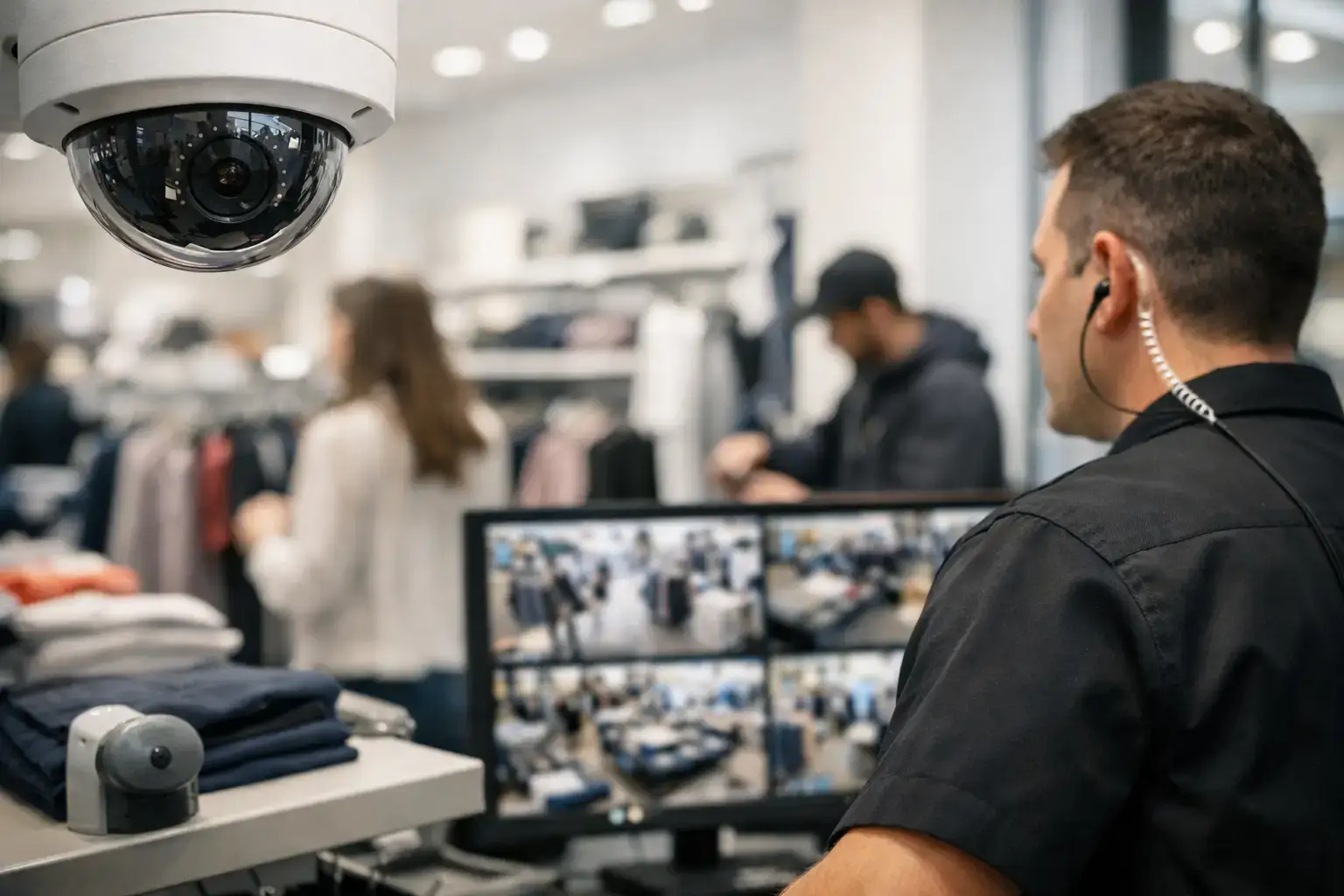
Effective retail loss prevention CCTV should track activity across key risk points such as entrances, exits, payment areas, self-checkout zones, stockrooms, delivery points and high-value displays. It should provide usable footage in mixed lighting, maintain image quality during busy trading periods and allow incidents to be located quickly. In many cases, it should also support remote viewing, so owners or managers can check activity without being on site.
The detail here is important. A camera placed too high may give a broad overview but fail to capture recognisable facial images. One with the wrong lens may miss activity at a shelf edge or till. Coverage that looks fine on a plan can leave practical blind spots once fixtures, seasonal displays or queue barriers are in place. Good system design is what turns cameras into a genuine loss prevention tool.
Why shrinkage is not caused by one problem
Retail losses tend to come from a mix of issues rather than a single threat. External theft is the obvious concern, but it is far from the whole picture. Opportunistic shoplifting, organised retail crime, refund fraud, till discrepancies, stock handling errors and unauthorised access to back-of-house areas all contribute.
That is why a one-size-fits-all system rarely performs well. A convenience store may need strong entrance coverage, face capture and till monitoring. A fashion retailer may need better oversight of fitting room approaches, display rails and stock transfer points. A warehouse-style trade counter may focus more on loading areas, restricted zones and vehicle access.
Retail loss prevention CCTV works best when the camera layout reflects how the premises actually operate. It should follow stock movement, customer flow and staff routines, rather than just the shape of the building.
Where CCTV makes the biggest difference in retail
Entrances and exits are usually the starting point because they provide both deterrence and identification. Visible, professionally installed cameras at access points can discourage opportunistic theft before it starts. They also support incident review, especially where suspects enter and leave quickly.
Till points and self-service areas are another priority. These locations carry a high concentration of disputes, voids, cash handling issues and distraction tactics. Clear overhead and face-level coverage can help management investigate complaints fairly and identify suspicious behaviour without relying on guesswork.
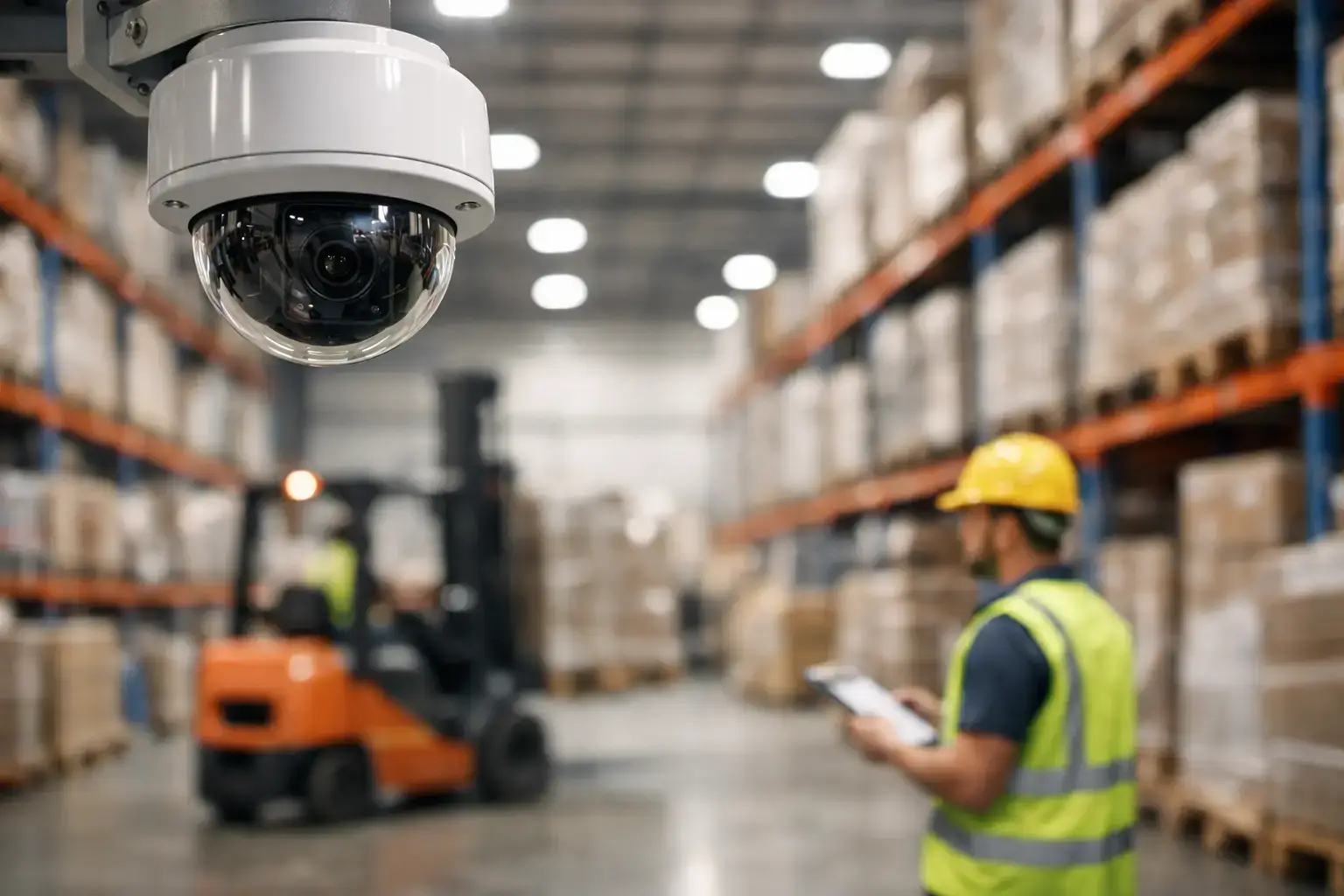
Stockrooms, delivery bays and staff-only areas are often overlooked, despite presenting a real loss exposure. Goods can disappear long before they reach the shelf. Monitoring deliveries, internal movement and restricted areas helps create accountability and can reduce both internal loss and supplier disputes.
High-value displays, alcohol aisles, cosmetics sections and other known target areas also benefit from tighter coverage. In these spaces, the balance is between deterrence and practicality. You want enough visibility to influence behaviour and support evidence gathering, without creating an intrusive environment for legitimate customers.
Analytics can strengthen retail loss prevention CCTV
Modern CCTV systems can do more than record and replay. Depending on the site, analytics can improve how quickly issues are spotted and how efficiently incidents are reviewed. This may include line crossing alerts at staff-only doors, loitering detection near vulnerable displays, people counting at entrances or searchable event tagging around specific zones.
That said, analytics need to be set up properly. In a busy shop, poorly configured alerts can become a nuisance and quickly get ignored. Changes in layout, reflections from shopfront glass and seasonal merchandising can all affect performance. The technology is useful, but only when it is matched to the environment and adjusted over time.
For many retailers, the strongest approach is a combination of dependable camera coverage and carefully chosen analytics rather than an over-complicated setup. The aim is to help managers see more, not create extra noise.
Image quality, retention and retrieval matter more than brochure claims
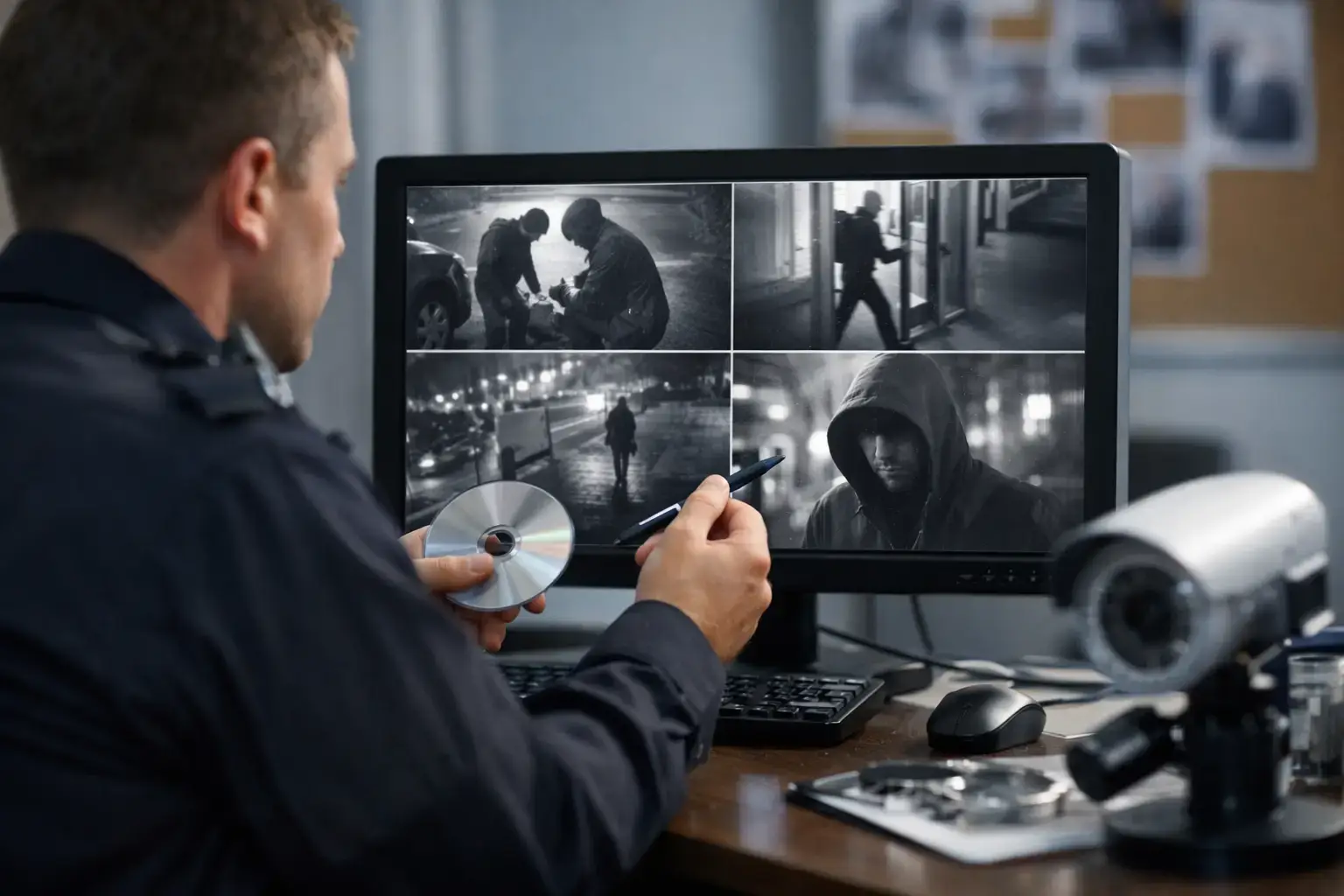
When an incident happens, what matters is whether the footage is clear enough and accessible enough to be used. This is where lower-grade systems often fall short. Retailers may discover too late that an image is blurred, a face is backlit, or footage has been overwritten before it can be exported.
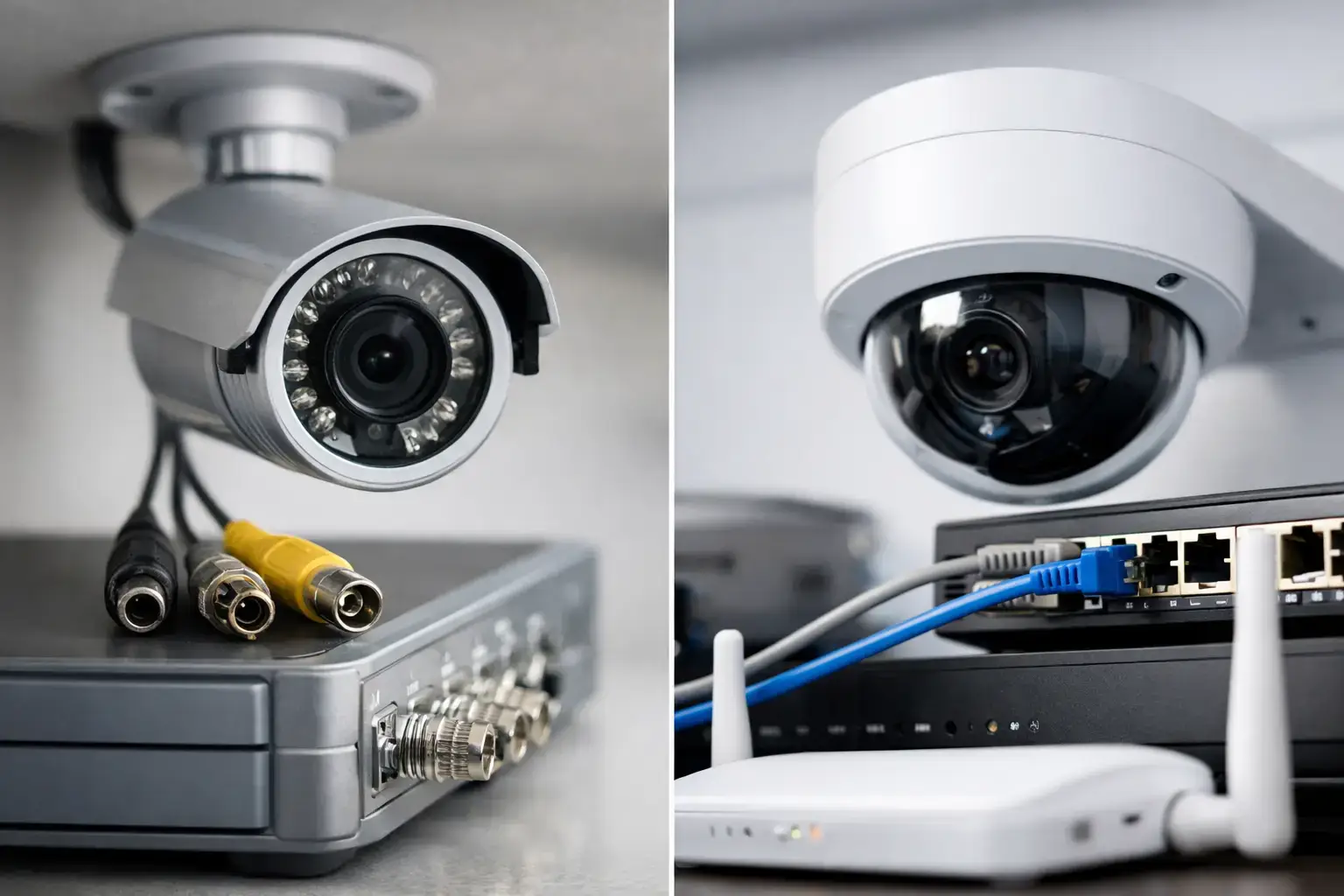
A proper loss prevention system should be designed around evidential quality in the areas that matter most. That includes camera resolution, frame rate, lighting conditions, recording settings and storage retention. A general overview camera has its place, but it should not be expected to do the job of a dedicated identification camera.
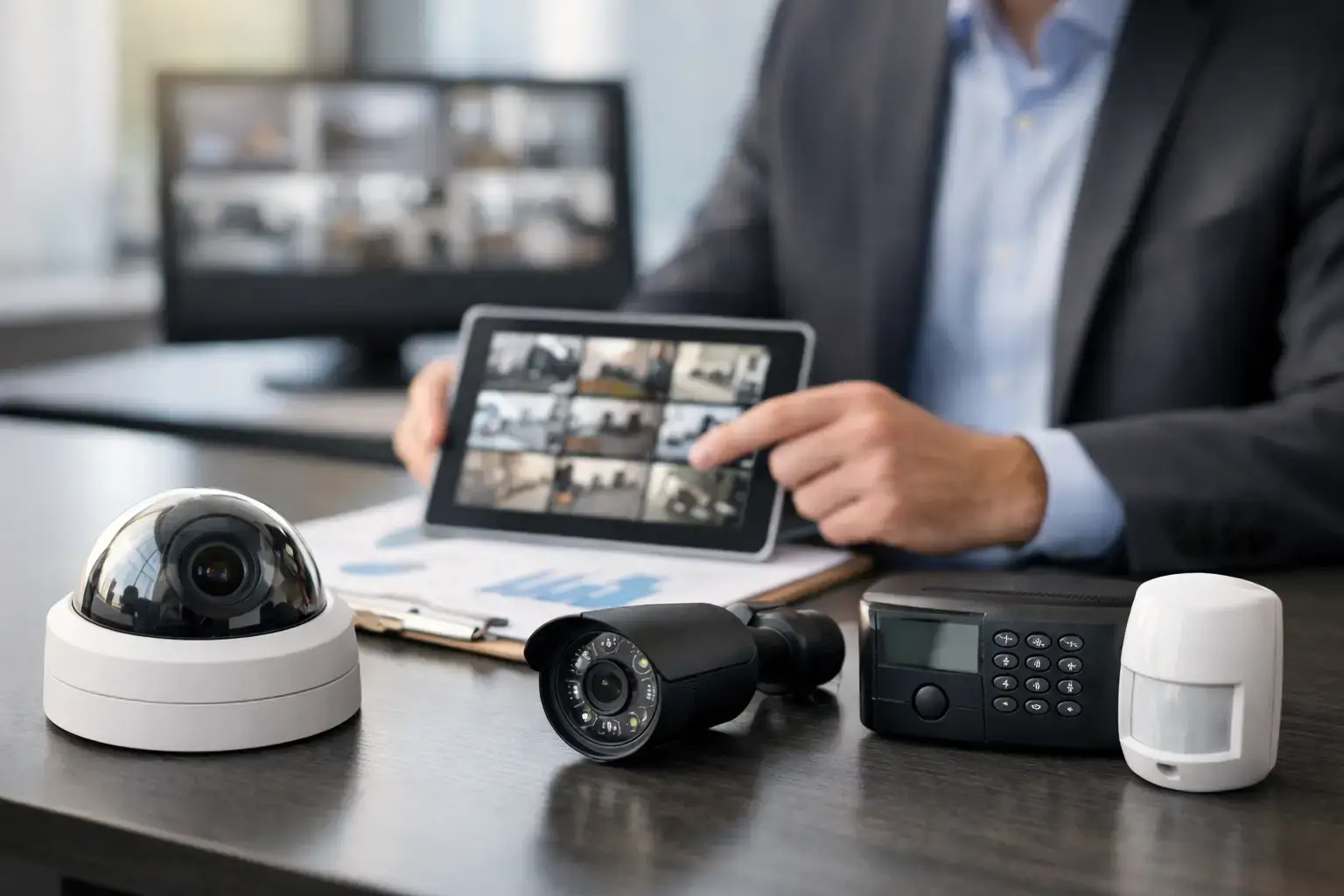
Retrieval is equally important. If management cannot find a relevant clip quickly, the system becomes far less valuable in practice. Searchable timelines, logical camera naming and remote access can save time and reduce disruption, especially for businesses handling repeated low-level incidents.
Retail loss prevention CCTV and staff protection
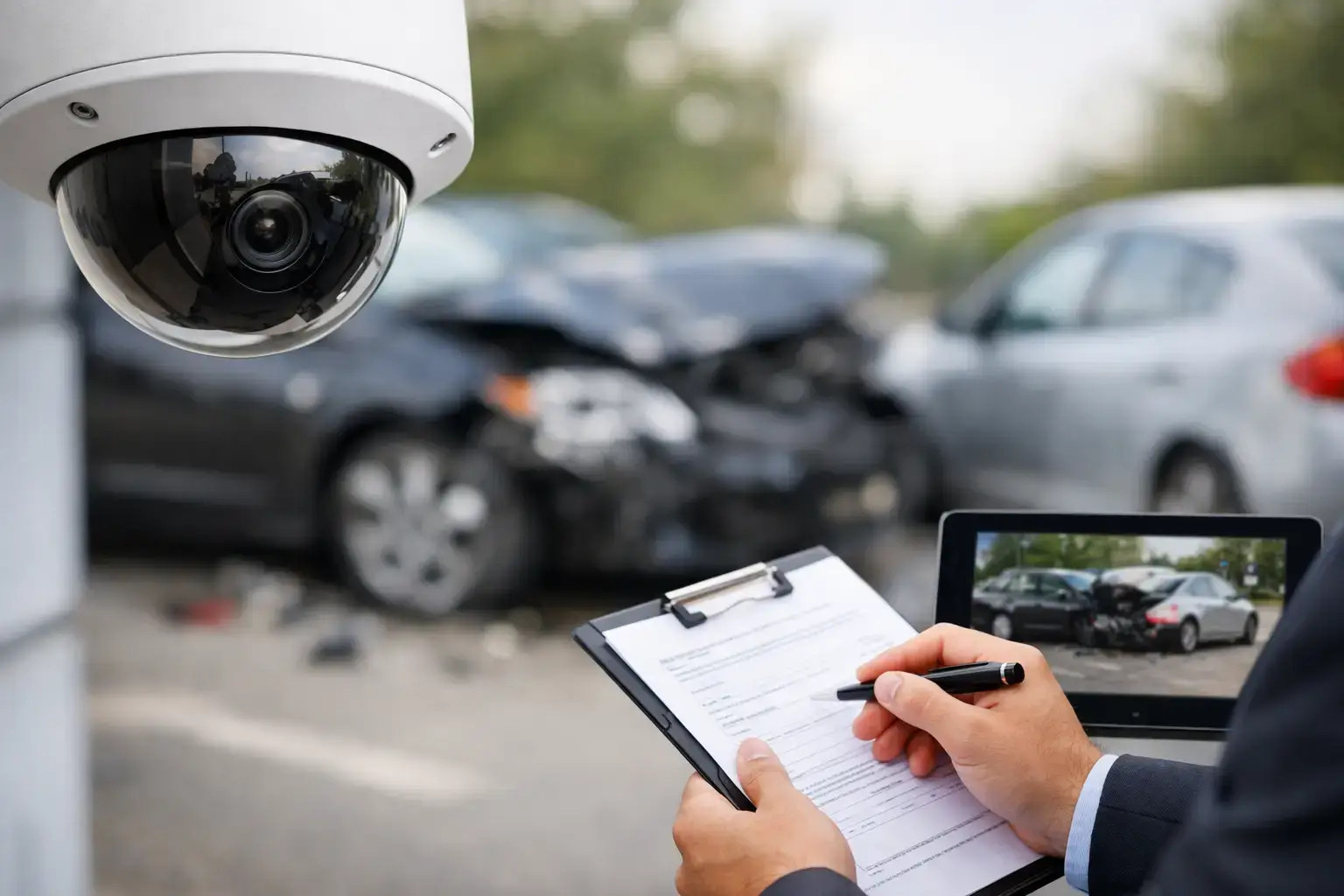
Loss prevention is not just about stock. It also includes the safety and confidence of staff. Retail workers increasingly face aggressive behaviour, verbal abuse and confrontational theft. CCTV can support staff by making the environment feel better controlled and by providing an objective record when incidents escalate.
This has practical value beyond the immediate event. Managers can review incidents properly, support staff statements and identify patterns in repeat behaviour. In some settings, visible surveillance at counters, entrances and customer service points can also reduce the likelihood of abuse in the first place.
A well-designed system should never feel like it is there to watch staff indiscriminately. It should be positioned as a business protection measure, with clear policies and appropriate use. That balance matters for trust as much as compliance.
Professional design is where results are won or lost
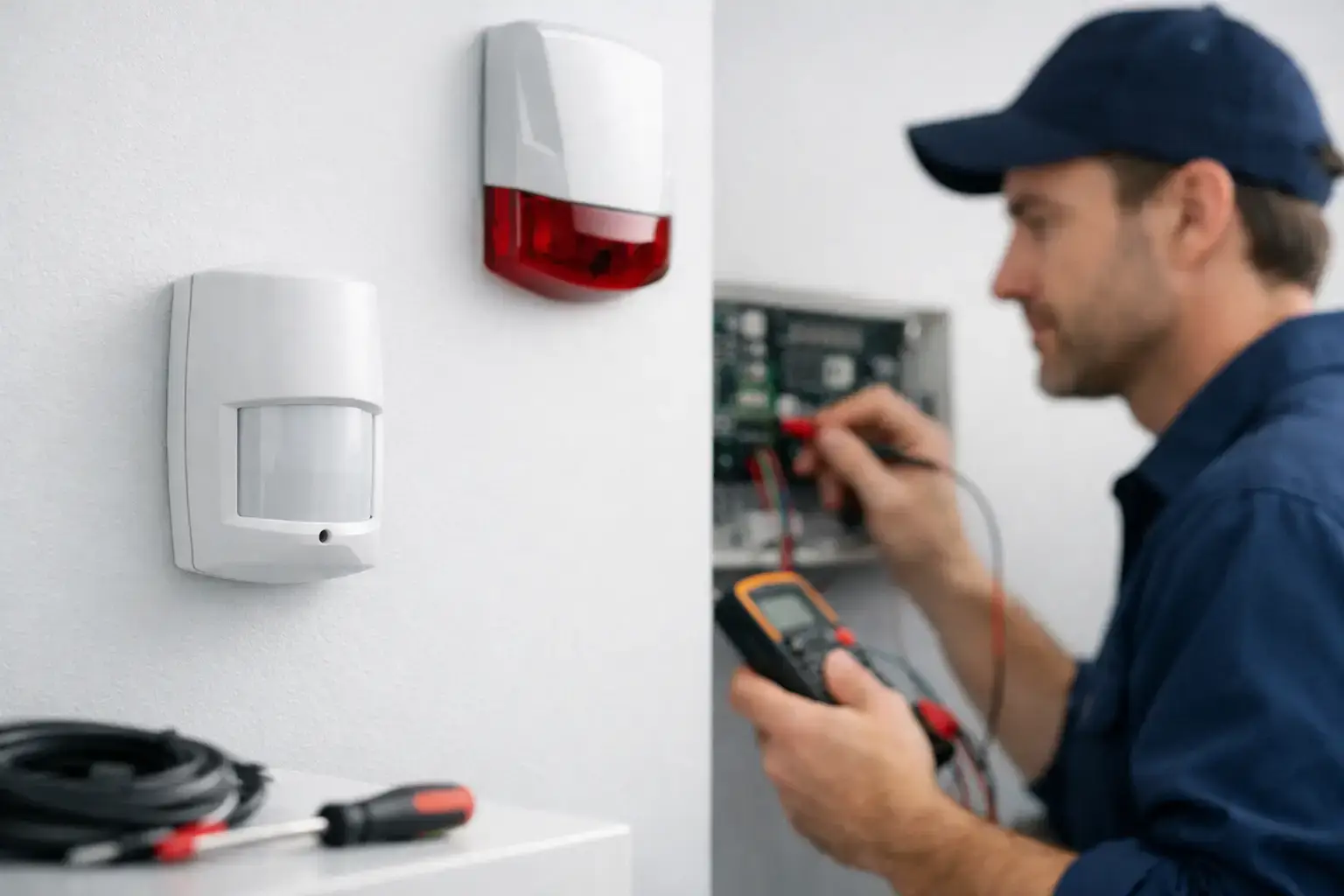
Two retail sites of similar size can need very different CCTV designs. Ceiling height, glazing, aisle layout, opening hours, stock profile and staffing levels all affect the specification. So does the broader security picture. CCTV may need to work alongside intruder alarms, access control, monitored response or remote maintenance support.
This is why a site survey matters. A professional installer will assess vulnerable zones, likely offender routes, lighting conditions and operational routines before recommending camera types and recording equipment. They should also consider practical issues such as network capacity, signage, privacy obligations and future expansion.
For businesses comparing quotes, price alone can be misleading. A cheaper installation may reduce camera count, compromise positioning or use equipment that struggles under real trading conditions. The better question is whether the system will still perform reliably in twelve months, during peak periods and when an incident needs to be evidenced properly.
For retailers across Essex, London and the South East, working with an experienced specialist such as 247 CCTV can make that difference clear from the outset. The value is not just in fitting cameras, but in designing a system that suits the site, supports insurer expectations and remains dependable long after installation.
Choosing a system that fits the business
The right solution depends on the type of retail operation, the main risks and how the site is managed. A single independent shop may prioritise straightforward oversight, remote access and clear footage at tills and the entrance. A larger chain or multi-unit business may need standardised coverage, central access and maintenance support across several locations.
There is also the question of scale. Not every site needs advanced analytics, and not every premises needs the same retention period or level of integration. Over-specifying can waste budget. Under-specifying can leave serious gaps. The best CCTV systems for retail loss prevention sit in the middle – proportionate, well planned and built around practical risk.
A good installer should be willing to explain those trade-offs clearly. If a camera is recommended, there should be a reason. If one area is left with general coverage rather than detailed identification, that should be a conscious decision, not an oversight.
Retail security is rarely improved by guesswork. When CCTV is properly designed for loss prevention, it becomes part of the daily operation – discouraging theft, supporting staff and giving managers better visibility of what is really happening on site. If your current system mainly records problems after they happen, it may be time to ask more of it.