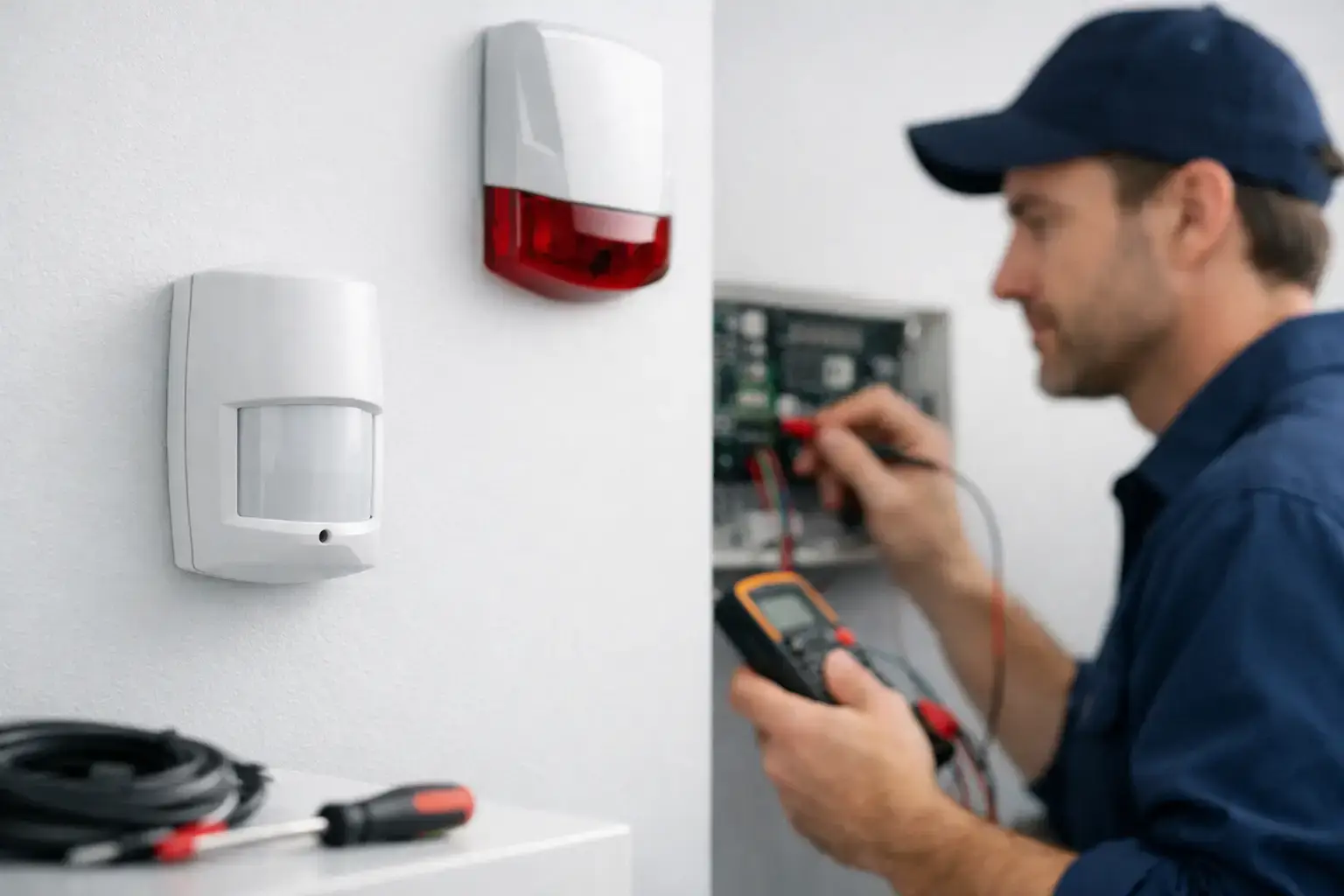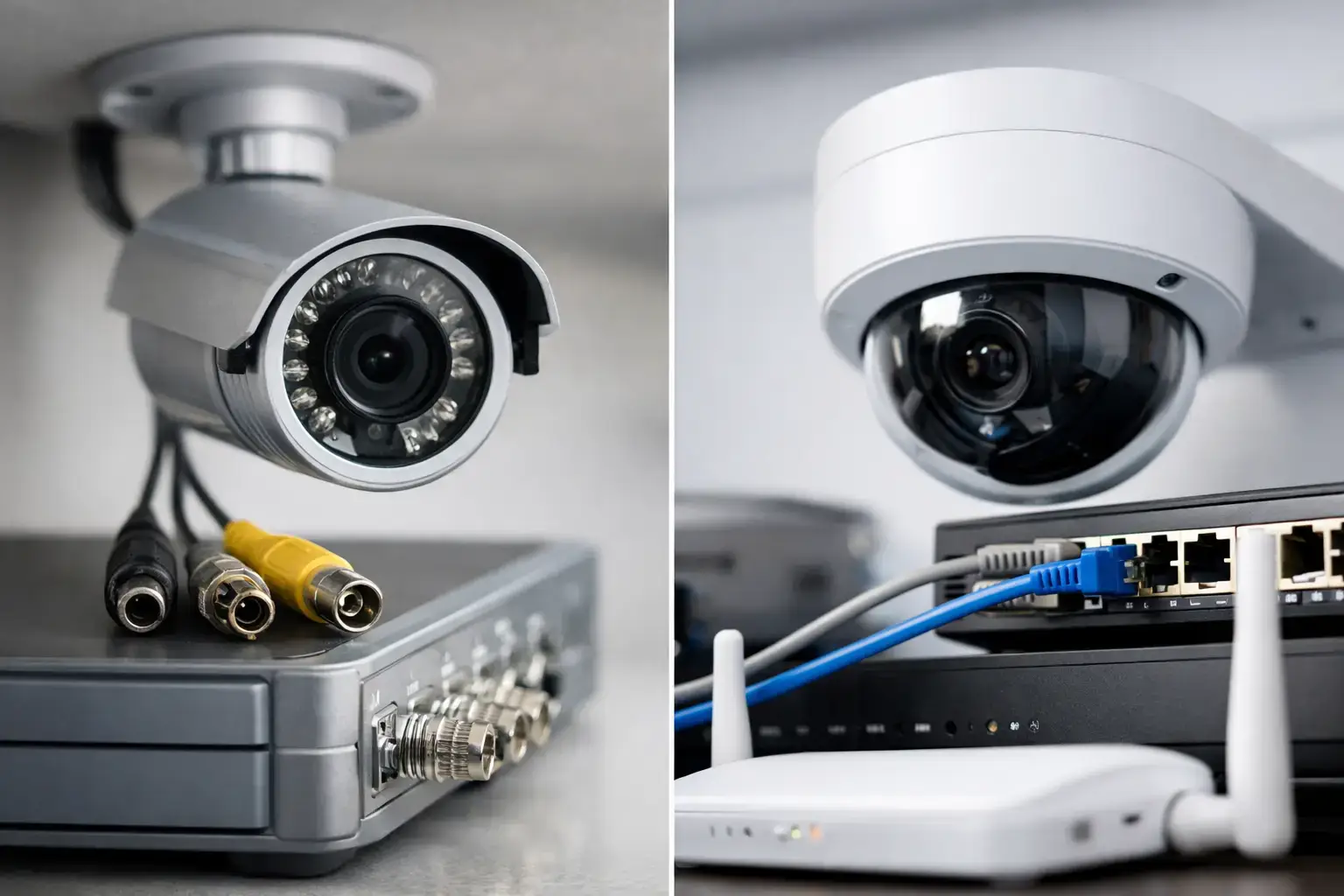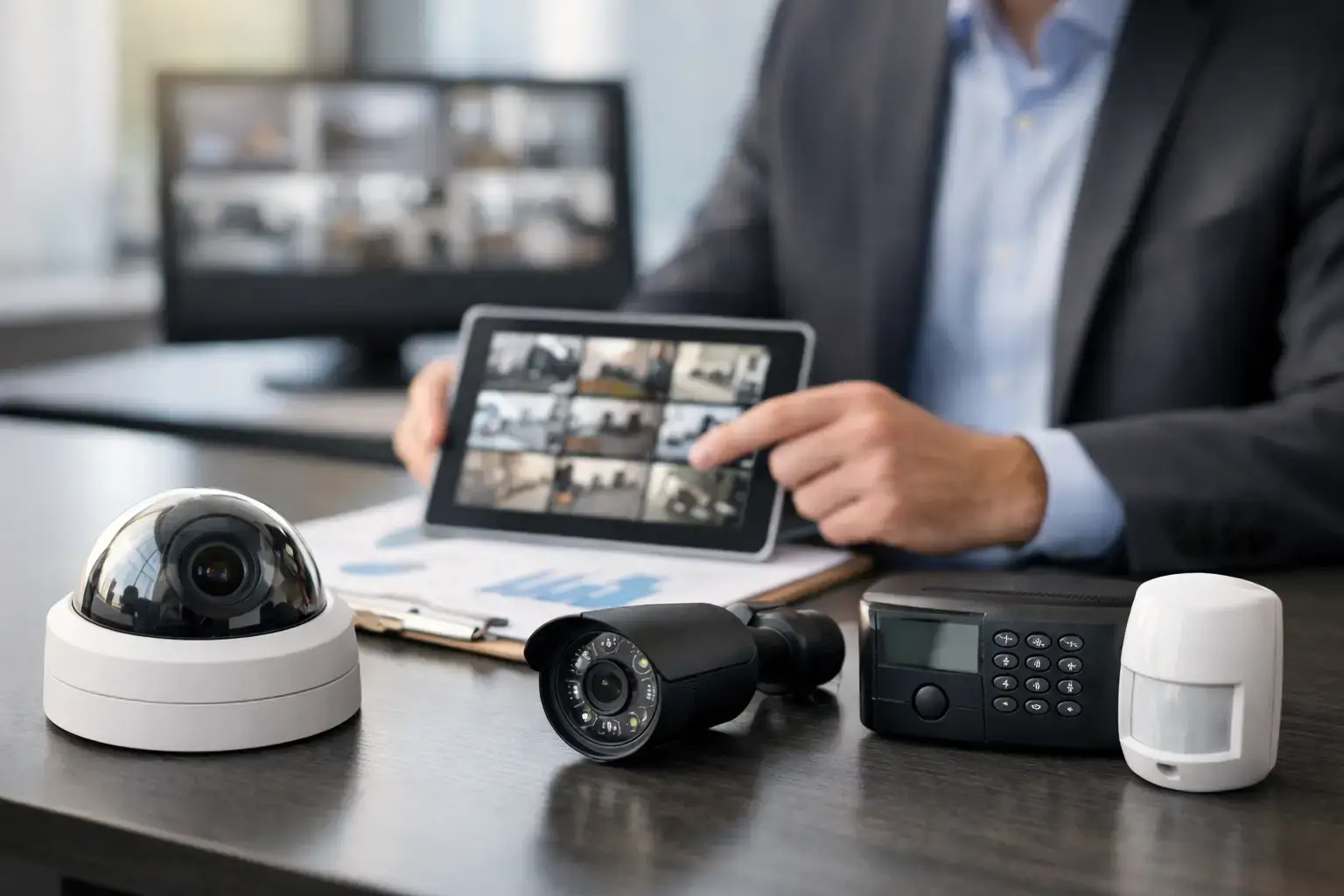
A break-in rarely happens at a convenient time. It happens when a shop is closing up, when a warehouse is running on skeleton staff, or when a family is away for the weekend. That is why burglar alarm installation Essex property owners choose should never be treated as a box-ticking exercise. The right system needs to do more than make noise – it should detect genuine risk early, deter intruders, reduce false alarms and stand up to daily use over the long term.
In Essex, security requirements vary widely. A detached home in a quiet residential road needs a different approach from a retail unit on a busy high street, a school with multiple access points, or a construction site where the layout changes week by week. A professionally designed intruder alarm takes those differences seriously. It is built around the property, the level of risk, the hours of occupation and the way people actually move through the building.
What good burglar alarm installation in Essex should include
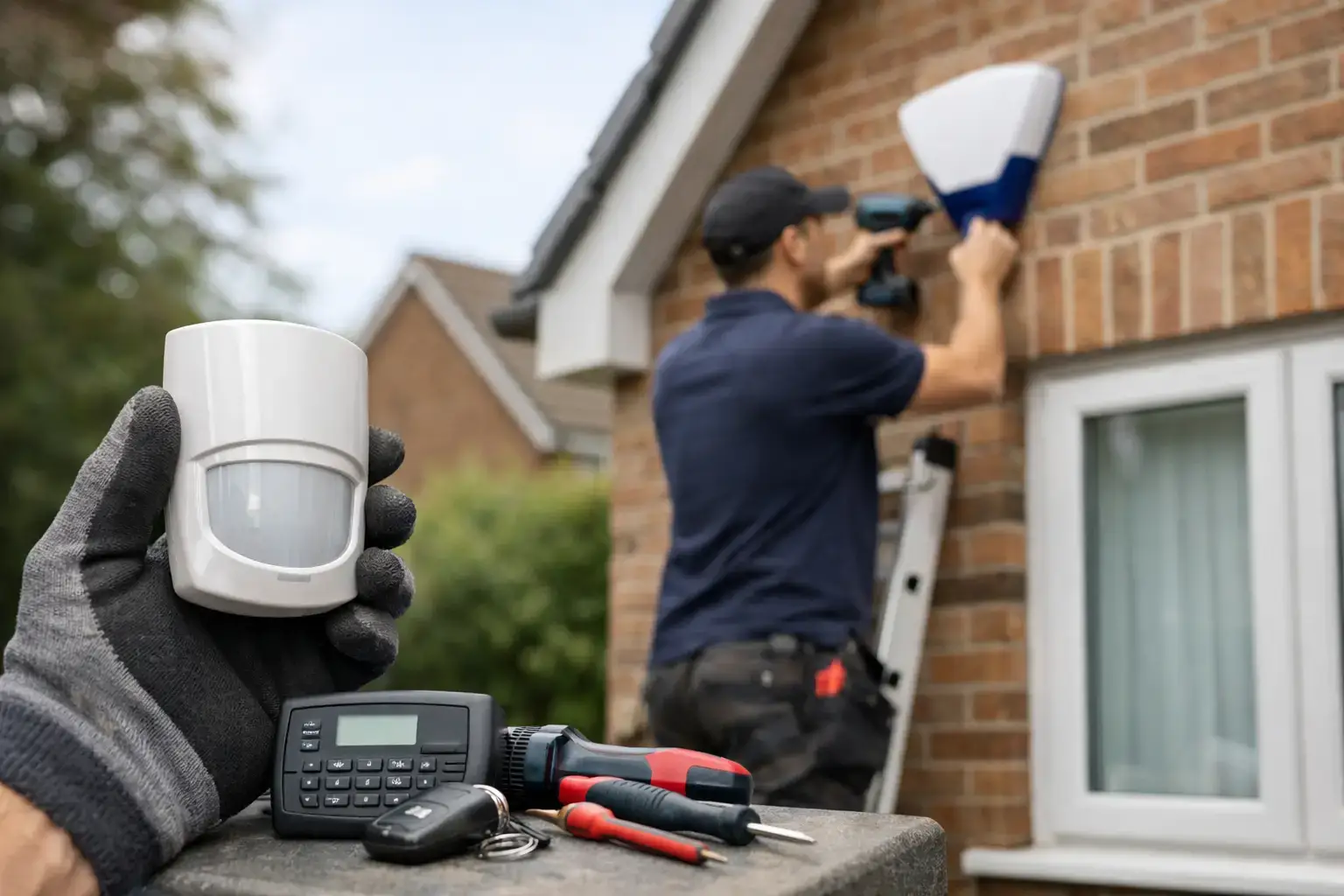
At the most basic level, an alarm system is there to detect unauthorised entry. In practice, a well-installed system does much more. It creates layers of protection through control panels, motion detectors, door contacts, external sounders, internal warning devices and, where needed, remote signalling or monitoring.
The quality of the installation matters just as much as the equipment. Poor detector placement can leave blind spots. Inconsistent programming can lead to nuisance activations. Cheap devices may look fine on day one but prove unreliable after months of real use. For homeowners, that can mean stress and disruption. For businesses, it can mean staff complacency, insurance complications and avoidable downtime.
A proper installation starts with a site survey. This should identify likely entry routes, vulnerable areas, patterns of occupancy and any operational issues that affect system design. In a home, that might include ground-floor rear access, garages or side passages. In commercial premises, it might involve shuttered entrances, stock rooms, server areas, cash handling points or separate staff zones.
Why professional system design matters
There is a common assumption that one alarm layout suits most properties. It does not. Two buildings of the same size can need very different coverage depending on use, internal layout and risk profile.
For example, a small office may benefit from a straightforward system with perimeter protection and a few well-positioned motion detectors. A logistics unit, by contrast, may need multiple partitions, separate setting arrangements for different users and integration with CCTV or access control. In a residential setting, pet-tolerant sensors, discreet keypad placement and app-based notifications may be high priorities.
This is where experienced installers add value. They do not simply fit equipment where it is easiest. They design around practical security outcomes. That often means balancing strong detection with everyday usability, because an alarm that is awkward to set or frequently causes false alerts is less likely to be used properly.
For many buyers, insurer recognition is also a deciding factor. Professionally installed, SSAIB-approved systems can help demonstrate that the alarm has been designed and fitted to recognised standards. That can be especially important for commercial properties, higher-risk premises and homeowners with specific insurance conditions.
Choosing the right alarm for your property
Burglar alarm installation Essex customers request usually falls into two broad categories – residential systems and commercial systems. The core purpose is similar, but the specification is often quite different.
A domestic alarm is typically focused on protecting entry points, circulation areas and occupied living spaces without making daily life awkward. Homeowners often want easy part-setting at night, smartphone control and a system that works neatly alongside CCTV. Wireless equipment can suit some homes well, especially where disruption needs to be kept to a minimum, although wired or hybrid systems may still be the better choice for reliability and scale.
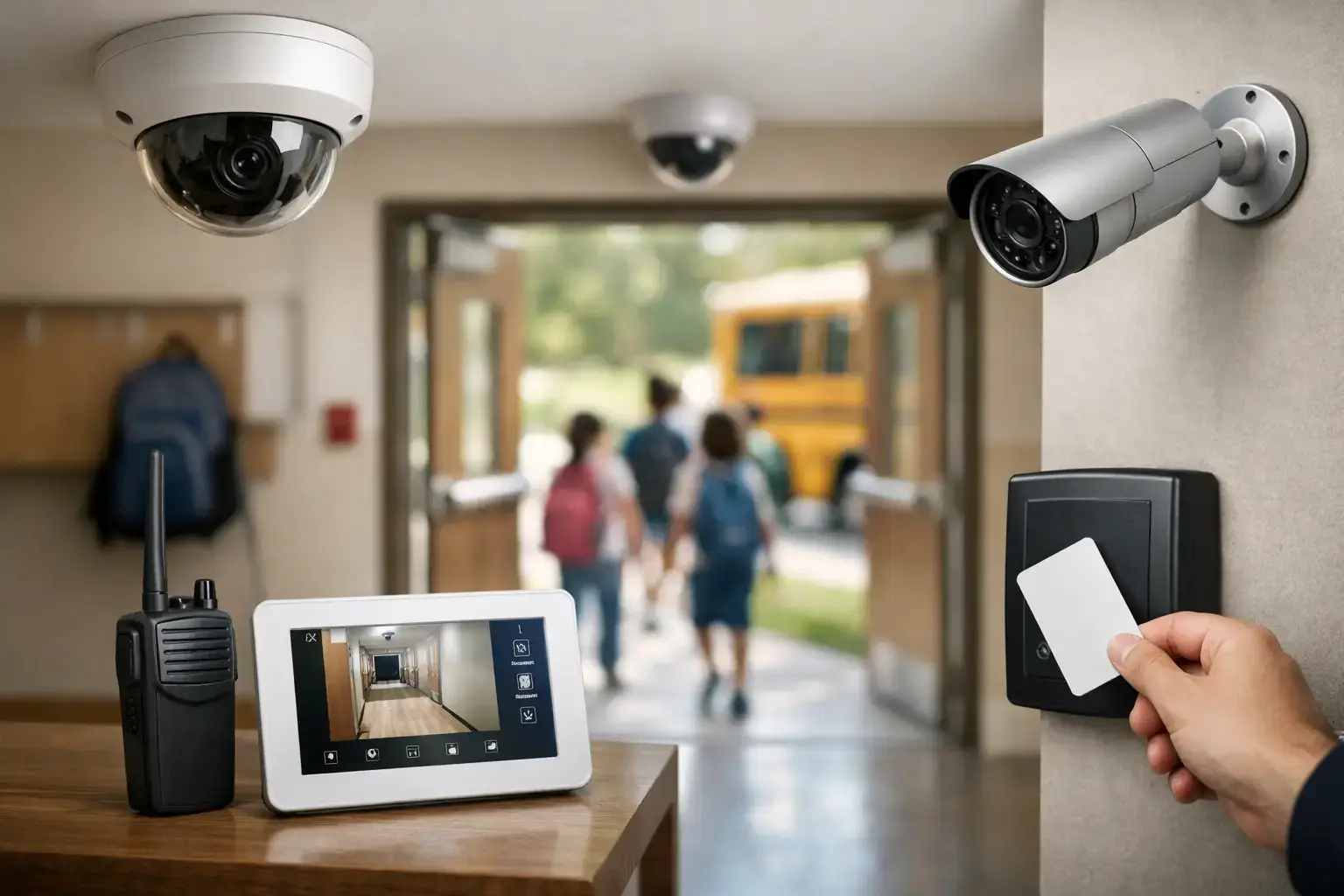
Commercial alarms usually need more flexibility. A pub, surgery, school or industrial unit may require separate user permissions, timed openings, staff access control and out-of-hours signalling. In these settings, the system must support routine operations while still providing dependable protection after hours. The best solution often depends on the building, the business and the consequences of a security failure.
Wired, wireless and monitored alarms
One of the first questions people ask is whether to choose wired or wireless. There is no single answer.
Wired alarms remain a strong option for many commercial properties and larger projects because they offer excellent long-term stability and are well suited to new builds, refurbishments and sites where cabling routes are accessible. Wireless systems can be quicker to install and less disruptive, which makes them attractive for occupied homes, listed buildings and some retrofit environments. Hybrid systems combine both, which can be useful where part of the property suits cabling and part does not.
Monitoring is another decision that depends on risk. A bell-only alarm can be effective as a local deterrent, particularly in areas where neighbours or staff are likely to respond quickly. Monitored alarms add another layer by passing signals on for response, which may be appropriate for higher-value homes, isolated locations, commercial premises or sites that are vacant overnight. The key is matching response arrangements to the level of threat and the realities of the location.
Reducing false alarms without weakening security
False alarms are more than a nuisance. They waste time, frustrate users and can lead to serious complacency. In commercial settings, repeated activations may also create management issues and unnecessary call-outs.
Good installation reduces that risk from the start. Detector choice should suit the environment. A sensor placed near heat sources, draughts or moving stock can cause problems. Poorly planned entry and exit routes can catch out users every day. In some buildings, dual-technology detectors or carefully zoned programming will be the best route. In others, simple, well-positioned devices are more effective than overcomplicated layouts.
Training matters too. Even the best alarm system can only perform properly if users understand how to set, unset and manage it. That is why handover and ongoing support should be part of the service, not an afterthought.
The benefit of integrating alarms with CCTV and access control
Many Essex property owners no longer want standalone security systems. They want joined-up protection. An intruder alarm can work far more effectively when it is considered alongside CCTV, door entry and access control.
If an alarm activates at a business premises, linked CCTV can help confirm what is happening. If a property has multiple staff entrances, access control can limit who goes where and when. At a residential property, app-connected CCTV and alarm notifications can give homeowners a much clearer picture of events than a siren alone.
Integrated security is not always necessary, and it is not always cost-effective for every site. But where the risk level is higher or operational control is important, combining systems often leads to better visibility, faster decisions and stronger overall protection.
What to look for in an Essex alarm installer
A professional installer should be able to explain not just what they are fitting, but why it is right for the property. That means carrying out a proper survey, asking sensible questions about risks and recommending a system that fits both the site and the budget.
Accreditation matters. So does experience with the type of premises involved. A company that understands domestic installations may not necessarily have the expertise to secure a healthcare site, school or warehouse. Equally, a purely volume-driven installer may miss the details that make a system reliable over time.
It is also worth looking at aftercare. Alarm systems are not fit-and-forget. Batteries age, site use changes and user requirements evolve. Ongoing maintenance helps keep the system compliant, dependable and ready when needed. For many clients across Essex and the South East, working with a specialist provider such as 247 CCTV makes sense because survey, installation, maintenance and wider security disciplines can all be handled under one roof.
Cost versus value
Price will always be part of the decision, but the cheapest quotation is rarely the safest choice. A lower upfront cost can hide compromises in detector coverage, equipment quality, programming or aftercare. Those compromises tend to show up later, often when the system is needed most.
A better question is what level of protection the investment is buying. For a homeowner, that may mean confidence that the property is protected while the family sleeps or travels. For a business, it may mean reducing theft risk, meeting insurer expectations and avoiding disruption that costs far more than the alarm itself.
The right burglar alarm installation is not about buying the most technology. It is about choosing a system that suits the property, is installed to recognised standards and remains dependable long after the fitting team has left. If your building, staff, stock or family rely on it, that decision deserves proper attention.