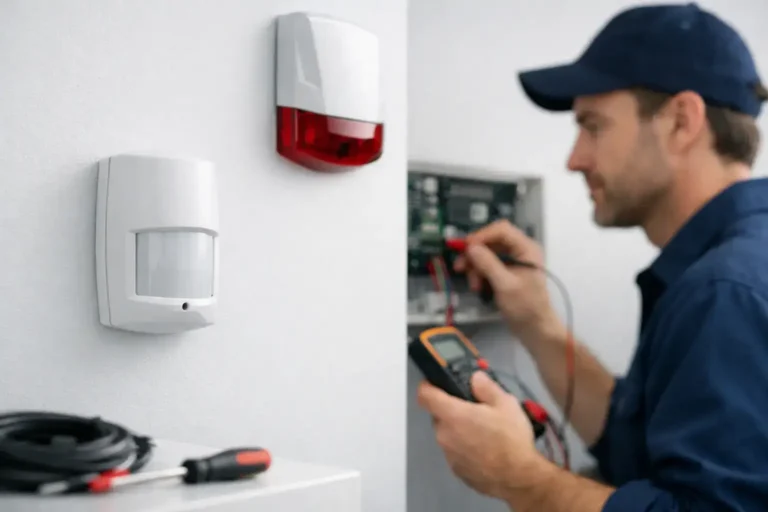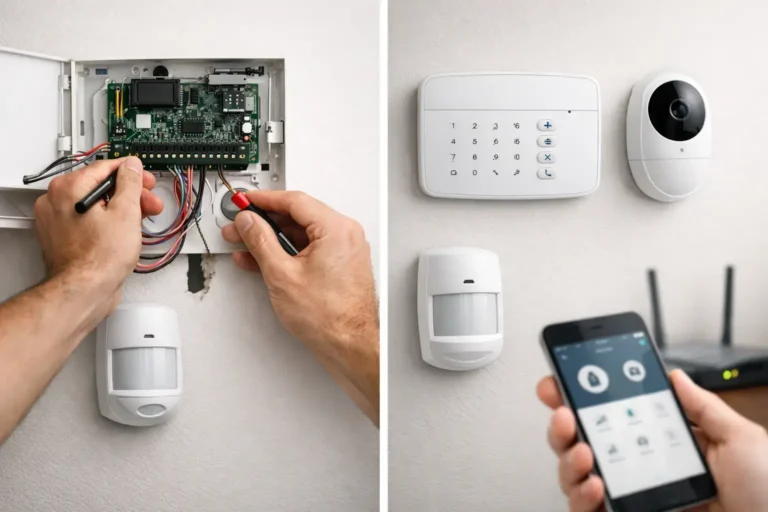

Many warehouse managers in Essex and London discover the limits of physical barriers when theft and compliance problems persist despite heavy investment in locks and cameras. Keeping your facility safe today means tackling risks that go beyond just fences and alarms. By embracing comprehensive warehouse security that protects people, assets, information, and reputation, you not only reduce losses but also build resilient operations that stand up to scrutiny from insurers and regulators.
Key Takeaways
| Point | Details |
|---|---|
| Comprehensive Security Strategy | Effective warehouse security combines physical, procedural, and human elements to address various threats. Each layer must work together to minimise vulnerabilities and losses. |
| Continuous Improvement | Security measures should evolve continuously in response to emerging threats and changes in staff or procedures. Regular audits and employee training are essential. |
| Legal Compliance | Adhering to legal regulations and compliance standards is not optional; it’s a requirement to protect both the business and its employees from liability. |
| Investment Justification | Viewing security as an investment rather than a cost can lead to significant savings through reduced losses and lower insurance premiums. |
Defining Warehouse Security and Misconceptions
Warehouse security means far more than most people realise. Many managers and supervisors think it’s primarily about installing cameras and locking doors at night. The reality is considerably broader. Warehouse security protects people, assets, information, and reputation throughout your entire operation, encompassing everything from employee safety and inventory protection to supply chain integrity and corporate governance. When theft occurs in Essex and London warehouses, the damage extends beyond lost stock. You face disrupted operations, damaged reputation, insurance complications, and potential legal liability. This is why understanding what warehouse security truly involves matters so much for your business.
One of the biggest misconceptions is treating security as purely a physical problem. Many facility managers invest heavily in perimeter fencing, steel doors, and alarm boxes, only to discover that theft still happens. The truth is that effective warehouse security requires comprehensive measures including surveillance, lighting, and access controls alongside processes that demand management commitment and employee involvement. Your staff members are either your strongest security asset or your biggest vulnerability, depending on how you engage them. A warehouse with the most advanced burglar alarm system but no clear security protocols, poor staff training, or weak accountability measures will still suffer losses. Conversely, facilities where managers communicate security expectations clearly, involve employees in spotting vulnerabilities, and maintain consistent processes often see dramatic reductions in theft regardless of the sophistication of their technical systems.
Another common misconception is that security is a one-time investment. You install a system, set it up, and move forward. Modern warehouse threats evolve constantly. Thieves develop new techniques. Staff turnover means new people lack awareness of procedures. Supply chain vulnerabilities shift. Effective security strategies must remain innovative and adapt to these changes. This is particularly important in busy distribution hubs across Essex and London, where high throughput and complex logistics create multiple entry points for potential losses. Your approach should encompass the entire supply chain, from how vendors deliver goods to how customers receive orders, ensuring consistency and reducing opportunities for theft or sabotage. The managers who treat security as an ongoing process of assessment, improvement, and stakeholder engagement consistently outperform those who view it as a static implementation.
Think of warehouse security as having three interconnected layers. First, there’s physical security: the alarms, access controls, and environmental design that prevent unauthorised entry and movement. Second comes procedural security: the documented processes, check in and check out routines, and verification steps that create accountability. Third is human security: the training, awareness, and culture that make your team active participants in protecting assets. All three layers must work together. A brilliant burglar alarm system fails if nobody monitors the alerts properly. Excellent procedures collapse if staff don’t follow them. Strong security culture becomes frustrated if the physical infrastructure doesn’t support it. In warehouses across Essex and London, losses tend to occur where these three layers have gaps or misalignment.
To clarify how physical, procedural, and human security layers interact, see the table below:
| Security Layer | Main Focus | Typical Measures | Common Weakness if Lacking |
|---|---|---|---|
| Physical Security | Preventing unauthorised entry | Alarms, barriers, lighting | Intruders access facility |
| Procedural Security | Ensuring accountability | Check-in/out, protocols | Gaps exploited, low deterrence |
| Human Security | Staff awareness and involvement | Training, clear communication | Rules ignored, morale drops |
Pro tip: Start by auditing which of these three layers is weakest in your warehouse. Often, investing in procedural and human security improvements delivers faster theft reduction than expanding technology, and costs significantly less.
Core Security Solutions and System Types
Warehouse security relies on a coordinated mix of technologies and systems working together. No single solution solves the theft problem on its own. Your facility needs layered protection, and understanding what each system does helps you make informed decisions about where to invest your budget and effort. The main security solutions deployed across Essex and London warehouses fall into three broad categories: burglar alarms that detect intrusion, access control systems that manage who enters specific areas, and environmental monitoring that tracks conditions and activity throughout your facility.
Burglar alarm systems form the backbone of immediate threat detection. These systems work by identifying unauthorised entry attempts and triggering rapid alerts. Modern burglar alarms like the Hikvision AX Pro, RISCO LightSYS+, and Texecom Premier Elite offer sophisticated detection capabilities that go far beyond simple door sensors. The Hikvision AX Pro provides wireless flexibility with professional-grade detection zones, allowing you to customise protection for different warehouse areas from loading bays to storage sections. RISCO LightSYS+ delivers encrypted communication that prevents tampering and offers reliable battery backup to maintain protection during power disruptions, a critical feature in 24 hour warehouse operations. Texecom Premier Elite combines advanced analytics with rapid response capabilities, giving you detailed information about where and when alarm events occur. These systems integrate seamlessly with your operational schedule, distinguishing between expected after hours activity and genuine intrusion attempts. When configured properly with appropriate response protocols, burglar alarms significantly reduce the window of vulnerability during break in attempts. Unlike older systems that simply made noise, modern alarms notify you immediately and provide actionable information about the type and location of potential threat.
For a concise comparison of prominent warehouse burglar alarm systems, review the table below:
| Alarm System | Key Strength | Unique Feature | Best Application Scenario |
|---|---|---|---|
| Hikvision AX Pro | High flexibility | Customisable wireless detection | Large or evolving warehouse layouts |
| RISCO LightSYS+ | Tamper resistance | Encrypted communication, battery | 24-hour sites needing robust reliability |
| Texecom Premier Elite | Analytical capability | Detailed event reporting | Sites requiring granular incident data |
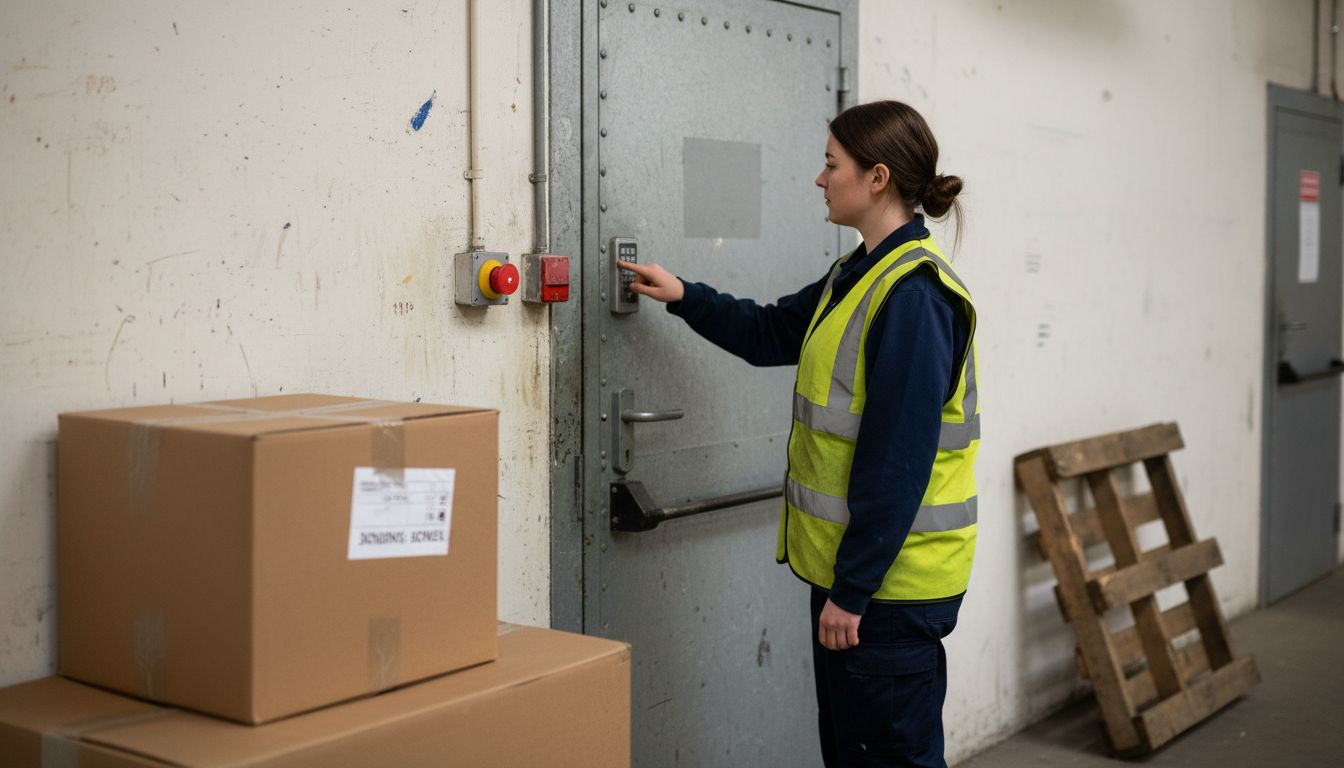
Access control systems work alongside burglar alarms to prevent unauthorised movement within your warehouse. Rather than protecting just the perimeter, access control manages internal access to restricted areas like the warehouse office, hazardous material storage, or high value inventory sections. These systems use keycards, biometric readers, or PIN codes to verify identity and create detailed audit trails of who accessed which areas and when. When an employee leaves and someone else uses their access card later, you have a record of it. This accountability transforms your warehouse from a space where theft happens to one where responsibility is clear. Staff members know their movements are tracked, which deters opportunistic theft. Investigations become faster because you know exactly who was near the incident location. Access control integration ensures that restricted areas remain restricted even if someone temporarily bypasses your burglar alarm.
Environmental monitoring completes the security picture by tracking activity and conditions across your entire facility. Temperature monitoring protects perishable goods. Motion sensors in storage areas detect unusual movement patterns. Lighting systems deter theft whilst improving safety for legitimate workers. When combined with your burglar alarm and access control systems, environmental monitoring creates a comprehensive protective environment where multiple layers prevent loss. For instance, motion detection combined with access control confirms whether movement in a restricted area is authorised or represents potential theft. The strength of a multi system approach is that each layer compensates for potential weaknesses in others. If someone defeats your access control card reader, your burglar alarm still detects their presence. If an alarm malfunction occurs, your access logs still show who was in the facility. Warehouses in Essex and London that deploy all three system types experience significantly fewer losses than facilities relying on any single approach.
Pro tip: When selecting specific systems, prioritise compatibility between your burglar alarm, access control, and environmental monitoring so they share data and provide coordinated alerts rather than operating as isolated systems.
Physical Versus Digital Security Features
Many warehouse managers view security through one lens: either physical barriers and alarms or digital systems and monitoring. This creates a false choice. The reality is that modern warehouse security demands both working together seamlessly. Physical security provides the tangible barriers and detection methods like burglar alarms, access control keypads, and environmental sensors that stop or identify intrusion attempts. Digital security protects the data these systems generate and the networks they operate on. When someone attempts to break into your warehouse, physical systems catch them. But that data flows through digital infrastructure that needs protection too. Physical and digital security working together creates a resilient warehouse where cyber vulnerabilities cannot translate into physical risks and vice versa. Warehouses across Essex and London that integrate both approaches experience fewer losses and simpler incident investigations than those relying solely on physical or digital measures.
Physical security features form your first line of defence. These are the visible, tangible elements that criminals encounter directly. Your burglar alarm system detects intrusion through door sensors, window sensors, and motion detectors positioned throughout the warehouse. Access control systems with keycards or PIN codes prevent unauthorised entry to restricted areas. Lighting systems deter theft whilst improving visibility. Environmental controls like temperature monitoring protect perishable goods. These systems work immediately and independently. If your network fails, your burglar alarm still functions. If power drops, battery backup keeps critical systems operational. Physical security does not require internet connectivity or software updates to protect your facility. This reliability makes it indispensable. However, physical systems generate massive amounts of data. Burglar alarm events, access logs, motion detection triggers, and sensor readings accumulate constantly. Managing this data, storing it securely, and extracting meaningful patterns requires digital infrastructure.
Digital security features protect the systems themselves and the information they generate. Your burglar alarm system needs cybersecurity measures to prevent someone from remotely disabling it. Access control systems require encryption so stolen access cards cannot be cloned or bypassed remotely. Video storage and alarm data need protection against unauthorised access or deletion. Protecting data in connected security systems ensures compliance with UK legal standards and prevents data breaches alongside physical security breaches. When your burglar alarm connects to cloud storage or remote monitoring services, digital security becomes critical. A cybercriminal could potentially access your alarm logs, learn when detection gaps exist, or even delay alert notifications. Electronic encryption of your access control data prevents someone from intercepting keypad signals. Secure video storage ensures that even if thieves damage your physical equipment, your footage remains protected and recoverable. The integration point between physical and digital is where real protection emerges.
Consider a practical scenario in your Essex or London warehouse. Your RISCO LightSYS+ or Texecom Premier Elite burglar alarm triggers an alert when someone enters a restricted storage area after hours. That event is captured by the alarm system and transmitted through your network to a monitoring service and your management dashboard. At each stage, digital security matters. The signal transmission requires encryption to prevent interception. The monitoring service requires secure access controls so only authorised personnel see your alerts. Your dashboard requires strong authentication so competitors or thieves cannot remotely access your security logs. Meanwhile, physical security elements like the alarm sensor itself must be tamper proof. If digital security fails, a hacker might access historical alarm logs and learn the locations of blind spots in your physical security. If physical security fails, thieves bypass your alarm and steal inventory. When both work together, your warehouse becomes substantially harder to victimise. The burglar encounters physical barriers and detection systems whilst knowing that circumventing them digitally is equally difficult.
Pro tip: Audit your systems by asking a single question: if someone gained access to my security system’s data through a cyber attack, what could they learn about my physical security gaps? If the answer reveals vulnerabilities, invest in digital security improvements immediately.
Legal Regulations and Compliance Standards
Warehouse security is not optional in the UK. It is a legal obligation. Many managers think compliance means ticking boxes on a form, but the reality is that regulatory requirements exist to protect your business from liability, your staff from harm, and your inventory from loss. The Health and Safety at Work Act 1974 establishes a foundational duty for employers to ensure a safe working environment. This legislation extends beyond traditional health hazards to include security measures that prevent theft, unauthorised access, and workplace violence. When you fail to implement adequate security, you expose your business to enforcement action from regulators, civil claims from employees or visitors harmed during security incidents, and significant financial penalties. Beyond the Health and Safety at Work Act, your warehouse must comply with sector specific standards and regulations. If your facility stores hazardous materials, pharmaceutical products, or food items, additional regulations apply. If you hold employee or customer data, data protection laws impose security requirements. The cumulative effect is that comprehensive warehouse security is not optional but rather a legal necessity.
Compliance begins with understanding what applies to your specific warehouse. Regular risk assessments and employee training form the core of HSE compliance requirements for warehousing operations. You must identify threats to health and safety, including security risks, and document your assessment findings. This assessment should specifically address theft risks, unauthorised access, and security gaps. Once identified, you must implement controls proportionate to the risks. Your burglar alarm system, access control measures, and procedural safeguards all constitute documented controls. Employee training ensures your staff understand security procedures, recognise suspicious activity, and know how to respond to security incidents. When an HSE inspector visits your warehouse, they will review your risk assessment and training records. If these documents are weak or absent, you face enforcement action regardless of how good your physical security systems are. The legal requirement is not just to have security but to demonstrate that you have systematically planned and trained for it. This documentation becomes critical if a security incident occurs and the HSE investigates whether your precautions were adequate.
Beyond health and safety regulations, your security measures must comply with data protection standards. If your access control system stores biometric data from fingerprint readers, the UK General Data Protection Regulation applies. Video surveillance footage from your security systems contains personal data of employees and visitors. Data protection law specifies how long you can retain this footage, who can access it, and what safeguards must protect it. Your burglar alarm system may transmit alerts through cloud based services, meaning data flows to external servers. Each of these scenarios triggers data protection compliance obligations. Additionally, if your warehouse stores regulated products like pharmaceuticals or alcohol, sector specific regulations mandate security requirements. Food storage facilities must comply with hygiene and security standards. Hazardous materials storage requires specific security measures under COMAH regulations. The layering of these requirements means that compliance is complex. A warehouse in Essex or London storing multiple product types may need to comply with five or six different regulatory frameworks simultaneously.
Implementing compliant security requires a practical approach. Start by identifying which regulations apply to your specific warehouse type and products. Next, audit your current security measures against these regulatory requirements. Your burglar alarm system, access control infrastructure, and monitoring procedures must align with what regulations require. Document everything. Your risk assessments, training records, maintenance logs for security equipment, and incident reports all become evidence of compliance. When you select security systems like Hikvision AX Pro, RISCO LightSYS+, or Texecom Premier Elite, verify that these systems support compliance requirements rather than create compliance problems. For instance, ensure that system data retention meets regulatory timeframes and that encryption protects transmitted data. Schedule regular reviews because regulations change and new guidance emerges. The HSE updates its warehouse safety guidance periodically, and data protection authorities issue new recommendations. Your compliance program must adapt as requirements evolve. Many warehouses in Essex and London treat compliance as a checkbox exercise, only to discover during an incident or inspection that their measures were inadequate. Those that treat compliance as an ongoing operational priority avoid enforcement action and significantly reduce their theft and loss rates.
Pro tip: Contact the HSE directly or consult a compliance specialist to conduct a formal audit of your warehouse against current regulations specific to your products and operations. This investment in specialist guidance prevents costly compliance gaps that enforcement actions or incidents will later expose.
Risks, Liabilities, and Common Vulnerabilities
Warehouse theft is not a minor inconvenience. It is a serious operational and financial problem that cascades through your business in ways many managers underestimate. The immediate loss is obvious: stolen inventory vanishes from your shelves and from your profit margins. But the true cost extends far beyond that single line item. Operational disruption occurs when staff spend time investigating losses instead of processing orders. Customer relationships suffer when shortages prevent you from fulfilling orders on time. Insurance premiums increase after claims. Your reputation within the logistics industry deteriorates, making it harder to attract business. Employee morale declines when people feel unsafe or suspect colleagues of theft. Regulatory scrutiny intensifies if an incident reveals inadequate security measures. The cumulative financial and operational impact of warehouse theft often exceeds the value of stolen goods by a factor of three or four. This is why warehouse managers and logistics supervisors across Essex and London face mounting pressure to implement genuine security measures rather than relying on hope that theft won’t happen to them.
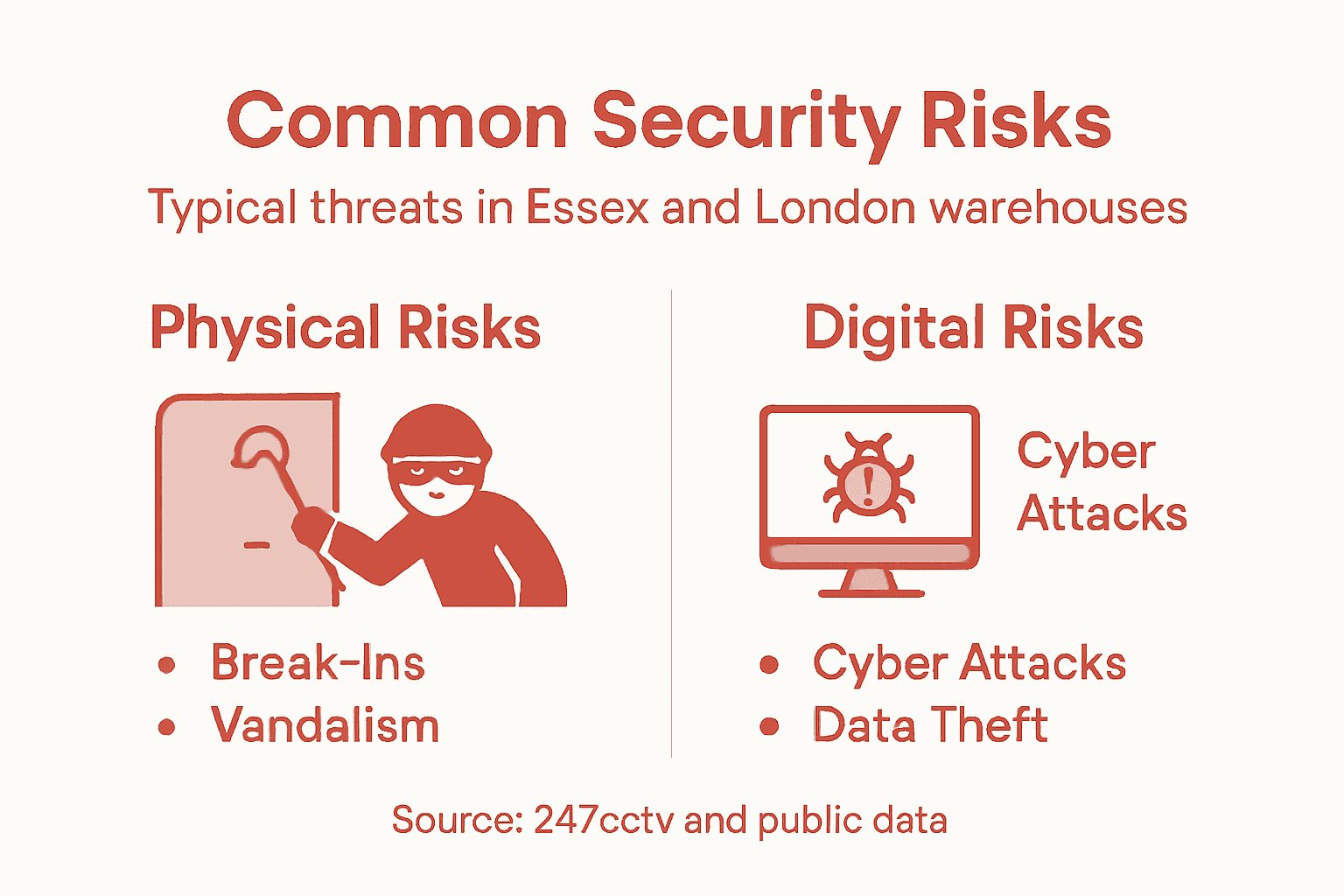
Common warehouse security risks include external theft, internal theft by employees, unauthorised access, vandalism, and accidents that expose your business to liability claims. External theft involves organised gangs or opportunistic criminals targeting your facility from outside. These thieves scout warehouses for weeks, learning shift changes, identifying blind spots in your burglar alarm coverage, and planning coordinated attacks. Internal theft by employees represents a distinct and often more damaging problem. An employee with legitimate access knows your security procedures, can time their actions to avoid detection, and understands which products are most valuable or easiest to move. Unauthorised access occurs when someone bypasses your access control system or exploits gaps in your procedures to reach restricted areas. Vandalism damages your facility and equipment, creating safety hazards and disrupting operations. Accidents like slips and falls may seem unrelated to security, but they trigger liability claims and regulatory investigations if your inadequate security measures contributed to unsafe conditions. Each of these risks carries specific liabilities. If a thief injures themselves whilst breaking into your warehouse, they may claim negligence against you. If an employee steals and your investigation reveals you failed to conduct background checks or implement reasonable controls, you face negligence claims from customers whose goods disappeared. If an unauthorised person accesses hazardous materials and causes injury, your liability multiplies substantially.
Beyond theft and vandalism, modern warehouses face escalating risks from cyber threats and infrastructure failure. Rising freight crime and regulatory pressure mean warehouses must implement rigorous safety protocols and loss prevention systems to manage these complex threats. Your burglar alarm system connects to the internet and transmits data to cloud based monitoring services. If a cybercriminal compromises this connection, they could disable your alarm or access historical event logs that reveal security gaps. Your access control system stores employee credentials and movement records. A data breach exposes sensitive employee information and teaches criminals exactly where your security is weakest. Your inventory management system may link to your access control and alarm systems. If attackers compromise this integrated infrastructure, they can disrupt your entire operation. Infrastructure failure occurs when power drops, servers crash, or network connections fail. A warehouse without backup power loses burglar alarm protection and access control immediately, creating a window of vulnerability that criminals exploit. These cyber and infrastructure risks require not just physical security systems like Hikvision AX Pro, RISCO LightSYS+, or Texecom Premier Elite but also robust digital security and resilience planning.
The most significant vulnerability in most Essex and London warehouses is the gap between what managers think they have implemented and what actually protects them. A facility may have a burglar alarm system installed but lack proper monitoring or trained response procedures. Access control systems may exist but staff bypass them regularly because procedures feel cumbersome. Risk assessments may have been completed years ago and never updated as threats evolved. Training may have happened once during onboarding and never reinforced. Backup procedures may be documented but untested, so they fail during actual emergencies. These gaps exist not because managers are negligent but because security is complex and continuous vigilance is demanding. The warehouses that perform best treat security as an operational responsibility equivalent to inventory management or customer service. They schedule regular reviews, test their systems and procedures, train staff repeatedly, and evolve their approach as threats change. They also maintain comprehensive insurance coverage that protects against the financial impact of losses despite strong security measures. Insurance acts as a final layer of liability protection when human error or sophisticated criminals overcome your preventive measures.
Pro tip: Conduct a vulnerability audit by walking your warehouse after hours with fresh eyes, documenting every place where a person could enter, every blind spot in your burglar alarm coverage, and every procedure that people routinely bypass, then prioritise fixing the vulnerabilities that criminals would exploit first.
Cost, Insurance, and Return on Investment
Warehouse security requires financial investment. Many managers hesitate at this point, viewing security spending as a cost rather than an investment with measurable returns. This perspective misses the fundamental economics of warehouse operations. The question is not whether you can afford to implement proper security but whether you can afford not to. A single theft incident can cost more than years of security system payments. When you factor in inventory loss, operational disruption, insurance claims, regulatory investigation costs, and reputational damage, the true expense of inadequate security becomes obvious. Meanwhile, warehouses in Essex and London that invest strategically in burglar alarms, access control, and procedural safeguards consistently report reduced losses, lower insurance premiums, and improved operational efficiency that more than offset their security spending. Understanding the financial mechanics helps justify security investments to finance directors and senior management who might otherwise see security budgets as overhead to minimise.
Insurance represents both a cost and a crucial layer of financial protection. Warehouse insurance costs in the UK start from approximately £189 annually for basic cover with minimal stock protection, whilst more comprehensive policies including employers’ liability and higher stock cover can increase premiums substantially, sometimes exceeding £800 per year. These premiums depend significantly on your risk profile, which insurers assess based on your warehouse size, location, stock value, and security measures. A warehouse with no burglar alarm system, minimal access controls, and poor staff training will pay substantially higher premiums than an equivalent facility with comprehensive security. Additionally, insurers often impose conditions on policies. They may require specific security measures before they will provide cover at all. They may exclude certain loss types if your security is inadequate. They may impose excess charges, meaning you absorb the first £500 or £1000 of any claim. High excess charges effectively mean that minor losses become your problem rather than your insurer’s problem. When you implement strong security, your premiums decrease and your excess charges reduce. For a medium sized warehouse, improving your security profile might reduce annual insurance costs by £200 to £400. Over a five year period, that savings alone justifies substantial security investments.
The return on investment calculation requires looking beyond immediate expense and considering the full financial picture. A burglar alarm system, access control infrastructure, and installation costs £3000 to £8000 depending on your warehouse size and complexity. This seems expensive. But consider what you prevent. A single coordinated theft might cost £15000 in stolen inventory. The investigation costs another £2000. Insurance excess charges cost £1000. Operational disruption from finding and investigating losses costs another £3000 in staff time. Your insurance premium increases by £300 per year for the next three years. That single incident costs £24000. Your security system pays for itself by preventing one major theft. Specialised warehouse insurance policies covering property damage, stock theft, liability, cyber risks, and business interruption work best when combined with strong preventive security measures. Insurance protects you when losses occur despite good security, but it does not prevent losses in the first place. The prevention happens through your burglar alarm system detecting intrusion, your access control system preventing unauthorised movement, and your procedural safeguards creating accountability.
Calculating return on investment requires thinking beyond the first year. Year one expenses include system purchase, installation, integration with your existing infrastructure, and staff training. These costs are typically £3500 to £10000 depending on warehouse size and complexity. Years two through five involve monitoring service fees (approximately £40 to £80 monthly), maintenance costs (approximately £200 to £400 annually), and occasional system upgrades. However, the benefits compound. Reduced theft losses accumulate. Lower insurance premiums stack up. Improved operational efficiency from better tracking and accountability multiplies. Most well designed warehouse security systems pay for themselves within eighteen to thirty months. After that point, you are operating with a security infrastructure that costs roughly £1500 to £2000 annually to maintain whilst generating benefits worth £5000 to £15000 through reduced losses and lower insurance costs. The warehouses achieving the best returns treat security as an integrated operational system rather than a standalone technology purchase. They combine their burglar alarm system, access control infrastructure, staff training, and procedural safeguards into a cohesive approach. They measure results by tracking theft incidents, investigating losses to understand root causes, and iterating their approach continuously. They do not install a system and assume it will work indefinitely without attention.
Pro tip: Request quotes from your insurance provider showing exactly how much your premium would decrease if you installed a specific burglar alarm system and access control infrastructure, then use that quote to offset the security system cost in your return on investment calculation.
Strengthen Your Warehouse Security with Expert Installation and Support
Warehouse theft poses more than just a loss of stock. It disrupts your operations, drains your resources, and damages your reputation across Essex and London. The article highlights critical warehouse security layers like burglar alarms, access control systems, and human involvement — all essential safeguards against evolving threats. If you want to stop unauthorised entry, improve accountability, and protect your assets effectively, then investing in advanced security technology paired with expert installation is vital.

Discover how 247cctv can help you build a resilient security system tailored to your warehouse needs. We specialise in installing high-quality burglar alarms, CCTV, and access control solutions that integrate seamlessly to cover every vulnerability. Act now to reduce theft risks, satisfy compliance requirements, and lower your insurance premiums. Visit our main site 247cctv to explore our comprehensive security services. Take control of your warehouse security with professional support from 247cctv — secure your business from threats before losses occur.
Frequently Asked Questions
What are the key components of effective warehouse security?
Effective warehouse security includes three interconnected layers: physical security (alarms, access controls, and environmental design), procedural security (documented processes and accountability measures), and human security (staff training and awareness). All three layers must work together to minimize vulnerabilities.
How can I enhance employee involvement in warehouse security?
Engaging employees involves clear communication of security expectations, training them to recognise vulnerabilities, and encouraging them to report suspicious activities. Involving staff creates a security culture and makes them active participants in safeguarding the warehouse.
What common vulnerabilities should I look for in my warehouse security systems?
Common vulnerabilities include gaps in procedure adherence, inadequate staff training, ineffective monitoring of security systems, and outdated risk assessments. Regular audits can help identify and address these vulnerabilities before they are exploited.
Why is it important to integrate physical and digital security measures?
Integrating physical and digital security measures is vital to create a resilient security framework. This ensures that both systems protect against threats – physical methods deter intrusions while digital measures safeguard data, preventing criminals from exploiting weaknesses in either layer.