A site full of plant, tools, copper and temporary cabins can become an easy target the moment the workforce leaves for the day. That is why construction site security systems are no longer a nice-to-have on larger projects or a last-minute add-on for smaller ones. They are part of keeping a build on schedule, protecting materials, reducing insurance risk and giving site managers clearer control over what happens after hours.
Construction sites present a very different security challenge from a finished commercial building. Perimeters change, access routes move, lighting can be poor and power may be temporary or unreliable. A system that works well in a shop, office or warehouse may not be suitable on an active build. The best approach starts with the realities of the site itself – what is being stored there, how long the project will run, where the weak points are and how quickly an incident needs to be detected.
What good construction site security systems need to do
At a basic level, the aim is simple: deter intruders, detect suspicious activity early and provide usable evidence if something does happen. In practice, that usually means combining more than one security measure rather than relying on a single camera or a standalone alarm.
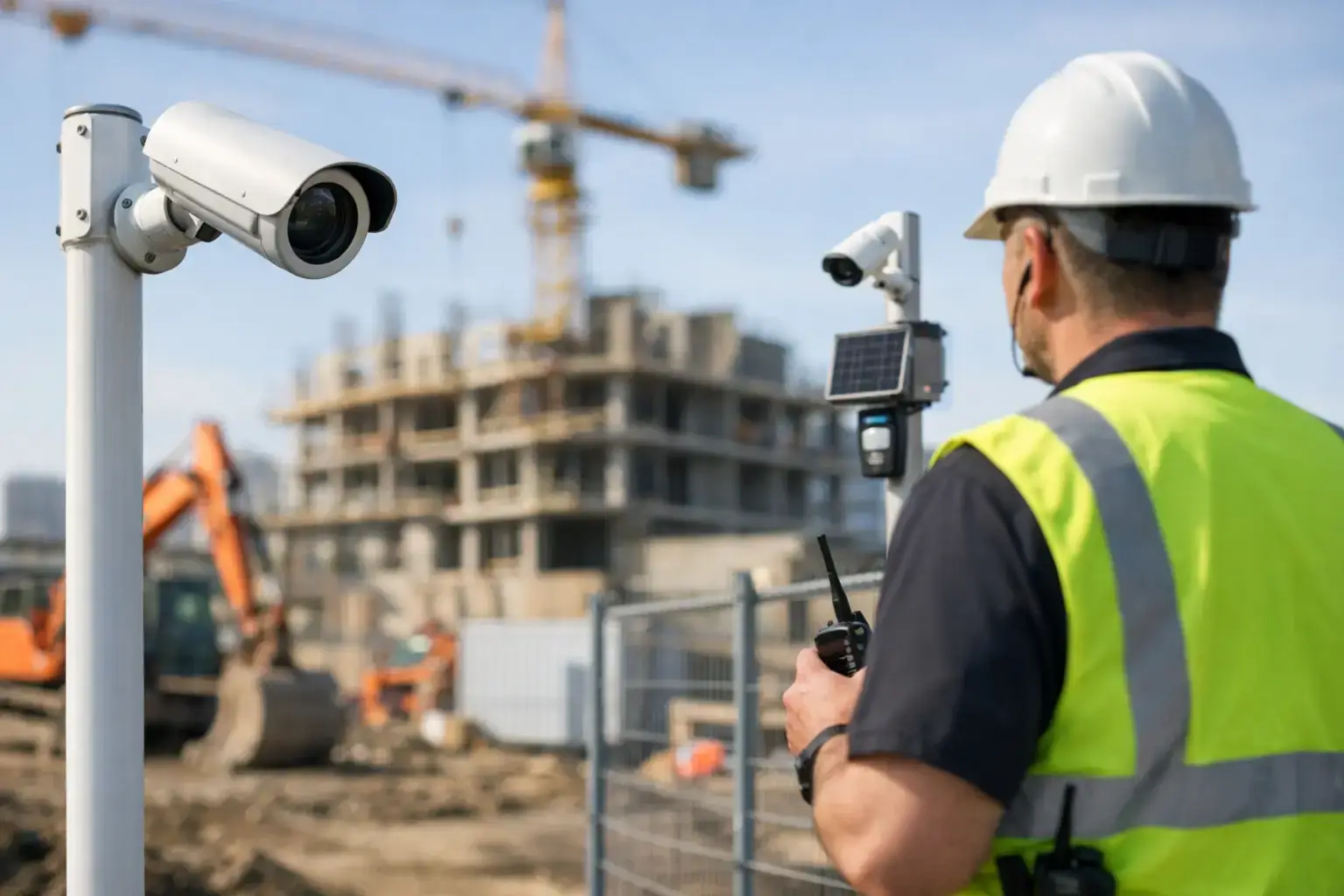
Visible CCTV remains one of the strongest deterrents on a building site, particularly when positioned around compound entrances, welfare units, plant storage and boundary lines. But cameras alone are not always enough. If no one is actively monitoring alerts, an intruder may still have time to enter, remove equipment and leave before anyone attends. That is why many sites benefit from monitored CCTV, analytics-based detection and audible warning systems that can challenge intruders in real time.
The right specification also depends on the stage of the build. Early groundworks may require strong perimeter coverage and out-of-hours monitoring. Later phases may need tighter access control around completed areas, internal protection for installed materials and better visibility of subcontractor movement. Security should evolve with the site rather than remain fixed from day one.
The main components of construction site security systems
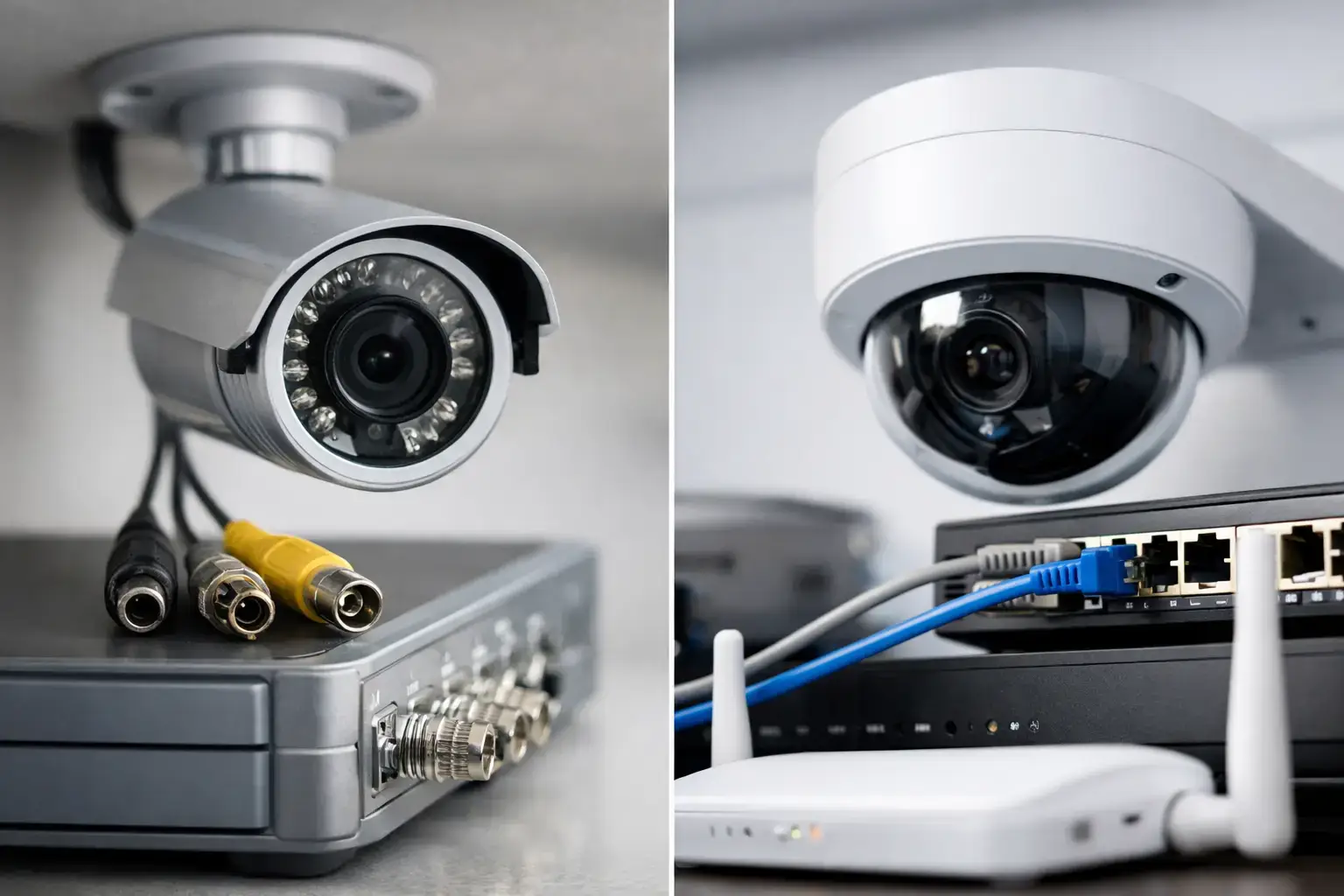
A professionally designed system usually starts with CCTV, but the detail matters. Modern IP CCTV systems can deliver high-definition recording, remote viewing and flexible camera placement across compounds, cabins, access points and open storage areas. On a site environment, image quality in low light and poor weather is especially important. There is little value in footage that cannot identify faces, vehicles or activity clearly enough to support an investigation.
Analytic CCTV adds another layer. Instead of relying purely on motion, which can lead to false alarms from rain, wildlife or shifting materials, analytics can be set to detect people or vehicles crossing a virtual boundary, approaching a gate or entering a restricted zone. When configured properly, this gives faster and more reliable alerts. It is not perfect in every setting, and poor positioning can still create nuisance notifications, but on many construction sites it offers a major improvement over basic detection.
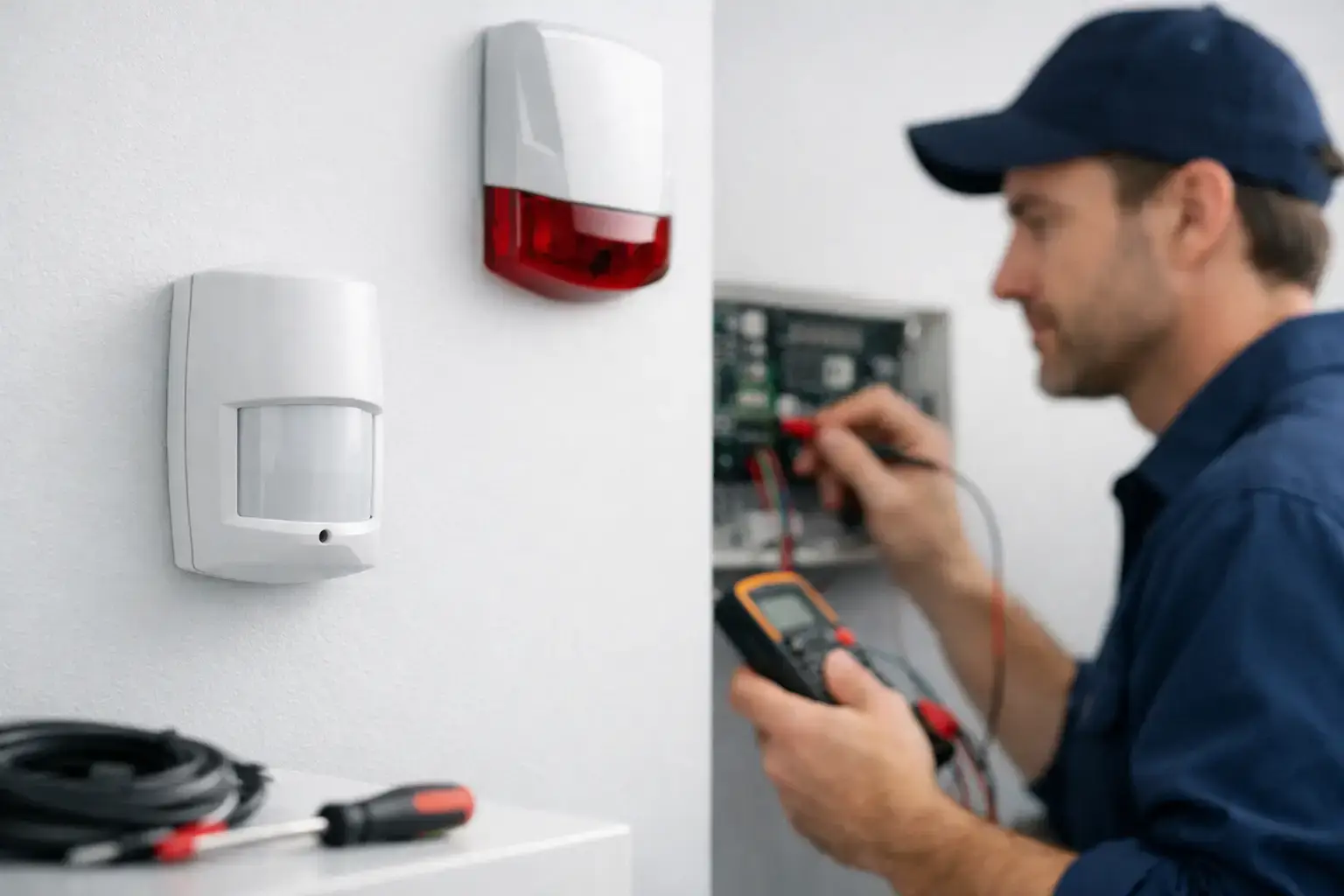
Intruder alarms also have a role, particularly in site offices, cabins, container stores and partly completed buildings. They can protect specific assets even if the wider site remains open and changing. For some projects, external detection around compounds or access points is also appropriate. The key is to avoid overcomplicating the system. A badly planned alarm on a busy site can create more disruption than protection.
Access control is often overlooked during construction, yet it can make a significant difference. Temporary door entry systems, controlled gates, coded access and audit trails help limit who can reach high-value areas and when. On sites with multiple contractors, this can also support better accountability. It will not replace perimeter security, but it does reduce internal risk and helps separate public, contractor and management areas more effectively.
Why temporary sites need permanent thinking
One of the common mistakes in site security is treating a temporary environment as if it only needs a temporary standard of protection. In reality, some building sites hold equipment and materials worth tens or hundreds of thousands of pounds at any one time. Theft of cable, tools, fuel or machinery can stop work immediately. Even minor losses create delays, replacement costs and insurance administration that no site team wants to deal with.
There is also the issue of liability. Unauthorised access is not only a theft problem. Trespassers can injure themselves, damage works, start fires or interfere with plant. If the site is poorly secured, the consequences can go well beyond replacing stolen items. For developers, principal contractors and site managers, proper security is part of responsible site control.
That is why a professional survey matters. A generic package may sound cost-effective, but construction sites vary too much for a one-size-fits-all answer. A city-centre infill project has very different risks from a housebuilding development on a semi-rural edge-of-town plot. Nearby public footfall, boundary type, lighting conditions, available power and line of sight all influence what will work well.
Monitored or non-monitored – which is right?
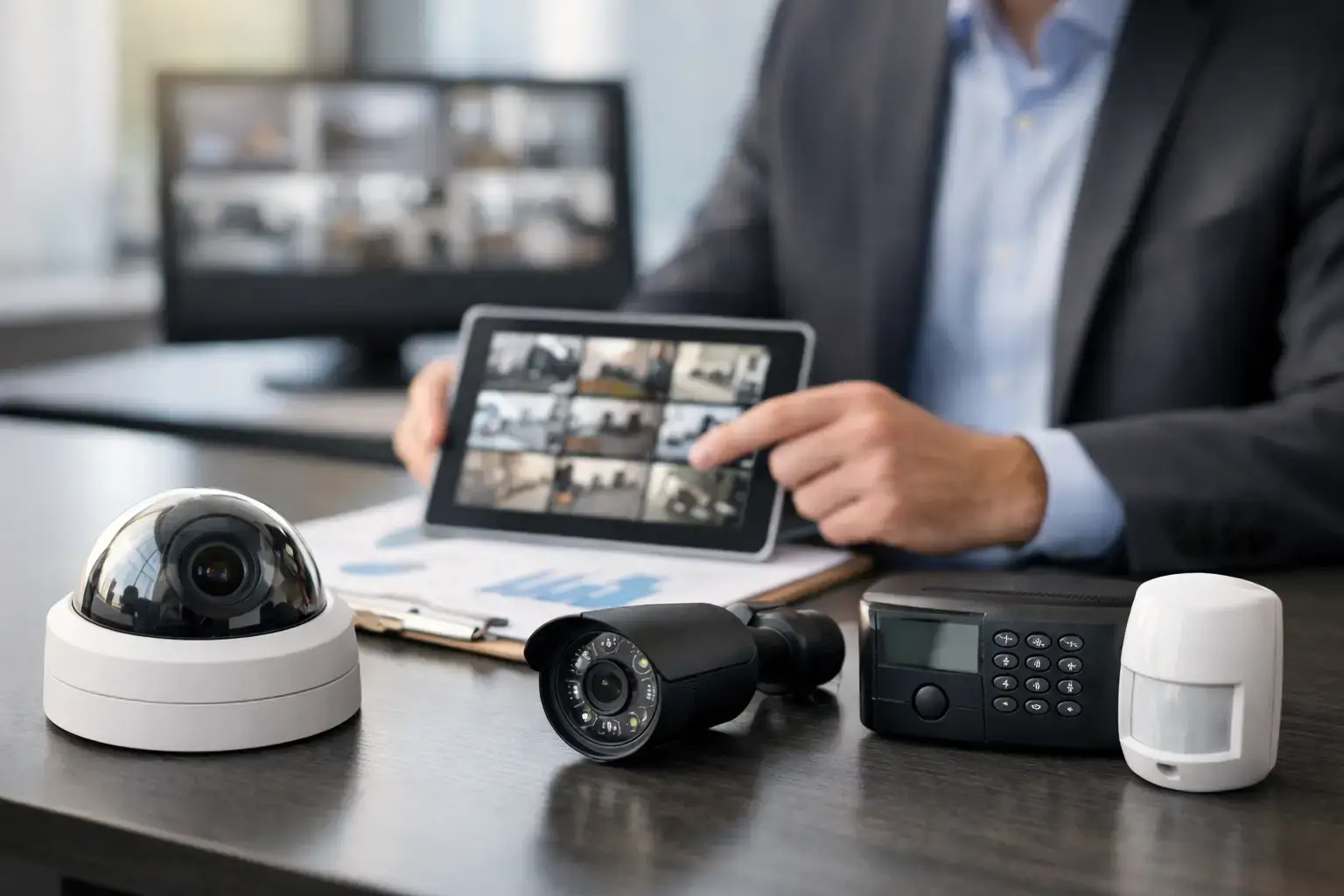
This is where trade-offs matter. A non-monitored CCTV system can still be useful for deterrence and evidence gathering, and for lower-risk sites it may be a sensible option. It generally carries a lower ongoing cost and can give managers remote access to live and recorded footage.
But if the concern is active intervention when a trespasser enters the site at night, monitoring usually offers stronger protection. With a monitored system, alerts can be reviewed as they happen and escalated where necessary. Depending on the setup, this may include audio challenge, keyholder notification or police response pathways where relevant criteria are met. That faster reaction can make the difference between an attempted theft and a successful one.
The best choice depends on site value, theft risk, insurer requirements and budget. For a short-term project with limited stored assets, remote viewing may be enough. For a larger build with repeated deliveries, expensive plant and a known local theft risk, monitored protection is often worth the investment.
Compliance, insurer approval and reliability
Security on construction sites should not be judged on hardware alone. Installation standards, system design, maintenance and compliance all matter, particularly for commercial projects where insurers, contract managers and stakeholders expect a professional approach.
An SSAIB-approved installer gives buyers greater confidence that systems are being designed and fitted to recognised standards. That can be important not just for system performance, but also for insurer acceptance and long-term reliability. A poorly installed camera network or badly configured alarm can produce false confidence – appearing to protect the site while leaving obvious gaps.
Maintenance is just as important. Construction sites are harsh environments for security equipment. Dust, vibration, temporary works, changing structures and accidental knocks can all affect performance. Regular checks help make sure cameras remain aligned, recording is functioning correctly and alerts are still relevant as the site develops.
Choosing a system that fits the project
The best construction site security systems are built around risk, not sales brochures. A small refurbishment project may only need a focused combination of CCTV, cabin alarm protection and remote access for the site manager. A multi-phase development may need layered security with perimeter detection, monitored analytics, access control and scalable coverage that can adapt as works progress.
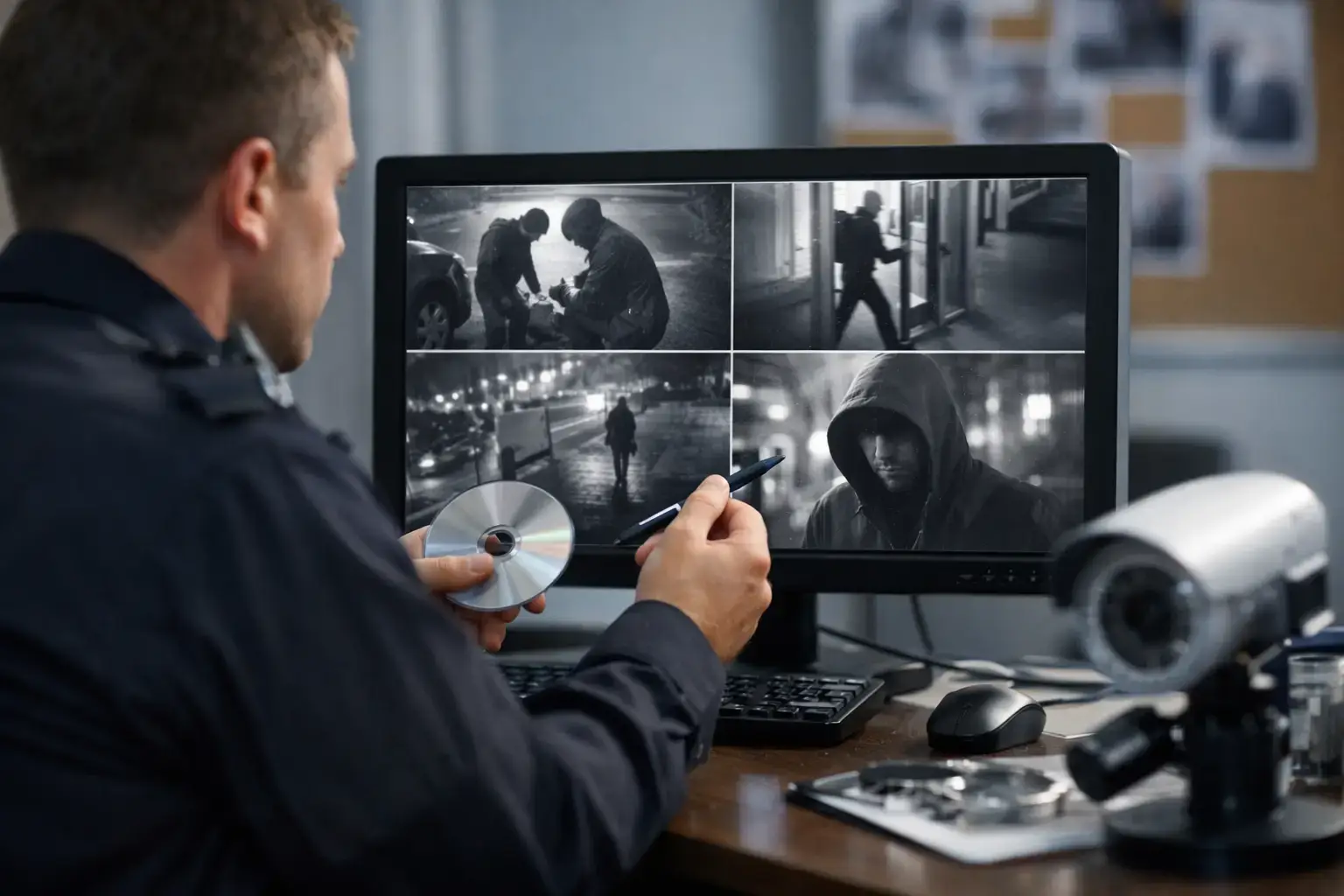
It is also worth thinking beyond the immediate problem of theft. Good site security can support operational oversight, contractor management and dispute resolution. Clear footage helps establish who entered a zone, when deliveries arrived and what happened around incidents or damage claims. That wider value is often missed when buyers only compare headline prices.
For buyers across Essex, London and the South East, local knowledge can also be useful. Response expectations, urban constraints, neighbouring properties and planning sensitivities can all affect how a system should be designed. A specialist installer with experience across commercial and construction environments is more likely to identify those issues before they become expensive problems.
247 CCTV approaches site security in that way – as a complete service covering survey, design, installation, maintenance and support, rather than simply supplying cameras and leaving the client to manage the risk.
What to ask before you go ahead
Before choosing an installer, ask how the system will handle changing site conditions, what happens when an alert is triggered and how image quality will hold up at night. Ask whether the setup can be expanded or repositioned as the build progresses. Ask what level of maintenance is included and whether the design takes insurer expectations into account.
Those questions usually reveal the difference between a basic equipment quote and a proper security plan. On a live site, that difference matters. A cheaper system that misses incidents, creates repeated false alarms or needs constant adjustment can cost more over the life of the project than a correctly designed installation from the outset.
Security should make life easier for the people running the site, not create another problem to manage. When the design is right, the system supports the programme, protects assets and gives decision-makers confidence that the site is covered when no one is there to watch it. That peace of mind is often the part clients value most once the project is under way.