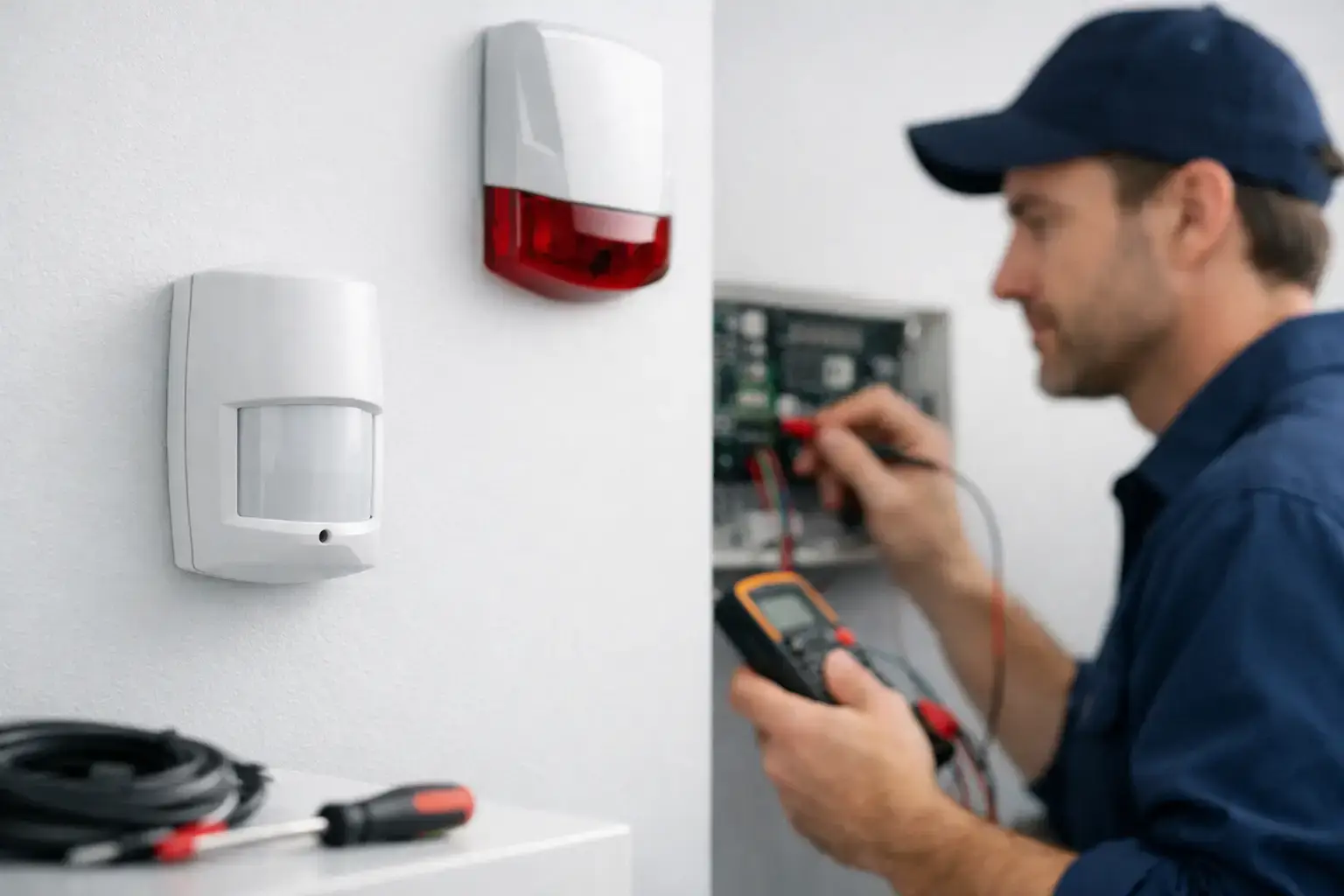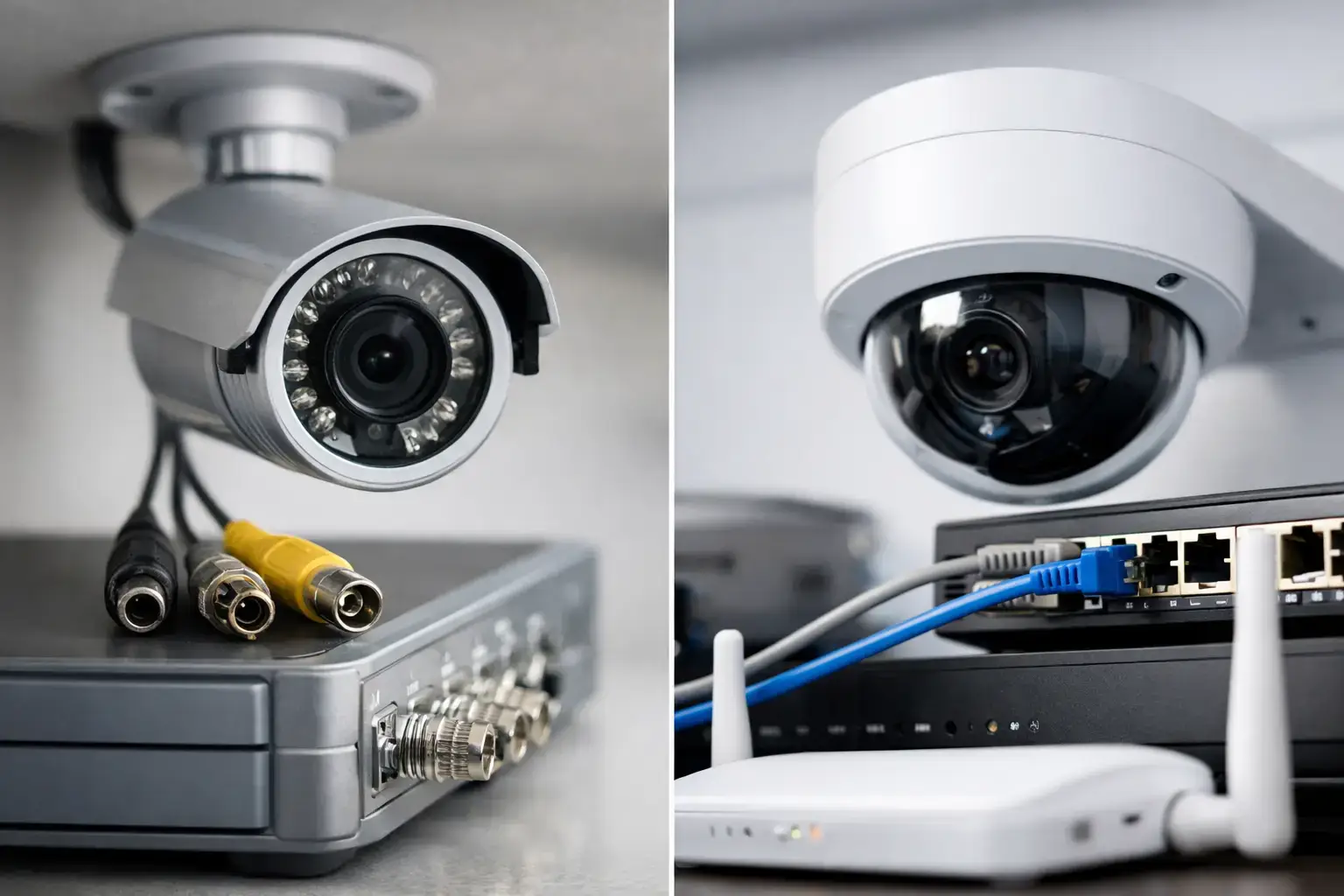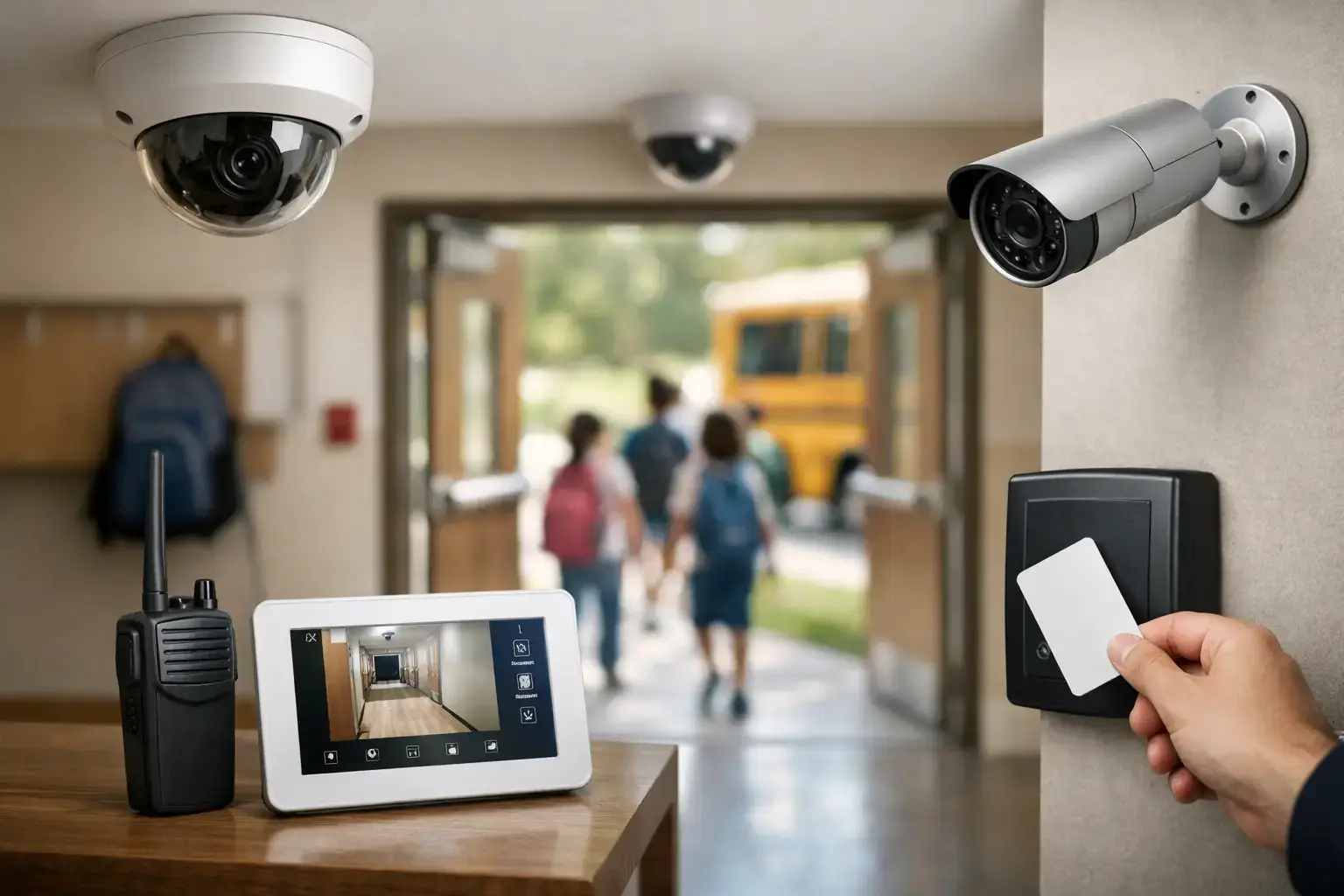
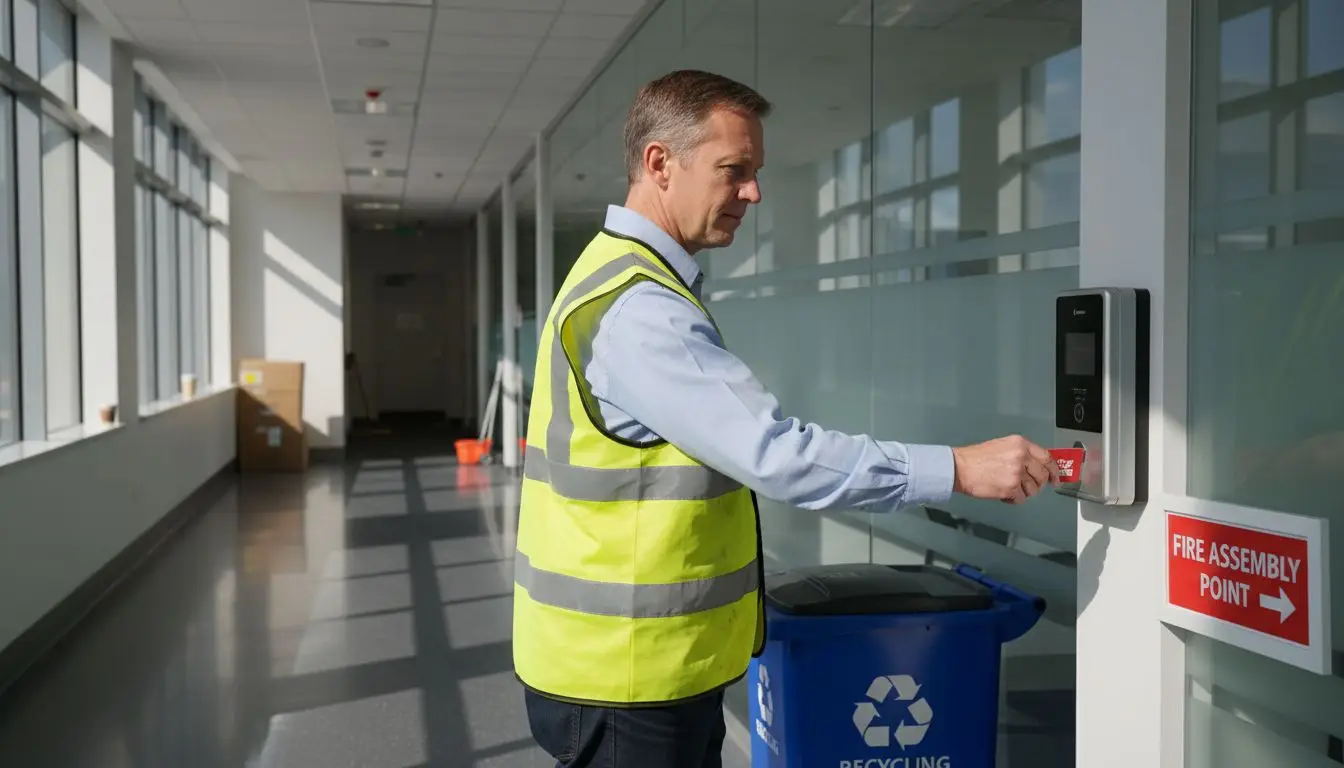
Keeping your property safe from unwanted visitors is a constant concern, whether you manage a busy workplace or a residential block. Without strong controls at the main entrance, the risks of theft, vandalism, and unauthorised access rise quickly. Door entry systems offer more than just a physical barrier—they bring precise access control and improved security based on proven methods used across the United Kingdom.
If you are searching for ways to protect your building and simplify access for those who truly belong, this guide covers the essential benefits you need to know. You will discover how modern door entry solutions help curb criminal activity, grant flexible control, and support easy integration with other safety systems. Get ready for actionable insights that will make your entrances smarter and safer.
Quick Summary
| Takeaway | Explanation |
|---|---|
| 1. Enhance Security with Access Control | Implementing a door entry system serves as a strong first line of defence against potential intruders. |
| 2. Streamline Access for Efficiency | Keyless entry systems significantly reduce the need for physical keys, simplifying access management for employees and administrators. |
| 3. Maintain Detailed Entry Records | Advanced systems create digital audit trails, documenting every access event with timestamps and user identification for security reviews. |
| 4. Explore Remote Monitoring Capabilities | Modern door entry systems allow for oversight of security from anywhere, enabling real-time responses to threats. |
| 5. Integrate with Other Security Systems | Choose door entry systems that can seamlessly connect with other security technologies for a comprehensive safety infrastructure. |
1. Boosts Overall Building Security
Door entry systems represent a critical first line of defense for any facility seeking comprehensive security protection. These sophisticated systems create a robust barrier against potential intruders while providing precise control over building access.
By implementing a door entry system, organisations can significantly reduce risks associated with unauthorized entry. These systems work through several key mechanisms:
- Preventing unauthorized personnel from entering restricted areas
- Creating an immediate visual and physical deterrent to potential criminals
- Establishing a traceable record of all entry and exit events
- Enabling remote access management for facility administrators
The strategic deployment of door entry systems enhances building security by establishing multiple layers of protection. High-quality magnetic locks, automatic door closers, and sophisticated access control technologies work in concert to create an almost impenetrable security environment.
Effective door entry systems transform building security from reactive to proactive protection.
Building managers can customise access permissions based on individual roles emergency protocols and time-specific requirements. This granular control means that only authorised personnel can enter specific zones at designated times reducing potential security vulnerabilities.
Pro tip: Regularly audit and update your access control permissions to maintain optimal security integrity.
2. Streamlines Access for Employees and Tenants
Modern door entry systems have revolutionised how organisations manage building access by introducing seamless and flexible entry methods. These innovative technologies eliminate the traditional challenges associated with physical key management.
Keyless door entry systems offer multiple advantages for both employees and facility managers:
- Eliminate the need for multiple physical keys
- Reduce administrative overhead for key replacement
- Enable precise access control for different user groups
- Provide digital tracking of entry and exit events
- Support remote credential management
The most sophisticated systems use advanced technologies like RFID fobs and digital credentials. These allow organisations to grant nuanced access permissions based on roles, time of day, and specific security requirements.
Intelligent access control transforms traditional entry management into a strategic security asset.
Employees benefit from the convenience of quick entry without fumbling for keys. Administrators gain the ability to instantly modify access rights digital credentials can be quickly deactivated if lost or if an employee leaves the organisation.
Pro tip: Implement a colour-coded credential system to quickly distinguish between different access levels and roles.
3. Reduces Risk of Unauthorised Entry
Door entry systems serve as a critical first line of defence against potential security breaches in commercial and residential facilities. By implementing sophisticated electronic access controls, organisations can significantly minimise the risks associated with unwanted intrusions.
Door entry systems create robust security barriers through several strategic mechanisms:
- Requiring positive identification before entry
- Creating electronic records of all access attempts
- Preventing tailgating and forced entry scenarios
- Enabling instant lockdown capabilities
- Providing real-time monitoring of building entrances
The electronic verification process acts as a powerful deterrent. Potential intruders are immediately discouraged by the visible presence of an advanced security system that demands precise credentials for entry.
Intelligent access control transforms building entrances from vulnerable points to strategic security checkpoints.
Advanced systems go beyond simple physical barriers by integrating intelligent authentication protocols. This means each entry attempt is carefully scrutinised using multiple verification layers such as biometric data digital credentials and visual confirmation.
Pro tip: Conduct regular security audits to ensure your door entry system’s authentication protocols remain current and effective.
4. Enables Flexible Access Control Management
Modern door entry systems represent a quantum leap in access management flexibility, allowing organisations to dynamically control building entry with unprecedented precision. These intelligent systems transform traditional security approaches into responsive digital strategies.
Flexible access management technologies provide remarkable control capabilities:
- Grant time-limited access permissions
- Create role-specific entry credentials
- Instantly revoke lost or stolen access cards
- Log and monitor all entry events
- Support remote credential management
- Enable emergency access overrides
The digital nature of these systems allows unprecedented granularity in access control. Facility managers can now programme precise entry rules based on individual roles departments or even specific time windows.
Intelligent access control transforms security from a static barrier to a dynamic management tool.
Unlike traditional mechanical locks door entry systems provide comprehensive tracking. Every access attempt is recorded creating an auditable trail that supports both security management and compliance requirements.
Pro tip: Regularly audit and update access credentials to maintain optimal security integrity and remove unnecessary permissions.
5. Provides Detailed Entry and Exit Records
Advanced door entry systems transform security management by creating comprehensive digital audit trails that capture every building access event with remarkable precision. These electronic logging systems go far beyond traditional security approaches.
Access control systems generate detailed records with multiple critical features:
- Capture precise timestamps for each entry
- Record unique fob or credential identification
- Log entry and exit points
- Create permanent unalterable access logs
- Support retrospective security investigations
- Enable compliance with regulatory requirements
The digital nature of these records provides unprecedented transparency. Unlike manual sign-in sheets these systems create tamper-resistant documentation that can withstand rigorous security scrutiny.
Electronic access logs transform security from reactive monitoring to proactive intelligence gathering.
Facility managers can quickly analyse access patterns detect anomalies and investigate potential security incidents with immediate digital evidence. The comprehensive tracking supports everything from routine administrative tasks to complex security reviews.
Pro tip: Regularly download and securely archive access logs to maintain a comprehensive historical record of building entry activities.
6. Supports Remote Monitoring and Control
Modern door entry systems transform security management by providing sophisticated remote monitoring capabilities that allow facility managers to oversee access points from anywhere in the world. These intelligent systems create a comprehensive digital security ecosystem.
Remote monitoring technologies enable proactive security through several critical features:
- Instant access to live entry point status
- Real-time alert notifications
- Ability to lock or unlock doors remotely
- Track multiple sites simultaneously
- Generate immediate security incident reports
- Implement emergency access protocols
The digital infrastructure allows security personnel to respond dynamically to potential threats. Instead of relying on physical presence organisations can now monitor and control access points with unprecedented precision and speed.
Remote monitoring transforms security from reactive observation to intelligent risk management.
These advanced systems integrate seamlessly with smartphones and desktop applications enabling security professionals to maintain comprehensive oversight regardless of their physical location. The ability to instantly adjust access permissions provides unparalleled flexibility in managing facility security.
Pro tip: Configure multi-level access alerts to distinguish between routine and high-priority security events for more efficient monitoring.
7. Facilitates Easy Integration with Other Security Systems
Modern door entry systems represent a pivotal component of comprehensive security infrastructure, offering unprecedented flexibility in connecting with various technological platforms. These intelligent systems transform discrete security elements into a unified digital ecosystem.
Security system integration technologies enable seamless connections between multiple safety platforms:
- Synchronise with CCTV surveillance networks
- Connect to building management systems
- Integrate with fire alarm infrastructures
- Link with IT network security protocols
- Enable centralised monitoring dashboards
- Support cross-platform communication
The modular design of contemporary door entry systems allows organisations to create holistic security environments that respond dynamically to emerging threats. Each system component communicates intelligently providing comprehensive situational awareness.
Integrated security systems transform fragmented technologies into a unified protective shield.
Building managers can now develop sophisticated security strategies that adapt rapidly to changing operational requirements. The interoperability of these systems ensures that every security element works in concert rather than isolation.
Pro tip: When selecting door entry systems prioritise platforms with open architecture and extensive integration capabilities to maximise future adaptability.
Below is a comprehensive table summarising the main benefits and features of modern door entry systems as discussed throughout the article.
| Category | Details |
|---|---|
| Enhanced Building Security | Door entry systems serve as the first line of defense, providing a robust barrier against unauthorised access, recording events, and enabling remote management. |
| Convenience for Users | Adoption of keyless technology simplifies entry, reduces key management issues, and supports quick, convenient access for tenants and employees. |
| Reduced Unauthorised Entry | Advanced authentication methods such as biometric data and digital credentials prevent unauthorised access while deterring potential intruders. |
| Flexible Management | Customisable access control, time-specific permissions, and granular entry restrictions enhance system adaptability and usability. |
| Audit and Compliance Support | Digital records of access events ensure detailed logging, support investigations, and uphold compliance with regulatory standards. |
| Remote Monitoring Features | Remote access to security systems enables real-time monitoring, instant lock/unlock functionalities, and centralised control across multiple sites. |
| System Integration | Compatible with CCTV, alarm systems, and IT infrastructures, modern door entry systems enhance overall security through coordinated operation of various systems. |
This table provides an overview of how advanced door entry systems contribute to increased security, productivity, and management efficiency.
Strengthen Your Facility Security with Advanced Door Entry Systems
Ensuring your UK business or home is protected against unauthorised access is more important than ever. The article highlights the crucial role that door entry systems play in reducing risks, enabling flexible access control, and providing detailed digital audit trails. If you face challenges managing building security or wish to replace outdated locks with intelligent access solutions, it is time to explore professional installation options that deliver peace of mind and seamless control.
Take advantage of expert security installation from 247cctv where we specialise in fitting state-of-the-art door entry and access systems tailored to your needs. With our solutions, you will benefit from enhanced overall security, remote monitoring capabilities, and easy integration with your existing safety infrastructure. Don’t wait for a security breach to take action. Visit 247cctv today to safeguard what matters most and enjoy complete confidence in your building’s protection.
Frequently Asked Questions
What are the main security benefits of door entry systems?
Door entry systems significantly enhance building security by preventing unauthorised access and creating a robust barrier against intruders. To maximise security, evaluate your facility’s needs and implement appropriate access control technologies to bolster your protection measures.
How do door entry systems streamline access for employees?
Door entry systems eliminate the need for physical keys by offering keyless access methods, making entry quicker and easier for employees. Consider transitioning to a system that uses digital credentials or RFID fobs to improve efficiency in managing building access.
What features should I look for in a flexible access control management system?
Key features to consider include time-limited access permissions, role-specific credentials, and the ability to instantly revoke access. Ensure your selected system provides these capabilities to enhance security management and allow for dynamic access control.
How can I keep track of entry and exit events effectively?
Modern door entry systems create detailed electronic audit trails, recording every access event with timestamps and unique identifiers. Set up a routine to regularly download and archive these access logs to maintain a comprehensive historical record for security analysis.
What role does remote monitoring play in door entry systems?
Remote monitoring allows facility managers to keep track of entry points in real-time, adjust access permissions, and respond to potential security threats from anywhere. To strengthen your security, implement a system that offers comprehensive remote access to enhance oversight and management flexibility.
How can door entry systems integrate with other security systems?
Door entry systems can seamlessly connect with various security platforms, such as CCTV and fire alarm systems, to create a unified security infrastructure. Consider selecting an access control system with open architecture to ensure compatibility and future adaptability with other technologies.
Recommended
- Why Door Entry Systems Matter for Facilities Managers – 247 CCTV Security Ltd
- How Door Entry Systems Enhance Building Security – 247 CCTV Security Ltd
- Door Entry Systems: Enhancing Property Security in Essex – 247 CCTV Security Ltd
- 7 Essential Examples of Door Entry Solutions for Offices – 247 CCTV Security Ltd