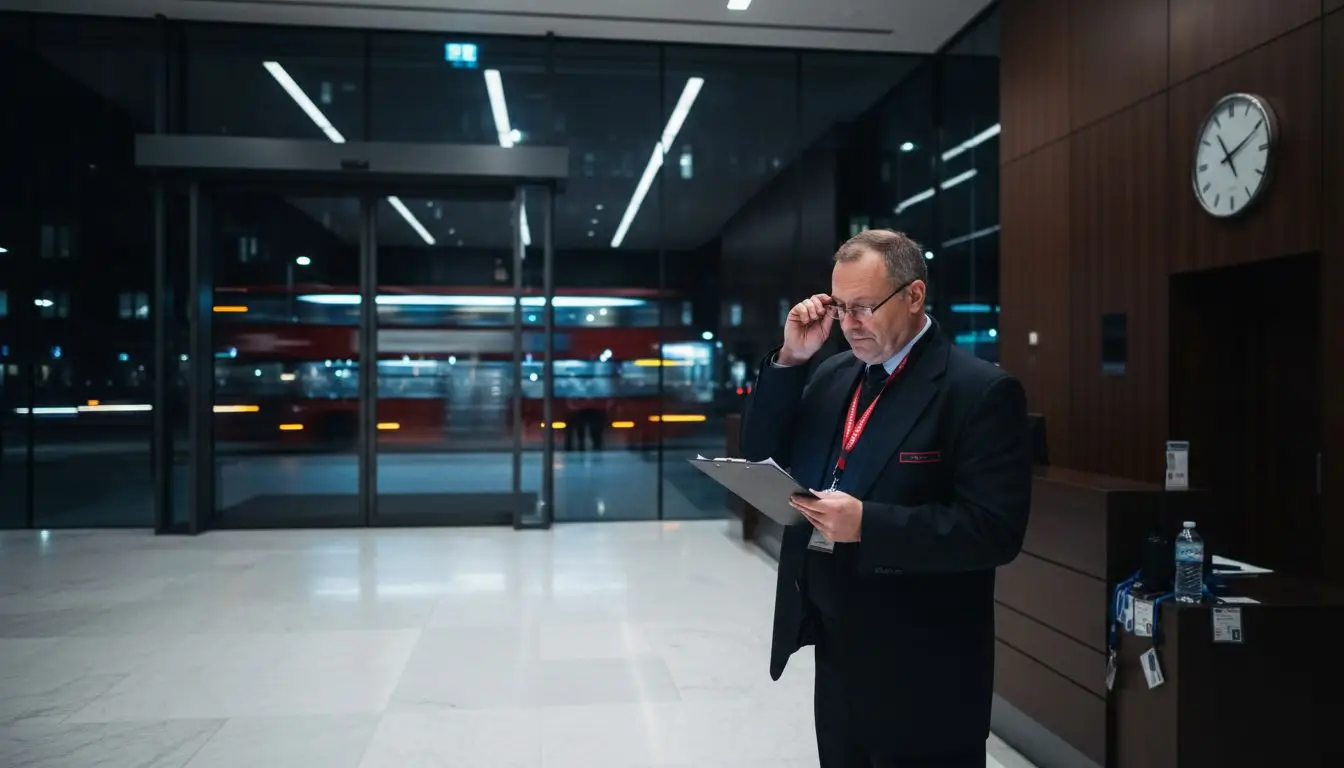
Most people are surprised to learn that over 80 percent of British property owners rank continuous security as their top concern. In a world where threats can emerge at any hour, the need for reliable protection only continues to grow. Exploring what twenty-four hour security truly offers helps British residents and business owners make choices that protect their livelihoods and provide genuine peace of mind.
Key Takeaways
| Point | Details |
|---|---|
| 24-Hour Security | Provides ongoing protection that integrates surveillance, threat detection, and response capabilities to enhance safety for properties. |
| Integrated Technologies | Utilising multiple security systems, such as burglar alarms and CCTV, creates a robust protective network for effective monitoring and response. |
| Legal Compliance | Understanding and adhering to UK legal requirements is crucial for security installations to avoid potential legal issues and ensure effective protection. |
| Cost Management | Selecting security solutions should balance financial investment with effective risk management, focusing on long-term value and comprehensive protection. |
What 24 Hour Security Means for Properties
Twenty-four hour security represents a comprehensive approach to protecting commercial and residential properties from potential threats around the clock. Unlike traditional security methods that operate during limited timeframes, 24/7 protection ensures continuous monitoring and immediate response capabilities. Fundamental security strategies highlight the critical nature of constant surveillance in preventing unauthorized access and mitigating potential risks.
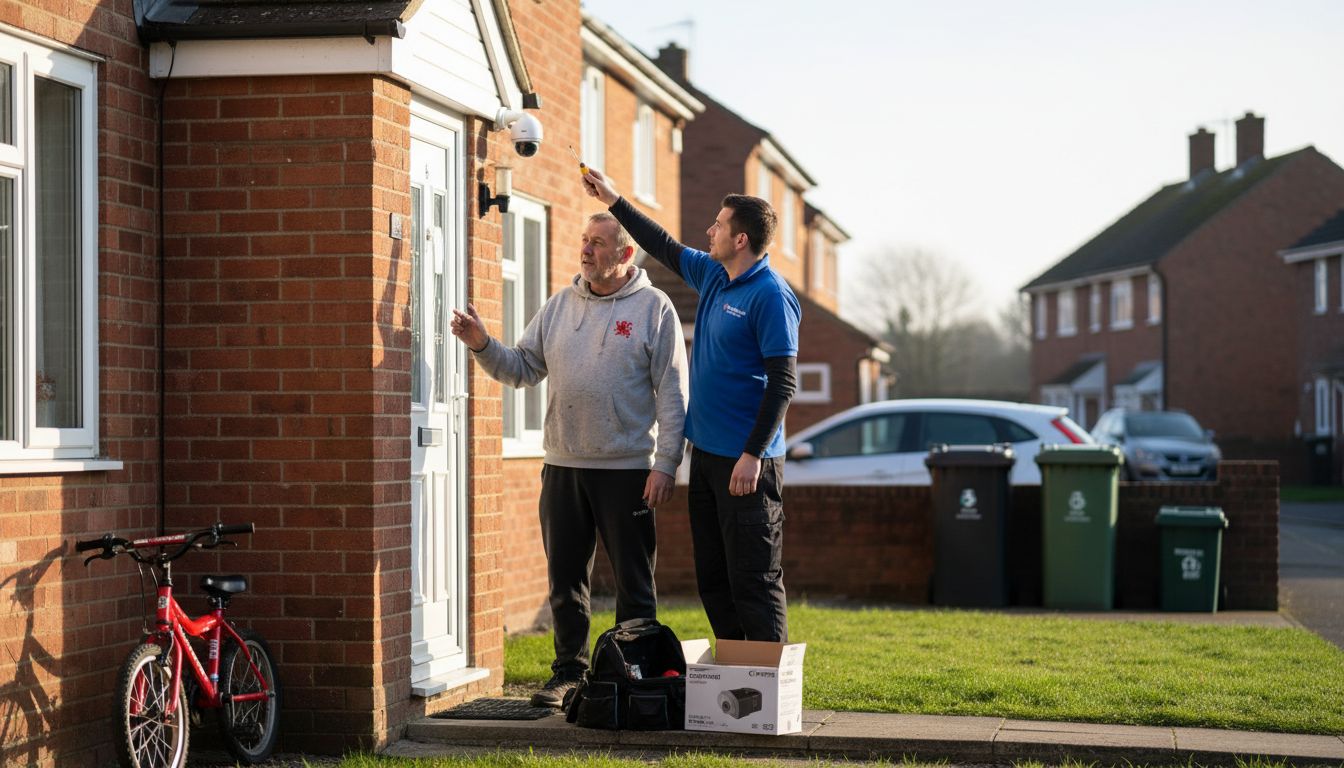
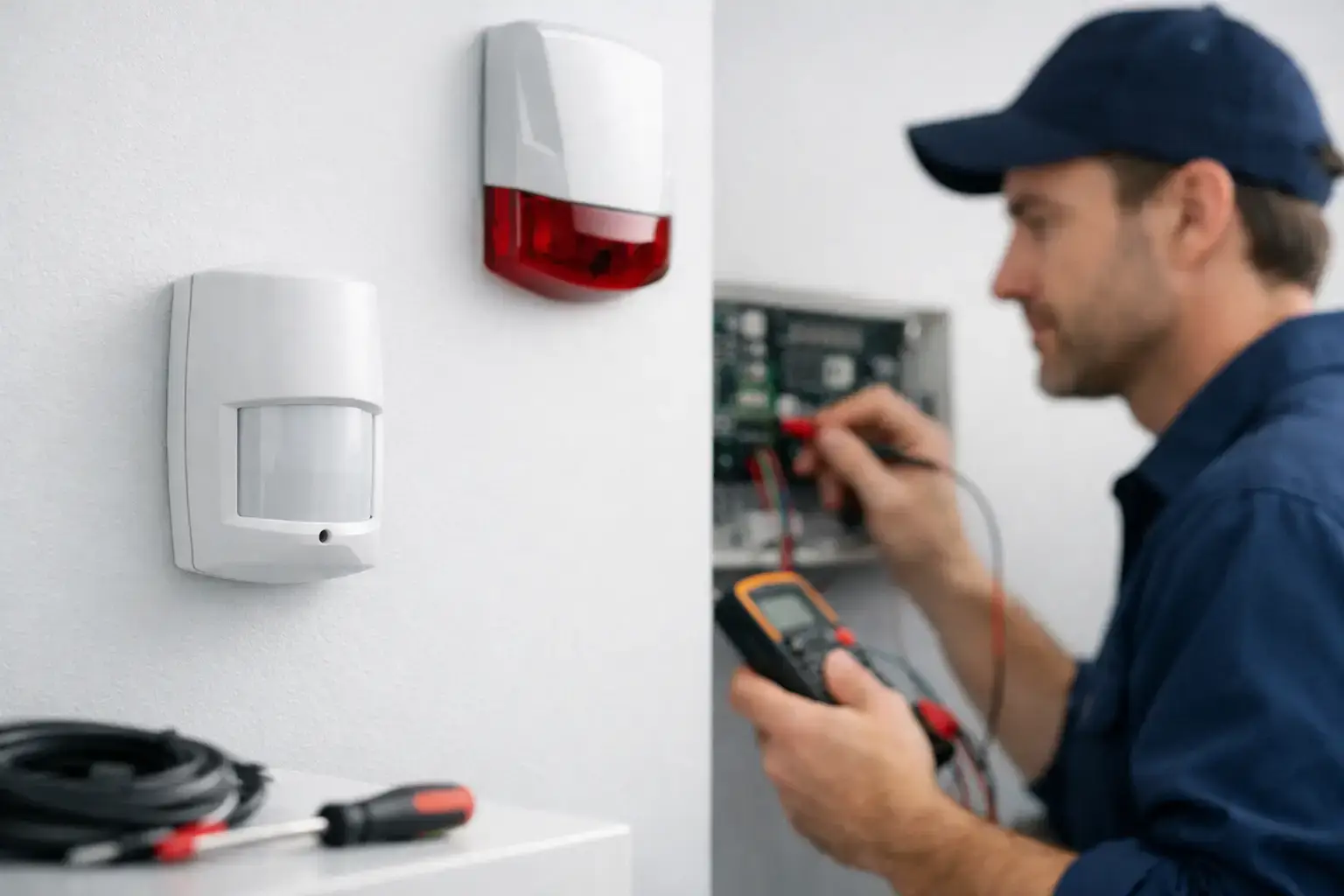
For modern properties, 24-hour security involves sophisticated burglar alarm systems that provide comprehensive protection through advanced technologies. These systems leverage smart sensors, remote monitoring capabilities, and rapid alert mechanisms to maintain constant vigilance. Brands like Hikvision AX Pro, RISCO LightSYS+, and Texecom Premier Elite offer cutting-edge solutions that integrate multiple layers of security protection, including motion detection, perimeter monitoring, and real-time communication with property owners and security personnel.
Key components of effective 24-hour security include:
- Continuous electronic surveillance
- Immediate threat detection and response protocols
- Integration of multiple security technologies
- Remote monitoring capabilities
- Professional alarm monitoring services
Businesses and homeowners in Essex, London, and the Southeast of England require robust security solutions that adapt to evolving threats. Burglary prevention methods demonstrate that comprehensive security is not just about equipment, but creating a holistic approach that combines technological innovation with strategic planning. By implementing round-the-clock security measures, property owners can significantly reduce vulnerabilities and create a safer environment for occupants and assets.
Key Types of 24 Hour Security Systems
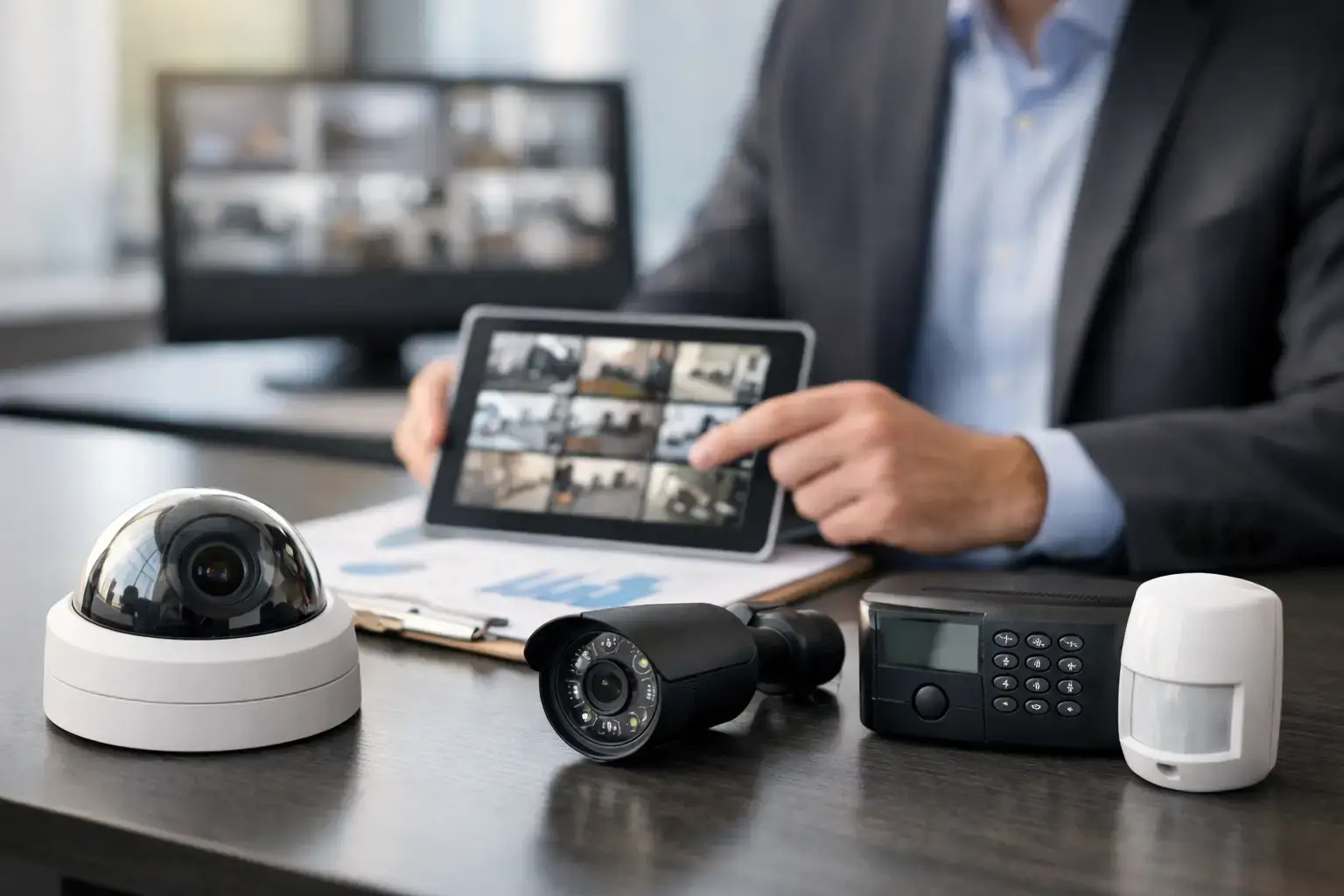
Modern 24-hour security systems encompass multiple sophisticated technologies designed to provide comprehensive protection for properties. Fundamental security strategies reveal that effective security relies on integrating different system types to create a robust protective network. These systems work collaboratively to monitor, detect, and respond to potential threats around the clock.
The primary types of 24-hour security systems include burglar alarms, which are essential for preventing unauthorized entry. Types of burglar alarms demonstrate the range of protection available, from wireless systems like Hikvision AX Pro to hardwired solutions such as RISCO LightSYS+ and Texecom Premier Elite. These systems typically feature:
- Perimeter protection sensors
- Motion detection technology
- Wireless communication capabilities
- Real-time alerts and notifications
- Integration with central monitoring stations
Companies and property owners in Essex, London, and the Southeast require multi-layered security approaches. Advanced 24-hour systems combine several key technologies to create comprehensive protection strategies. These include:
- Intruder Alarm Systems
- Access Control Mechanisms
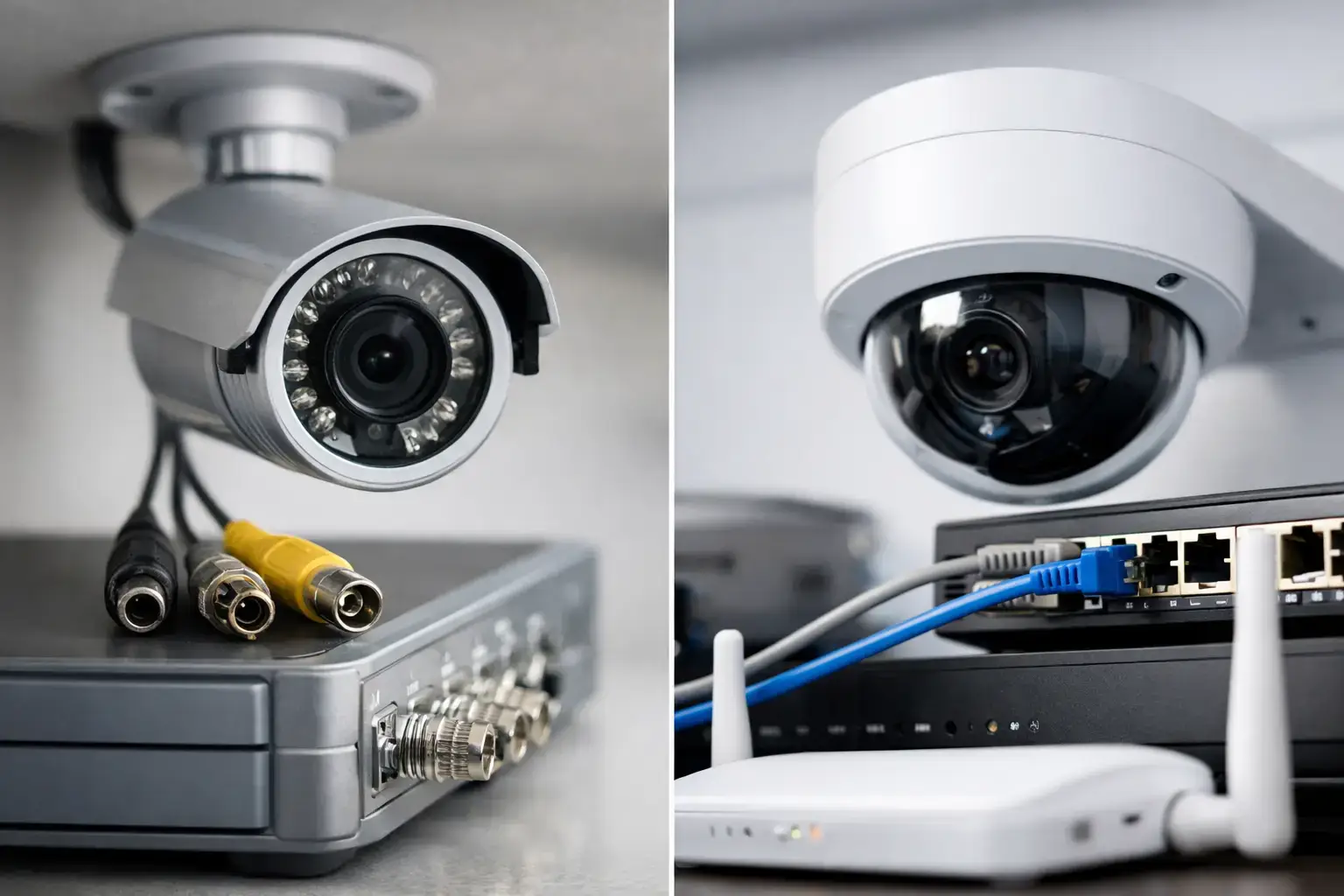
- CCTV Surveillance Networks
- Remote Monitoring Services
- Electronic Perimeter Protection
The goal of these integrated systems is to provide seamless, continuous protection that adapts to evolving security challenges. By combining different technologies, property owners can create a dynamic security environment that offers maximum protection with minimal disruption to daily operations.
How 24 Hour Security Works in Practice
In practical terms, 24-hour security operates through a sophisticated network of interconnected technologies and human monitoring systems. Remote guarding techniques demonstrate how modern security combines advanced video analytics, real-time monitoring, and rapid response protocols to create comprehensive protection strategies. These systems work continuously, ensuring that properties remain safeguarded throughout day and night cycles.
The practical implementation of 24-hour security typically involves several critical stages:
- Initial threat detection through sensor and camera systems
- Immediate verification of potential security breaches
- Instant communication with property owners and security personnel
- Rapid deployment of response teams if required
Access control mechanisms play a crucial role in practical security implementation. Integrating access control systems allows businesses to manage entry points systematically, tracking and restricting personnel movement with precision. Modern systems utilise advanced technologies like biometric scanners, key card access, and digital logging to create comprehensive security environments.
For businesses and property owners in Essex, London, and the Southeast, practical 24-hour security means creating layered defence strategies. This approach combines technological solutions with human intelligence, ensuring that potential threats are identified, assessed, and neutralised swiftly. By implementing intelligent monitoring systems, properties can maintain continuous protection without disrupting daily operations, ultimately creating safer environments for employees, residents, and valuable assets.
Legal Requirements for Security Installations UK
Navigating the legal landscape of security installations in the United Kingdom requires a comprehensive understanding of multiple regulatory frameworks. SIA licensing requirements establish critical standards for professionals working within the private security industry, ensuring that only qualified individuals can install and manage security systems across residential and commercial properties.
Key legal considerations for security installations include:
- Compliance with Data Protection Act regulations
- Adherence to GDPR privacy guidelines
- Proper installation certification
- Professional qualifications for security system installers
- Respect for individual privacy rights
Security system regulations are particularly stringent for businesses and organisations. UK product security guidelines outline specific requirements for security installations, mandating that all systems meet rigorous technical and operational standards. This includes ensuring that CCTV, access control, and alarm systems are designed to protect both property and individual privacy.
For businesses and property owners in Essex, London, and the Southeast, understanding these legal requirements is crucial. Compliance involves more than just technical specifications; it requires a holistic approach that balances security needs with legal obligations. SSAIB compliance standards provide additional guidance, helping organisations implement security solutions that are both effective and legally sound. Failure to meet these requirements can result in significant legal and financial consequences, making professional guidance essential for any security installation project.
Costs, Risks, and Choosing the Right Solution
Fundamental security strategies reveal that selecting the right security solution involves carefully balancing financial investments with comprehensive risk management. For businesses and property owners in Essex, London, and the Southeast, understanding the nuanced landscape of security system costs and potential vulnerabilities is crucial to making informed decisions that protect both assets and personnel.
The primary cost considerations for security installations include:
- Initial hardware and equipment expenses
- Professional installation fees
- Ongoing maintenance and monitoring costs
- Potential insurance premium reductions
- Technology upgrade investments
Risk assessment plays a critical role in determining the most appropriate security solution. Different properties require tailored approaches, with factors such as location, building structure, potential threat levels, and specific operational needs influencing the recommended security strategy. Modern systems like Hikvision AX Pro, RISCO LightSYS+, and Texecom Premier Elite offer scalable solutions that can be customised to address unique security challenges.
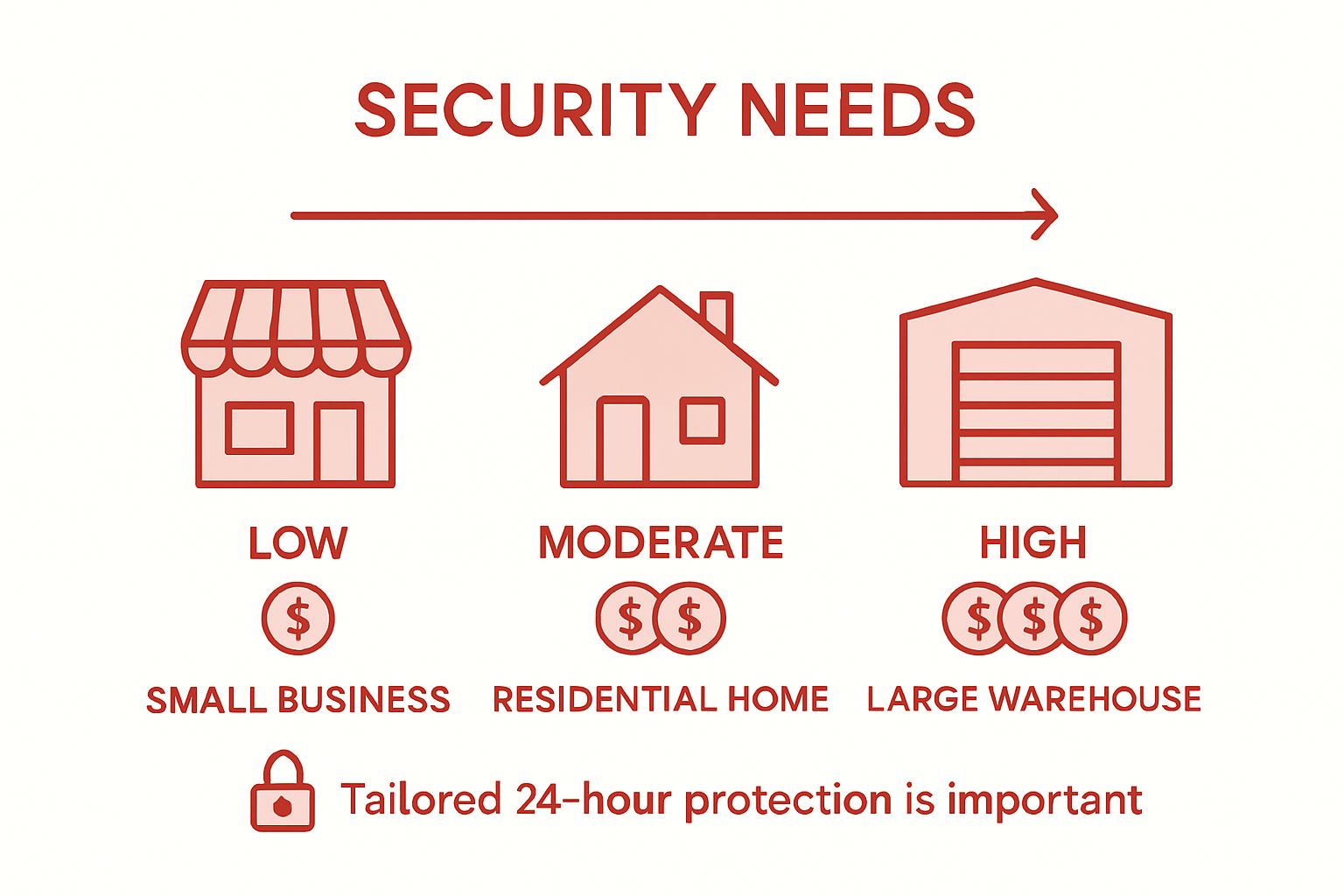
Ultimately, choosing the right security solution is not about finding the cheapest option, but identifying a comprehensive system that provides maximum protection with optimal cost-effectiveness. Business owners should consider long-term value, including potential loss prevention, reduced insurance costs, and enhanced safety for employees and assets. Professional security consultations can help navigate these complex decisions, ensuring that investments in security technology deliver tangible protection and peace of mind.
Secure Your Property 24 Hours a Day with Expert Installation Solutions
The article emphasises how crucial 24 hour security is for protecting your property against evolving threats at all times. If you are concerned about unauthorised access, delayed responses to alerts, or the complexity of managing integrated burglar alarm systems, then finding a trusted security installation partner is essential. Continuous monitoring, advanced burglar alarm technology, and seamless access control are key to creating a safe and resilient environment for your home or business.
At 247cctv, we specialise in installing tailored security systems that meet the demands of 24/7 protection. Our solutions include CCTV surveillance, sophisticated burglar alarms like Hikvision and Texecom, plus secure door entry and access control systems to keep your premises constantly safeguarded.
Take the first step to defend your property proactively and gain peace of mind. Visit our main website to explore expert advice and learn how to implement comprehensive 24 hour security that complies with all relevant UK standards. Trust us to protect what matters most to you. Contact us today for a personalised security consultation that ensures relentless protection without disruption.
Frequently Asked Questions
What are the key components of a 24-hour security system?
Key components typically include continuous electronic surveillance, immediate threat detection and response protocols, integration of multiple security technologies, remote monitoring capabilities, and professional alarm monitoring services.
How does a burglar alarm work in a 24-hour security system?
A burglar alarm works by using various sensors to detect unauthorized entry or movement. When triggered, it sends alerts to property owners or monitoring services and can also activate video recording or contact emergency responders.
What technologies are commonly integrated into 24-hour security systems?
Common technologies include intruder alarm systems, access control mechanisms, CCTV surveillance networks, remote monitoring services, and electronic perimeter protection systems that work together to enhance security.
What legal requirements must be followed for installing security systems?
Legal requirements include compliance with Data Protection Act regulations, adherence to GDPR privacy guidelines, ensuring proper installation certification, and hiring professionally qualified security system installers.
Recommended
- Maximize Your Security Investment: Essential Preventive Maintenance Strategies – 247 CCTV Security Ltd
- Maximize Your Security Investment: Essential Preventive Maintenance Strategies – 247 CCTV Security Ltd
- 7 Types of Security Systems Every UK Business Should Know – 247 CCTV Security Ltd
- How to Protect Your Home from Burglaries with 247 CCTV
- Understanding Front of House Safety in Hospitality and Care – Probe IT