
Securing your property is a priority for every british business owner and homeowner, especially when experts warn that over 60 percent of burglaries target premises with inadequate protection. The right CCTV system can make all the difference, but with a huge variety of options and legal requirements, choosing the best solution can feel confusing. This guide breaks down the essentials so you can make informed decisions and protect what matters most with confidence.
Quick Summary
| Takeaway | Explanation |
|---|---|
| 1. Assess specific security needs | Understand what areas require monitoring by identifying critical zones and potential vulnerabilities in your property. |
| 2. Select appropriate camera types | Choose camera technology based on specific environment requirements, considering factors such as resolution and performance in low light. |
| 3. Ensure high video quality | Opt for cameras with at least 1080p resolution and superior night vision capabilities to guarantee effective surveillance at all times. |
| 4. Evaluate storage and remote access | Consider flexible storage options like cloud or hybrid solutions to protect footage and enable convenient access from anywhere. |
| 5. Understand legal requirements | Be aware of data protection regulations that govern CCTV usage, including signage, footage storage duration, and access rights of individuals monitored. |
1. Assess Your Security Needs and Coverage Areas
Designing an effective security system starts with understanding exactly what you need to protect. Your surveillance strategy must be tailored precisely to your specific environment, whether that means safeguarding a bustling retail space or securing a quiet residential property.
The key to robust protection lies in comprehensive area mapping. Begin by conducting a thorough walkthrough of your premises, identifying critical zones that demand monitoring. High priority areas typically include:
- Entry and exit points
- Cash handling areas
- Storage rooms with valuable equipment
- Parking zones
- Reception and waiting areas
The National Protective Security Authority recommends a strategic approach that considers potential vulnerabilities. This means looking beyond obvious locations and understanding the unique risk profile of your specific setting.
For businesses, this might involve tracking employee movements in sensitive departments. In residential contexts, focus on points of potential intrusion such as rear entrances, ground floor windows, and secluded side passages. Strategic camera placement can create multiple layers of protection, ensuring no blind spots compromise your security.
Remember that effective coverage is not just about quantity of cameras but their intelligent positioning. A single well placed camera can often provide more security value than multiple poorly situated devices. Consider camera angles, lighting conditions, and potential obstructions when planning your surveillance network.
2. Choose the Right CCTV Camera Types
Selecting the appropriate camera technology is critical for effective security monitoring. Not all cameras are created equal, and understanding the nuanced differences can dramatically impact your surveillance effectiveness.
Key Camera Types to Consider:
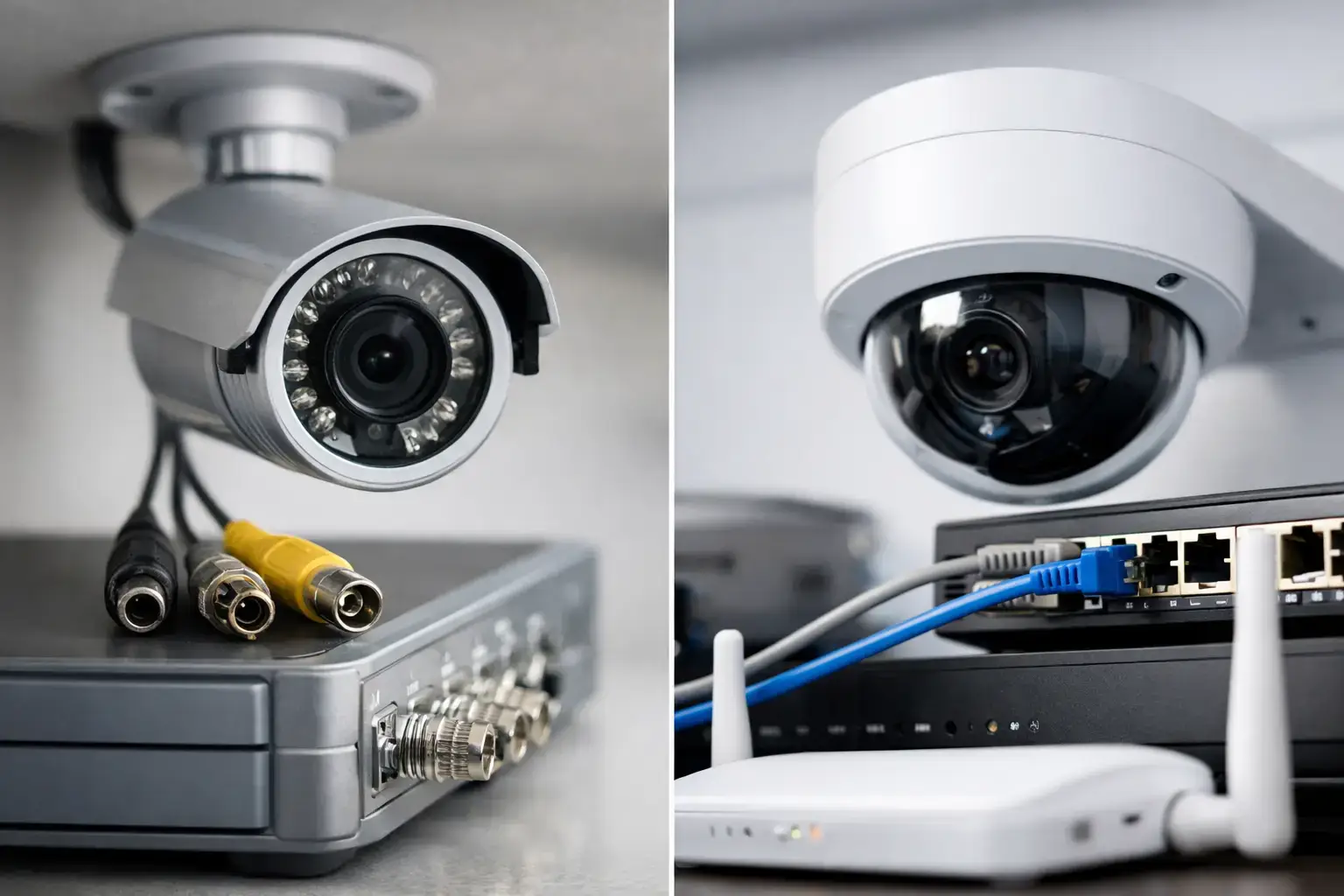
- Dome Cameras: Discreet and vandal resistant, ideal for indoor environments
- Bullet Cameras: Perfect for long distance outdoor monitoring
- PTZ Cameras: Offer pan, tilt, and zoom functionality for comprehensive area coverage
- Thermal Imaging Cameras: Exceptional for perimeter security and low light conditions
The 6 key CCTV system features guide highlights the importance of matching camera capabilities to specific environmental requirements. Professional grade thermal imaging cameras can detect human presence even in complete darkness, making them invaluable for industrial sites and remote locations.
When evaluating camera types, consider critical factors such as resolution, low light performance, weather resistance, and integration capabilities. A warehouse might require rugged bullet cameras with wide angle lenses, while a retail environment could benefit from discreet dome cameras that provide comprehensive coverage without being obtrusive.
Remember that modern security isn’t just about recording footage. Advanced cameras now offer intelligent analytics, motion detection, and real time alerts that transform passive monitoring into proactive security management. Your camera selection should align not just with current needs but anticipated future security requirements.
3. Understand Video Quality and Night Vision
CCTV effectiveness hinges on two critical factors video resolution and night vision capabilities. Without clear, high quality imagery, your security system becomes little more than an expensive decoration.
Key Video Quality Considerations:
- Resolution: Minimum 1080p for clear facial recognition
- Frame Rate: 25 30 frames per second for smooth video
- Low Light Performance: Essential for 24 7 monitoring
- Color Night Vision: Superior to traditional black and white footage
The night vision CCTV installation guide highlights the importance of advanced imaging technologies. Modern cameras utilise sophisticated infrared and thermal imaging technologies that transform nocturnal surveillance from grainy guesswork to precision monitoring.
Thermal imaging cameras represent a quantum leap in security technology. These remarkable devices detect heat signatures, meaning they can identify human presence in complete darkness or through environmental obstacles like fog, smoke, or light foliage. For industrial sites, remote properties, or businesses with extensive perimeter areas, this technology provides unprecedented monitoring capabilities.
When selecting cameras, prioritise systems offering high dynamic range (HDR) imaging. This technology balances light levels, ensuring clear details in both brightly lit and shadowy areas. A camera that struggles in varying light conditions will compromise your entire security infrastructure.
Remember that megapixels alone do not guarantee quality. Sensor size, lens quality, and processing capabilities play equally crucial roles in producing sharp, detailed footage that can withstand forensic scrutiny.
4. Check Storage Options and Remote Access
In the modern security landscape, how you store and access your surveillance footage is just as crucial as the recording itself. Your CCTV system must offer flexible storage solutions and convenient remote monitoring capabilities that adapt to your specific security needs.
Storage Options to Consider:
- Cloud Storage: Secure offsite data preservation
- Network Video Recorder (NVR): Local high capacity storage
- Hybrid Systems: Combination of local and cloud storage
- Scalable Solutions: Ability to expand storage as requirements grow
Remote Access Features:
- Smartphone app connectivity
- Real time video streaming
- Motion alert notifications
- Multiple device synchronisation
The security site survey helps determine which storage configuration best suits your environment. Cloud storage offers unparalleled protection against physical damage or theft of recording equipment, ensuring your critical footage remains safe even if your primary site is compromised.
Modern systems provide bank grade encryption for your stored footage, meaning you can access your video securely from anywhere in the world. This is particularly valuable for businesses with multiple locations or homeowners who travel frequently.
Consider storage capacity carefully. A typical business might require 30 days of continuous footage storage, which translates to significant data requirements. Choose a system that offers efficient compression technology without sacrificing image quality, allowing you to maximise storage efficiency and retain critical visual information.
5. Consider Legal Requirements and Privacy Laws
Navigating the complex landscape of legal requirements for CCTV installation requires careful consideration and proactive compliance. Your surveillance system must strike a delicate balance between security needs and individual privacy rights.
Key Legal Compliance Areas:
- Data Protection Act 2018 regulations
- Information Commissioner’s Office (ICO) guidelines
- Proper signage requirements
- Restricted footage storage duration
- Limited access to recorded material
The CCTV regulations for Essex highlight crucial considerations for responsible surveillance. Most critically, your camera system must not capture images beyond your property boundaries without explicit legal justification.
Businesses and homeowners must display clear signage indicating CCTV monitoring is in progress. This isn’t just a legal recommendation it is a mandatory requirement under data protection legislation. Failure to provide appropriate notification can result in significant financial penalties and potential legal challenges.
Your recorded footage should be treated as sensitive personal data. This means implementing robust security measures such as encrypted storage, restricted access protocols, and defined retention periods. Typically, most domestic and commercial systems should retain footage for no longer than 30 days unless specific legal or investigative requirements dictate otherwise.
Remember that consent and transparency are paramount. Anyone captured on your surveillance system has rights regarding their personal data. Responsible CCTV usage means understanding and respecting these legal boundaries while maintaining effective security measures.
6. Evaluate Installation and Ongoing Support
Choosing a CCTV system involves far more than selecting hardware selecting the right installation and support package can make the difference between a robust security solution and a costly paperweight.
Critical Installation Considerations:
- Professional site survey before installation
- Comprehensive system design
- Expert camera positioning
- Minimal disruption to existing infrastructure
- Thorough system testing and calibration
Ongoing Support Features to Assess:
- 24 7 technical support
- Regular system maintenance
- Firmware and software updates
- Emergency repair services
- Performance monitoring
The security site survey represents the foundational step in creating an effective surveillance strategy. Professional installers will conduct a meticulous assessment of your premises, identifying potential vulnerabilities and optimal camera locations that generic DIY approaches frequently miss.
Quality ongoing support transforms your CCTV system from a static security tool into a dynamic protective asset. Look for providers offering proactive monitoring services that can detect potential system failures before they compromise your security. This might include regular diagnostic checks, remote system assessments, and rapid response maintenance protocols.
Technical support should extend beyond simple repair services. The most effective providers offer comprehensive packages that include software updates, cybersecurity protection, and adaptive system configurations that evolve with your changing security requirements. Remember that a security system is not a one time purchase but an ongoing investment in your safety and peace of mind.
7. Compare Prices and Maintenance Costs
Purchasing a CCTV system is an investment in security that requires careful financial planning. Understanding the total cost of ownership goes far beyond the initial purchase price.
Price Range Breakdown:
- Basic Systems: £50 £200
- Mid Range Solutions: £200 £600
- Professional Grade: £600 £1500
- Enterprise Level: £1500 and above
Ongoing Cost Considerations:
- Annual maintenance fees
- Software update expenses
- Potential replacement parts
- Cloud storage subscription
- Professional monitoring services
The security site survey can help identify precise budgetary requirements for your specific security needs. Professional assessments prevent unnecessary overspending by recommending systems precisely matched to your environment.
While budget constraints are important, viewing security as a pure cost calculation can be dangerously shortsighted. A system that seems economical initially might prove expensive through frequent repairs, poor performance, or inadequate protection. Quality systems represent long term value protection rather than mere expenditure.
Consider total lifetime costs. A slightly more expensive system with robust warranty, regular firmware updates, and comprehensive support often proves more economical than a cheaper alternative requiring frequent interventions. Smart security investment balances upfront expenses with ongoing reliability and performance.
The table below summarises key aspects and recommendations for designing and implementing an effective CCTV security system as discussed in the article.
| Aspect | Details | Key Considerations |
|---|---|---|
| Security Needs | Identify critical zones like entry points and storage rooms. | Conduct thorough walkthroughs to map out areas needing surveillance. |
| Camera Types | Dome, bullet, PTZ, and thermal imaging cameras. | Match camera technology to specific environmental requirements. |
| Video Quality | Importance of resolution and night vision capabilities. | Choose systems with high dynamic range and good low light performance. |
| Storage & Access | Options include cloud, NVR, and hybrid systems. | Ensure scalability and secure remote access with real-time alerts. |
| Legal Compliance | Adhere to Data Protection Act and use proper signage. | Limit footage storage duration to comply with privacy laws. |
| Installation & Support | Professional site survey and ongoing system maintenance. | Select a provider that offers comprehensive support and rapid response maintenance. |
| Cost Analysis | Price ranges from basic to enterprise-level systems. | Consider lifetime costs, including maintenance and updates, for best value. |
Secure Your Property with Expert CCTV Solutions Tailored to Your Needs
Choosing the right CCTV system can feel overwhelming with so many factors like camera types, video quality, legal requirements and storage options to consider. The challenge of protecting your home or business without blind spots or privacy breaches is real. At 247 CCTV, we understand these pain points and help you overcome them with professional advice and expert installation. Whether you need discreet indoor dome cameras or advanced thermal imaging for perimeter security, our team designs solutions that match your unique environment and security goals.

Ready to transform your property’s security today Use our comprehensive security site survey service as the first step towards a bespoke system that keeps you protected round the clock. Visit 247 CCTV now to explore how our expert installation and ongoing support provide peace of mind for businesses and homes alike. Don’t wait for a security lapse act now with a trusted partner who puts your safety first.
Frequently Asked Questions
How do I assess my security needs for installing CCTV?
To assess your security needs, start by conducting a walkthrough of your property to identify critical areas that require monitoring, such as entry points and high-value zones. Map these areas carefully to create a tailored surveillance strategy that addresses your specific vulnerabilities.
What types of CCTV cameras should I consider for my business or home?
Consider various types of CCTV cameras based on your environment, such as dome cameras for indoor use or bullet cameras for long-distance outdoor monitoring. Evaluate your specific surveillance requirements to select cameras that will effectively protect your premises.
How important is video quality and night vision in a CCTV system?
Video quality and night vision capabilities are crucial in a CCTV system, as high-resolution imagery and reliable night vision ensure effective monitoring at all times. Aim for at least 1080p resolution and cameras with advanced night vision technology to enhance your surveillance effectiveness.
What storage options should I look for in a CCTV system?
Look for flexible storage options such as cloud storage, local network video recorders, or hybrid systems that combine both. Ensure that your chosen storage solution can accommodate your needs, for instance, at least 30 days of footage is often advisable for businesses.
What legal requirements should I be aware of when installing CCTV?
When installing CCTV, be aware of legal requirements such as data protection regulations and signage obligations to inform individuals that they are being recorded. Ensure your system complies with guidelines regarding footage retention and access to recorded material to avoid legal issues.
What factors should I consider for installation and ongoing support of CCTV?
Consider professional installation that includes a thorough site survey and expert camera positioning to ensure effective coverage. Look for ongoing support options such as 24/7 technical assistance and regular maintenance to keep your CCTV system functioning optimally.
Recommended
- 7 Essential CCTV Installation Tips for Businesses in Essex – 247 CCTV Security Ltd
- Why Businesses Need CCTV: Complete Guide for 2025 – 247 CCTV Security Ltd
- Essential Guide to CCTV Installation in the UK – 247 CCTV Security Ltd
- Where to Put & Install CCTV Cameras? – 6 Key Points
- 7-Step Lock Maintenance Checklist for Home and Business Owners
- Smart Home Technologies That Can Be Hacked and What You Can Do About It