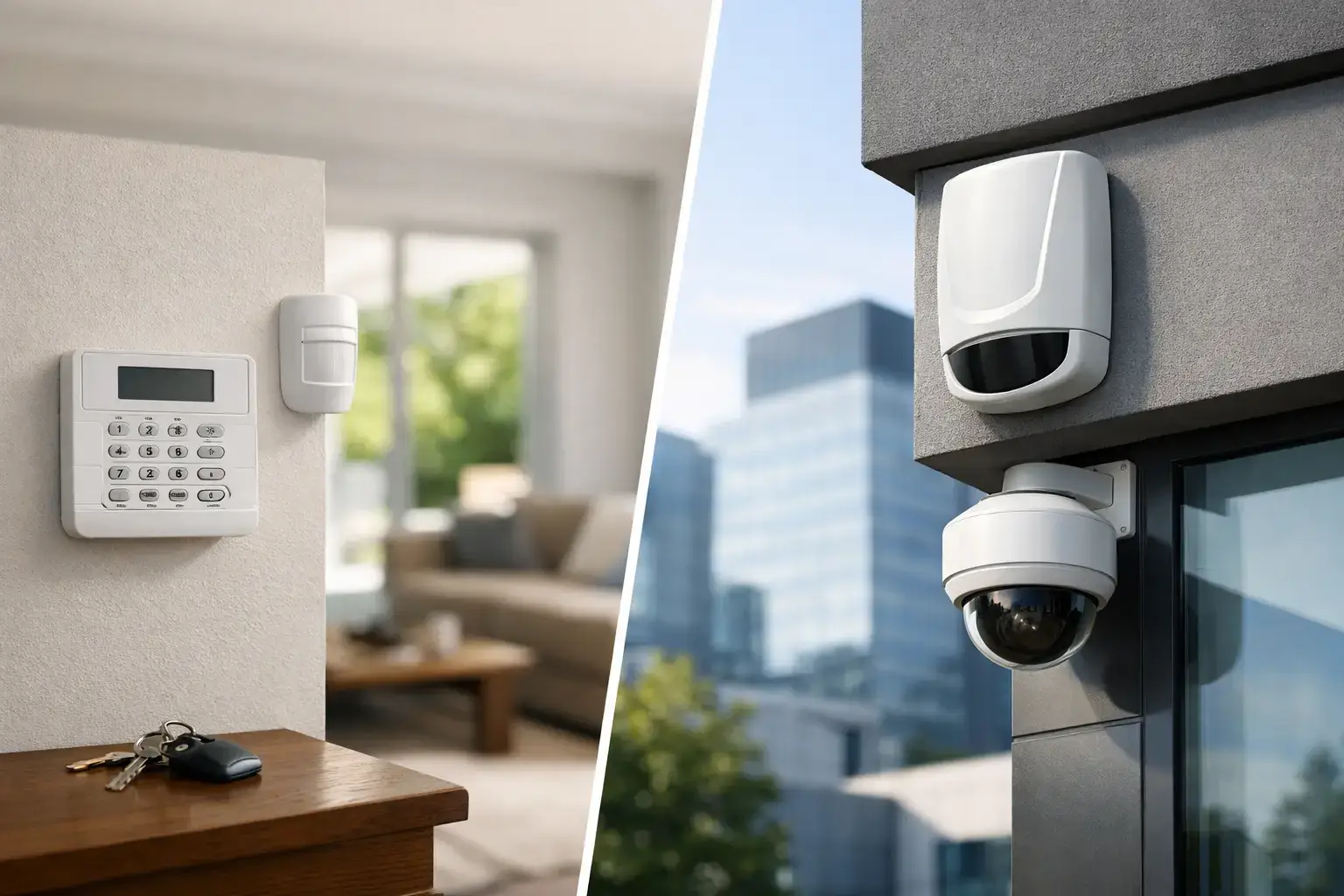
If you are comparing professional intruder alarms rather than DIY kits, a proper risco lightsys review should start with one question – what do you actually need the system to do day after day? For many homes and businesses, that means reliable detection, simple setting and unsetting, app control that people will genuinely use, and a system that can be configured to meet insurer and site requirements without becoming awkward to live with.
Risco LightSYS has been a well-known name in the professional alarm market for years, and that matters. It sits in a very different category to the low-cost smart alarms sold for self-install. This is a graded intruder alarm platform designed for professional installation, with wired, wireless and hybrid capability depending on the version and site layout. That makes it relevant for everything from houses and flats to shops, offices, warehouses and mixed-use buildings.
Risco LightSYS review: what it is really built for
LightSYS is best understood as a flexible alarm platform rather than a single off-the-shelf product. The core panel can be adapted around the property, the number of users, the risk level and the way the building is used. In practice, that gives installers room to design a more sensible system instead of forcing every site into the same package.
For a homeowner, that might mean perimeter protection downstairs, internal motion detection in key rooms and part-set options at night. For a business, it might mean separate areas for offices, stock rooms and staff entrances, with different user permissions and opening hours. That flexibility is one of the strongest points in any risco lightsys review, because alarm performance depends as much on design as it does on the panel itself.
The trade-off is that this is not a plug-and-play product. It needs proper surveying, correct detector choice and sensible programming. If that work is done well, LightSYS can be a very capable and dependable system. If it is not, even a good panel will feel frustrating.
Features that make LightSYS stand out
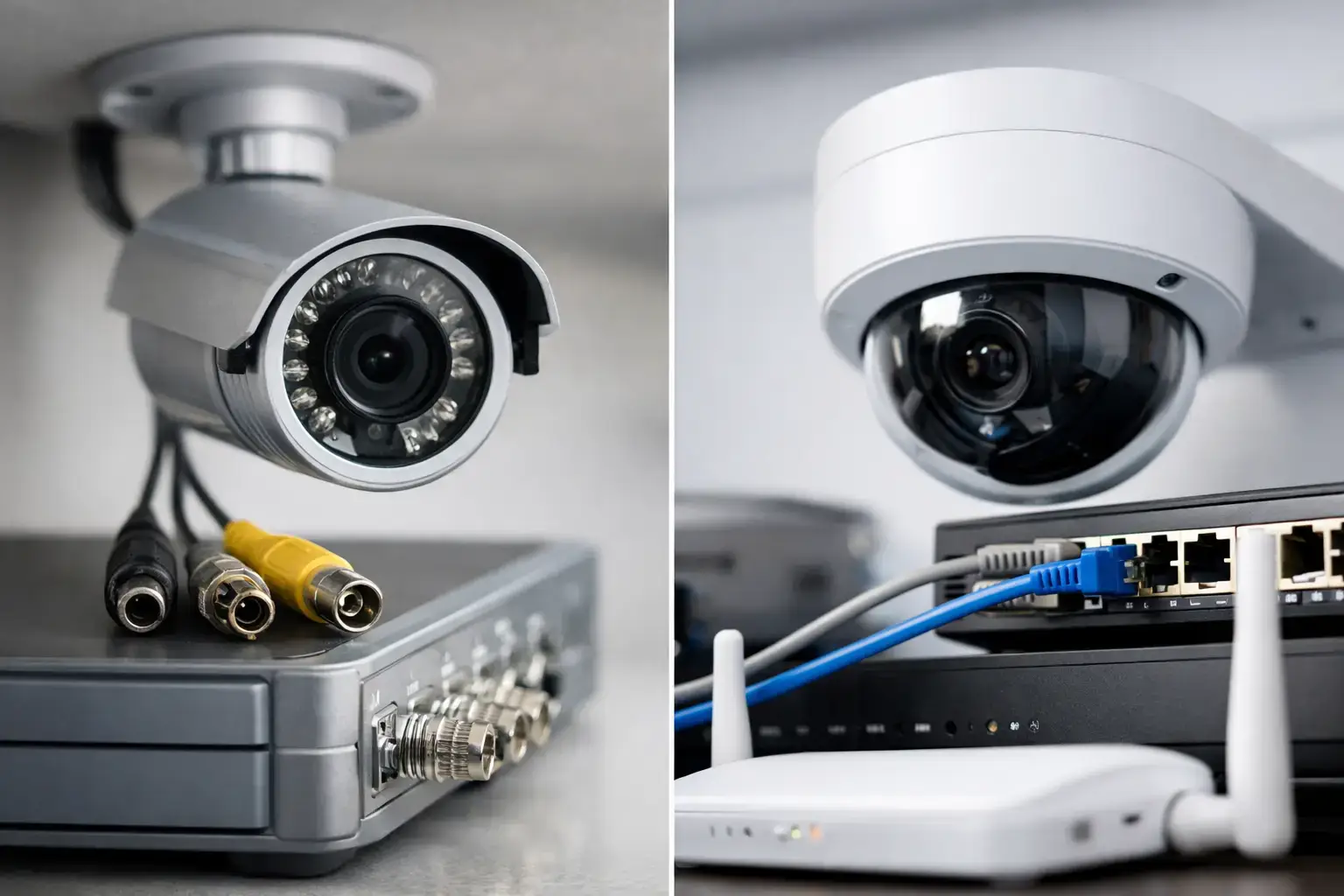
One of the main reasons LightSYS remains popular is its hybrid design. Many properties already have some cabling in place, but not always where you need it. A hybrid system lets you retain suitable wired devices while adding wireless detectors in areas where running new cable would be disruptive or costly. In older buildings, listed properties and occupied premises, that can make a major difference.
The system also supports app-based control and notifications, which most buyers now expect. From a user perspective, this means you can arm and disarm the system remotely, receive alerts and check system status without standing in front of a keypad. That is useful, but it should not be treated as the only reason to choose the system. Mobile control is only valuable when the underlying alarm configuration is right and false alarms are kept under control.
Another advantage is the ability to divide the system into multiple areas or partitions. That matters in commercial settings where different teams use different parts of the building, or where landlords and tenants need separate control arrangements. It can also help in larger homes where outbuildings, garages or annexes need their own logic.
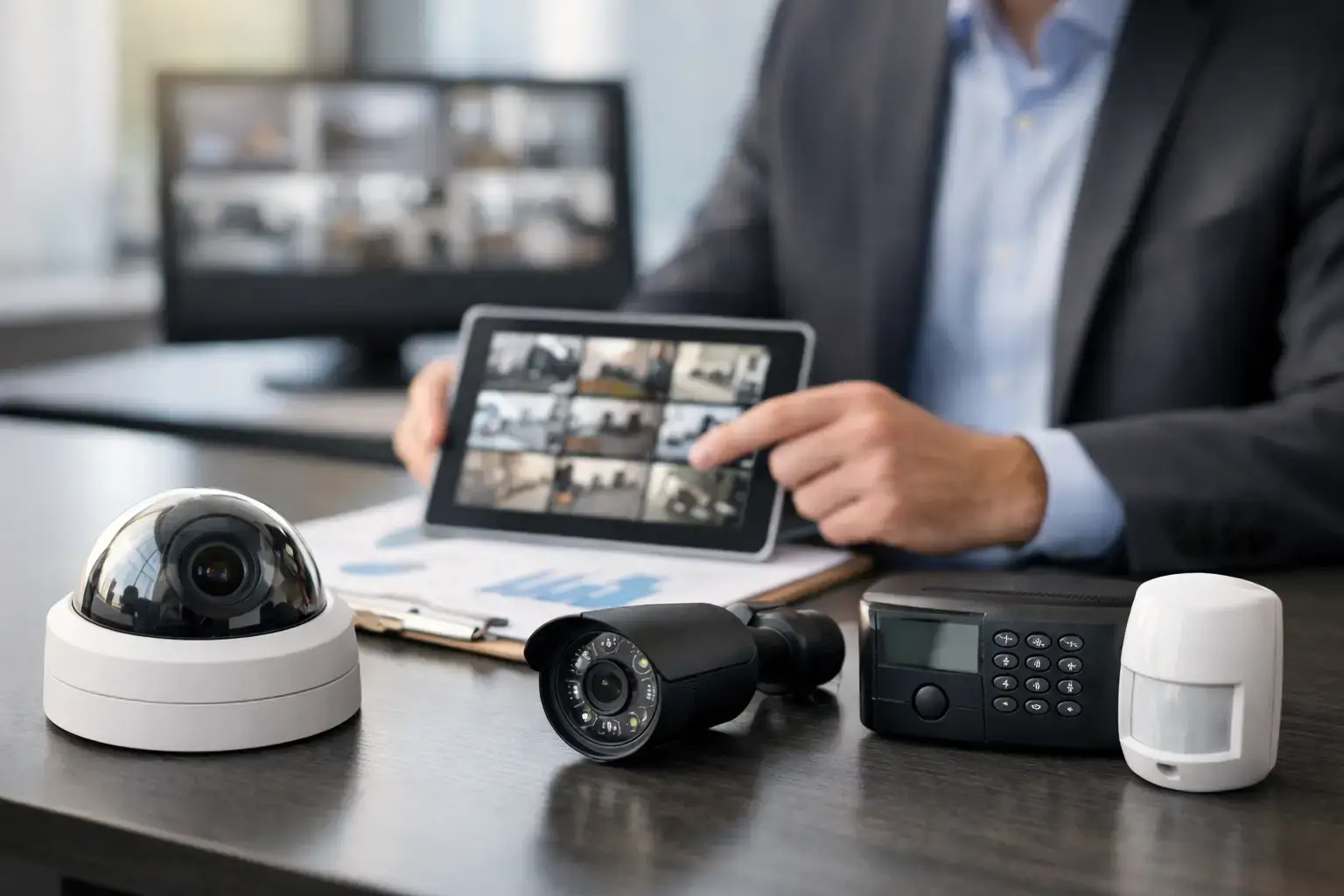
Integration options are often mentioned too. Depending on the setup, LightSYS can work alongside CCTV, access control and monitoring services. For clients looking at broader site security, that is more useful than buying several disconnected products that do not fit together operationally.
App control and remote management
The app experience is generally one of the better parts of the system when it has been commissioned correctly. Users can check whether the system is set, receive alarm events and manage basic actions without needing technical knowledge. For busy business owners and homeowners who travel regularly, that convenience is real.
That said, app dependence can become a weakness if expectations are not managed. No alarm system should be judged purely on whether the phone interface looks polished. Signal quality, communication paths, user permissions and response arrangements matter more. A good installer will explain exactly what the app can and cannot do, rather than overselling remote access as a replacement for proper security procedures.
Wired, wireless and hybrid options
This is where LightSYS often compares favourably with simpler systems. A purely wireless setup can be fast to install, but battery management and signal planning become more important. A wired setup offers stability but can be disruptive in finished properties. Hybrid design gives you more room to balance neat installation, performance and cost.
For commercial refurbishments and domestic retrofits alike, that flexibility is a practical benefit rather than a marketing extra.
How reliable is Risco LightSYS in everyday use?
In broad terms, LightSYS has a solid reputation when it is installed and maintained professionally. Reliability in alarm systems comes down to several factors: detector placement, communication setup, power supply resilience, maintenance standards and user training. The panel itself is only one part of that picture.
Where some users become dissatisfied is not usually because the platform is fundamentally weak. More often, the issue is poor system design, rushed commissioning or unrealistic expectations about how detectors behave in live environments. For example, a warehouse, a draughty entrance lobby or a home with pets may need a different detector strategy from a standard office or hallway.
This is especially important for false alarm reduction. LightSYS can be configured well, but no professional installer should pretend that technology alone removes false activations. The right device in the right place, correct entry and exit timing, and user discipline still matter.
Who should choose LightSYS and who might not
LightSYS suits buyers who want a professionally installed intruder alarm with room to tailor the system around the property. It is a strong fit for homeowners who want more than a consumer smart alarm, and for businesses that need graded protection, multiple users and scope for future expansion.
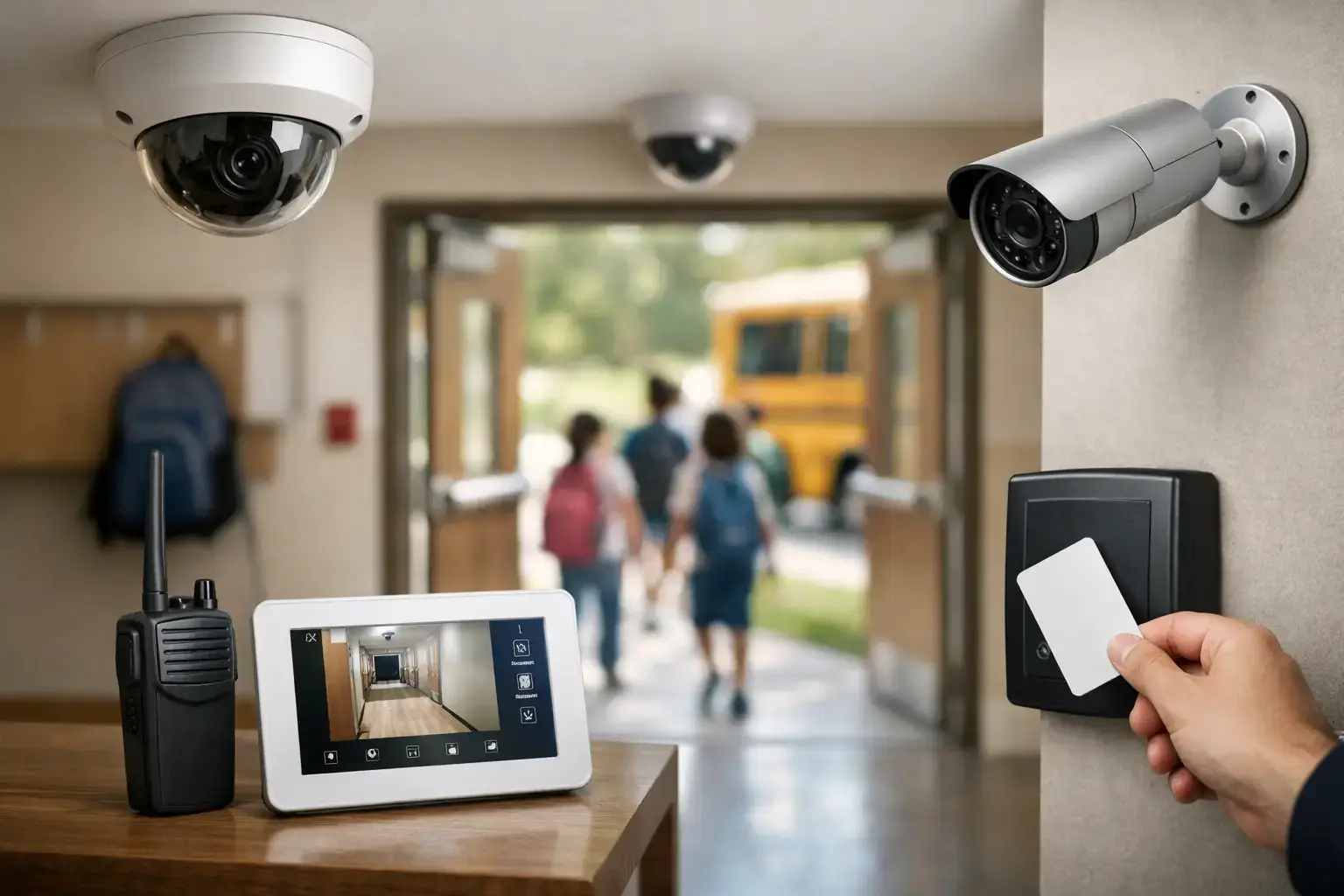
It also suits sites where a mix of wired and wireless devices makes sense. That includes older buildings, trading premises, schools, surgeries and offices where a full rewire would be disruptive.
It may be less suitable for people who only want the cheapest possible alarm with minimal setup and no interest in professional maintenance. In that case, a basic self-install system may look more attractive on day one, even if it offers less resilience and fewer compliance benefits. LightSYS is also more system than some very small properties need. A compact premises with straightforward risk may not require this level of flexibility.
Risco LightSYS review on cost and value
Cost depends heavily on the design. The panel is only part of the total price. Keypads, detectors, sounders, signalling, monitoring, app services, labour and ongoing maintenance all affect the final figure. That is why simple online price comparisons are often misleading.
From a value perspective, LightSYS tends to make sense when you need a system that can be configured properly for the building rather than chosen purely on headline cost. In commercial settings especially, the real value is in dependable operation, reduced nuisance, appropriate grading and support over time. One avoidable false callout, one missed vulnerability or one poor-quality installation can quickly outweigh any saving made by choosing the cheapest option.
For domestic customers, the value case is usually about confidence. A professionally designed system that works consistently, integrates with how the household uses the property and can be maintained properly is a different proposition from a box of devices bought online.
Installation and maintenance matter as much as the panel
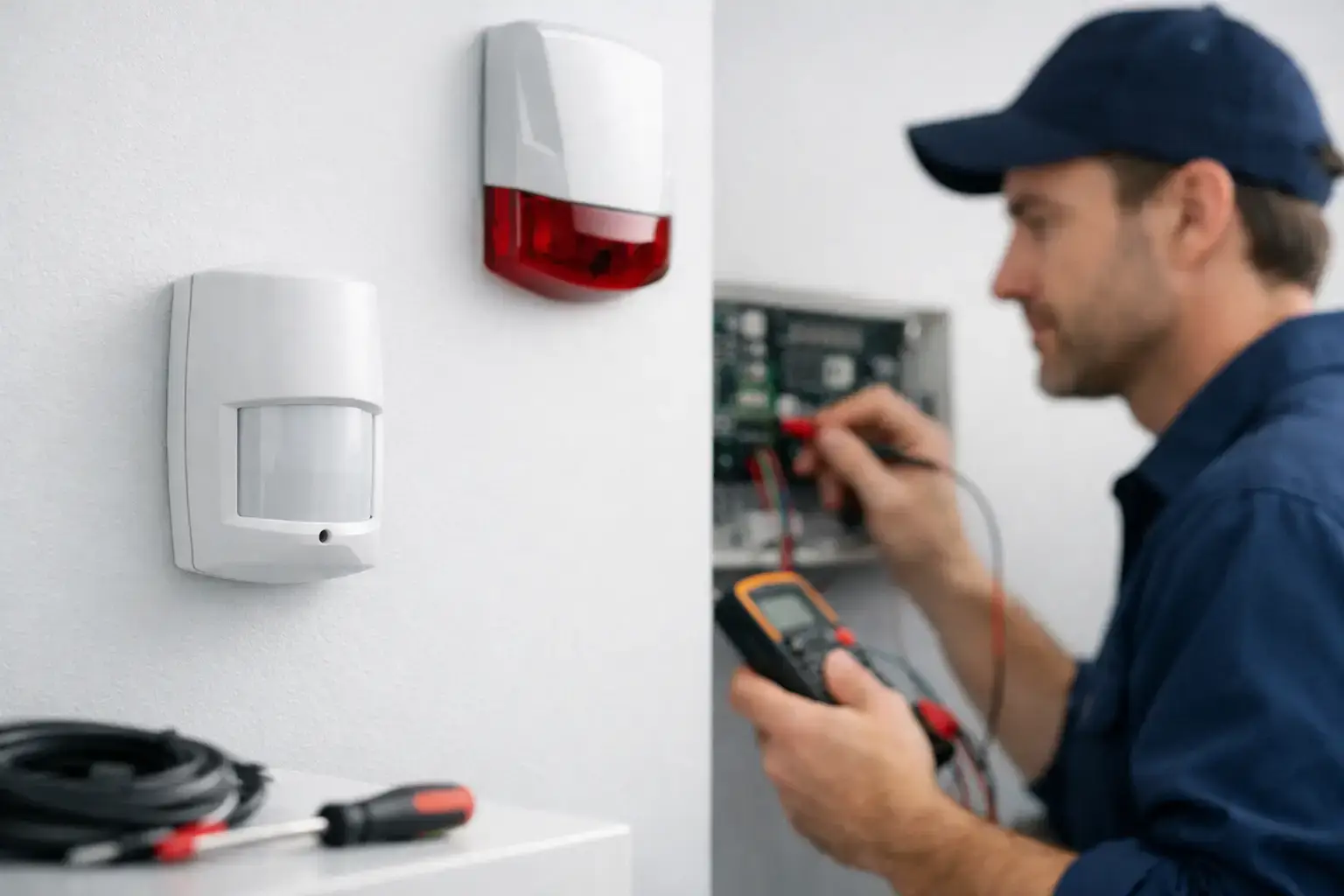
No honest review should separate the product from the installation standard. A good LightSYS system starts with a proper survey. Entry points, vulnerable areas, user habits, communication resilience and future expansion should all be considered before anyone starts fitting devices.
Maintenance matters just as much. Batteries, signalling paths, detector performance and event logs all need periodic checking. For commercial clients, this is not just about convenience. It can also support compliance, insurer expectations and operational continuity.
That is why many buyers are better served by using a specialist installer rather than treating alarm selection as a simple product purchase. The panel may carry the brand name, but the long-term result depends heavily on who designs, fits and supports it.
Final view on LightSYS
Risco LightSYS remains a credible choice for homes and businesses that want a professional intruder alarm rather than a gadget-led alternative. Its strengths are flexibility, hybrid capability, graded security options and suitability for tailored installation. Its weaknesses are mostly the same as any advanced alarm platform – it depends on correct design, proper setup and ongoing support to show its best.
For the right site, it is a very good system. For the wrong site, or in the wrong hands, it can be more system than necessary. If you are weighing up options across Essex, London or the South East, the sensible next step is not to ask which panel has the most features on paper. It is to ask which system will be designed properly for your building, your risks and the way people actually use the space.