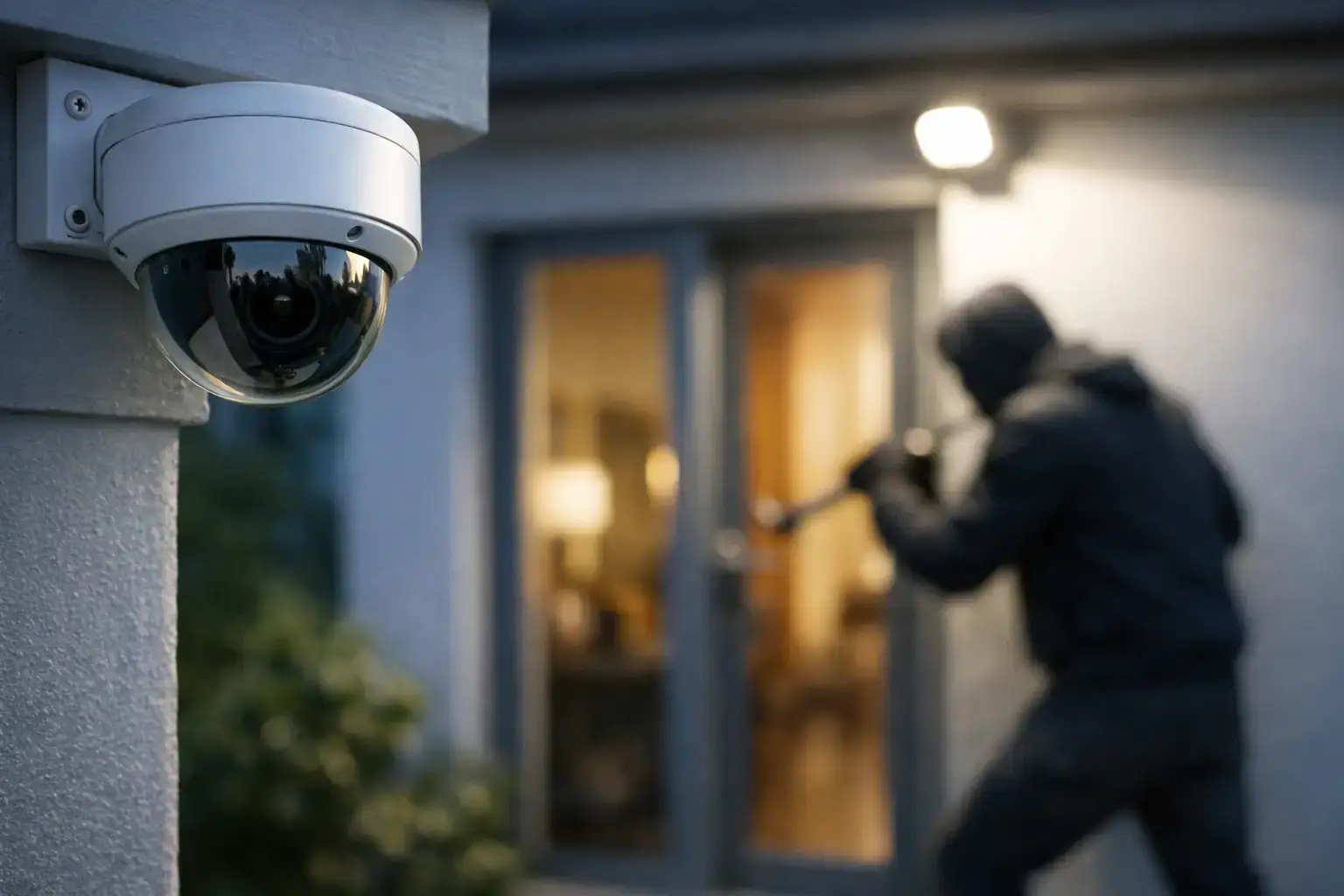
A burglar standing outside a property is making quick judgements. Is this place occupied? Will anyone notice? How long can I stay before I am challenged? That is where the question can CCTV deter burglary becomes practical rather than theoretical. In many cases, yes, it can – but only when the system is properly designed, clearly visible and supported by the wider security measures around it.
CCTV changes the risk calculation for an intruder. A visible camera suggests evidence, identification and a higher chance of police involvement or staff intervention. For a homeowner, that may be enough to make a burglar move on to an easier target. For a business, it can reduce opportunist theft, out-of-hours break-ins and repeat attempts at vulnerable access points. The key point is that CCTV does not deter burglary simply by existing. It works best when it is obvious, reliable and part of a joined-up security strategy.
Can CCTV deter burglary on its own?
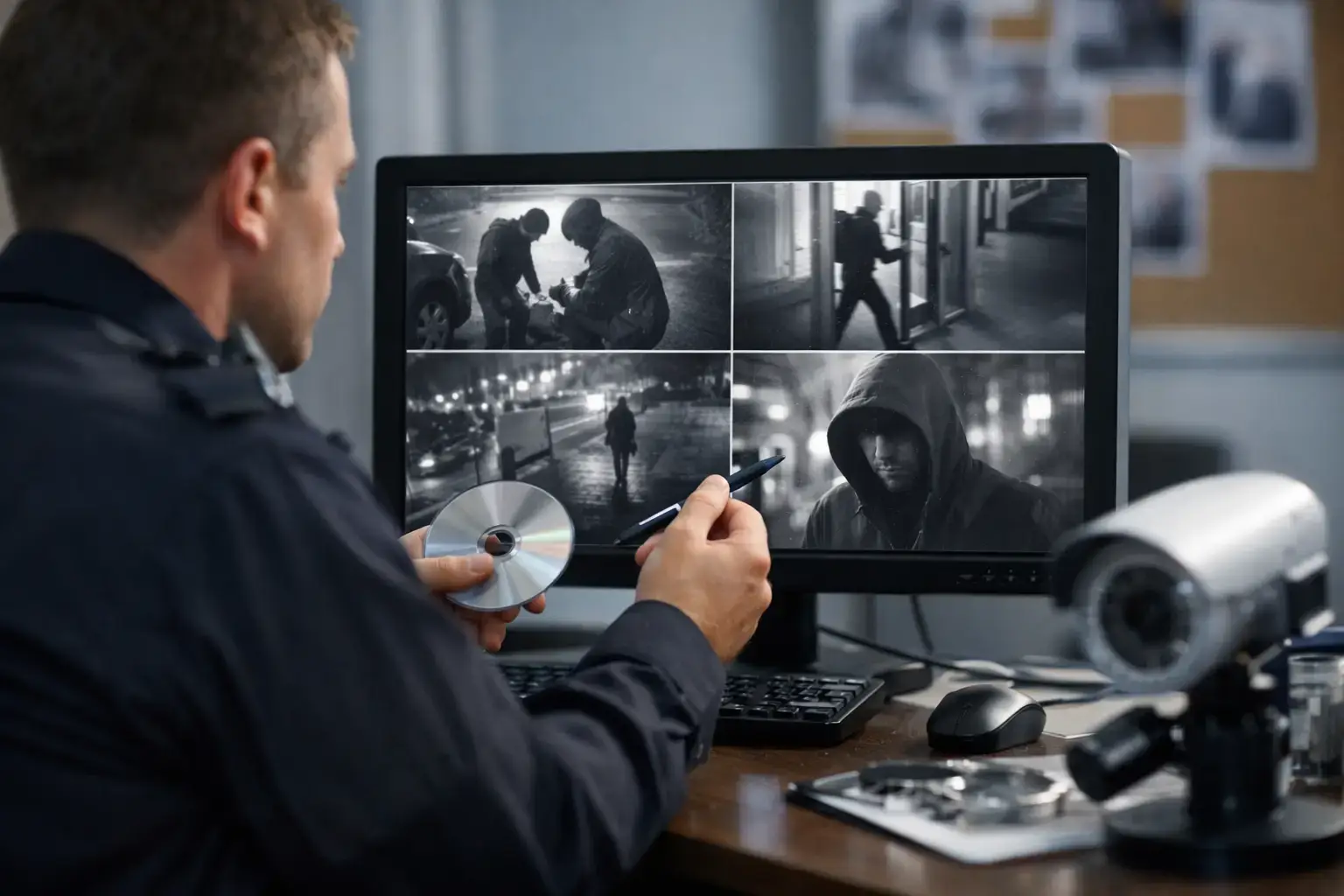
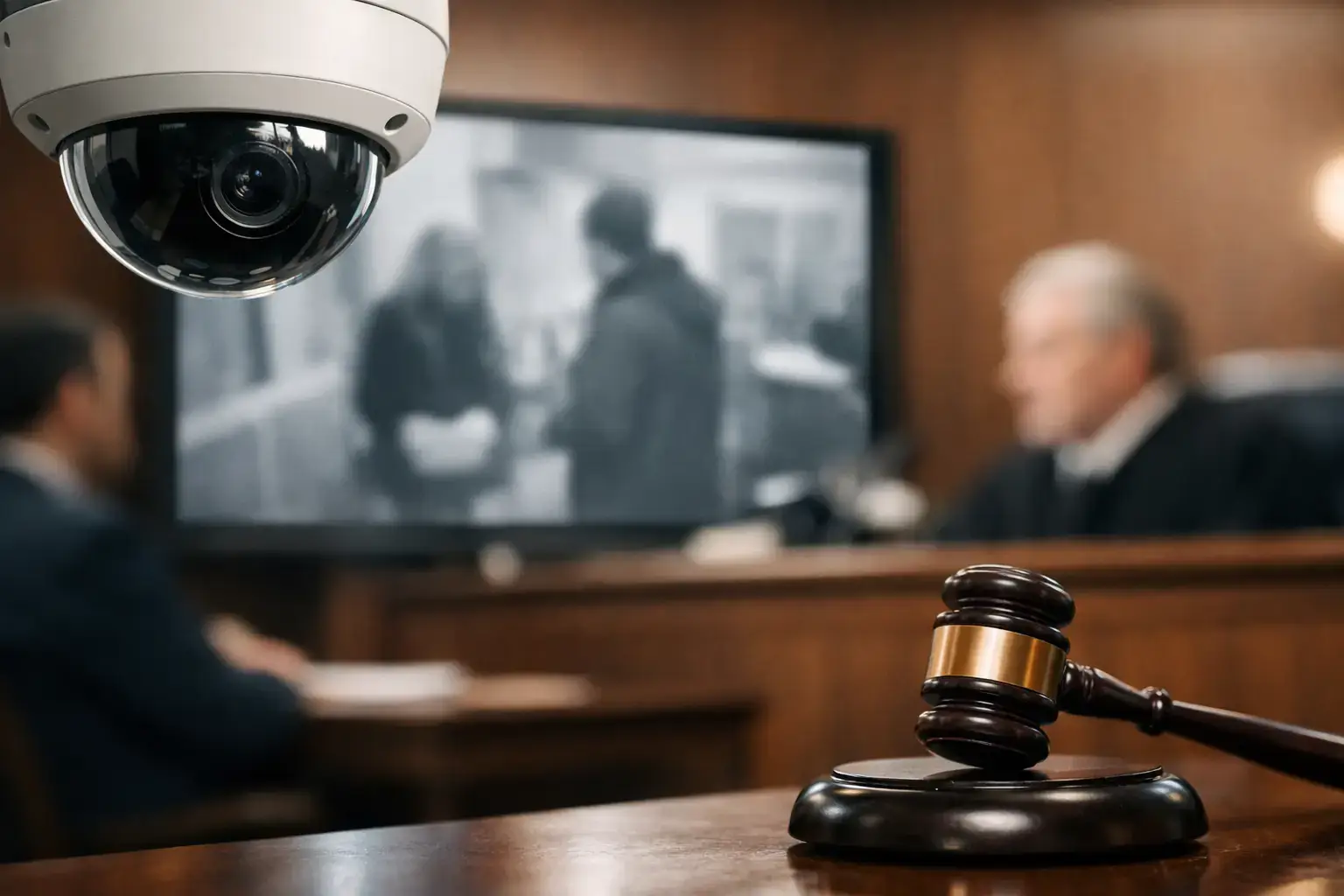
Sometimes, but not always. A camera mounted prominently on the front of a house or above a commercial entrance can discourage opportunist offenders, particularly where neighbouring properties appear less protected. In that sense, CCTV acts as a visual warning. It tells the intruder that their actions may be recorded, reviewed and used as evidence.
However, determined burglars do not always walk away because they spot a camera. Some will cover their face, approach from a blind spot or test whether the system is genuine. Others will assume that poor image quality, bad positioning or lack of monitoring makes the camera less of a threat. That is why relying on CCTV alone can leave gaps.
For stronger protection, CCTV should work alongside intruder alarms, security lighting, secure doors and windows, controlled access and, where appropriate, remote monitoring. Together, these measures increase the chance that an offender is seen, identified and interrupted before a theft is completed.
Why visible CCTV makes burglars think twice
Burglary is often driven by speed and low risk. The longer an offender has to spend forcing entry, searching a property or removing goods, the more vulnerable they become. CCTV adds pressure because it creates uncertainty. Even if they do not know whether someone is actively watching, they know they may be captured on footage.
That matters for both residential and commercial properties. A homeowner wants to know that a front drive, side gate or rear garden approach is covered. A business owner or facilities manager may need clear surveillance of loading bays, external perimeters, staff entrances, cash handling areas or plant rooms. In each case, a visible system signals that the property is managed and security-conscious.
Professional installation also makes a difference. Well-positioned cameras covering likely entry routes are more persuasive than a single device pointing vaguely at a car park or front wall. Offenders are often experienced enough to spot weak layouts. If the camera cannot see faces, number plates or the actual point of entry, its deterrent value falls.
What makes CCTV an effective burglary deterrent?
The answer is not simply more cameras. Effectiveness depends on whether the system creates genuine risk for the intruder.
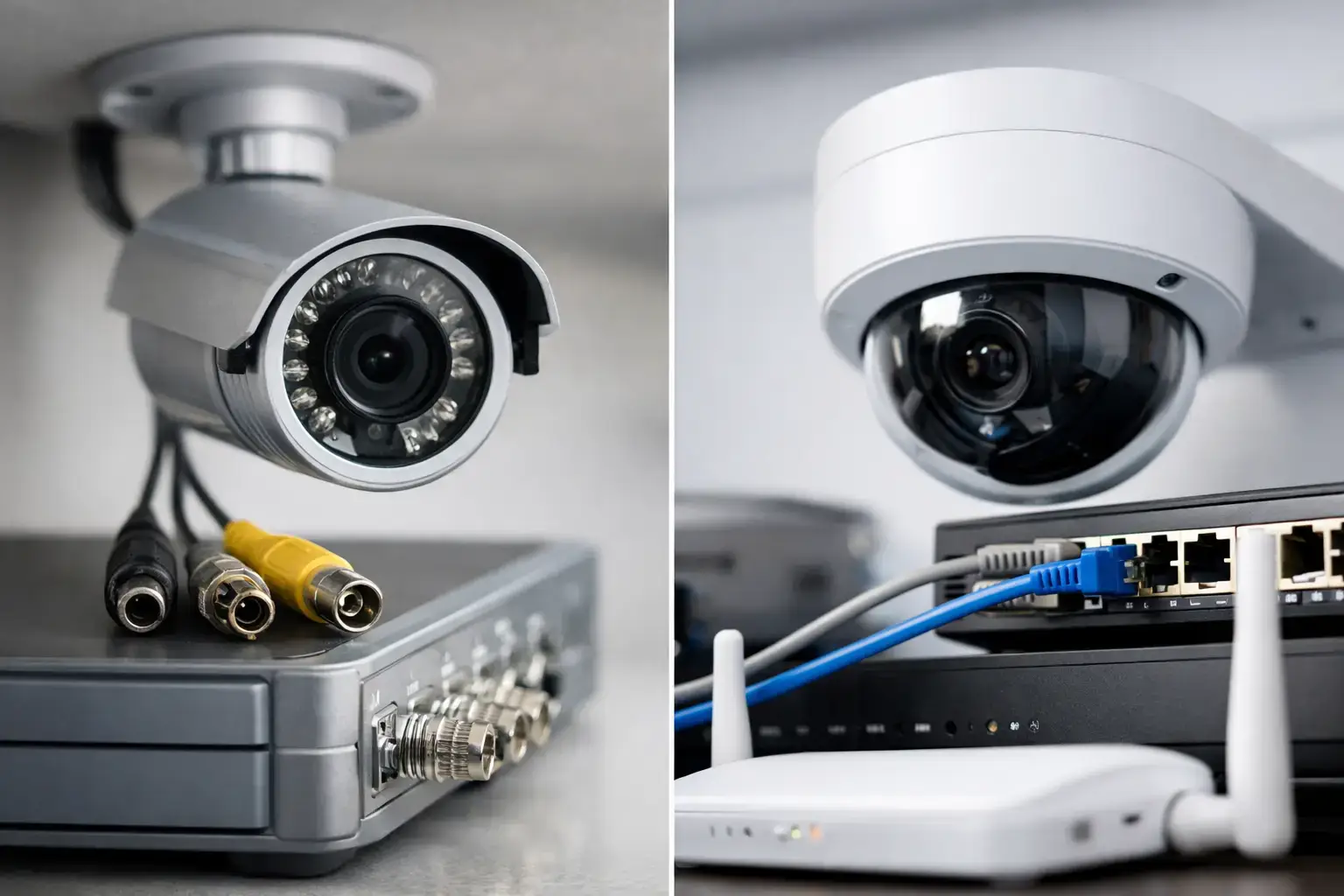
Image quality is one factor. Grainy footage may confirm that someone was present, but it may do little to identify them. Clear HD or IP-based systems give better evidential value and make the deterrent more credible.
Placement is equally important. Cameras should cover the routes a burglar is most likely to use, including front approaches, side access, rear doors, windows at ground level and any secluded areas where entry could be attempted without immediate visibility from the street.
Lighting matters too. A camera that performs well during the day but poorly at night may leave the property exposed during the hours when burglary is most likely. Infrared capability, low-light performance and carefully planned external lighting all improve results.
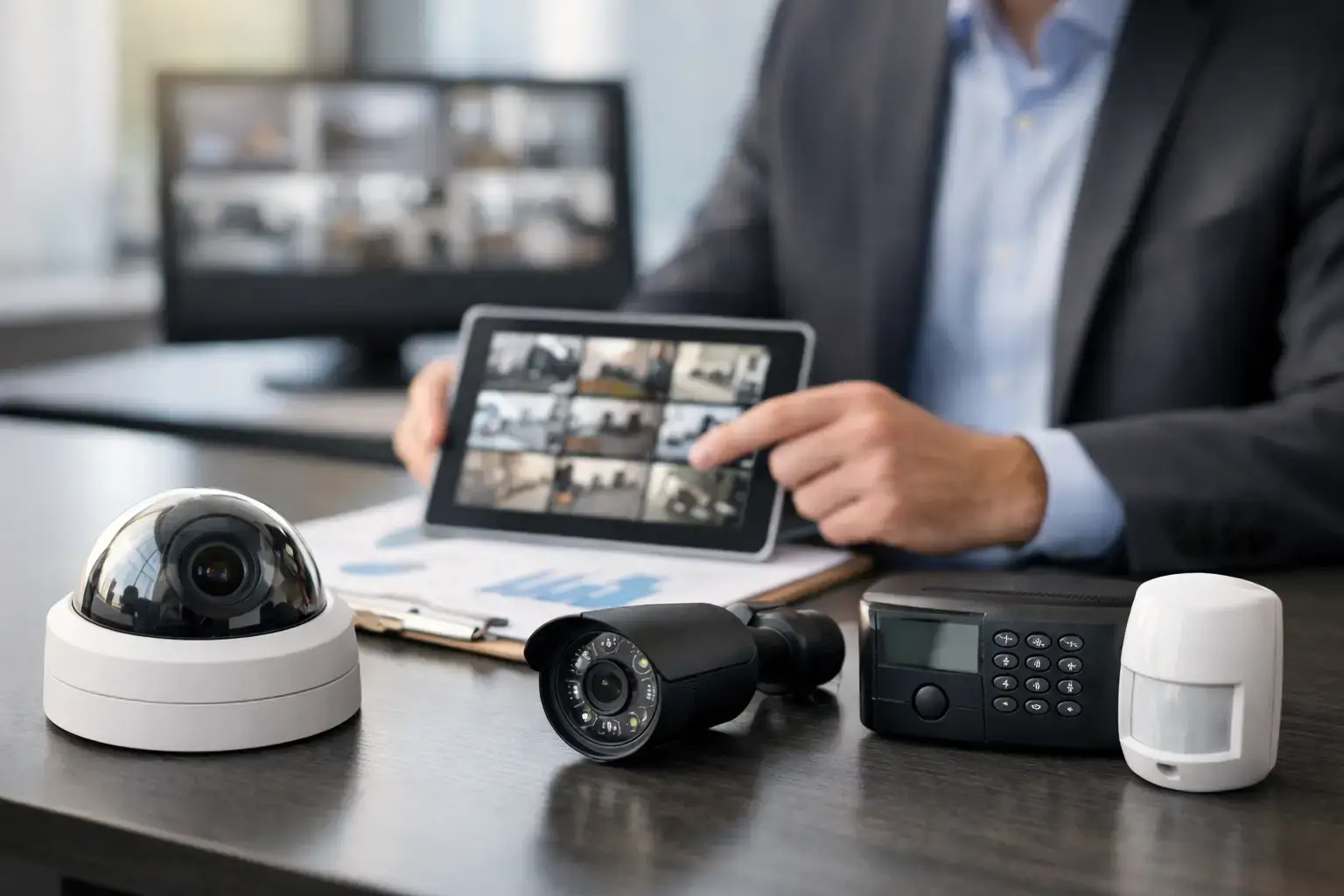
There is also a difference between passive recording and active response. If a system is monitored, linked to alerts or integrated with an intruder alarm, the deterrent effect increases because the risk to the offender is no longer just future identification. It becomes immediate detection.
Can CCTV deter burglary better in homes or businesses?
It depends on the setting and the type of offender.
For homes, CCTV is particularly effective against opportunist burglary. Visible cameras at the front door, driveway or side access can make a property appear harder to target than others nearby. Homeowners also benefit from remote viewing, which allows them to check their property when away and respond quickly if something looks wrong.
For businesses, the value is often broader. CCTV can deter not only external burglars but also trespass, vandalism and internal theft. Commercial premises usually have more complex risks, including multiple access points, larger perimeters and periods when buildings are unoccupied. In these environments, CCTV works best when combined with alarms, access control and a planned response process.
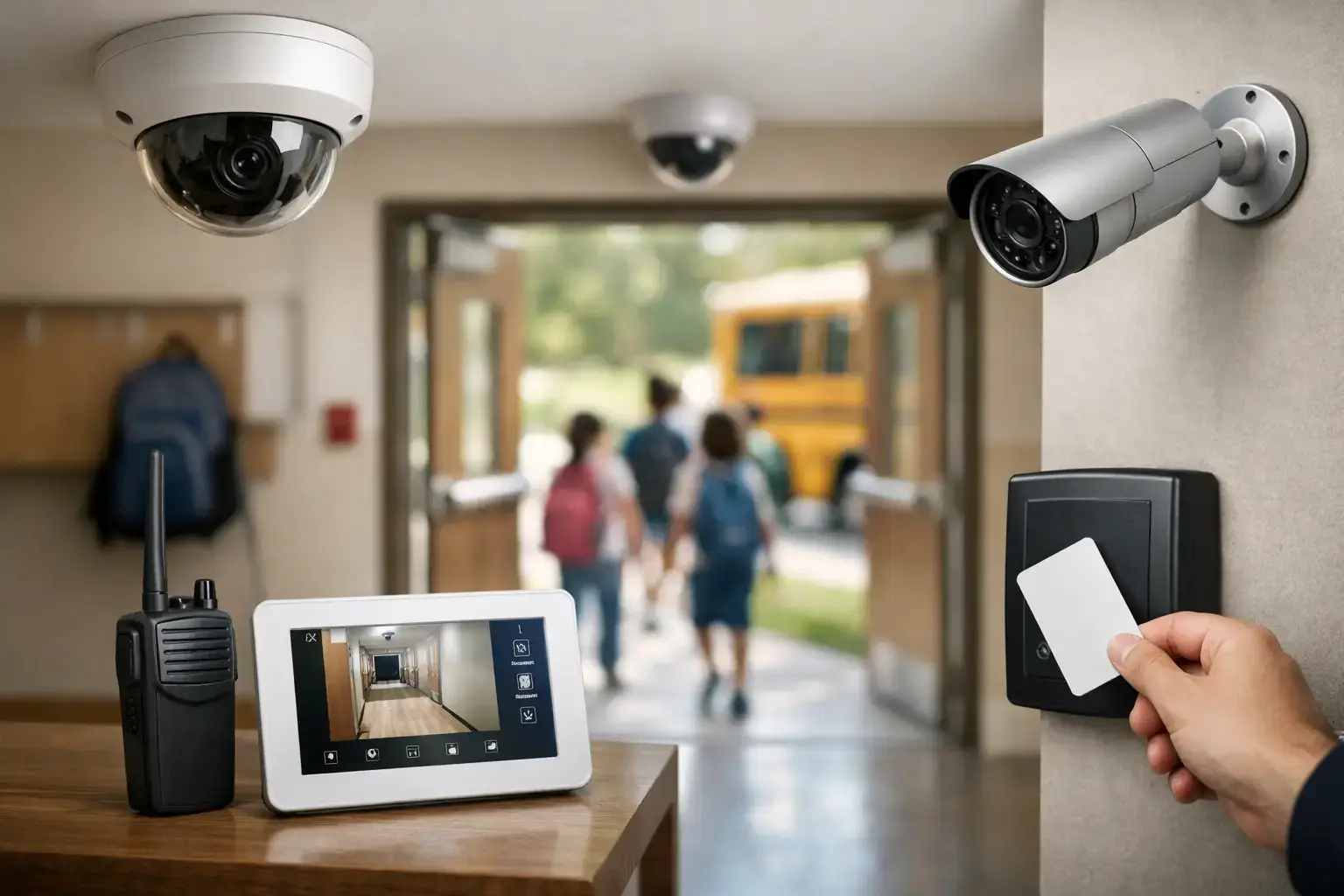
A small retail unit may need strong coverage of its entrance, till area and rear service door. A warehouse may need perimeter surveillance, yard coverage and number plate capture at vehicle entrances. A school, surgery or office building may need discreet but comprehensive monitoring that protects people as well as property. The principle stays the same, but the design must match the site.
The limits of CCTV in burglary prevention
Good security advice should be honest about trade-offs. CCTV can deter burglary, but it does not physically stop someone forcing a door, smashing a window or entering a poorly secured site. If the camera captures the event clearly but there is no alarm, no rapid response and no meaningful barrier to entry, the offender may still complete the crime before anyone intervenes.
There is also the issue of false confidence. Some properties install visible cameras but overlook maintenance, system health or recording capacity. A camera that is dirty, misaligned, offline or poorly configured may offer far less protection than expected. That can become a serious problem if an incident occurs and the footage is unusable.
Consumer-grade systems can also fall short in larger or higher-risk settings. They may be suitable for basic domestic coverage, but they are not always ideal where insurers, compliance requirements or evidential quality standards apply. In many commercial environments, professionally specified systems are the safer choice because they are designed around actual risk rather than convenience.
Can CCTV deter burglary more effectively with other security measures?
Yes. In practice, the strongest deterrent comes from layered security.
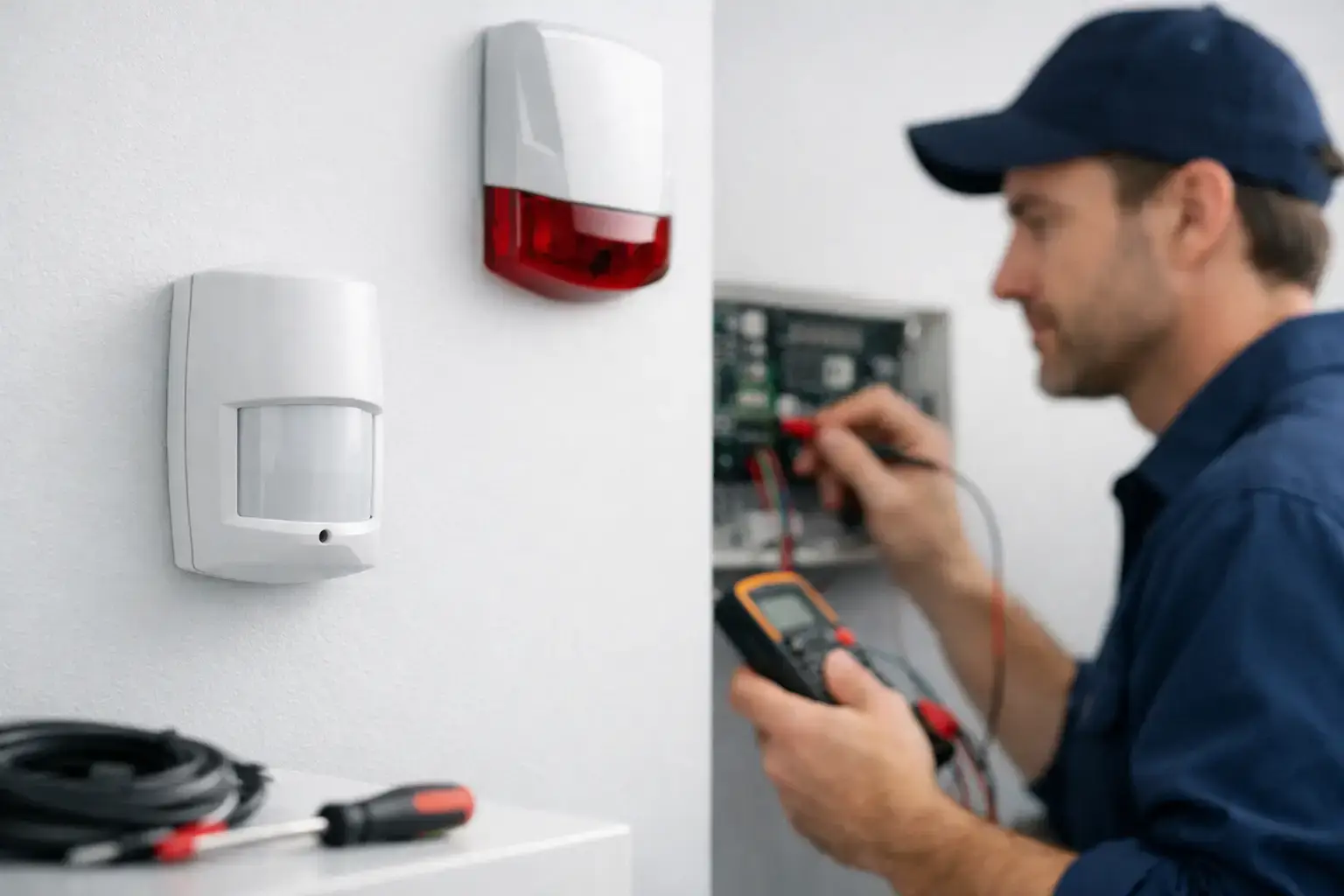
An intruder alarm creates noise, urgency and the prospect of immediate attention. Access control limits how easily unauthorised people can enter. Security lighting removes cover at night. Well-maintained locks, shutters and doors make forced entry harder and slower. CCTV supports all of this by showing what is happening, recording evidence and helping with verification if an alert is triggered.
That combined effect is valuable. A burglar looking at a property protected by visible CCTV, a monitored alarm and secure entry points sees more than a camera. They see delay, exposure and a greater chance of being caught. That often sends them elsewhere.
This is why a proper survey matters. The best solution is rarely a standard kit fitted the same way on every site. A detached house in Essex, a construction site in London and a logistics yard in the South East all present different risks, blind spots and operating patterns. System design should reflect that reality.
How to judge whether your CCTV is likely to deter burglary
A simple test is to look at your property as an offender would. Can they see the cameras easily? Are the likely entry routes covered? Would the footage identify a face at the point of approach? Is the system effective at night? Would an activation be noticed quickly, or only reviewed after the event?
If the answer to several of those questions is no, the deterrent value may be limited. The right improvements are often straightforward, such as repositioning cameras, upgrading image quality, adding external coverage or linking CCTV with alarms and remote access.
For higher-risk properties, professional advice is worth having early rather than after a break-in. An experienced installer can identify weak points that are easy to miss, especially on larger sites or buildings with multiple users. That is one reason many property owners and businesses choose a specialist provider such as 247 CCTV, where system design, installation and ongoing support are considered together rather than as separate tasks.
CCTV is not a guarantee that burglary will never happen. What it does, when properly specified and maintained, is make your property a less attractive target and improve your position if an incident is attempted. For most burglars, easier options are always preferable. Your security only needs to make that decision harder. The right CCTV system can do exactly that.