A warehouse can lose thousands in a single night, and the damage is not always limited to stolen stock. Forced entry, disrupted deliveries, staff risk, insurer scrutiny and downtime can all follow. That is why knowing how to secure warehouses properly matters well beyond putting a few cameras on the wall.
Warehouse security works best when it is designed around how the site actually operates. A busy logistics depot with late-night vehicle movements needs a different approach from a small storage unit with limited staff access. The right answer is rarely one product on its own. It is usually a combination of perimeter protection, well-positioned CCTV, controlled access, reliable alarms and clear procedures that support the technology.
How to secure warehouses from the outside in
Most warehouse crime starts at the perimeter. If intruders can approach unseen, test doors without challenge or exploit weak fencing, the building itself becomes much harder to protect. The first step is to think in layers.
A secure perimeter should make access difficult, visible and time-consuming. Good fencing, lockable gates and well-maintained boundary lines create a clear edge to the site. Lighting then plays an important part. Dark service yards, rear loading areas and side access routes are common weak points, especially where stacked pallets, skips or parked vehicles create cover.
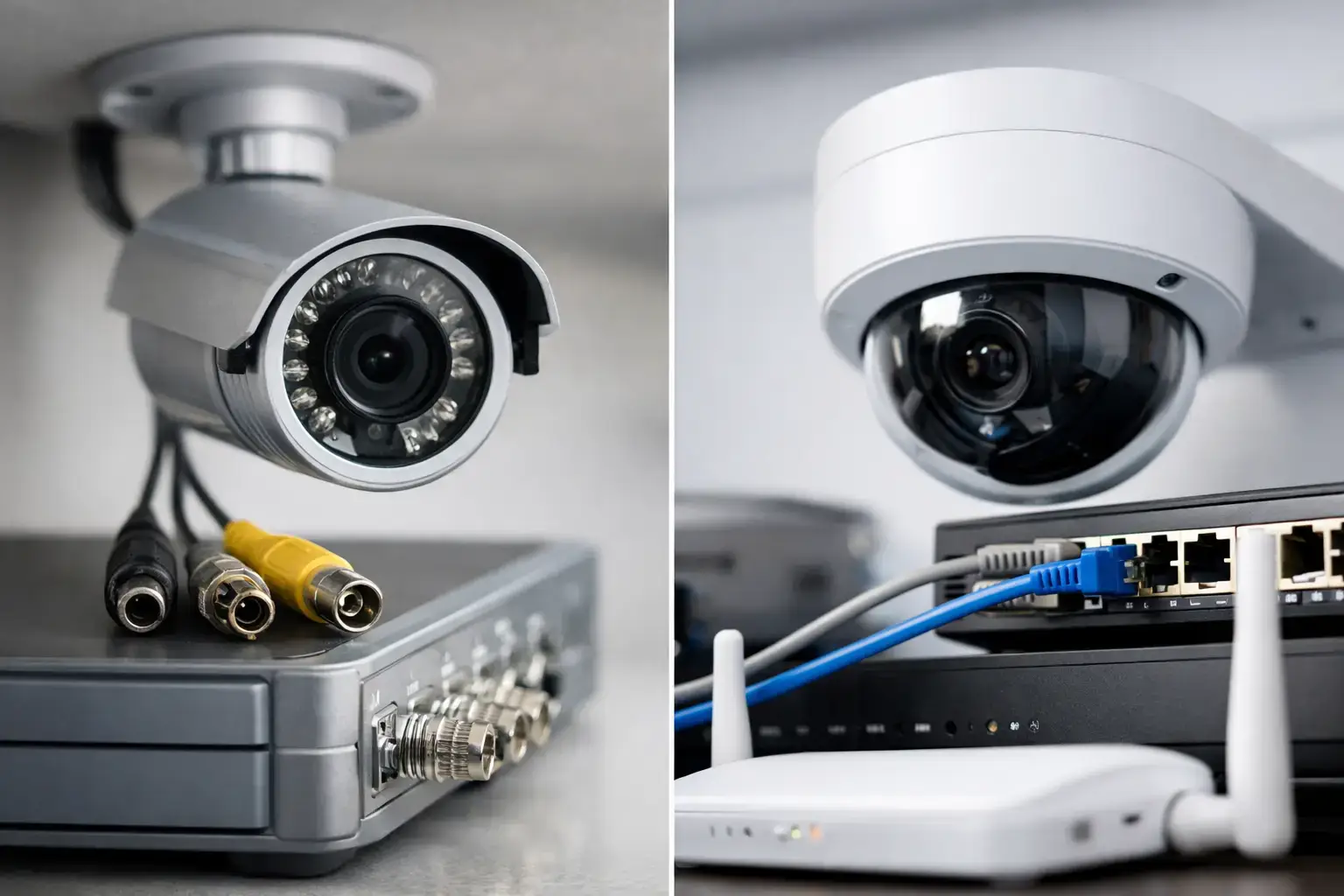
CCTV is often most effective at this outer layer when it is planned correctly. Wide coverage cameras help monitor vehicle approaches and yard activity, while tighter views can be used on gates, entry points and vulnerable corners. On larger sites, analytic CCTV can add another level of protection by identifying line crossing, loitering or out-of-hours movement. That can help security teams or keyholders respond to genuine activity rather than reviewing footage after the event.
There is a balance to strike here. Flooding a site with cameras does not always improve security if image quality, positioning and lighting have been ignored. Warehouses need usable footage, not just recorded footage. Number plate capture at the gate, clear facial images at pedestrian entrances and dependable night performance matter more than camera count alone.
Start with a proper warehouse risk assessment
If you want a serious answer to how to secure warehouses, start with a survey rather than a shopping list. The best systems are built around site-specific risks.
A useful assessment looks at what is being protected, when the site is most vulnerable and how an intruder would realistically try to enter or move through the premises. High-value stock, pharmaceuticals, electronics, bonded goods and tools all create different levels of risk. So do contractor access, shift patterns, shared yards and multiple roller shutters.
It is also worth considering insider risk. Not every security issue comes from an external break-in. Warehouses often have temporary staff, agency workers, visiting drivers and contractors on site. Access privileges, camera placement and audit trails should reflect that reality without making day-to-day operations difficult.
For many businesses, insurer requirements also influence system design. Professionally installed, insurer-recognised security can make a real difference, particularly where high-value stock is held or where monitoring and confirmed alarm response are expected. This is where working with an experienced, SSAIB-regulated installer becomes more than a compliance box. It helps make sure the system is fit for purpose from day one.
CCTV should support operations, not just investigations
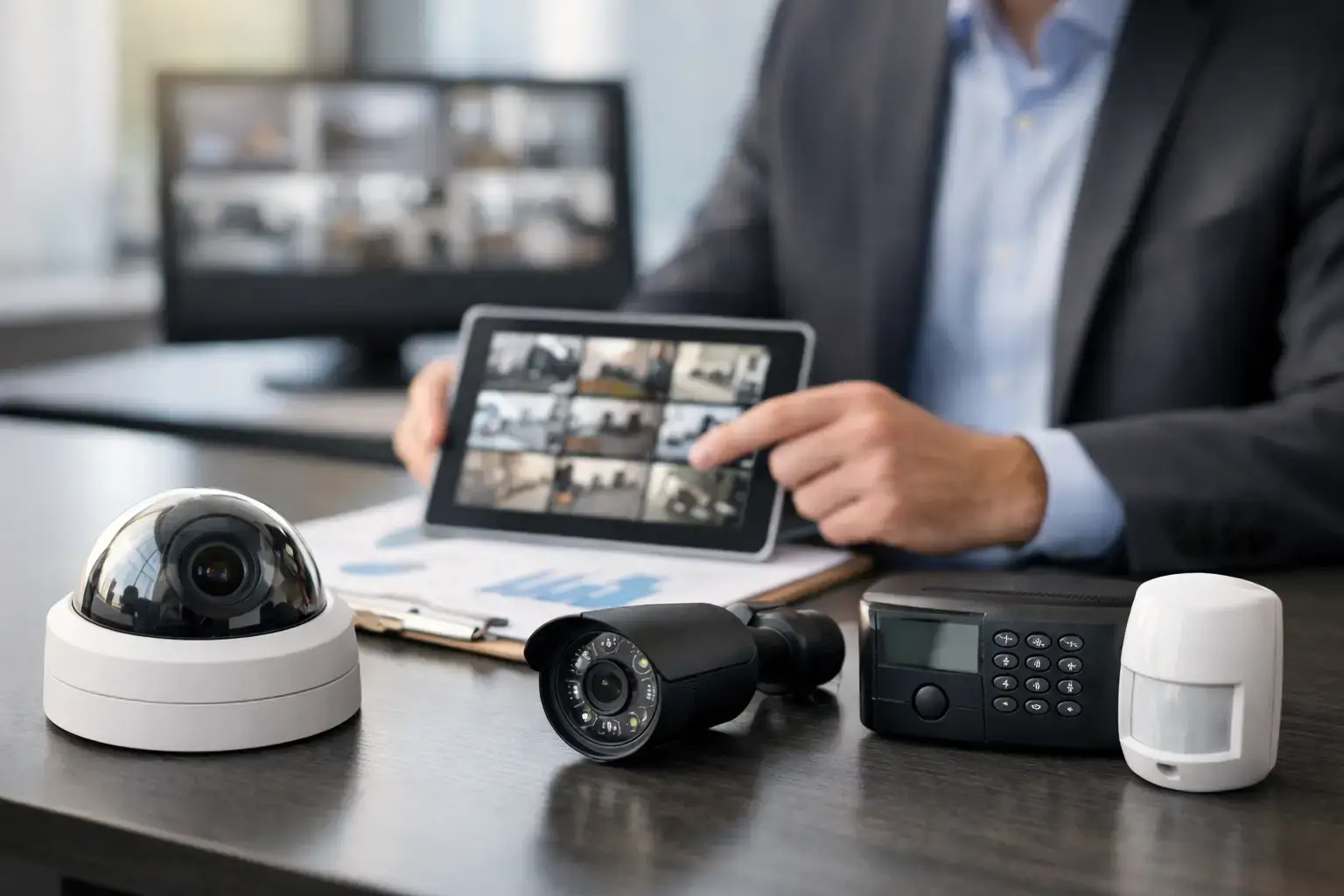
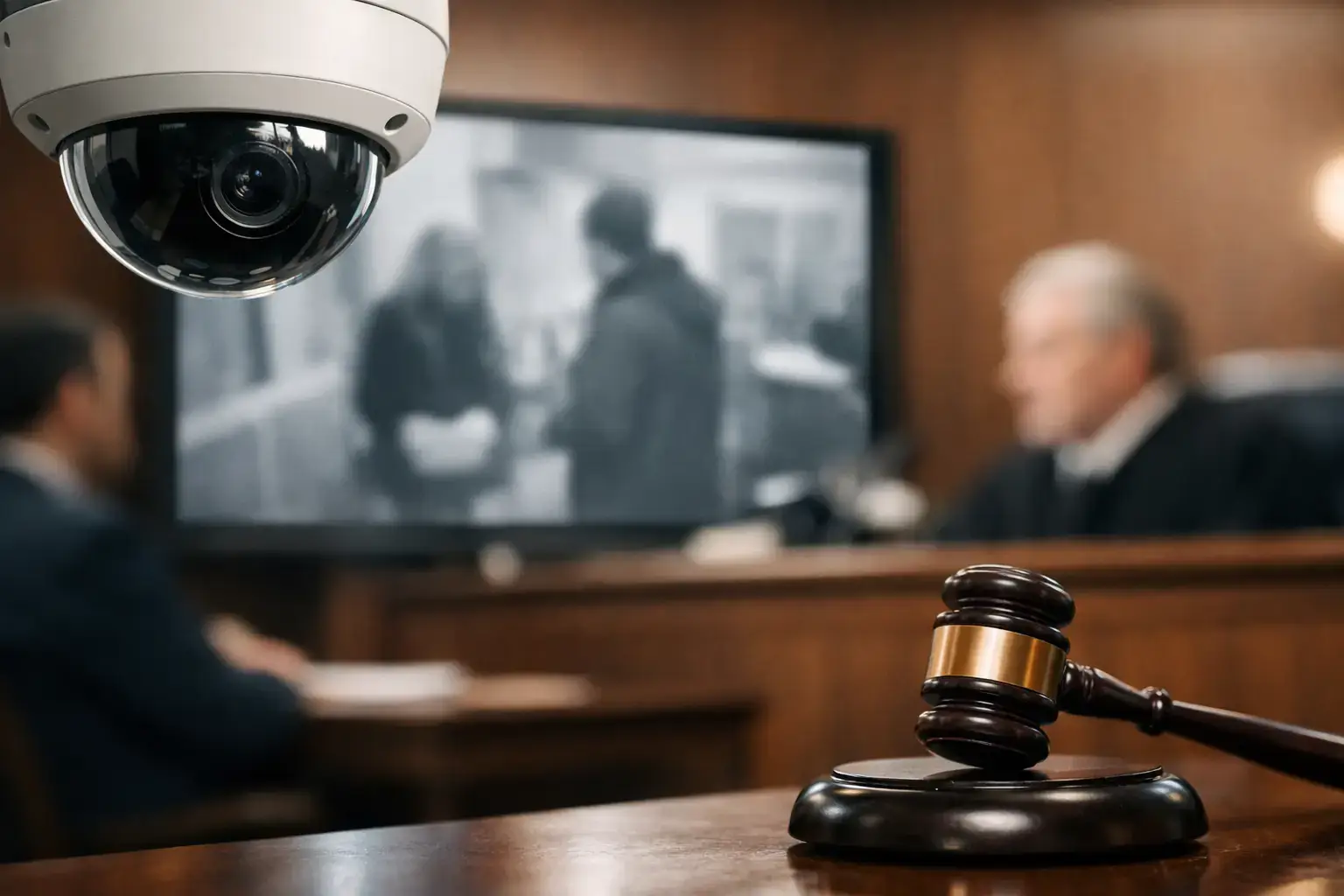
Warehouse CCTV is often judged by what it captures after an incident, but its real value starts earlier. Visible cameras can deter opportunist theft, support health and safety reviews, monitor loading bays and help managers verify events quickly.
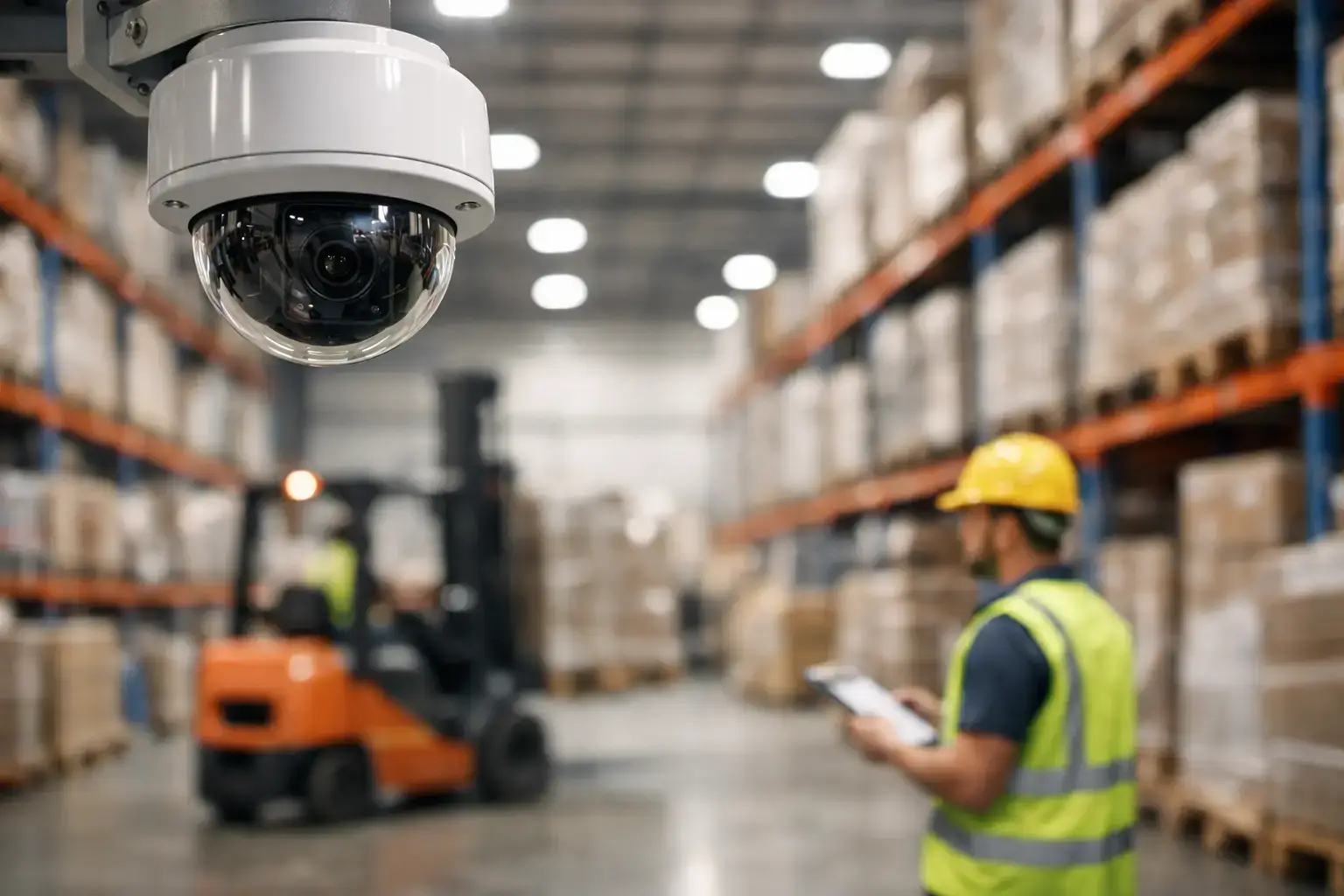
Camera placement should follow movement and risk. Entrances, exits, loading bays, roller shutters, cage storage areas, goods-in, dispatch zones and external yards are obvious priorities. Staff welfare must also be considered, so coverage should be proportionate and appropriate to the environment.
Where sites operate around the clock, remote viewing can be particularly useful. Managers and authorised keyholders can check activity without travelling to site, which is valuable when an alarm activates outside business hours. On larger or higher-risk premises, monitored CCTV and video verification can improve response and reduce uncertainty.
Image retention, system health checks and maintenance are just as important as installation. A camera that has drifted out of position, a recorder with failed storage or a dirty lens over a loading area can leave critical gaps. Warehouses are harsh environments for equipment because of dust, vibration, weather exposure and heavy traffic. Ongoing servicing is part of security, not an optional extra.
Access control is central to warehouse security
Many warehouse operators focus heavily on perimeter and intrusion, but poor control of legitimate entry can create just as much risk. If too many people have keys, codes are shared freely or rear staff doors are left unmanaged, the system is already compromised.
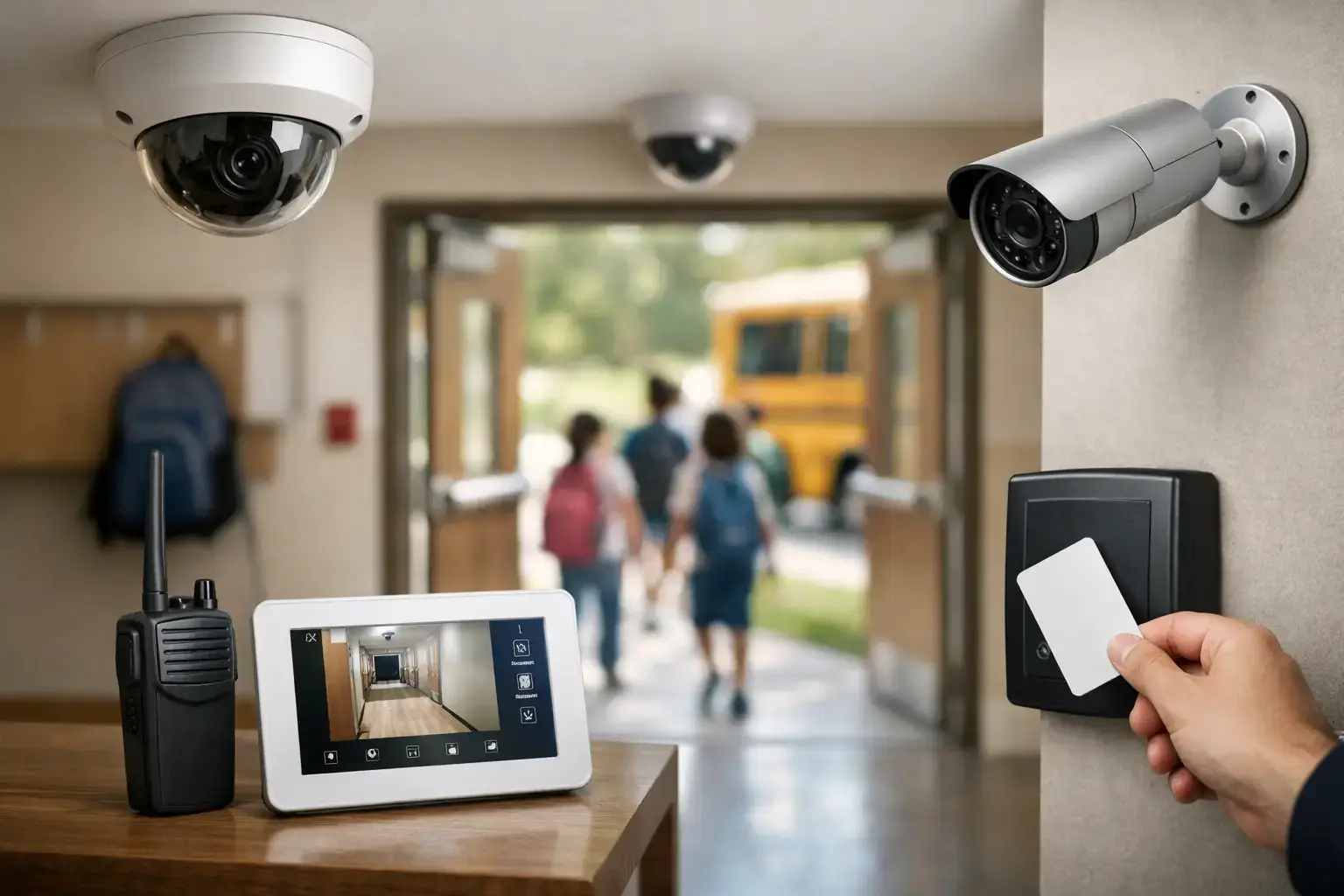
Access control gives you a better way to manage who goes where and when. Staff can be assigned permissions based on role, with separate rules for office areas, stock rooms, plant rooms or restricted storage. Lost fobs or cards can be cancelled quickly, and entry events can be reviewed if an incident occurs.
For some warehouses, simple door control is enough. For others, especially multi-tenant or high-value sites, you may need a more integrated setup with timed permissions, intercoms, visitor management and audit logs. The right level depends on risk, staffing and how often different parts of the building need to be accessed.
Roller shutters and loading doors also deserve attention. These are common targets because they are large, exposed and frequently used. Contacts, vibration detection and CCTV coverage should work together so that forced entry attempts are identified early. If staff are routinely leaving shutters partially open during busy periods, operational habits may need to change as well.
Intruder alarms still matter – if they are designed well
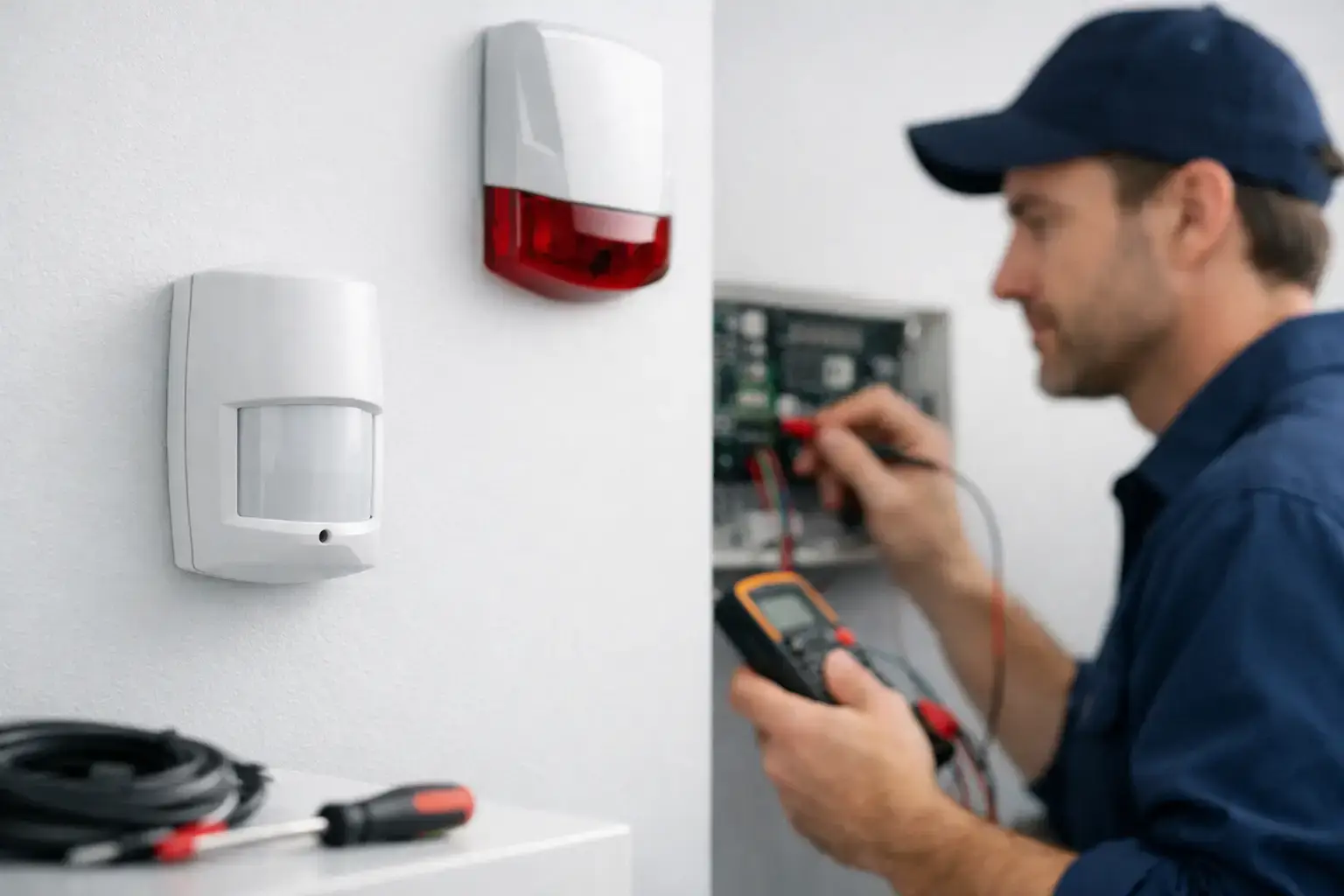
A warehouse alarm should do more than make noise after a break-in. A well-designed system identifies unauthorised entry quickly, supports monitoring and works in a way that matches the building layout.
Different detection methods suit different spaces. Large open areas may require a different approach from partitioned units, mezzanines or offices within the warehouse. Entry routes, blind spots and environmental conditions all affect detector choice. A poor design can lead to false alarms, and frequent false alarms create complacency.
Monitored intruder alarms are often the stronger option for commercial sites, especially when stock value is high or the premises are vacant overnight. Response can be faster and more structured than relying on someone noticing a local sounder. That said, monitoring only works well when maintenance, user training and signalling reliability are taken seriously.
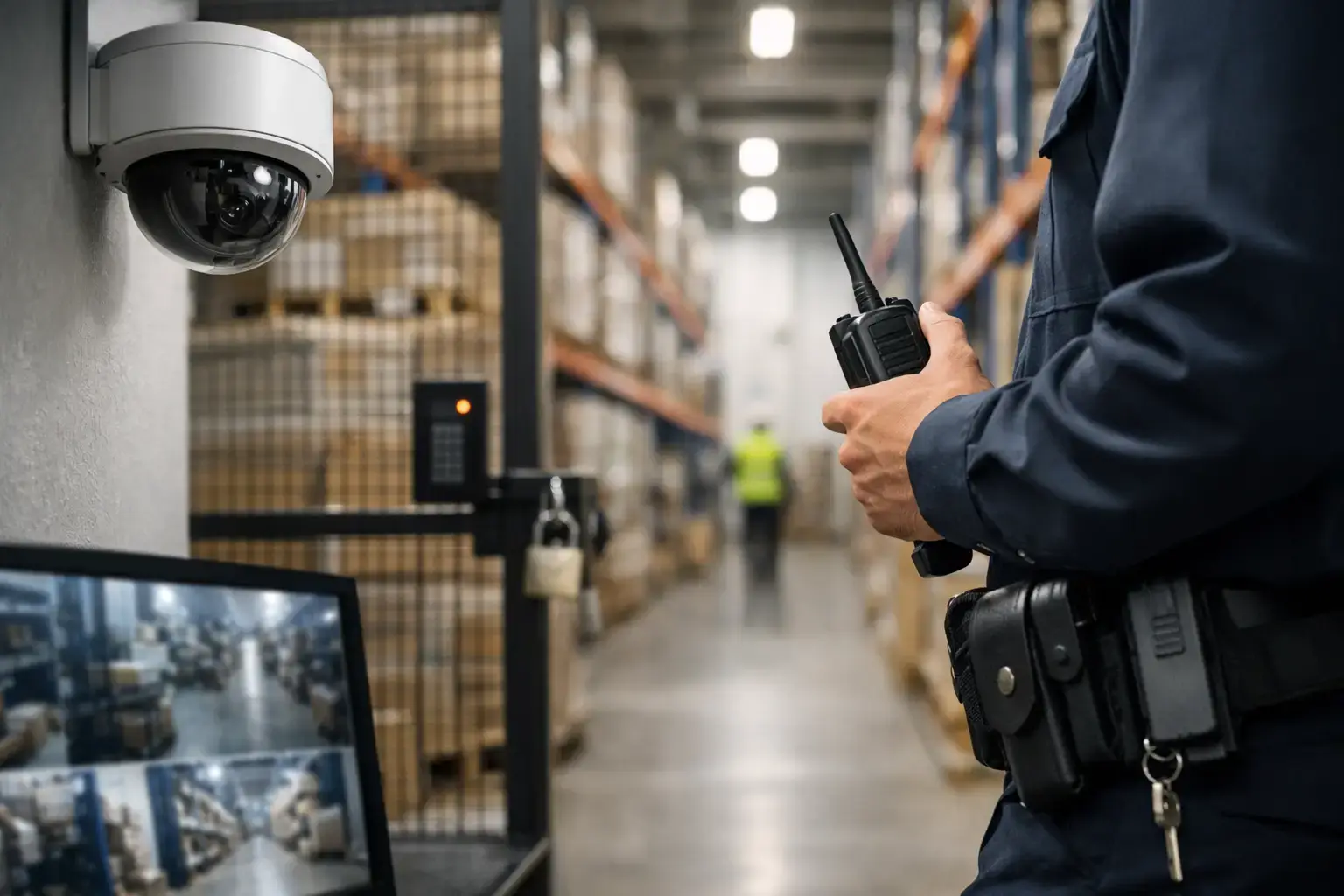
The best results usually come from integrating alarm systems with CCTV and access control. That way, an activation can be checked against live or recorded images and tied to entry events. It helps turn isolated systems into a clearer picture of what is happening on site.
Do not overlook internal procedures and staff behaviour
Even a well-installed system can be undermined by routine habits. Side doors wedged open for convenience, shared access credentials, poor key control and inconsistent visitor sign-in are all common warehouse issues.
Security should fit the workflow, but staff still need clear expectations. Opening and closing procedures, contractor supervision, keyholding arrangements and incident reporting should all be defined. If the alarm is awkward to set, or the access system slows down loading teams at peak times, people will find workarounds. Good design reduces that friction.
Training matters more than many businesses expect. Staff should know what the systems do, what to do when something goes wrong and why small lapses create larger risks. The aim is not to turn warehouse staff into security specialists. It is to make sure the site is not vulnerable because nobody wanted to challenge a bad habit.
How to secure warehouses for long-term reliability
Security is not a one-off project. Warehouses change constantly. Stock profiles shift, racking layouts move, tenancies change, additional doors are added and operating hours expand. A system that worked well three years ago may now have blind spots or weak points.
That is why reviews and maintenance are essential. As sites evolve, security should be adjusted to match. In practical terms, that may mean adding cameras to a new dispatch area, changing access permissions after staffing changes or upgrading alarm signalling where the risk profile has increased.
For businesses across Essex, London and the South East, this is where a specialist provider can add real value. A company such as 247 CCTV does more than install equipment. Proper survey, design, insurer-aware system planning, professional installation and ongoing maintenance help warehouse operators stay protected over time rather than simply ticking a box.
The strongest warehouse security is usually the least dramatic. It prevents opportunities, supports staff, produces reliable evidence and keeps working when the site is busy, dark or under pressure. If your current setup only becomes part of the conversation after something has gone wrong, that is usually the clearest sign it is time to review it.