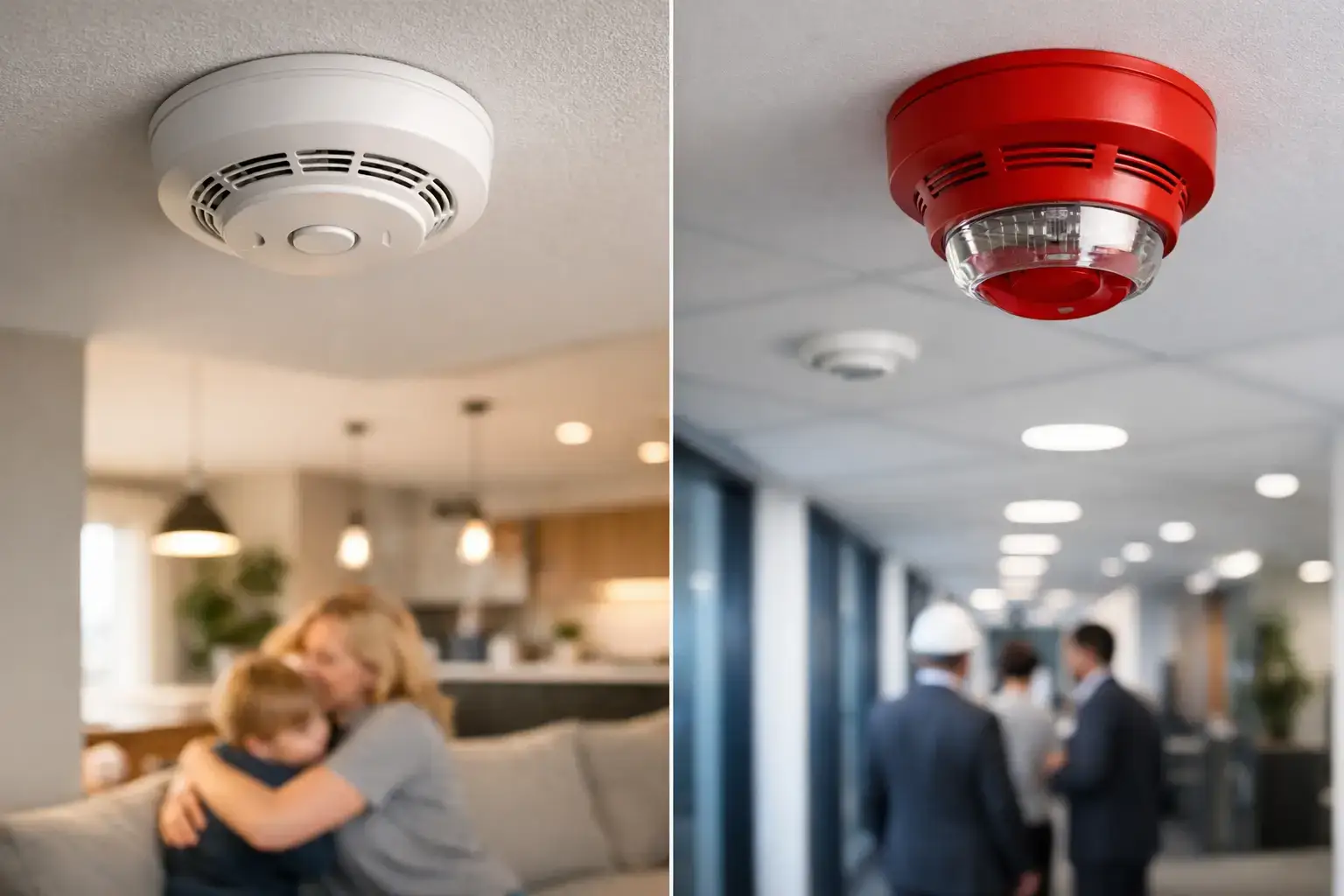
A fire alarm that activates too late is a failure. One that goes off repeatedly for no good reason creates a different problem – people stop trusting it. For homeowners, landlords and businesses alike, fire alarms need to do one job exceptionally well: detect risk early and trigger the right response without causing unnecessary disruption.
That sounds straightforward, but in practice the right system depends on the building, how it is used, who occupies it and what level of protection is required. A small house, a school, a warehouse and a block of flats should not be treated the same way. Good fire alarm design is about more than fitting detectors to ceilings. It is about life safety, compliance, reliable signalling and long-term performance.
Why fire alarms matter beyond basic compliance
Most people first think about fire alarms because they have a legal duty, an insurer requirement or a building project that needs signing off. Those are valid reasons, but they only cover part of the picture. The real value is in reducing harm before a fire becomes unmanageable.
In a business setting, early detection can protect staff, customers, stock, IT equipment and continuity of operations. In a residential property, it can mean the difference between a minor incident and a life-threatening event, especially at night when occupants are asleep. In multi-occupancy buildings, the stakes are higher again because warning one person is not enough – the system must help everyone respond safely and quickly.
There is also a financial reality to consider. Fire damage rarely stops at what burns. Smoke contamination, downtime, lost trade, interrupted tenancies and emergency repairs often cost more than people expect. A professionally specified system helps reduce those risks, and in many cases supports insurer acceptance when designed and maintained correctly.
Choosing fire alarms for the building, not the brochure
Off-the-shelf products can have their place in very small domestic settings, but once a building has multiple rooms, varied occupancy, vulnerable users or a commercial function, specification becomes far more important. The question is not simply which panel or detector to buy. It is what level of coverage is appropriate and how the system should behave when an alarm condition occurs.
A proper survey looks at escape routes, high-risk areas, sources of ignition, sleeping risk, noise levels and whether people on site can evacuate unaided. In a restaurant, for example, kitchens and extraction areas present a different challenge from dining spaces. In a school, circulation areas, plant rooms and out-of-hours access need careful thought. In a warehouse, height, dust, temperature variation and racking layouts can affect detector choice and positioning.
This is why fire alarms should be designed around the premises, not selected from a standard package. What suits one property can be excessive, inadequate or unreliable in another.
Conventional or addressable fire alarms
One of the first technical choices is whether a conventional or addressable system is the better fit. The answer depends largely on the size and complexity of the premises.
Conventional fire alarms divide a building into zones. If a detector activates, the panel identifies the affected zone rather than the exact device. That can be suitable for smaller, simpler buildings where fast location is still manageable and budget is a major factor.
Addressable systems identify the specific detector, call point or interface that has triggered. In larger commercial premises, schools, care settings, offices and industrial sites, that extra detail can save valuable time. Facilities teams and attending personnel can see exactly where the issue is, which improves response and reduces confusion.
The trade-off is cost and system complexity. Addressable fire alarms usually involve a higher initial investment, but for many premises they deliver better control, clearer fault finding and easier expansion. If the building is likely to change over time, that flexibility often proves worthwhile.
Detection types and why placement matters
Not every detector responds to risk in the same way. Smoke detectors, heat detectors and multi-sensor devices all have different strengths. Getting this wrong can lead to missed events or recurring false alarms.
Smoke detection is often appropriate in escape routes, offices, bedrooms and general occupied spaces where early warning is critical. Heat detection is commonly used in kitchens, boiler rooms and areas where fumes or steam would make smoke detection unreliable. Multi-sensor devices can improve performance in more challenging environments by analysing more than one condition before triggering.
Placement is just as important as device type. Ceiling height, airflow, partitions, beams and the everyday activity in the room all affect how quickly a fire is detected. A detector in the wrong location may comply poorly in practice even if it looks acceptable on paper. That is why system design, installation quality and commissioning all matter.
False alarms are not a minor inconvenience
Frequent false alarms disrupt business, create complacency and can lead to expensive call-outs or wasted staff time. In some settings, they also affect reputation. Hotels, care homes, schools and public-facing sites feel this particularly sharply because every evacuation impacts people who may not know the building well.
Many false activations come from poor specification rather than faulty equipment. Dusty environments, aerosol use, steam, cooking fumes and badly chosen detector types are common causes. So are detectors installed too close to doorways, vents or sources of contamination.
A well-designed system aims to reduce these issues from the start. That means selecting suitable devices, locating them properly and programming cause-and-effect logic where appropriate. It may also mean separating certain areas, integrating plant shutdown or using staged alerts in larger buildings. Reliability is not just about whether the alarm works. It is also about whether it works sensibly.
Fire alarms and legal responsibility
For commercial premises, landlords and duty holders, legal responsibility cannot be treated lightly. The exact requirements depend on the building type and use, but the principle is consistent: people responsible for premises must take fire safety seriously, including suitable detection and warning arrangements.
A fire risk assessment should inform what level of system is needed. That includes identifying who is at risk, where a fire could start, how quickly it could spread and what warning occupants would need. In many environments, fire alarms form one part of a broader life-safety strategy that also includes emergency lighting, compartmentation, signage and evacuation procedures.
For landlords, especially those managing HMOs or mixed-use properties, the picture can be more involved. Different occupancy types may call for different grades or categories of protection, and maintenance responsibilities need to be clear. Assuming a basic domestic alarm is enough can be a costly mistake.
Maintenance is what keeps fire alarms dependable
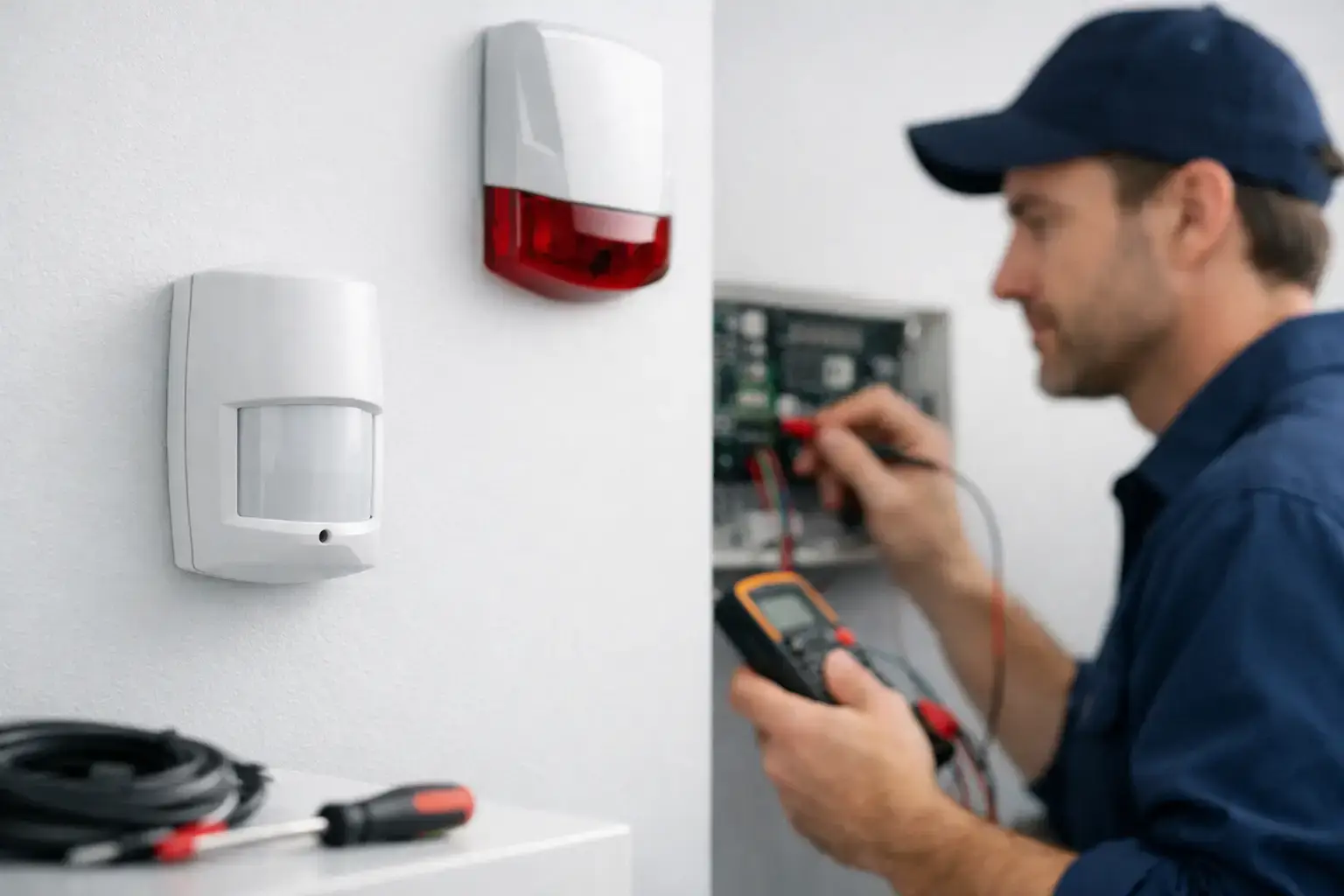
Even the best-designed system will not stay dependable if it is ignored. Fire alarms need regular inspection, testing and servicing to remain effective. Batteries degrade, detectors accumulate dust, devices can be damaged, and faults can go unnoticed until the system is needed most.
Routine maintenance does more than satisfy records and compliance. It helps catch small issues before they become critical. A detector that is drifting out of tolerance, a sounder that is underperforming, or a fault on a loop or zone may not be obvious to the building user. During a real incident, though, those details matter.
For businesses and managed properties, a maintenance arrangement with a competent specialist usually makes the most sense. It creates continuity, keeps records in order and helps ensure the system remains aligned with the building as layouts or occupancy change. If extensions, refurbishments or partition changes have been made since installation, the fire alarm design may need reviewing too.
Integrating fire alarms with wider security systems
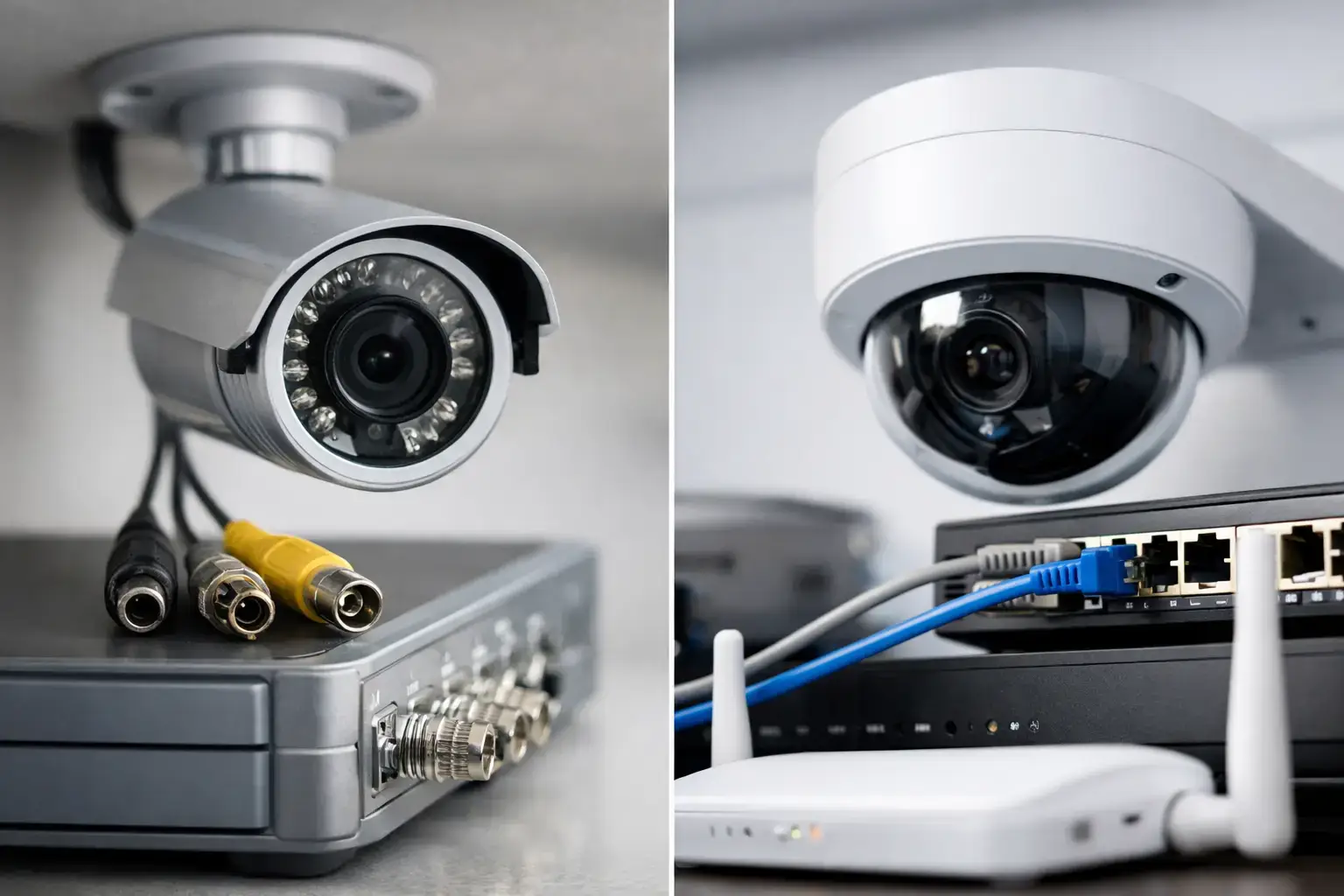
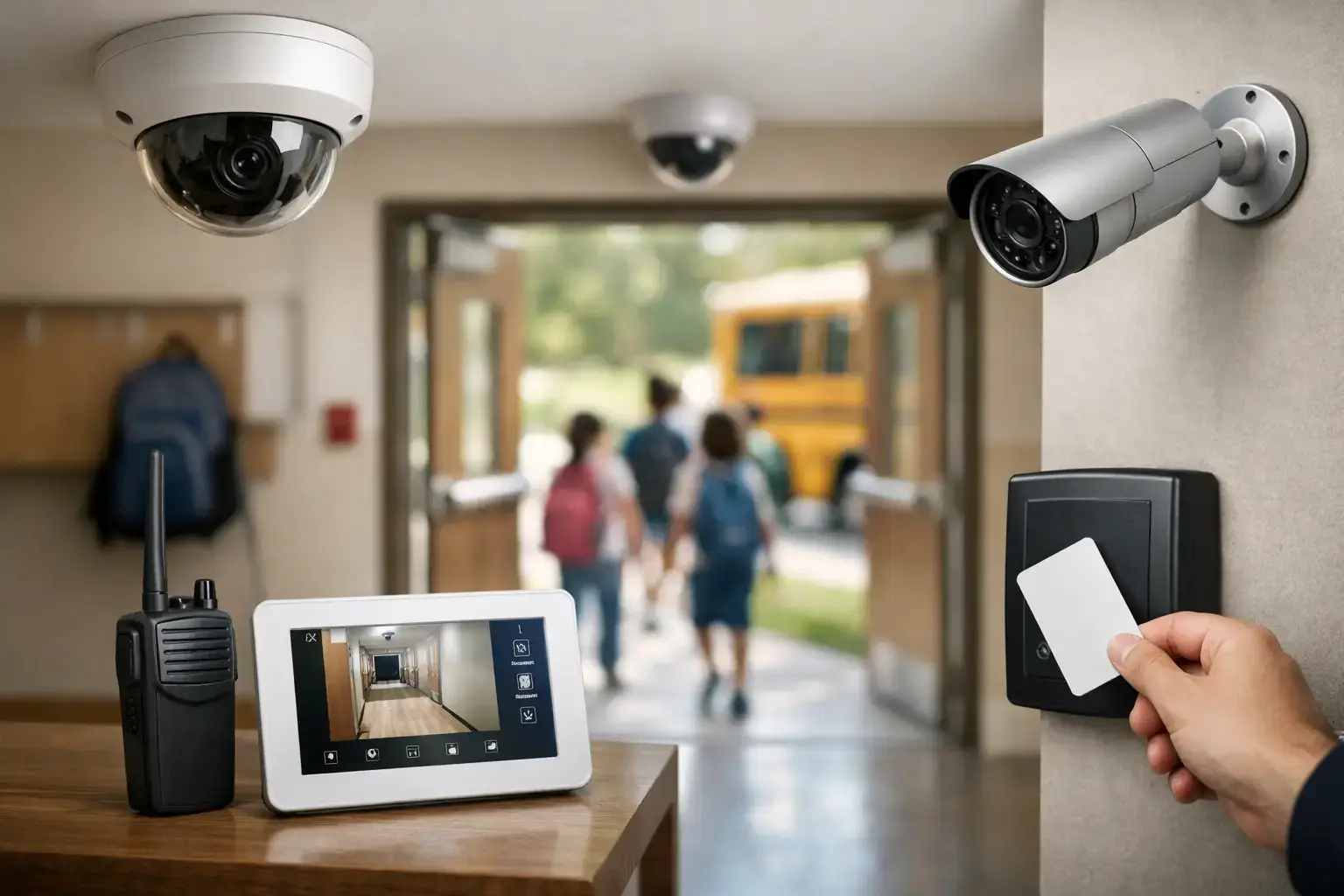
In many commercial premises, fire alarms do not operate in isolation. They may need to interact with access control, door release mechanisms, CCTV, monitoring arrangements or automatic doors. That integration must be handled carefully because life safety always comes first.
For example, access-controlled doors may need to release on alarm, while certain shutters or plant systems may need to respond automatically. CCTV can assist with verification and post-incident review, but it should never replace proper fire detection. The benefit of working with an experienced electronic security specialist is that these systems can be designed to work together without conflict.
That matters particularly on complex sites such as schools, healthcare environments, multi-entrance offices, logistics premises and mixed-use developments, where multiple systems share the same building infrastructure. A coordinated approach is often more efficient and more dependable than managing separate contractors with limited overlap.
When a professional survey makes the difference
If you are unsure whether an existing system is suitable, outdated or prone to false alarms, a professional survey is the sensible next step. The same applies if you are fitting out new premises, altering a building layout or taking responsibility for a site with no clear maintenance history.
A proper assessment should not begin with a stock price. It should begin with the premises, the risks and the expected outcome. That is how fire alarm systems are specified properly – with the right category of protection, the right equipment, clear commissioning and a realistic plan for ongoing maintenance.
For property owners and businesses across Essex, London and the South East, that level of care is what turns a fire alarm from a box on the wall into a dependable part of your safety strategy. If the system is well designed, correctly installed and properly maintained, it gives people something valuable in an emergency: time to act.