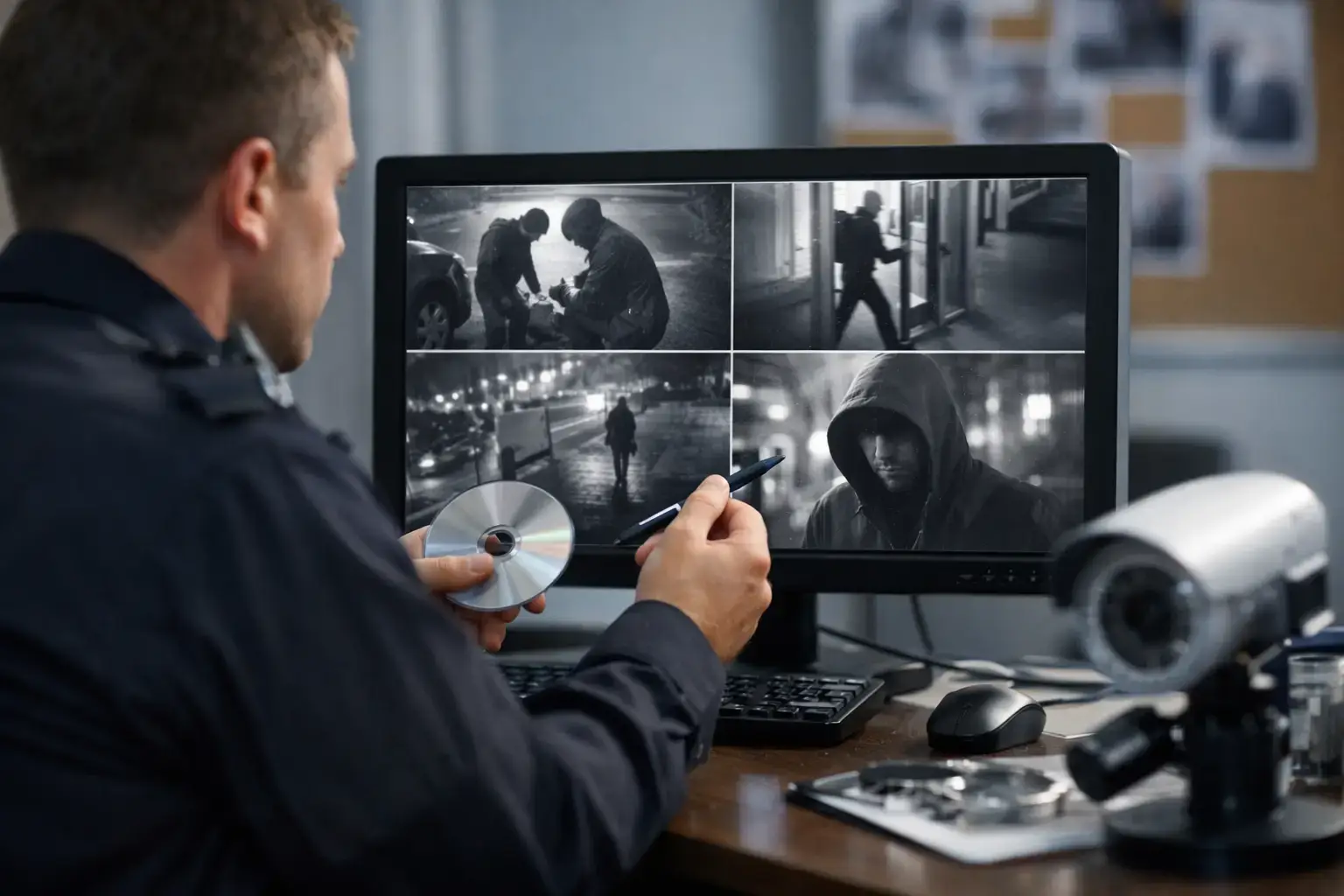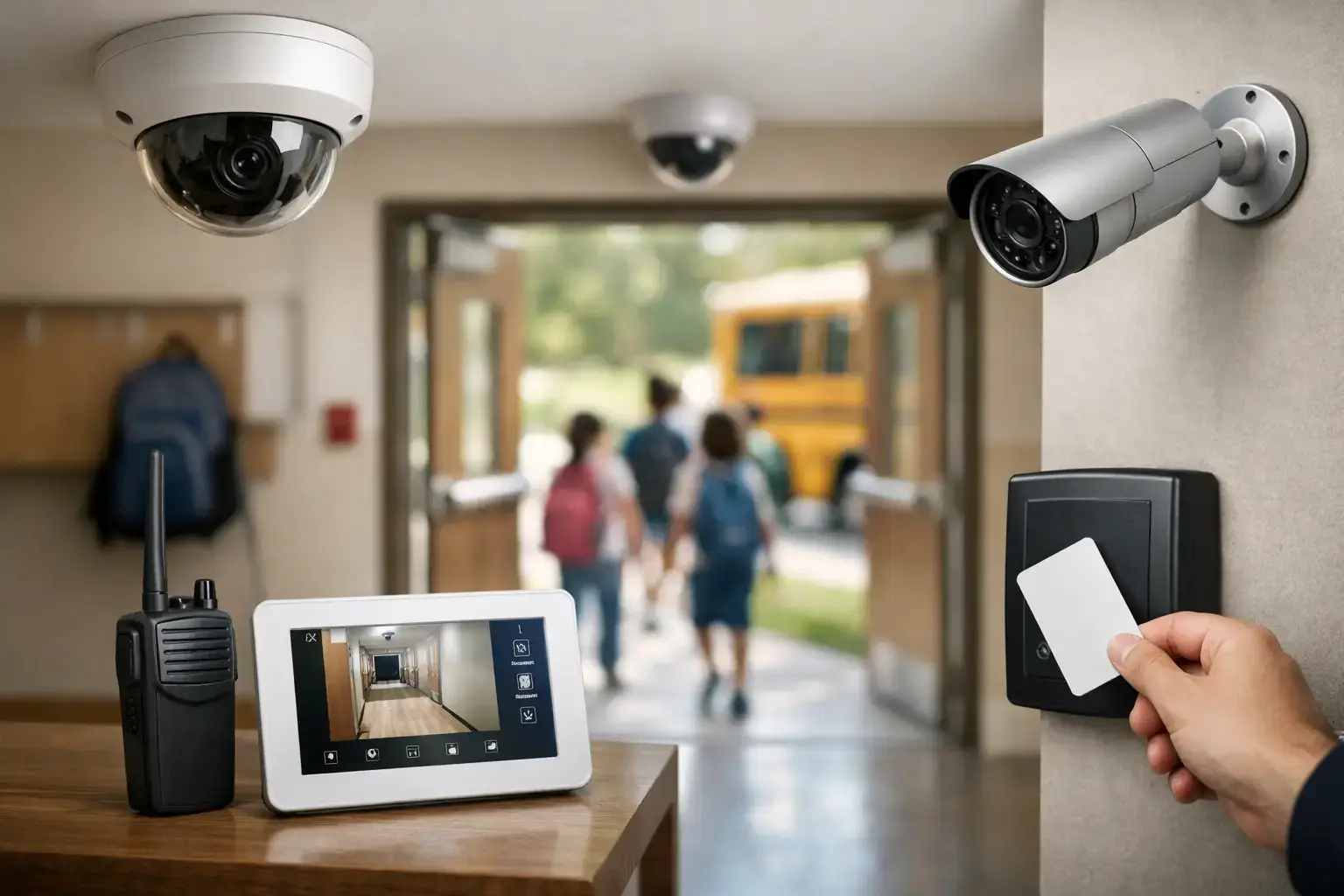
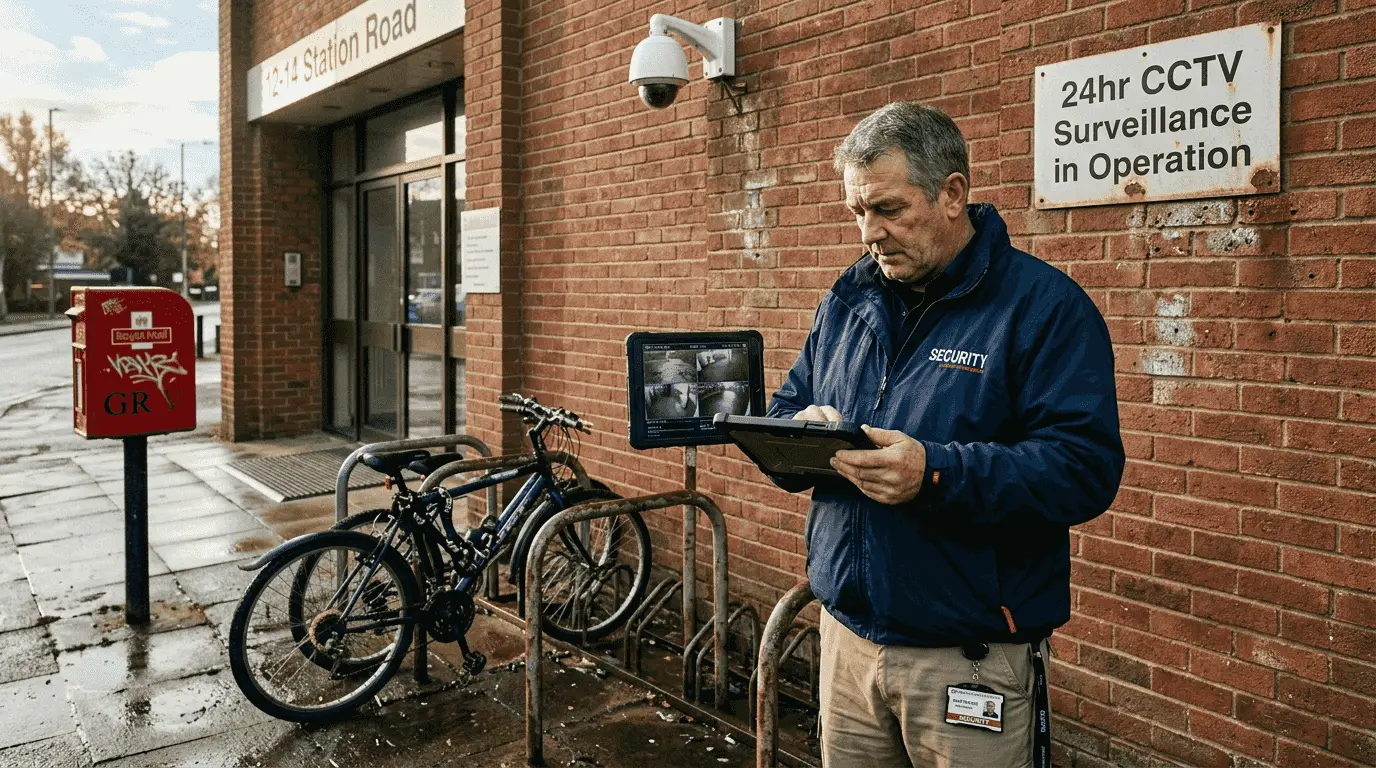
Many business owners view CCTV as a tool that merely records incidents after they occur, but this overlooks its most powerful function: active deterrence. When deployed strategically, CCTV systems can reduce crime rates by signalling detection risk to potential intruders before they even attempt a break-in. For Essex and London businesses facing rising security concerns, understanding how to maximise CCTV’s preventative capabilities is essential. This guide walks you through evidence-based strategies to transform your surveillance system from a passive recorder into an active guardian of your premises.
Key takeaways
| Point | Details |
|---|---|
| Visible cameras deter crime | CCTV presence signals high detection risk, discouraging opportunistic intruders from targeting your premises. |
| Strategic placement matters | Positioning cameras at entrances, blind spots, and vulnerable zones maximises coverage and psychological impact. |
| Integration amplifies protection | Combining CCTV with alarms and access control creates layered defences that respond faster to threats. |
| Regular maintenance sustains effectiveness | Quarterly checks prevent downtime and ensure your system remains a reliable deterrent over time. |
| Signage enhances deterrence | Clear warnings about CCTV monitoring reinforce the perception of active surveillance and legal consequences. |
Why CCTV is an effective deterrent against intruders
Intruders operate on a simple calculation: weighing the potential reward against the risk of capture. Visible surveillance cameras fundamentally alter this equation by dramatically increasing the perceived likelihood of identification and prosecution. When criminals scout potential targets, they actively avoid properties with obvious security measures because these locations signal higher effort, greater risk, and lower chances of success.
Research consistently demonstrates that visible CCTV cameras reduce crime rates by creating a powerful psychological barrier. The mere presence of cameras triggers a cognitive response in potential offenders, who instinctively recognise that their actions will be recorded and potentially used as evidence. This effect proves particularly strong against opportunistic criminals who seek easy targets rather than challenging secured premises.
The deterrent power operates on multiple levels:
- Immediate visual warning: Cameras positioned prominently at entry points communicate active monitoring before anyone crosses the threshold.
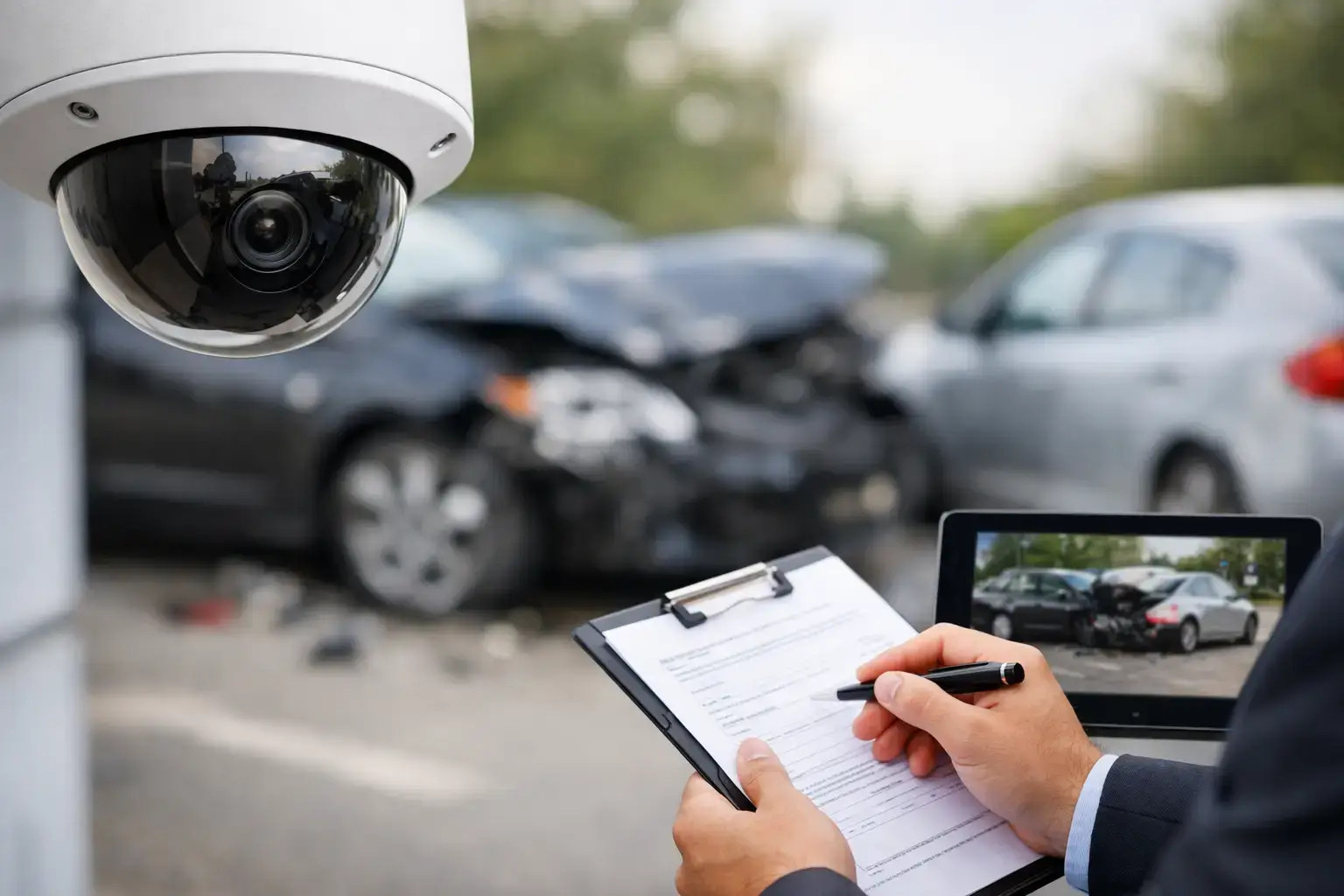
- Evidence collection threat: Intruders know that high-quality footage can lead directly to identification, arrest, and conviction.
- Increased patrol perception: CCTV suggests professional security management, implying faster response times and greater vigilance.
- Reduced anonymity: The psychological comfort of operating unobserved disappears entirely when cameras are present.
Business premises with comprehensive CCTV coverage experience measurably lower rates of break-ins, vandalism, and theft compared to unmonitored locations. This protection extends beyond deterring external threats; internal misconduct also decreases when employees and visitors understand their actions are recorded.
“The effectiveness of CCTV for burglaries lies not just in catching criminals, but in convincing them to choose easier targets elsewhere.”
For Essex and London businesses operating in mixed commercial areas, this deterrent effect becomes particularly valuable. Criminals conducting reconnaissance will consistently bypass well-monitored premises in favour of locations offering easier access and lower detection risk. Your investment in visible, well-maintained CCTV essentially redirects criminal activity away from your property, providing protection that operates continuously without requiring constant human oversight.
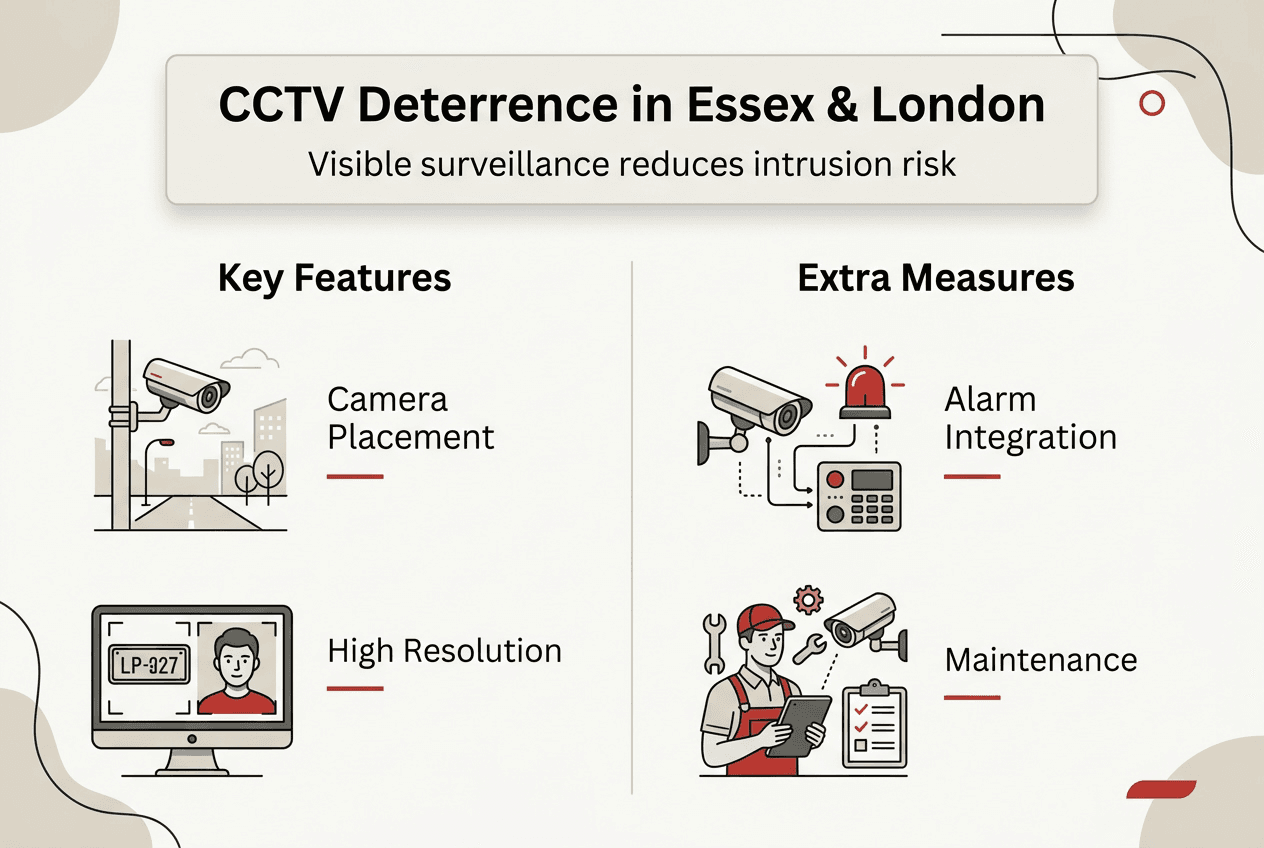
Optimising CCTV placement and system features for maximum deterrence
Strategic camera positioning transforms CCTV from a basic recording tool into a comprehensive deterrent system. The goal extends beyond simply capturing footage; you need to position cameras where they create maximum psychological impact whilst eliminating blind spots that intruders might exploit. Correct camera placement combined with proper lighting doubles your chances of both deterring crime and capturing usable evidence when incidents occur.
Priority locations for camera installation include:
- Main entrances and exits: These high-traffic zones should have cameras positioned to capture clear facial images of everyone entering or leaving.
- Loading bays and delivery areas: Vulnerable during off-hours, these locations require coverage that monitors both vehicle access and personnel movement.
- Perimeter boundaries: Cameras along fences and property lines detect intrusion attempts before intruders reach buildings.
- Parking areas: Vehicle theft and vandalism concentrate in car parks, making comprehensive coverage essential.
- Cash handling zones: Internal cameras protecting tills, safes, and counting rooms deter both external and internal theft.
- Blind spots and secluded areas: Any location hidden from natural surveillance requires camera coverage to eliminate criminal opportunities.
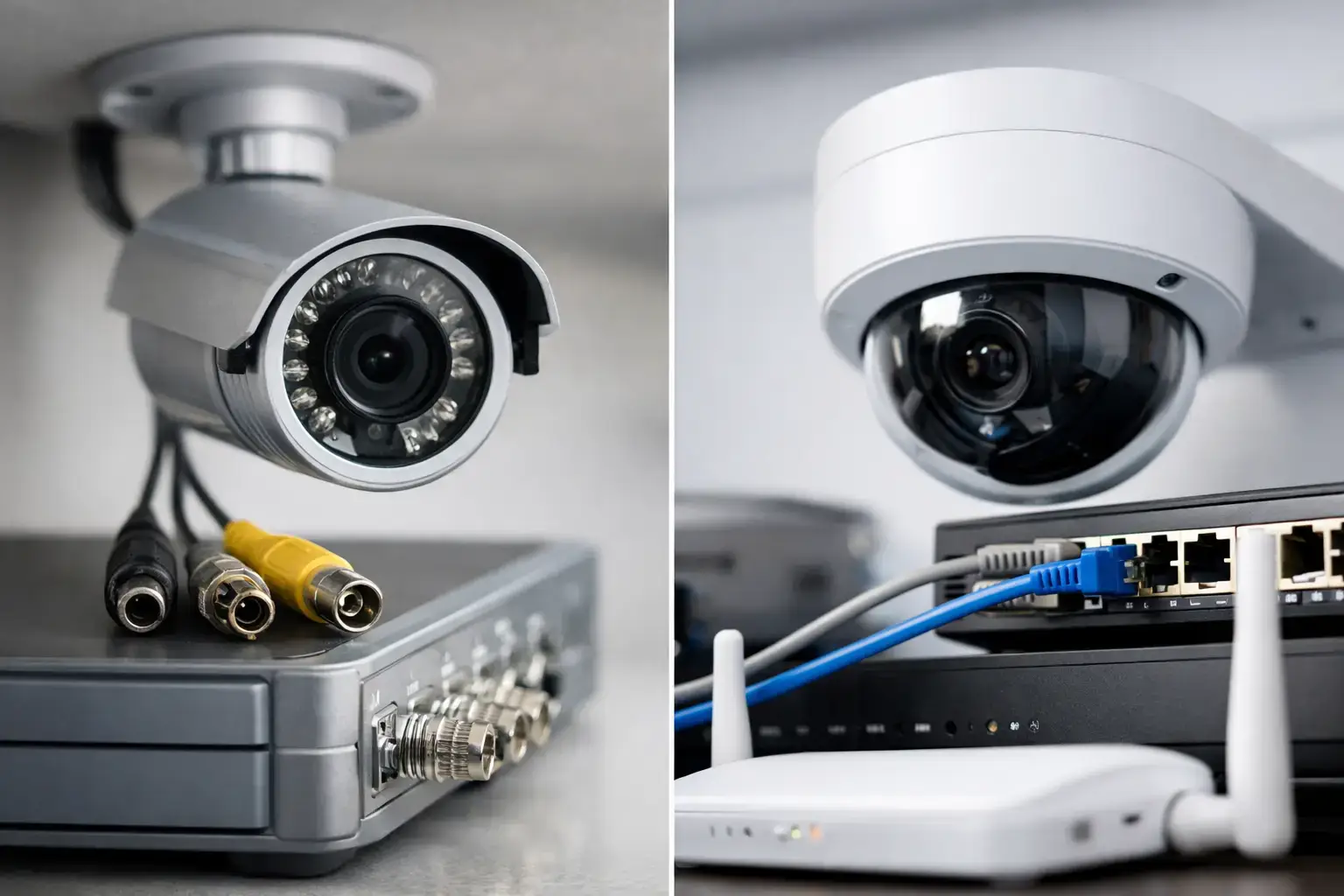
Camera selection significantly impacts deterrent effectiveness. High-resolution models capture facial details and licence plates clearly, whilst night vision capabilities ensure 24-hour protection. Vandal-resistant housings prevent tampering, and weatherproof designs maintain reliability through British weather conditions. Consider these feature comparisons when specifying equipment:
| Feature | Standard Option | Enhanced Option | Deterrent Benefit |
| — | — | — |
| Resolution | 2MP | 4K | Sharper facial recognition increases capture risk perception |
| Night Vision | Basic infrared | Colour night vision | Maintains deterrent visibility in darkness |
| Housing | Plastic dome | Metal vandal-proof | Visible robustness signals serious security investment |
| Field of View | Fixed 90° | PTZ 360° | Comprehensive coverage eliminates hiding spots |
Combining cameras with complementary security elements amplifies their deterrent power considerably. Motion-sensitive lighting that activates when cameras detect movement creates a dramatic deterrent effect, startling intruders whilst improving image quality. Clear signage stating “24-hour CCTV monitoring in operation” reinforces the psychological barrier, ensuring potential criminals understand surveillance is active and continuous.
Pro Tip: Position at least one highly visible camera at eye level near your main entrance, even if tactical considerations suggest higher mounting would capture better footage. This prominent placement maximises psychological impact on anyone approaching your premises.
For comprehensive guidance on professional installation that optimises both coverage and compliance, explore our detailed CCTV installation guide. Understanding optimising CCTV security compliance ensures your deterrent system also meets legal requirements for data protection and privacy.
Integrating CCTV with other security measures for robust intrusion prevention
Whilst CCTV provides powerful standalone deterrence, integrating surveillance with complementary security technologies creates layered defences that dramatically enhance protection. This multi-system approach addresses different threat vectors simultaneously, ensuring that if one measure fails to deter an intruder, others immediately engage to prevent or detect the breach.
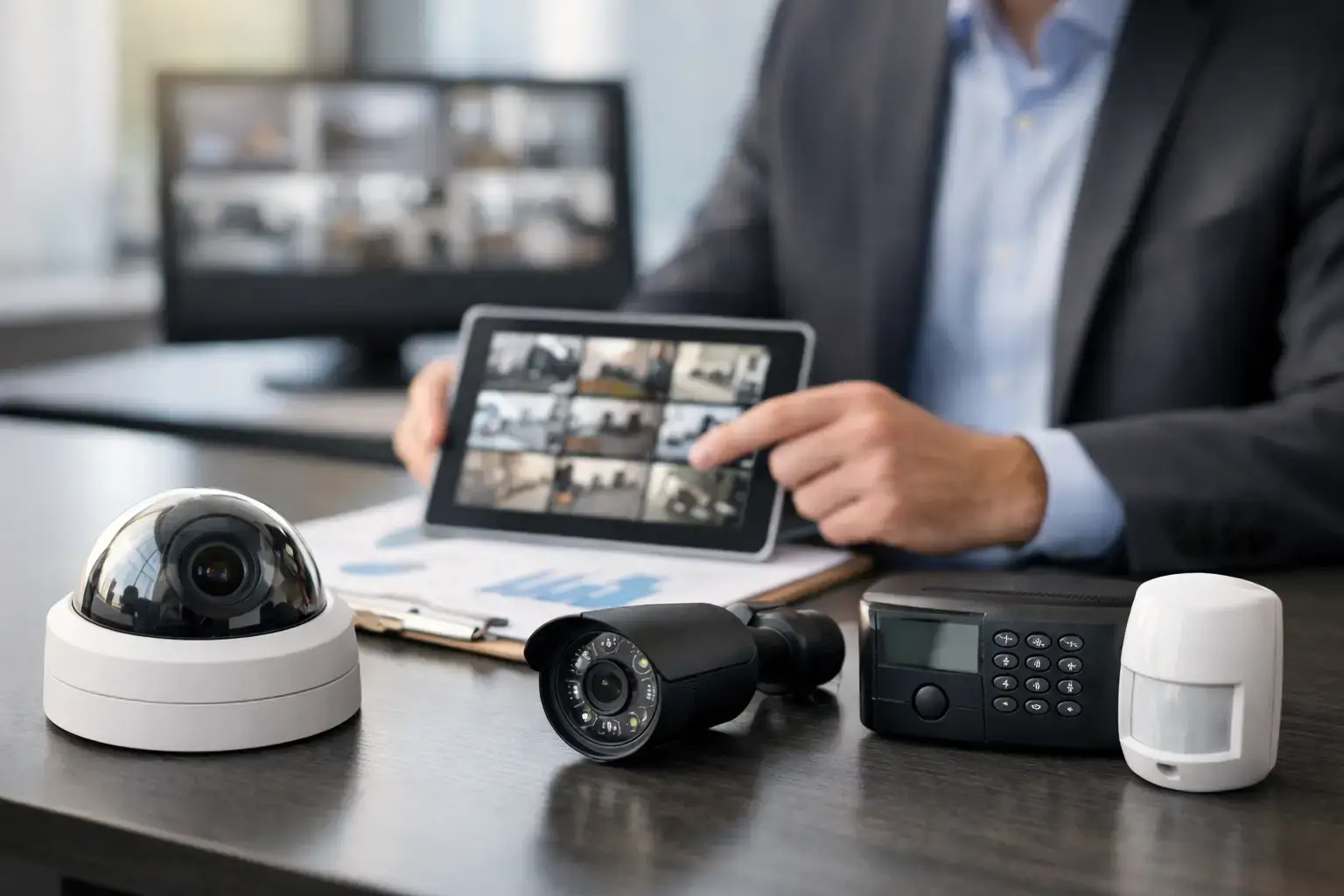
Modern CCTV systems equipped with video analytics can trigger alarm systems automatically when detecting suspicious behaviour patterns. Combining CCTV surveillance with alarm systems reduces false alarms whilst improving response times, because security personnel or monitoring services receive both visual verification and audio alerts simultaneously. This integration eliminates the ambiguity that often delays response to standalone alarms.
Implement integrated security through these sequential steps:
- Establish CCTV coverage across all vulnerable zones identified in your security assessment, ensuring cameras capture clear evidence of any intrusion attempt.
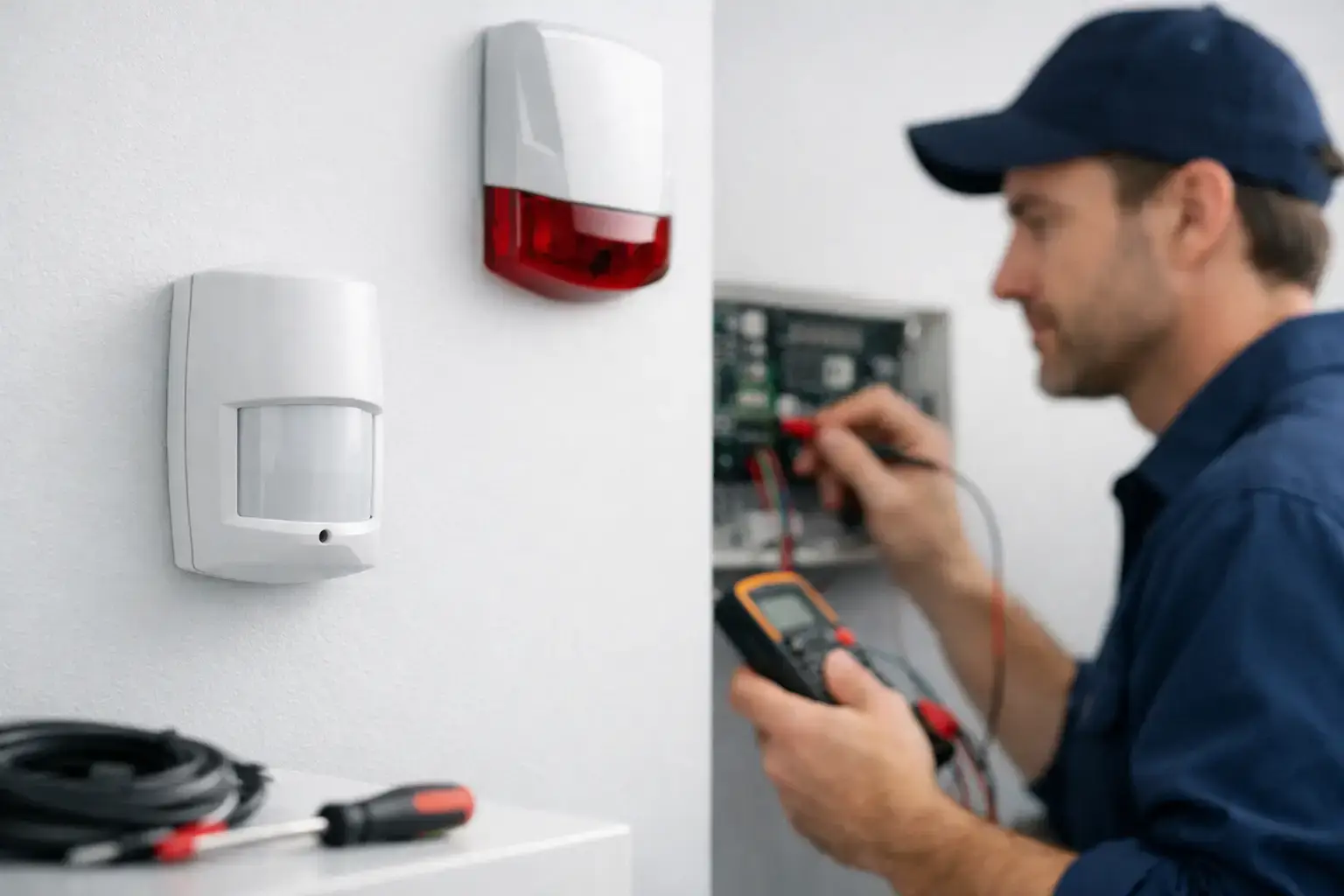
- Install motion-detection alarms at entry points and within premises, configured to trigger both local sirens and remote notifications to your security team.
- Deploy access control systems that restrict entry to authorised personnel only, creating physical barriers that complement surveillance monitoring.
- Link all systems through a central management platform that correlates events across technologies, providing comprehensive situational awareness.
- Configure automated responses such as lighting activation, door locking, and alert escalation based on threat severity detected across integrated systems.
- Test the complete system monthly to verify all components communicate correctly and responses execute as designed.
Access control integration proves particularly valuable for businesses with multiple entry points or restricted areas. When someone attempts unauthorised access, the system can simultaneously lock doors, trigger alarms, direct cameras to focus on the breach location, and alert security personnel with live video feeds. This coordinated response both deters the intrusion attempt and ensures rapid intervention.
Pro Tip: Configure your integrated system to send different alert types based on threat level. Minor perimeter breaches might trigger silent camera recording and staff notifications, whilst forced entry attempts immediately activate alarms, lock additional doors, and contact emergency services.
Regular testing maintains integration effectiveness over time. Schedule quarterly drills that simulate various intrusion scenarios, verifying that cameras capture usable footage, alarms activate promptly, and access controls respond correctly. Document any failures or delays, then address these issues immediately to maintain continuous deterrent capability.
For comprehensive protection tailored to your premises, consider professional burglar alarms services that integrate seamlessly with your CCTV infrastructure. Adding sophisticated access control solutions completes your layered security approach, ensuring every potential intrusion vector faces multiple deterrents and detection mechanisms.
Maintaining your CCTV system to keep intruder deterrence consistent
Even the most sophisticated CCTV system loses its deterrent power if cameras fail, lenses become obscured, or recording equipment malfunctions. Regular maintenance prevents downtime and ensures your surveillance system remains a reliable deterrent rather than becoming expensive decoration that provides false security confidence.
Quarterly maintenance should address these critical elements:
- Camera lens cleaning: Remove dirt, spider webs, and weather residue that degrade image quality and signal neglect to potential intruders.
- Housing inspection: Check for water ingress, loose mountings, or vandalism damage that could compromise camera function.
- Cable verification: Examine connections for corrosion, damage, or loosening that might cause intermittent failures.
- Recording system checks: Verify storage capacity, backup systems, and footage retention settings remain properly configured.
- Software updates: Install manufacturer patches that address security vulnerabilities and improve system performance.
- Power supply testing: Confirm uninterruptible power supplies maintain charge and switch over correctly during outages.
Businesses face a choice between self-maintenance and professional servicing:
| Approach | Cost | Reliability | Best For |
|---|---|---|---|
| Self-Maintenance | Low ongoing cost | Depends on staff expertise | Small systems with technically capable staff |
| Professional Servicing | Higher ongoing cost | Guaranteed by service contracts | Complex systems requiring specialist knowledge |
| Hybrid Model | Moderate cost | Balanced approach | Medium businesses handling routine tasks professionally |
Monitor your system continuously for warning signs that indicate maintenance needs. Missed recordings, image quality degradation, or intermittent connectivity issues require immediate investigation. Addressing problems promptly prevents small issues from escalating into complete system failures that leave your premises unprotected.
Pro Tip: Maintain detailed logs of all maintenance activities, including dates, tasks completed, and any issues discovered. This documentation helps identify recurring problems that might indicate equipment reaching end of life or environmental factors requiring design modifications.
Seasonal considerations affect maintenance requirements significantly. British weather subjects outdoor cameras to rain, temperature fluctuations, and condensation that accelerate wear. Schedule additional inspections before winter to verify heating elements function correctly and after storms to check for physical damage.
For Essex businesses managing multiple sites or complex installations, professional maintenance contracts provide peace of mind and consistent system performance. Our comprehensive CCTV troubleshooting guide helps you identify common issues quickly, but specialist support ensures problems are resolved correctly without extended downtime that compromises your security posture.
Enhance your business security with expert CCTV solutions
Implementing effective CCTV deterrence requires more than purchasing cameras; it demands strategic planning, professional installation, and ongoing system optimisation. At 247 CCTV, we specialise in designing surveillance solutions specifically tailored to Essex and London business environments, ensuring your investment delivers maximum protection whilst remaining cost-effective.

Our CCTV leasing in Essex options eliminate large upfront capital expenditure, spreading costs across manageable monthly payments whilst ensuring you benefit from current technology. Professional CCTV installation services guarantee optimal camera placement, proper system configuration, and full compliance with data protection regulations. We integrate surveillance seamlessly with burglar alarms and access control systems, creating comprehensive security that protects your premises, assets, and people through layered defences. Contact us today to discuss how we can strengthen your business security with proven deterrent solutions.
Frequently asked questions
How does CCTV deter intruders effectively?
Visible CCTV dramatically raises the perceived risk of detection and identification for potential intruders, making them choose easier targets elsewhere. The psychological barrier created by cameras proves particularly effective against opportunistic criminals who seek low-risk opportunities. High-quality systems that capture clear facial images increase this deterrent effect by threatening credible evidence collection that leads to prosecution.
What areas should CCTV cameras cover to maximise deterrence?
Focus camera coverage on main entrances, loading bays, parking areas, perimeter boundaries, and any blind spots hidden from natural surveillance. Internal cameras should monitor cash handling zones, valuable inventory storage, and restricted access areas. Comprehensive coverage eliminates hiding spots and escape routes, forcing potential intruders to operate entirely within monitored zones. For detailed placement strategies, review our recommended CCTV camera placement guidance.
Can CCTV be combined with alarms for better security?
Integrating CCTV with alarm systems creates powerful synergy that enhances both deterrence and response capabilities. When alarms trigger, cameras provide immediate visual verification that eliminates false alarm confusion and enables rapid, appropriate response. This integration reduces unnecessary emergency service callouts whilst ensuring genuine threats receive immediate attention. Discover how integrating CCTV with burglar alarms strengthens your overall security posture.
How often should CCTV systems be maintained?
Quarterly maintenance schedules suit most business installations, though manufacturers may recommend different frequencies based on equipment specifications and environmental conditions. Regular checks ensure cameras remain clean, properly aligned, and recording continuously without gaps that compromise security. Harsh weather or high-dust environments may require more frequent inspections. Our guide on CCTV maintenance frequency provides specific recommendations for Essex business conditions.
Recommended
- Quick Guide CCTV Setup for Essex and London Businesses – 247 CCTV Security Ltd
- Why Everyone in Essex Is Talking About 4K CCTV Systems (And You Should Too) – 247 CCTV Security Ltd
- CCTV Regulations in Essex: Essential Guide – 247 CCTV Security Ltd
- CCTV coverage planning guide for Essex businesses 2026 – 247 CCTV Security Ltd