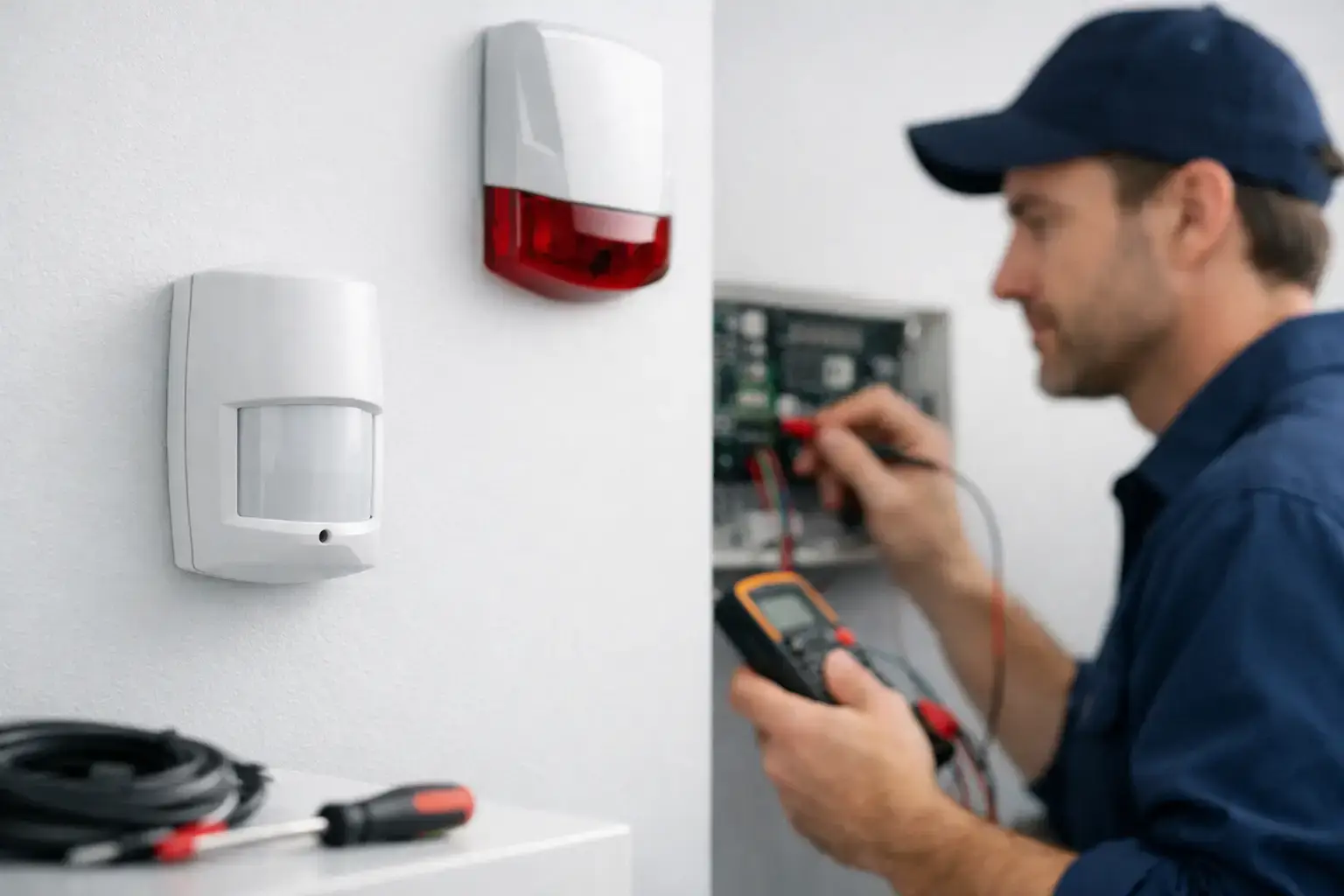
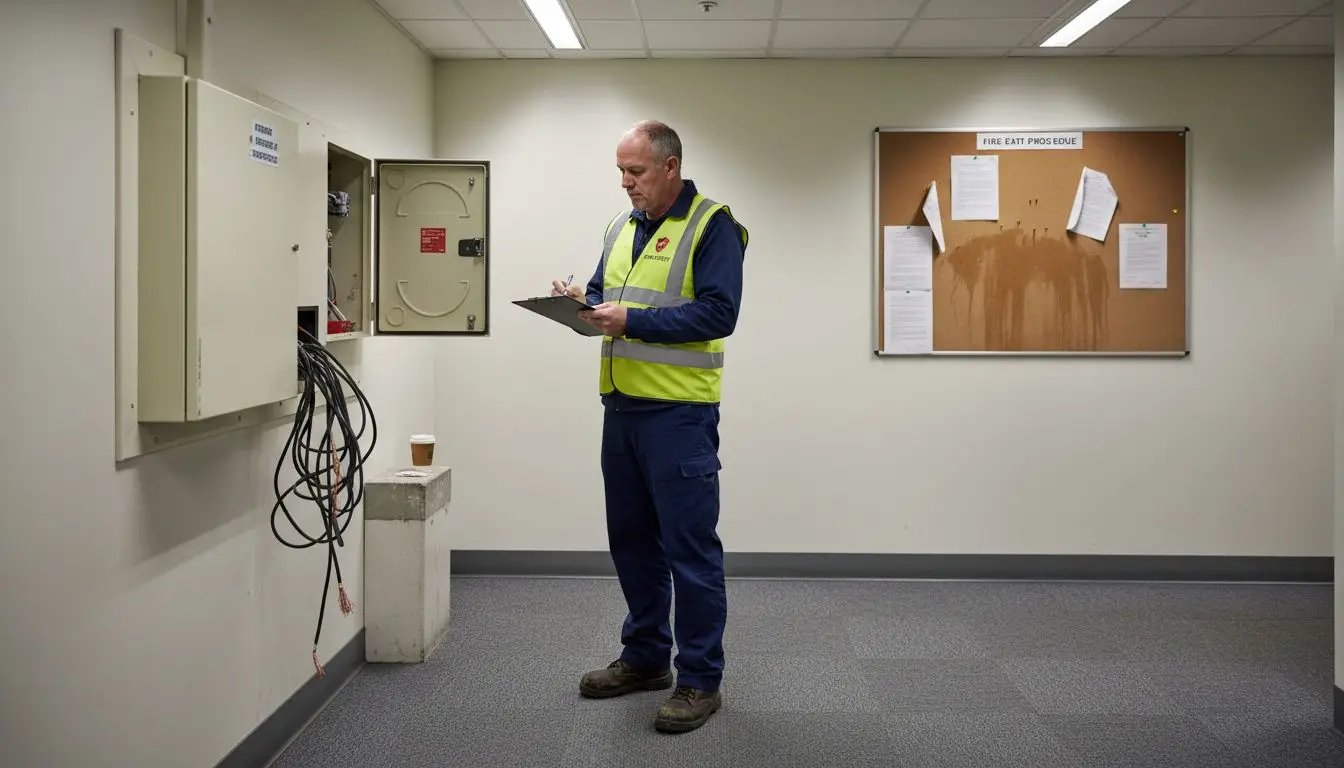
Over 30% of UK commercial fire alarm systems were found faulty or non-functional during London Fire Brigade inspections, revealing a startling maintenance gap in buildings across Essex, London, and beyond. Regular alarm upkeep is not just good practice; it is a legal requirement under UK fire safety legislation, critical for protecting lives and property. This guide explains your legal duties, maintenance tasks, risks of neglect, and best practices to ensure compliance and safety in your commercial premises.
Key takeaways
| Point | Details |
|---|---|
| Legal regulations mandate regular alarm system maintenance | The Regulatory Reform (Fire Safety) Order 2005 requires proper upkeep of fire alarms in non-domestic premises. |
| Maintain alarms with weekly tests and biannual professional servicing | BS 5839-1:2025 standards recommend at least twice-yearly professional inspections plus weekly in-house testing. |
| Neglecting maintenance risks lives, legal penalties, and insurance issues | Faulty systems fail to detect fires early, attract fines, and can invalidate insurance claims. |
| Facilities managers are legally responsible for upkeep and record-keeping | As ‘responsible persons’, managers must ensure testing, servicing, and thorough documentation. |
| Proactive maintenance improves safety and reduces false alarms | Scheduled upkeep decreases false alarm incidents and enhances early fire detection. |
Understanding legal and regulatory requirements for alarm maintenance
The Regulatory Reform (Fire Safety) Order 2005 legally requires fire alarm systems in non-domestic premises to be properly maintained, ensuring occupant safety and legal compliance. This legislation places a clear duty on building owners, managers, and facilities teams to keep alarm systems fully functional at all times. The Order applies to virtually all non-domestic premises in England and Wales, including offices, warehouses, care homes, schools, and retail spaces.
BS 5839-1:2025 sets out the British Standard for fire detection and fire alarm systems, defining minimum maintenance and testing frequencies. This standard specifies that alarm systems must undergo professional inspection and servicing at least every six months, alongside routine in-house testing. The Health and Safety Executive and the National Fire Chiefs Council provide compliance guidance and enforcement oversight, ensuring that responsible persons meet their legal obligations.
Failing to comply with these requirements carries serious consequences. Legal penalties can include substantial fines and prosecution in cases of severe non-compliance or where failures contribute to injury or death. Insurance policies typically require documented proof of regular maintenance; without it, claims may be denied, leaving your organisation financially exposed. Facilities managers are designated as ‘responsible persons’ under the Fire Safety Order, meaning you personally hold legal accountability for alarm system upkeep and compliance.
Key legal obligations include:
- Conducting a fire risk assessment and maintaining it regularly
- Ensuring fire alarm systems are tested and serviced per BS 5839-1 standards
- Keeping detailed records of all tests, inspections, and maintenance work
- Repairing faults promptly and logging corrective actions
- Training staff responsible for in-house testing procedures
Understanding these legal frameworks is the first step towards effective alarm monitoring essex compliance and broader security system maintenance uk guide best practices.
Maintenance frequency and essential procedures
Fire alarm systems in UK commercial buildings should be tested every six months by a competent person per BS 5839-1:2025 standards to ensure full operational reliability. This biannual professional inspection involves comprehensive checks of all system components, including detectors, call points, sounders, control panels, and backup power supplies. Between these formal inspections, routine in-house testing maintains system integrity.
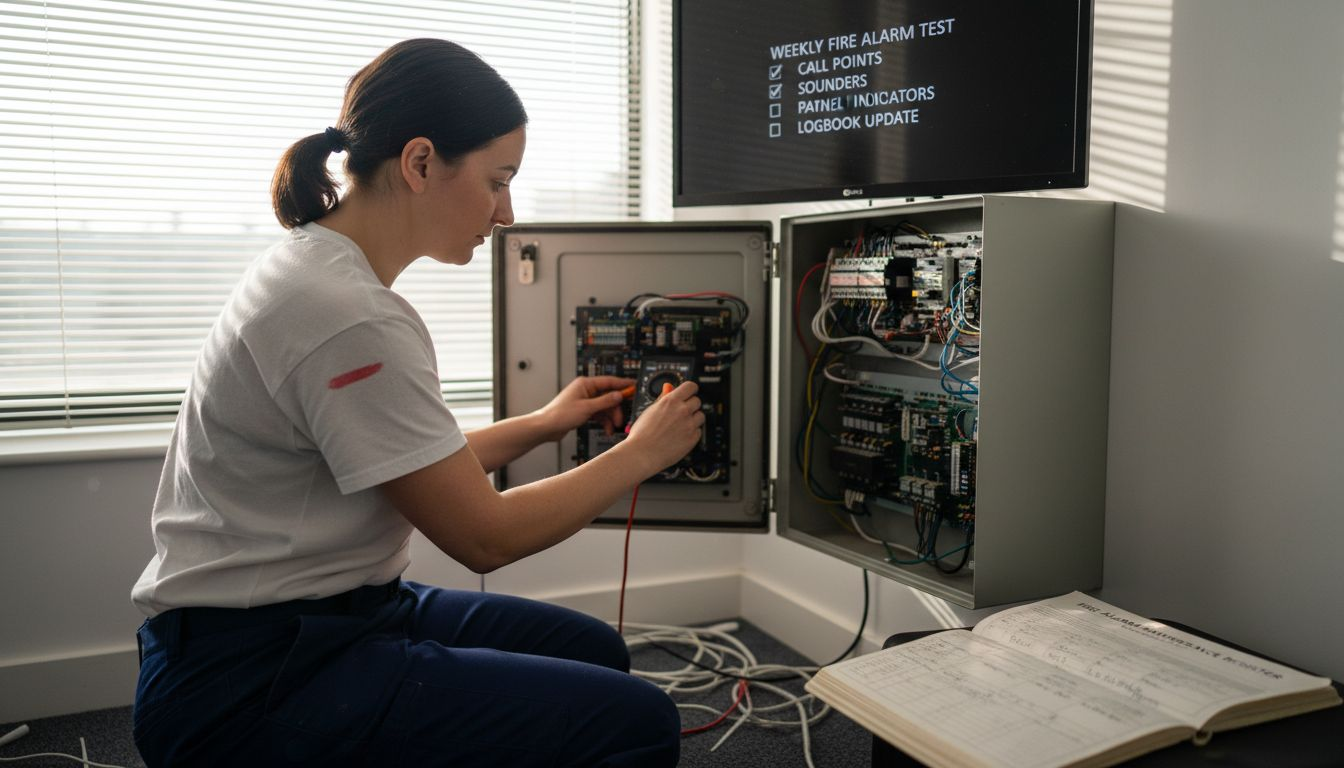
Weekly in-house call point testing is recommended and should be performed by trained staff. Each week, activate a different manual call point to verify that the alarm sounds throughout the building and alerts reach the monitoring station if applicable. This rotating schedule ensures every call point is tested at least once annually whilst catching faults early. Document each test in your fire logbook, noting the date, time, call point tested, and any issues observed.
Essential maintenance procedures include:
- Professional servicing every six months covering full system checks and component testing
- Weekly in-house call point activation by designated trained personnel
- Monthly battery checks to confirm backup power readiness
- Quarterly sensor cleaning to prevent dust buildup affecting sensitivity
- Immediate fault logging and repair without delay
Routine battery checks and sensor cleaning maintain reliability between professional services. Detectors accumulate dust and debris over time, which can trigger false alarms or reduce sensitivity. Clean sensors using manufacturer-approved methods, typically involving gentle vacuuming or compressed air. Check backup batteries monthly to ensure they hold charge; replace them per manufacturer specifications, usually every three to five years.
Faults must be logged immediately and repaired without delay. Any defect, malfunction, or false alarm should be recorded in your maintenance log with details of the issue, actions taken, and resolution date. Delayed repairs compound risks and demonstrate non-compliance during audits.
Pro Tip: Train multiple staff members thoroughly in weekly testing procedures to ensure continuity during absences and catch early faults before they escalate.
Maintaining this schedule supports broader security system maintenance uk objectives and complements burglar alarm standards uk care homes requirements.
Risks of poor or neglected alarm maintenance
Over 30% of fire detection systems in UK commercial buildings were found faulty during London Fire Brigade inspections, highlighting widespread maintenance risks. This alarming statistic reveals that nearly one in three alarm systems may fail when needed most, jeopardising occupant lives and property. Neglected maintenance creates a false sense of security whilst silently eroding your building’s fire protection.
Faulty or poorly maintained alarms fail to detect fires early, delaying evacuation and emergency response. Minutes matter in fire situations; late detection dramatically increases the risk of injury, death, and extensive property damage. Systems with expired batteries, dirty sensors, or unrepaired faults simply cannot fulfil their life-saving purpose.
Legal penalties and insurance complications follow maintenance failures. Regulatory authorities can impose substantial fines and prosecution for non-compliance with the Fire Safety Order. More critically, insurance claims may be denied if insurers determine that inadequate maintenance contributed to fire damage or losses. Without documented proof of regular testing and servicing, you face both financial exposure and potential personal liability.
False alarms cause costly operational disruptions and desensitise staff to genuine emergencies. Poorly maintained systems trigger nuisance alarms due to dust, component failures, or environmental factors. Each false alarm disrupts productivity, requires evacuation, and erodes confidence in the system. Over time, occupants may ignore alarms or delay response, creating genuine danger during real fires.
Common failure points include:
- Missed or inconsistent weekly in-house testing
- Delayed or skipped biannual professional servicing
- Poor record-keeping and incomplete fire logbooks
- Failure to repair known faults promptly
- Inadequate staff training on testing procedures
- Expired backup batteries not replaced on schedule
These risks underscore why robust security system maintenance uk guide practices must be embedded into your facilities management routine.
Roles, responsibilities, and record-keeping best practices
Facilities managers and building owners are the ‘responsible persons’ legally required to ensure fire alarm systems are maintained, tested, and documented per UK fire safety legislation. This designation carries both authority and accountability; you must ensure all maintenance activities occur on schedule and that comprehensive records prove compliance.
Detailed record-keeping of all tests, inspections, faults, and repairs is legally required and essential for audits. Your fire logbook must document every weekly test, biannual professional service, fault identified, repair completed, and component replaced. Include dates, times, personnel involved, findings, and corrective actions. These records demonstrate due diligence and provide evidence of compliance during regulatory inspections or insurance assessments.
Fire logbooks and test documentation must be maintained and available for audits at all times. Keep logbooks secure yet accessible on-site so that fire officers, insurers, or regulatory inspectors can review them during visits. Digital logging systems offer advantages by enabling automated reminders, audit trails, and remote access whilst maintaining backups.
Staff training ensures proper execution of weekly testing duties and supports your compliance obligations. Designate specific individuals responsible for in-house testing, provide thorough training on procedures, and document their competence. Ensure they understand how to activate call points, verify alarm operation, record results accurately, and report faults immediately.
Key responsibilities include:
- Scheduling and confirming biannual professional inspections occur on time
- Overseeing weekly in-house testing and reviewing logbook entries
- Ensuring faults are repaired promptly and documented fully
- Maintaining up-to-date records accessible for audits
- Training and supervising staff performing routine tests
- Reviewing fire risk assessments annually and updating maintenance plans accordingly
Pro Tip: Assign clear accountability by naming specific individuals responsible for each maintenance task and establish regular review meetings to maintain consistent documentation and catch oversights early.
These practices integrate seamlessly with alarm response services essex london protocols to ensure comprehensive fire safety management.
Benefits of regular, proactive alarm maintenance
Proactive, scheduled fire alarm maintenance reduces false alarms, prevents system failures, and ensures early fire detection, significantly mitigating risks to life and property. Beyond legal compliance, regular upkeep delivers measurable safety improvements and operational advantages that protect your organisation and occupants.
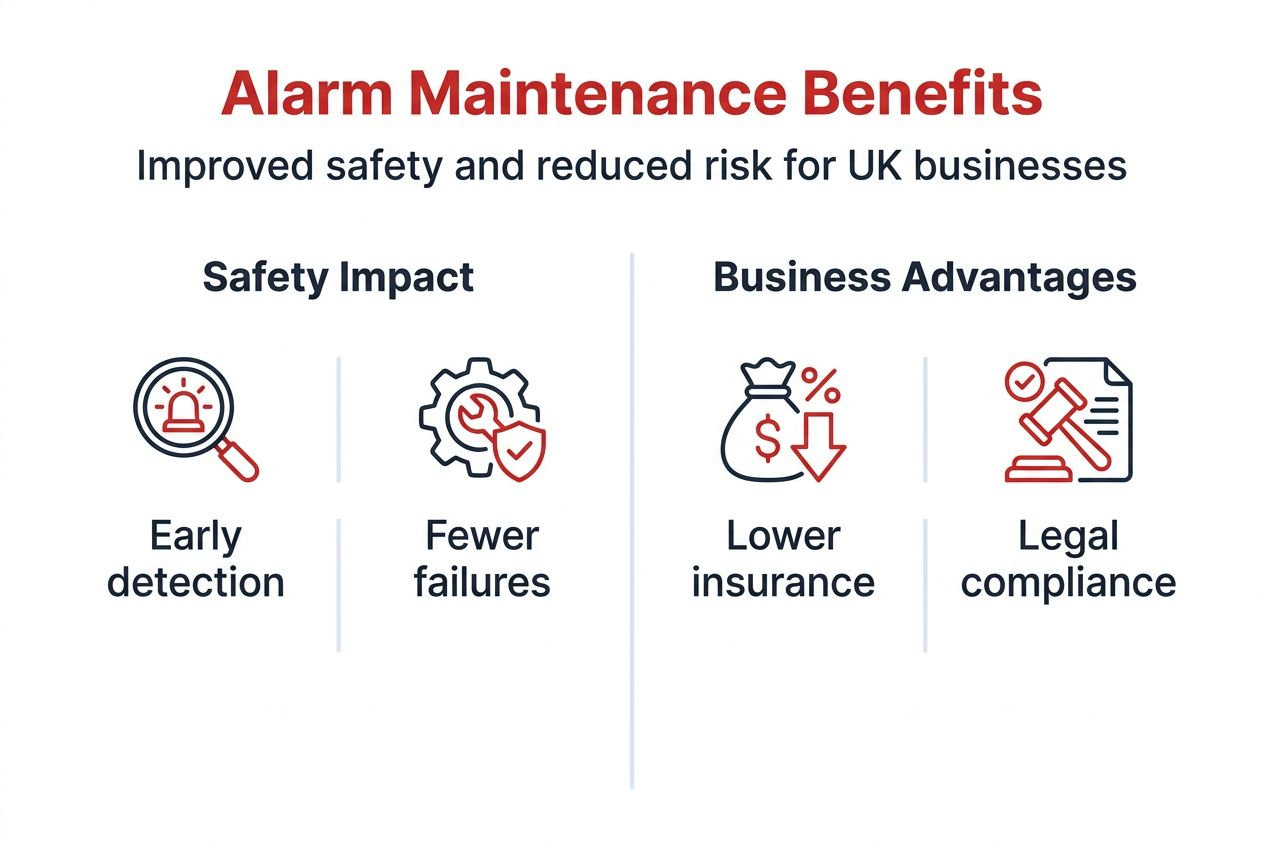
Scheduled maintenance decreases false alarm incidence and costly disruptions. Clean sensors, tested components, and properly calibrated systems trigger fewer nuisance alarms, reducing evacuation disruptions and maintaining staff confidence in the alarm system. Fewer false alarms also prevent complacency, ensuring occupants respond appropriately during genuine emergencies.
Early fire detection improves occupant safety and reduces damage. Well-maintained alarms detect smoke or heat at the earliest stages, providing maximum evacuation time and enabling faster emergency response. This early warning minimises injuries, saves lives, and limits fire spread, reducing property damage and business interruption.
Compliant properties benefit from lower legal risks and potentially reduced insurance premiums. Documented maintenance demonstrates responsible management, reducing liability exposure and supporting favourable insurance terms. Some insurers offer premium discounts for properties with verified proactive maintenance programmes.
Case evidence shows a 40% reduction in fire risk observed in Essex and London businesses implementing rigorous maintenance schedules. This improvement reflects fewer system failures, faster fire detection, and enhanced emergency preparedness across consistently maintained properties.
| Approach | False Alarms | System Reliability | Compliance Risk | Long-term Cost |
|---|---|---|---|---|
| Reactive (repair only when faulty) | High frequency | Unpredictable failures | Significant legal exposure | Higher due to emergency repairs |
| Proactive (scheduled maintenance) | Low frequency | Consistent performance | Minimal compliance risk | Lower with planned servicing |
Benefits include:
- Enhanced occupant safety through reliable early fire detection
- Reduced operational disruptions from false alarms
- Lower legal and regulatory compliance risks
- Potential insurance premium savings
- Extended alarm system lifespan and better return on investment
- Peace of mind knowing your fire protection is dependable
These advantages complement broader burglar alarm standards uk care homes security strategies and demonstrate the value of comprehensive facilities management.
Common misconceptions about alarm maintenance
Several persistent misconceptions undermine alarm maintenance adherence and contribute to the high failure rates observed in UK commercial properties. Addressing these myths reinforces why consistent proactive care is necessary for compliance and safety.
Maintenance is only needed after faults or incidents. False. Regular testing and servicing are legally required regardless of apparent system performance. Faults often develop silently; waiting until problems arise means the alarm may already have failed during a critical moment. BS 5839-1 mandates proactive schedules precisely because you cannot rely on reactive approaches.
Annual servicing is enough. False. BS 5839-1 requires professional inspections at least twice yearly, plus weekly in-house testing. Annual servicing alone leaves long gaps where faults can develop undetected, compromising system reliability and legal compliance. The biannual schedule ensures that issues are identified and resolved promptly.
Documentation is optional. False. Legal and insurance requirements demand accurate, comprehensive records of all maintenance activities. Without documented proof, you cannot demonstrate compliance during audits or claim insurance following a fire. Incomplete records expose you to penalties and claim denials.
Weekly in-house testing is excessive. False. Weekly testing is essential for early fault identification and is recommended best practice under BS 5839-1. This routine catches issues like failed call points, wiring problems, or sounder malfunctions before they compromise the entire system. It also maintains staff familiarity with alarm operation.
Key misconceptions corrected:
- Proactive schedules are legally required, not optional extras
- Biannual professional servicing plus weekly testing is the minimum standard
- Comprehensive documentation is mandatory for compliance and insurance
- Weekly tests provide critical early fault detection and staff readiness
- All alarm types require regular maintenance, not just certain models
Understanding these realities supports effective burglar alarm setup guide secure properties uk practices across your security portfolio.
Implementing an effective alarm maintenance plan in commercial properties
Establishing a compliant and effective maintenance plan requires structured steps aligned with UK standards and your building’s specific risk profile. Follow this practical approach to embed robust alarm upkeep into your facilities management routine.
Conduct a comprehensive fire risk assessment to tailor maintenance frequency and identify system requirements. Assess occupancy levels, building use, fire hazards, and vulnerable occupants to determine appropriate alarm specifications and testing schedules. Update this assessment annually or whenever significant changes occur.
Develop a documented maintenance schedule adhering to BS 5839-1 requirements. Specify weekly in-house testing days, biannual professional service dates, and responsibilities for each task. Include battery replacement schedules, sensor cleaning intervals, and system component lifespan tracking.
Train responsible staff thoroughly on weekly testing procedures. Provide hands-on instruction covering call point activation, alarm verification, logbook completion, and fault reporting. Document training completion and schedule refresher sessions annually.
Arrange biannual professional inspections and servicing with competent alarm specialists. Select contractors holding relevant certifications and experience with your specific system type. Confirm service dates well in advance and ensure contractors provide detailed reports.
Maintain detailed records and fire logbooks for audits and compliance verification. Use structured templates capturing all required information, and review entries regularly for completeness and accuracy. Store logbooks securely on-site with digital backups.
Pro Tip: Use digital logging tools and calendar systems to streamline record-keeping and generate automated alerts for upcoming tests and service dates, ensuring nothing is overlooked.
Additional implementation considerations:
- Establish clear escalation procedures for fault reporting and emergency repairs
- Integrate alarm maintenance into broader building management systems
- Review maintenance performance quarterly and adjust schedules as needed
- Budget adequately for professional services, component replacements, and upgrades
This structured approach ensures comprehensive security system maintenance uk guide implementation across your commercial property portfolio.
How 247 CCTV supports your alarm maintenance needs
Maintaining compliant, reliable alarm systems requires expertise, consistency, and professional support. 247 CCTV offers comprehensive security solutions tailored to commercial properties across Essex and London, ensuring your fire and burglar alarm systems meet legal standards whilst protecting your premises effectively.

Our expert burglar alarms installation Essex services provide modern, reliable systems backed by professional servicing schedules that fulfil BS 5839-1 requirements. We handle installation, biannual inspections, repairs, and documentation, allowing you to focus on core facilities management whilst maintaining full compliance. Our technicians hold relevant certifications and deliver thorough service reports for your records.
Professional cctv installation services Essex complement alarm systems for comprehensive security coverage. Integrated CCTV and alarm systems enhance detection, provide visual verification during incidents, and support investigations following breaches or false alarms. This layered approach maximises protection whilst streamlining maintenance through coordinated service schedules.
Flexible cctv leasing services Essex help manage budgets whilst maintaining compliance. Leasing options spread costs predictably, include maintenance and upgrades, and ensure your security technology remains current without large capital expenditure. Partner with 247 CCTV for peace of mind and regulatory adherence across your commercial properties.
Frequently asked questions
What is the legal requirement for fire alarm maintenance in UK commercial buildings?
The Regulatory Reform (Fire Safety) Order 2005 requires regular maintenance and testing of fire alarms in all non-domestic premises to ensure occupant safety and legal compliance. BS 5839-1:2025 recommends professional servicing at least twice yearly plus weekly in-house testing by trained staff. Responsible persons like facilities managers must keep detailed maintenance records and ensure faults are repaired promptly.
How often should fire alarm systems be tested and maintained?
Professional inspections and servicing are required every six months at minimum to fulfil BS 5839-1 standards and maintain system reliability. Weekly in-house testing of call points should be performed by trained staff, rotating through different call points to verify alarm operation throughout the building. Faults identified during any test must be logged immediately and repaired without delay to maintain system integrity.
What are the risks of failing to maintain commercial alarm systems?
Faulty alarms can fail to detect fires early, risking occupant lives and allowing fires to spread unchecked, causing extensive property damage. Legal penalties including substantial fines can be imposed for non-compliance with the Fire Safety Order, and responsible persons may face prosecution. Insurance claims may be denied if maintenance is not properly documented, leaving organisations financially exposed. Operational disruptions occur from false alarms caused by poor upkeep, reducing productivity and desensitising staff to genuine emergencies.
Who is responsible for maintaining fire alarm systems in commercial properties?
Facilities managers or building owners are legally designated as ‘responsible persons’ under the Fire Safety Order, holding accountability for alarm system upkeep and compliance. They must ensure regular testing, professional servicing, accurate documentation, and prompt fault repairs occur consistently. Proper staff training and clear supervision help fulfil these duties effectively whilst maintaining comprehensive records for audits and insurance purposes.
Recommended
- Security System Maintenance: Essential UK Guide – 247 CCTV Security Ltd
- Complete Guide to Security System Maintenance UK – 247 CCTV Security Ltd
- Alarm Monitoring Explained: Compliance for Essex Facilities – 247 CCTV Security Ltd
- Key Maintenance Tips to Maximise the Lifespan of Your Security Installations – 247 CCTV Security Ltd
- Brandschutz Elektroanlagen: 33% Brände vermeiden mit VdS 2023 – Elektrotechnik Ernst