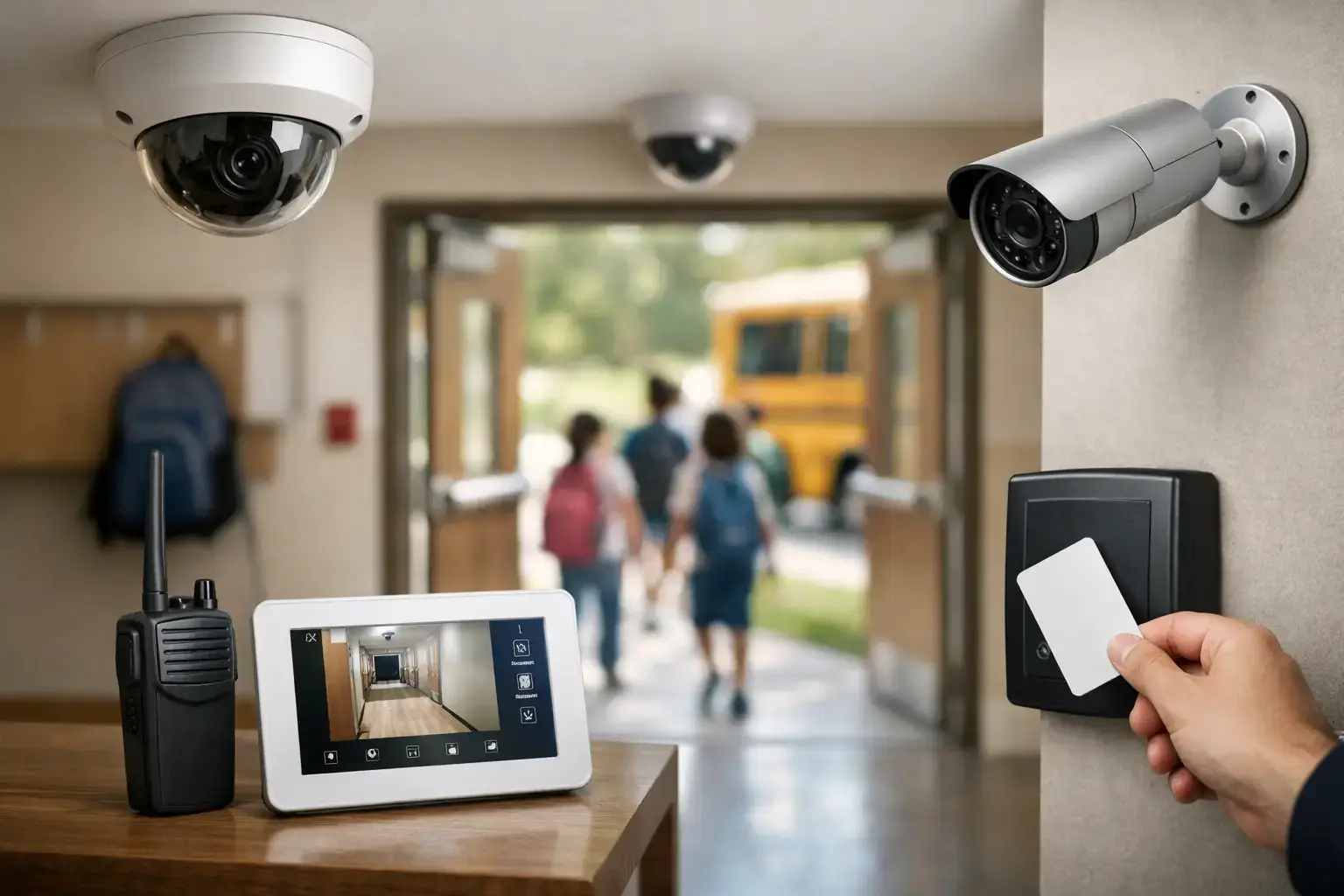
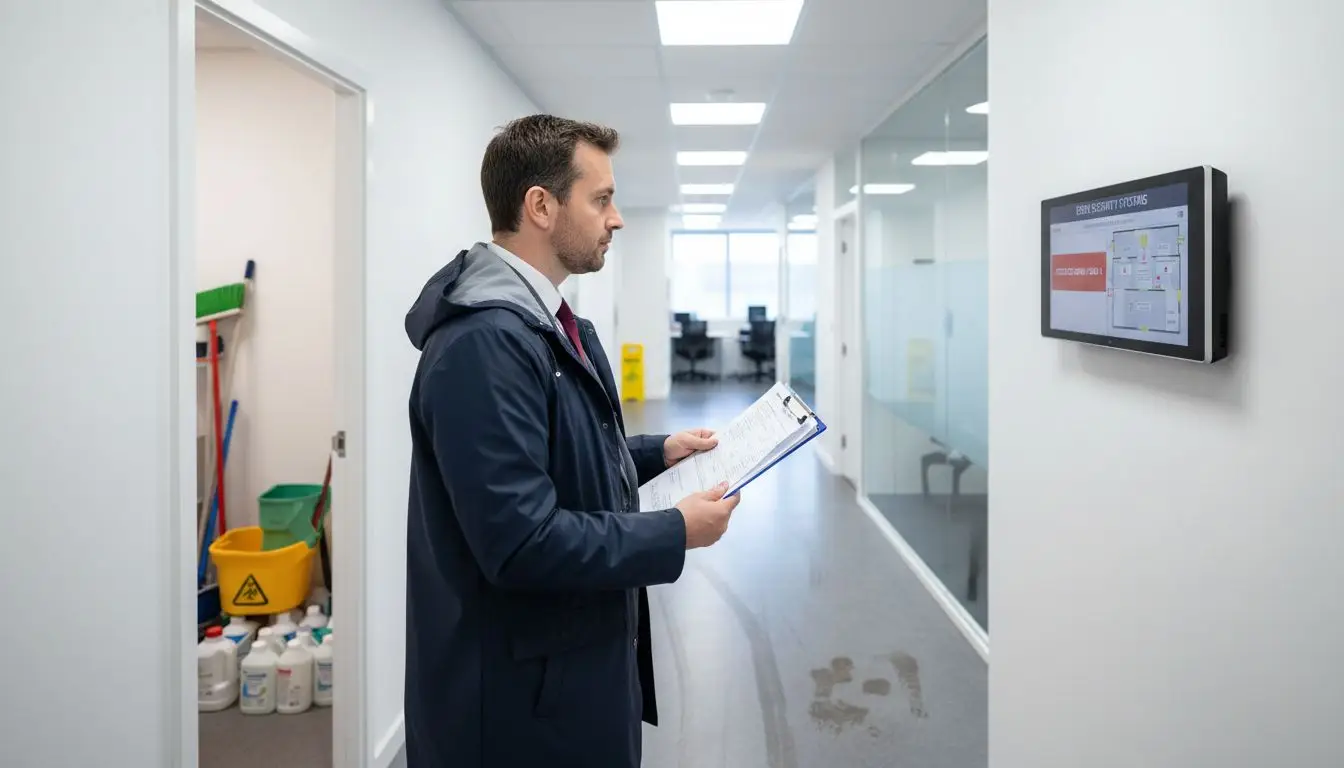
Many property managers believe all alarm systems automatically alert police when triggered. This is false. Only monitored systems connected to Alarm Receiving Centres provide automatic emergency notifications. Meanwhile, false alarms account for over 99.5% of fire service callouts, draining resources and disrupting operations. This guide explains how smart alarms work, which systems suit your Essex or London property, and how to choose compliant solutions that reduce false alarms while enhancing security.
Key takeaways
| Point | Details |
|---|---|
| Smart alarms use internet communication | Internet-based monitoring delivers faster alerts and better security than traditional landline systems. |
| UK regulations mandate upgrades by 2027 | Analogue alarm systems must be replaced as landlines phase out, with specific smoke and CO alarm standards applying. |
| Monitored alarms provide automatic police alerts | Only systems connected to Alarm Receiving Centres notify police automatically; unmonitored alarms require manual intervention. |
| Regular maintenance prevents false alarms | Testing weekly and replacing sensors every 10 years reduces false alarms and maintains compliance. |
| Integration improves overall security | Combining smart alarms with CCTV and access control creates comprehensive protection for commercial and residential properties. |
Introduction to smart alarms
Smart alarms represent the next generation of security technology for Essex and London properties. Unlike traditional systems that rely on landlines, smart alarms use internet-based communication enabling remote monitoring and real-time alerts to property managers and security teams. This shift matters because UK landlines are being phased out by 2027, making analogue systems obsolete.
The core components of smart alarm systems include:
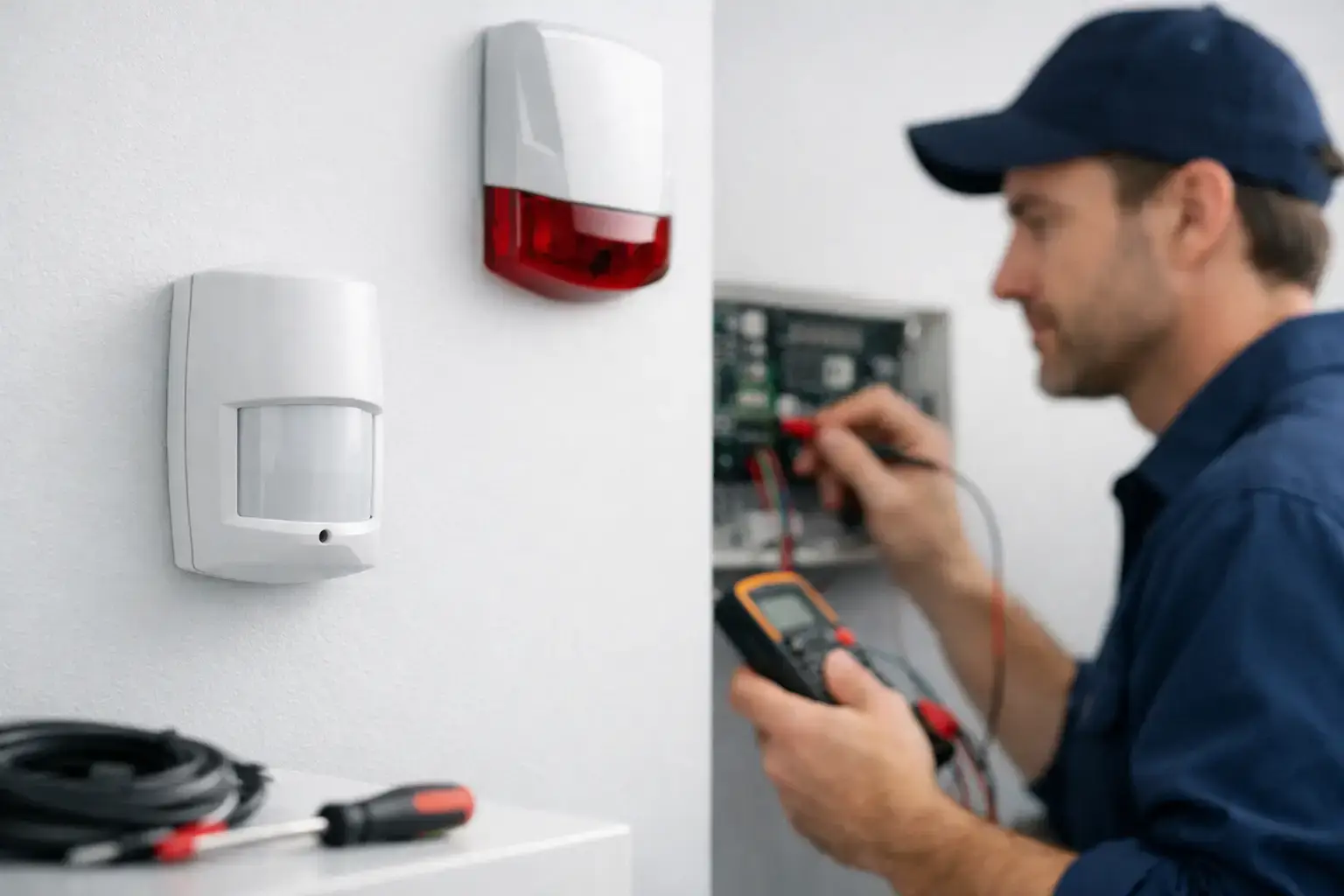
- Motion detectors and door sensors that identify intrusion attempts
- Communication modules using mobile data or broadband connections
- AI-enabled analytics that distinguish genuine threats from false triggers
- Alert systems delivering notifications to smartphones, control panels, and monitoring centres
- Integration capabilities connecting with CCTV and access control platforms
For property managers overseeing commercial buildings or residential portfolios, smart alarms prevent security breaches while meeting modern compliance demands. These systems provide remote access to security status, allowing you to respond instantly from anywhere. Understanding security basics for Essex and London helps you assess which features matter most for your property type.
The shift from analogue to digital represents more than a technology upgrade. It fundamentally changes how properties are protected, monitored, and maintained. Smart alarms reduce reliance on human intervention while increasing response accuracy through verified threat detection.
How smart alarms work: technology and mechanisms
Smart alarms operate through encrypted internet connections that replace traditional telephone lines. When sensors detect potential threats, the system immediately processes data through onboard analytics. AI algorithms analyse patterns to determine whether an event represents a genuine security breach or a false trigger caused by pets, wind, or other benign factors.
This verification process reduces false alarms significantly. Instead of triggering alerts for every motion detection, smart systems evaluate:
- Movement patterns and speed profiles
- Time of day and location context
- Multiple sensor correlation to confirm threats
- Historical data identifying typical false alarm causes
Once the system confirms a genuine threat, it activates multiple alert mechanisms simultaneously. Local audible alarms sound to deter intruders and alert nearby occupants. Smartphone notifications reach property managers with live updates and video verification if integrated with CCTV. For monitored systems, alerts transmit to Alarm Receiving Centres where trained operators assess the situation and contact emergency services when appropriate.
Remote monitoring capabilities give property managers unprecedented control. You can arm or disarm systems from mobile apps, check sensor status in real time, and receive instant confirmation when contractors or tenants access the property. This visibility proves particularly valuable for smart alarm installation in Essex properties where managers oversee multiple locations.

The technology also supports scheduled automation. Systems can automatically arm at closing time and disarm for trusted staff arrivals. Geofencing triggers alerts if someone disarms the system outside designated times. These features reduce human error while maintaining flexibility for legitimate access needs.
For compliance and insurance purposes, understanding alarm monitoring and compliance requirements ensures your system meets industry standards. Modern smart alarms log all events with timestamps, creating audit trails that satisfy regulatory requirements and support insurance claims when incidents occur.
Regulatory compliance and UK standards
The regulatory landscape for alarm systems in Essex and London combines multiple requirements that property managers must navigate. The UK digital telephone switchover impacts analogue alarm systems, necessitating upgrades by 2027 as traditional landlines become unavailable. This deadline means many existing systems will stop functioning unless converted to digital communication.
For residential properties, smart alarms must comply with UK regulations such as Smoke and Carbon Monoxide Alarm (England) Regulations 2015. These rules mandate specific alarm types and locations:
- Smoke alarms on every storey used as living accommodation
- Carbon monoxide alarms in rooms with solid fuel burning appliances
- Alarms powered by mains electricity with battery backup
- Testing requirements before new tenancies begin
Commercial properties face additional standards under BS 5839-1, which governs fire detection and alarm systems in non-domestic buildings. This standard specifies installation procedures, maintenance schedules, and annual inspection requirements. Insurance companies frequently require BS 5839-1 compliance as a condition of coverage.
The differences between residential and commercial requirements affect system design and maintenance costs. Commercial properties typically need more comprehensive coverage with integrated fire and security systems. Residential installations focus on occupant safety with simpler configurations meeting minimum statutory requirements.
Property managers must maintain documentation proving compliance. This includes installation certificates, maintenance records, and inspection reports. Understanding alarm compliance in Essex helps avoid penalties and ensures insurance validity. Non-compliance risks fines, insurance claim denials, and potential liability if incidents occur in inadequately protected properties.
Common misconceptions about smart alarms
Many property managers operate under dangerous assumptions about alarm functionality. The most critical misconception is that all alarm systems automatically notify police when triggered. This is false. Only monitored alarms connected to Alarm Receiving Centres notify police automatically. Unmonitored systems rely entirely on someone hearing the alarm and manually calling emergency services.
Another widespread belief involves maintenance frequency. Property managers often assume monthly testing with the test button ensures full functionality. However, maintenance frequency is often underestimated and test buttons only verify limited components. They do not check sensor accuracy, communication links, or power backup systems. Weekly user tests combined with annual professional inspections provide proper verification.
The impact of false alarms gets routinely underestimated. False alarms cause substantial operational disruption affecting emergency service availability and creating complacency among security personnel. When alarms trigger frequently without genuine threats, response teams become desensitised, potentially delaying reactions to real emergencies.
Sensor degradation over time represents another overlooked factor. Many managers believe alarms function indefinitely once installed. Smoke and heat sensors lose sensitivity as dust accumulates and components age. This degradation increases both false alarms and missed detections simultaneously.
Pro Tip: Create a digital maintenance log documenting all tests, inspections, and sensor replacements. This record proves compliance during insurance claims and regulatory audits while helping identify patterns that predict equipment failures before they compromise security.
Understanding these misconceptions helps property managers implement effective security strategies rather than relying on false assumptions that leave properties vulnerable.
Monitored vs unmonitored smart alarms: comparison framework
Choosing between monitored and unmonitored smart alarm systems requires understanding fundamental operational differences. Monitored alarms connect to professional Alarm Receiving Centres staffed 24/7. When sensors trigger, monitored alarms have ARC connections with faster verified emergency response and insurance benefits. Operators verify threats through video feeds or sequential sensor activation before contacting police, reducing false alarm rates while ensuring genuine emergencies receive immediate attention.
Unmonitored systems rely on local audible alarms and smartphone notifications sent directly to property managers. You receive alerts but must personally assess situations and contact authorities when necessary. This approach requires immediate availability to respond, which proves challenging for managers overseeing multiple properties or working outside normal hours.
| Feature | Monitored Systems | Unmonitored Systems |
|---|---|---|
| Police notification | Automatic through ARC | Manual by property manager |
| Response time | Immediate verified alerts | Depends on manager availability |
| Monthly cost | £15-£40 monitoring fees | No ongoing fees |
| Insurance premiums | Often reduced 10-20% | Standard rates apply |
| False alarm handling | Professional verification | Manager must assess each alert |
| Suitability | High-value commercial properties | Residential or low-risk premises |
For Essex and London commercial properties with valuable assets or regulatory requirements, monitored systems provide essential protection. The monthly monitoring costs typically offset through insurance premium discounts and reduced security staff expenses. Monitored burglar alarms in Essex offer professional-grade security with verified response protocols.
Unmonitored systems suit residential properties or commercial premises with lower risk profiles where property managers can respond quickly. The key advantage is eliminating monthly fees while maintaining smart features like remote access and mobile alerts. However, you assume full responsibility for emergency response decisions.
Consider these factors when deciding:
- Property value and theft risk level
- Manager availability for immediate response
- Insurance requirements and potential discounts
- Regulatory compliance needs for your property type
- Budget constraints for initial installation and ongoing costs
Many property managers start with unmonitored systems and upgrade to monitoring as portfolios grow or risk assessments change.
Maintaining smart alarms and reducing false alarms
Proper maintenance separates reliable security systems from liability risks. Weekly user tests and annual engineering inspections align with UK BS 5839-1 standards ensuring systems function correctly when needed. These inspections verify sensor functionality, communication links, battery backup, and integration with other security components.
Follow this maintenance schedule:
- Weekly user tests checking audible alarms and mobile notifications
- Monthly battery level reviews for backup power systems
- Quarterly sensor cleaning removing dust that causes false triggers
- Annual professional inspections by certified engineers
- Ten-year sensor replacement addressing component degradation
The ten-year replacement cycle matters critically. Replacing smoke alarm heads every 10 years is necessary due to sensor degradation that reduces accuracy and increases false alarms. Sensors using photoelectric or ionisation technology lose sensitivity as internal components age, even when they appear to function normally during basic tests.
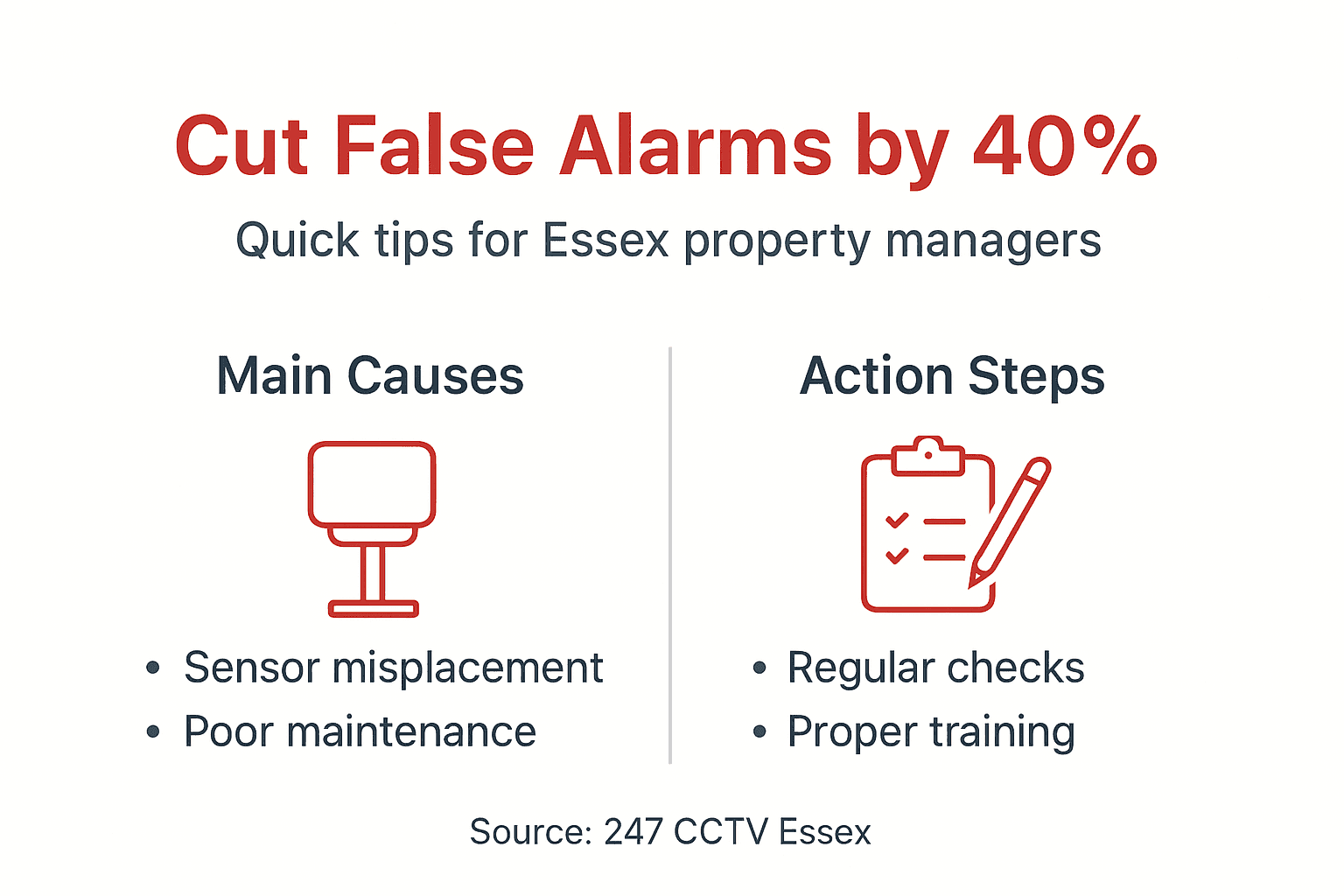
Effective maintenance reduces false alarms that cause significant operational disruption. Common false alarm triggers include:
- Dust accumulation on motion sensors creating phantom detections
- Insects entering sensor chambers mimicking smoke particles
- Incorrect sensor placement near heating vents or bathrooms
- Inadequate user training leading to accidental triggers
- Aging batteries causing communication failures interpreted as alarms
Addressing these issues requires systematic approaches. Position sensors away from air vents, humidifiers, and areas with temperature fluctuations. Train all staff on proper arming and disarming procedures. Replace batteries proactively rather than waiting for low battery warnings. Clean sensors quarterly using compressed air and soft brushes.
Documentation proves compliance and supports insurance claims. Record every test, inspection, and maintenance action with dates, technician details, and any issues discovered. This evidence demonstrates due diligence if incidents occur or regulatory audits happen.
Pro Tip: Schedule maintenance during slow business periods and notify all stakeholders before testing alarms to prevent unnecessary panic or emergency service callouts that waste resources and potentially incur fines.
Integration with other security systems
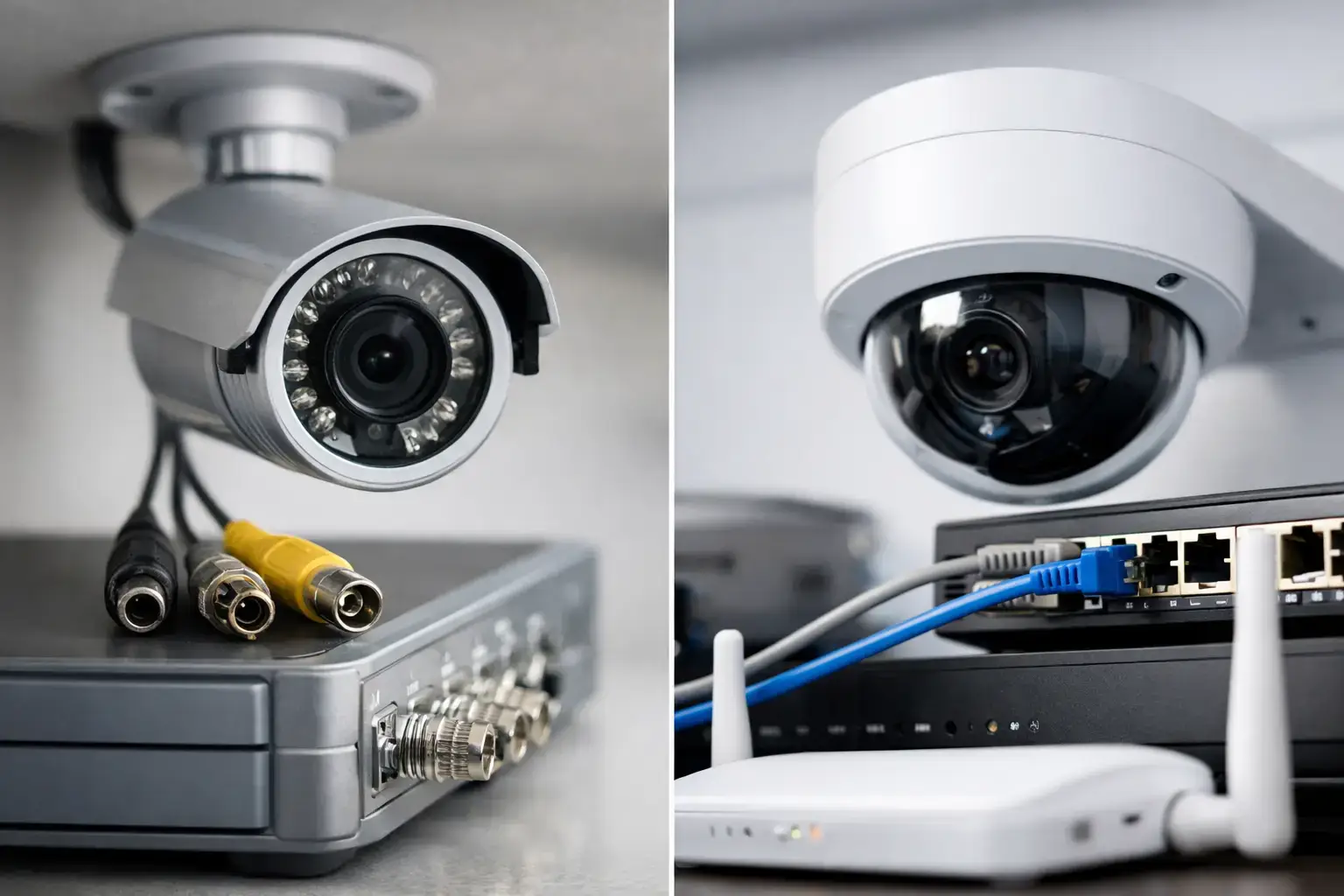
Combining smart alarms with complementary security technologies creates layered protection that addresses multiple threat vectors simultaneously. Smart alarm integration with CCTV and access control systems offers comprehensive security and reduces undetected intrusions by up to 30% through correlated threat verification and expanded coverage.
Integrated systems provide several advantages:
- CCTV verification confirms alarm triggers with visual evidence before dispatching security or police
- Access control logs correlate with alarm events identifying unauthorised entry attempts
- Automated responses like locking doors or activating additional cameras when alarms trigger
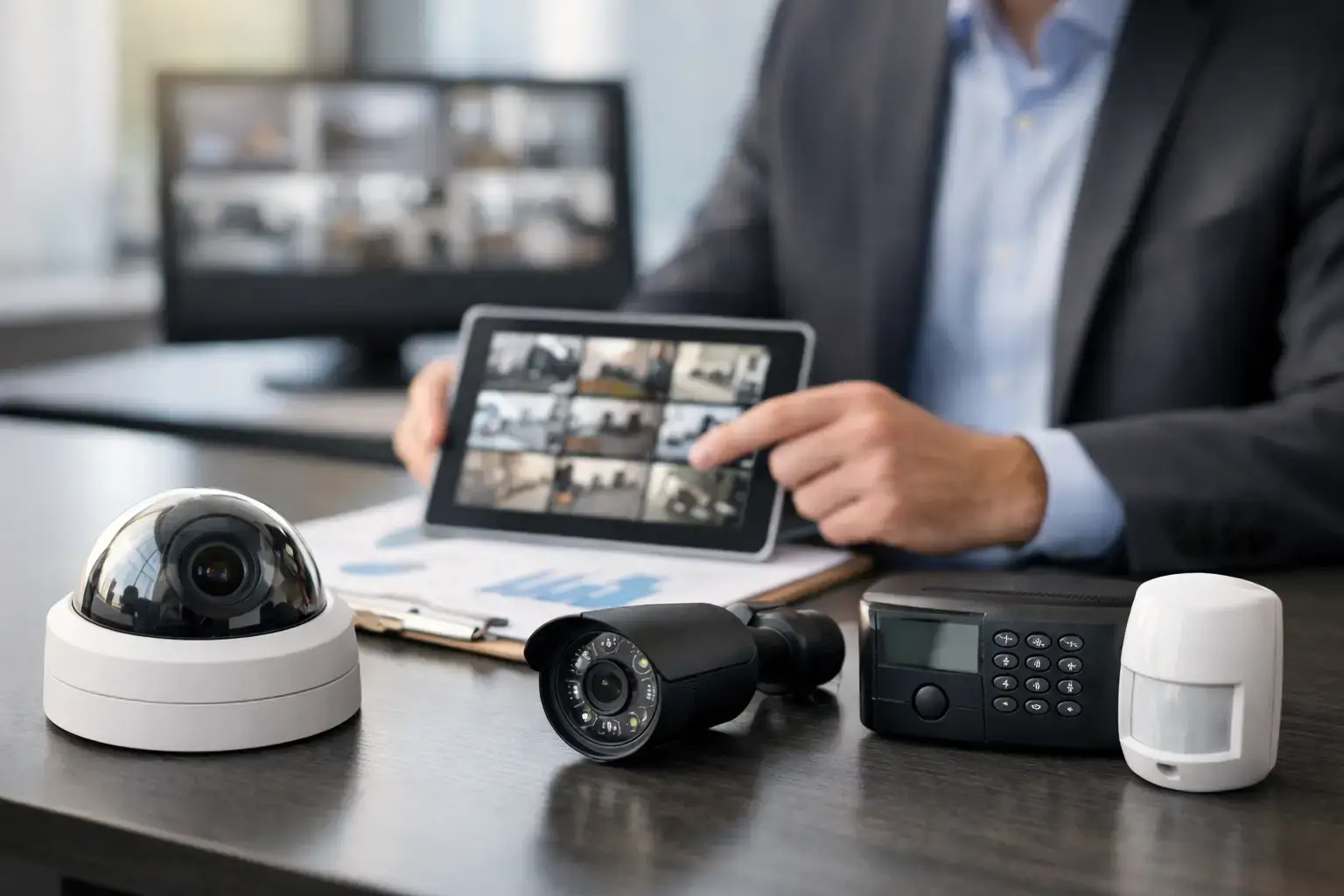
- Centralised monitoring dashboards displaying all security systems in one interface
- Reduced false alarms through multi-sensor confirmation requiring both motion detection and visual verification
For Essex and London properties, smart alarm and CCTV integration proves particularly effective in commercial settings where multiple entry points require coordination. When an alarm triggers, integrated CCTV automatically focuses cameras on the affected zone while access control systems prevent additional entries until security clears the threat.
Data protection considerations become critical with integrated systems. The ICO requires that CCTV and alarm data collection serves legitimate security purposes without excessive intrusion. Store footage securely with encryption, limit access to authorised personnel, and retain recordings only as long as necessary for security reviews or incident investigations.
Practical implementation requires attention to:
- Network security protecting against cyber threats targeting connected systems
- System compatibility ensuring different manufacturers’ equipment communicates properly
- Maintenance coordination scheduling inspections for all integrated components simultaneously
- Staff training covering the expanded functionality of linked security systems
Understanding access control integration guidance helps property managers design cohesive security architectures. Integration investments pay dividends through improved threat detection, faster incident response, and comprehensive audit trails supporting insurance claims and regulatory compliance.
Practical steps to choose and implement smart alarms
Selecting and installing the right smart alarm system requires systematic evaluation of your property’s unique requirements. Follow these steps to ensure your investment delivers effective security while meeting compliance obligations.
Assess property characteristics and risk factors. Evaluate building size, entry points, occupancy patterns, and asset values. Commercial properties with public access require different coverage than residential buildings with controlled entry. High-value inventory or sensitive data increases security requirements and justifies monitored systems.
Decide between monitored and unmonitored based on response needs. Consider your availability for immediate response and insurance requirements. Monitored systems suit properties where delayed response risks significant losses. Unmonitored systems work for lower-risk premises where property managers can react quickly to alerts.
Verify compliance with applicable regulations. Confirm your system meets UK standards including the 2027 digital switchover requirement, smoke and CO alarm regulations for residential properties, and BS 5839-1 for commercial installations. Document compliance for insurance and regulatory purposes.
Plan installation and maintenance schedules with qualified providers. Choose installers with proper certifications and local experience in Essex and London. Discuss integration with existing security systems and plan maintenance schedules before installation begins. Ensure providers offer emergency support for system failures.
When evaluating providers, consider:
- Industry certifications like SSAIB or NSI Gold demonstrating quality standards
- Local experience with Essex and London property types and regulations
- Customer reviews highlighting service quality and response times
- Maintenance packages including regular inspections and emergency support
- Integration capabilities with CCTV and access control systems
Future-proof your investment by selecting systems supporting integration even if you implement basic configurations initially. This flexibility allows adding CCTV or access control later without replacing core alarm components. Understanding professional alarm installation in Essex ensures you work with qualified providers who deliver compliant, reliable systems.
Explore smart alarm solutions with 247 CCTV in Essex and London
Protecting your Essex or London property requires trusted security partners who understand local requirements and deliver reliable solutions. 247 CCTV specialises in smart alarm installations for commercial and residential properties throughout the region. Our SSAIB-certified engineers design systems matching your specific risk profile while ensuring full compliance with UK regulations.

We offer comprehensive security services including monitored and unmonitored burglar alarm installers in Essex, professional CCTV installation services, and integrated access control solutions. Our maintenance packages include regular inspections, sensor replacements, and emergency support ensuring your systems function reliably when needed. For properties seeking flexible financing, explore our CCTV leasing options in Essex that spread costs while delivering immediate protection. Contact us today for a tailored security consultation addressing your property’s unique needs.
Frequently asked questions about smart alarms
What happens to analogue alarms after 2027?
Analogue alarms relying on traditional landlines will stop functioning when telephone exchanges complete digital conversion. You must upgrade to smart systems using internet or mobile communication before your local exchange switches. Contact your alarm provider now to schedule conversion and avoid service interruption.
Can I use an unmonitored smart alarm for commercial premises?
Yes, but insurance companies may require monitoring for high-value properties or specific business types. Unmonitored systems suit low-risk commercial premises where property managers can respond immediately to alerts. Review your insurance policy requirements before deciding.
How often should I replace smoke alarm sensors?
Replace smoke alarm sensors every 10 years regardless of apparent functionality. Sensor components degrade over time, reducing detection accuracy and increasing false alarms. Mark installation dates on sensors and schedule replacements proactively.
Do smart alarms automatically alert the police?
Only monitored smart alarms connected to Alarm Receiving Centres provide automatic police notification. Unmonitored systems send alerts to property managers who must manually contact emergency services. Choose monitored systems if immediate verified response matters for your property.
How can I reduce false alarms effectively?
Schedule weekly user tests, quarterly sensor cleaning, and annual professional inspections. Position sensors away from heating vents and humid areas. Train staff on proper system operation. Replace aging sensors before they fail. Document all maintenance activities proving compliance and supporting insurance claims when needed.