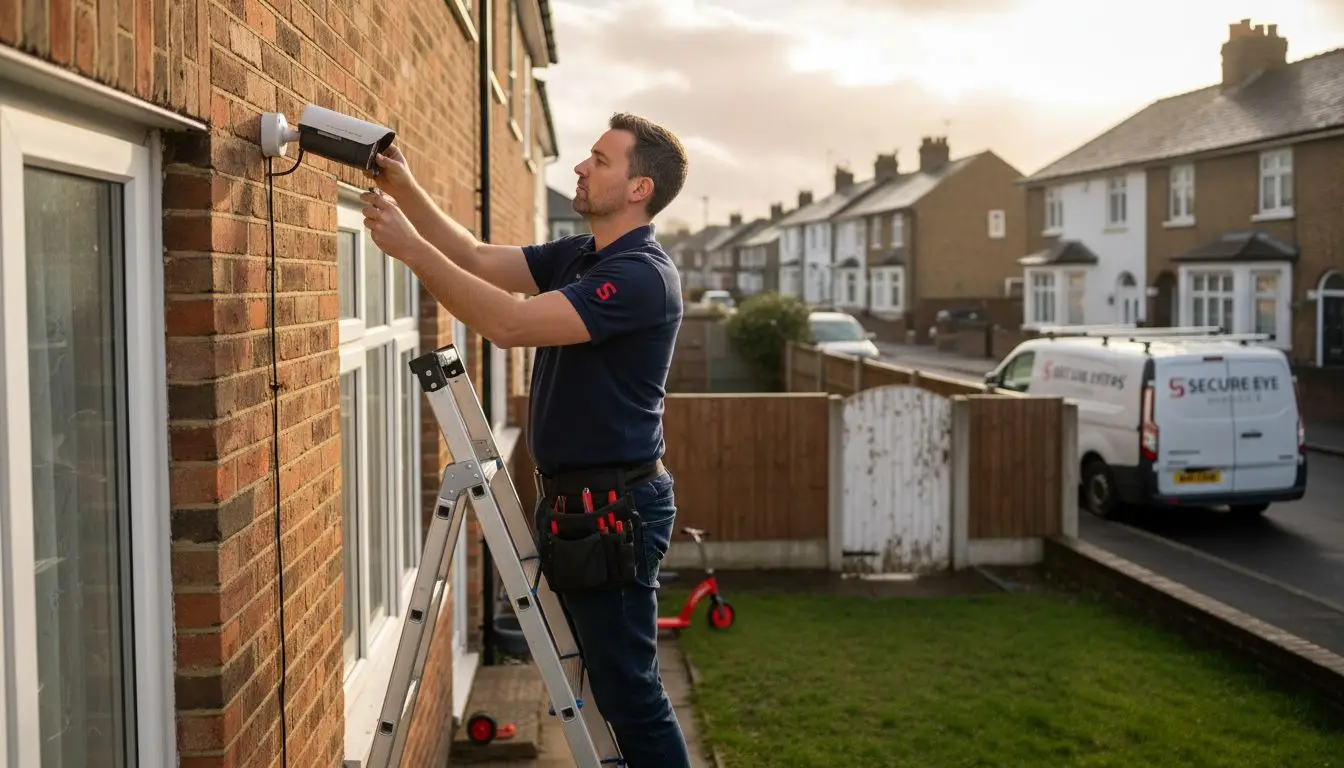
Most british businesses and homeowners now expect more from their CCTV systems than ever before. With 4K cameras offering four times the resolution of standard HD models, the difference in detail can make all the difference when security truly matters. From capturing facial features to reading number plates, advanced technology is changing how properties stay protected in the United Kingdom. This guide sheds light on what sets HD and 4K solutions apart so you can make a confident choice.
Key Takeaways
| Point | Details |
|---|---|
| Resolution Matters | 4K CCTV systems offer significantly higher resolutions, providing superior image clarity and detail compared to HD counterparts. |
| Infrastructure Needs | Evaluate your network’s bandwidth and storage capacity before upgrading to 4K to accommodate the higher data demands. |
| Legal Compliance | Ensure your CCTV system adheres to GDPR regulations to avoid legal issues and potential fines. |
| Tailored Solutions | Conduct a thorough assessment of your security needs and environment to select the most appropriate CCTV technology for your property. |
Defining HD And 4K CCTV Systems
Securing your property requires understanding the fundamental differences between HD and 4K CCTV camera technologies. Modern security systems leverage advanced video resolutions to provide crystal-clear surveillance footage, enabling property owners to monitor their premises with unprecedented detail and clarity.
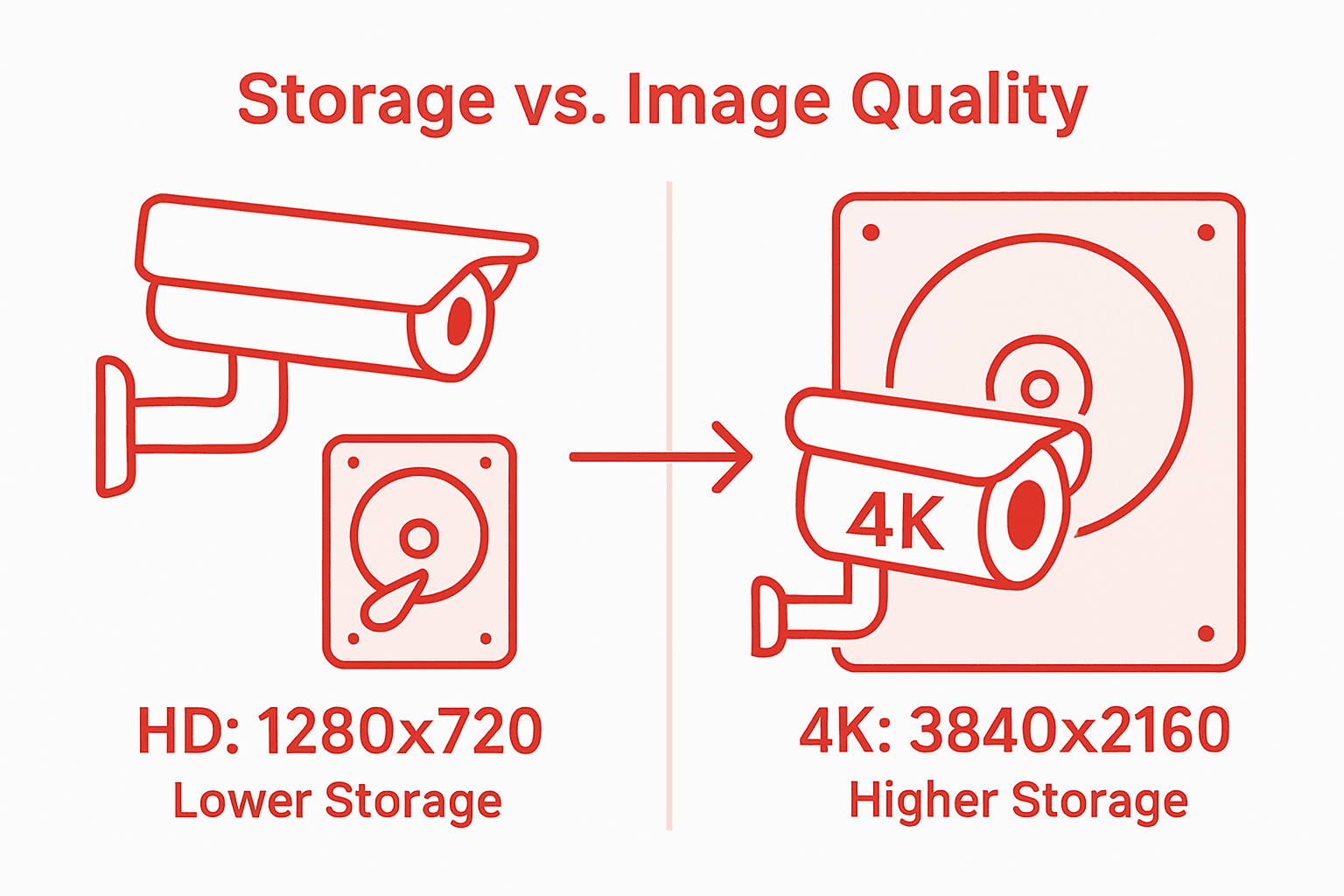
According to the Scientific Working Group on Digital Evidence, HD (High Definition) typically refers to a resolution of 1280×720 pixels, which offers significantly improved image quality compared to standard definition cameras. In contrast, 4K cameras represent a substantial leap forward, boasting resolutions of 3840×2160 pixels – delivering four times the total pixel count of standard HD systems.
The primary differences between HD and 4K systems extend beyond mere pixel numbers. 4K cameras provide enhanced image clarity, wider field of view, and superior digital zoom capabilities. This means property owners can capture minute details like number plates, facial features, and small objects with remarkable precision. For businesses and homeowners in high-risk areas, these technical advantages translate into more robust security monitoring and potential evidence collection.
When selecting between HD and 4K systems, consider your specific security requirements, budget constraints, and storage capacity. While 4K offers superior image quality, it also demands more bandwidth and storage space compared to HD systems.
Here is a concise comparison of the critical factors between HD and 4K CCTV systems:
| Aspect | HD CCTV (1280×720) | 4K CCTV (3840×2160) |
|---|---|---|
| Image Clarity | Good in most settings | Exceptional, captures fine detail |
| Digital Zoom | Limited, image degrades quickly | Strong, maintains clarity when zoomed |
| Field of View | Moderate | Much wider, covers larger area |
| Storage Demand | Moderate storage needs | Substantially higher, quadruple data size |
| Bandwidth Use | Average for most networks | Requires high-capacity connections |
| Cost | Lower initial and running cost | Higher equipment and maintenance costs |
Pro Tip: Storage Strategy: Before investing in a 4K system, assess your network infrastructure and storage capabilities to ensure you can effectively manage the higher data requirements of ultra-high-definition surveillance footage.
Key Differences In Image Quality And Detail
Understanding the nuanced differences in image quality between HD and 4K CCTV systems is crucial for property owners seeking comprehensive security solutions. While both technologies offer significant improvements over older surveillance methods, the visual performance varies dramatically across critical parameters.
Research from the ACHI 2024 conference highlights that 4K cameras provide four times the resolution of standard HD systems, enabling substantially sharper images with exceptional detail capture. This increased pixel density means security professionals can extract significantly more information from recorded footage, transforming how we approach visual evidence gathering.
The technical advantages of 4K extend beyond raw pixel count. Improved resolution translates into enhanced digital zoom capabilities, allowing security personnel to magnify specific areas without substantial image degradation. For businesses and property managers, this means the ability to identify minute details like facial features, vehicle registration numbers, or potential security threats with unprecedented clarity. In high-risk environments such as retail spaces, warehouses, or sensitive commercial zones, these visual enhancements can mean the difference between identifying a potential security breach and missing critical evidence.

While 4K offers superior image quality, it’s essential to recognise that higher resolution comes with increased technical requirements. Storage needs, bandwidth consumption, and processing power all become more demanding with 4K systems, necessitating robust infrastructure to support these advanced surveillance solutions.
Pro Tip: Resolution Matching: Always align your camera resolution with your specific security requirements, considering factors like location, lighting conditions, and the level of detail you need to capture.
Storage, Bandwidth, And Infrastructure Needs
Choosing between HD and 4K CCTV systems involves more than just image quality considerations. The technical infrastructure required to support these advanced surveillance solutions presents significant challenges for businesses and property owners seeking robust security implementations.
Comprehensive research from the Canadian Horticultural Therapy Association reveals that 4K video systems demand substantially more storage and bandwidth compared to traditional HD cameras. This increased technical requirement means organisations must invest in more sophisticated network infrastructure, faster computer systems, and significantly larger data storage capacities to effectively manage high-resolution surveillance footage.
The infrastructure demands extend beyond simple storage considerations. Network bandwidth becomes a critical limiting factor, with 4K systems requiring exponentially more data transmission capabilities. For small to medium-sized businesses operating with limited technological resources, these requirements can represent a substantial financial and technical barrier. This means carefully evaluating your existing network infrastructure, assessing data transmission speeds, and potentially upgrading network equipment to support the increased data demands of 4K surveillance systems.
Additionally, the storage requirements for 4K systems are dramatically different from HD solutions. Where HD cameras might require relatively modest storage capacities, 4K systems can generate four times the data volume, necessitating advanced storage solutions like network-attached storage (NAS) or cloud-based archiving systems. These infrastructure investments ensure continuous, uninterrupted surveillance without compromising image quality or system performance.
Pro Tip: Infrastructure Planning: Conduct a comprehensive network and storage audit before implementing 4K CCTV systems, ensuring your existing infrastructure can support the increased technical demands of high-resolution surveillance.
Legal Requirements And Data Protection Laws
Navigating the complex landscape of legal requirements for CCTV systems demands a thorough understanding of data protection regulations in the United Kingdom. Property owners and security professionals must carefully balance their surveillance needs with stringent privacy protection standards.
The UK’s Information Commissioner’s Office guidelines provide comprehensive insights into the General Data Protection Regulation (GDPR) requirements for surveillance systems. These regulations mandate that organisations using CCTV must ensure lawful processing, maintain transparency, and implement robust security measures to protect recorded footage. This means businesses cannot simply install cameras without considering the legal and ethical implications of their surveillance practices.
The UK Government’s surveillance regulations emphasise several critical principles for CCTV deployment. Organisations must demonstrate that their surveillance is proportionate, necessary, and does not unnecessarily infringe on individual privacy rights. This involves conducting thorough privacy impact assessments, implementing clear signage indicating camera locations, and establishing strict protocols for data storage, access, and deletion. Businesses must also ensure that their CCTV systems capture only the minimum necessary information to achieve their specific security objectives.
Additionally, organisations must implement technical and organisational safeguards to protect recorded data. This includes secure storage systems, restricted access controls, and clear procedures for handling and potentially sharing surveillance footage with authorised parties such as law enforcement. Failure to comply with these regulations can result in significant financial penalties and potential legal consequences.
Pro Tip: Compliance Preparation: Consult a data protection specialist to review your CCTV system’s compliance with current UK privacy regulations, ensuring your surveillance strategy meets all legal requirements.
The following table summarises key infrastructure and legal considerations for CCTV installation in the UK:
| Consideration | Infrastructure Requirement | Legal/Compliance Factor |
|---|---|---|
| Storage | Size depends on camera resolution and retention period | Retain footage only as long as necessary |
| Network | Sufficient bandwidth for selected resolution | Secure transmission to prevent data leaks |
| Access Control | Restricted user permissions | Authorised staff only may view footage |
| Compliance | Robust hardware, periodic audits | Adherence to GDPR and privacy laws |
Choosing The Right CCTV For Your Property
Selecting the most appropriate CCTV system requires a strategic approach that goes beyond simply comparing technical specifications. Property owners must consider multiple factors to ensure their surveillance solution meets specific security requirements and operational constraints.
Comprehensive guidance from the National Security Inspectorate emphasises the importance of conducting a thorough assessment of your property’s unique security landscape. This involves carefully evaluating potential vulnerabilities, understanding your specific monitoring needs, and matching those requirements with the most suitable camera technologies. Different environments – whether residential, commercial, or industrial – demand tailored surveillance approaches.
Key considerations extend beyond resolution and image quality. Property owners must evaluate critical factors such as low-light performance, field of view, weather resistance, and integration capabilities with existing security systems. Indoor spaces might require different camera specifications compared to external monitoring areas, with considerations like infrared capabilities, wide-angle lenses, and environmental durability becoming crucial decision-making factors.
Budget considerations play a significant role in system selection, but should not compromise core security objectives. While 4K systems offer superior image detail, they also demand more sophisticated infrastructure and higher storage costs. Smaller properties or businesses with limited resources might find high-quality HD systems more practical, providing robust security without excessive technical complexity.
Pro Tip: Strategic Evaluation: Conduct a comprehensive site survey before purchasing your CCTV system, mapping out precise camera locations and understanding specific security challenges unique to your property.
Secure Your UK Property with the Right CCTV Solution Today
Choosing between HD and 4K CCTV can be overwhelming when weighing factors like image clarity, storage needs, and legal compliance. Whether you need to capture fine details like facial features and number plates or require a system that fits your existing infrastructure, understanding these challenges is crucial. At 247cctv.co.uk, we empathise with your concerns about storage demands, bandwidth, and meeting UK data protection laws while wanting the clearest security footage possible.

Take control of your security by partnering with experienced professionals who provide tailored CCTV installation solutions for both business and residential customers. Explore how our team can guide you through choosing the perfect camera system that matches your property’s unique needs. Visit 247cctv.co.uk now to ensure your property is protected with clarity and compliance. Don’t delay enhancing your security infrastructure with the latest technology designed for UK properties.
Frequently Asked Questions
What is the difference in resolution between HD and 4K CCTV systems?
HD CCTV systems have a resolution of 1280×720 pixels, while 4K CCTV systems offer a resolution of 3840×2160 pixels, providing four times the total pixel count of HD.
How does image clarity differ between HD and 4K CCTV cameras?
4K CCTV cameras provide exceptional image clarity and detail, allowing for the identification of smaller details like facial features and number plates, whereas HD cameras offer good image quality but with less detail.
What are the storage requirements for HD vs 4K CCTV systems?
4K CCTV systems require substantially more storage space compared to HD systems due to their higher resolution, generating four times the data volume, which may necessitate advanced storage solutions.
Are there specific legal requirements to consider when installing CCTV systems?
Yes, organisations must comply with regulations such as the GDPR, ensuring lawful processing, transparency, and the implementation of security measures to protect recorded footage.
Recommended
- HD CCTV Explained: Complete Guide for UK Properties – 247 CCTV Security Ltd
- Why Everyone in Essex Is Talking About 4K CCTV Systems (And You Should Too) – 247 CCTV Security Ltd
- Why Everyone in Essex Is Talking About 4K CCTV Systems (And You Should Too) – 247 CCTV Security Ltd
- Complete Guide to Types of Security Cameras – 247 CCTV Security Ltd
- Shutters and Home Security: UK Guide for Safer Homes 2025 | Shutter World