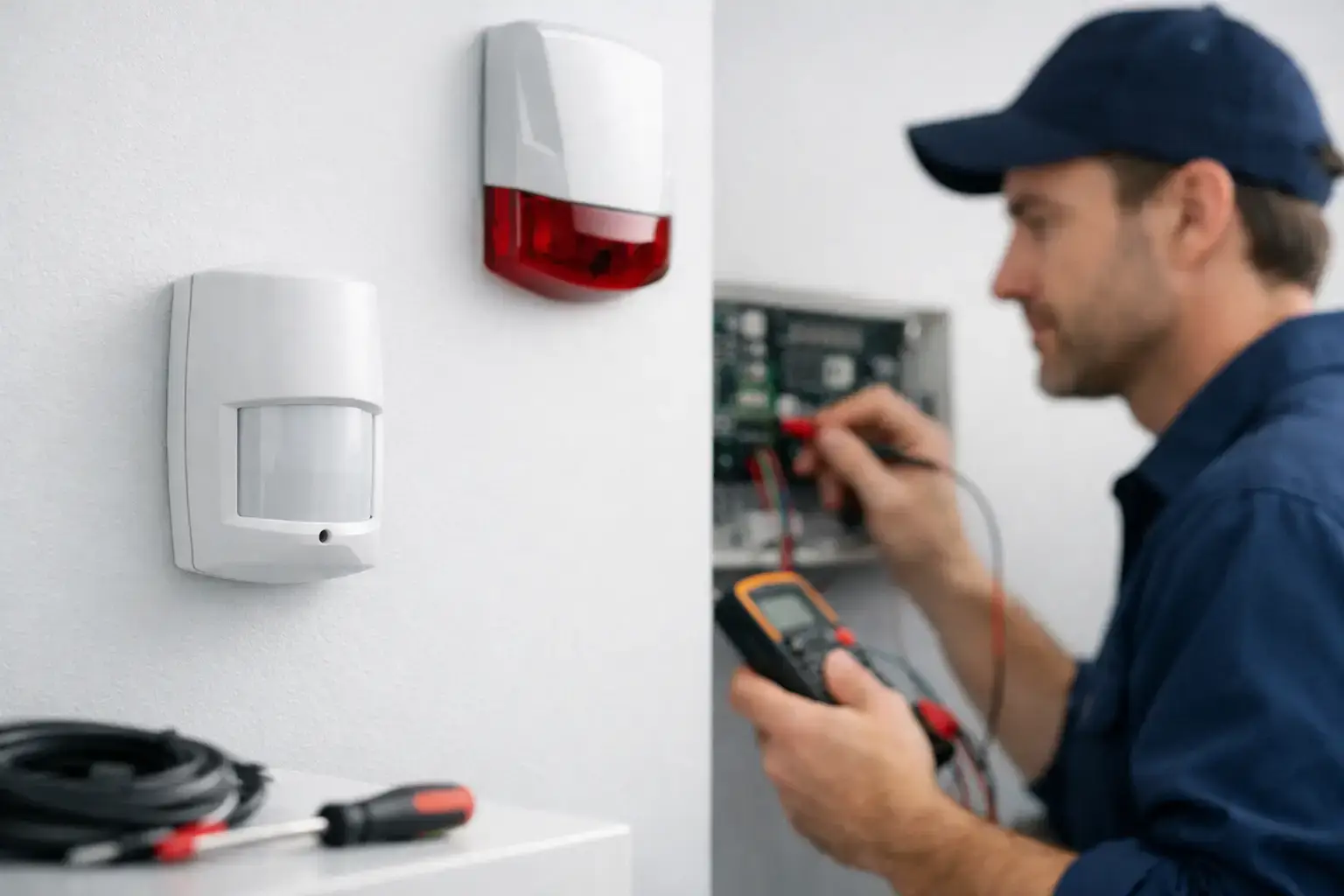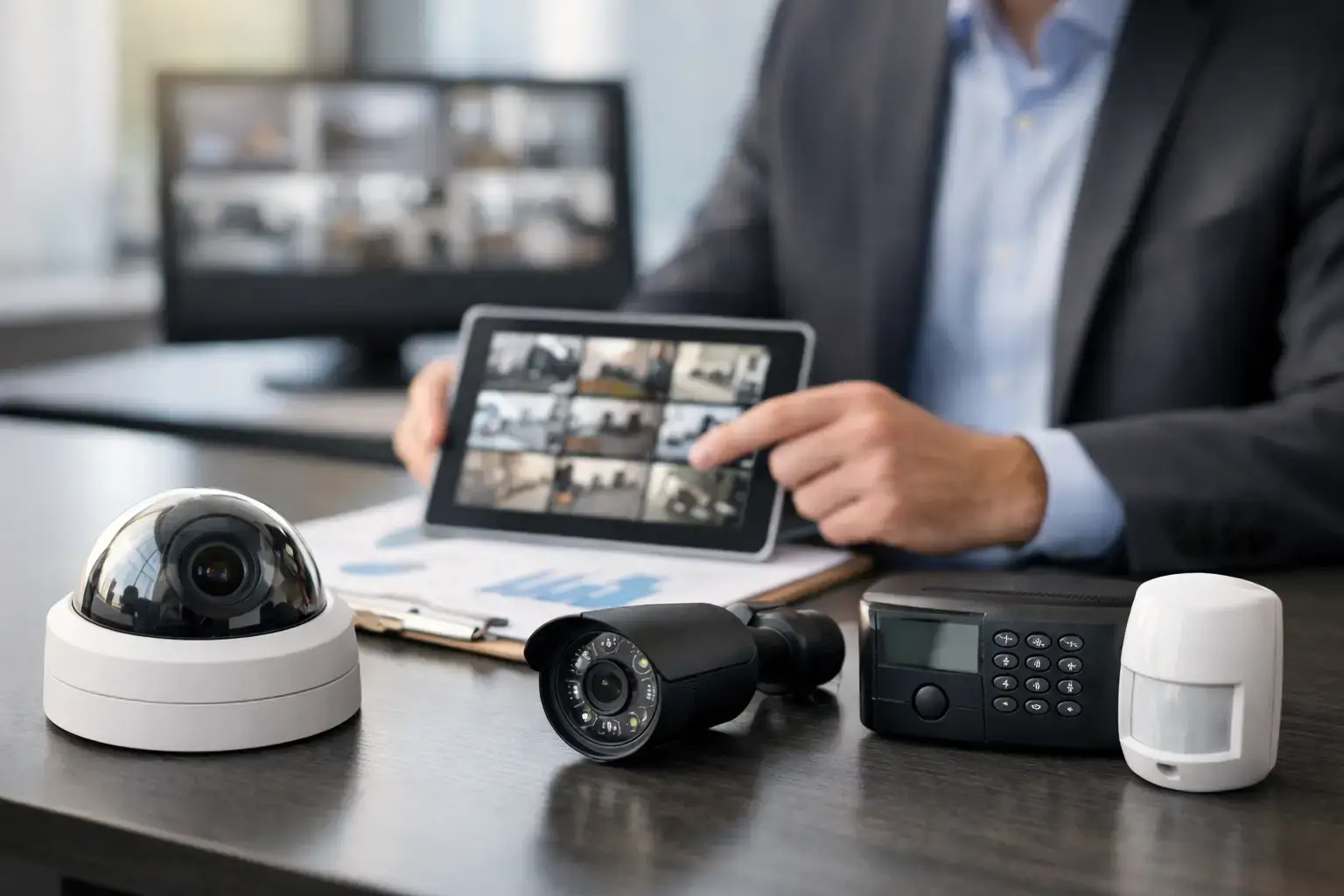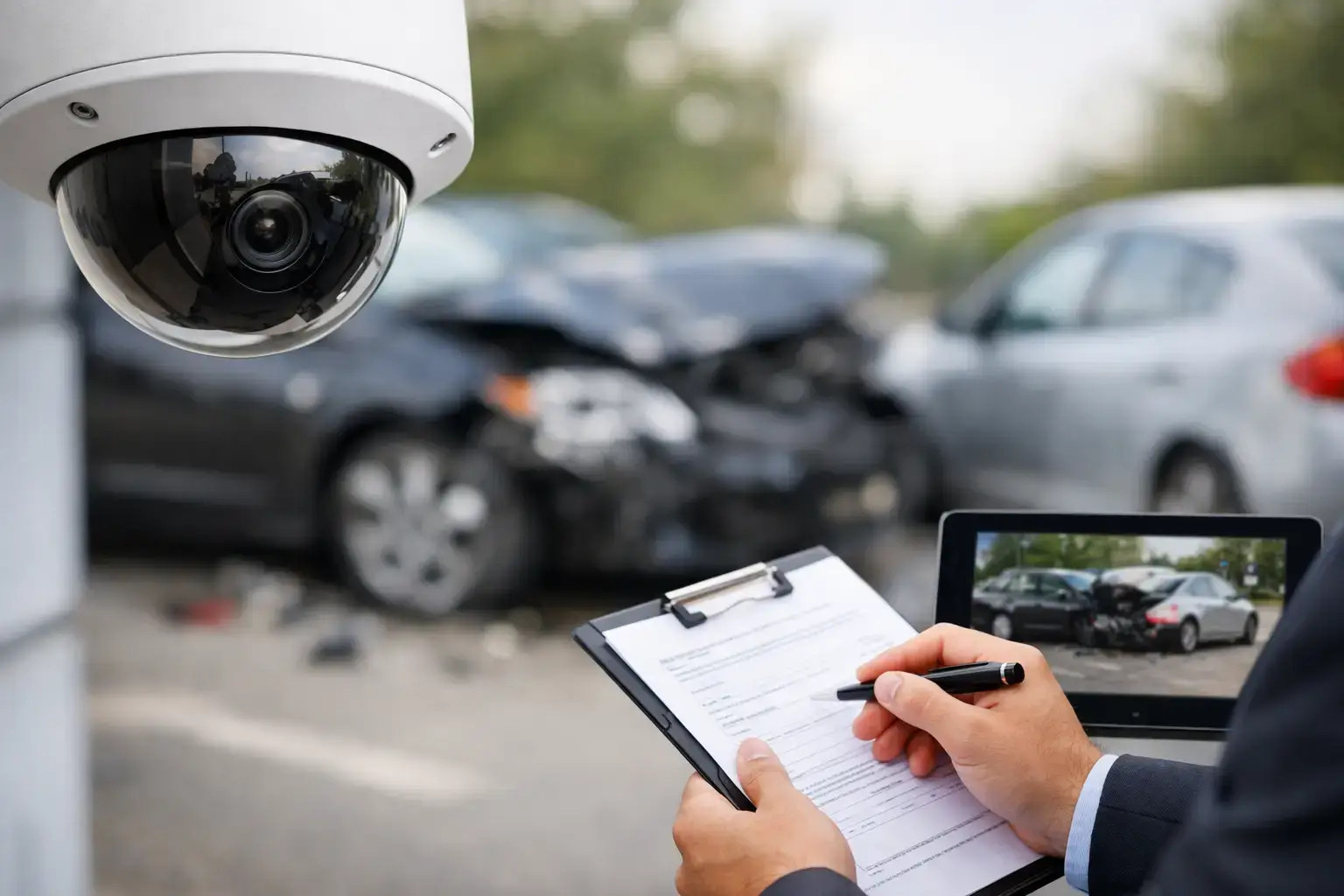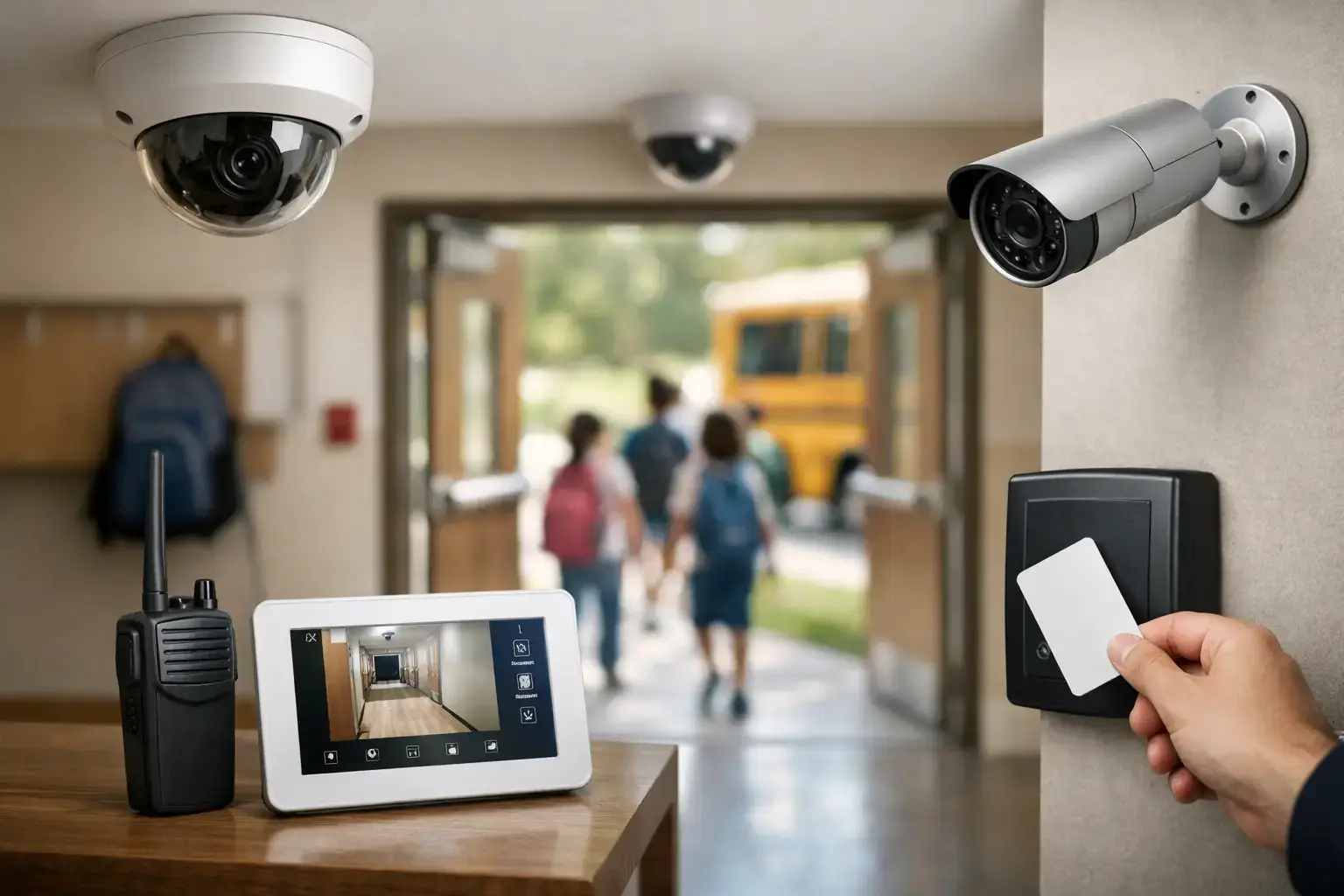
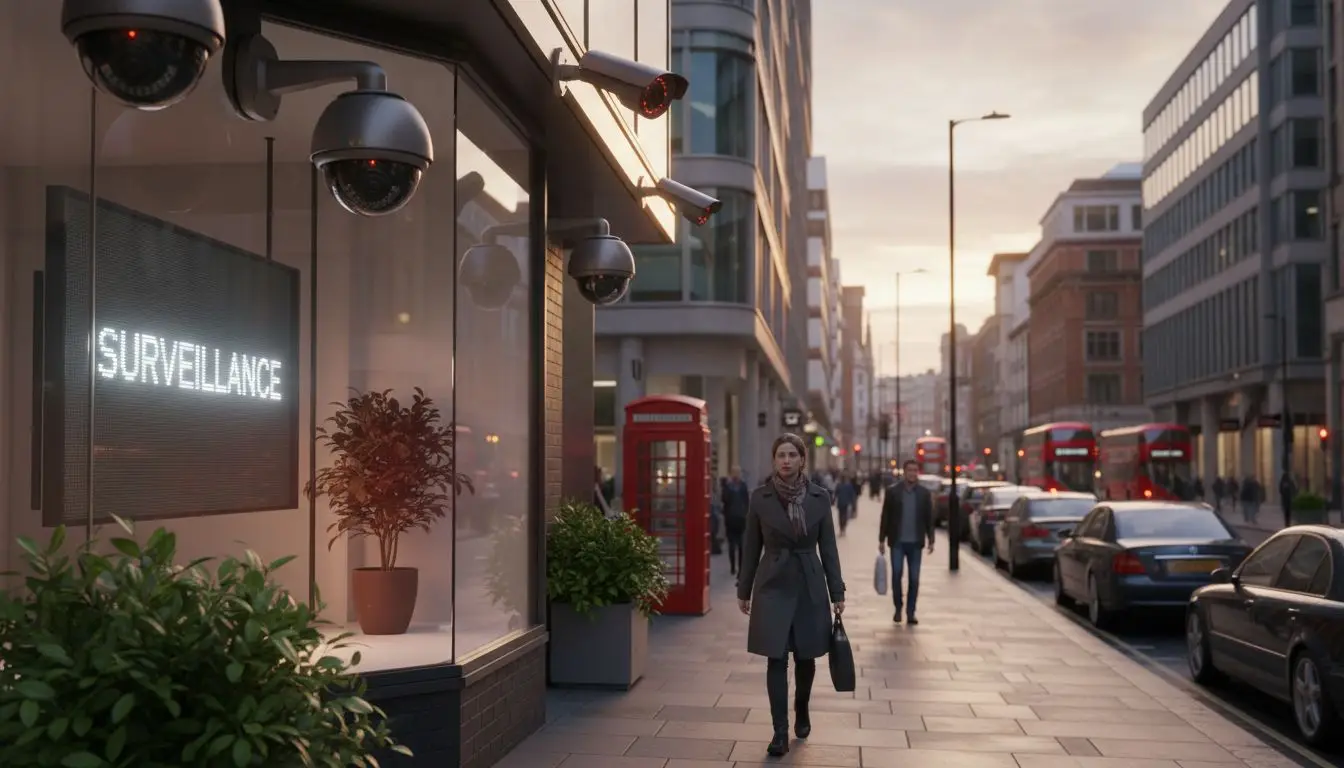
Security cameras have become an integral part of british life, with estimates suggesting there are over 5.2 million cameras in use across the United Kingdom. The need to protect homes, businesses, and public spaces has never been greater as communities seek peace of mind in daily life. Understanding how these devices work and the purposes they serve helps you make informed choices about modern security and privacy in a rapidly changing world.
Key Insights
| Key Point | Details |
|---|---|
| Importance of Security Cameras | Security cameras are essential for deterring criminal activities and enhancing public safety in both residential and commercial spaces. |
| Technological Advancements | Modern security systems include features like motion detection and night vision, improving monitoring capabilities and overall effectiveness. |
| Legal Compliance | Organisations must adhere to strict regulations, ensuring that surveillance measures respect individual privacy while maintaining security. |
| Installation Best Practices | Proper camera positioning and technical configuration are vital for maximising the effectiveness of security systems and avoiding common errors. |
Defining Security Cameras And Their Purpose
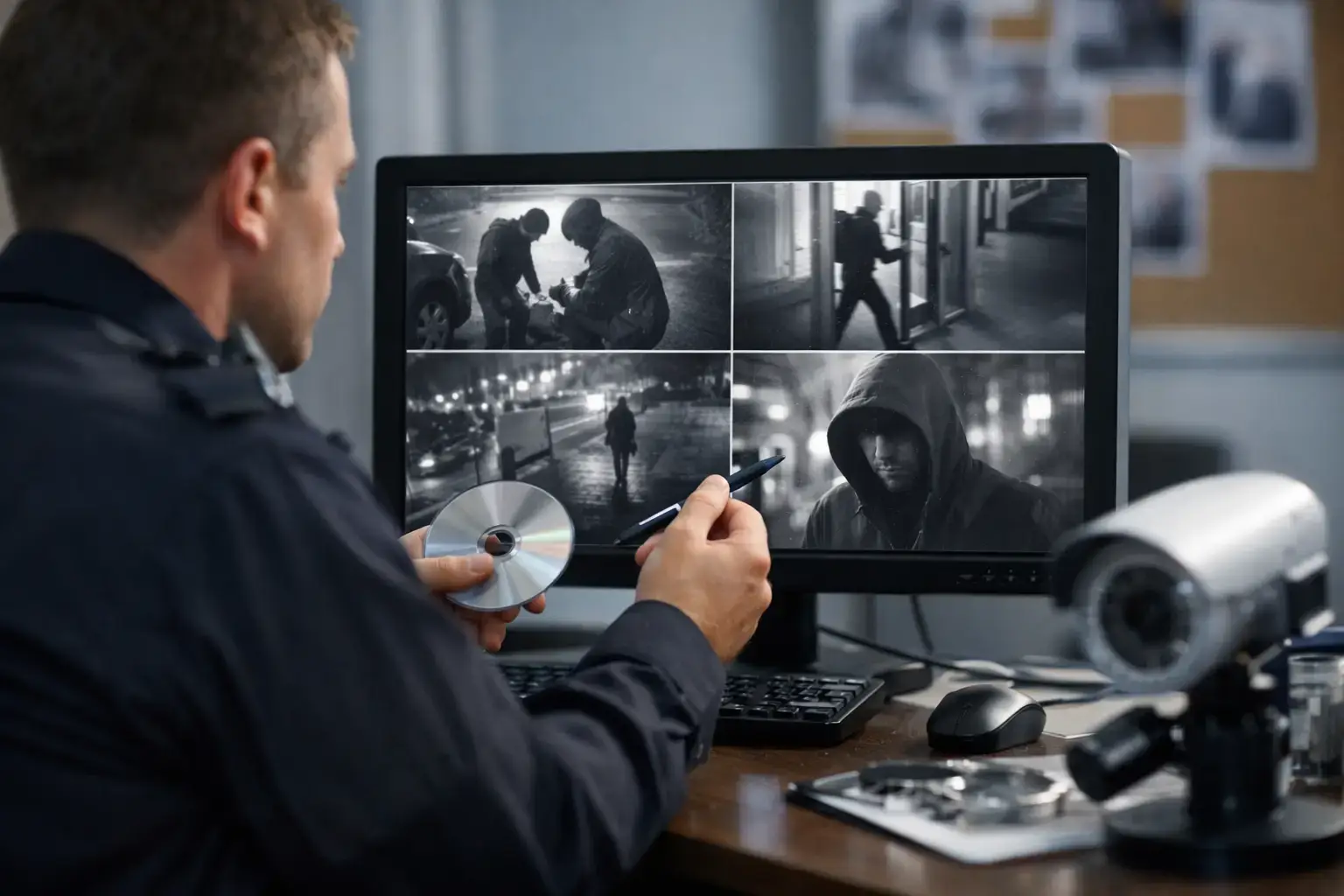
Security cameras are sophisticated monitoring devices designed to capture, record, and analyse visual information in both residential and commercial environments. These intelligent systems serve multiple critical functions beyond simple surveillance, providing comprehensive security solutions that help protect property, people, and assets.
In the United Kingdom, security cameras play a significant role in crime prevention and public safety. The Surveillance Camera Code of Practice emphasises their importance in maintaining community security, highlighting how these devices act as powerful deterrents against potential criminal activities. Modern security cameras are not just passive recording tools but active monitoring systems equipped with advanced features like motion detection, night vision, and real-time alerts.
The legal framework surrounding security camera deployment is stringent and well-defined. Under the Regulation of Investigatory Powers Act 2000, organisations must adhere to strict guidelines when implementing surveillance technologies. This legislation ensures that camera systems are used responsibly, protecting individual privacy while enabling effective security management. Key purposes of security cameras include:
- Deterring criminal behaviour
- Providing visual evidence for investigations
- Monitoring high-risk or restricted areas
- Enhancing overall safety and security awareness
- Offering remote monitoring capabilities
Whether protecting a small business, a residential property, or a large commercial facility, security cameras have become an essential component of modern safety strategies. Their ability to provide continuous, unblinking surveillance makes them an indispensable tool in today’s security landscape.
Popular Types Of Security Cameras Explained
Security cameras come in diverse configurations, each designed to meet specific surveillance requirements across different environments. Various camera types offer unique advantages that cater to residential, commercial, and industrial security needs, making it crucial to understand their distinctive features and applications.
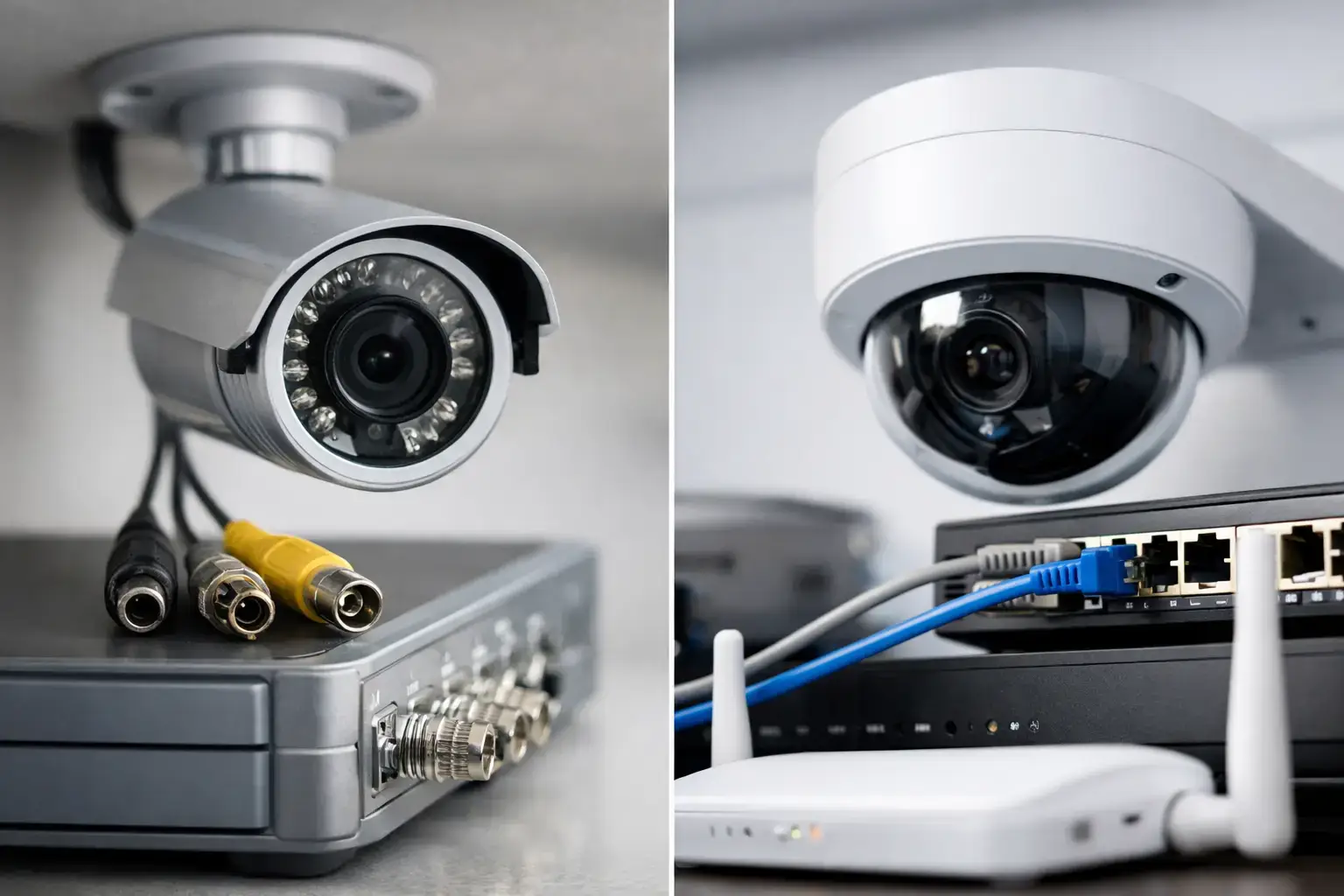
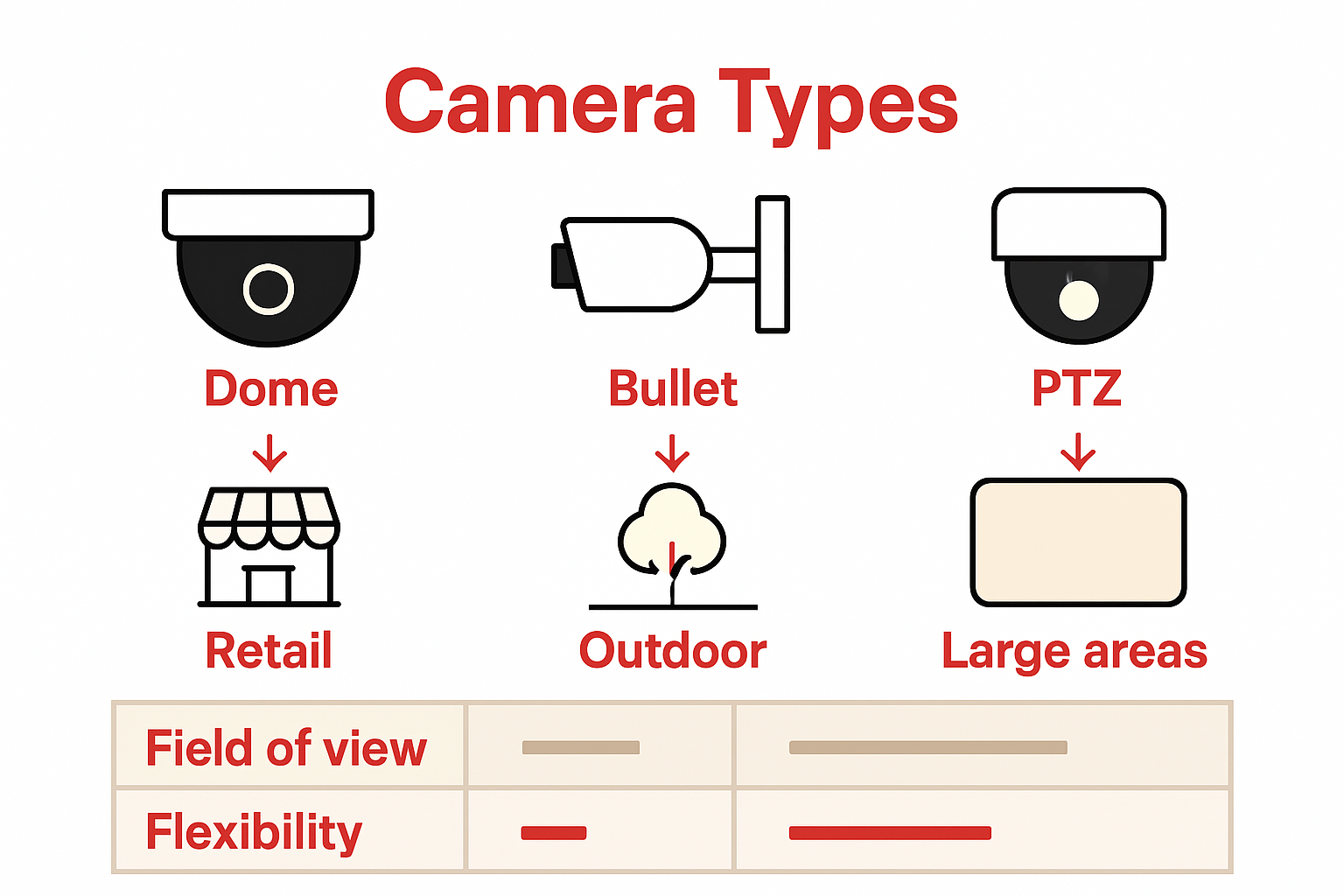
Dome Cameras represent a popular choice for indoor and outdoor settings, characterised by their discreet circular design that makes camera positioning difficult to determine. Their vandal-resistant housing and wide-angle viewing capabilities make them ideal for retail spaces, office buildings, and public areas. These cameras typically provide 360-degree coverage, ensuring comprehensive monitoring with minimal blind spots.
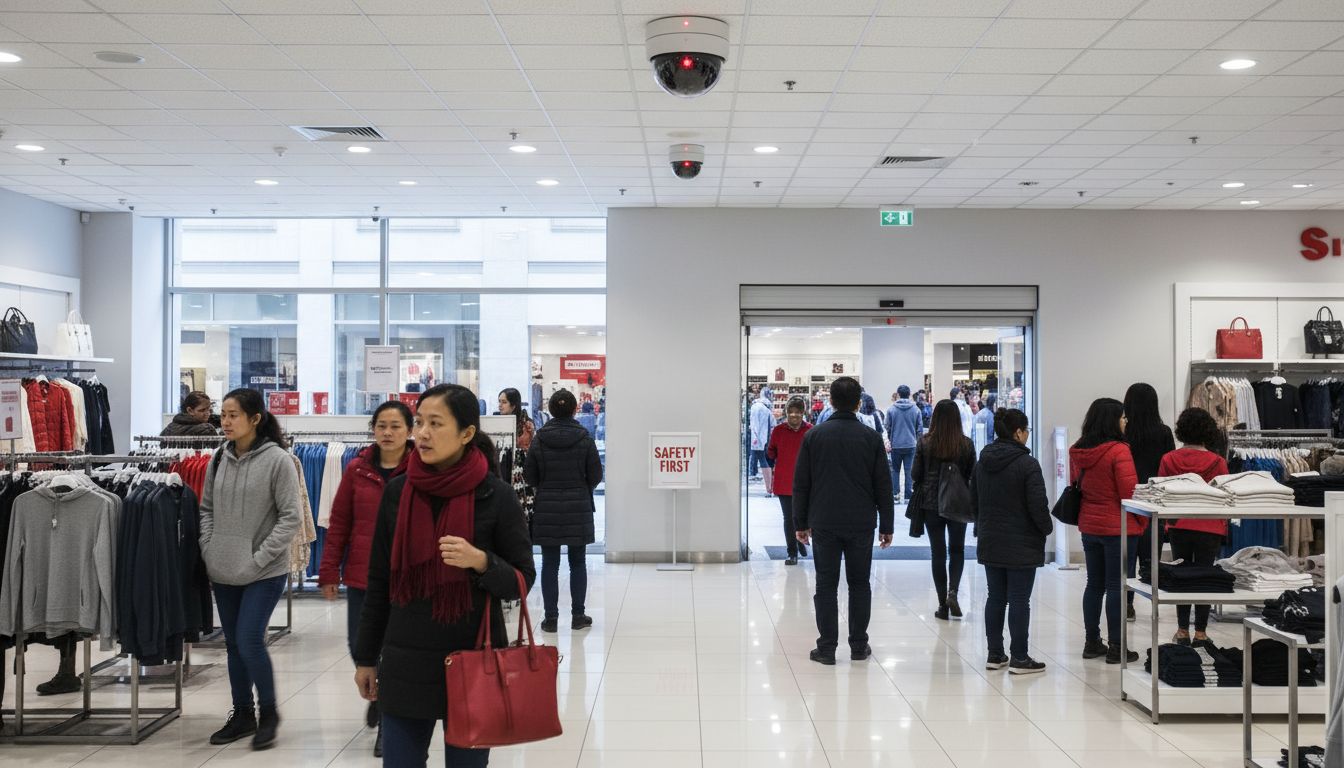
Bullet Cameras are another prevalent type, recognisable by their distinctive cylindrical shape. Designed for long-distance viewing, they excel in outdoor environments like car parks, building perimeters, and industrial sites. Their weatherproof construction and infrared capabilities enable effective night-time surveillance, with powerful zoom features that capture detailed imagery at significant distances.
Additional security camera types include:
- PTZ (Pan-Tilt-Zoom) Cameras: Offer dynamic movement and tracking capabilities
- Thermal Cameras: Detect heat signatures, ideal for low-light and challenging environmental conditions
- Wireless Cameras: Provide flexible installation without complex cabling
- IP Cameras: Enable digital networking and remote monitoring
Choosing the right security camera for your specific needs depends on multiple factors including location, lighting conditions, required coverage area, and specific security objectives. Professional assessment can help determine the most appropriate camera type for optimal protection.
Key Features And Technology Variations
Modern security cameras are sophisticated technological systems packed with advanced features that go far beyond simple video recording. Cutting-edge security technologies have transformed surveillance from passive monitoring to intelligent, proactive protection mechanisms that can analyse, predict, and respond to potential security threats.
Resolution stands as a critical technological feature determining image quality and detail capture. Contemporary security cameras range from standard definition (SD) to ultra-high definition (4K), with higher resolutions enabling clearer imagery that can capture minute details crucial for identification and evidential purposes. Professional-grade cameras now offer pixel densities that allow digital zooming without significant image degradation, ensuring investigators can examine critical visual information with unprecedented clarity.
Night Vision capabilities represent another pivotal technological advancement in security camera systems. Infrared (IR) technologies enable cameras to capture detailed imagery in near-total darkness, using wavelengths invisible to the human eye. These advanced sensors convert thermal signatures into visible images, providing continuous monitoring regardless of lighting conditions. Modern night vision technologies can distinguish between human figures, vehicles, and environmental objects, reducing false alarm rates and enhancing overall security effectiveness.
Key technological variations include:
- Motion Detection: Intelligent tracking and alerting systems
- Cloud Storage: Secure remote data preservation
- AI-Powered Analytics: Predictive threat identification
- Thermal Imaging: Heat signature recognition
- Wide Dynamic Range: Balanced exposure in challenging lighting
Selecting the right technological configuration depends on specific environmental requirements, with professional security assessments helping organisations identify optimal camera technologies for their unique security landscapes.
Choosing Cameras For Different Environments
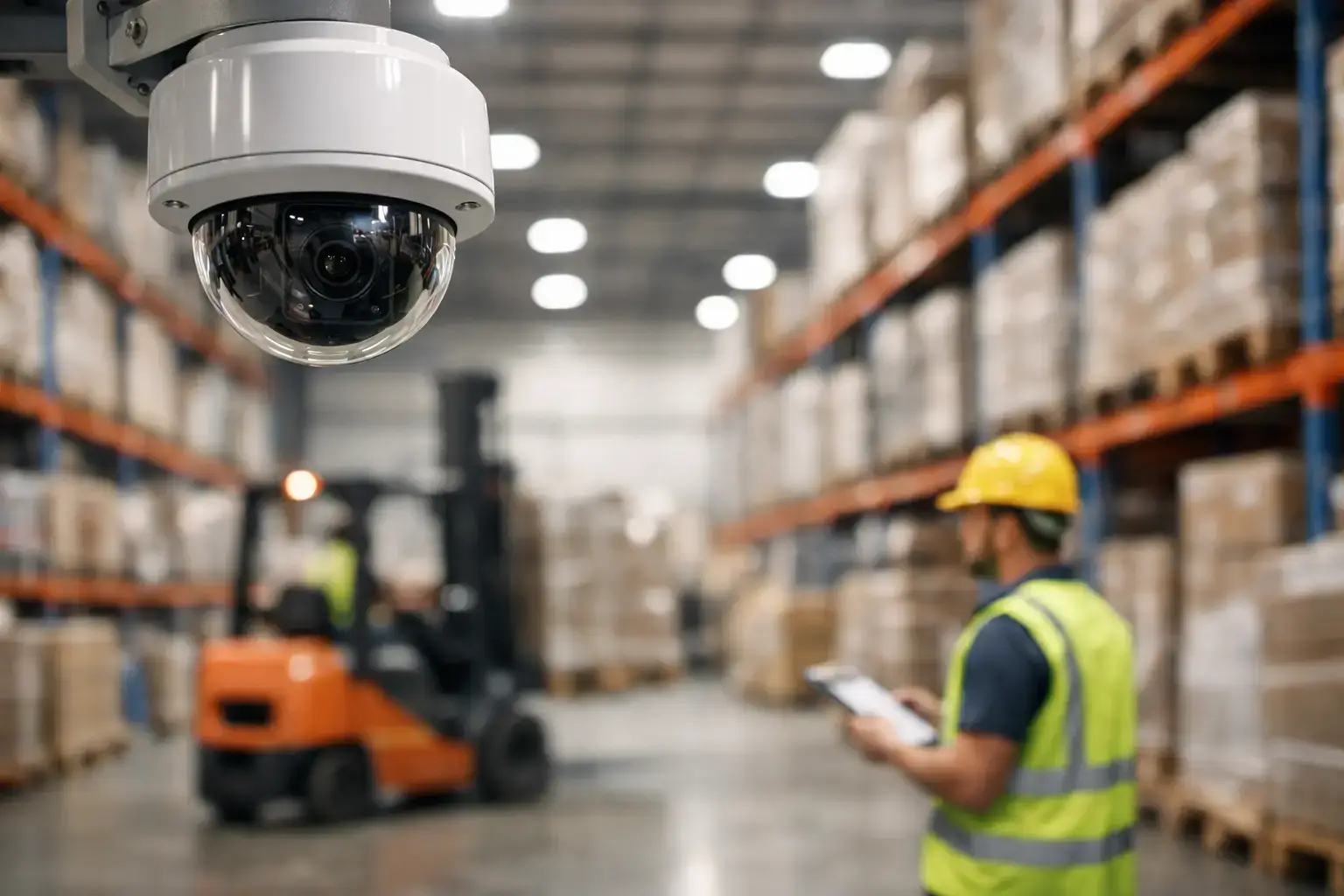
Selecting the appropriate security camera involves a nuanced understanding of environmental complexities and specific surveillance requirements. Night vision security technologies play a crucial role in determining camera effectiveness across diverse settings, from dimly lit industrial warehouses to brightly illuminated retail spaces.
Indoor Environments demand cameras with exceptional image quality and discreet design. Dome cameras excel in these settings, offering wide-angle coverage with minimal intrusion. Retail spaces, offices, and educational institutions benefit from cameras that blend seamlessly into architectural spaces while providing comprehensive monitoring. Features like digital zoom, wide dynamic range, and low-light performance become critical for capturing detailed imagery without disrupting the aesthetic or operational flow of the environment.
Outdoor Environments present more challenging surveillance conditions, requiring robust camera solutions that withstand harsh weather conditions and extreme temperature variations. Bullet cameras emerge as the preferred choice, featuring weatherproof housing, powerful infrared capabilities, and enhanced durability. These cameras must contend with challenging elements like rain, wind, and dramatic light fluctuations, necessitating advanced technological features such as:
- Robust IP66 weatherproof ratings
- Extended infrared range
- Anti-corrosion materials
- Adaptive light compensation
- Vandal-resistant construction
Business security camera installations require meticulous planning, taking into account unique spatial characteristics, lighting conditions, and specific security objectives. Professional assessment becomes paramount in determining the most appropriate camera technologies that provide optimal protection while maintaining operational efficiency across different environmental contexts.
Legal And Privacy Considerations In The UK
Navigating the complex landscape of security camera regulations requires a comprehensive understanding of legal frameworks designed to protect individual privacy while enabling legitimate security measures. CCTV regulations in Essex reflect broader national guidelines that balance surveillance needs with personal rights.
The Surveillance Camera Code of Practice establishes critical principles for camera deployment, emphasising that surveillance must serve a clear and pressing purpose. This means organisations cannot simply install cameras arbitrarily; each installation must demonstrate a legitimate security rationale. Key legal requirements include:
- Capturing only necessary and proportionate footage
- Ensuring minimal intrusion on individual privacy
- Implementing robust data protection measures
- Providing clear signage indicating camera presence
- Limiting camera coverage to specific security-critical areas
Data Protection represents another crucial consideration under the Regulation of Investigatory Powers Act 2000. Organisations must register their surveillance systems, implement secure storage protocols, and grant individuals rights to access footage pertaining to them. Cloud CCTV technologies have further complicated these legal considerations, introducing new challenges around data storage, transmission, and potential international data transfer risks.
Professional security consultants can help organisations navigate these complex legal requirements, ensuring that surveillance systems not only protect premises but also comply with stringent UK privacy regulations.
Common Pitfalls And Installation Mistakes
Security camera installations represent complex technological endeavours fraught with potential errors that can compromise overall system effectiveness. Residential camera installation requires meticulous planning and precise execution to avoid common mistakes that undermine security infrastructure.
Camera Positioning emerges as a critical factor where most organisations falter. Inappropriate placement can create significant blind spots, rendering expensive surveillance systems ineffective. Common positioning errors include installing cameras too high, which reduces facial recognition capabilities, or positioning them facing direct sunlight, causing severe image washout. Professionals recommend strategic placement that maximises field of view while maintaining clear, unobstructed imaging, considering factors like natural lighting, potential obstructions, and specific security vulnerabilities.
Technical configuration represents another minefield of potential installation mistakes. Many organisations neglect critical setup parameters such as:
- Incorrect network configuration
- Inadequate cybersecurity protocols
- Failure to update firmware regularly
- Poor cable management
- Insufficient storage capacity
- Improper IP addressing
Data Management introduces additional complexity, with CCTV insurance considerations highlighting the importance of robust backup and retrieval systems. Organisations frequently underestimate storage requirements, leading to critical footage being overwritten or lost. Professional security consultants recommend implementing multi-layered storage strategies that balance local and cloud-based solutions, ensuring comprehensive data preservation and quick retrieval when needed.
Ultimately, successful security camera deployment demands a holistic approach that combines technical expertise, strategic planning, and ongoing maintenance to mitigate potential vulnerabilities and maximise system performance.
Secure Your Property with the Right Camera Choice Today
Selecting the ideal security camera from the many types available can feel overwhelming. This guide highlights common challenges such as finding the perfect balance between resolution, night vision, weatherproofing, and camera design. You want a system that not only deters crime but also captures crystal-clear evidence, functions seamlessly indoors or outdoors, and respects privacy laws. At 247 CCTV, we understand these concerns and offer tailored installations that suit your unique environment and security goals.

Don’t leave your safety to chance. Discover professional solutions including CCTV, burglar alarms, and access control systems that provide peace of mind. Act now to benefit from expert advice and bespoke installation services. Visit 247 CCTV to explore how our comprehensive security options match the detailed needs outlined in our guide to types of security cameras. Protect what matters most with a system designed specifically for you.
Frequently Asked Questions
What are the different types of security cameras?
Security cameras come in various types, including dome cameras, bullet cameras, PTZ cameras, thermal cameras, wireless cameras, and IP cameras. Each type has unique features suited for specific surveillance needs.
How do I choose the right security camera for my needs?
Choosing the right security camera depends on factors such as location, lighting conditions, coverage area, and specific security objectives. Assessing your environment and possibly consulting a professional can help determine the best camera type.
What features should I look for in a security camera?
Key features to consider include resolution, night vision capabilities, motion detection, cloud storage options, and AI-powered analytics. These features enhance camera performance and effectiveness in monitoring and responding to security threats.
Can security cameras work effectively in low-light conditions?
Yes, many modern security cameras are equipped with night vision capabilities, allowing them to capture clear images in low-light conditions. Infrared technology is commonly used to enable effective surveillance even in darkness.
Recommended
- Residential Camera Installation: Step-by-Step Success Guide – 247 CCTV Security Ltd
- Wireless CCTV Explained: Complete Guide for UK Security – 247 CCTV Security Ltd
- Wireless CCTV Explained: Complete Guide for UK Security – 247 CCTV Security Ltd
- What Is Smart CCTV? Complete UK Security Guide – 247 CCTV Security Ltd