If you are comparing wired versus wireless alarms, the real question is not which one is newer or cheaper at first glance. It is which system will protect your property reliably, suit the building, meet insurer expectations where required, and continue to perform properly years after installation.
For some sites, a wired intruder alarm is the obvious fit. For others, a professionally installed wireless system is faster to deploy, less disruptive and easier to adapt as the property changes. The right answer depends on the risks, the layout of the building, and how the system will be used day to day.
Wired versus wireless alarms – what is the difference?
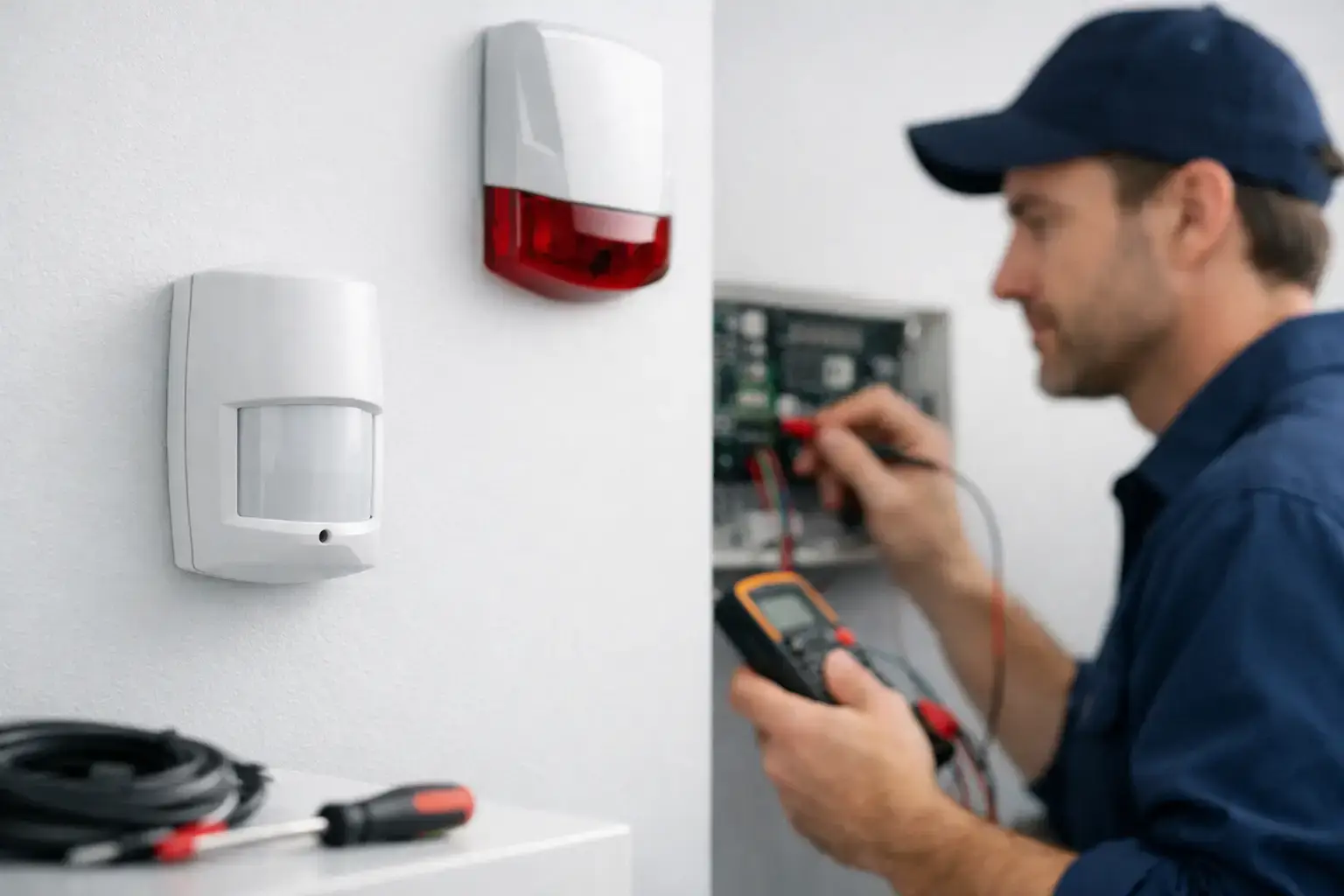
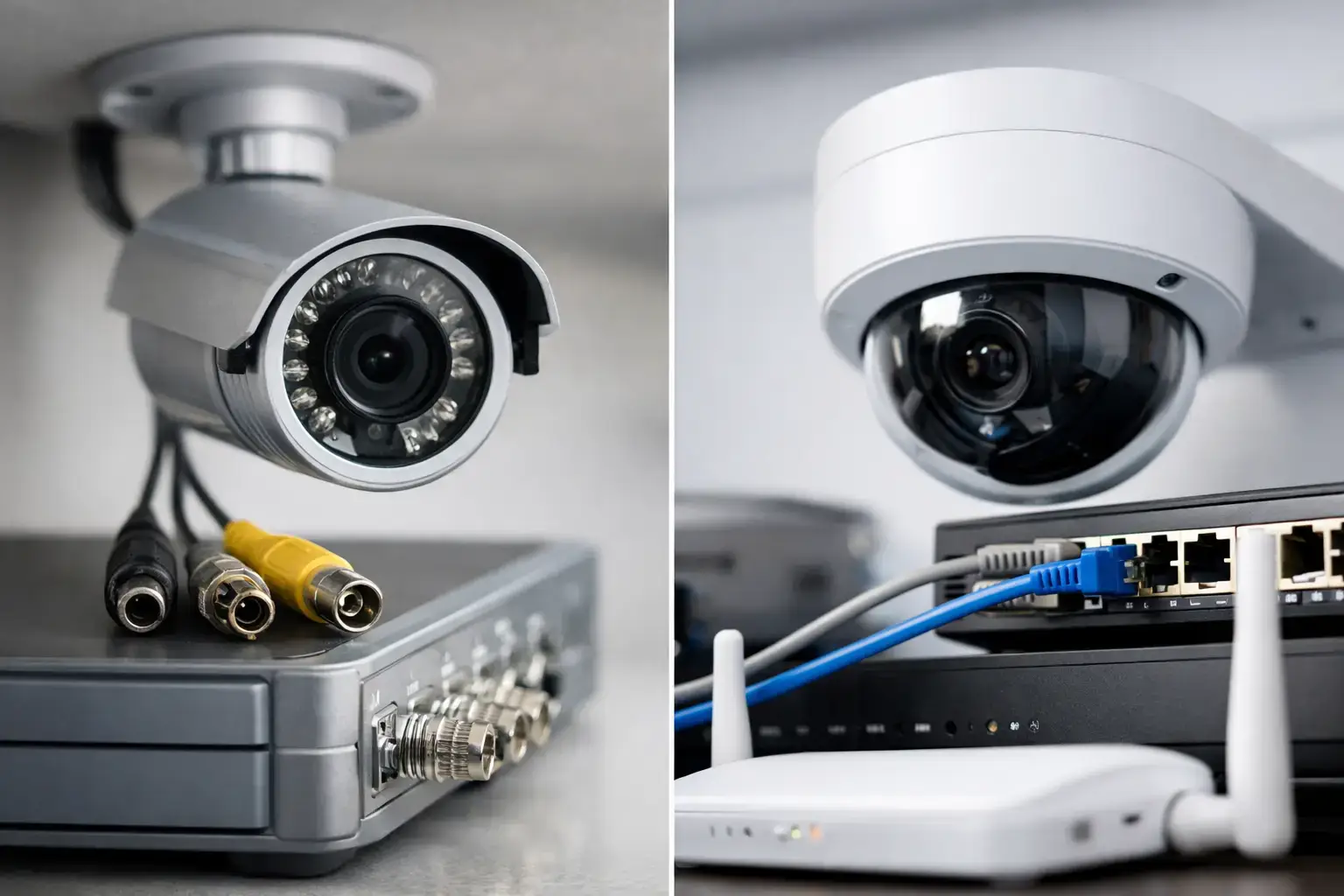
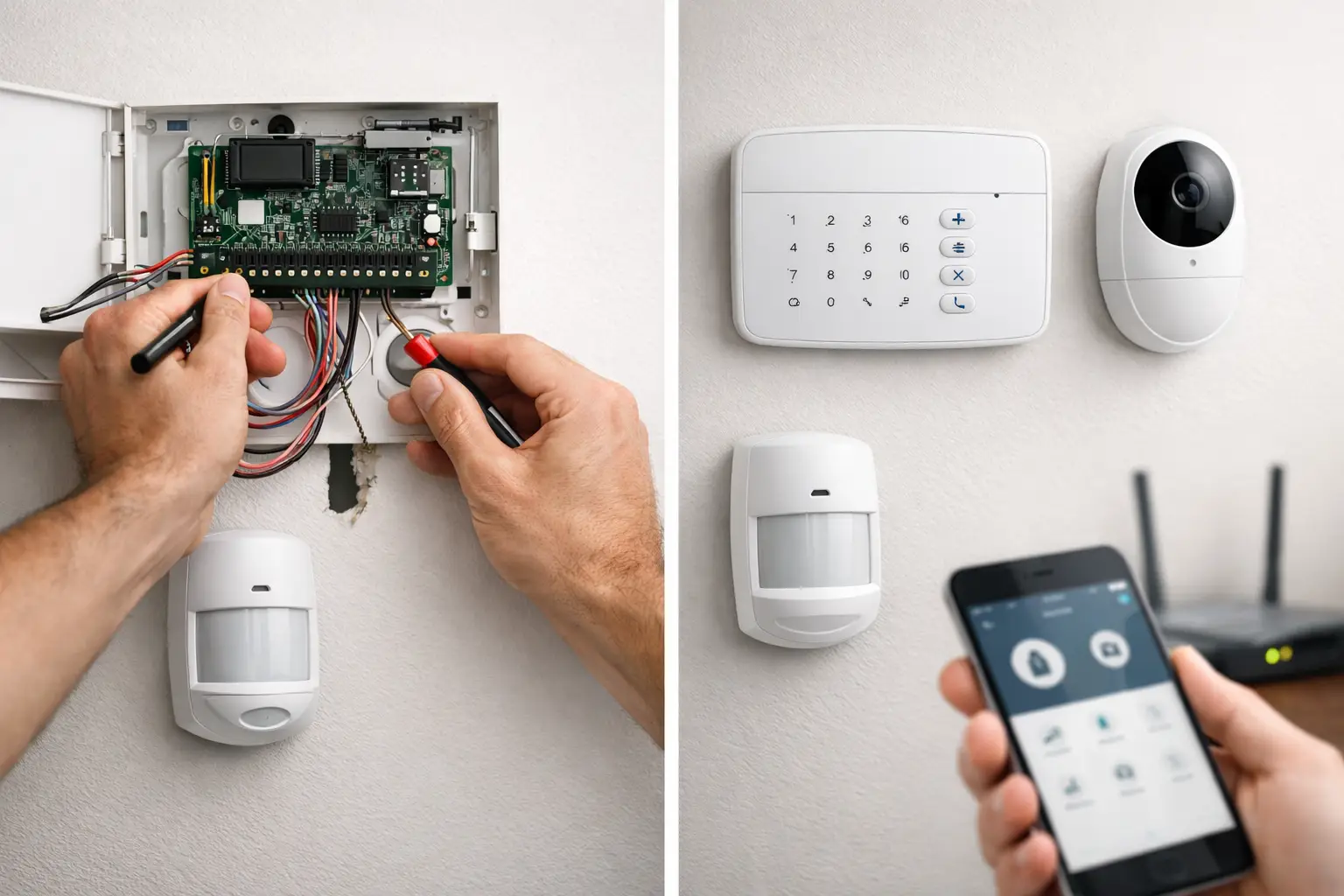
A wired alarm uses physical cabling to connect detectors, keypads, sounders and control equipment. Once installed, communication between devices happens through those hard-wired connections. This is the traditional approach and it remains common in commercial premises, larger homes and sites where long-term reliability is the priority.
A wireless alarm uses secure radio communication between the panel and devices such as PIRs, door contacts and keyfobs. These systems still need professional design and setup, but they reduce the need to run cables through walls, ceilings and finished interiors.
That sounds straightforward, but the decision is rarely just about wires. It usually comes down to installation practicalities, ongoing maintenance, risk level and whether the building is likely to change.
When wired alarms make more sense
Wired systems are often preferred where the property is being built, refurbished or stripped back enough to allow neat cable runs. In those situations, the extra installation work is far less of an issue, and the result can be a very stable system with minimal dependency on device batteries.
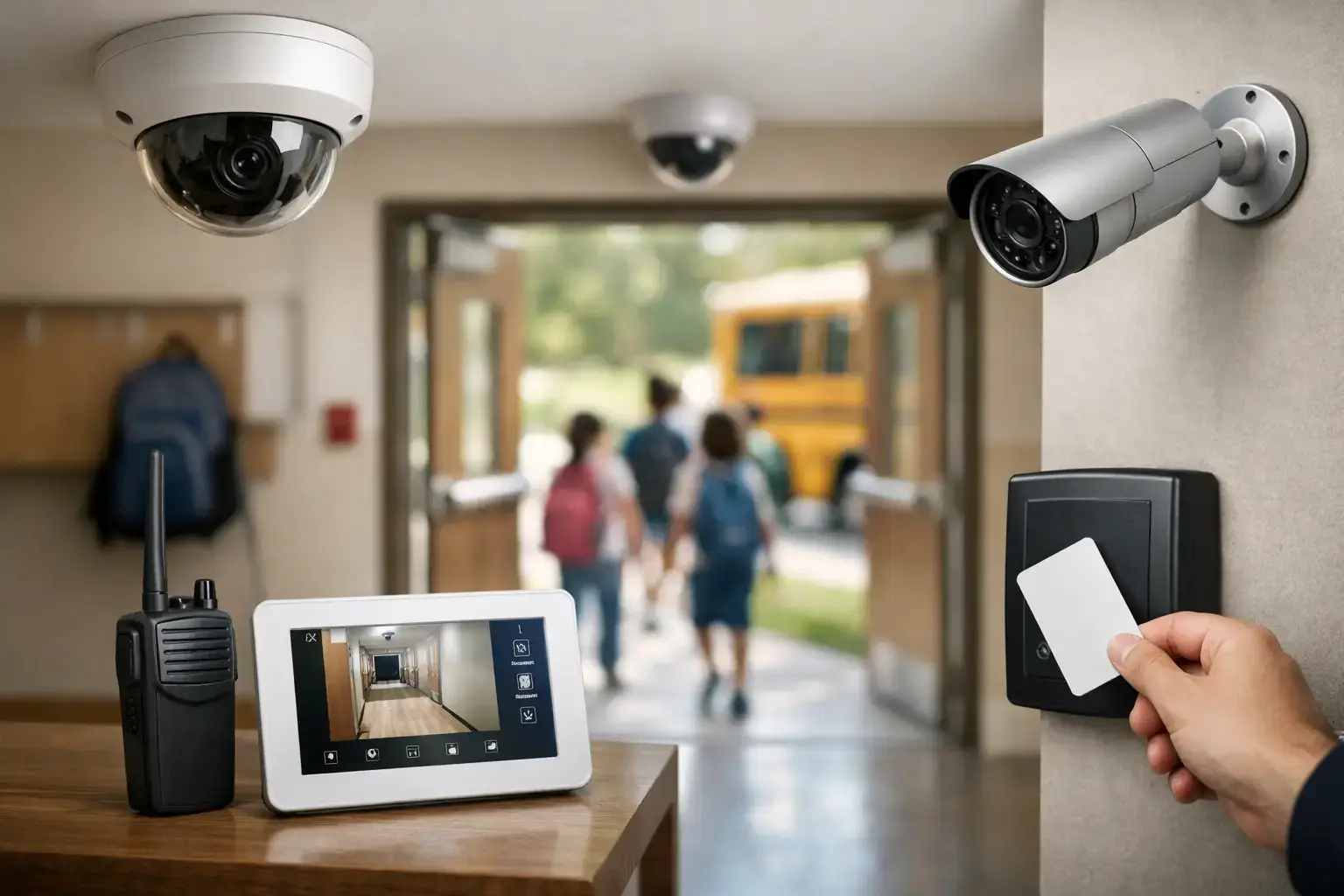
For commercial buildings, that matters. Offices, warehouses, schools, healthcare environments and industrial sites often need dependable protection across multiple areas, sometimes with integration into access control, CCTV or remote monitoring. A wired system can be ideal when a client wants a permanent solution with consistent performance and clear infrastructure behind it.
There is also a practical maintenance advantage. Wired devices do not generally require the same battery replacement cycle as wireless equivalents. Over time, especially on larger systems with many detectors, that can simplify planned maintenance.
Another point is resilience in challenging environments. Buildings with thick walls, metal structures, plant rooms or areas with signal obstacles can sometimes be less straightforward for wireless coverage. A properly designed wired system avoids many of those concerns from the outset.
Where wireless alarms have the advantage
Wireless alarms have improved significantly and are now a credible choice for many homes and business premises. They are particularly useful where cabling would be disruptive, expensive or visually intrusive.
That might be a finished home, a listed property, a small office in daily use, a retail unit with limited time for works, or a landlord property where speed of installation matters. In those cases, wireless can provide strong protection without lifting floors, chasing walls or interrupting normal operations more than necessary.
They also suit buildings that are likely to change. If internal layouts are altered, stockrooms are moved, or an extension is added later, wireless devices can often be repositioned or expanded more easily than a fully wired arrangement.
For domestic customers, convenience is another factor. Wireless alarms can support app control, part-setting, user notifications and remote management in a way that feels accessible without sacrificing professional-grade protection when the system is specified properly.
Reliability – the point most buyers care about
When clients ask about wired versus wireless alarms, reliability is usually the deciding factor. There is still a perception that wireless means less dependable, but that is too simplistic.
A professionally installed wireless alarm using quality equipment can be very reliable. Modern systems include supervised signals, tamper protection, encrypted communication and intelligent monitoring of device status. In the right setting, they perform extremely well.
That said, wired systems still hold an advantage in pure physical stability. They are not affected by battery depletion at detector level, and they do not rely on radio paths between each device and the panel. On higher-risk sites, or where failure is not easily tolerated, that can be an important reassurance.
The key point is this: poor design causes more alarm problems than the cable method itself. False alarms, weak coverage, awkward user operation and missed detection usually come from bad specification, poor positioning or inadequate maintenance, not from the words wired or wireless alone.
Installation cost versus long-term cost
Wireless alarms often look cheaper because installation is quicker and less invasive. In many cases, that is true. Labour is reduced, decoration is preserved and disruption is lower. For a small to mid-sized property, that can make wireless a very sensible investment.
But initial cost should not be the only figure considered. Wireless devices need battery changes as part of ongoing maintenance. On a larger system, those service requirements add up over time. If the property is occupied by tenants, staff or the public, access to all devices for battery replacement also needs to be planned.
Wired systems may cost more to install, especially in finished buildings, yet they can offer lower routine device maintenance over the long term. For premises expected to keep the same alarm layout for years, that can balance the equation.
This is why a proper survey matters. The cheapest quote on day one is not always the most cost-effective option over five to ten years.
Insurers, compliance and professional installation
For many commercial clients and some higher-value homes, alarm choice is not purely personal preference. Insurer requirements, monitoring standards and installer accreditation all play a part.
If the system is intended to satisfy an insurer, support police response in the appropriate circumstances, or form part of a broader security strategy, it should be designed and installed professionally. That includes the right grading, suitable signalling, correct detector selection and proper commissioning.
In practice, both wired and wireless systems can be suitable in compliant installations, provided the equipment and design are appropriate. What matters is that the system is fit for the risk, properly maintained and installed by a recognised specialist. That is especially important for businesses that cannot afford unreliable protection or avoidable false activations.
Which is better for homes?
In homes, wireless alarms are often the practical winner because they are faster to install and cause less disruption. They work well for occupied houses, flats, extensions and retrofit upgrades where owners want dependable protection without extensive cabling work.
A wired system may still be the better option in a new build, major renovation or larger property where the infrastructure can be installed neatly from the start. It can also appeal to homeowners who want a highly permanent setup with minimal detector battery management.
The lifestyle of the household matters too. If a family wants app control, simple part-setting at night and flexibility to add devices later, a modern wireless system can be a strong fit. If the property is substantial and the alarm is part of a wider integrated security package, wired may deserve closer consideration.
Which is better for businesses?
Commercial sites need a more measured answer. A small office or shop may benefit greatly from wireless installation, especially where downtime must be kept to a minimum. A temporary premises, managed workspace or leased unit may also favour wireless because of flexibility.
Larger sites often lean towards wired systems, particularly where the alarm needs to cover multiple zones, connect with other security disciplines, or operate across demanding environments. Warehouses, schools, healthcare settings and industrial units typically require careful planning around access routes, vulnerable points, occupancy patterns and out-of-hours response.
For these clients, the best alarm is the one that fits into a wider security plan rather than operating in isolation. That may include CCTV verification, monitored signalling, restricted access areas and maintenance support from one provider.
The best option is sometimes a hybrid
There is another route that is often overlooked. Some properties benefit from a hybrid alarm system, combining wired and wireless devices. This can be useful where part of the building allows cabling but another area does not, or where an existing wired system needs extending into a new section.
Hybrid design can give clients the reliability benefits of wired infrastructure in key areas while retaining the flexibility of wireless where installation access is limited. In real buildings, especially mixed-use and adapted premises, that can be the most sensible answer.
A good security survey should identify that early rather than forcing the property into a one-size-fits-all approach.
Choosing between wired versus wireless alarms comes down to the building, the risk, and how you expect the system to perform in everyday use as well as in an emergency. If the design is right, both can protect a property well. If the design is wrong, neither will. That is why it is worth taking advice from a specialist who looks at the site properly and recommends what will still make sense long after the installation team has left.