A fire alarm that activates too late, triggers false alarms every week, or fails an inspection is not just inconvenient – it exposes people, property and businesses to avoidable risk. Choosing the right fire alarm installation company is therefore not a box-ticking exercise. It is a decision that affects safety, compliance, insurer expectations and day-to-day confidence in the building.
For a homeowner, that may mean protecting family members and ensuring an extension or loft conversion is covered properly. For a facilities manager or business owner, it often means balancing legal duties, occupancy needs, evacuation planning and the pressure to keep disruption to a minimum. The installer you appoint should understand those pressures from the outset.
What a fire alarm installation company should actually do
A professional installer should do far more than fit detectors and leave you with a panel on the wall. The real value lies in survey work, system design, equipment selection, installation quality, commissioning, user guidance and ongoing maintenance.
That matters because no two sites are the same. A small office with straightforward escape routes needs a very different fire alarm strategy from a school, HMO, warehouse, restaurant or mixed-use premises. Room layout, ceiling heights, occupancy, fire loading, out-of-hours use and links to other systems all affect the correct approach.
A capable company will begin by assessing the building and the risks rather than pushing a standard package. In practice, that may involve identifying detector types, deciding where manual call points should be positioned, considering sounder coverage, and reviewing whether remote monitoring or integration with access control is required. On larger or more complex sites, poor design at the start usually costs more later.
Why design and compliance matter
When buyers compare quotations, price is often the first thing they notice. That is understandable, but with fire alarms the detail behind the figure matters just as much. A lower quote may reflect a simpler specification, fewer devices, cheaper components or limited aftercare.
The more sensible question is whether the proposed system is suitable for the premises and aligned with the relevant standards and fire safety obligations. A well-designed system should support life safety first and, where appropriate, help protect stock, equipment, plant rooms or continuity of trading.
Off-the-shelf thinking causes problems
Many issues begin when installers treat every site the same. Detectors may be positioned for convenience rather than coverage. Sound levels may be inadequate in noisy areas. False alarms may become common because the wrong detector type has been selected for kitchens, changing temperatures or dusty environments.
This is where experience matters. A fire alarm installation company with a strong background in commercial and residential security will understand how buildings behave in real use, not only on a floor plan. That practical knowledge helps reduce nuisance activations and supports more dependable long-term performance.
Compliance is not optional
For commercial premises, landlords, managing agents and duty holders, compliance is central. Fire alarm systems often form part of a wider fire safety strategy that may include emergency lighting, clear escape routes, extinguishers and documented procedures. If the alarm system is poorly specified or badly maintained, it can undermine the whole arrangement.
Insurers, risk assessors and enforcement bodies are unlikely to be impressed by a cheap installation that does not perform properly when tested. The better route is to work with a company that understands recognised standards, documentation and commissioning requirements, and can explain them clearly without burying the client in jargon.
How to assess a fire alarm installation company
The best companies are usually straightforward in how they operate. They ask sensible questions, carry out a proper survey and explain why they are recommending a particular category of system. They also make it clear what is included after installation.
Look closely at accreditation, experience and service scope. If a provider is used to working across sectors such as retail, education, healthcare, hospitality, industrial units and residential property, that breadth often shows in the quality of advice. Buildings present different risks, and installers who have seen a range of environments tend to spot issues earlier.
It is also worth asking whether the company can support related systems. Fire alarms do not always operate in isolation. On some sites they may need to interface with door release mechanisms, access control, monitoring arrangements or wider security infrastructure. A specialist provider can help make sure these systems work together sensibly.
Ask about maintenance before you appoint them
Installation is only one stage in the life of a fire alarm system. Ongoing servicing, testing and fault response are just as important. If a company cannot clearly explain its maintenance offering, response process or support arrangements, that is worth noting.
A reliable maintenance plan helps keep the system compliant, identifies worn components early and reduces the chance of faults developing at the wrong time. For businesses in particular, downtime can mean disruption to staff, customers and operations. For landlords, it can create unnecessary risk and complaints. Support should be part of the decision, not an afterthought.
Wired, wireless or hybrid – what depends on the site
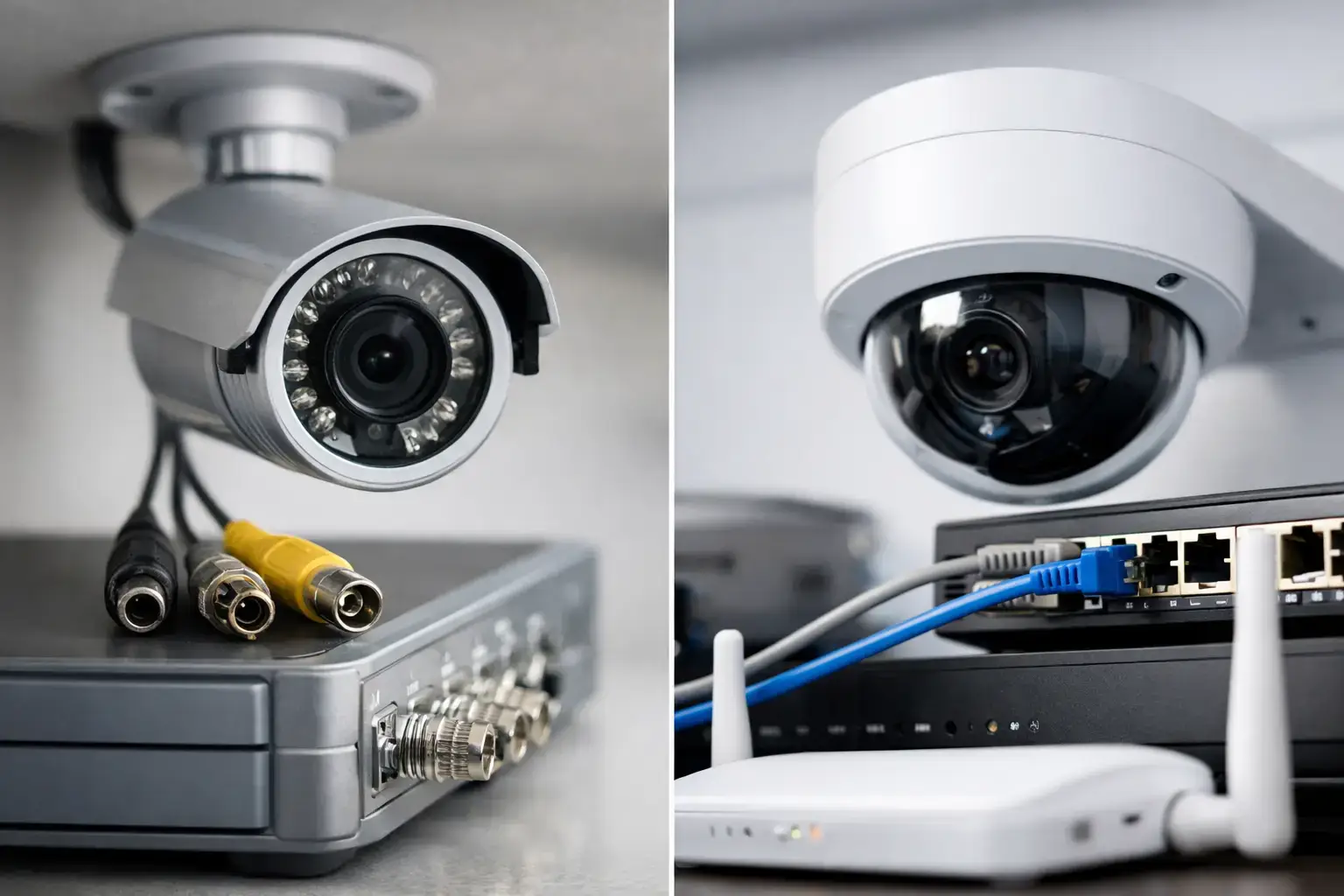
Many buyers want a simple answer on system type, but the right choice depends on the building. Wired systems are often preferred where reliability, permanence and scale are the priority, particularly in new builds, refurbishments or commercial sites where cabling routes are practical. Wireless systems can be a good fit for occupied buildings, listed properties or sites where disruption must be kept low.
Hybrid systems also have their place. They can work well where part of a building allows hard wiring but another area is difficult to cable neatly or cost-effectively. The point is not that one option is always best. It is that the installer should justify the choice in relation to the property, usage and budget.
A credible provider will also be honest about trade-offs. Wireless systems can reduce disruption during installation, but device management and battery considerations need proper planning. Wired systems may offer long-term advantages, but installation can be more intrusive if the building is already in use. Good advice reflects reality rather than sales pressure.
Different buildings need different fire alarm strategies
A house, block management area, school and warehouse should not be treated as versions of the same job. In residential settings, the focus may be on protecting sleeping occupants and providing dependable early warning. In a commercial setting, there may also be a need to consider phased evacuation, staff procedures, public access and business continuity.
Restaurants and hospitality venues often need careful detector selection because steam, heat and cooking fumes can cause nuisance alarms if the design is poor. Warehouses may involve high ceilings, loading areas and variable temperatures. Schools and healthcare sites bring their own occupancy and safeguarding considerations. This is why experience in live operational environments matters so much.
In the South East, where many premises combine older building fabric with newer refurbishments, installation quality becomes even more important. The right company will design around the reality of the site rather than forcing the site to suit the product.
Why buyers often choose a full-service specialist
There is a clear advantage in appointing one provider that can survey, design, install and maintain the system over time. It reduces gaps in responsibility and makes it easier to get consistent advice. If that same provider also understands CCTV, intruder alarms, access control and door entry, coordination across the wider security setup becomes easier as well.
That joined-up approach is particularly useful for commercial clients and landlords managing multiple risks at once. It can also help homeowners who want a fire alarm system that sits sensibly alongside existing security measures. A specialist company such as 247 CCTV brings added value here because the conversation is not limited to one product line – it is about protecting the whole property properly.
Questions worth asking before you accept a quotation
Before making a final decision, ask how the survey was carried out, what standards the design is based on, what testing and commissioning are included, and how maintenance will be handled afterwards. You should also ask who will install the system, how disruption will be managed, and whether there are any assumptions built into the quote.
If the answers are vague, rushed or heavily sales-led, that tells you something. A dependable installer should be comfortable discussing limitations as well as benefits. That honesty is often a better sign than a promise that everything will be quick, cheap and problem-free.
The right fire alarm installation company gives you more than equipment. It gives you confidence that the system has been thought through properly, fitted to a professional standard and backed by people who will still be there when you need support most.