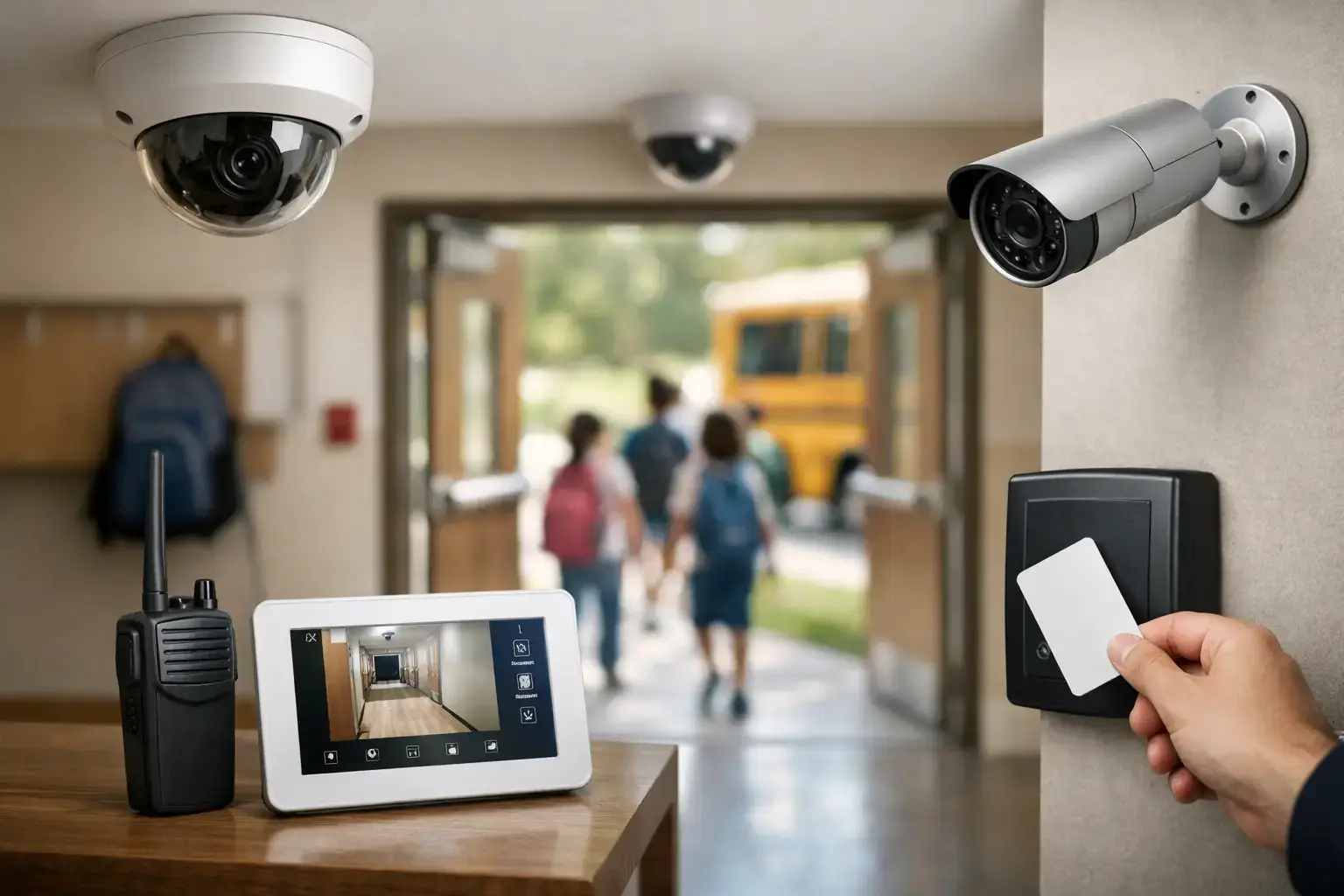
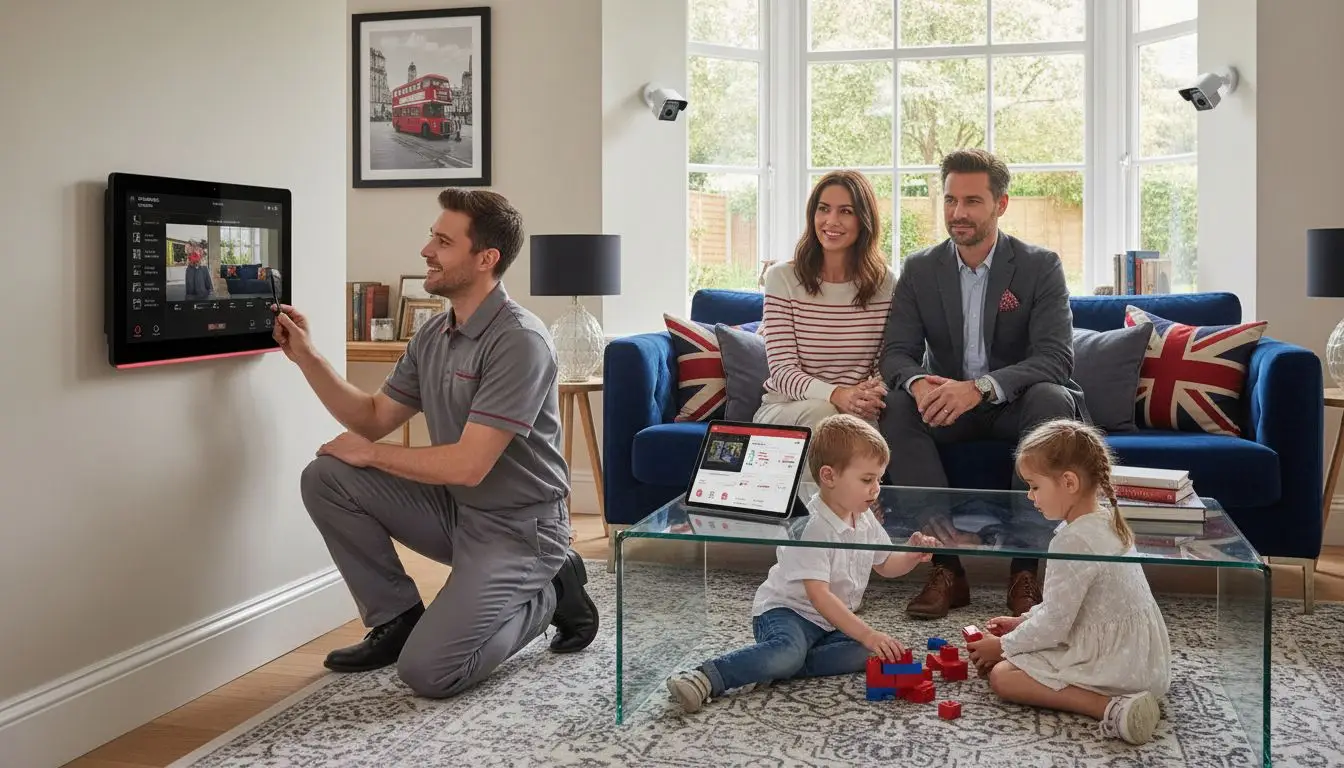
Over 70 percent of british households now rely on residential security systems to protect against intrusions and theft. As threats evolve and technology advances, understanding your options has never been more important. Today’s solutions offer more than simple alarms. They combine smart features and legal compliance for peace of mind. This guide unpacks the fundamentals, legal requirements, and practical details all british homeowners should know.
Key Takeaways
| Point | Details |
|---|---|
| Comprehensive Security Solutions | Modern residential security systems integrate various technologies to provide layered protection against intrusions and threats. |
| Types of Systems Available | Homeowners can choose from a range of systems, including burglar alarms, CCTV, and smart home integrations, tailored to their specific needs. |
| Legal Compliance | It is crucial for homeowners to be aware of UK regulations regarding data protection, installation standards, and privacy to ensure legal and ethical security practices. |
| Cost Considerations | Installation and maintenance of security systems vary, with initial costs and ongoing expenses being significant factors for long-term investment. |
Residential Security Systems Defined and Explained
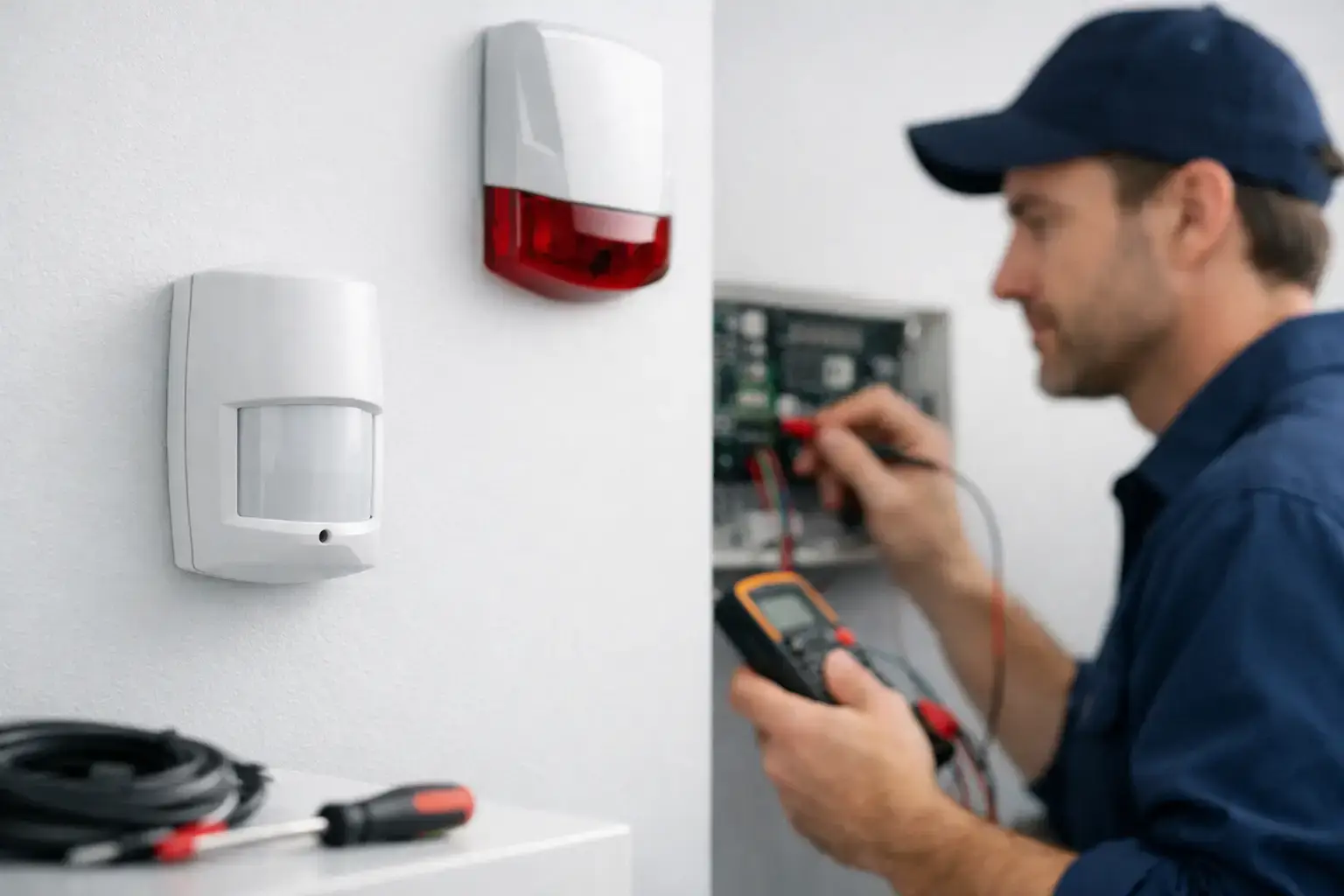
A residential security system is an integrated network of technological devices designed to protect homes from potential intrusions, theft, and security threats. According to the National Protective Security Authority, these systems typically comprise multiple interconnected components that work seamlessly to detect, deter, and respond to potential security risks.
At its core, a residential security system includes several critical elements that collaborate to safeguard your property. These typically incorporate:
- Intruder alarm systems that detect unauthorized entry
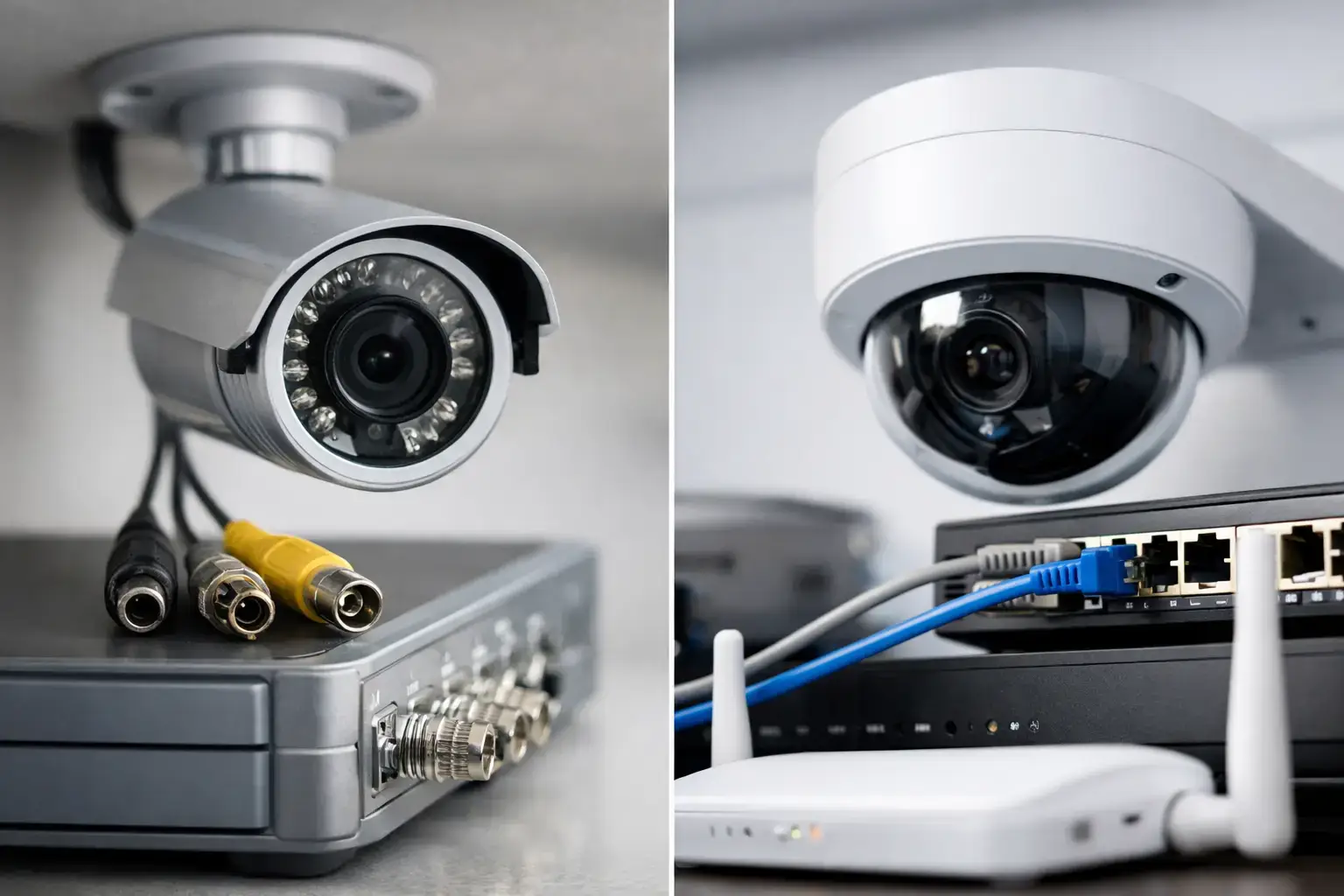
- Video surveillance cameras for monitoring property areas
- Access control mechanisms to restrict and track property entry
- Communication networks to relay critical security information
The NPSA’s building protection guidance emphasises that modern residential security is about creating an integrated approach. This means moving beyond simple alarm triggers to developing comprehensive protection strategies that anticipate and mitigate potential security challenges. For homeowners in urban areas like London and Essex, this integrated approach becomes increasingly crucial as property security demands become more sophisticated.
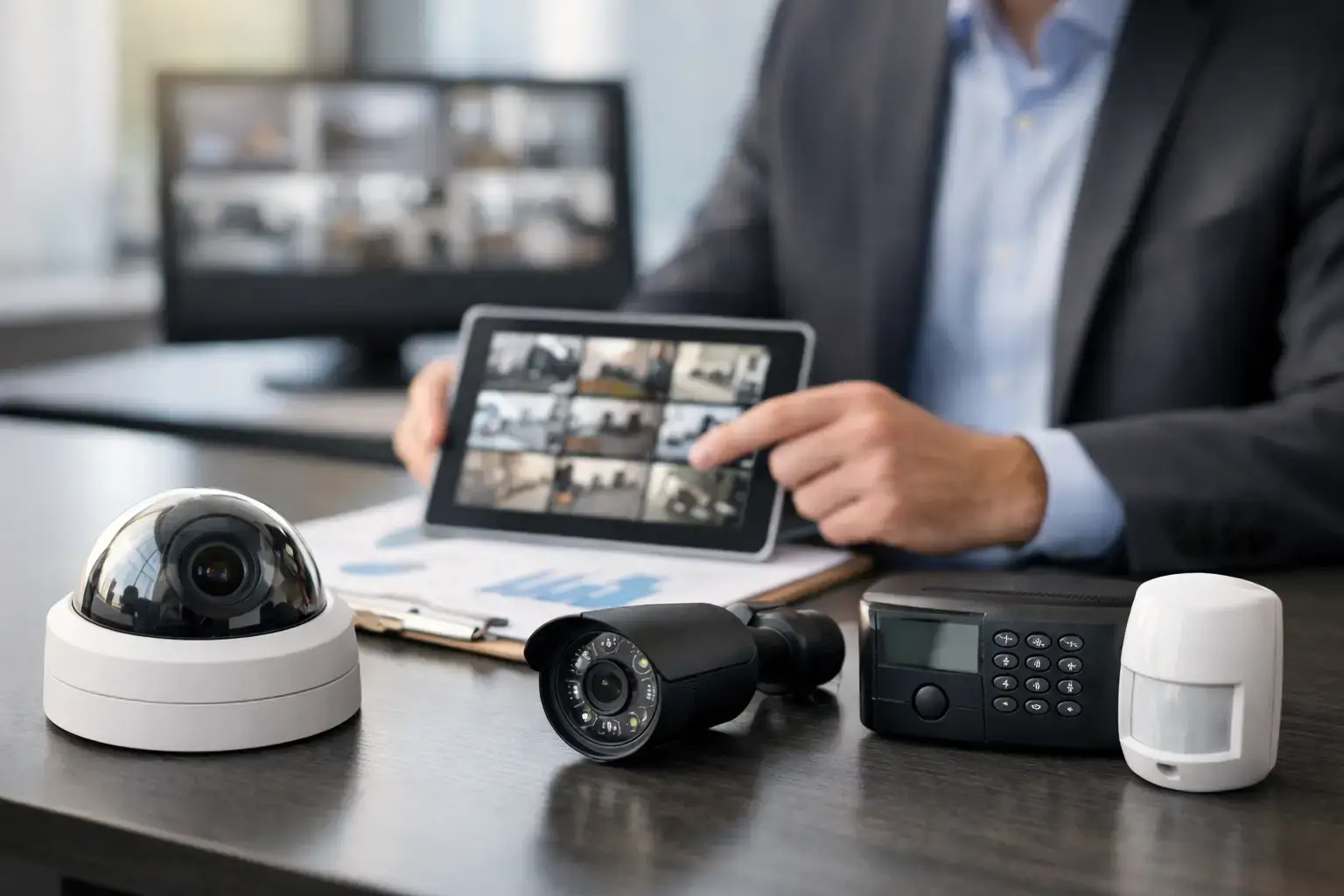
Modern residential security systems are no longer passive protection tools but intelligent, responsive networks. They can now incorporate smart technologies like motion sensors, remote monitoring capabilities, and real-time smartphone alerts.
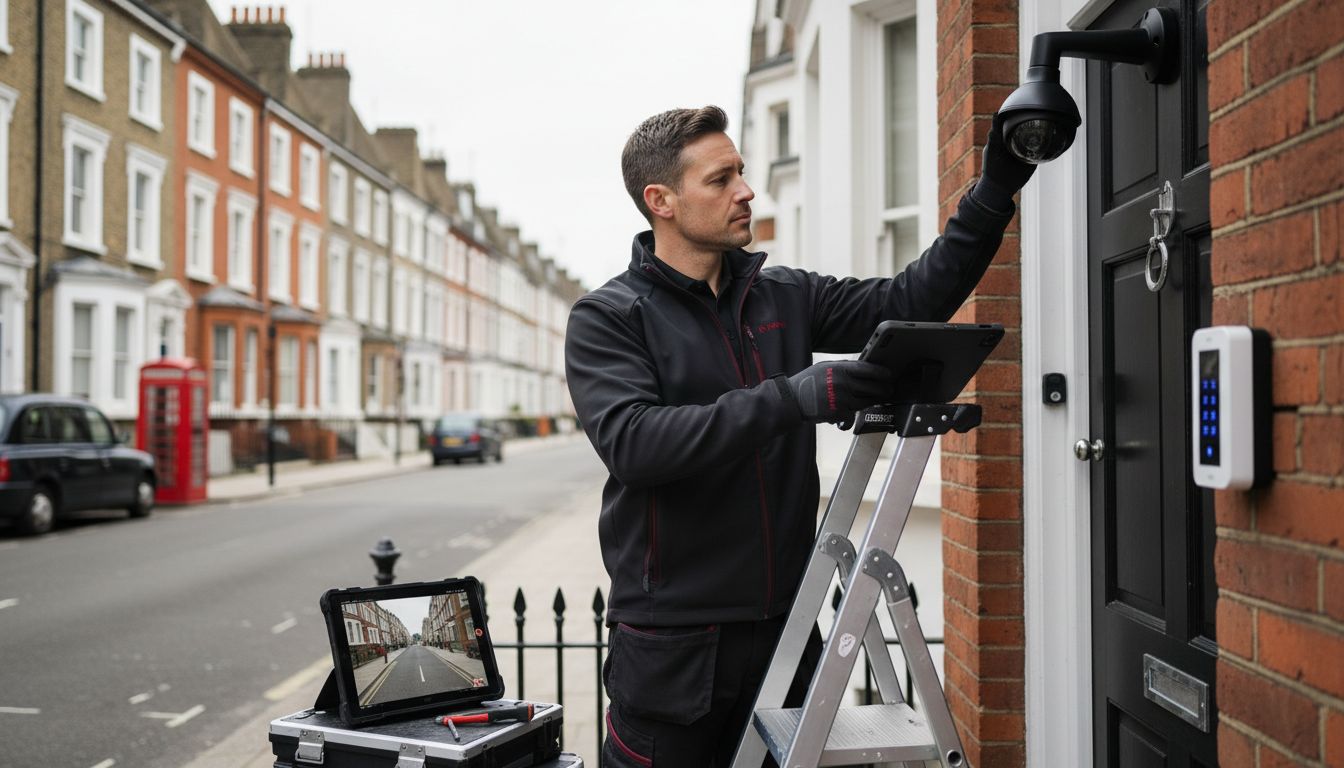 These advanced systems allow homeowners to maintain constant vigilance, receiving instant notifications about any unusual activity and enabling rapid response to potential security breaches.
Types of Residential Security Systems in the UK
Residential security systems in the United Kingdom encompass a diverse range of technological solutions designed to protect homes from potential security threats. DIY Doctor highlights several key types of systems that homeowners can choose from, each offering unique features to enhance property protection.
The primary types of residential security systems include:
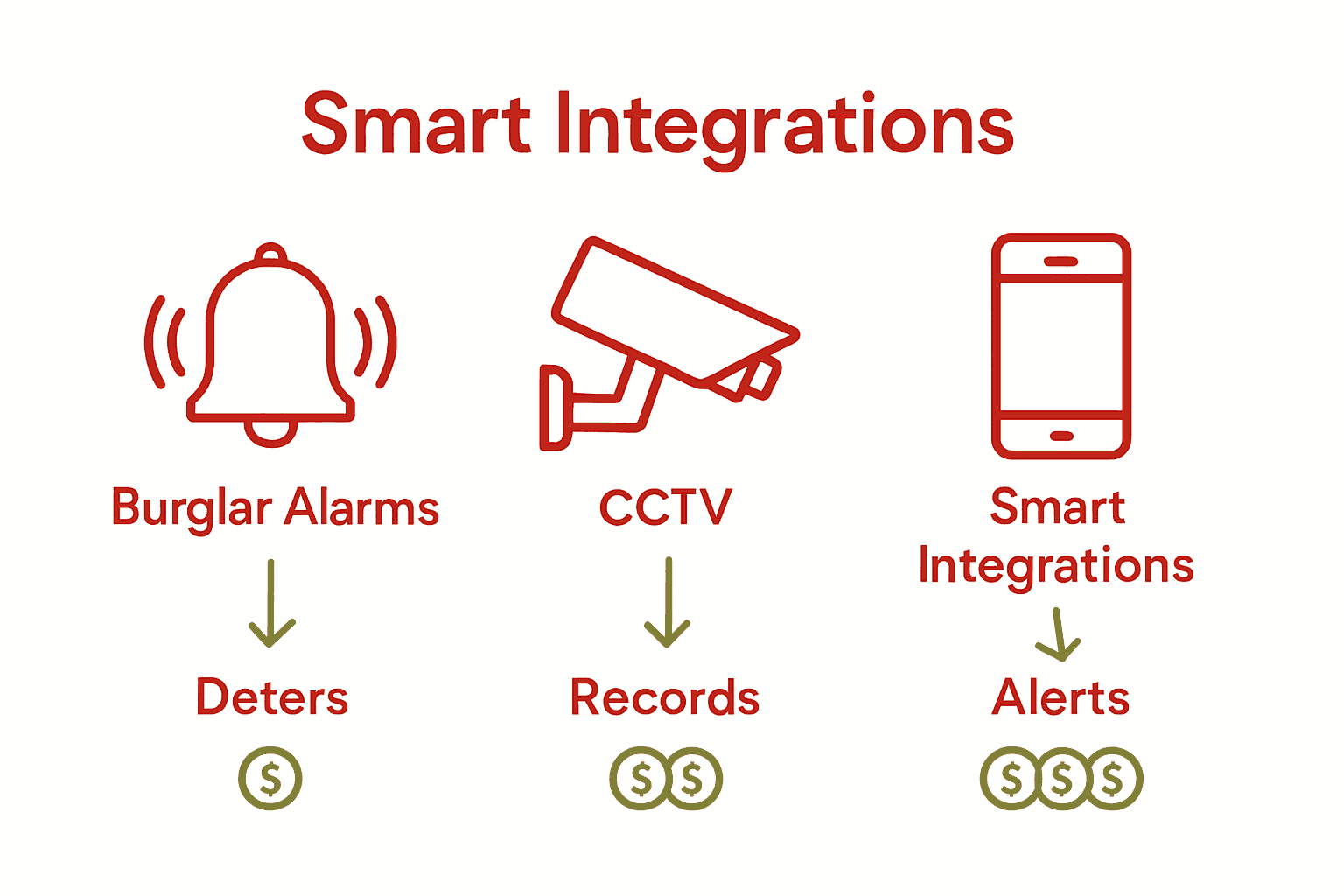
Burglar Alarm Systems
- Wired systems hardwired into home electrical infrastructure
- Wireless systems using battery-powered sensors and communication
- GSM alarm systems with mobile network connectivity
CCTV Security Systems
- Fixed camera installations
- Pan-tilt-zoom (PTZ) camera networks
- Night vision and infrared surveillance capabilities
Smart Home Security Integrations
- Motion detection sensors
- Remote monitoring via smartphone applications
- Real-time alert systems
According to the National Protective Security Authority, modern residential security is about creating comprehensive protection strategies. This means selecting systems that not only detect potential intrusions but also provide intelligent, proactive monitoring.
For residents in urban areas like London and Essex, choosing the right security system involves carefully evaluating specific property characteristics, lifestyle needs, and potential vulnerabilities. The most effective systems combine multiple technologies to create a layered security approach, ensuring comprehensive protection against various potential security risks.
Key Features and How These Systems Operate
Residential security systems are sophisticated technological networks designed to protect properties through multiple interconnected components. DIY Doctor provides insights into how these systems function, highlighting the complex interactions between various sensors, detectors, and communication technologies.
The core operational components of residential security systems typically include:
Control Panels
- Central processing unit for entire security system
- Manages sensor inputs and triggers
- Connects different security elements
Detection Mechanisms
- Motion sensors for tracking movement
- Door and window contacts
- Glass break detectors
- Perimeter monitoring sensors
Communication Technologies
- Wireless network connectivity
- Mobile app integrations
- Instant smartphone notifications
- Direct communication with monitoring centres
According to the National Protective Security Authority, these systems are designed to provide comprehensive protection through intelligent alert mechanisms. They do not merely detect intrusions but create a proactive security environment that anticipates and responds to potential threats.
Modern residential security systems operate on a layered approach, combining multiple technologies to create robust protection. When an unexpected event occurs, such as a window being forced open or unexpected movement detected, the system immediately triggers a sequence of responses. These might include local alarms, sending instant notifications to homeowners, and alerting professional monitoring services, ensuring a multi-tiered response to potential security breaches.
Legal Requirements and British Standards
Residential security systems in the United Kingdom are governed by a complex framework of legal requirements and standards designed to protect both property owners and individuals’ privacy rights. Camden Council emphasises the critical importance of understanding these regulations, particularly when installing surveillance technologies that might impact neighbouring properties or public spaces.
Key legal considerations for residential security systems include:
Data Protection Requirements
- Compliance with UK General Data Protection Regulation (UK GDPR)
- Ensuring proper handling of recorded footage
- Limiting surveillance to your own property boundaries
Installation Standards
- British Standards Institution (BSI) guidelines
- Professional installation certifications
- Adherence to electrical safety regulations
Privacy Compliance
- Avoiding intrusion into neighbours’ private spaces
- Providing clear signage about surveillance areas
- Restricting camera angles to prevent unwarranted monitoring
The Department for Communities provides additional guidance for properties with special considerations, such as historic buildings. This highlights the nuanced approach required when implementing security systems, especially in areas with architectural or heritage significance.
For homeowners in urban areas like London and Essex, navigating these legal requirements can be complex. Professional security installers play a crucial role in ensuring that residential security systems not only provide effective protection but also fully comply with British legal standards and privacy regulations. This approach guarantees that your security investment remains both legally sound and ethically responsible.
Installation Costs, Maintenance, and Lifespan
Residential security systems represent a significant investment for homeowners, with costs and ongoing maintenance playing crucial roles in their long-term effectiveness. DIY Doctor provides insights into the financial considerations, highlighting that installation expenses can range substantially based on system complexity and features.
Cost breakdown for residential security systems typically includes:
Initial Installation Costs
- Basic DIY systems: £180-£500
- Professional wired systems: £600-£1,200
- Comprehensive monitored systems: £1,000-£1,400
Ongoing Expenses
- Monthly monitoring fees: £15-£45
- Annual maintenance checks: £100-£250
- Battery and sensor replacements: £50-£150 per year
Potential Additional Investments
- Smart home integration
- Extended warranty options
- Advanced sensor technologies
Age UK emphasises the critical importance of regular maintenance to ensure system longevity and continued protection. This involves periodic professional inspections, battery replacements, and software updates to maintain optimal performance.
For homeowners in urban areas like London and Essex, investing in a high-quality security system is not just about the initial cost but about long-term reliability. Most modern residential security systems have an average lifespan of 7-10 years, with professional-grade components potentially lasting longer when properly maintained. Smart homeowners approach security as an ongoing investment, balancing upfront expenses with comprehensive, reliable protection.
Secure Your Home with Expertly Installed Residential Security Systems
Understanding the complexity of modern residential security systems can be overwhelming. From integrating burglar alarms and CCTV to ensuring compliance with British standards and data privacy, the challenges are many. You want a system that not only detects intrusions but offers intelligent, proactive protection tailored to your lifestyle and property. With security threats evolving every day, the peace of mind that comes from a professionally installed, fully compliant system becomes invaluable.

Protect your home with confidence by choosing 247 Security. Our expert team specialises in installing comprehensive residential security systems including burglar alarms, CCTV, and access control designed to meet the exacting needs of homeowners throughout London and Essex. Don’t wait for a security breach to act. Visit 247 Security homepage now to discover solutions that combine cutting-edge technology with British compliance. Secure your home today and enjoy the comfort of intelligent protection built just for you.
Frequently Asked Questions
What are the main components of a residential security system?
A residential security system typically includes intruder alarm systems, video surveillance cameras, access control mechanisms, and communication networks for monitoring and responding to security threats.
How do modern residential security systems work?
Modern residential security systems utilise a layered approach that combines various technologies like motion sensors, video surveillance, and smart alerts to detect potential intrusions and notify homeowners instantly.
What legal requirements do I need to consider when installing a security system?
Key legal considerations include compliance with data protection regulations, adherence to installation standards, and ensuring privacy by limiting surveillance to your own property boundaries while avoiding intrusion into neighbours’ spaces.
What are the average costs associated with residential security systems?
Initial installation costs can range from £180 for basic DIY systems to over £1,400 for comprehensive monitored systems. Ongoing expenses, such as monthly monitoring and maintenance, can additionally range between £15-£45 per month and £100-£250 annually.
Recommended
- Complete Guide to Types of Burglar Alarms UK – 247 CCTV Security Ltd
- Residential Camera Installation: Step-by-Step Success Guide – 247 CCTV Security Ltd
- Burglary Prevention Methods for Businesses and Homes UK – 247 CCTV Security Ltd
- What Is a Burglar Alarm? Complete Guide for the UK – 247 CCTV Security Ltd
- Trusted Blog – 24/7 Emergency & No Call-Out Charge